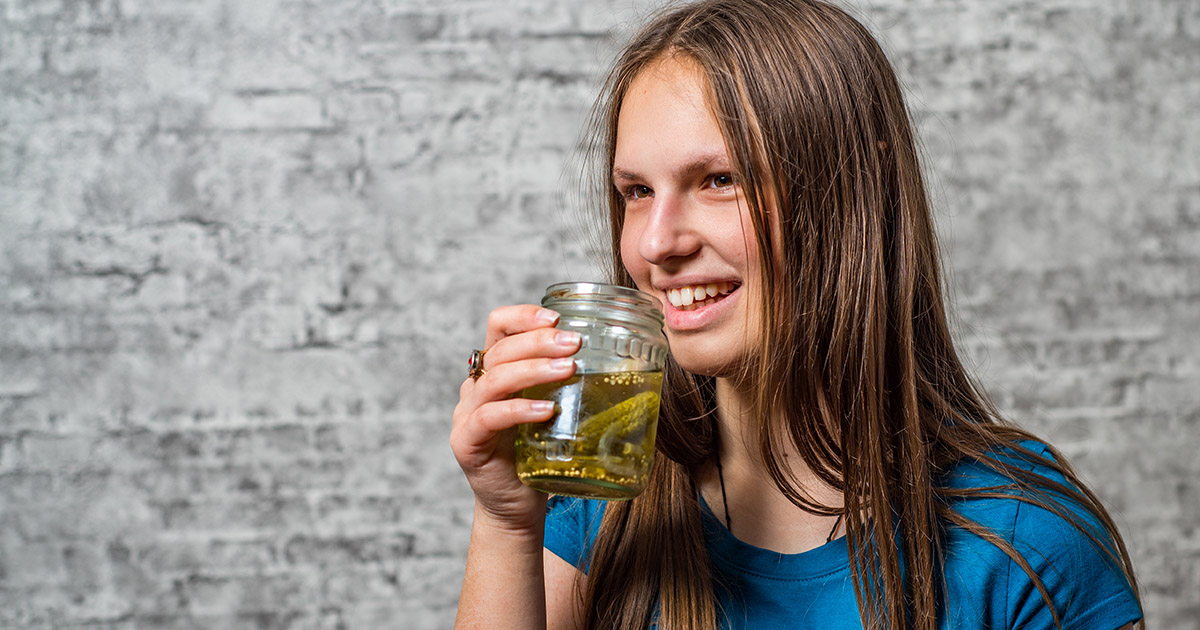

The argument that happens most in locker rooms after a hard training session isn’t about technique or tactics. It’s about a small bottle of sour liquid that half the team swears by and the other half thinks is ridiculous.
Pickle juice and muscle cramps have been intertwined in athletic folklore for decades, and that relationship got a very public airing again recently when, during a World Cup match between the U.S. and Australia, referee Felix Zwayer went down on the field with a cramp and was handed pickle juice. He was back on his feet within seconds. The clip went viral. And the question it raised is genuinely interesting: does this actually work, or is it just a very convincing-looking placebo?
The answer, it turns out, is more surprising than either camp expects. Pickle juice does appear to work for exercise-related muscle cramps, but not for any of the reasons most people assume.
The Old Theory That Doesn’t Hold Up

For a long time, the standard explanation for why athletes cramped up was simple: you sweat, you lose sodium and potassium, your electrolytes drop, your muscles short-circuit. The logical fix, then, was to replenish those minerals – with sports drinks, bananas, electrolyte tabs, or the famously salty punch of pickle brine.
Muscle cramps during exercise affect roughly 80% of triathletes and 50% of football players at some point during competition or training, and for years, dehydration and low electrolyte levels were considered the primary cause. It was an intuitive theory. It also turned out to be largely wrong.
Research has demonstrated that when most people are cramping, their blood electrolyte levels and hydration status are actually normal. The problem wasn’t a mineral shortage. Something else entirely was going on.
What’s Actually Happening in a Cramping Muscle
Muscle cramps are frequently caused by a sustained misfiring of motor neurons, often triggered by fatigue. The cramp essentially keeps the muscle locked in a contraction loop because the nerve signals won’t stop firing. Think of it less like a car running out of gas and more like an alarm that got stuck in the on position. The muscle isn’t depleted – it’s receiving a signal it can’t turn off.
This is where the neuromuscular picture gets interesting. Alpha motor neurons, which are located in the brainstem and spinal cord, are the nerves that communicate with muscle and tell it when to contract. In a cramp, these neurons become hyperactive, continuing to fire long past the point where the muscle should have relaxed. Electrolyte replacement, which takes time to absorb into the bloodstream, can’t do anything about this fast enough to matter.
It takes about 30 minutes for even a small volume – roughly two-thirds of a cup – of pickle juice to leave the stomach, so blood electrolyte levels simply wouldn’t rise quickly enough to explain cramp relief. The speed of pickle juice’s effect rules the electrolyte theory out entirely.
The Neural Reflex Nobody Saw Coming
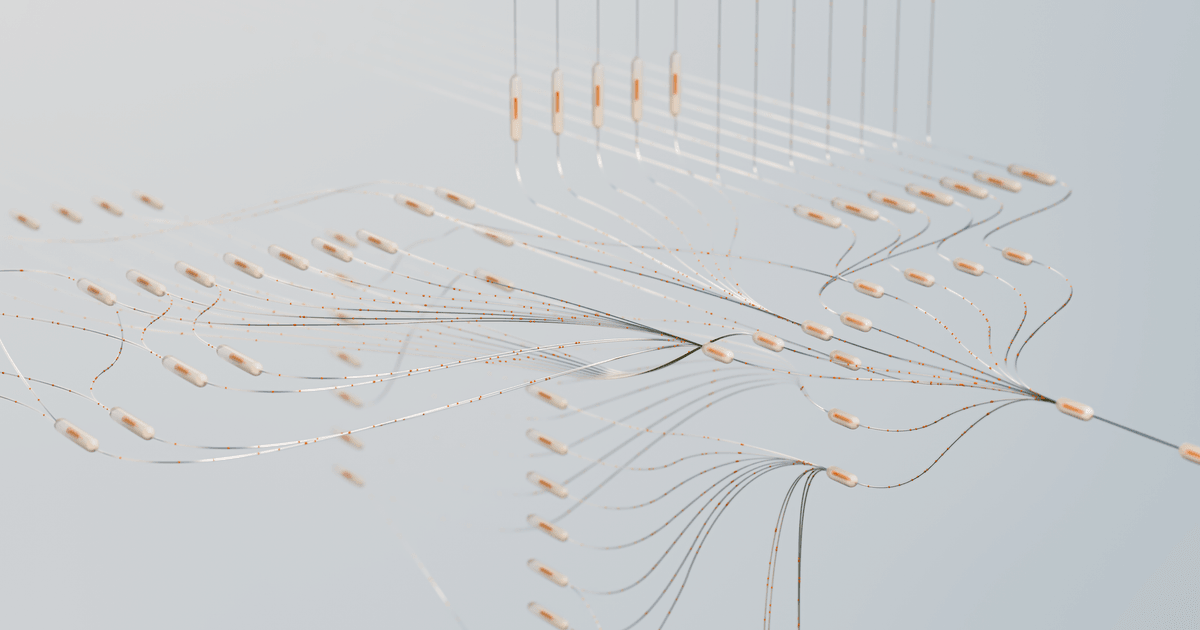
The real cause starts the moment pickle juice touches the back of the throat. When the acetic acid in pickle juice hits the oropharynx – the region at the back of the mouth and throat – it triggers sensory receptors that send a signal inhibiting the alpha motor neurons responsible for sustaining the cramp. Pickle juice essentially shocks the nervous system out of the cramp loop at the neural level, not the chemical level.
Scientists believe the acidity activates receptors called transient receptor potential (TRP) channels and acid-sensing ion channels (ASICs) in the oropharynx – receptors that detect strong sensations like heat, cold, and acidity. When stimulated, they send powerful signals to the spinal cord and brainstem, interrupting the hyperactive nerve impulses that cause a cramp.
The practical implication of this reflex is striking. The reflex decreases activity in the alpha motor neurons, causing muscle relaxation – and you don’t even need to fully swallow the pickle juice to trigger it. The reflex can relieve cramps in under three to four minutes.
One key study observed that pickle juice shortened cramp duration by an average of 45% compared to no fluid, and 37% faster than plain water, with the effect occurring within 30 to 85 seconds.
What the Research Actually Shows
The landmark study on this came from researchers at Brigham Young University, led by Kevin C. Miller, published in 2010 in Medicine & Science in Sports & Exercise. They electrically induced muscle cramps in dehydrated subjects, then gave them either a small amount of pickle juice, water, or nothing. When subjects drank pickle juice during the induced cramps, their spasms stopped almost twice as fast as when they drank water, and blood tests showed no change in sodium or potassium levels – confirming the effect wasn’t electrolyte replacement. The researchers concluded it acts through the nervous system, not the circulatory system.
Most of the formal research focuses on exercise-associated muscle cramps, the type that hit during or immediately after intense activity – the ones endurance athletes, cyclists, soccer players, and marathon runners know well. The neural reflex appears most effective for this type because these cramps are driven by neuromuscular fatigue rather than electrolyte depletion.
More recently, researchers tested whether pickle juice might help well beyond athletic settings. The PICCLES trial, published in the American Journal of Gastroenterology, enrolled 82 patients with cirrhosis who reported more than four muscle cramps in the prior month, randomizing them to either sips of pickle juice or tap water at the onset of each cramp, and measured cramp severity over 28 days. Patients with cirrhotic cramps who sipped pickle brine at the onset of a muscle cramp saw a significant decrease in cramp severity compared to peers who sipped tap water. The lead investigator, Dr. Elliot Tapper from the University of Michigan, offered a direct explanation: “The acid (vinegar) in the brine triggers a nerve reflex to stop the cramp when it hits the throat – which is why only a sip is needed.”
How Much, and Does It Have to Be Pickle Juice?
A typical effective dose is about one milliliter per kilogram of body weight, which works out to roughly two to three ounces for most adults. The recommendation is to measure it out and drink it quickly, like taking a shot. The effect is about the intensity of the sensory signal, not the volume consumed – which is why watering the juice down is likely to blunt the result.
At doses of two to three ounces, pickle juice is well-tolerated by most people, and research found no significant gastrointestinal distress at this dose, even in dehydrated athletes. The one group that needs to be careful is anyone managing high blood pressure or kidney issues, because the significant sodium load – many times higher than a typical sports drink – can be problematic for those managing fluid balance or sodium intake.
As for alternatives: mustard works on a similar principle. Yellow mustard contains both vinegar (acetic acid) and pungent compounds from mustard seeds, both of which stimulate TRP channels – particularly TRPA1, a receptor associated with sharp, intense flavors. Multiple reviews and case reports suggest it may function much like pickle juice by triggering a sensory override in the nervous system. The practical upside: a couple of single-serve mustard packets from a deli counter are a lot more portable than a jar of brine on a 10K course.
Straight vinegar, though, is not a smart shortcut. Experts warn against taking straight shots of vinegar to cut to the source – the concentrated acid can cause irritation and inflammation in the esophagus, similar to acid reflux.
If you’re finding that cramps are a persistent issue worth getting ahead of rather than just responding to in the moment, it’s also worth looking at what your magnesium levels are doing. Low magnesium is a common and often overlooked driver of muscle cramp frequency, as explored in this magnesium piece.
Where the Science Still Has Gaps
A 2025 systematic review published in a peer-reviewed journal confirmed that pickle juice has gained significant attention for its neuromuscular effects through TRP channel activation, which may help relieve exercise-induced muscle cramps via reflex inhibition of alpha motor neurons. But the researchers also noted that this evidence base has real limits.
The cause of exercise-associated muscle cramps is still not fully understood, and is likely multifactorial, with altered neuromuscular control and dehydration both contributing to onset. Most studies have used electrically induced cramps in controlled lab conditions, which may not perfectly replicate the cramping that happens at mile 20 of a marathon or in the final ten minutes of a soccer match. Participant numbers in individual studies have been relatively small, and there are very few long-term trials.
Some skeptics have pointed to the possibility of a placebo effect, though some research suggests pickle juice is far more effective than a placebo – even if the exact mechanism isn’t fully proven. The speed of relief remains the strongest argument against the placebo explanation. Most placebo effects don’t resolve a painful involuntary muscle contraction in under 90 seconds.
What to Do With All of This

The science behind pickle juice muscle cramps is genuinely interesting because it overturns a deeply intuitive assumption – that cramping is a plumbing problem, fixable by topping up the minerals you’ve lost. It turns out the problem is more often electrical: an overactive nervous system stuck in a loop, and a very sour two-ounce shot that can interrupt that loop faster than anything else currently available.
That doesn’t make pickle juice a cure-all. It works best for the specific type of cramp – exercise-associated, neurologically driven – that most athletes actually experience. It’s a rescue tool, not a prevention strategy. If you’re cramping because you ran a half-marathon in July heat with no hydration plan, pickle juice may cut the duration of the cramp, but it won’t undo the conditions that caused it.
What it does mean practically: if you exercise hard and cramp regularly, keeping two to three ounces of pickle brine in a small bottle during long efforts is a reasonable, well-supported decision. So is a couple of mustard packets if brine isn’t your thing. The process is the same – acidity hitting the back of the throat, nervous system standing down. The recovery of a World Cup referee in real time was just a particularly visible demonstration of something athletes have quietly known for years.
Disclaimer: This information is not intended to be a substitute for professional medical advice, diagnosis, or treatment and is for information only. Always seek the advice of your physician or another qualified health provider with any questions about your medical condition and/or current medication. Do not disregard professional medical advice or delay seeking advice or treatment because of something you have read here.
AI Disclaimer: This article was created with the assistance of AI tools and reviewed by a human editor.