

The argument that happens most in modern medicine isn’t between two specialists disagreeing about a drug. It’s between a doctor looking at a patient’s actual bloodwork and a patient who arrived with a folder full of data from their fitness tracker, three supplement stacks they found on Instagram, and a very strong opinion about their cortisol levels. The doctor is worried. The patient feels proactive.
That gap between feeling healthy and actually being healthy is exactly where the problem lives. Many of the habits that define daily life in 2026 – late nights, desk jobs, snack drawers full of things with health claims on the label – don’t feel dangerous because they’re woven so completely into everyday life. A bad night’s sleep is just a bad night. Sitting at a screen all day is just work. A bag of processed protein chips is practically a health food, at least compared to what you used to eat.
But doctors are paying attention to the pattern, not the individual incident. One late dinner, one long day of sitting, one sleepless night – none of it is the problem. Do it most days for most years, and you’ve built a lifestyle that’s steadily dismantling your long-term health. Here are eight habits that look harmless and aren’t.
1. Sitting All Day, Then Exercising for 30 Minutes
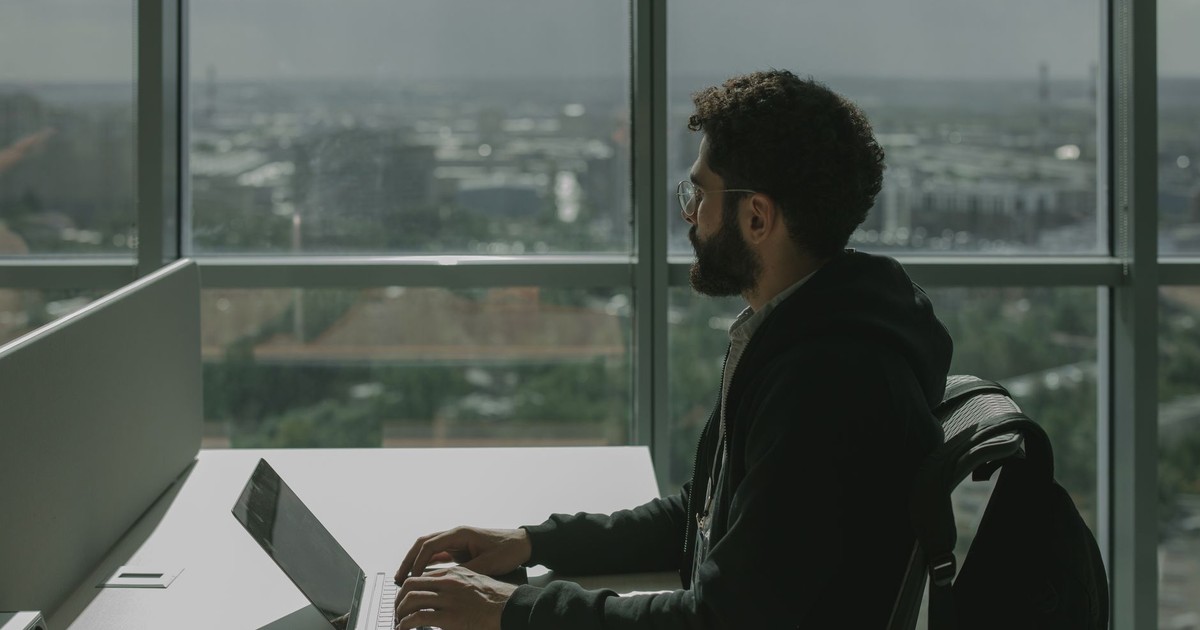
Most people who work desk jobs have made peace with the fact that they sit a lot. They’ve also started doing something about it: a gym class in the morning, a run after work, a yoga session on weekends. It feels like a reasonable trade. It isn’t.
A 2024 study in JAMA Network Open found that people who sat for most of their working day faced a 34% higher risk of death from cardiovascular disease than those who didn’t, regardless of whether they exercised in their spare time. This is the “active couch potato” problem: you can technically meet federal fitness guidelines and still spend eight to ten hours a day in a state that is genuinely bad for your heart, your metabolism, and your circulation. The body isn’t designed to sit for long stretches. Its systems respond in real time to stillness – slowing blood flow, reducing the activity of enzymes that process fat in the bloodstream, and gradually stiffening the arteries.
The fix isn’t to exercise harder. It’s to break up sitting time throughout the day. A two-minute walk every hour, standing during phone calls, or a walk-and-talk instead of a seated meeting all count. The goal is never sitting for more than 60 continuous minutes, not just hitting a step count before dinner.
2. Getting Six Hours of Sleep and Calling It Fine

Six hours has become the badge of honor of the productive adult. You’re not someone who wastes time in bed. You’re busy. You function perfectly well. Except you probably don’t – you’ve just normalized impairment.
CDC data from 2024 found that around 30.5% of U.S. adults slept fewer than seven hours per night, and only 54.8% woke up feeling well-rested most days or every day. The American Heart Association includes sleep in its Life’s Essential 8 framework and says most adults need seven to nine hours nightly. Chronic short sleep doesn’t just leave you tired. Poor sleep can affect heart health, metabolism, mood, memory, and physical safety.
Sleep loss often brings more caffeine, less movement, stronger cravings, later meals, and less patience with stress – every one of which compounds the original problem. You’re not just tired; you’re making worse food choices, skipping movement, and your stress tolerance has dropped by mid-afternoon. The solution isn’t a sleep tracking app. It’s protecting the hours before midnight with the same discipline most people apply to their morning routines.
3. Eating Ultra-Processed Food That’s Been Rebranded as Health Food

The packaging says “high protein,” “gut-friendly,” “low sugar,” “clean ingredients.” The ingredient list says maltodextrin, soy protein isolate, natural flavors (undefined), and seventeen other components you’d need a chemistry degree to recognize. Ultra-processed food didn’t disappear. It just learned to speak the language of wellness.
A 2025 CDC report found that Americans aged one and older were getting 55% of their daily calories from ultra-processed foods, based on data collected from August 2021 through August 2023. That number held steady even as consumer interest in “healthy eating” increased – because the category of ultra-processed food successfully colonized health food aisles. The protein bar replaced the candy bar. The flavored rice cake replaced the chip. The body doesn’t register the branding.
The health effects of a diet dominated by ultra-processed foods go further than most people realize. Research consistently links high ultra-processed food consumption to elevated inflammation, worse glycemic control, disrupted gut microbiome function, and higher rates of anxiety and depression. What you eat daily shapes your mental health and energy levels, none of which show up on a nutrition facts panel. The practical move is straightforward: if a product has more than five ingredients and you can’t identify most of them, treat it like what it is.
4. Scrolling Before Bed as Decompression

The logic makes complete sense. You’ve been switched on all day. Work was stressful. The news is grim. Lying in bed scrolling through videos is the first moment the day has felt manageable. It’s also doing measurable damage to your sleep.
The blue light emitted by screens suppresses melatonin production, a hormone critical for regulating your sleep-wake cycle. But the light is only part of the problem. Stimulating on-screen content puts your brain into a state of alertness that makes it genuinely harder to fall asleep. You’re not winding down. You’re activating. Prolonged screen use before bedtime is associated with shorter sleep duration, longer time to fall asleep, and broken sleep through the night – and social media and video games in particular are linked to higher risks of insomnia and daytime sleepiness.
The real cost accumulates over months, not nights. Chronic disruption of your body clock – the kind caused by irregular sleep timing and evening light exposure – contributes to inflammation that affects the brain. If you’re going to protect one sleep habit, stopping screens 45 to 60 minutes before bed is the one with the most evidence behind it. A book, a conversation, or even just lying in darkness will serve your brain better than anything the algorithm serves up.
5. Treating Physical Inactivity as Normal Because You’re Busy
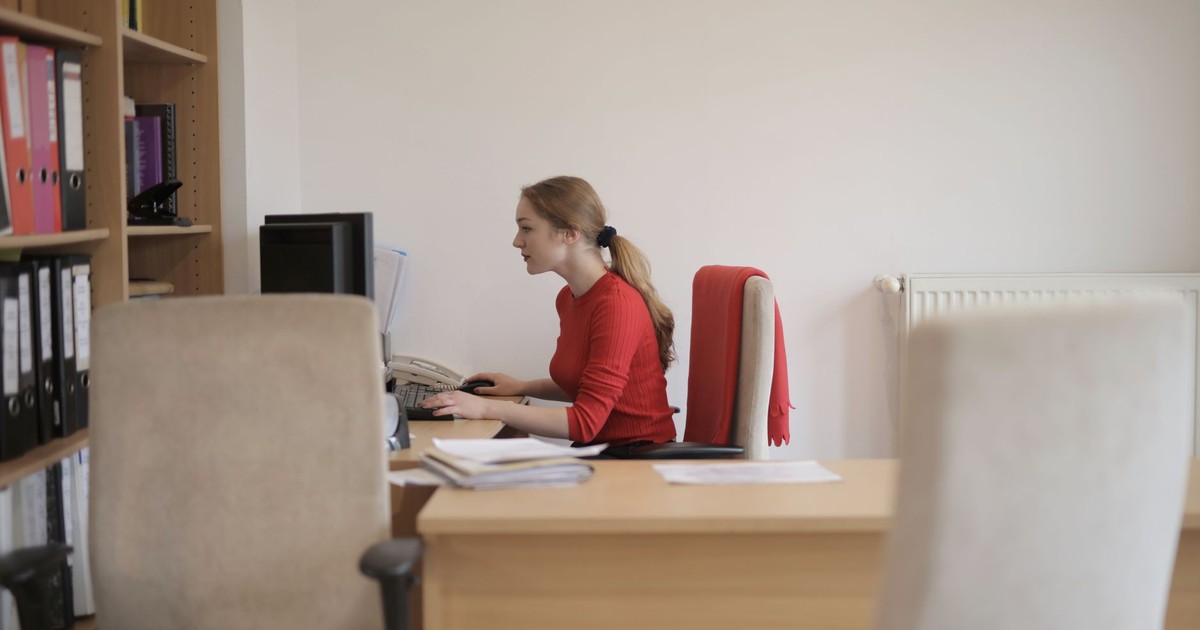
In 2024, only about half of U.S. adults met federal aerobic activity guidelines, meaning roughly the other half did not. Not because they couldn’t. Because the day ran away from them, because the gym membership feels like enough, because the intention was always there and somehow the 20 minutes wasn’t. Physical inactivity has become so common it’s stopped registering as a risk. It should register as one of the biggest.
Regular aerobic movement – even at modest intensities – affects nearly every system in the body. It improves insulin sensitivity, reduces blood pressure, supports mood regulation, and slows cognitive decline. The minimum isn’t a marathon. Public health guidelines recommend 150 minutes of moderate-intensity movement per week for adults, which breaks down to about 21 minutes a day. Brisk walking counts. Cycling to work counts. A 20-minute swim on your lunch break counts. The body doesn’t need performance; it needs consistency.
The hardest part isn’t finding 21 minutes. It’s accepting that the barrier isn’t really time. Most people who say they don’t have time to exercise spend significantly more than 21 minutes a day on their phones. The choice is real, and it has consequences. If you want a practical entry point, building a simple daily movement habit is usually where the lasting change starts.
6. Using At-Home Health Tests Without Medical Context
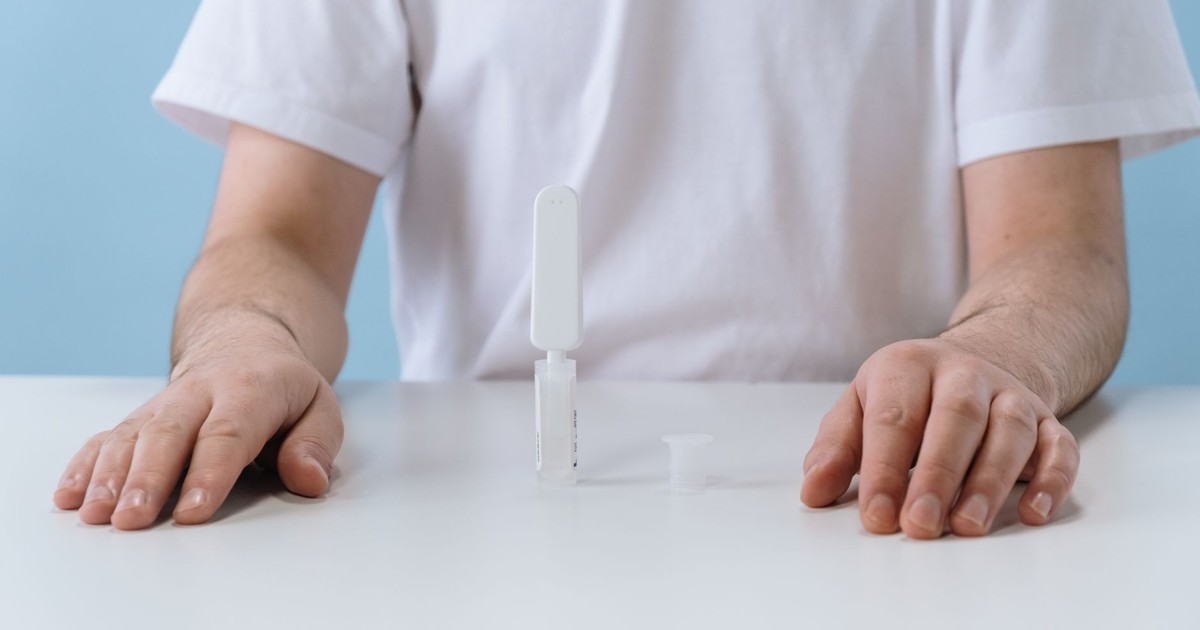
The market for at-home blood tests, genetic panels, hormone kits, and continuous glucose monitors has exploded. The appeal is obvious: you’re taking charge of your health, gathering data, staying ahead of problems. But data without context isn’t information. It’s numbers that generate anxiety.
Patients often do these tests without any prior discussion of why they’re seeking them or what the results might mean. Without guidance, a slightly elevated inflammatory marker might be treated as a crisis when it’s a lab error, or dismissed when it’s an early signal. A doctor who knows your history, your lifestyle, and your baseline values can tell you which. A wellness company selling you the test has a financial interest in you buying the follow-up protocol.
Tracking technology is genuinely useful when it’s connected to a clinical relationship. On its own, particularly for people prone to health anxiety, it can create a loop of worry that makes people feel worse even when nothing is wrong. The test is a tool. It needs a trained interpreter.
7. Skipping Meals During the Day and Eating Late at Night
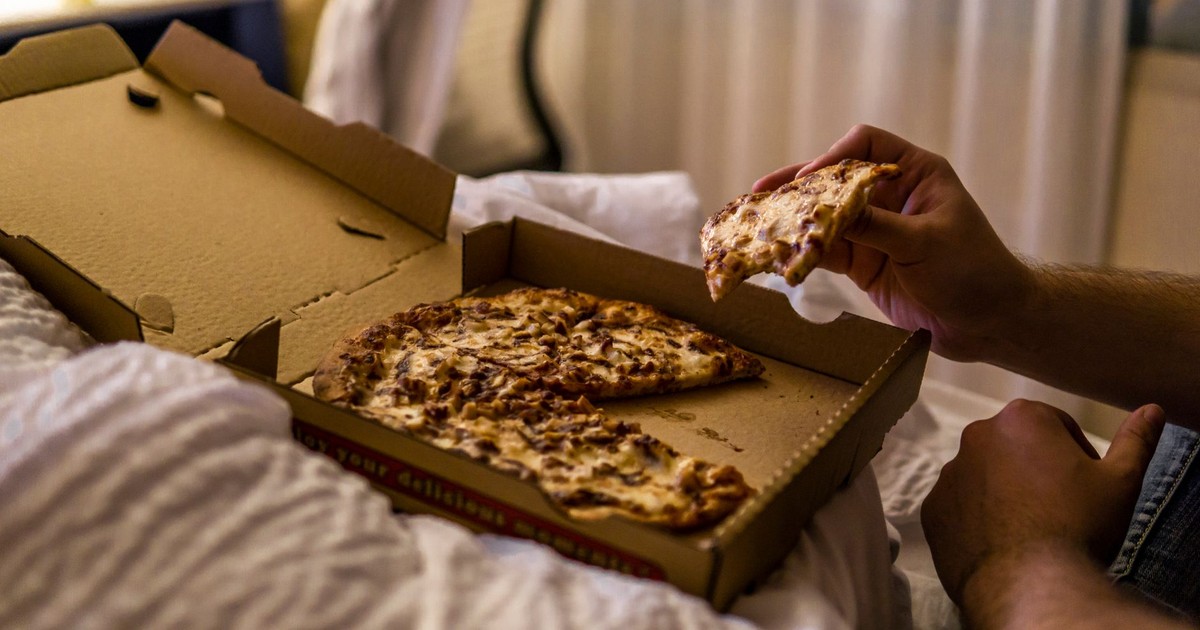
Intermittent fasting became mainstream somewhere between 2018 and 2020, and versions of it remain popular in 2026. The core idea has some supporting evidence. The version most people actually practice – skipping breakfast and lunch because the day got away from them, then eating the majority of their calories between 8pm and 11pm – doesn’t.
Fasting windows of 20 or more hours per day without supervision can trigger blood sugar crashes and hormonal imbalances, particularly in women. But even shorter windows of daytime fasting combined with heavy late-night eating create a problem the research is increasingly clear about: the body processes food differently at night. Eating a large meal close to sleep raises blood glucose, increases insulin demand, and disrupts the metabolic rest that happens during overnight fasting. Over time, regular late-night eating is associated with weight gain, elevated triglycerides, and worse glycemic control – none of which is what most people doing “intermittent fasting” signed up for.
The practical fix isn’t necessarily a strict eating schedule. It’s anchoring the majority of your food intake to the first two-thirds of your day, even imperfectly. Eating something real before noon is not the enemy of metabolic health. Eating 1,800 calories between 9pm and midnight is.
8. Treating Social Media Scrolling as a Stress Relief Habit
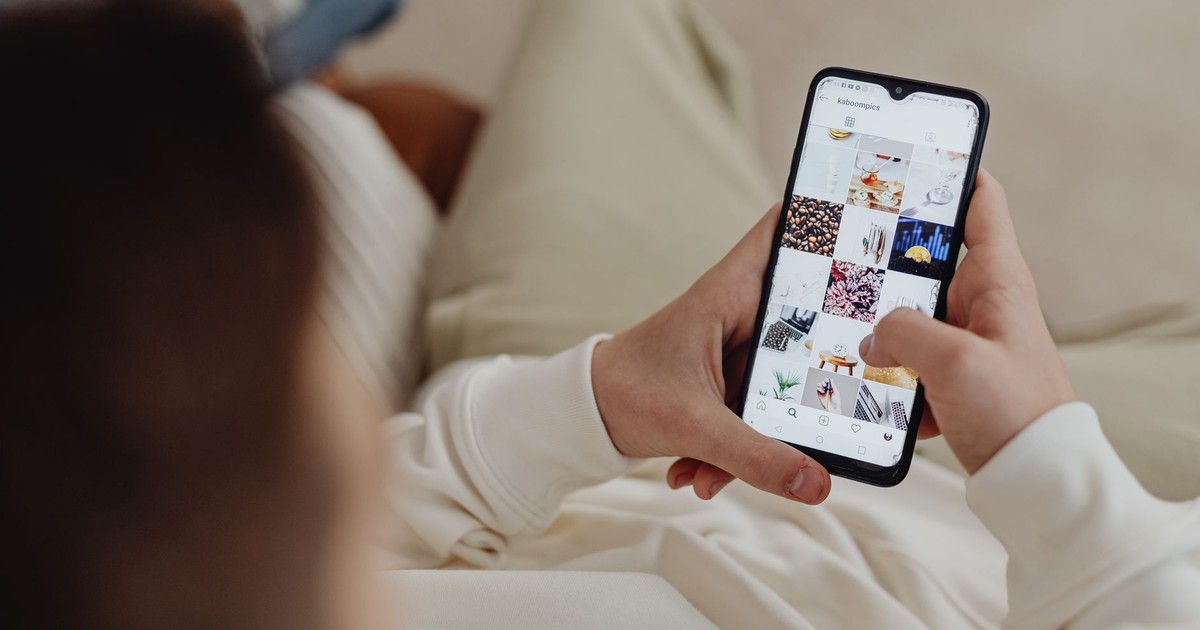
Millions of people open their phones when they’re stressed. They scroll, browse, watch a few videos, and for a few minutes it does feel like relief. The feeling is real. The recovery isn’t.
Social media platforms are built to hold attention by triggering small, repeated dopamine responses. That works against the nervous system’s ability to genuinely settle after stress. Real recovery involves a drop in cortisol, a shift toward parasympathetic nervous system activity (the “rest and digest” state, as opposed to fight-or-flight), and genuine mental disengagement. Scrolling through content designed to be engaging, surprising, or emotionally activating doesn’t produce any of those things. The constant novelty of digital feeds keeps your stress response running at a low hum even while you’re technically “relaxing.”
Most people who use social media to decompress report feeling more stressed after the session than before it. The habit reinforces itself without correcting itself. Activities that actually lower cortisol include walking, slow breathing, conversation with someone you like, and exposure to natural light – none of which require an app. If the phone is the first thing you reach for when you’re stressed, the phone is part of the stress.
What to Do With All of This

None of these habits are rare. Most of them are ordinary. That’s exactly the point doctors raising this alarm keep coming back to: the risk isn’t in one egregious decision. It’s in the accumulation of small defaults – sit, scroll, snack, repeat – that form a daily structure that looks fine on the surface and quietly adds up over years.
The habits raising the most concern cluster around four areas of daily life: sleep, movement, food, and screens. Those four areas are also, not coincidentally, the ones most aggressively shaped by products, platforms, and systems designed to profit from your attention and convenience rather than your health. The chair that came with the desk job. The ultra-processed food that’s everywhere and cheap. The screen as the default form of entertainment. The short night that was necessary because of everything that came before it.
None of that makes changing things simple – but it does clarify what’s actually happening. These aren’t individual failures of willpower. They’re defaults that were built for you, and most of them are working exactly as designed. Recognizing that tends to shift the question from “why can’t I do better?” to “what would I actually need to change this?” That’s usually a more useful place to start. Sleep is the lever that tends to move the most things at once: when it improves, food choices improve, energy for movement goes up, and the impulse to scroll until midnight often weakens on its own. Pick one area and treat the rest as a longer project.
Disclaimer: This information is not intended to be a substitute for professional medical advice, diagnosis, or treatment and is for information only. Always seek the advice of your physician or another qualified health provider with any questions about your medical condition and/or current medication. Do not disregard professional medical advice or delay seeking advice or treatment because of something you have read here.
AI Disclaimer: This article was created with the assistance of AI tools and reviewed by a human editor.