

The argument that breaks out in the first five minutes of a long flight – not about where to sit, but about whether the armrest was ever really yours – is somehow both universal and completely unresolvable. Reality works like that more often than most people realize. The world is full of facts that have been sitting in plain sight, verified by scientists and historians and biologists, patiently waiting for someone to look twice.
These aren’t facts that require you to squint at a misquoted social media post and wonder if the math checks out. Every item on this list is real, documented, and – at least on first reading – genuinely hard to believe.
Some of them will change the way you picture animals you’ve known your whole life. Some will make American history feel weirdly compressed. A few will make you look at the objects on your kitchen shelf differently. None of them are made up, and all of them are, as promised, almost completely unbelievable.
1. A president born in 1790 had a grandson who died in 2025

Harrison Ruffin Tyler, who died on May 25, 2025, at the age of 96, was the last living grandchild of the tenth U.S. president, John Tyler, who was born in 1790. Not a great-grandchild. Not a great-great-grandchild. A plain, one-generation-removed grandson.
Two generations of men who fathered children very late in life made this possible. Tyler’s 13th child, Lyon, was born when his father was 63 years old. Lyon Gardiner Tyler went on to serve as president of William and Mary College, and with his second wife, he had two sons born in the 1920s, when Lyon himself was in his 70s.
Harrison Ruffin Tyler was just three generations from the White House, since his father and grandfather both fathered children in their 70s. John Tyler was president before the Civil War, before the telegraph was widespread, before anesthesia had been invented. His grandson lived long enough to own a smartphone.
2. The dragonfly catches its prey more than 95% of the time
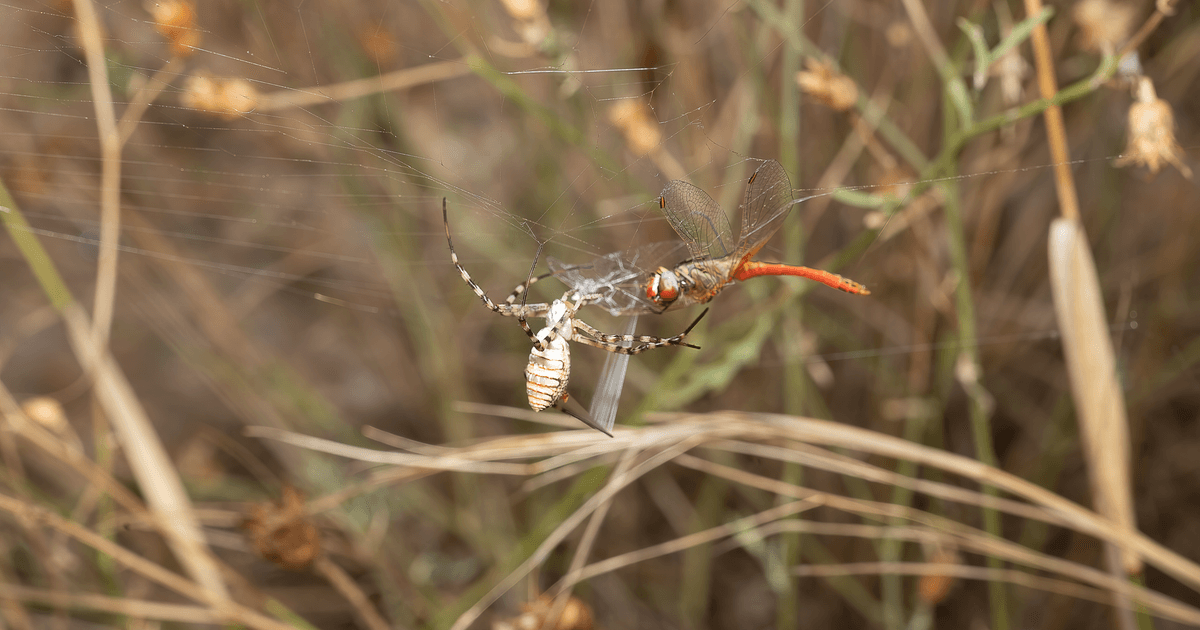
Lions succeed on a hunt roughly 25% of the time. Great white sharks, widely regarded as apex predators, manage about 50%. Despite their small size, dragonflies are one of the most impressive predators in the animal kingdom, catching up to 95% of the prey they pursue. According to UC Davis biologist Rachel Crane, that rate is “wildly high compared to where most predators are.”
Dragonflies do all their hunting in midair, preying mainly on small insects such as mosquitoes, flies, and butterflies. Scientists attribute this success to their nearly 360-degree field of vision, their individually controlled wings, and their brains’ unique ability to coordinate these instantaneous actions.
There is a master circuit of 16 neurons that connects the dragonfly’s brain to its flight motor center in the thorax, enabling it to track a moving target, calculate an intercept trajectory, and subtly adjust its path as needed. For an insect roughly the size of your finger, that’s an engineering achievement that most human-designed robots have yet to replicate.
3. Sharks existed before trees did
Sharks have existed for over 400 million years. Trees, by comparison, have only been around for about 350 million years. That means sharks swam the oceans before the first tree rooted into the ground.
Fossils of ancient sharks reveal that these creatures evolved during the Devonian period, while the earliest trees emerged during the late Devonian. Sharks have survived multiple mass extinction events, making them one of the most resilient species on Earth. The asteroid that took out the dinosaurs? Sharks were already ancient by then.
Forests feel like some of the oldest things on the planet when you’re standing in one. The sharks in those same oceans predate the entire concept of a forest by about 50 million years.
4. Bananas are botanically berries – and strawberries are not
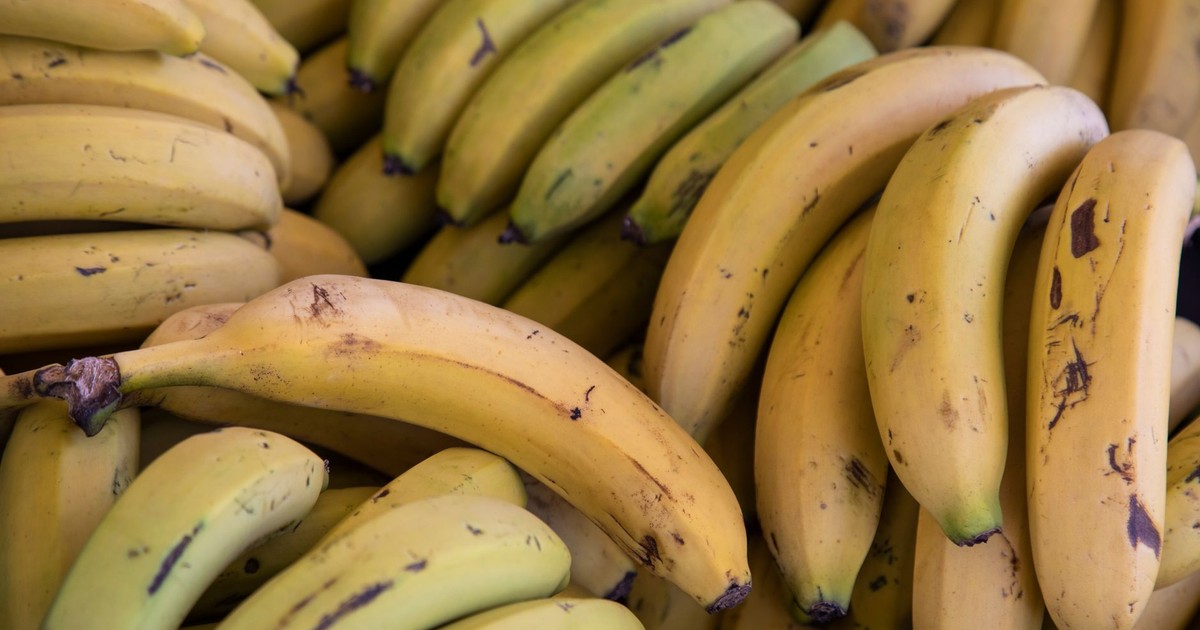
This one tends to provoke immediate disbelief, then slow, uncomfortable acceptance. Botanically, bananas qualify as berries because they develop from a single flower with multiple ovaries and have both skin and seeds embedded inside. The structure of a true berry includes three layers: the exocarp, or outer skin; the mesocarp, or flesh; and the endocarp, the inner part that houses seeds. Bananas fit this perfectly.
Strawberries, by contrast, are not true berries. Their seeds are on the outside, and they develop from a flower with multiple ovaries, which disqualifies them botanically. Avocados, pumpkins, and kiwis are all technically berries by the same definition. The word “berry” in everyday English has essentially nothing to do with the botanical category of the same name.
5. Russia is larger than Pluto

When Pluto was demoted from full planet to dwarf planet in 2006, one of the arguments was its size. Fair enough. Russia spans over 17 million square kilometers. Pluto has a surface area of about 16.7 million square kilometers. Despite being classified as a dwarf planet, Pluto is still smaller than a single country on Earth.
Russia is so large it covers eleven time zones. The country stretches from Eastern Europe all the way across to the Pacific Ocean, close enough to Alaska that you can see one from the other on a clear day. Pluto, meanwhile, takes 248 years to complete one orbit of the sun and has a surface temperature of around -230°C. But in a simple land area comparison, Russia wins.
6. Pokémon is the highest-grossing media franchise in history – and it’s not close
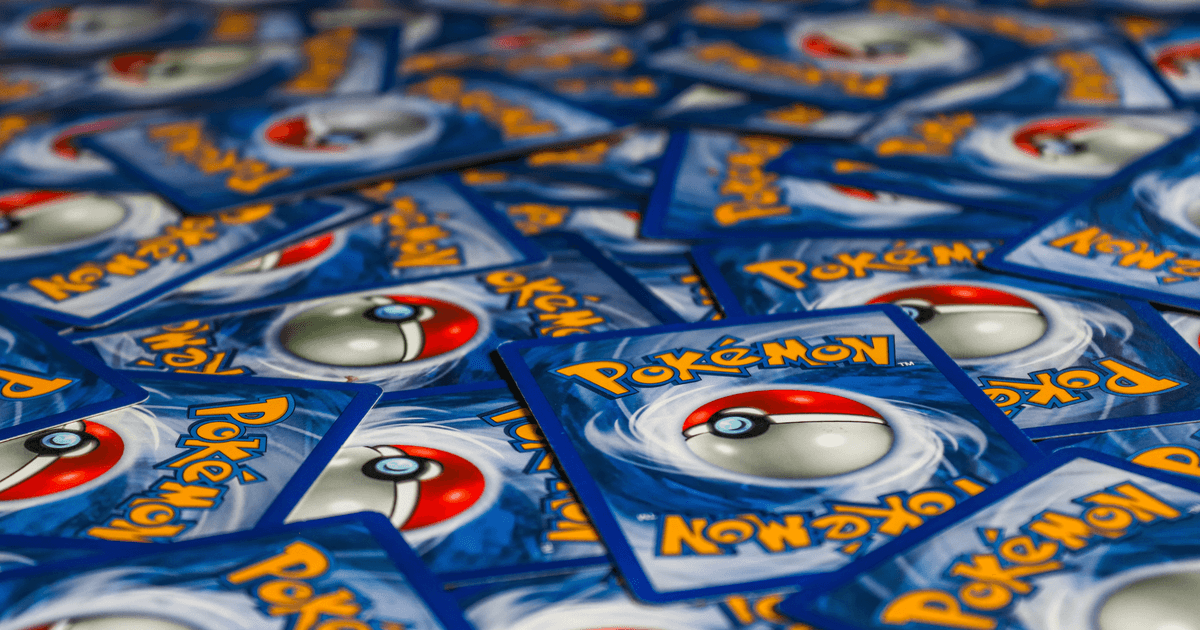
Most people would guess Star Wars. Some might say Marvel. Both guesses are wrong by a wide margin. Pokémon has earned a total of $103.6 billion in total retail sales since its debut in 1997, with $12 billion of that coming from 2024 alone. The Harry Potter franchise has made somewhere just north of $25 billion between all of its books, movies, and merchandise. The Marvel Cinematic Universe has made around $31 billion since 2008.
The franchise spans video games, trading cards, TV shows, movies, theme park attractions, and merchandise of every conceivable variety – stuffed animals, clothing, food packaging, household goods. The trading card market alone has become a serious investment category, with rare first-edition cards selling at auction for hundreds of thousands of dollars.
7. AutoZone got its name because of a trademark dispute with Radio Shack

Radio Shack sued a regional auto parts chain called Auto Shack for infringing on their name. Auto Shack changed their name to AutoZone. Years later, Radio Shack created a section called PowerZone, so AutoZone sued them for infringing on their name. The lawsuits were technically between the Tandy Corporation, Radio Shack’s parent company, and AutoZone. The first trademark infringement action was brought in 1985 and was settled in 1987 with Auto Shack changing its name to AutoZone.
Radio Shack is now essentially defunct, having gone through multiple bankruptcies. AutoZone, the company that was forced to rename itself because of Radio Shack’s legal pressure, had over 7,000 locations as of 2025 and is worth billions. The petty trademark fight turned out to create one of the most recognizable brand names in American retail.
8. Two identical comic strips launched on the same day without knowing about each other

There are two comic strips called Dennis the Menace – one from the UK, one from the US. They have nothing to do with each other and were developed entirely separately, but they both premiered on the same day: March 12, 1951. According to Smithsonian magazine, neither creator had any knowledge of the other’s Dennis until both debuted in the same week.
The American version, created by Hank Ketcham, features a mischievous blond kid in overalls who terrorizes his neighbor Mr. Wilson. The British version, by David Law, features a scruffy, menacing child with a far darker streak and a dog called Gnasher. Same name, same debut date, no connection. Just two cartoonists independently deciding, on the same morning, that a boy named Dennis made excellent comic material.
9. Tomatoes were thought to be poisonous in Europe – and the reason is surprisingly logical

During the 1700s, many Europeans believed tomatoes were poisonous. The acidic fruit leached lead from pewter plates, which led to lead poisoning and caused the tomato’s bad reputation. Wealthy individuals were especially affected because they used pewter tableware, unlike poorer communities who safely consumed tomatoes from wooden or ceramic dishes.
This led to the nickname “poison apple.” It took years and cultural shifts, including the spread of Italian cuisine, for tomatoes to become widely accepted. Aristocrats who ate tomatoes off pewter plates were essentially dosing themselves with lead at the dinner table. The tomato was innocent. The plates were killing them.
10. A cloud can weigh around a million tonnes – and still float

A cloud weighs around a million tonnes. A cloud typically has a volume of around 1 cubic kilometer and a density of around 1.003 kilograms per cubic meter, which is around 0.4 percent lower than the surrounding air – and that lower density is why they float.
A million tonnes of water droplets spread across an enormous volume still creates a structure less dense than the air below it. Think of a steel ship: total weight alone doesn’t determine whether something sinks. The ratio of weight to volume – density – is what matters. A cloud is essentially a very large, very slow hot air balloon.
11. A horse produces roughly 24 times its own “horsepower”
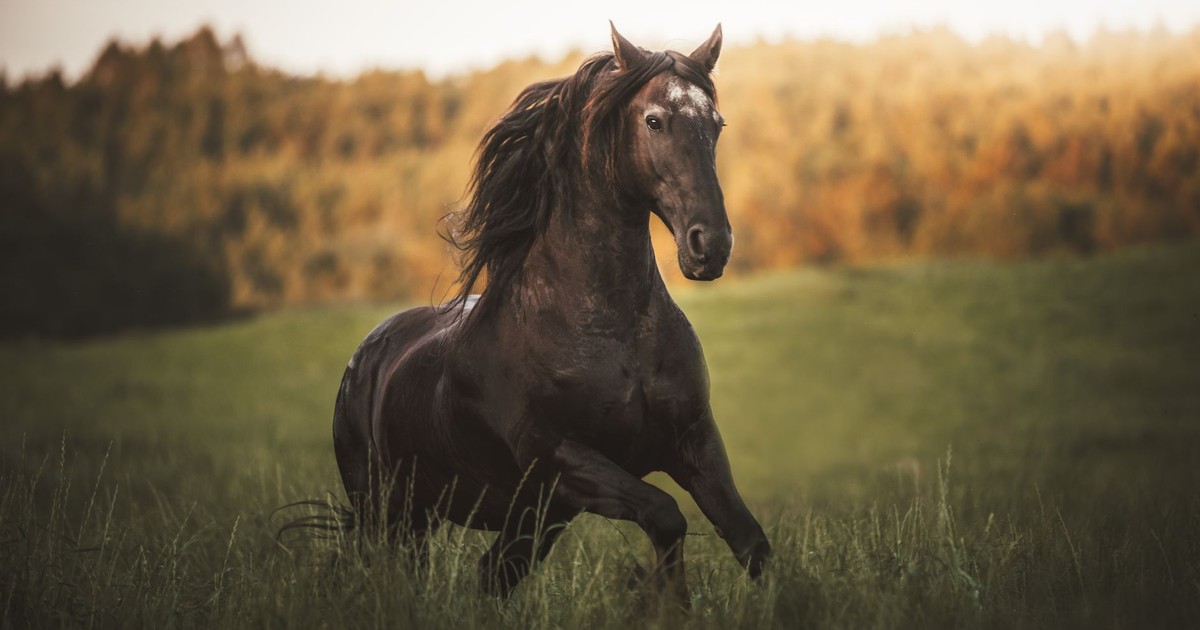
The unit “horsepower” was invented by James Watt in the 1780s as a marketing tool to help sell steam engines. He calculated how much work a mill horse could do and used it as a benchmark. The unit stuck. A horse normally has more than one horsepower. Research has shown that the maximum power a horse can produce is around 18,000 watts, which works out to roughly 24 horsepower.
The unit was never intended to accurately represent what an individual horse could produce – it was meant to describe sustained average output over a long workday. A horse exerting maximum effort over a short sprint produces dramatically more. So when you buy a car advertised as “300 horsepower,” you are not buying the sustained output of 300 horses. You are buying the short-burst equivalent of about 12 to 13.
12. The fear of long words has a name that is itself very long

Hippopotomonstrosesquippedaliophobia is the fear of long words – a term that has been formally catalogued and is recognized as a specific phobia.
Whether the name was invented as a joke that later became official, or whether a very literal-minded naming committee was responsible, the result is the same: anyone with the condition would be unable to read the diagnosis on their own medical chart. The word is 36 letters long and takes most people three attempts to pronounce correctly. The phobia itself is classified under specific phobias, the same category as fear of spiders or heights. It is a real diagnosis. With a very real problem of a name.
13. A chicken once lived for 18 months without its head
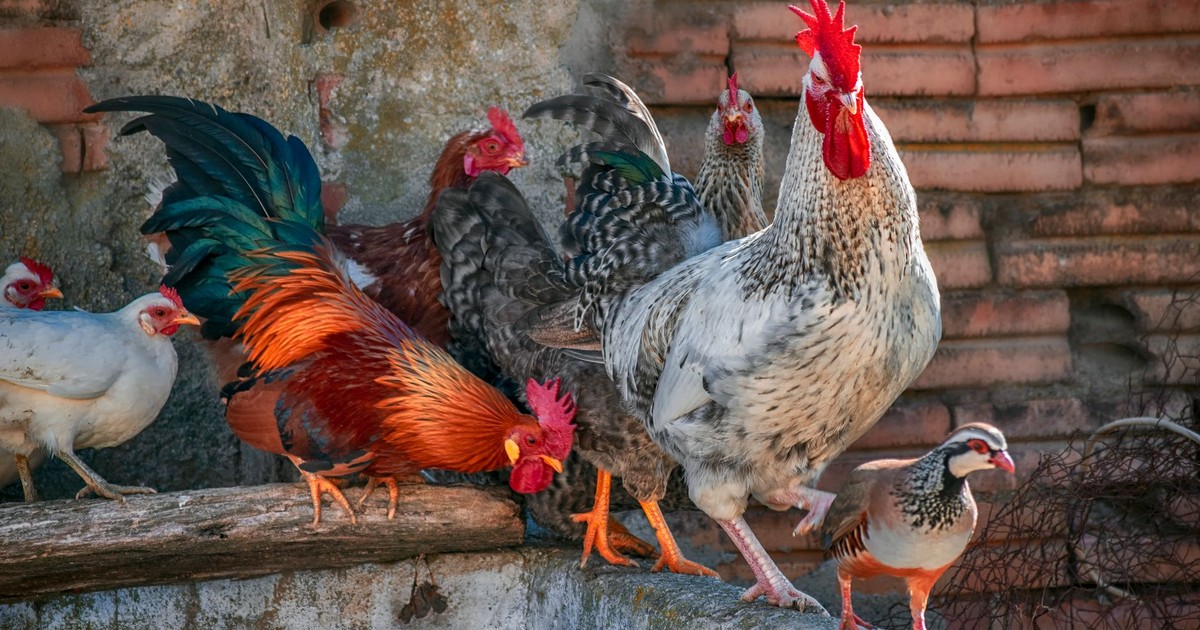
On September 10, 1945, farmer Lloyd Olsen of Fruita, Colorado, was beheading chickens for market when one of the decapitated birds got up and kept walking. According to Britannica, Mike survived because Olsen’s axe removed most of his head but left the part of the brain that controlled breathing, digestion, and other bodily functions intact. A blood clot prevented him from bleeding out.
Mike became a national celebrity, touring county fairs and sideshows across the United States. Olsen fed him by dripping water and liquid grain into his exposed esophagus with an eyedropper and cleared his throat with a syringe. He died in March 1947 when he began choking and Olsen couldn’t find the syringe in time. He is commemorated annually in Fruita, Colorado, with a festival in his honor called Mike the Headless Chicken Day.
14. Scotland’s national animal is the unicorn

Scotland chose the unicorn as its national animal. This is not a modern quirk or a tourism board decision. Unicorns have been part of Scottish heraldry since at least the 12th century, representing purity, independence, and power in Celtic mythology. They appear on the royal coat of arms of Scotland – the same coat of arms that forms part of the British royal standard today.
The unicorn in the Scottish royal crest is depicted in chains. This was intentional. In Scottish legend, a free unicorn was considered so powerful and dangerous that it could only be tamed by a king, and even then it needed to be restrained. The chained unicorn symbolizes the power of the Scottish crown to contain something otherwise uncontrollable. Which is, objectively, a more interesting story than a lion or an eagle.
15. The blue whale’s heart can be detected beating from two miles away
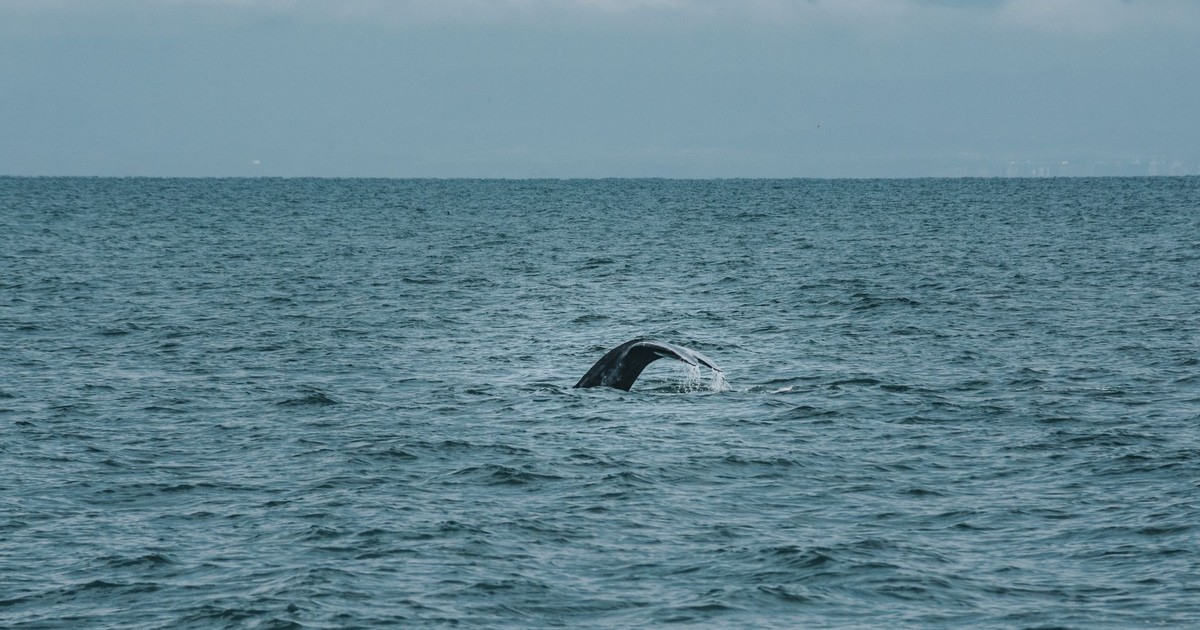
The heartbeat of a blue whale can be detected from 2 miles away. The blue whale’s heart also weighs 400 pounds. To put that in context, a 400-pound heart is roughly the weight of three average adult humans. The organ itself is large enough that a small child could crawl through its aorta, the main blood vessel leading out of it.
Blue whales can also eat up to 457,000 calories in a single bite, the equivalent of what an average human would need over roughly 228 days. The blue whale is the largest animal ever to have lived on Earth – larger than any dinosaur we’ve found. Everything about it is scaled accordingly.
16. The oldest living land animal was born before the U.S. Constitution was ratified
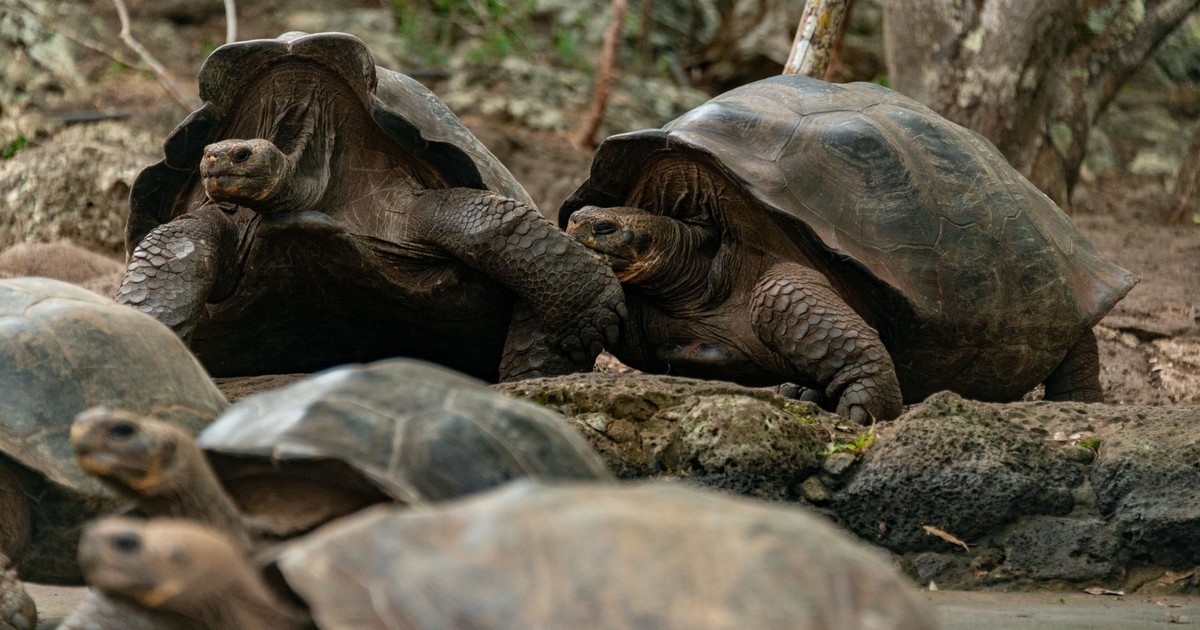
The oldest living land animal on Earth is a 192-year-old tortoise named Jonathan. He was born around 1832, making him older than the electric light bulb, older than the telephone, older than the steam locomotive becoming common. He lives on the island of St. Helena in the South Atlantic and is listed in the Guinness World Records.
Jonathan is a Seychelles giant tortoise, a species known for extraordinary longevity. He has outlived every U.S. president in history, both world wars, and the invention of essentially every technology in modern life. As of 2026, he is still alive, though reportedly blind and with no sense of smell. He still responds to touch and continues to eat, and his keepers describe him as social and calm.
17. The first full-length animated feature film was made in Argentina, not by Disney

Most people credit Walt Disney’s 1937 Snow White and the Seven Dwarfs as the first full-length animated feature film. But 20 years earlier, in 1917, a full-length animated feature was made in Argentina. It was a 70-minute political satire called El Apóstol, made up of 58,000 drawings, according to Guinness World Records.
The film was made by Quirino Cristiani, an Argentine animator who created it as a satire of then-president Hipólito Yrigoyen. The film no longer exists – it was destroyed in a fire in the 1960s – but contemporary accounts describe its length and scope. Disney’s Snow White was the first widely seen animated feature and the first in color with synchronized sound, but the crown of “first” technically belongs to Buenos Aires, 1917.
18. Google Images was created because of one dress at the 2000 Grammys

Google Images was created after Jennifer Lopez wore the green dress at the 2000 Grammys. The search engine was flooded with image searches for that dress after the ceremony, and Google’s existing search infrastructure had no good way to return visual results. The demand was so enormous and so specific that it became the trigger for building an entirely new product.
Eric Schmidt, Google’s former CEO, has described the dress moment as the origin story for Google Images, which launched in 2001. The platform now indexes tens of billions of images and handles over a billion searches per day. One outfit at one awards ceremony ended up reshaping how people search the internet.
19. The tiny pocket inside your jeans pocket was designed for pocket watches
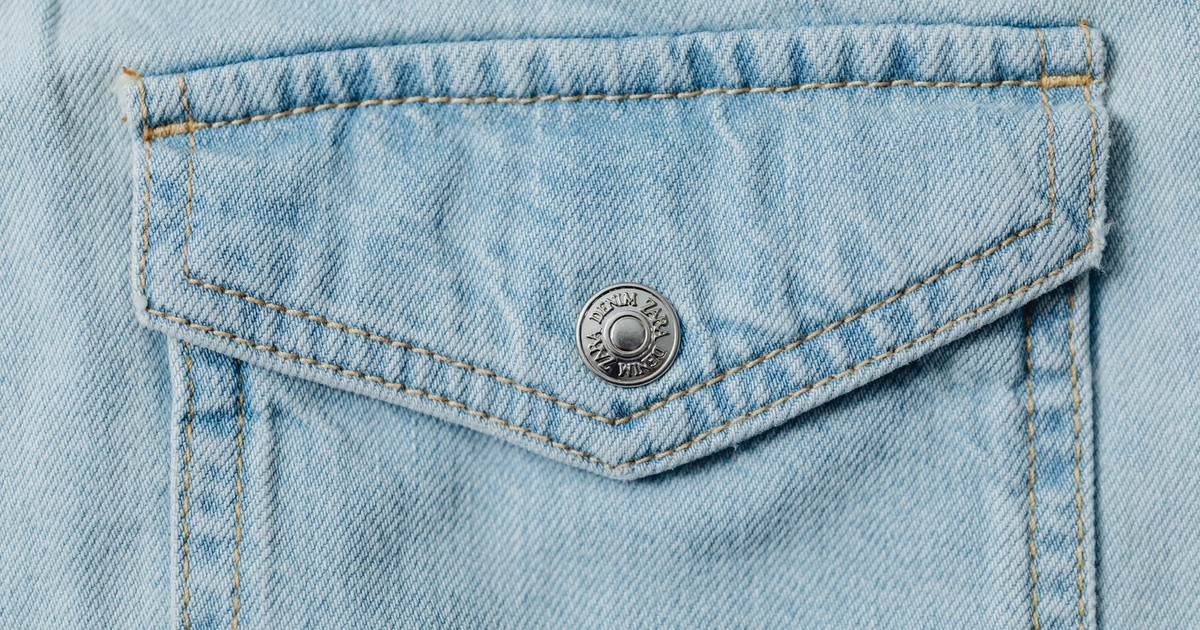
The tiny pocket inside the main pocket on jeans was designed to store pocket watches. Levi Strauss introduced it in the 1890s, when pocket watches were standard accessories for working men and needed protection from the rough conditions of outdoor labor. The riveted corner was added specifically to prevent the small pocket from tearing under the weight of the watch.
Pocket watches became obsolete within a generation when wristwatches took over in the early 20th century, but the small pocket stayed. It has since been used for coins, guitar picks, rings, and an enormous volume of pocket lint. The original purpose has been gone for over 100 years. The pocket remains.
20. Kleenex started as a World War I gas mask filter

Kimberly-Clark developed a thin, flat crepe paper to be used as a filter in gas masks during World War I. Afterward, in 1924, the company redeveloped the material to be smoother and softer and rebranded it as Kleenex, positioning it as a facial tissue to help remove cold cream. People found another use for them – blowing their noses when sneezing – and in the 1930s, the brand repositioned the product as the handkerchief you can throw away.
The entire product category of disposable facial tissues was an accidental pivot. The gas mask industry collapsed at the end of the war. A material designed to protect soldiers from chemical weapons on the Western Front ended up becoming a fixture in every bedroom and office on the planet.
21. German chocolate cake has nothing to do with Germany

The “German” in German chocolate cake comes from a person’s name – and that person wasn’t even from Germany. It’s named after Samuel German, who in 1852 created the formula for a sweet baking chocolate bar for Baker’s Chocolate Company in Massachusetts, which subsequently named the product Baker’s German’s Sweet Chocolate.
The famous cake recipe didn’t appear until June 13, 1957, when the Dallas Morning News published a recipe invented and submitted by a reader. The possessive apostrophe was dropped over time, and “German’s Chocolate Cake” became “German Chocolate Cake,” leaving generations of people assuming they were eating a European classic. They were eating a Texan recipe using a Massachusetts-made chocolate named after a 19th-century American baker.
22. There are more plastic flamingos in the world than real ones
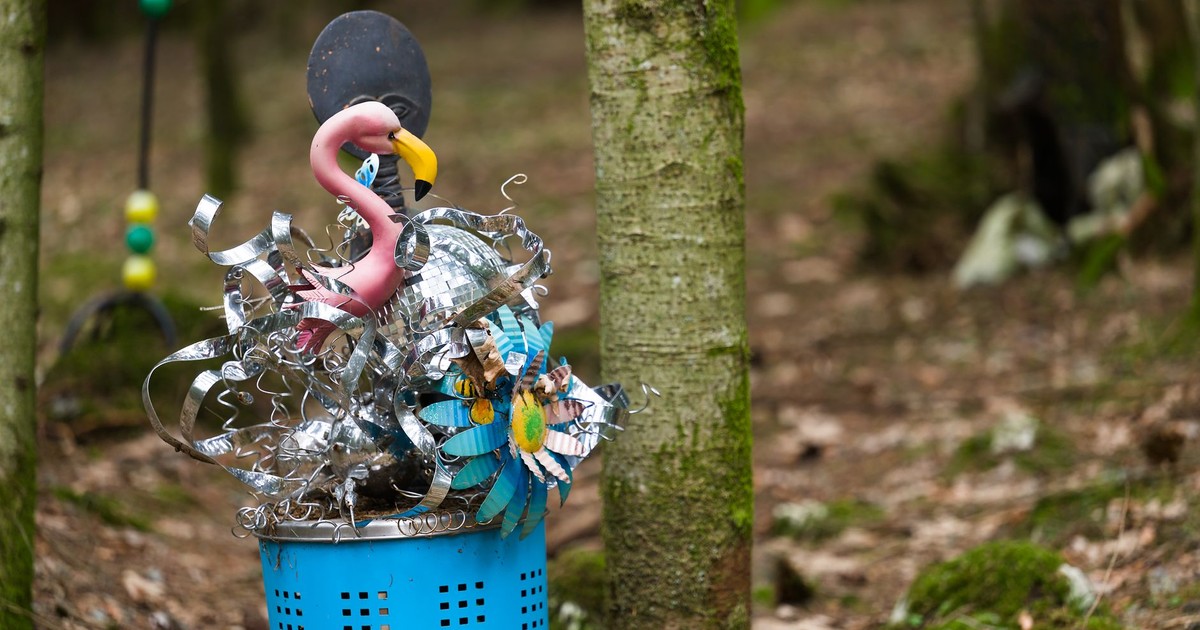
The number of plastic flamingos in the world has surpassed the number of actual flamingos. The first plastic flamingo was designed in 1957 by Don Featherstone and quickly became a symbol of American kitsch. Featherstone worked from photographs because he had never seen a real flamingo in person. He won the Ig Nobel Prize in 1996 for his contribution to art and science.
Today, plastic flamingos are found in gardens, parties, and even art galleries. While wild flamingo populations fluctuate, the global reach of their plastic counterparts has steadily grown. The actual global flamingo population sits at somewhere between 3 and 4 million birds. Nobody has fully counted the plastic versions, but estimates run into the tens of millions. The lawn ornament has decisively outpaced the bird.
23. The human body emits a faint, visible light
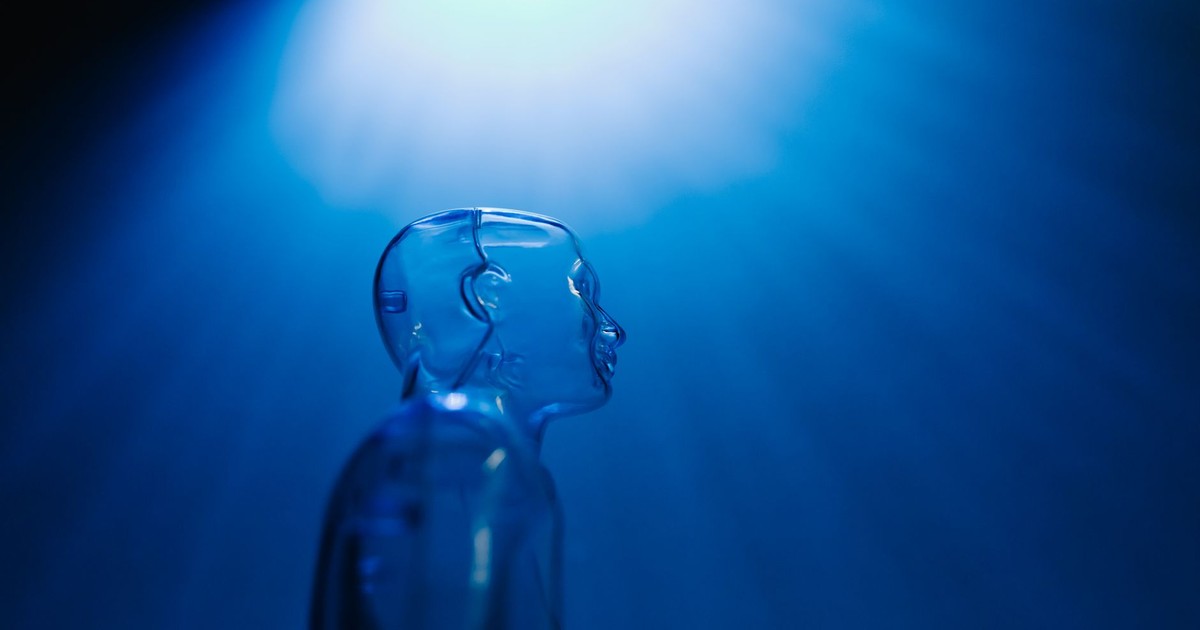
Bioluminescence in humans sounds like something from science fiction. The discovery of human bioluminescence raises questions about how other animals perceive us. Some creatures can detect these light emissions, meaning we may appear quite different to species with ultraviolet or infrared vision.
Japanese scientists first demonstrated this in 2009, using extremely sensitive cameras to detect light emissions from the human body that are around 1,000 times weaker than the visible range detectable by the naked eye. The glow fluctuates throughout the day, peaking in the afternoon on the face. You are, technically, luminous. Not in any way you’d notice without laboratory equipment, but luminous nonetheless.
24. Salvador Dalí designed the Chupa Chups logo
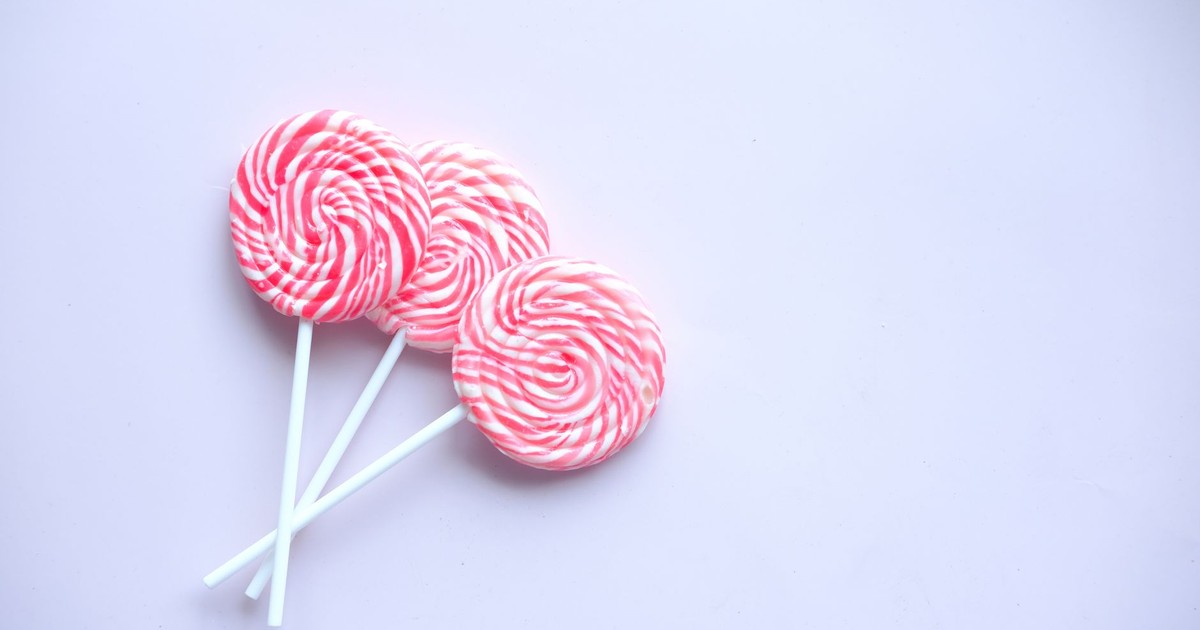
Salvador Dalí designed the logo for the Chupa Chups lollipop brand. In 1969, Chupa Chups founder Enric Bernat approached Dalí, who was already a world-famous surrealist artist, and asked him to redesign the company’s logo. Dalí completed the design in under an hour. He also suggested placing the logo on top of the lollipop rather than on the side, so it would be visible when the candy was in your mouth.
The iconic daisy-like logo has remained essentially unchanged since 1969. It is one of the most widely recognized candy brand identities in the world, and it was produced in a single sitting by one of the most technically accomplished artists of the 20th century, as a commercial favor for a confectionery company.
25. Every planet in the solar system can fit in the gap between Earth and the Moon
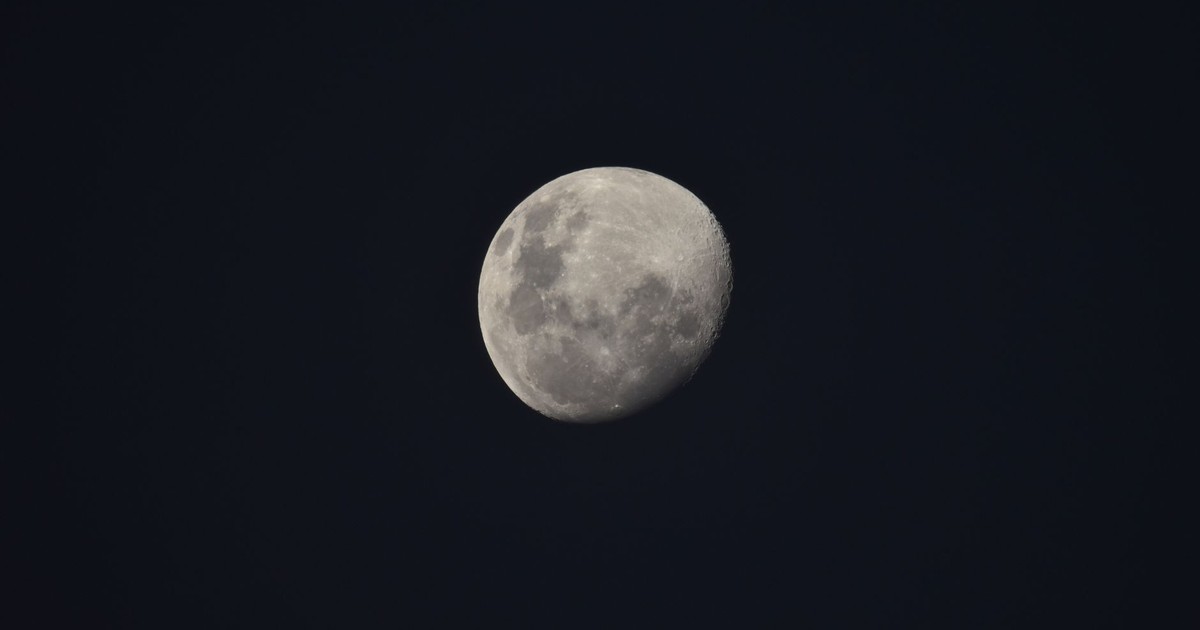
This is not poetic exaggeration. When the Moon is at its farthest point from Earth, you can fit every planet in our solar system between Earth and the Moon.
The average Earth-Moon distance is about 384,400 kilometers. Add up the diameters of Mercury, Venus, Mars, Jupiter, Saturn, Uranus, and Neptune, and you get roughly 380,000 kilometers. The gap is genuinely big enough to hold all of them in a row. The Moon feels close – it’s the only object outside Earth that humans have ever stood on – but in solar system terms, “close” still means hundreds of thousands of kilometers.
26. Your body has more bacterial cells than human cells
For years the textbook figure was 10 bacteria for every 1 human cell. That number turned out to be an overestimate from a 1970s calculation that was never rigorously verified. Research from the Weizmann Institute of Science, published in the journal Cell in 2016 (the most recent comprehensive estimate on this topic), recalculated the ratio at closer to 1:1. The average 70-kilogram man contains about 38 trillion bacteria and 30 trillion human cells.
What this means practically is that the majority of the genetic material in your body, right now, does not belong to you. The collective DNA in your gut microbiome alone vastly outnumbers your own genome. You are, in the most literal sense, a community rather than an individual organism.
27. Competitive art was an Olympic sport

Competitive art used to be an Olympic sport. From 1912 to 1948, the Olympics included medals in architecture, sculpture, painting, music, and literature – all on the condition that the work was inspired by sport. The idea came from Pierre de Coubertin, the founder of the modern Olympics, who believed that athletic achievement and artistic excellence were complementary.
Medals were awarded at eight consecutive Olympic Games. Winners included a Hungarian sculptor and a German watercolor painter. The competitions were discontinued in 1948 on the grounds that most of the artists were professionals who were being paid for their work, which conflicted with the Olympic ideal of amateurism. Architecture and painting left the Olympics at exactly the same moment that professionals started entering athletic events.
28. Sloths can hold their breath longer than dolphins
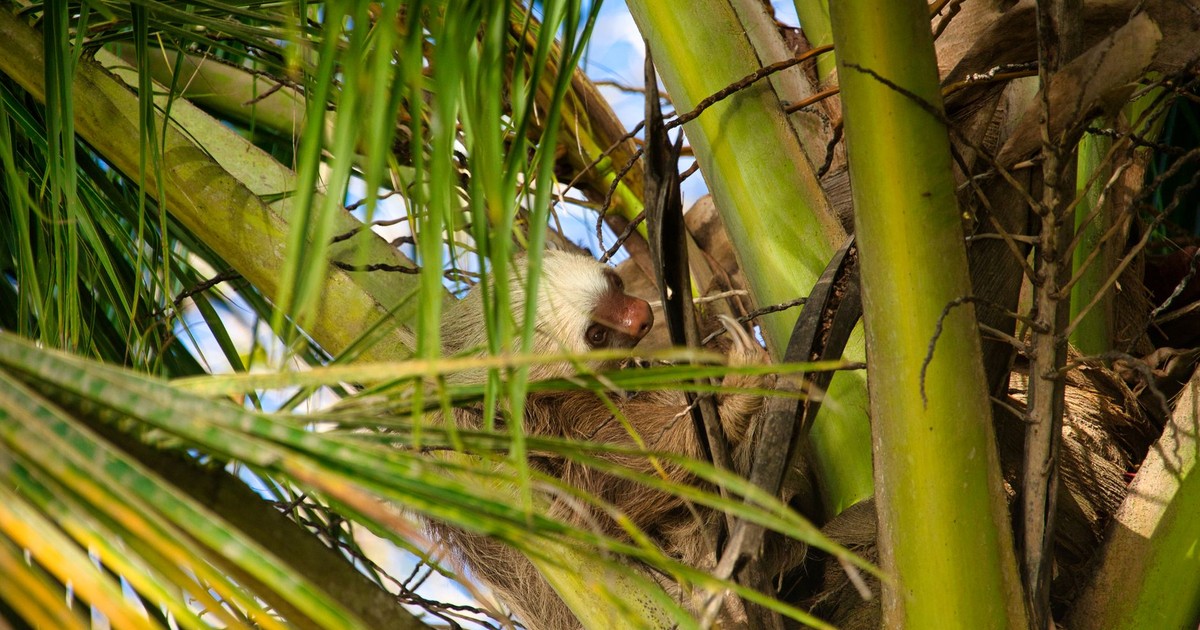
Every 10 minutes, dolphins need to come up for air. Sloths can hold their breath for 40 minutes. Sloths achieve this by slowing their heart rate dramatically while submerged – by up to 100 beats per minute – which reduces their oxygen consumption enough to stay under far longer than most mammals their size. They are, rather surprisingly, capable swimmers, often crossing rivers by hanging from branches and dropping in.
The evolutionary reason for this ability isn’t fully understood. Sloths spend most of their lives in trees, moving so slowly that algae grows on their fur. Being a competent breath-holder seems redundant for an animal that spends roughly 15 to 20 hours a day sleeping. And yet: 40 minutes, no problem.
29. Blowfly larvae in Morocco evolved fake termite faces on their rear ends
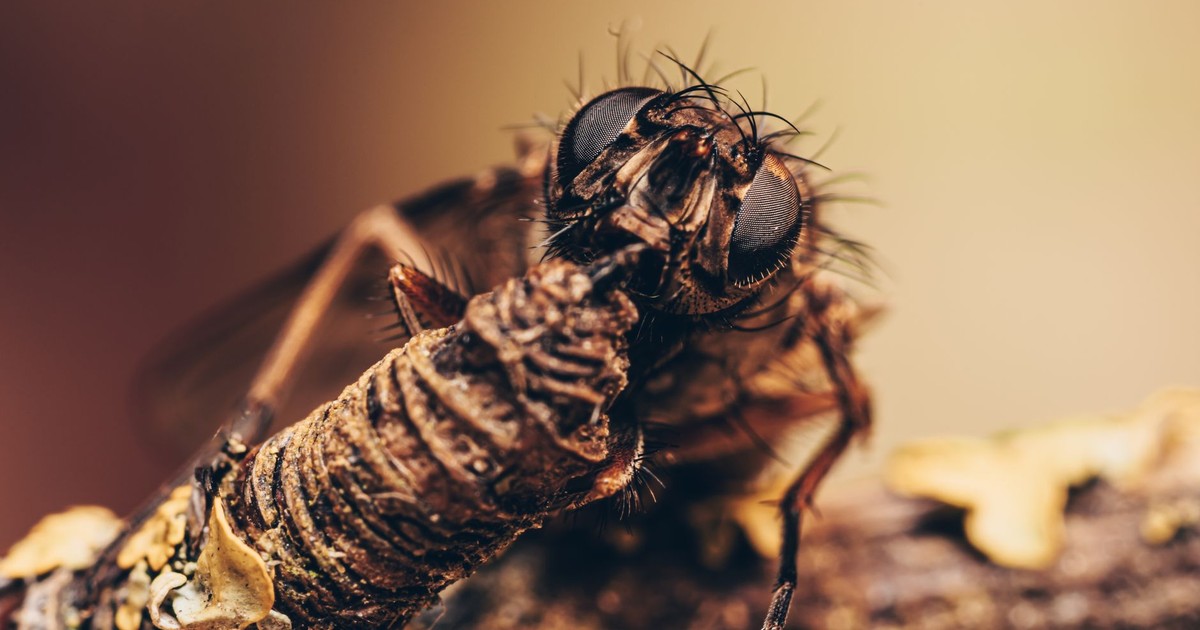
Blowfly larvae living inside a Moroccan termite nest have evolved rear-end mimicry, complete with false antennae and termite-like features on their back ends. In a 2025 study, scientists found the larvae had developed these features presumably to fool their hosts into ignoring them.
This is what biologists call aggressive mimicry – where a predator or parasite evolves to look like a harmless or even beneficial member of the host species’ community. The larvae are essentially squatting in the termite colony, consuming resources, and getting away with it by wearing a costume on their backside. It’s deceptive, parasitic, and also a reminder that natural selection will produce solutions that no human engineer would think to try.
Read More: 8 Notorious ‘History Facts’ Most People Believe to Be True But Are Completely Made Up
The Part That Sticks
The unbelievable true facts that tend to stay with people aren’t usually the biggest or most dramatic ones. They’re the ones that rearrange something you thought was settled. The jeans pocket you’ve been ignoring for years was built for a technology that no longer exists. The cloud hanging over your house weighs a million tonnes. The most lethal hunter on Earth has a wingspan of about four inches.
None of these facts require you to revise your opinion of the world in a grand way. But each of them points to the same thing: reality is not particularly concerned with meeting your expectations. The universe has been doing its own thing for about 4.5 billion years, and some of what it’s produced – a tortoise born before Abraham Lincoln, a dragonfly that almost never misses, a chicken that survived without a head for a year and a half – doesn’t fit neatly into any frame you built in advance. That’s not a reason for anxiety. It’s just a good reason to keep paying attention.
AI Disclaimer: This article was created with the assistance of AI tools and reviewed by a human editor.