
The argument most people have had at least once about food goes something like this: someone puts something weird on something else, and someone else acts like a war crime has been committed. Pineapple on pizza. Honey on fried chicken. Blueberries reduced into a steak sauce. The visceral reaction these combinations produce says less about the food and more about how deeply people trust the categories they grew up with.
What’s interesting is how often those categories turn out to be wrong. The combinations that look most offensive on paper have a way of working in practice, sometimes spectacularly. And the list of unusual food combinations people have come to genuinely love is longer, stranger, and more consistent than most of us would predict.
There’s a real explanation for why so many of these pairings work, and it goes deeper than the usual shorthand about salty and sweet. Once you understand the basic logic of it, nothing on the list below will seem random again.
Why Your Brain Loves the Combos That Make No Sense
Food pairing science starts from a simple idea: the more aromatic compounds two foods share, the more likely they are to taste good together. Flavor molecules, known as volatiles, evaporate from food and reach your nose. When two ingredients share a high number of those volatiles, your brain reads them as compatible, even when they look wildly mismatched on paper.
A 2011 study published in Scientific Reports, which analyzed tens of thousands of recipes across multiple cuisines, confirmed this and called it the food pairing hypothesis. It found that the hypothesis has prompted contemporary restaurants to combine white chocolate and caviar, which share trimethylamine and other flavor compounds, and chocolate with blue cheese, which share at least 73 flavor compounds. The same analysis revealed a striking regional split: Western cuisines consistently reach for ingredient pairs that share many of those compounds, while East Asian cuisines tend to do the opposite, deliberately combining ingredients with little molecular overlap. Western cooking tends to seek harmony through shared chemistry; East Asian cooking often seeks contrast. Both produce extraordinary food.
The contrast route matters too, and French fries dipped into a vanilla Frosty are the clearest illustration of why. Hot and cold, salty and sweet, crisp and creamy, all at once. The flavor compounds don’t overlap, but the opposition itself becomes the appeal. The brain responds to dramatic sensory contrast in the same basic way it responds to molecular harmony: with interest. Indifference is what kills a pairing, not difference.
With that in mind, here are 30 of the strangest food pairings people have come to love.
The Sweet-and-Salty Classics That Started Everything
1. French Fries and Ice Cream This one became famous at fast food drive-throughs, where millions of people discovered by accident that a fry dipped in a Frosty or a McFlurry was better than it had any right to be. The contrast between hot, salted potato and cold, sweet cream is almost textbook in its appeal – temperature, texture, and taste all in opposition, all working.
2. Chocolate-Covered Potato Chips Salt is one of chocolate’s best friends. It suppresses bitterness, heightens sweetness, and adds an edge that plain chocolate doesn’t have. When the salt delivery system is also crunchy and starchy, the result is something most people find impossible to stop eating. Commercially available versions now line grocery store shelves across the US.
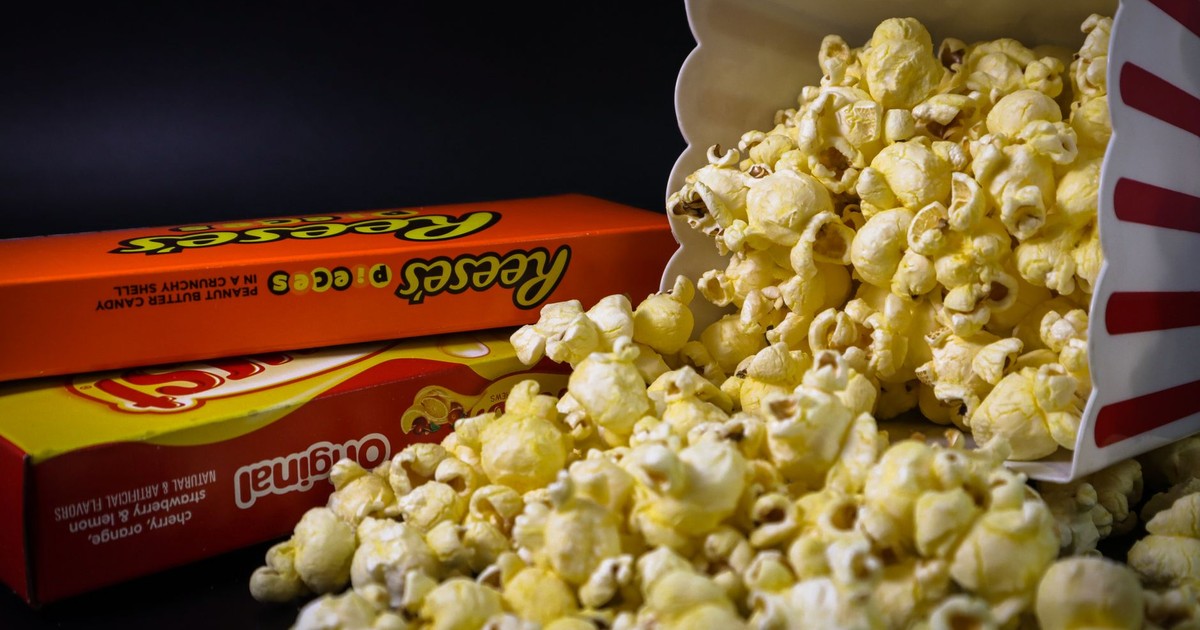
3. Popcorn and M&Ms The movie theater version of the fries-and-ice-cream dynamic. Toss a handful of M&Ms into a warm bag of buttered popcorn, let the chocolate soften slightly against the heat, and you get a bite that cycles through salt, butter, sugar, and cocoa in the same mouthful. Cheap, easy, and consistently excellent.
4. Maple Syrup and Bacon This one has been absorbed so completely into breakfast culture that it barely reads as unusual anymore, but it’s worth remembering that the idea of pouring sweet tree sap onto cured, fatty pork is genuinely strange if you encounter it fresh. The fat in bacon softens maple syrup’s sweetness; the syrup tempers the salt. Neither ingredient is quite at its best alone in the same way.
5. Salted Caramel Before salted caramel became inescapable, mixing salt into candy would have seemed counterintuitive. Now it’s in ice cream, coffee, brownies, and every other dessert imaginable. Salt has the well-documented effect of drawing out flavors of sweetness, sourness, and umami. Adding it to caramel doesn’t just make caramel saltier. It makes caramel taste more like caramel.
6. Peanut Butter and Bacon Salty, fatty, smoky, and rich. The peanut butter softens the intensity of the bacon; the bacon gives the peanut butter something to push against. Elvis Presley made a variation of this famous (with banana added), but the two-ingredient version has a devoted following of its own.
The Savory-Sweet Hybrids That Shouldn’t Work
7. Watermelon and Feta Cheese This combination sounds like a dare but has become a respectable summer salad at restaurants and dinner parties. The saltiness of the feta amplifies the watermelon’s sweetness, and the contrast in texture – grainy cheese against the juicy flesh of the fruit – gives the whole thing a satisfying complexity. A little mint and some olive oil complete the picture.
8. Pineapple on Pizza Perhaps the most divisive food pairing of the past two decades. Those who love it argue that the sweetness of pineapple does exactly what fruit has always done in savory cooking: cuts through richness and brightens the whole dish. Duck and orange, turkey and cranberry, pork and apple, chicken and lemon. Fruit paired with meat goes back well beyond pizza, and game like venison with blackberries or sour cherries is standard in European cooking.
9. Banana on Pizza This one went viral when Americans discovered that Swedes had been doing it for decades. Sweden has a rich history of mixing unexpected flavors, from banana pizza to the “Flying Jacob,” a casserole made with chicken, bananas, and chili sauce. According to food historian Richard Tellström at Stockholm University, the banana pizza trend traces back to a postwar fascination with Pacific flavors that shaped Scandinavian cooking from the 1960s onward, with deep-fried bananas appearing alongside steak and veal at Swedish restaurants well before they landed on pizza. The result is polarizing, but the principle is no different from pineapple pizza: sweet fruit against savory cheese and tomato.
10. Apple Pie and Cheddar Cheese Apple pie with cheese has a long history. People either love it or hate it, or have never tried it, but it is so adored in some regions that many consider the classic dessert incomplete without it. A sharp aged cheddar is the standard recommendation – mild cheddar doesn’t have enough character to compete with the filling. The result reads as savory-sweet in the best way, and it’s common enough in parts of England and the American Northeast that ordering pie “with” is understood without further explanation.
11. Jam on a Burger Fruit preserves on a beef patty sounds like something a five-year-old would invent, but restaurants serve variations of this regularly. Fig jam, strawberry preserves, and blueberry compote all work, because the acidity and sweetness in the jam does what ketchup does: it cuts through fat and adds a brightness the meat alone can’t provide.
12. Honey on Fried Chicken Popular in parts of the American South, and increasingly common elsewhere. The sweetness of honey plays against the crunch and salt of the fried coating, and the fat in the chicken stops the sweetness from becoming cloying. Hot honey – honey with added chili – has expanded this pairing into something even more compelling.
The Creamy Contrasts
13. Avocado and Chocolate The Mayans are credited with bringing both chocolate and avocados to the world, and while avocados are widely regarded as a savory fruit, the Mayans regularly enjoyed chocolate and avocado together. In practice, avocado functions as a fat substitute in chocolate mousse, pudding, and brownies. Its flavor mostly disappears into the chocolate; what remains is a richness and creaminess that dairy would otherwise provide. The texture is what the pairing is really about.
14. Cream Cheese and Hot Cheetos This sounds strange, but the cool, neutral, slightly tangy cream cheese functions as a dairy buffer for the heat of the spice, in the same way sour cream tempers a hot curry. The crunch of the Cheetos against the softness of the cream cheese adds a textural dimension that makes the whole thing more than the sum of its parts.
15. Balsamic Vinegar and Vanilla Ice Cream Olive oil, sea salt, and ice cream combine to make an unexpectedly good dessert. The grassy, fruity flavors of olive oil, plus a sprinkle of sea salt, heighten the richness of the ice cream. Balsamic vinegar follows the same logic in a different direction: its sweetness and acidity cut through the fat of the ice cream and add depth that pure sweetness alone can’t achieve. Aged balsamic, drizzled over a good vanilla, is a legitimate dessert at upscale restaurants.
16. Hot Chocolate and Cheese In Colombia, hot chocolate with cheese is a tradition that people in North America are only beginning to discover. The cheese used is called “queso campesino,” and the closest substitute in US grocery stores is a mild mozzarella or halloumi. You cube the cheese, drop it into the hot chocolate, and eat the softened, slightly melted result with a spoon. The combination sounds alarming. It eats somewhere between fondue and a warm dessert drink – savory and sweet at the same time, in a way that works rather than confuses.
17. Peanut Butter and Pickles The tangy brine of a dill pickle against the rich sweetness of peanut butter turns out to function as a surprisingly complete flavor combination. The acid brightens the fat; the fat softens the acid. Pickles are extremely acidic, which can help with stomach issues and reduce bloating, and they carry lots of sodium. Some people have been eating this sandwich their whole lives and have never told anyone.
The Fruit Combinations That Earn a Double-Take
18. Strawberries and Black Pepper Black pepper on strawberries sounds like a mistake but is a recognized technique in fine dining. The heat of the pepper amplifies the berry’s sweetness, making the flavor sharper and more complex than strawberries on their own. A small amount is enough: the goal is to enhance, not overwhelm. Some chefs add a touch of balsamic alongside it, and at that point you’re approaching something genuinely elegant.
19. Strawberries and Balsamic Vinegar A gourmet pairing with a long track record in Italian cuisine. The acidity of the balsamic reduces the sweetness of the strawberry slightly while drawing out its more complex berry notes. Traditional pairings such as chocolate and cream can actually mask a strawberry’s intricate berry notes, which is part of why this less obvious combination often produces a better result.
20. Watermelon and Salt Salt on watermelon is standard practice in parts of the American South and across much of Asia and Latin America. The reasoning is the same as salted caramel: the salt doesn’t make the watermelon salty. It makes the watermelon taste more like watermelon. A few flakes of coarse salt on a cold slice pulls the sweetness forward in a way that eating it plain simply doesn’t achieve.
21. Mango and Chili A combination so widely loved across Mexico, Southeast Asia, and South Asia that calling it unusual requires some qualification. In Mexico, chamoy sauce and tajín are applied to mango as a matter of routine. The heat of the chili amplifies the tropical sweetness of the mango; the sweetness tempers the burn. Together they hit more flavor registers than either ingredient can reach alone.
22. Cantaloupe and Prosciutto This pairing sounds strange only to those who haven’t tried it. The salt of the prosciutto pulls the sweetness of the melon into focus; the melon’s juice cuts through the fat of the cured meat. It’s a combination that has been served as a starter in Italian homes for generations, and it works for the same reason every fruit-and-meat pairing works: contrast and amplification in equal measure.
The Ones That Sound Truly Wrong
23. White Chocolate and Caviar When two ingredients share a high number of flavor volatiles, they complement each other – which is the foundation for pairings that look absurd on a menu but taste right in the mouth. White chocolate and caviar share specific volatiles, including trimethylamine, that make this combination remarkably compatible. The salt of the caviar deepens the sweetness of the white chocolate; the chocolate’s creaminess gives the caviar’s intensely briny flavor somewhere to land. High-end restaurants have been serving versions of this for years. It is, by most accounts, extraordinary.
24. Pickles and Peanut Butter (as a Sandwich) Worth distinguishing from the brief mention above: as a full sandwich, on white bread, with enough of both ingredients that neither dominates, this combination has a genuinely surprising number of devoted fans. The origins are unclear, but during the Great Depression, the Bureau of Home Economics reportedly created a recipe for peanut butter-stuffed onions, a reminder that some of the strangest American food pairings came from economic necessity and turned out to be genuinely good.
25. Peanut Butter and Onion A pairing that divides people cleanly into two camps. Most people who try it say sweet onions work best. The sharpness of a white or yellow onion can overpower the peanut butter, while a Vidalia or other sweet variety sits within the peanut butter’s flavor range rather than fighting it.
26. Cottage Cheese and Pineapple The pairing of creamy and slightly sour cottage cheese with acidic and sweet pineapple is, according to those who love it, genuinely good. It had a moment in the 1970s, disappeared into the era’s wellness culture as diet food, and is now back as a high-protein snack with a real flavor case to make. The curds of the cottage cheese soften the acidity of the pineapple; the pineapple lifts the otherwise flat, dairy-forward taste of the cheese.
27. Mayo and Banana Sandwich A Southern tradition that Northerners tend to react to with visible distress. The tartness of the mayo – any good full-fat version – sits surprisingly well against the sweet, starchy banana. The fat content of the mayo also changes the texture of the banana in a way that works. This is one of those combinations that sounds like a prank and tastes like a revelation once you get past the idea of it.
28. Eggs and Ketchup One of the most common unconventional pairings in America, practiced by millions of people who would never bring it up in polite company. The acidity of the ketchup cuts through the richness of a fried or scrambled egg in the same way hot sauce does, minus the heat. Diner culture has always known this. It just took everyone else a while to admit it.
29. Blueberries and Steak Sauce Reducing blueberries with balsamic vinegar and sugar can produce a steak sauce that genuinely surprises people. This sounds absurd until you remember that every classical steak sauce involves some combination of acidity, sweetness, and depth – exactly what a blueberry reduction provides. The same logic underlies cranberry sauce with turkey and red currant jelly with lamb. Tart fruit is genuinely effective at cutting through red meat.
30. Chocolate and Blue Cheese As noted earlier, chocolate and blue cheese share at least 73 flavor compounds, which is a staggering number of chemical overlaps for two ingredients most people would never think to put together. The sharpness of a good blue cheese – a Roquefort or a Gorgonzola – doesn’t clash with dark chocolate so much as it deepens it, adding an earthiness and intensity that straightforward chocolate pairing can’t replicate. Fine chocolatiers have been exploring this combination for years, and it’s slowly moving from novelty to recognized pairing.
Read More: Experts Warn Your Bag of Chips Could Soon Cost $15
What This Actually Means
The gap between what sounds appetizing and what actually tastes good is enormous, and most people never cross it unless something – curiosity, an accident, a friend who insists – pushes them over. That’s not a personality flaw. It’s the brain doing its job, defaulting to patterns that have worked before. Novelty carries a small risk, and the brain is risk-averse by design.
But the flavor science here is worth sitting with. A 2011 study analyzing tens of thousands of recipes found that the combinations most people instinctively avoid are often the ones with the most shared chemistry at a molecular level. The brain is already primed to enjoy them. It just needs one real experience to override the assumption. Of the 30 pairings on this list, most people have tried fewer than five. Picking one unfamiliar combination and actually making it – not just reading about it – is where the surprise tends to happen.
AI Disclaimer: This article was created with the assistance of AI tools and reviewed by a human editor.