

The United States map feels permanent – 50 neat rectangles and polygons, borders that seem like they were always there. They weren’t. The country that exists today is the result of dozens of arguments, power plays, land grabs, and political grudges that could easily have gone another way. For every state that made it onto the map, at least one other was proposed, drafted, named, and sometimes even given its own governor, flag, and license plates before the whole thing fell apart.
Some of these proposed US states faded because Congress ignored them. Others collapsed when a world war suddenly made internal politics seem beside the point. One was killed off by a single Republican president who didn’t want more Democratic senators. Most people have never heard of them, which is exactly what makes them worth knowing. Here are ten that came closer than you’d expect.
1. The State of Franklin
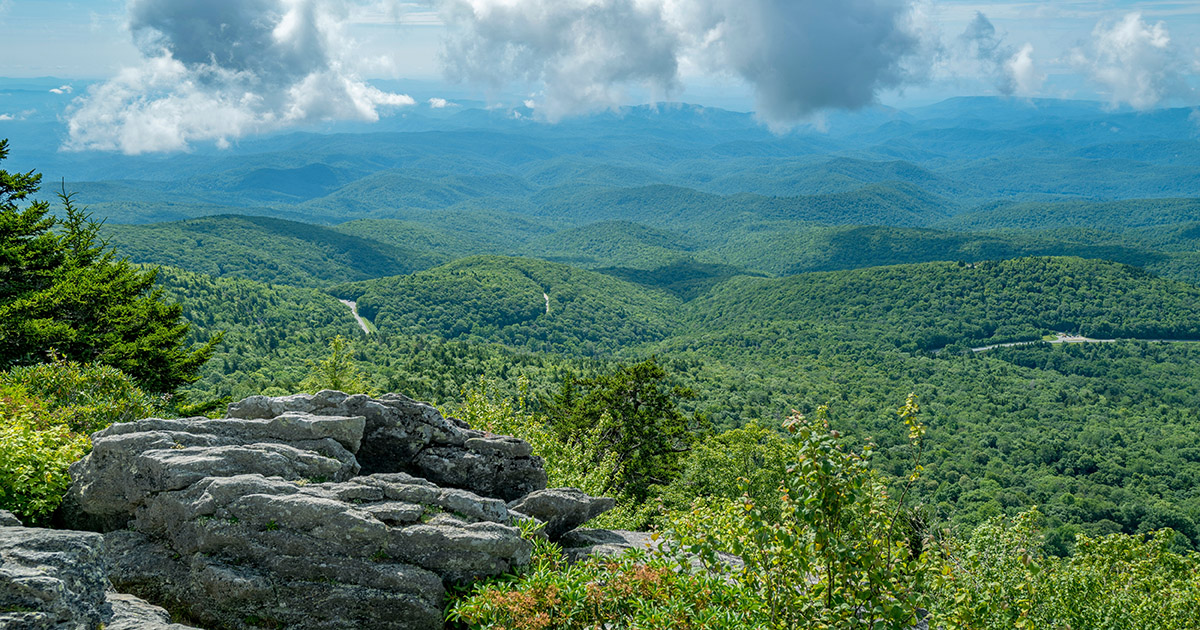
Franklin was created in 1784 from territory west of the Appalachian Mountains that North Carolina had offered to Congress to help pay off debts from the Revolutionary War. It was founded with the intent of becoming the 14th state of the new United States. The problem was that North Carolina rescinded its offer to Congress before the settlers in those western counties even knew about it. By the time word got back to them, they’d already declared themselves independent and elected a governor.
Under constant threat of Native American attacks and feeling abandoned by their government, the frustrated western settlers declared their counties a new American state. They appointed John Sevier, a politician and soldier, as their governor. In an attempt to win Benjamin Franklin’s support for the cause, the aspiring state changed its name from Frankland to Franklin in his honor – though Ben Franklin, characteristically practical, declined to get involved.
In May 1785, the territory petitioned Congress for statehood. According to NCPedia, a motion in Congress to approve the cession that would have paved the way for Franklin’s statehood fell short of the required nine votes. The state lasted for four years, but in 1789, its lands were rejoined to North Carolina. That failure had a lasting consequence: the struggle over Franklin coincided directly with the drafting of the US Constitution, and a provision was added to Article IV prohibiting the formation of a new state within the jurisdiction of another state without that state’s consent.
2. State of Deseret
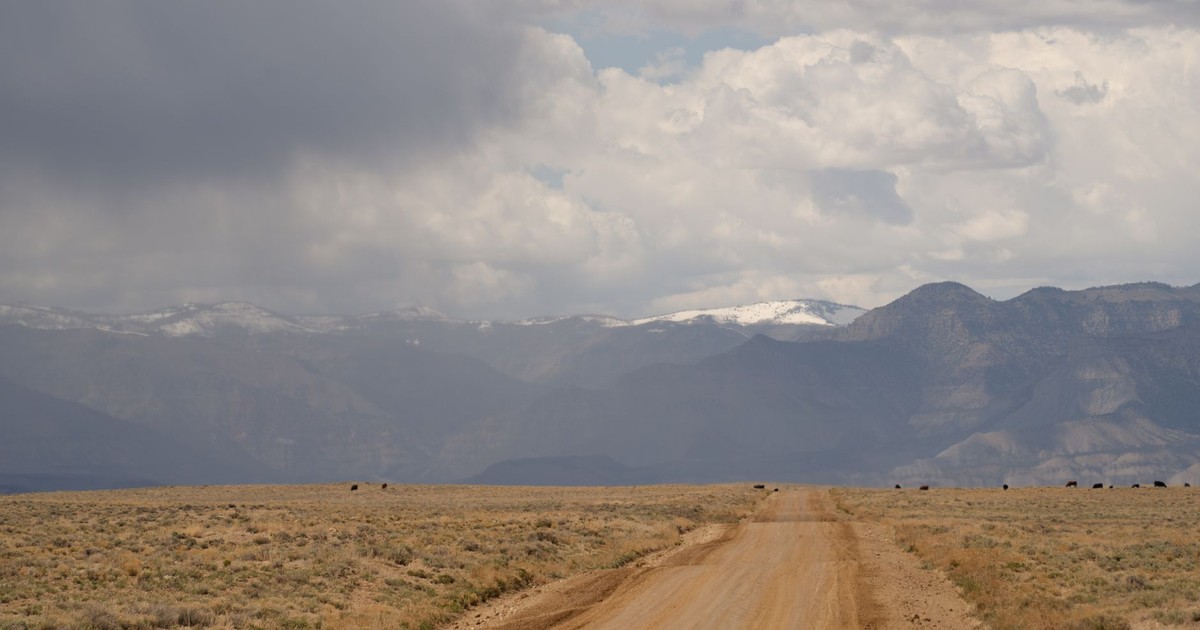
The vast State of Deseret was proposed in 1849 by members of the Church of Jesus Christ of Latter-day Saints in what is now Utah. The name came from a word in the Book of Mormon meaning “honeybee.” If the borders Brigham Young envisioned had been approved, Deseret would have been by far the largest state in the union, stretching across present-day Utah, Nevada, and Arizona, along with large portions of California, Wyoming, Colorado, New Mexico, Idaho, and Oregon. The scale of the ambition was staggering.
Opposition was strong. The proposal was seen as too ambitious to succeed in Congress even before anyone raised the issue of polygamy, but the Mormon practice made it worse. Critics portrayed Deseret as a move to create a theocratic government within the United States. President Zachary Taylor attempted to combine Deseret with the newly forming state of California, but that plan fell apart when the two delegations couldn’t agree on terms.
The final blow came in 1850, when the Compromise of 1850 led to the creation of the Utah Territory instead, with Brigham Young installed as its first governor. Mormon elders refused to let the Deseret idea die entirely. From 1862 to 1870, they met as a shadow government after each legislative session, formally ratifying the territory’s new laws under the State of Deseret name. Utah would eventually achieve statehood in 1896, but only after the church officially renounced polygamy and only as a fraction of what Young had originally mapped out.
3. State of Jefferson
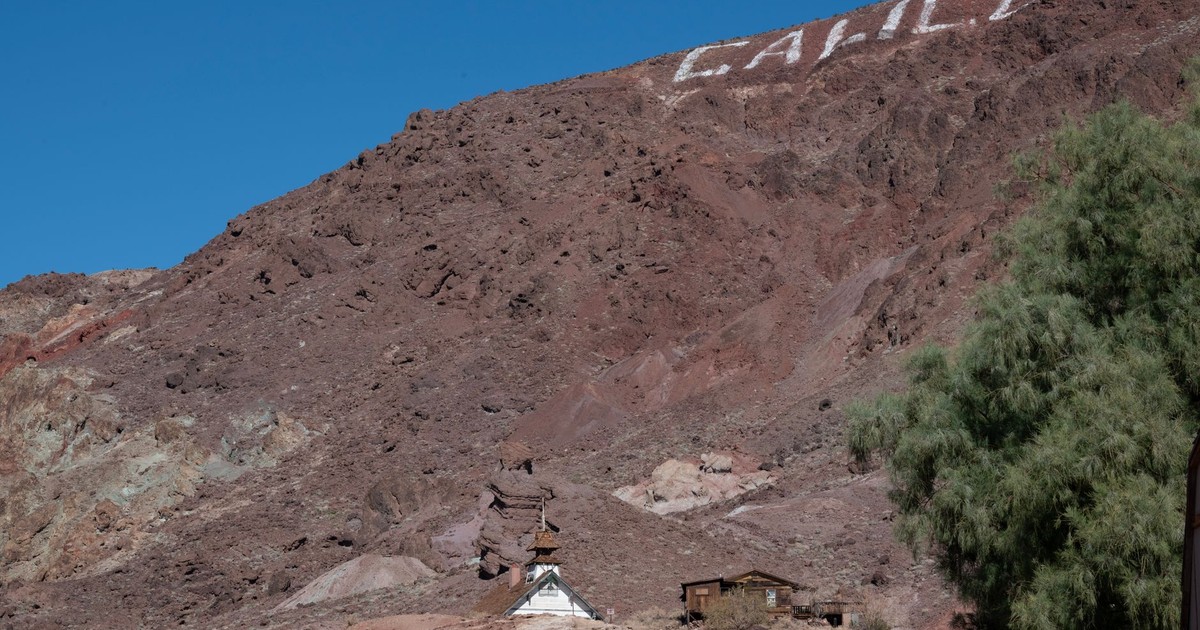
The audacious scheme to form the state of Jefferson began in 1941 when a group of copper mining counties in northern California and southern Oregon grew fed up with insufficient government funding for their highways. The residents convened to form a new state. A newspaper contest led to the name Jefferson, and the group went so far as to elect a judge named John Childs as its first governor.
They even adopted a state flag emblazoned with a large “XX,” a reference to the double-crossing politics that had led to their secession. Just three days after Judge Childs’ inauguration on December 4, 1941, accompanied by a parade and widespread media coverage, Japan bombed Pearl Harbor. In the buildup to World War II, plans for the new state of Jefferson fell by the wayside.
It was not the first time someone had tried to name a state Jefferson. Mining communities in the Rocky Mountains had come together in 1859 and requested the formation of their own state called Jefferson. Citizens couldn’t agree on a constitution, however, so it became Jefferson Territory, and later Colorado Territory, instead. There are still residents of northern California and southern Oregon who hold out hope for a breakaway state named Jefferson, with Redding as the proposed state capital.
4. State of Sequoyah
This is the proposed US states story that gets the least attention, and it arguably deserves the most. The Five Tribes of Indian Territory – the Cherokee, Choctaw, Chickasaw, Creek, and Seminole – realized they would soon have no control or federal recognition. In a last-ditch effort to retain their sovereignty, they held a convention to form a state of their own.
In July 1905, Cherokee Chief W.C. Rogers and Choctaw Chief Green McCurtain called for a constitutional convention. The convention met in Muskogee in August 1905. According to National Geographic, in August and September 1905, delegates drafted a constitution and a proposed government for a Native American-governed state they called Sequoyah. The state was named for the Cherokee statesman who invented his tribe’s written language. Delegates elected Creek Chief Pleasant Porter as president of the convention and the Oklahoma Historical Society records that turnout for the resulting vote was light, with 56,279 votes for the constitution and petition to Congress and 9,073 against.
The proposal was thorough, the democratic endorsement was clear, and the convention sent delegates to Washington with a ratified constitution in hand. Congress never voted on it. The Republican-led Congress and President Theodore Roosevelt worried that Sequoyah would elect Democratic senators given the region’s Southern political alliances. On June 16, 1906, Roosevelt signed the Oklahoma Enabling Act, ruling that the Indian and Oklahoma territories would be granted statehood only as a combined state. The Sequoyah Constitution served in large part as the basis for the constitution of the State of Oklahoma. The delegates who built it shaped the state that absorbed them – including serving as Oklahoma’s first governor and first House Speaker.
You can trace a direct line from the Sequoyah movement to the words that still govern Oklahoma today, which makes its erasure from most American history curricula all the more pointed. For more on how Native American words and history shaped the country Americans inherited, the connections run deeper than most people realize.
5. State of Absaroka
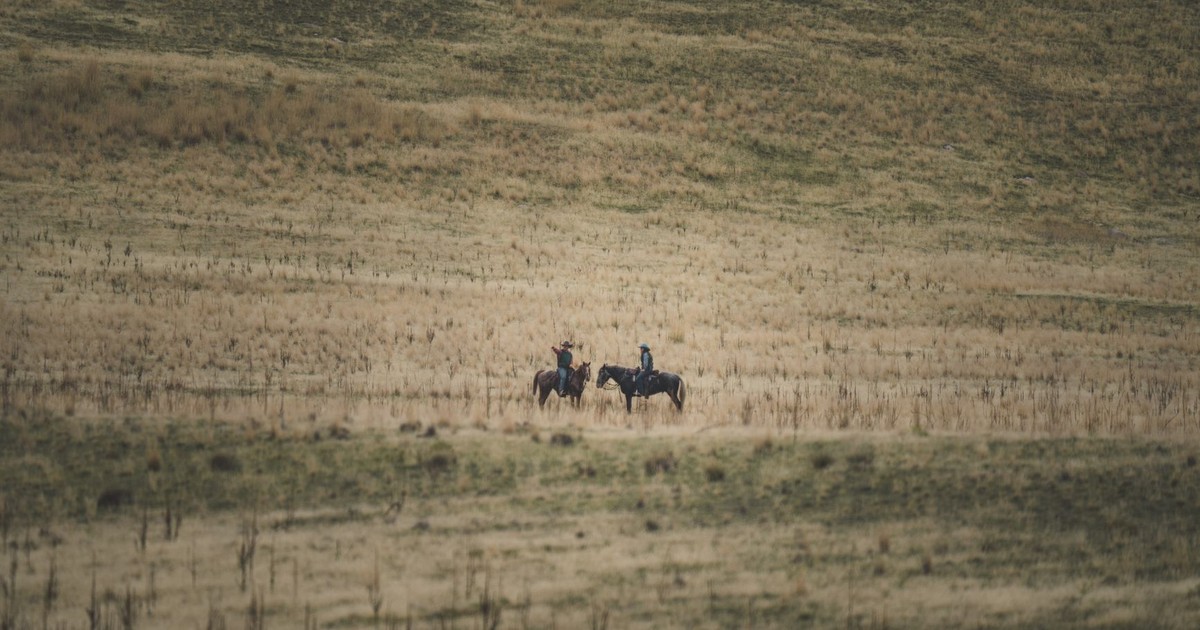
The state of Absaroka was proposed by a group of business and political leaders from Wyoming who were opposed to New Deal politics, believing they were being left out of federal investment. The rebels wanted to combine parts of South Dakota, Montana, and Wyoming in order to gain self-determination. According to History.com, the statehood movement first began in 1939 in Sheridan, Wyoming, led by a former baseball player named A.R. Swickard, who appointed himself governor. The state was named after the Crow Nation word meaning “children of the large-beaked bird.”
The plan was so beloved by a small but excited group of regional officials that Absaroka license plates were distributed, along with tourism pamphlets. They held a Miss Absaroka beauty pageant. They even claimed a royal visit when the King of Norway happened to be passing through Montana. Absaroka would have encompassed famous landmarks including the Grand Tetons and Yellowstone National Park, meaning visitors to what is now Mount Rushmore might have found themselves in a different state entirely.
Ranchers and farmers in the region might have kept the momentum going, especially given recent droughts and a lack of federal aid, but with war breaking out overseas their attention quickly turned to other things. By the time of the Pearl Harbor bombing in December 1941, the idea of secession had faded entirely, and an official proposal for secession was never formally drafted.
6. State of Westsylvania
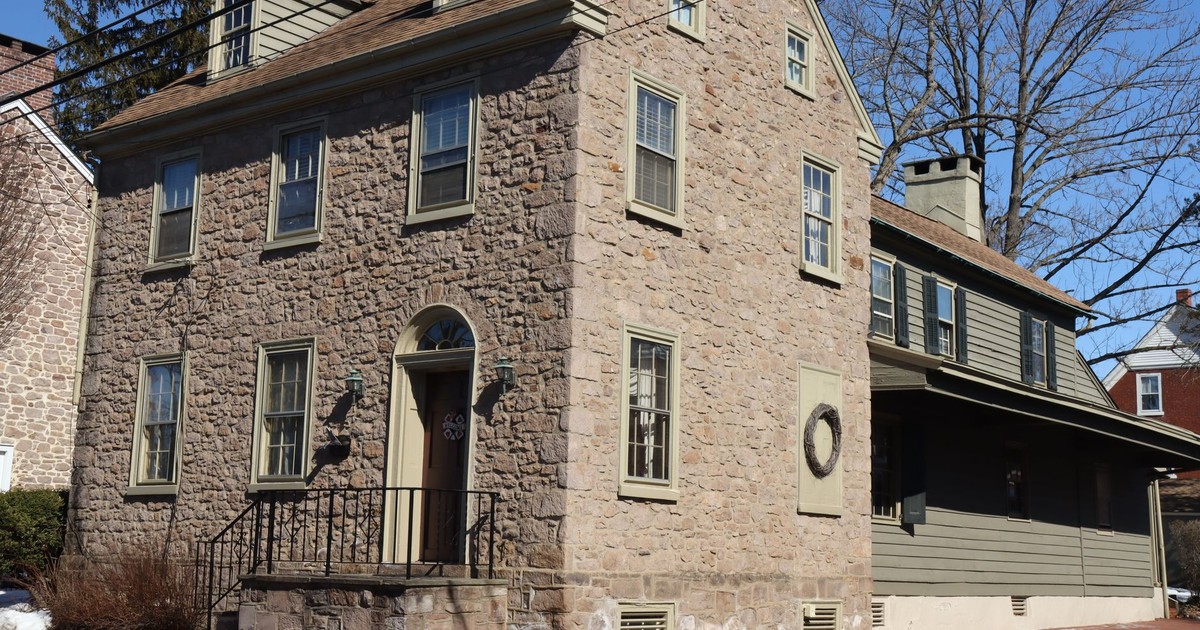
Westsylvania was proposed around the time of the American Revolution and would have been the 14th state in the union had it been accepted. Settlers in the western portions of Pennsylvania and Virginia felt ignored by their coastal representatives and proclaimed their independence in the summer of 1776. These settlers lived on the far side of the Appalachian Mountains, miles from Philadelphia and Richmond, with political concerns that had almost nothing in common with the men who governed them from the Atlantic seaboard.
The state would have been created from parts of modern-day Pennsylvania, West Virginia, and Kentucky. Congress ignored the petition entirely. When the surrounding states absorbed the lands in question, former Westsylvanians bristled and threatened to secede anyway. Pennsylvania’s response was swift and absolute: the legislature passed a law declaring talk of secession and the Westsylvania movement to be treasonous and punishable by execution. The dream died fast once the cost of continuing it became that specific.
7. State of Transylvania
It is a matter of coincidence that this proposed state was called Transylvania – Bram Stoker’s tale of Dracula wouldn’t be published for more than 100 years. Transylvania consisted of the territory now part of present-day western and southeastern Kentucky and northern Tennessee. The founder was Richard Henderson, who owned the Transylvania Company and purchased the land from Cherokee Nation members. That purchase was later ruled illegal under British law.
Henderson set up the Transylvania Colony in 1775, brought Daniel Boone in to blaze the trail, and established Fort Boonesborough as its first settlement. He then convened the Transylvania Convention, often described by historians as the first legislative body west of the Appalachians, and began making the case to the Continental Congress for formal statehood. The timing was catastrophic. The colonies were in the middle of fighting for independence from Britain, and Congress had no appetite for a land speculator’s colonial ambitions on top of everything else.
Shortly before the formation of the United States, the colony of Virginia, which claimed legitimate ownership of the land, annulled the Transylvania Purchase and reclaimed it. Henderson received a compensatory land grant, but the state he’d envisioned was gone. Today, Transylvania University in Lexington, Kentucky, keeps the name alive, and yes, the Dracula-themed merchandise is popular with visitors.
8. State of Scott
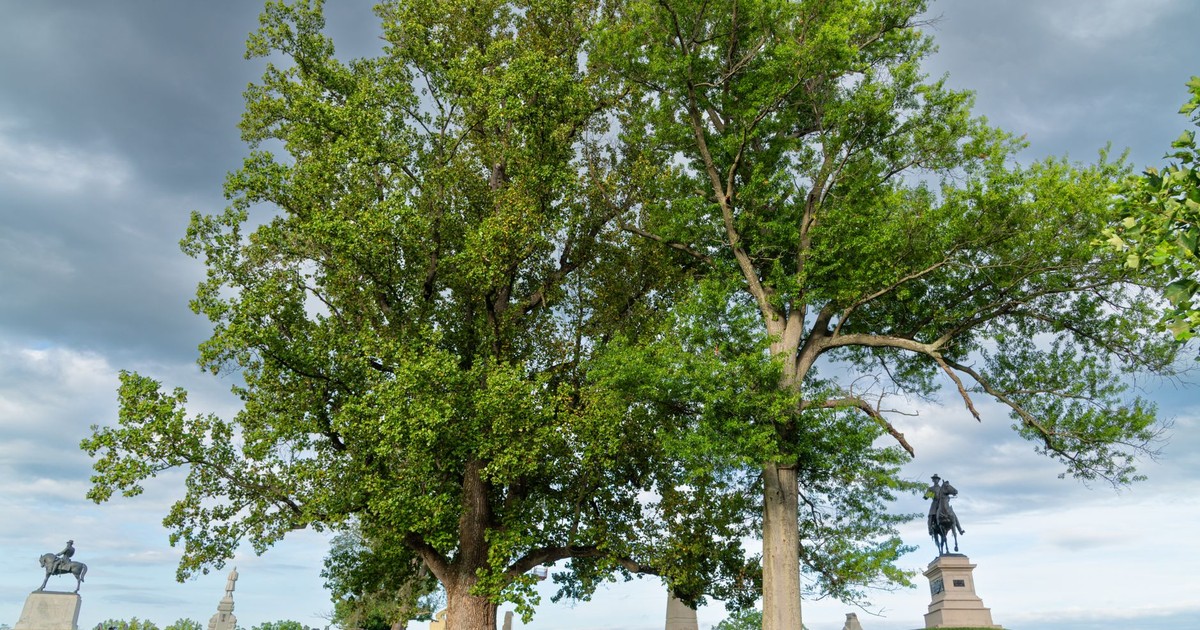
The state of Scott was founded during the Civil War. When Tennessee became a Confederate state, Scott County seceded in order to support the Union. Tennessee essentially forgot about Scott until its 125th birthday in 1986, when Scott requested readmission, even though it had never been recognized as independent by any government, and a party was held to welcome it back as part of Tennessee.
The story carries a certain absurdist charm: a county that seceded, was ignored so thoroughly it was never formally reabsorbed, and then had to ask to be let back in more than a century later. The motivation at the time was entirely serious. Fiercely loyal to the Union, Scott County broke away from Tennessee in 1861 following the state’s alignment with the Confederacy, and became a Union enclave during the war that followed. The county never had the population or political infrastructure to become a proper state, and its “secession” was more of a defiant local declaration than a functioning governmental structure. The actual independence proclamation wasn’t formally repealed until that 1986 ceremony, which was held with enough humor to acknowledge what the whole episode had always been – a point of pride, not a functioning republic.
9. State of Nickajack
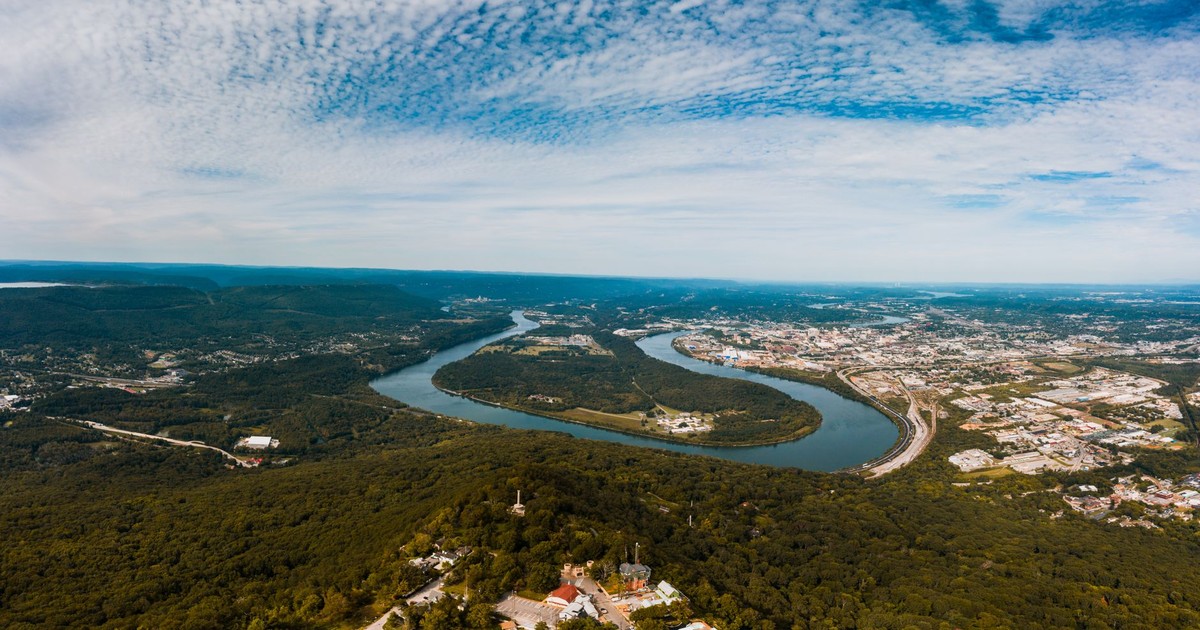
Where Scott County’s defection from the Confederacy was relatively uncomplicated, the proposed state of Nickajack tells a grimmer version of the same story. The mountainous lands of eastern Tennessee and northern Alabama attempted to merge and form their own state, with lawmakers trying to break apart legally from both Tennessee and Alabama rather than simply declaring themselves independent.
The legal process is where things went badly wrong. The rules of the secession convention stated that delegates and their votes were determined by the total population of their jurisdiction. Since enslaved people counted toward the total, the southern and central regional delegates in Alabama far outnumbered those of the north who wished to form Nickajack. Enslavers were therefore allowed to vote on behalf of the enslaved people they held, and Alabama’s secession from the Union passed. Tennessee voted in favor of the Confederacy as well, and leaving the CSA became too dangerous for Nickajack’s supporters to risk. They gave up. The same war that made Scott County’s defection possible made Nickajack’s impossible. Geography and political arithmetic determined everything.
10. Forgottonia
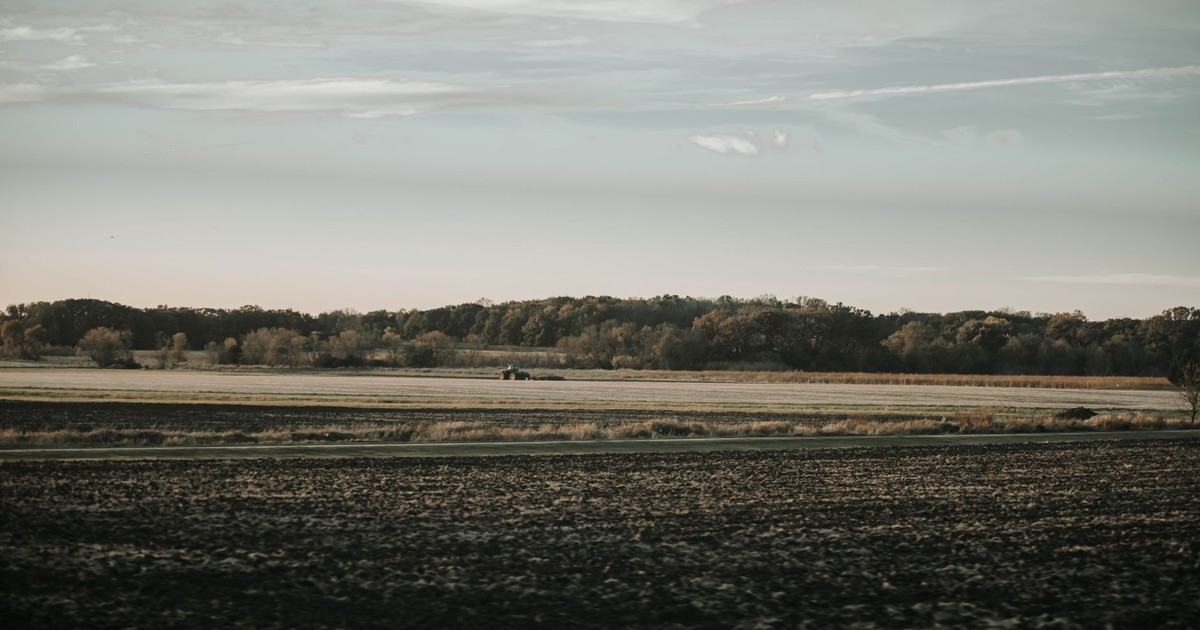
The name was the whole joke, and the whole point. Forgottonia was dreamt up in 1971 as a protest to raise awareness about 16 notoriously overlooked and neglected counties in western Illinois. Unlike every other proposed US state on this list, Forgottonia was never entirely serious. It was a stunt, an act of political theater designed to embarrass the state government into paying attention.
Local businessmen in western Illinois were frustrated at the lack of attention their region received from Springfield, especially the poor investment in transportation. They proposed a new state called Forgottonia, recruited a university student named Neil Gamm to be their governor, appointed the small community of Fandon as state capital, and proclaimed they would secede and apply for foreign aid. The organizers never expected to end up in Washington. They expected to end up in the newspaper.
It worked. The campaign achieved its aim of drawing attention to the region, which regained its Amtrak service as a result and enjoyed increased investment. Of all the proposed states on this list, Forgottonia is the one that arguably succeeded. It didn’t need a constitution or a flag. It needed the right name and enough audacity to make people laugh, and then ask why they were laughing at a region with genuinely neglected roads and rail lines. The question did the rest.
Read More: 8 U.S. States With Such High Quality of Life Nobody Wants to Leave
The Map Could Have Looked Very Different
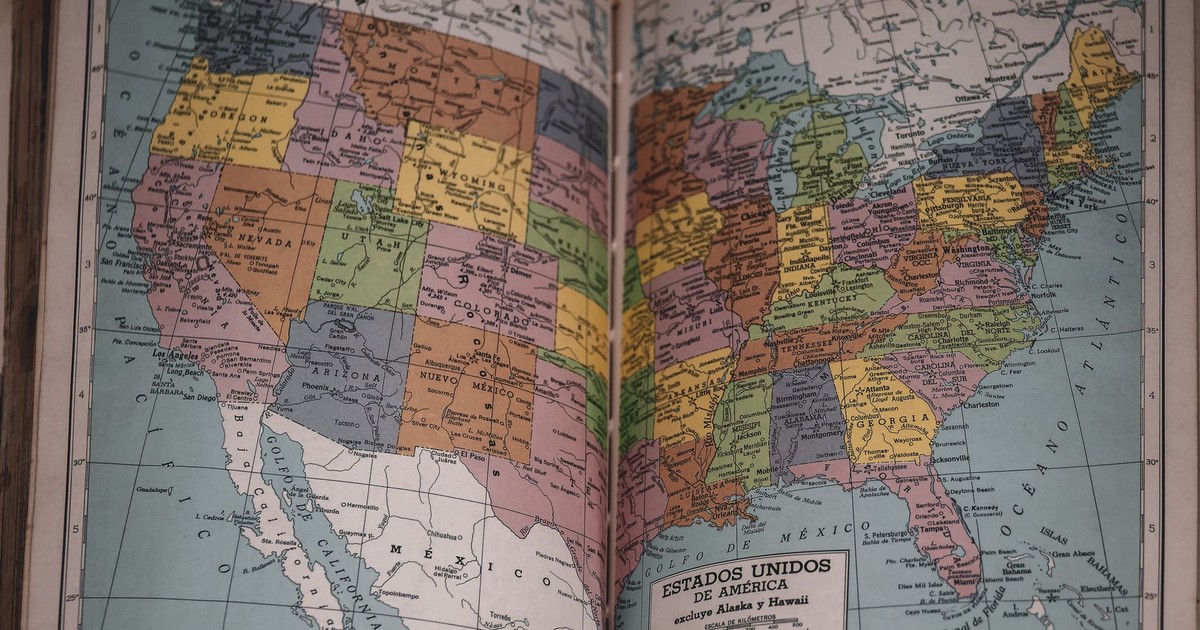
The 50-state map is so familiar it can start to feel like the only possible outcome of American history. It isn’t. Most of the states on this list had real grievances, real organizers, and real popular support in their regions. Franklin came within two votes of a Congressional supermajority. Sequoyah had a ratified constitution and an elected delegation. Deseret had a functioning government that quietly ran parallel to Utah’s for two decades after its formal rejection.
What stopped most of them wasn’t the weakness of the idea, but the weight of other interests. Party politics killed Sequoyah. The war in Europe killed Jefferson and Absaroka, twice. Virginia’s land claims killed Transylvania. Pennsylvania’s treason laws killed Westsylvania before it could properly begin.
The borders that divide the country today aren’t the product of some natural logic. They’re the product of particular moments, particular power struggles, and in a number of cases, particular strokes of bad timing. Knowing the stories of the states that didn’t make it doesn’t change the map – but it does change what you see when you look at it.
AI Disclaimer: This article was created with the assistance of AI tools and reviewed by a human editor.