
You pick up a bamboo toothbrush at the checkout, decline the plastic straw at brunch, and wheel your carefully sorted recycling bin to the curb every Thursday. It feels like the right things are happening. But research published over the last few years has been finding, repeatedly, that many of the habits most associated with eco-conscious living contribute almost nothing to the metrics that actually matter: greenhouse gas emissions, resource depletion, and plastic waste at scale.
None of this means living carelessly. The habits on this list aren’t bad, and most of them are better than nothing. But “better than nothing” and “making a meaningful dent in the climate crisis” are very different claims, and too much of the conversation around eco-friendly habits conflates the two. The gap between those two things isn’t an argument for giving up – it’s an argument for directing energy toward actions that actually count.
The nine habits below are among the most widely practiced eco-friendly behaviors in the US, and also among the most oversold. Each one has a catch that rarely makes it onto the wellness blog where you first read about it.
1. Tossing Everything Into the Recycling Bin
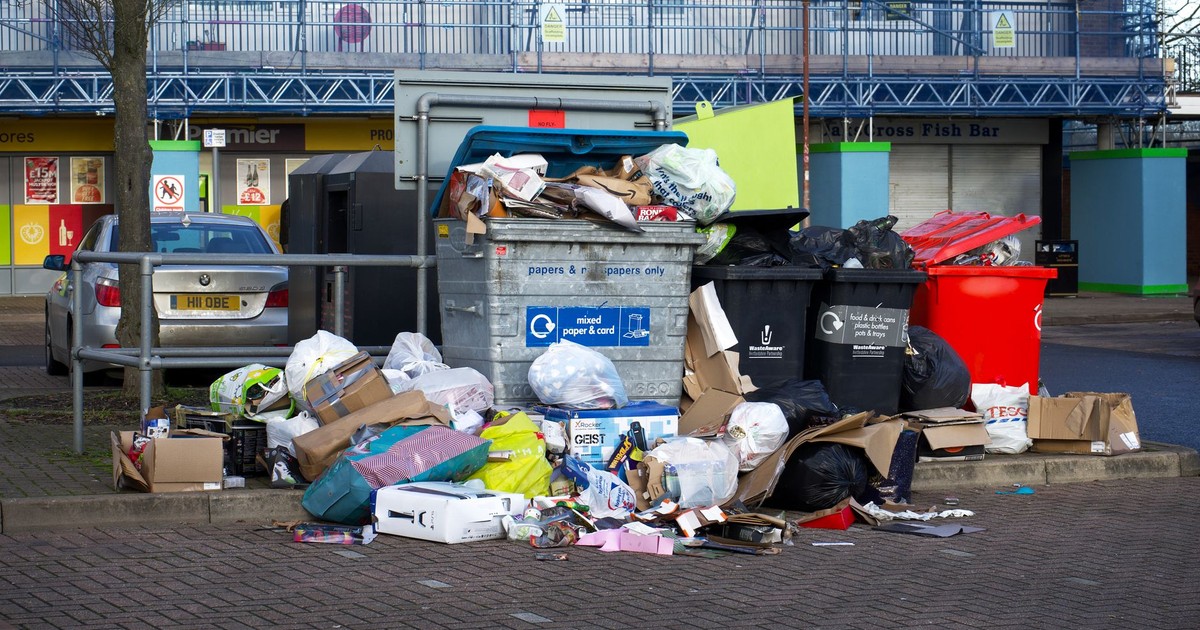
Recycling is probably the longest-running feel-good environmental story in circulation. The blue bin has become a moral shorthand, a way of signaling that you’re doing your part. The problem is that a 2024 study published in Nature’s npj Materials Sustainability found that despite decades of recycling programs, plastic recycling has been largely ineffective at offsetting rising global plastic production, which now exceeds 400 million metric tonnes annually. The global recycling rate for plastic sits at around 9%. Nine percent.
The gap between how recycling feels and what it does comes down to several overlapping failures. Contamination is one: the moment a recyclable item touches the wrong material, the whole batch can be compromised. Infrastructure is another. Many US municipalities simply don’t have the systems to process what residents put out. And then there’s the economics: recycled materials often cost more to process than virgin ones, which means sorting facilities sometimes send recyclables to landfill anyway. MIT’s Andrew McAfee has argued, as reported by Planetizen in late 2024, that landfill disposal may actually be more environmentally sound than perpetuating recycling practices that achieve minimal reductions in greenhouse gas emissions.
The practical takeaway isn’t to abandon recycling entirely, but to stop treating it as the solution. Glass, aluminum, and cardboard have genuinely better recycling rates than plastic. If you want your recycling to actually be recycled, focus on those materials, keep bins clean and uncontaminated, and look up your local municipality’s specific accepted items list, because what the bin says and what gets processed are often two different things.
2. Carrying a Cotton Tote Bag

Cotton tote bags are everywhere – hanging from stroller handles, stacked by the front door, handed out at every conference and trade show for the past decade. A 2018 life cycle analysis commissioned by the Danish Environmental Protection Agency found that a conventional cotton tote bag needs to be used at least 7,100 times to offset its environmental footprint compared to a single-use plastic bag, when accounting for all impacts across production. That’s using it every day for nearly 20 years.
The problem is cotton itself. Growing cotton is extraordinarily resource-intensive, demanding large quantities of water, pesticides, and fertilizer. The production process carries a heavy carbon cost that a thin plastic bag – made from what is essentially an oil industry by-product requiring no additional resource extraction – doesn’t come close to matching per unit. When you narrow the comparison to climate impact alone, the break-even point drops considerably: around 50 to 150 uses, according to a UNEP review of ten life cycle assessments from multiple countries. The precise number depends on the methodology, but neither figure is the point. Most people own multiple tote bags and use each one sporadically. They accumulate in kitchen drawers and pile up at the bottom of cupboards.
The math only works if you actually use the same bag constantly and for years. The fix is not to throw out your tote bags, but to stop buying new ones and use the ones you already have as many times as possible. One well-used bag beats a drawer full of them.
3. Buying “Biodegradable” Plastic Products
Products labeled biodegradable have a natural appeal: the idea that the item will simply return to the earth feels like a perfect solution to plastic waste. In practice, most biodegradable plastics only break down under very specific industrial composting conditions, including high temperatures, specific humidity levels, and the presence of particular microorganisms. In a standard landfill, deprived of oxygen, they persist for years just like conventional plastic.
There’s also the question of what “biodegradable” actually signals. The term is not consistently regulated, and some products labeled this way are simply conventional plastics with additives that cause them to fragment into smaller pieces rather than fully decompose. Those fragments, now microplastics, can be more harmful than the original item because they scatter more easily through soil and waterways. Compostable is a more meaningful label than biodegradable, but only if the product is actually being sent to an industrial composting facility, which most home bins cannot replicate.
If you genuinely want to use biodegradable products, look specifically for items certified to recognized industrial compostability standards and make sure your municipality has an industrial composting program that accepts them. Without that final step, the biodegradable label is mostly marketing.
4. Using Paper Straws Instead of Plastic Ones

Paper straws became the cultural flashpoint of the sustainability conversation around 2018 and 2019, after viral footage of a sea turtle with a plastic straw in its nose prompted bans and substitution campaigns across the food service industry. Choosing a paper straw over a plastic one is not a bad choice. It is just a remarkably small one.
Straws represent a fraction of a fraction of total plastic waste by weight. The global conversation around straws, while emotionally resonant, directed an enormous amount of consumer attention toward an item that accounts for a negligible share of ocean plastic. The single largest sources of plastic ocean pollution are fishing gear, packaging films, and industrial waste, none of which gets resolved by swapping the straw in your iced coffee. There’s also the fact that many paper straws are coated with thin layers of plastic or wax to maintain their structural integrity, which compromises their recyclability and compostability.
The practical value of refusing a plastic straw is in signaling and norm-setting, not in direct environmental impact. That has some worth, but it should be understood honestly. If the ten minutes you spent researching paper straw suppliers went into understanding your household’s energy use, the return would be vastly higher.
5. Buying Organic Cotton Clothing Instead of Fast Fashion
Organic cotton is genuinely better than conventionally grown cotton in a number of meaningful ways: no synthetic pesticides, lower chemical runoff into local waterways, better soil health over time. The problem is that “organic” addresses the farming phase of a garment’s life and largely nothing else. The dyeing, the manufacturing, the shipping, and the washing still carry significant environmental costs regardless of whether the fiber started as organic.
There’s also the consumption pattern that the organic label tends to encourage. When a product is framed as sustainable or ethical, shoppers often feel freer to buy more of it. Psychologists call this the “licensing effect” – the mental accounting that treats a virtuous purchase as permission to indulge. Buying three organic cotton t-shirts because they feel virtuous produces more environmental impact than buying one conventional one and wearing it for three years. The volume of what we buy matters more than the material, in most cases. The fashion industry’s carbon footprint is driven by overproduction and overconsumption, and the organic label addresses neither.
Buying secondhand first, buying less overall, and caring for what you already own – including washing clothes less frequently and at lower temperatures – will reduce your fashion footprint far more than switching to organic cotton while continuing to shop at the same rate. You might also want to read more about sustainable fashion choices to see where the real leverage points are.
6. Buying a Bamboo Toothbrush

Bamboo toothbrushes have become synonymous with conscious consumerism, and they do have a genuine edge over plastic ones. Bamboo grows without pesticides, sequesters carbon as it grows, and the handle is compostable. A 2025 study in the Journal of Dentistry confirmed that bamboo brushes carry a lower carbon footprint than plastic ones produced outside of Europe. So far, so good.
The complication is scale. A toothbrush, bamboo or otherwise, is a tiny item with a tiny carbon footprint. The bristles on most bamboo toothbrushes are still made from nylon, which is not biodegradable and must be removed before composting the handle. Most people don’t do this step, meaning the toothbrush goes into landfill intact. And the bamboo itself, grown predominantly in China, is shipped globally, adding a transportation footprint that rarely appears in the marketing. The gap in environmental impact between a bamboo toothbrush and a plastic one is real, but it is marginal compared to the large-ticket items in any household’s carbon footprint.
The factors that actually dominate an individual’s carbon footprint are transport habits, diet, and home energy. A bamboo toothbrush does nothing to change any of those three.
7. Shopping at Farmers’ Markets for “Local” Food
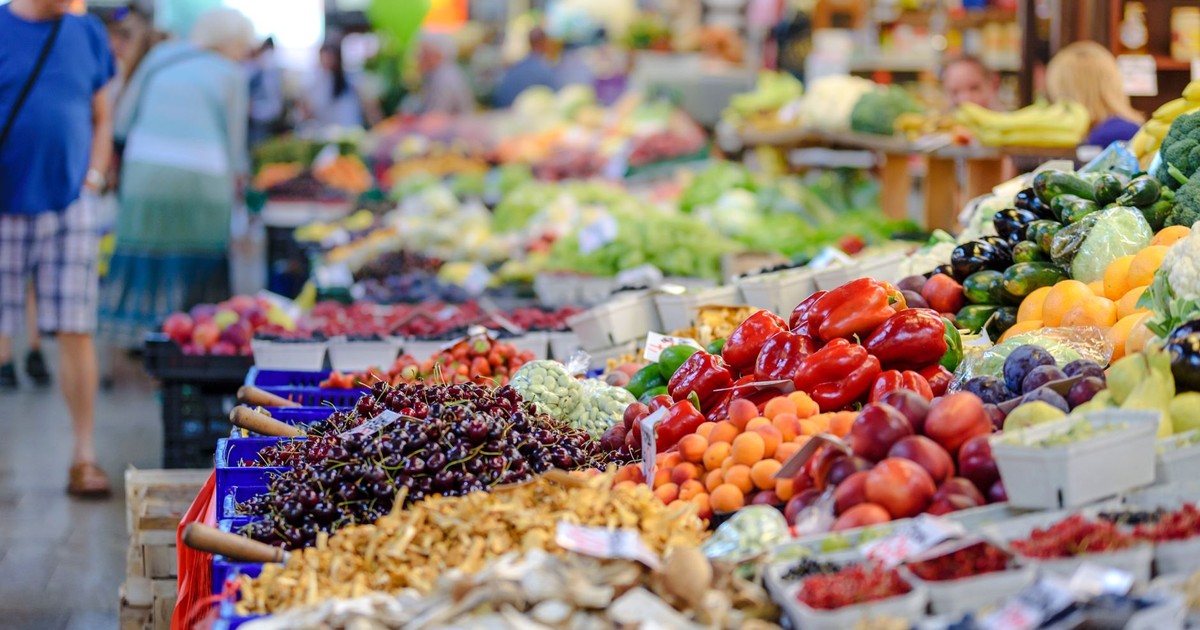
Local food has an intuitive environmental logic: shorter distances mean less fuel burned in transport, right? The reality is more complicated. Transportation is only one component of food’s total carbon footprint, and for most products, it’s not the largest one. The emissions embedded in how food is produced, what land it was grown on, and how energy-intensive the farming method is typically outweigh the “food miles” component significantly.
A tomato grown in a heated greenhouse 30 miles away can carry a higher carbon footprint than one grown outdoors in Spain and shipped to your door, because the greenhouse heating consumes enormous energy. Grass-fed beef from a local farm produces more methane – a potent greenhouse gas – than the transport emissions of almost any food product. The “local” label tells you something about the supply chain but very little about the overall environmental cost of what’s on your plate. Beef from a farm an hour away is still beef.
What you eat matters more than where it comes from, in carbon terms. A 2023 study in Nature Communications found that substituting just 50% of globally consumed beef, chicken, milk, and pork with plant-based alternatives could reduce agriculture and land use greenhouse gas emissions by 31% by 2050 compared to 2020 levels. Swapping beef for lentils is a far more powerful move than swapping a supermarket tomato for a farmers’ market one.
8. Turning Off the Tap While Brushing Your Teeth

This one is practically gospel in environmental education, one of the first green habits children learn. The water saved by turning off the tap while brushing amounts to roughly 8 gallons per person per day if done twice daily over two minutes. That’s not nothing. But household tap water use is a small fraction of an individual’s total water footprint, and it sits at the low-impact end of the spectrum compared to dietary choices.
Producing a single pound of beef requires roughly 1,800 gallons of water when accounting for the water needed to grow animal feed. A single almond requires about a gallon of water to produce. The water embedded in food production, particularly in animal agriculture, dwarfs anything a household can influence through faucet habits. Tap management is the kind of habit that earns gold stars in primary school and has essentially no measurable effect at the scale of a person’s actual environmental footprint.
This doesn’t make it pointless, particularly in drought-prone regions where municipal water scarcity is a real concern. But framing it as a meaningful climate action – which it often is in mainstream green guides – misrepresents where individual water impact actually lies.
9. Choosing “Eco-Friendly” Cleaning and Personal Care Products
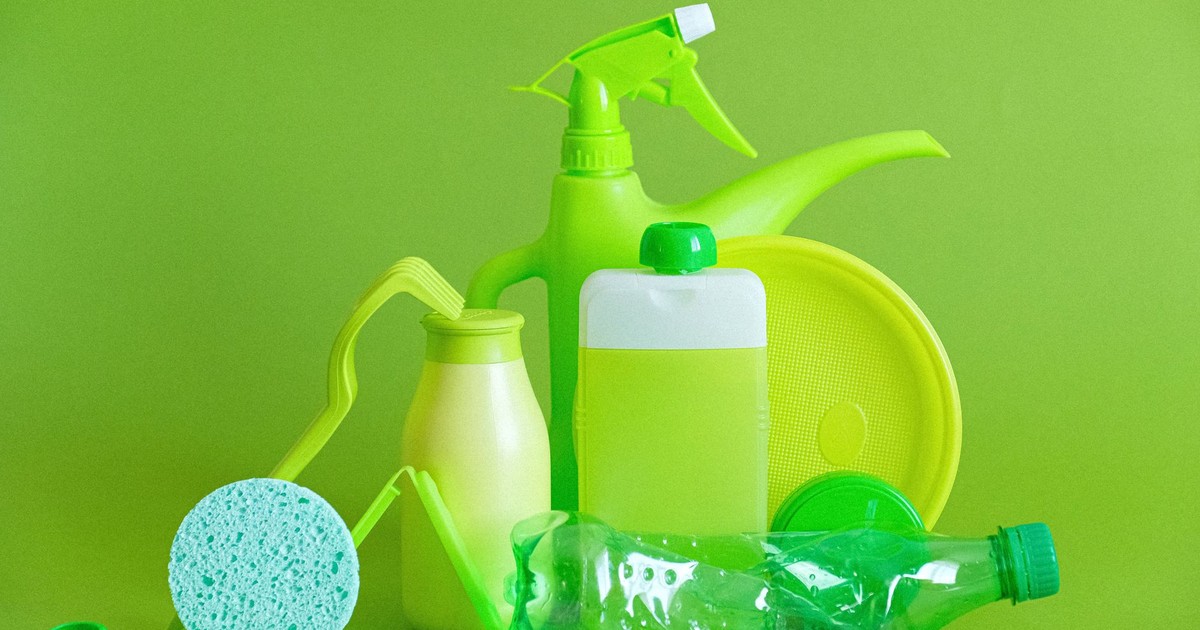
The market for natural, plant-based, eco-labeled cleaning and personal care products has grown dramatically, and many consumers pay a meaningful premium for them on the assumption that they’re making a greener choice. The gap between the label and the reality is often wide. “Natural” and “eco-friendly” are unregulated marketing terms in the US, meaning any manufacturer can use them with no independent verification required.
Many products in this category replace synthetic chemicals with plant-derived ones that require intensive agricultural land use to produce and may carry their own environmental burdens through cultivation and processing. The packaging is frequently the more significant factor: a concentrated conventional cleaner in a small recyclable container may have a lower life cycle impact than a “natural” alternative in a larger single-use plastic bottle. And the shipping footprint of a subscription-based eco-cleaning delivery service can negate any production-phase advantage entirely.
The standard worth looking for, if you want assurance rather than marketing, is third-party certification from bodies with publicly available testing criteria. Beyond that, the most effective way to reduce impact in the cleaning and personal care category is to use less product overall, choose concentrates, and prioritize packaging reduction over ingredient swaps.
Read More: 12 Signs the Cost of Living Is Becoming Unsustainable Worldwide
What Actually Moves the Needle
The habits on this list are not harmful, and living thoughtfully is always worth doing. But the reason eco-friendly habits ineffective at scale so often turn out to be the small-ticket symbolic ones is structural: they’re easy to market, easy to sell, and easy for consumers to adopt without disrupting anything significant. They exist in a space where capitalism and environmentalism can co-exist comfortably, which should itself be a signal.
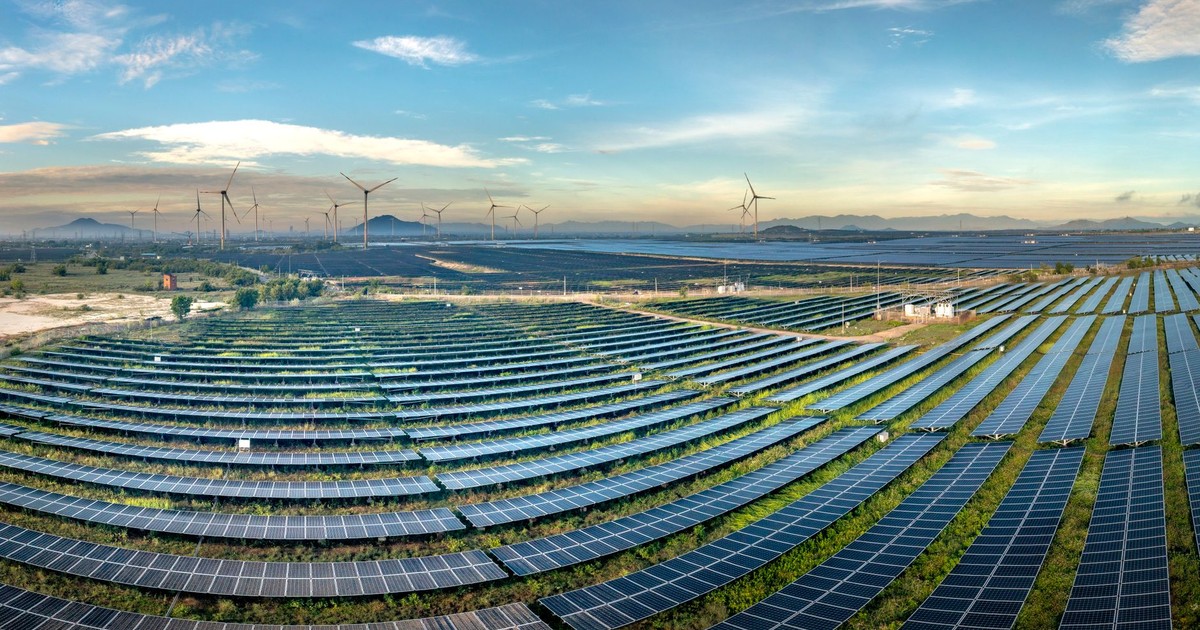
The actions that research consistently identifies as highest-impact for individuals are not product swaps. They are: flying less, driving less or switching to an electric vehicle on a clean grid, eating significantly less animal protein especially beef, and shifting home energy to renewable sources. None of those actions can be solved with a shopping trip. None of them come with a satisfying label. Every one of them requires changing a behavior rather than buying a replacement for one.
That’s the harder truth sitting underneath this list. Guilt about the wrong straw or the wrong toothbrush is not just misplaced. It’s a distraction from the decisions that actually determine where your environmental impact lands. The blue bin will still be there on recycling day, and using it is still worth doing. Just don’t let it be the whole story.
AI Disclaimer: This article was created with the assistance of AI tools and reviewed by a human editor.