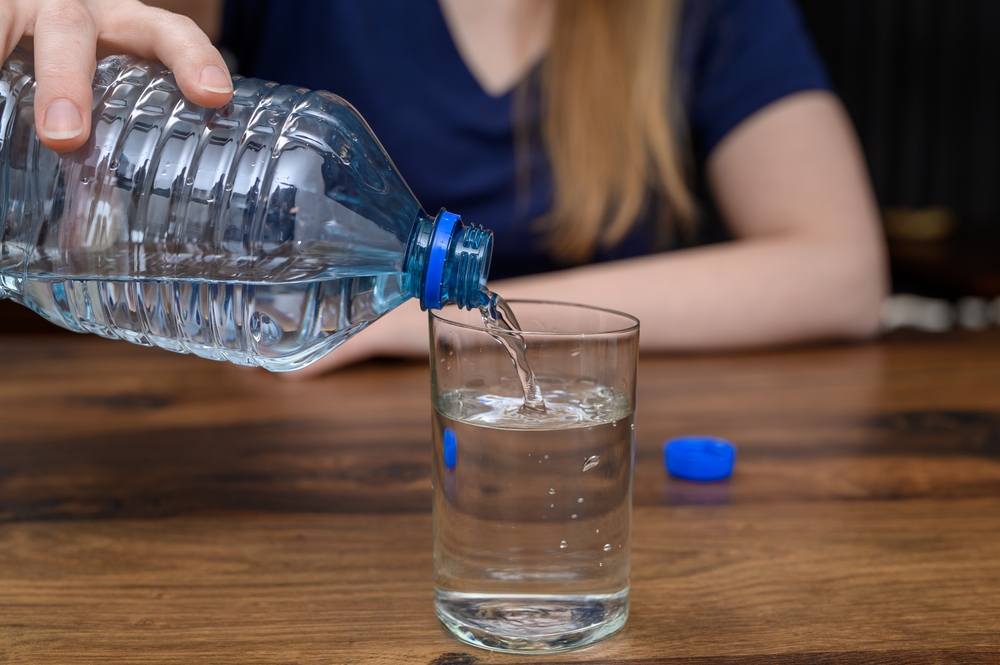

Pick up a bottle of water at almost any gas station, gym, or grocery checkout and the label will have mountains on it, or glaciers, or a glistening spring. Words like “pure,” “pristine,” and “natural” are printed in clean fonts above serene blue imagery. The whole design is a promise: this is better than what comes out of your tap. Cleaner. Safer. Worth the money. That promise has turned into one of the most profitable consumer product categories on the planet – and it rests on a foundation that is shakier than the industry has ever wanted you to know.
The gap between what bottled water advertises and what it actually delivers has been widening for years. But 2024 was the year the science caught up in a way that is genuinely hard to ignore, because researchers stopped estimating how much plastic we’re drinking and started actually counting it.
What’s Actually in Your Bottle
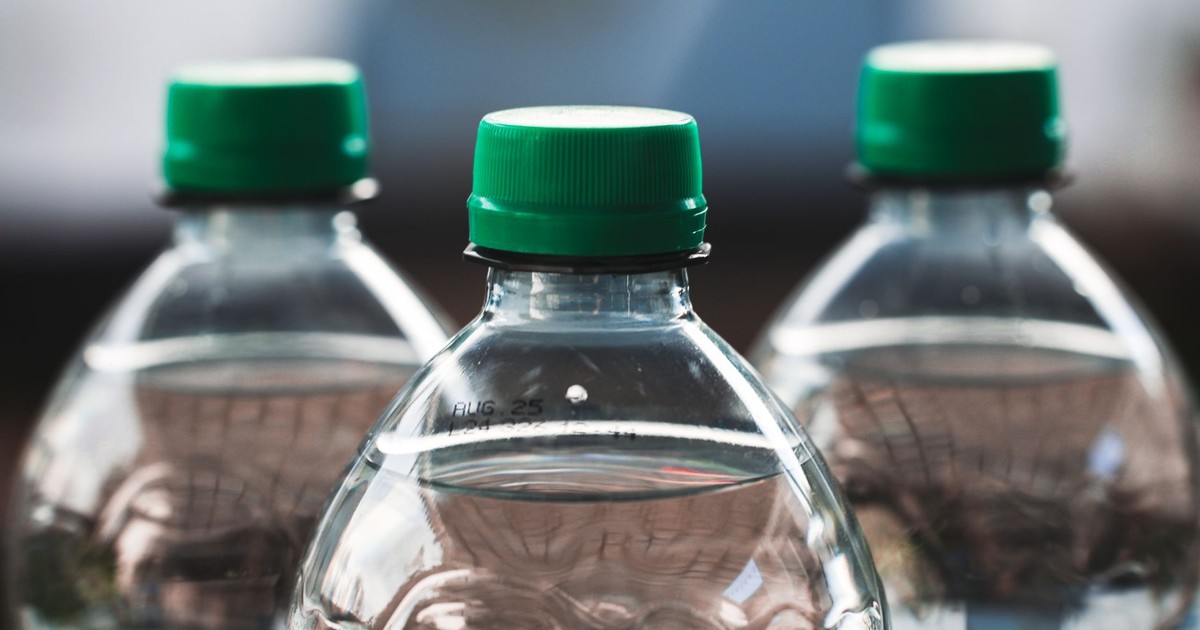
In January 2024, researchers from Columbia University published a study in the journal Proceedings of the National Academy of Sciences using a new technology capable of seeing, counting, and analyzing the chemical structure of nanoparticles in bottled water. What they found changed the conversation entirely.
On average, a single liter of bottled water contained around 240,000 detectable plastic fragments – 10 to 100 times greater than previous estimates, which had been based mainly on larger particle sizes. About 90% of those fragments were nanoplastics – a category far smaller and, it turns out, far more concerning than microplastics.
Here’s the size difference that makes nanoplastics a separate problem from microplastics. When plastics break down over time, they form smaller particles called microplastics, which are 5mm or less in length. Microplastics, in turn, break down into even smaller pieces called nanoplastics, which are less than 1 micrometer in size. Unable to be seen with the naked eye, these are small enough to enter the body’s cells and tissues.
Nanoplastics are so tiny that, unlike microplastics, they can pass through the intestines and lungs directly into the bloodstream and travel from there to organs including the heart and brain. The precise long-term health effects of that journey are still being studied – but the fact that particles from a plastic bottle can reach your brain by the time you’ve finished drinking it is not a detail the “pure mountain spring” marketing wants front and center.
Among the plastics the Columbia team identified were polystyrene, polyvinyl chloride, polymethyl methacrylate, and polyethylene terephthalate – the last of which is what the bottles themselves are made from. Another plastic found in high amounts was a type of nylon called polyamide. In bottled water, polyamide probably came from the plastic filters ironically intended to purify the water during bottling.
The seven identified plastics accounted for only about 10 percent of the total particles detected under the imaging system. If the rest are also nanoplastics, that class of contaminant could number in the tens of millions per liter. As one of the Columbia researchers put it, the remaining particles “could be almost anything.”
The Marketing Machine Behind the Myth
Bottled water ads are typically filled with natural landscapes and words like “pure,” “pristine,” and “natural,” which help promote a positive image – and the marketing strategies used are very deliberate, designed to drive the market and promote the idea that bottled water is better than tap water. This wasn’t accidental. It was a carefully constructed belief system built over decades.
In 1975, Americans drank just one gallon of bottled water per person per year on average. By 2005, that had grown to around 26 gallons per person. The industry didn’t grow because consumers independently decided tap water was dangerous. It grew because they were told, repeatedly and expensively, that it was.
Brands have been marketed specifically toward athletes, children, and even women’s “special needs,” with children’s water sold in gender-coded blue and pink bottles. Companies have even produced specific waters for pets. This isn’t about hydration. It’s about identity and aspiration, sold back to consumers at a markup of sometimes several thousand percent over what the same water costs from a tap.
A significant part of that marketing rests on the implied claim that bottled water is more rigorously controlled than tap water. In the US, bottled water is federally regulated by the Food and Drug Administration as a packaged food product, while municipal tap water is regulated by the Environmental Protection Agency. That sounds reassuring until you look at the practical difference between those two regulatory regimes.
FDA inspectors may visit bottling facilities to take their own samples only on an infrequent basis, and the vast majority of required water quality analysis is conducted by the bottlers themselves. Bottled water manufacturers are not required to disclose water quality information on the bottle. The result is inconsistent, voluntary disclosure of water quality information on a brand-by-brand basis.
In independent testing, about 22 percent of bottled water brands contained chemicals at levels above state health limits or industry recommendations in at least one sample.
PFAS, Plastics, and the Contamination You Don’t Hear About
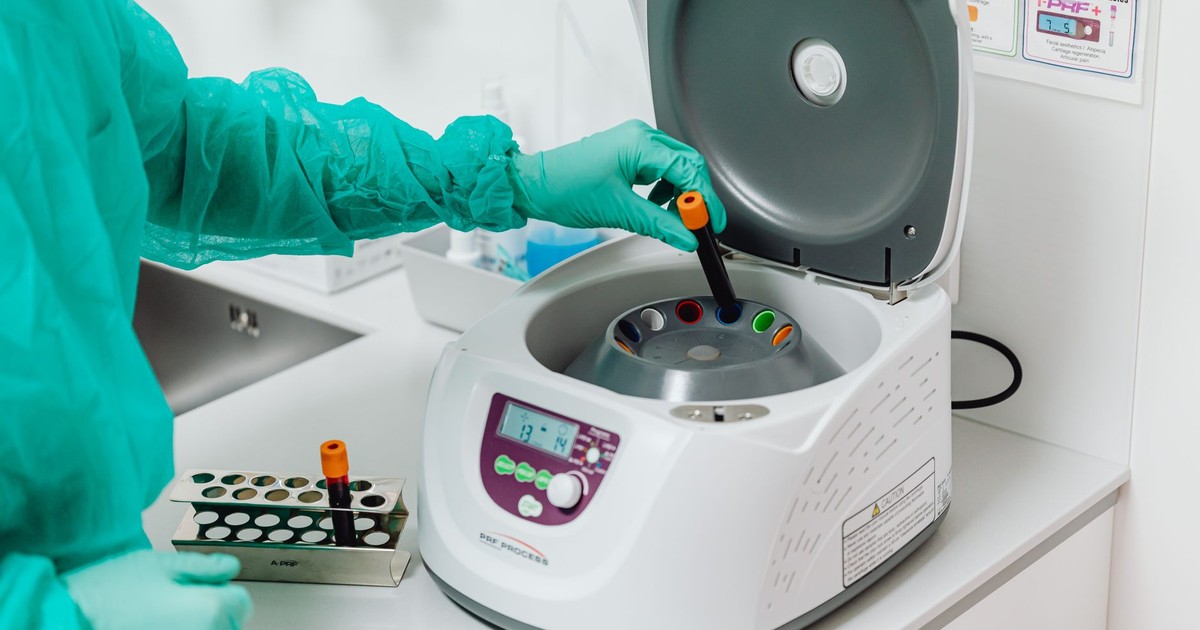
Beyond the plastic particles themselves, there’s the question of what else might be leaching into the water from the bottle – and what might already be in the source water before it’s bottled. PFAS – per- and polyfluoroalkyl substances, sometimes called “forever chemicals” because they don’t break down in the environment or the human body – have become one of the more pressing contamination concerns across both tap and bottled water.
In April 2025, the FDA released final results from testing of domestic and imported bottled water collected at retail locations between 2023 and 2024. The 197 samples included purified, artesian, spring, and mineral waters. Ten of the samples had detectable levels of PFAS, none of which had levels that would have exceeded the EPA’s maximum contaminant limits for PFAS in public drinking water.
That’s the good news, if you want to call it that. Read it carefully, though: the test confirmed that PFAS were detectable in bottled water samples, and the reassurance offered is that the levels didn’t exceed limits set for a different category of water entirely. The FDA stated it continues to analyze bottled water and other foods for PFAS to better understand consumer exposure levels – an acknowledgment that the science is still catching up to a product that’s already been in billions of hands.
The Microplastic Safety Act of 2025 requires the FDA to conduct a study on the human health impacts of microplastic exposure in food and water, with a focus on children’s health, the endocrine system, cancer, chronic illnesses, and reproductive health. That legislation was necessary to compel that study at all, which says something about how little was formally asked before.
The Recycling Illusion
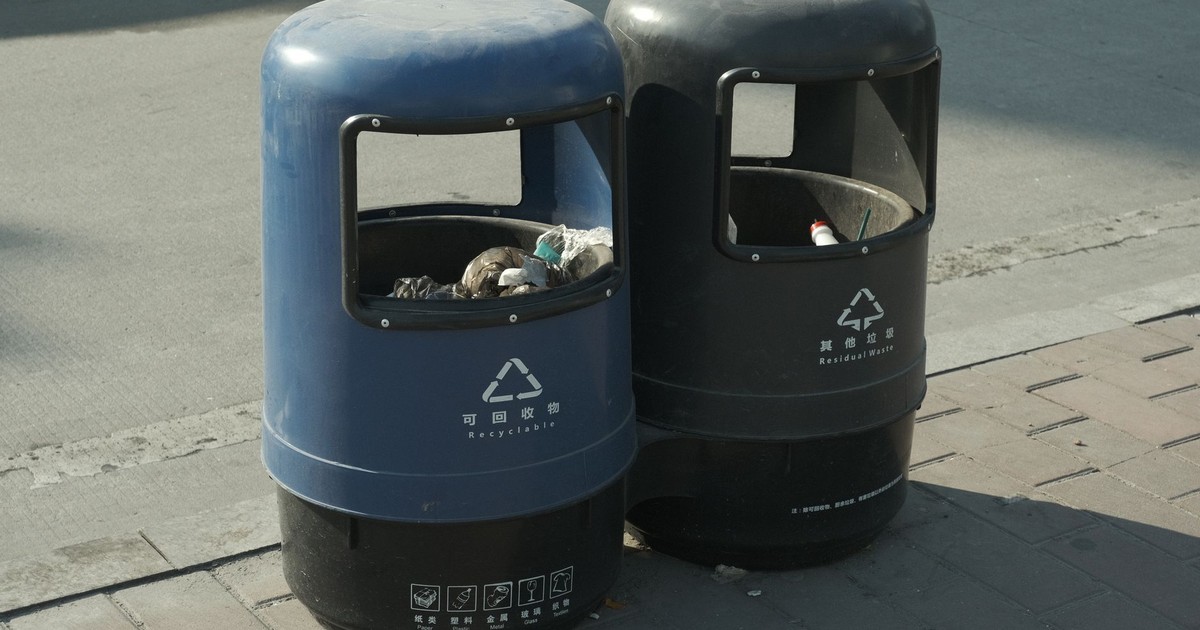
The environmental case for bottled water plastic has always been that it’s recyclable. Technically, yes. In practice, the numbers tell a different story. In the US, only about one-third of plastic bottles get recycled. The rest go to landfill, into waterways, or eventually break down into the microplastics and nanoplastics that end up back in the next bottle.
US plastic water bottle consumption grew from around 3 billion bottles in 1997 to 86 billion in 2021. That’s not just a lot of plastic. That’s a trajectory that accelerated precisely during the decades when the industry’s “pure and natural” marketing was at its loudest.
Bottled water’s overall carbon footprint is 300 to 1,000 times higher than that of local tap water. The production of PET plastic bottles is also water-intensive: it takes an estimated 1.4 gallons of water to produce a single-use PET water bottle – more than ten times the amount of water the bottle will eventually hold.
Using more water to make a bottle than the bottle will ever contain is a strange enough fact on its own. It becomes more pointed when you consider that many of the brands selling “natural spring water” are drawing from the same municipal or aquifer sources that tap water comes from, then processing it through the same kind of filters – and in some cases charging $3 for a product that costs fractions of a cent per liter to produce.
What Tap Water Actually Is
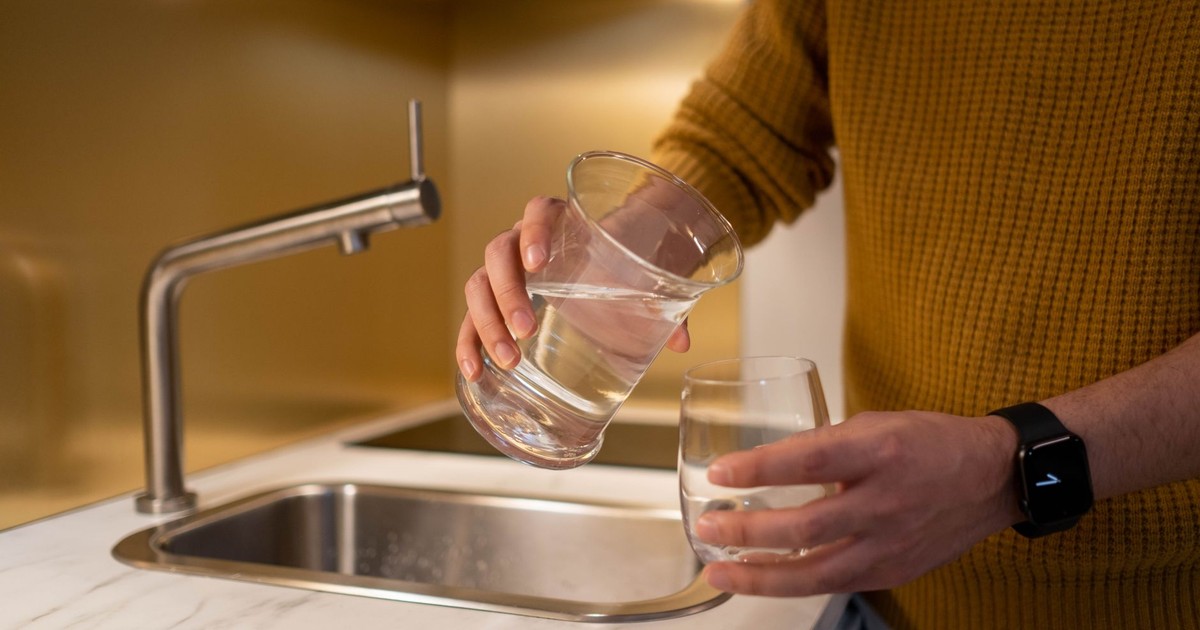
The EPA requires public water systems to test for bacteria several times a day, and large city water systems must test for coliform bacteria over 100 times a month. Municipal water is tested by an independent public body with results that, under federal law, must be made available to the public. The same requirement does not apply to bottled water.
The one area where bottled water may have a technical edge is lead: because many older homes have lead pipes, the EPA standard for tap water is less strict than the FDA’s standard for lead in bottled water. That’s a real distinction, particularly relevant in cities with aging infrastructure. But it’s also the narrowest possible sliver of the full comparison – and it’s the one the industry amplifies loudest.
The broader picture, as the NRDC has documented, is that for most Americans in most places, tap water is at minimum as safe as bottled water and often more rigorously tested. The decision to buy bottled isn’t usually based on an accurate reading of the evidence. It’s based on decades of marketing that successfully conflated “expensive and pretty” with “safe and clean.”
The Hidden Irony in the Bottle Itself
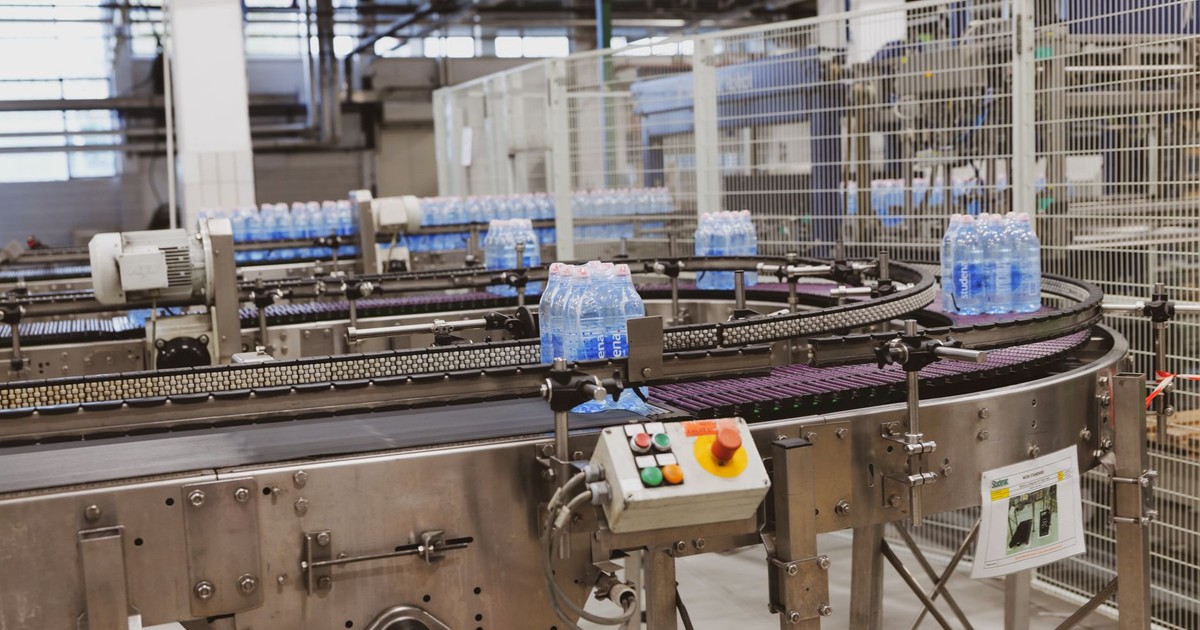
One detail from the Columbia University research deserves its own moment of attention. Among the plastics detected inside the bottled water was polyamide – a type of nylon that most likely came from the filtration process used during bottling. The plastic filters designed to purify the water were shedding plastic particles into it.
The filtration step was supposed to make the particle count lower. Instead, it appears to have been contributing to it. The plastic bottle leaches PET particles. The plastic filter adds polyamide. The plastic cap adds more. Given their minute size, nanoplastics can penetrate biological barriers and accumulate in human tissues. The container itself is part of what you’re drinking.
Read More: 5 Popular Bottled Waters Most Likely to Contain Hidden Microplastics
What to Do With All of This
None of this means that drinking a bottle of water will immediately harm you – the science on long-term health effects of nanoplastic ingestion is still developing, and researchers are appropriately cautious about overstating what’s known. What the science does say clearly is that the particles are there, they are far more numerous than anyone realized five years ago, and they are capable of reaching parts of the body that were previously thought to be protected.
The practical takeaway is simpler than the research. A water filter certified to remove microplastics – look for NSF/ANSI Standard 58 (reverse osmosis) or Standard 53 (activated carbon block) on the label – used at home with a reusable bottle eliminates most of the exposure. If you do buy bottled water occasionally, avoid leaving it in a hot car or in direct sunlight: heat accelerates the rate at which PET plastic degrades and releases particles into the water.
What the bottled water industry sold people for the last thirty years wasn’t water. It wasn’t safety. It was a feeling – the feeling of doing something considered and healthy, purchased at a store and carried in a branded bottle. That feeling cost people money they didn’t need to spend, generated plastic waste at a scale that’s genuinely staggering, and delivered a product that contains, per liter, hundreds of thousands of particles of the very material it was packaged in.
The mountains on the label were always a picture. What’s inside was never quite what the picture implied.
Disclaimer: This information is not intended to be a substitute for professional medical advice, diagnosis, or treatment and is for information only. Always seek the advice of your physician or another qualified health provider with any questions about your medical condition and/or current medication. Do not disregard professional medical advice or delay seeking advice or treatment because of something you have read here.
AI Disclaimer: This article was created with the assistance of AI tools and reviewed by a human editor.