
Grocery store receipts have been doing something alarming over the past couple of years, and fresh produce is leading the charge. Retail fresh vegetable prices rose 0.2% from December 2025 to January 2026, and the USDA forecasts fresh vegetable prices will increase 1.4% in 2026. That’s on top of years of prior increases. Add supply chain pressure from labor shortages and weather-related disruptions, and you get a produce section where even the basics feel like a splurge.
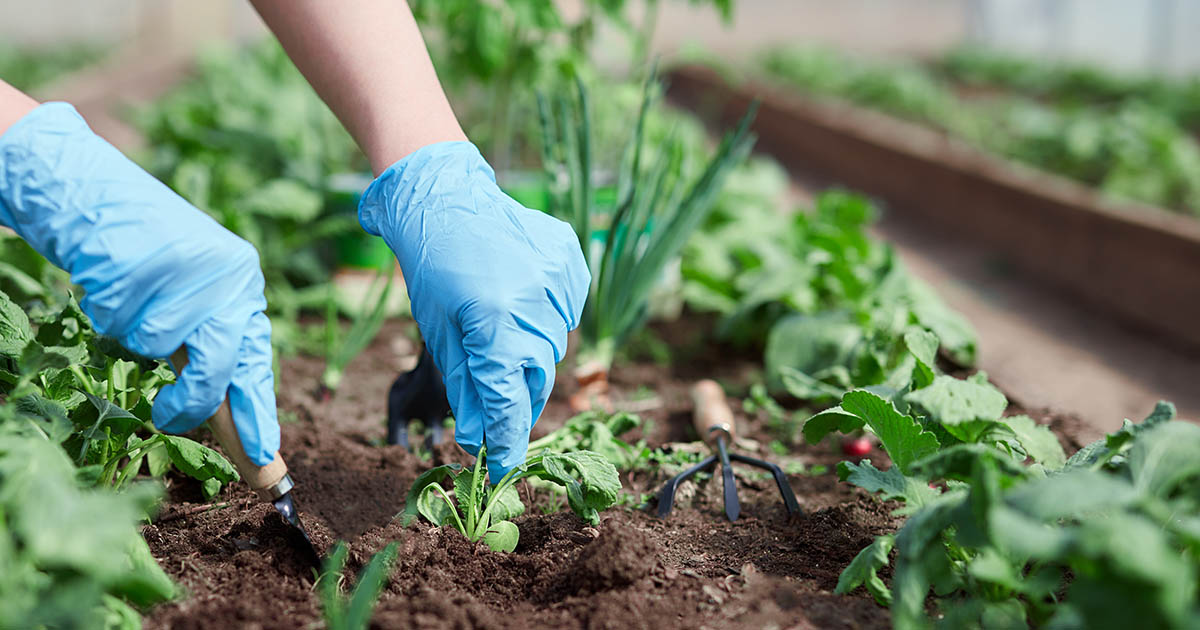
The response many people are landing on isn’t coupons or loyalty apps. It’s a patch of dirt, a few seed packets, and a little patience. According to data from Garden City Harvest, 25% of community gardeners save $20 to $25 per week on groceries. Some save considerably more.
The crops that make that math work aren’t random. They share a few key traits: low seed cost, strong yields, and the ability to be harvested repeatedly throughout a season. The ones that don’t make the cut – think celery, cauliflower, and most root brassicas – take up a lot of space, grow slowly, and end up costing more in time and water than they save. The 17 cheap foods to grow below are the ones that actually change what you spend at the register.
1. Basil
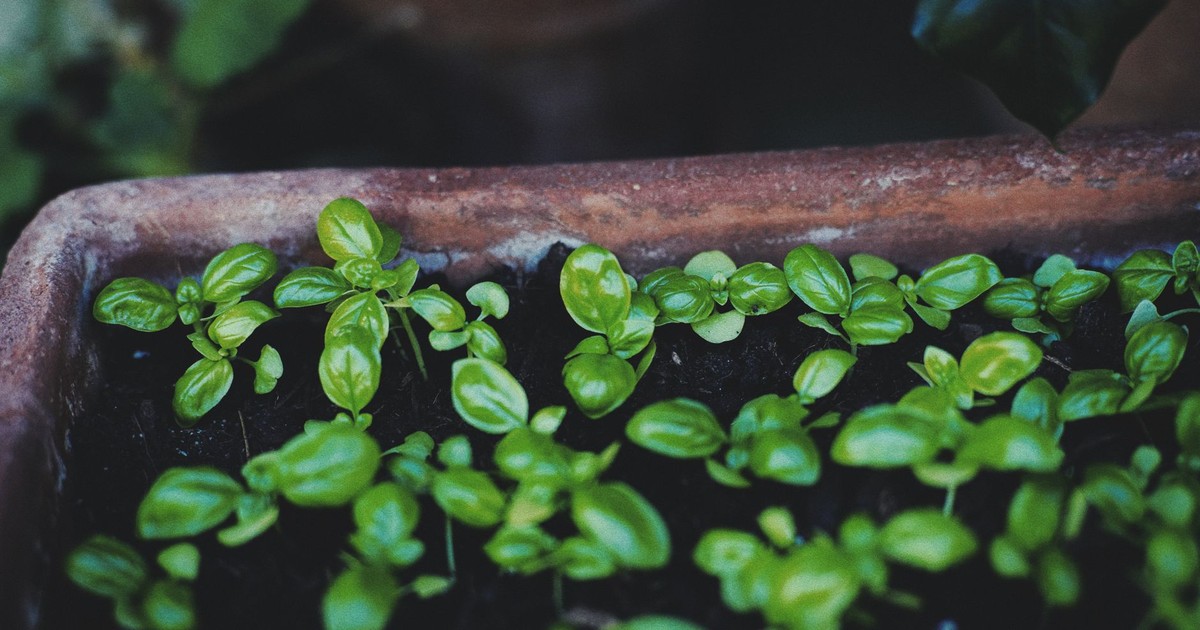
If you’ve ever grabbed a plastic-clamshell pack of fresh basil from the grocery store for $3, used three leaves for a caprese salad, and watched the rest turn black by Thursday, this one will sting a little. Planting just one or two basil plants will supply all the fresh basil most households need through the growing season, with enough left to dry and store.
Basil grows fast in warm weather, reaching harvestable size in about 60 to 70 days from seed. The trick to keeping it productive is to pinch off the flower buds the moment they appear – once the plant flowers, the leaves turn bitter and production slows. Keep pinching, and one plant in a 10-inch pot on a sunny patio will give you a steady supply from June through September. Starting with a small plant from a garden store is easy, though basil also does well started directly from seed.
Seed costs are minimal – typically under $3 for a packet – against a store price of $3 to $4 for a small bunch you’ll use up in two days. The math tips in your favor after the first harvest.
2. Cherry Tomatoes
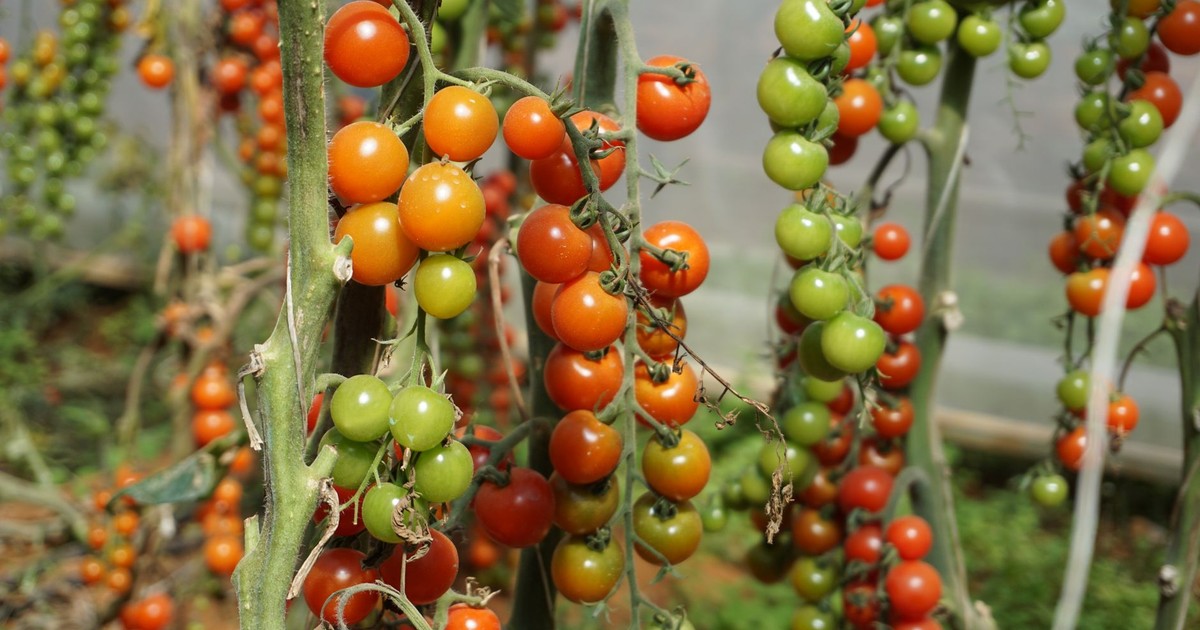
A punnet of cherry tomatoes at the grocery store runs $3 to $5 for roughly ten to twelve ounces. Buy them every week through summer and the cost adds up fast. A pack of cherry tomato seeds costs around $2, and a single healthy plant can produce several pounds of fruit over a season.
Cherry tomatoes outperform full-size slicing varieties in terms of sheer productivity per square foot. They start producing earlier in the season, bear fruit continuously, and are far more forgiving of beginner mistakes than their beefsteak cousins. A single plant in a large container, staked or caged, will produce well into fall in most climates. They need full sun, consistent watering, and a support structure, but beyond those basics they’re remarkably low-maintenance.
Seed packets from suppliers like Burpee average $5 to $7 but often contain 50 to 100 seeds, and tomato seeds remain viable for several years when stored properly – meaning one packet can cover multiple growing seasons. For a crop you’d otherwise buy weekly, the per-harvest cost drops to almost nothing by year two.
3. Lettuce and Salad Greens
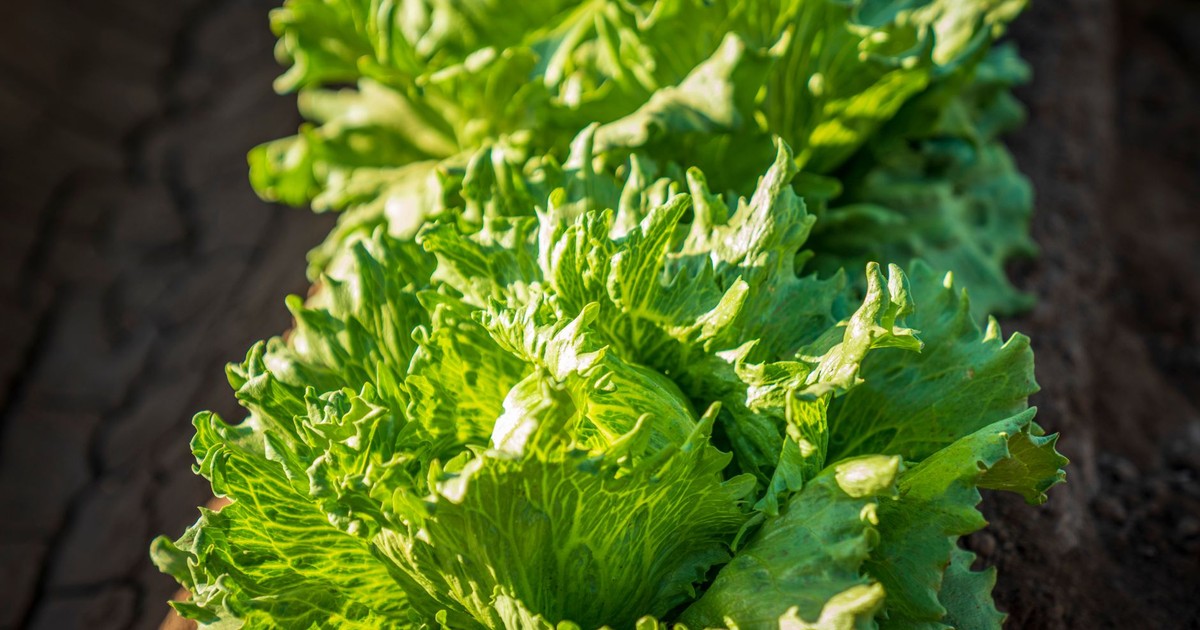
A bag of mixed lettuce at the grocery store costs around $3 and lasts about a week before it starts to wilt. That same $3 spent on a packet of seeds will produce lettuce for months. Pre-washed salad mixes are one of the most expensive items in the produce section by weight – and one of the easiest things to grow at home.
Lettuce is a cut-and-come-again crop, which is what makes it so valuable for the budget-conscious grower. The real savings come from the plant’s ability to regrow: instead of pulling the whole plant, you remove outer leaves while the center keeps growing, allowing several harvests from one planting. Sow seeds every two to three weeks (called succession planting) and you’ll have a continuous supply rather than a glut all at once. Lettuce can be sown directly in a garden bed or started indoors, and in hot weather it can still be grown with shade, which also slows bolting and extends the harvest window.
A seed packet of mixed salad greens costs a few dollars and contains hundreds of seeds – enough to replace pre-washed grocery store salad mixes from spring through fall.
4. Green Onions (Scallions)
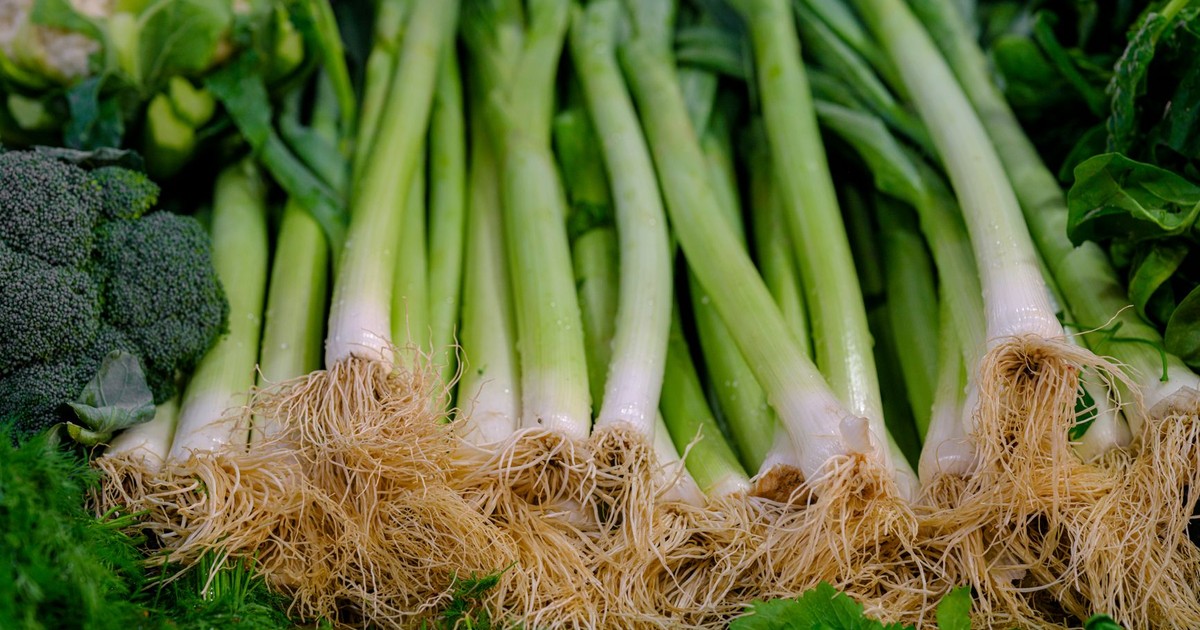
Green onions are one of the most cost-effective vegetables to grow at home. At the store they typically run $1 to $2 per bunch, and growing them yourself produces far more for the money. What sets them apart from almost every other crop on this list is that you don’t even need seeds to get started.
The simplest method is regrowing kitchen scraps: save half an inch of the white root ends, place them in a glass of water or a pot of soil, and they’ll regrow and be ready to use within a week. That’s a free crop from something you’d otherwise throw in the compost. You can repeat the regrowth process a few times, though each cycle produces a slightly less vigorous result. Growing from seed is the better option if higher yields are the goal.
Green onions thrive in containers, need almost no maintenance beyond regular watering, and work in a sunny windowsill indoors during winter months. They’re the closest thing gardening has to a free lunch.
5. Zucchini
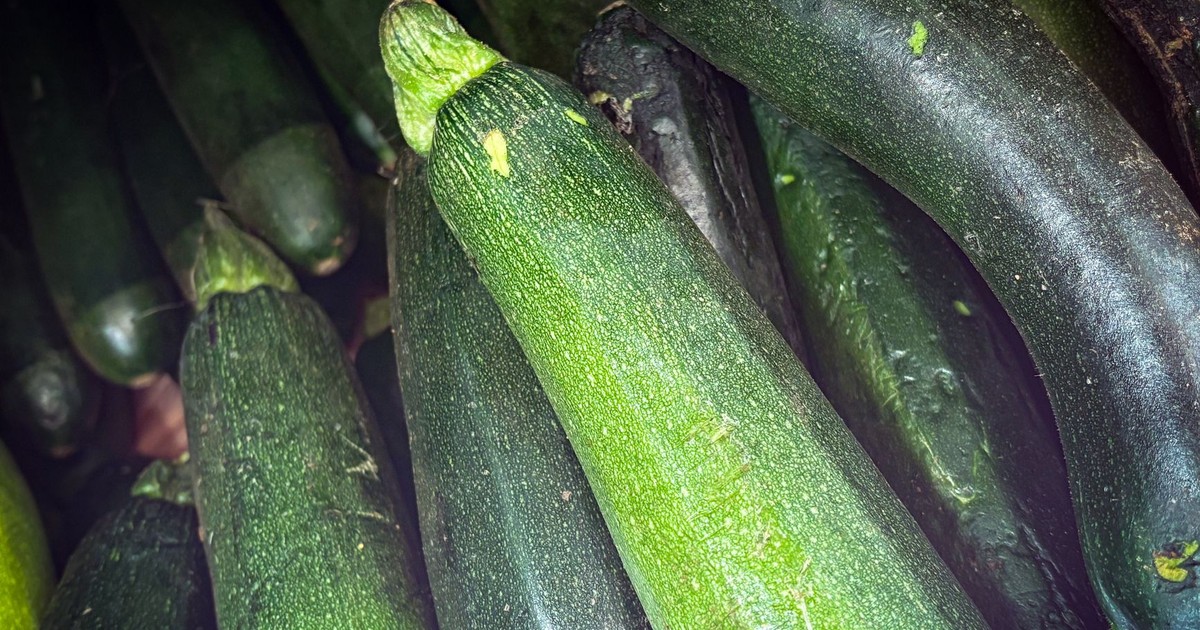
Zucchini is a summer vegetable that grows quickly and produces a lot of fruit – one plant can yield up to ten pounds of produce in a season. If you’ve ever grown zucchini, you know the problem isn’t scarcity. It’s abundance. By mid-July, experienced zucchini growers are leaving bags of them on neighbors’ doorsteps.
That yield-to-cost ratio is extraordinary. A seed packet costs under $3. At the grocery store, zucchini runs around $1.50 to $2.50 per pound, depending on the season. Two or three plants will produce more than most families can eat fresh, with plenty left to grate into breads, freeze for soups, or share. Zucchini also grows well in large containers, making it accessible for gardeners without in-ground beds.
The plant does need space – it spreads wide – and it wants full sun and consistent moisture. But it requires almost no skill. Sow seeds directly in the ground after the last frost date, keep them watered, and step back. One of the most rewarding entry points for anyone just starting out with cheap foods to grow.
6. Bell Peppers and Hot Peppers
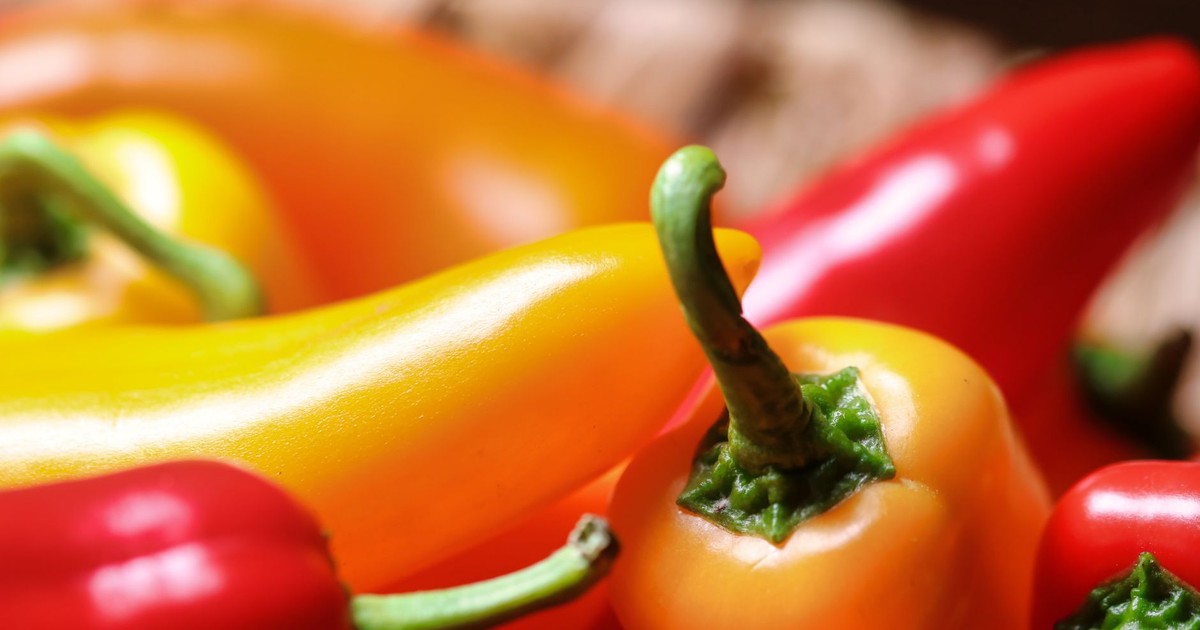
Red bell peppers, poblanos, jalapeños, and other specialty varieties command some of the highest prices in the produce section, especially when bought organic. A single red bell pepper at a standard grocery store often costs $1.50 to $2. Grow your own, and the per-pepper cost drops to a matter of cents. Bonnie Plants notes that their Alabama test garden poblano plants produce from June through October, yielding 30 or more peppers per plant.
Hot peppers are even more productive and arguably easier to grow than bells, which need a long growing season and consistent heat to color up fully. One or two serrano or habanero plants will produce enough peppers to make jars of salsa and sauces, with plenty left to freeze. That accounts for a meaningful chunk of the “fresh herbs and specialty peppers” line on any grocery bill.
Peppers freeze well after chopping, dehydrate easily, and hot pepper varieties will continue to produce indoors under grow lights when brought inside before the first frost – effectively extending the harvest by months. Start seeds indoors 8 to 10 weeks before last frost, and transplant once night temperatures stay above 55°F.
7. Strawberries
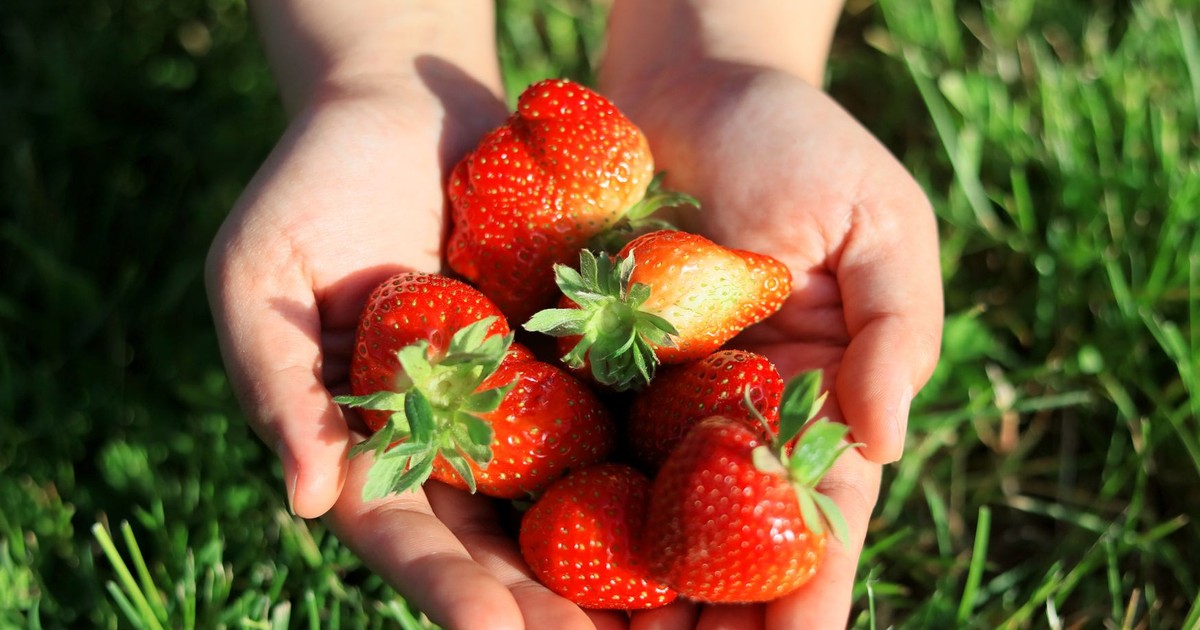
Strawberry prices spiked sharply at the end of 2025 due to supply disruptions from California. Agronometrics reported that prices in week 49 of 2025 were 33% higher compared to 2024, with wholesale prices rising across several markets as fewer berries moved out of California. A standard 16-ounce container costs $3 to $5 at most grocery stores, and because strawberries spoil quickly, regular buyers end up purchasing them again and again throughout the season.
Strawberries are a perennial crop, meaning you plant them once and harvest them year after year. The first season is modest, but established plants send out runners that create new plants, gradually filling in a bed. June-bearing varieties produce one large crop in early summer; everbearing varieties spread smaller harvests across the season. Either way, you’re spending roughly $10 to $15 on bare-root crowns for the initial planting, and then essentially getting free strawberries for the next several years.
Even grafted fruit trees can take years to pay off financially, but strawberries are far more practical for gardeners looking for a quick return on their investment. Raised beds and hanging planters both work well, making this a solid option even for small outdoor spaces.
8. Kale
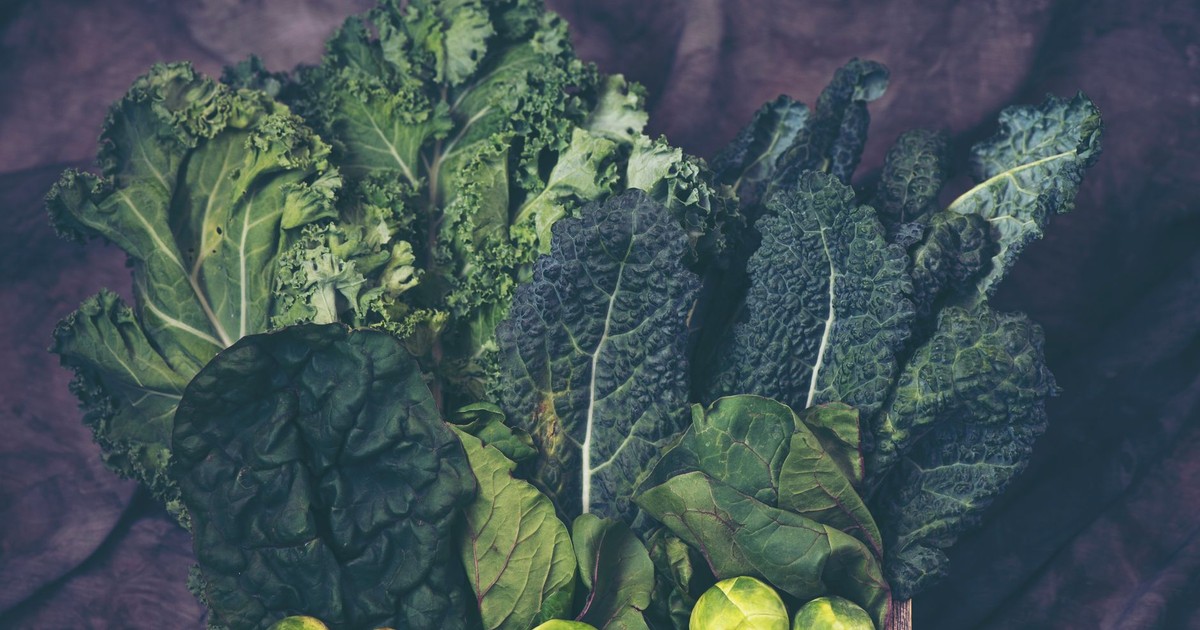
Kale sits in an unusual category: it’s one of those vegetables that costs more per pound than its caloric value warrants, largely because of its status as a health food. A bunch at the grocery store runs $2.50 to $4. Grow it yourself and a $2 seed packet, combined with a few square feet of garden space, will produce kale from spring well into winter. In many climates, it survives light frosts and keeps growing when everything else has shut down for the season.
Kale is a cut-and-come-again crop, meaning you harvest a small portion while leaving the plant to continue growing. This approach allows a single planting to deliver harvests across the entire growing season. It’s also one of the least pest-prone brassicas, which means less intervention is needed to get a solid harvest.
From a nutritional standpoint, homegrown kale harvested fresh is meaningfully different from the pre-cut bagged version that’s been sitting in a distribution center for days. That’s a bonus the grocery store price comparison doesn’t capture.
9. Spinach
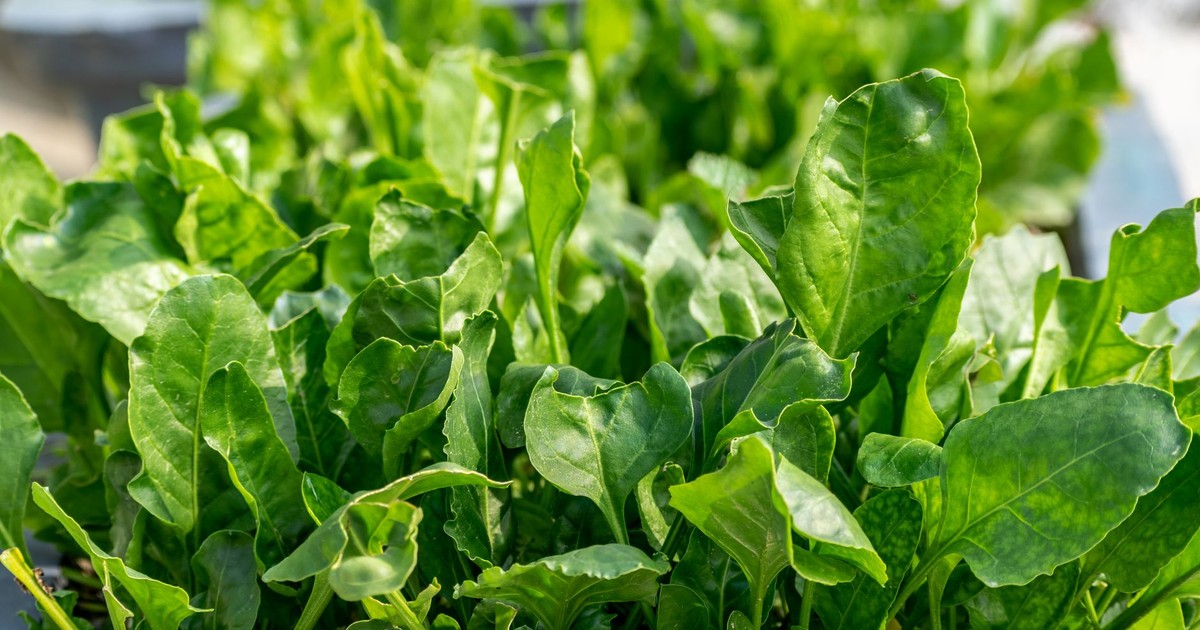
Spinach is another salad staple where the store price is frustratingly high for how fast it disappears. A 5-ounce bag of baby spinach averages around $4 to $5. That’s roughly $12 to $15 per pound for what is, at its core, a leafy green that practically grows itself in cool weather.
Spinach is a cool-season crop, which gives it an advantage most summer vegetables lack: it can be sown in early spring before the last frost, then again in late summer for a fall harvest. That means two distinct growing windows per year from a single packet of seeds – double the output for the same initial investment. A single seed packet typically contains enough for multiple successions, and at $2 to $3 per packet, the math is difficult to argue with.
Like lettuce, spinach benefits from cut-and-come-again harvesting. Leave the crown intact, snip the outer leaves, and the plant will keep producing for weeks. It bolts (goes to seed and turns bitter) quickly in heat, so timing the sow dates to avoid midsummer is the key to getting the most out of it.
10. Cucumbers
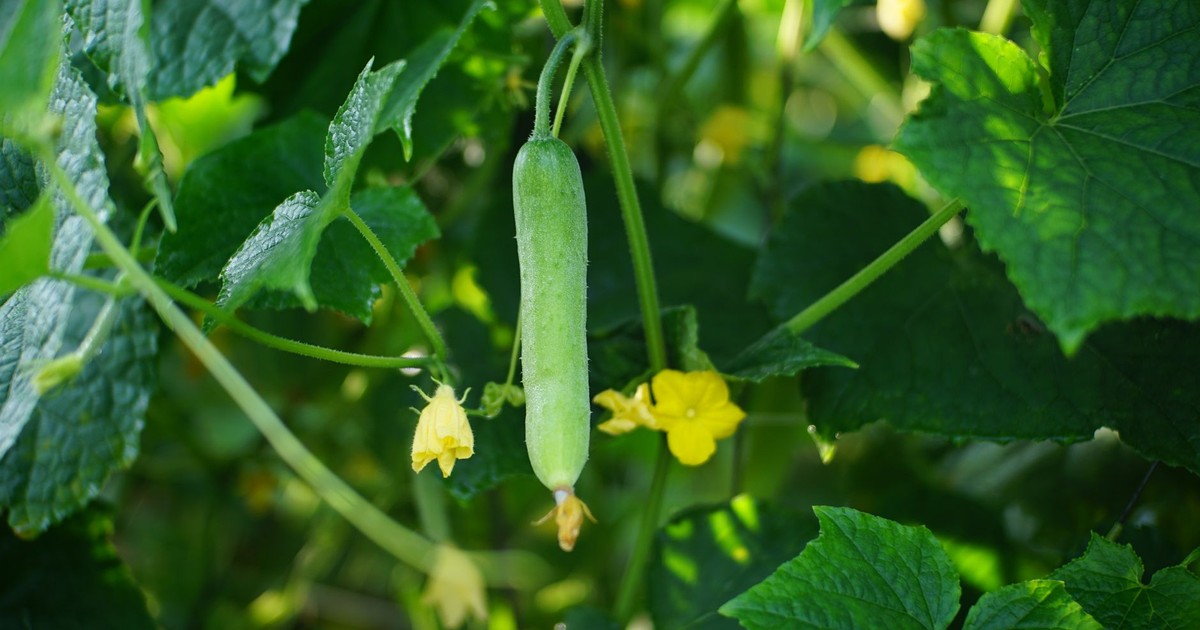
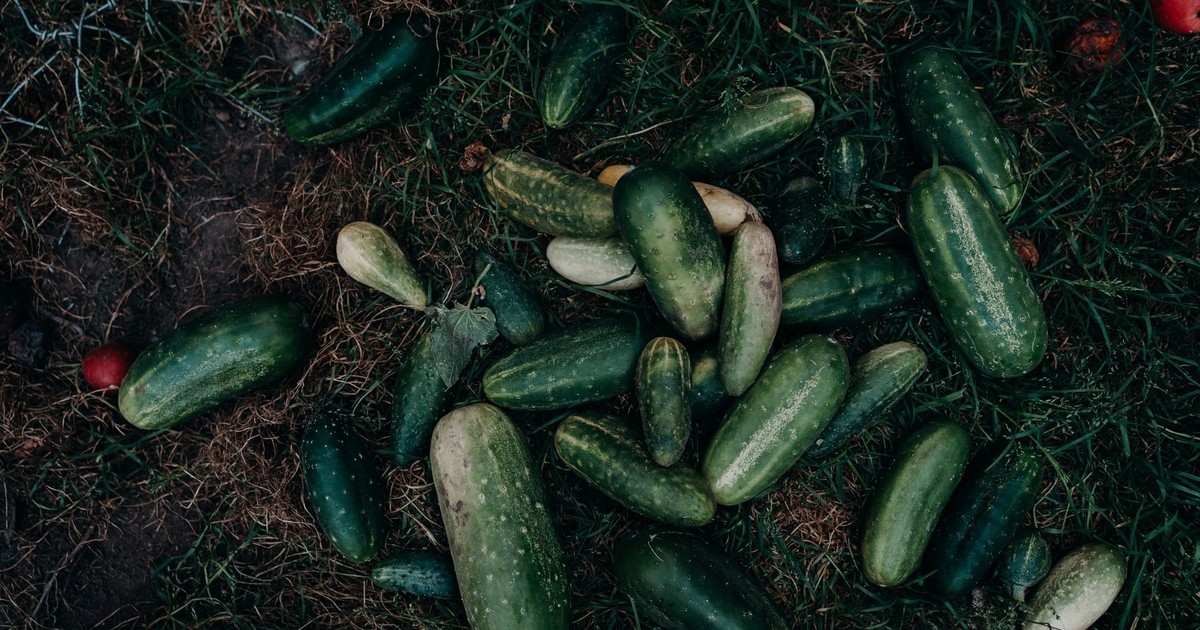
A single cucumber at the grocery store costs $1 to $1.50. Buy two or three a week through summer and that’s $150 to $250 by September. Cucumber plants, by contrast, are serious producers. Given a trellis to climb and consistent moisture, a single vine can produce 10 to 20 cucumbers over the course of a season. Seed packets run around $2 to $3.
Cucumbers are warm-season crops that do not like cold. Start seeds directly in the garden after the last frost date, in a spot with full sun and well-amended soil. They’ll begin producing within 50 to 70 days depending on the variety. Bush varieties work well in large containers if ground space is limited. Starting cucumbers from seed sown directly in the garden is actually preferable to transplanting, since they grow better without root disturbance.
The real saving move with cucumbers is pickling. A summer surplus that you can’t eat fresh becomes jars of pickles that last through winter, eliminating yet another grocery store purchase. That’s the kind of compounding return that makes growing your own genuinely worthwhile over time.
11. Green Beans
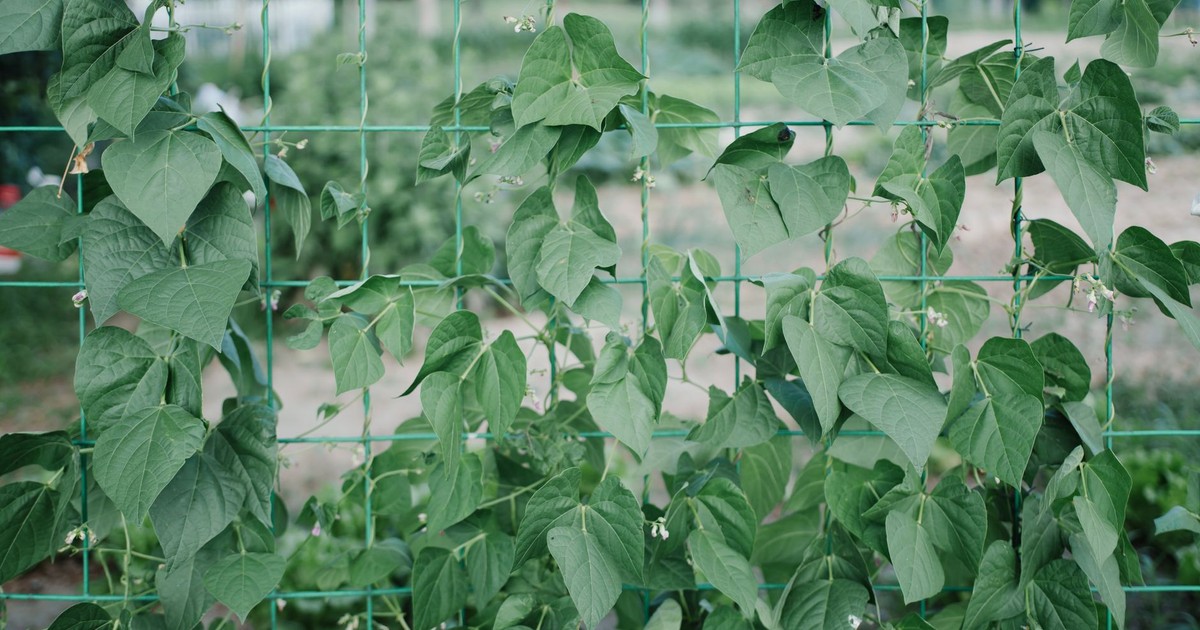
Green beans are a workhorse crop: cheap to start from seed (usually $2 to $3 a packet), straightforward to grow, and productive enough that a short 10-foot row will keep a family in fresh beans for much of the summer. Bush bean varieties don’t even need staking. Like cucumbers, beans grow best when sown directly where they’ll stay, since they don’t transplant well.
The yield-to-space ratio is compelling. A 10-foot row of bush beans yields roughly 5 to 8 pounds of beans over a season. At grocery store prices of $2.50 to $3.50 per pound, that’s $12 to $28 in produce from a strip of dirt the width of a sidewalk square. Succession-sowing every two to three weeks extends the harvest window so you’re not drowning in beans all at once.
Growing vegetables that are expensive to buy, like tomatoes, alongside vegetables you already buy regularly, like green beans and zucchini, delivers the most noticeable return on investment from a backyard garden. Green beans check both boxes.
12. Rosemary, Thyme, and Mint
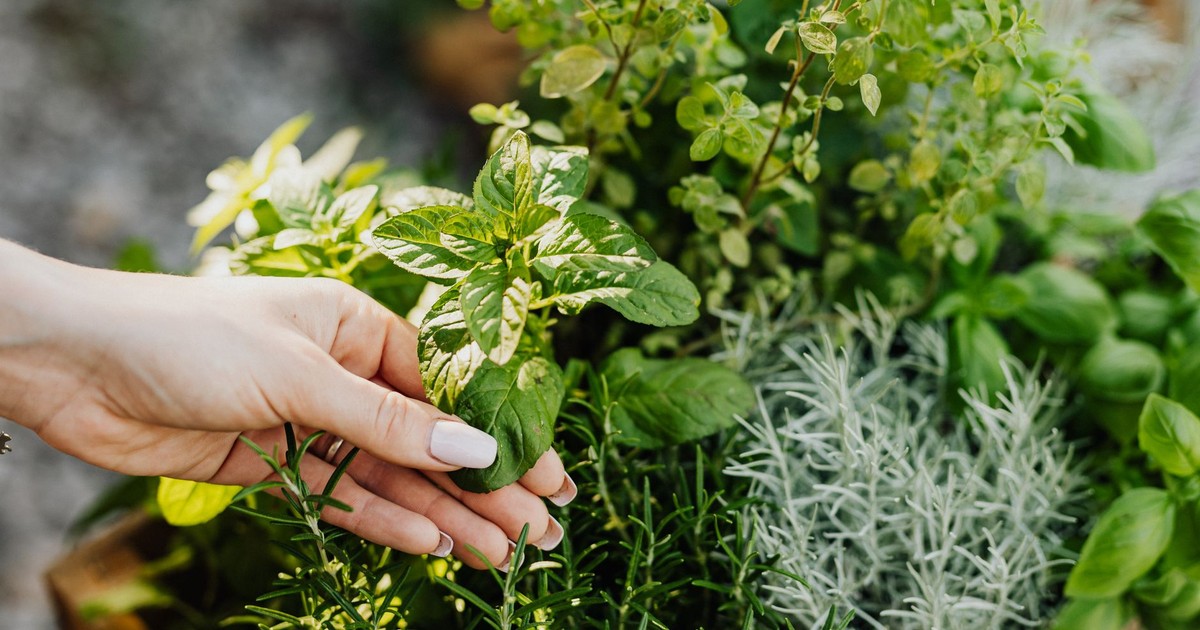
These three perennial herbs deserve their own spot on this list because of something particularly satisfying about them: you plant them once, and they come back every year without any additional investment. Rosemary and thyme are hardy in most U.S. climates (zones 6 and above for rosemary, broader for thyme). Mint is practically unkillable – plant it in a container to stop it from taking over the garden.
Each small plastic packet of fresh herbs at the grocery store runs a few dollars, and instead of paying $3 for a few sprigs of rosemary that will go bad in a week, growing your own eliminates those repeat purchases entirely. A rosemary plant costs around $4 to $6 as a starter from a garden center and, if given a sunny spot and decent drainage, will grow into a shrub-sized plant that supplies more than any household can use for years on end.
A pot at least 10 inches across and 10 inches tall can accommodate three different kinds of herbs together – a useful piece of knowledge for anyone gardening on a balcony or patio with limited room. The economics of perennial herbs are unusually straightforward: you pay once, you harvest for years.
13. Radishes
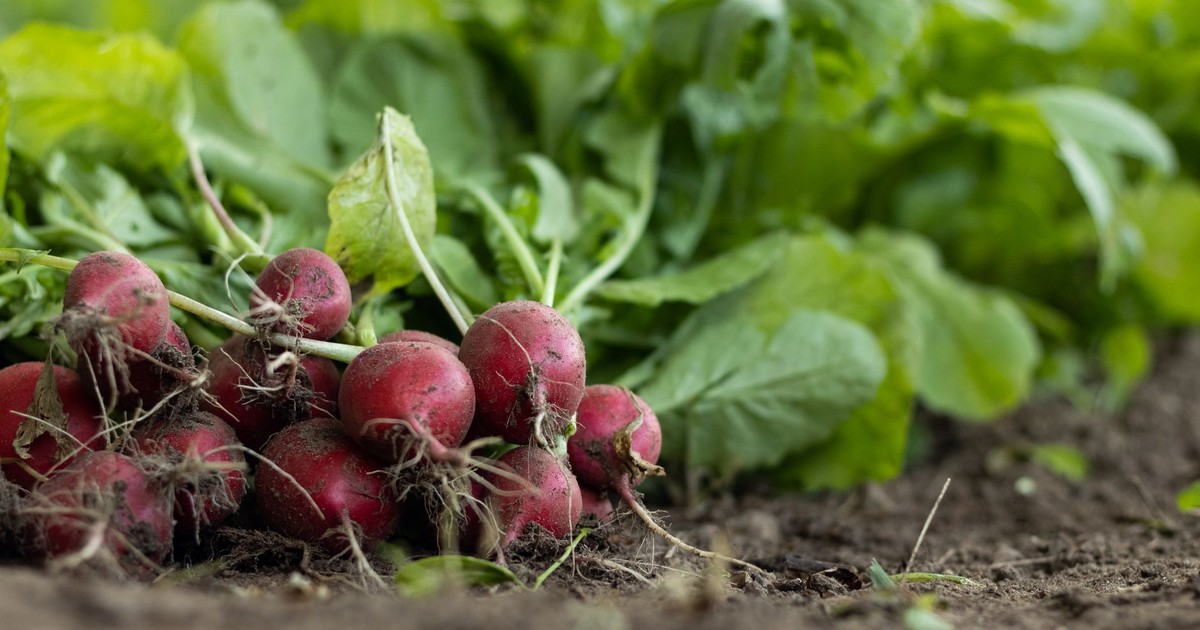
Radishes have one great trick that most vegetables can’t match: they’re ready to eat in as little as 25 days from seed. If you want the fastest possible return on a packet of seeds (typically $1.50 to $2.50), nothing else comes close. That speed makes them useful as a filler crop between slower-growing plants, using space in the garden that would otherwise sit empty.
At the grocery store, a bunch of radishes runs around $1.50. That seems reasonable – until you consider that one seed packet contains 150 to 250 seeds, and a 4-foot row will give you a full harvest in under a month. Sow a short row every two weeks from early spring through fall (avoiding the hottest midsummer weeks, when they bolt quickly), and you’ll have a constant supply for almost nothing.
Radishes also serve a secondary garden function: their roots push through compacted soil, loosening it and benefiting whatever you plant next in that spot. A crop that saves money and improves the garden around it is worth including for those reasons alone.
14. Garlic
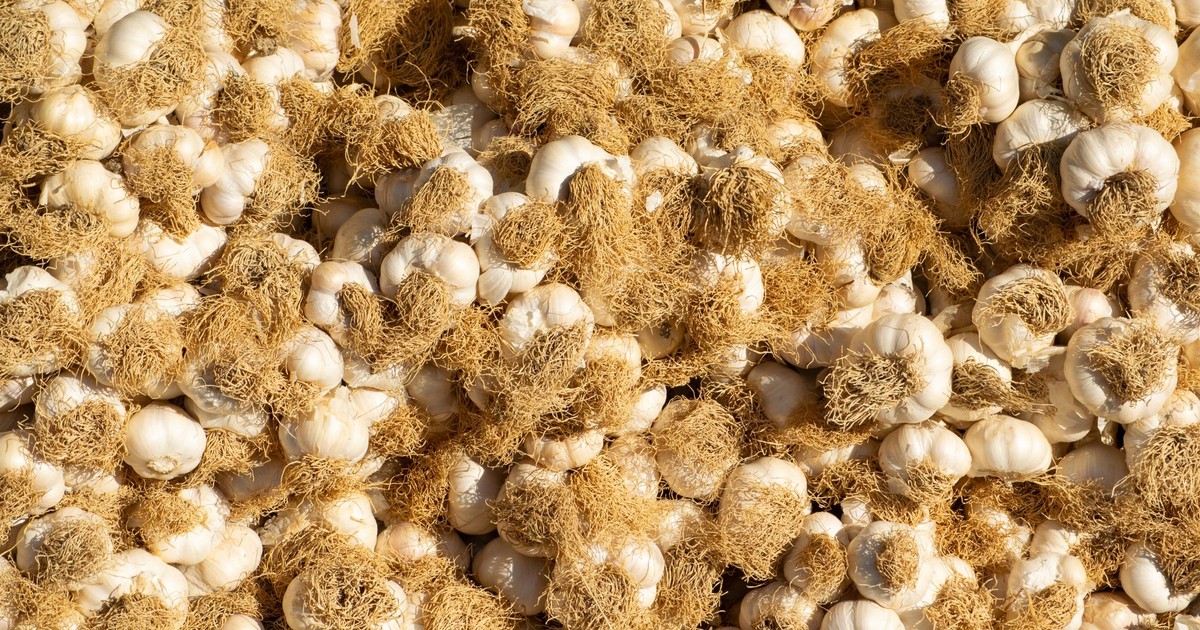
Garlic is one of the more counterintuitive entries on this list because it requires patience – you plant it in fall and harvest it the following summer. But the economics make it worth the wait. A single head of garlic at the grocery store runs $0.75 to $1.50. Organic garlic can hit $3 or more per head. Seed garlic (individual cloves planted to grow new bulbs) costs around $10 to $15 per pound, but each clove becomes a full head. Plant a pound of seed garlic and you can reasonably expect to harvest 8 to 10 pounds the following season.
Garlic prices have climbed consistently in recent years, making it a particularly smart choice for home growing. Hardneck varieties are generally better for home gardens in colder climates; softneck varieties store longer and are well-suited to milder regions.
The other advantage of growing your own garlic is the garlic scape – the curly green shoot that hardneck varieties produce in early summer, which is removed to direct energy back into the bulb. Scapes are a fleeting seasonal delicacy that rarely appear in grocery stores, so growing your own is often the only reliable way to get them at all.
15. Microgreens
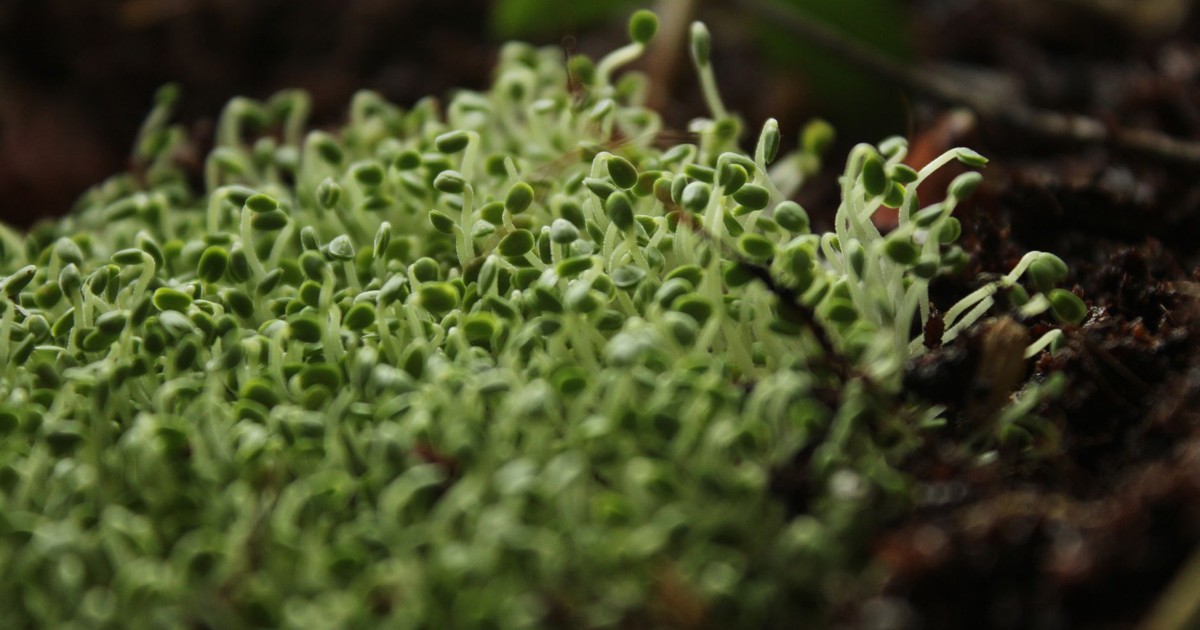
Microgreens – young seedlings of vegetables and herbs harvested just after the first leaves emerge – represent one of the more striking grocery store markups of any fresh produce. A small 2-ounce container at a grocery store or farmers’ market can run $4 to $6. At home, a tray of microgreens can be grown on a kitchen counter in 7 to 14 days using nothing more than a shallow tray, potting mix, and seeds. Seed cost per tray: roughly $0.50 to $1.
The crop requires no outdoor space, no special equipment, and no gardening experience. Sunflower, pea, radish, broccoli, and amaranth are among the fastest-growing and most flavorful varieties. You harvest the whole tray once, then start a new one. Staggering two or three trays at different stages means you always have some ready.
The store price is high, the growing cost is nearly negligible, and the turnaround is measured in days rather than months. For anyone who regularly buys microgreens or sprouts at the store, this is the clearest dollar-for-dollar win on the entire list.
16. Potatoes
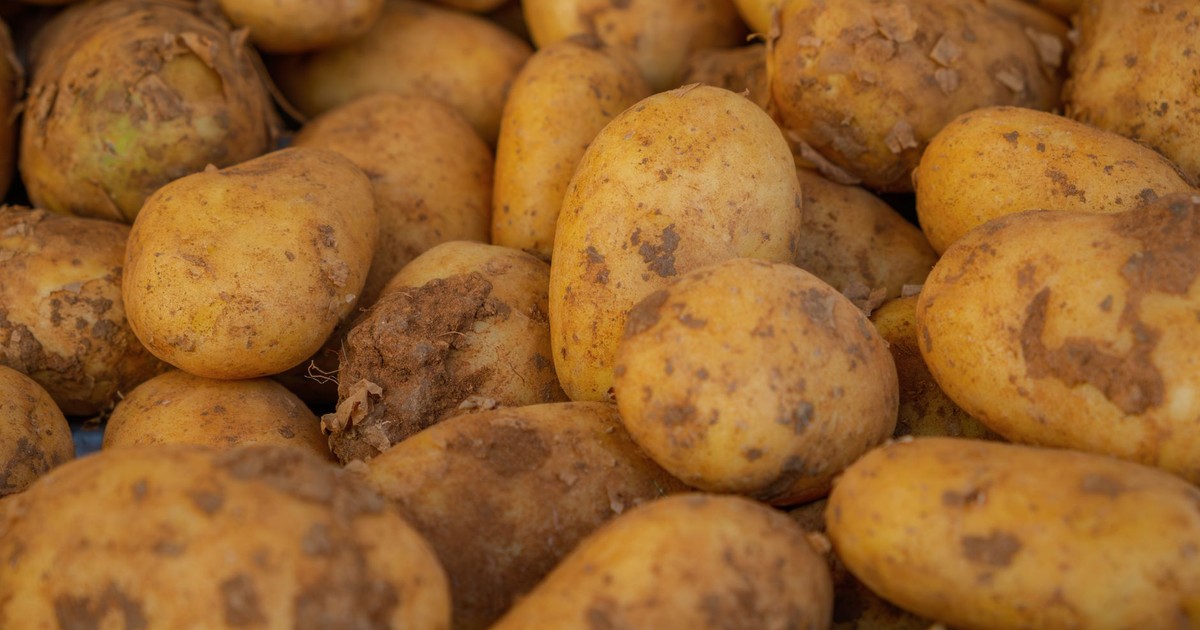
Potatoes feel like the kind of thing that’s so cheap to buy that growing them wouldn’t be worth it. And for basic russets at $0.99 a pound, that’s a fair point. Where the equation flips is with specialty varieties – fingerlings, blue potatoes, purple Peruvian, Yukon Golds – which can cost $3 to $5 per pound in grocery stores, if they’re stocked at all. Growing your own means access to dozens of varieties that never see a supermarket shelf.
Seed potatoes (small tubers planted to produce a new crop) cost around $3 to $5 per pound. One pound of seed potatoes will yield roughly 10 pounds of potatoes at harvest. That’s a 10-to-1 return ratio. Potatoes need loose, well-drained soil, consistent moisture, and space – they’re not a balcony crop. But for anyone with a raised bed or a patch of garden, they’re one of the most calorie-dense and satisfying things you can grow.
A small home garden growing calorie-dense crops like potatoes alongside other vegetables can save anywhere from $300 to $600 annually on grocery bills, with some households trimming $520 or more per year. Potatoes play a meaningful role in that number.
17. Asparagus
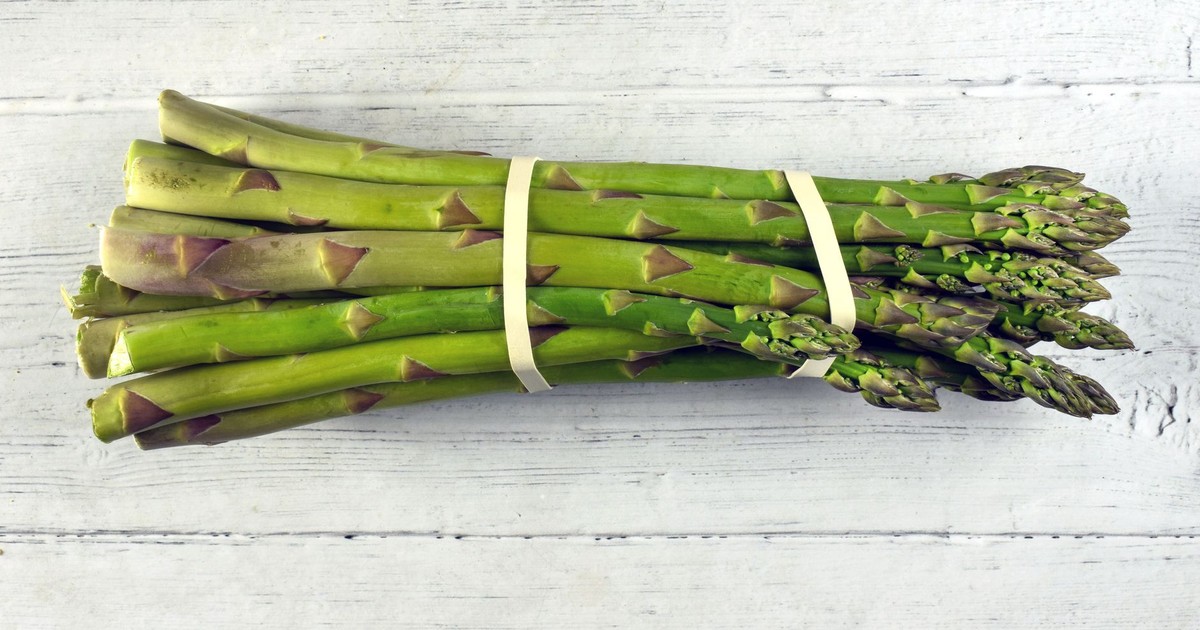
Asparagus is the long game of home food growing, and it’s worth mentioning upfront that you won’t eat it the first year. Plant asparagus crowns in spring, let the ferns grow undisturbed through the first season (and possibly the second), and by year three you’ll have a productive bed that will keep producing every spring for 20 to 30 years. That’s a long-term asset in the garden, not a quick win.
The case for it comes down to store prices: asparagus at the grocery store typically runs $4 to $6 per pound, and prices spike outside of the spring peak season. A 10-foot row of established asparagus will produce 1 to 2 pounds of spears per harvest, with a spring harvest window of 6 to 8 weeks. Over a 20-year production life, the return on a one-time planting investment is difficult to match with any other crop.
Crown prices run around $15 to $25 for a pack of ten, which is enough to establish a productive row. Mary Washington and Jersey Knight are reliable, widely available varieties. Plant them in a dedicated bed that won’t be disturbed, since asparagus doesn’t like to be moved. The patience required is real. The payoff, once the bed is established, is equally real.
Read More: Higher Food Prices Are Coming and Your Grocery Bill Will Feel It
The Real Return
The crops on this list share something beyond seed cost and yield numbers. They all produce things you’d actually want to eat fresh, picked at peak ripeness, that taste categorically different from their grocery store equivalents. That isn’t a soft, incidental benefit. It’s part of why the economics work: when homegrown tomatoes taste better than store-bought ones, you stop buying store-bought ones. The substitution becomes complete, and so do the savings.
Gardening’s financial benefits compound over time. Perennial crops and established beds lower costs further each season – often proving more cost-effective than purchasing organic produce or signing up for a CSA (community-supported agriculture) box. The upfront costs – a bag of soil, some seeds, maybe a few pots – feel significant only until the first harvest. After that, the math does the work.
Start with one or two crops that you already buy every week. Basil if you cook Italian food. Cherry tomatoes if they disappear from your fridge within two days of buying them. Green onions if you’re always regrowing the scraps anyway. The goal isn’t to grow everything at once. It’s to find the two or three crops where your grocery spending and your growing conditions line up, and to let those pay for the rest over time.
AI Disclaimer: This article was created with the assistance of AI tools and reviewed by a human editor.