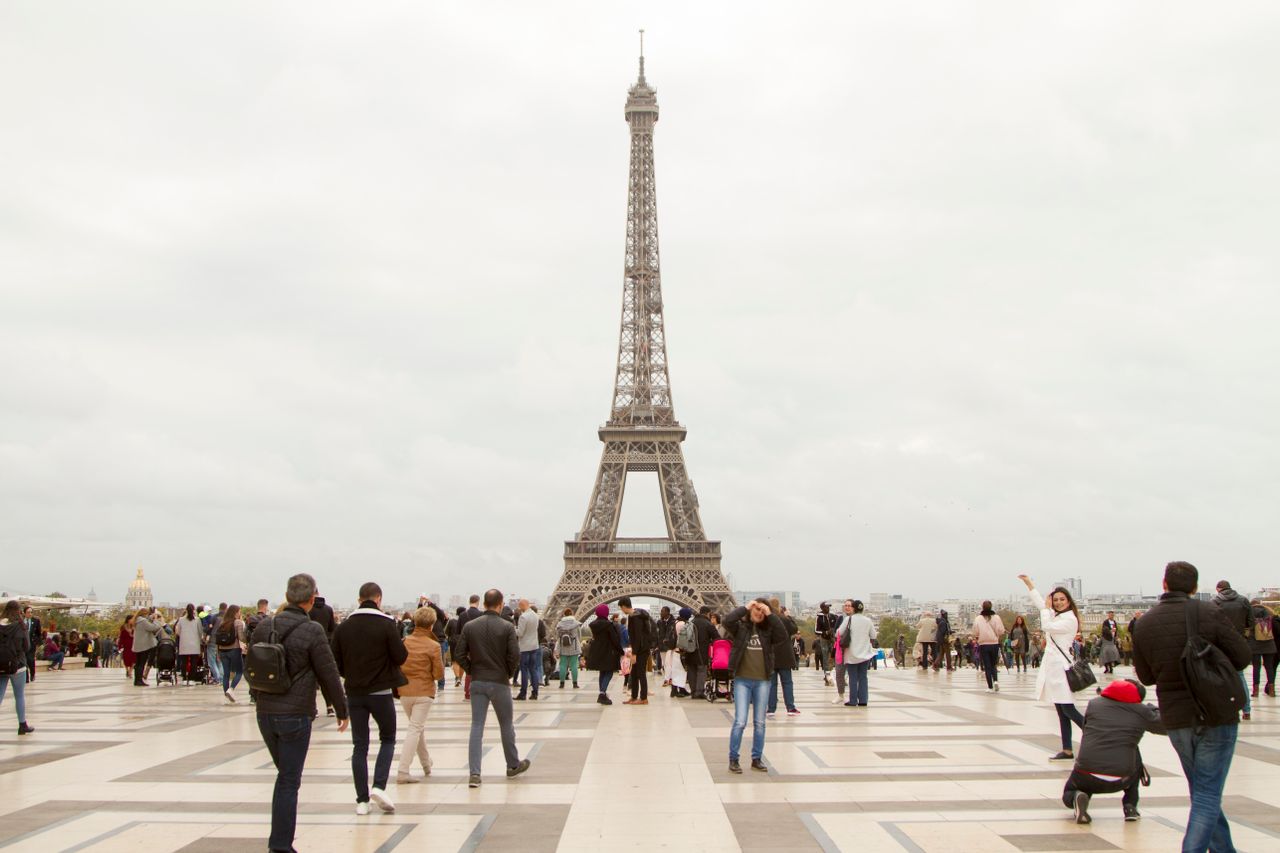

The photo exists in your camera roll from every trip you’ve ever taken with someone who went before you: the shot that was supposed to be transcendent and came out looking like a squinting selfie in a crowd. Legendary attractions have a curious power over us. The mythology of a place, built from decades of postcards, travel magazines, and now millions of Instagram posts, expands in our imagination until the actual site – however ancient, however genuinely remarkable on its own terms – can’t possibly compete with the version we arrived expecting. And then there’s the money. The entry fee, the $22 sandwich at the on-site café, the parking, the timed ticket you bought three weeks in advance just to secure your sixty seconds.
Travel disappointment has always been part of the deal. But the gap between expectation and reality seems to be widening. Complaints about crowds, poor value for money, and experiences that fail to live up to the hype have left some of the world’s biggest name attractions with surprisingly negative reviews. Social media images, professional photography, and curated travel blogs create unrealistic expectations that the real experience frequently fails to meet. That’s not a minor footnote. It’s a pattern that keeps repeating across continents and price points.
What follows is a look at 14 of the world’s most famous stops that travelers consistently flag as overpriced tourist attractions – backed by review data, pricing facts, and the kind of on-the-ground reality that the destination’s own marketing brochure will never mention. Some of these places are still worth seeing. Some, genuinely, are not.
1. The Hollywood Walk of Fame, Los Angeles
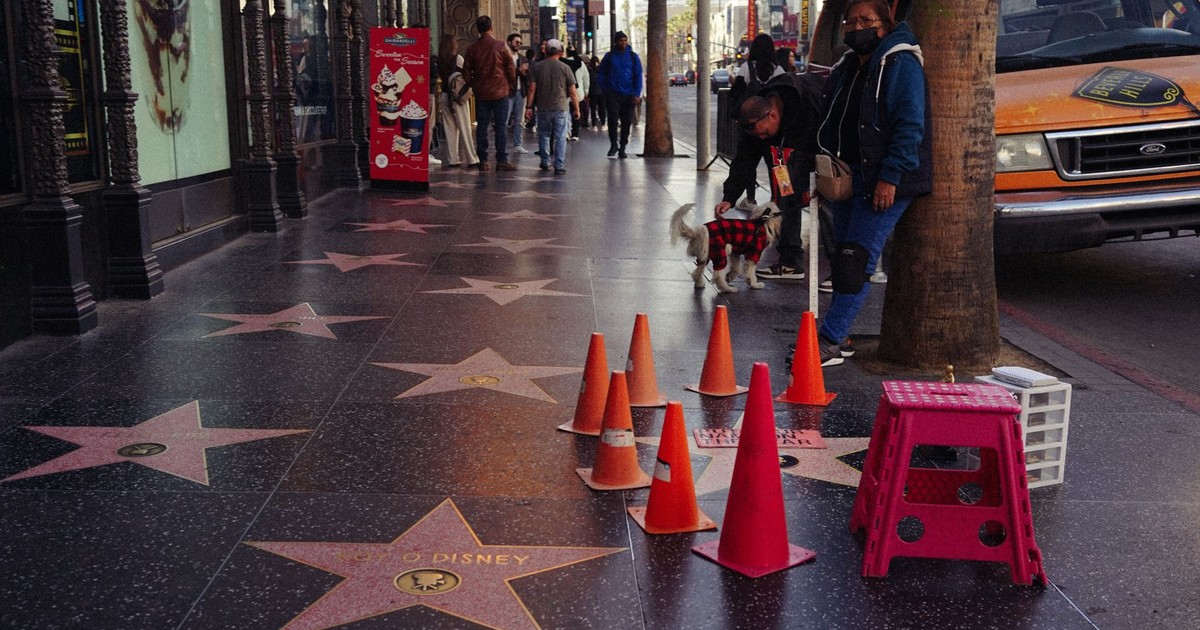
The sidewalk on Hollywood Boulevard is embedded with more than 2,700 brass stars honoring entertainers, and it draws around 10 million visitors a year. The expectation, reasonably enough, is a brush with glamour. The reality is something different. Travel company Stasher analyzed 101 of the world’s most iconic landmarks using a scoring system combining Google Reviews ratings, TikTok engagement, distance from major airports, country safety rankings, and local accommodation quality – and the Hollywood Walk of Fame scored a paltry 2.67 out of 10. It received the lowest overall rating in the top ten, including the weakest Google score and the lowest safety ranking.
Travelers consistently describe Hollywood Boulevard as overpriced, filthy, and feeling unsafe, with reviews warning others to steer clear, and shops geared entirely toward tourists driving up prices. The costumed characters demanding tips for photos are a particular flashpoint in reviews. There is no entry fee, technically, but the street exists almost entirely as a commercial extraction machine. Parking fees, the relentless souvenir shops, and the cash-grab entertainment options mean most visitors spend significantly more than they intended for an experience they’d rather forget.
The irony is that genuinely interesting film history is available nearby, for far less. Griffith Park, the Hollywood Heritage Museum, and the neighborhoods around Los Feliz offer a version of Los Angeles that locals actually recognize.
2. Wall Drug, Wall, South Dakota
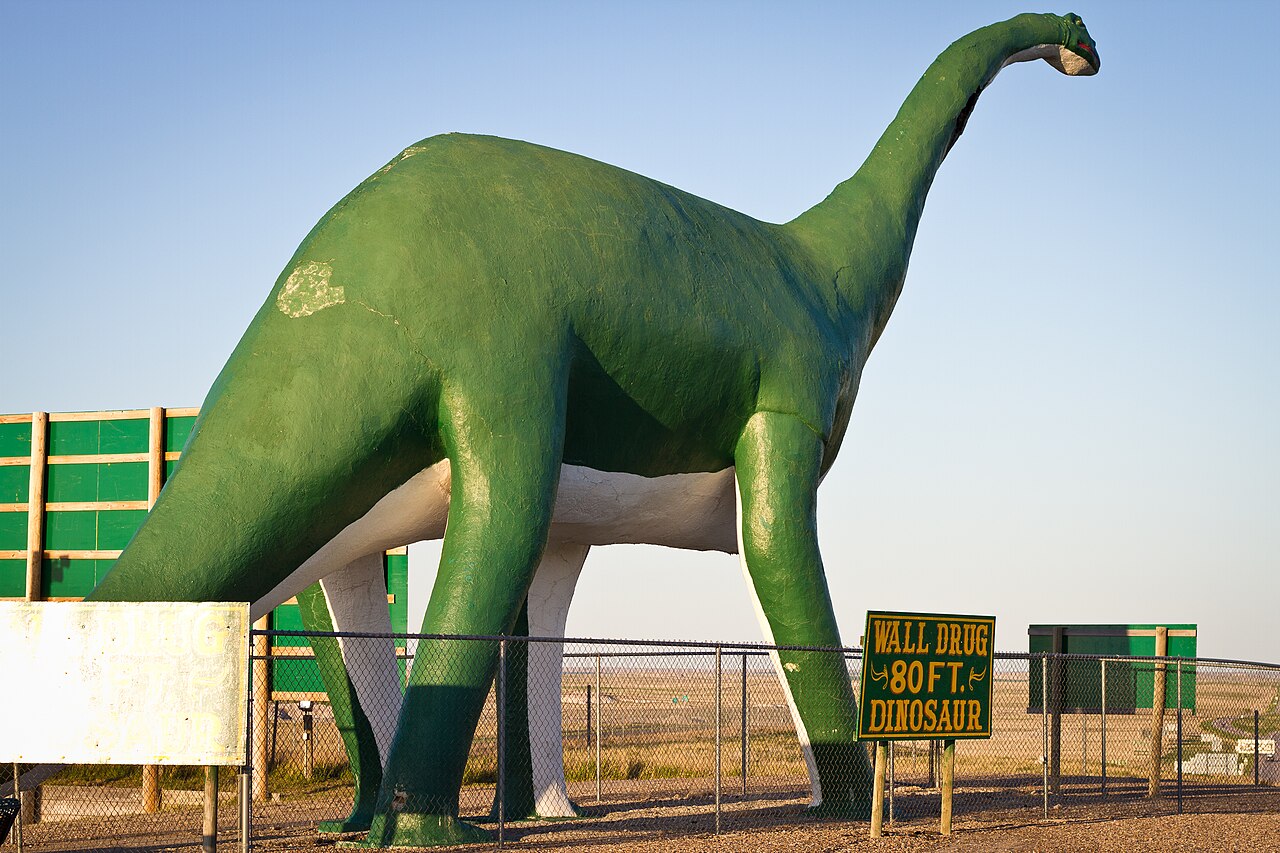
It started in 1931 as a small roadside pharmacy luring tired road-trippers with the promise of free ice water, and the marketing worked spectacularly. Wall Drug has since grown from that humble stop into a vast Western-themed attraction that racks up around 2 million visits every year. The billboards advertising it appear hundreds of miles in every direction across the Great Plains, which only amplifies the anticipation.
A fresh analysis of TripAdvisor user comments by travel-tech firm Nomad eSIM finds that Wall Drug in Wall, South Dakota, tied for first place as the world’s worst tourist trap, racking up 1,000 separate mentions of the exact phrase “tourist trap.” Today it’s part Western museum, part kitsch carnival – and for many visitors, neither half delivers enough to justify the detour and the prices inside. The food, the gifts, and the activities all carry the premium that comes with being the only game for miles in any direction.
The honest assessment is this: the badlands surrounding Wall Drug are genuinely spectacular. Badlands National Park is a short drive away and is free to enter with a national parks pass. That’s where most of the scenery people come to South Dakota hoping to find actually lives.
3. Fisherman’s Wharf, San Francisco
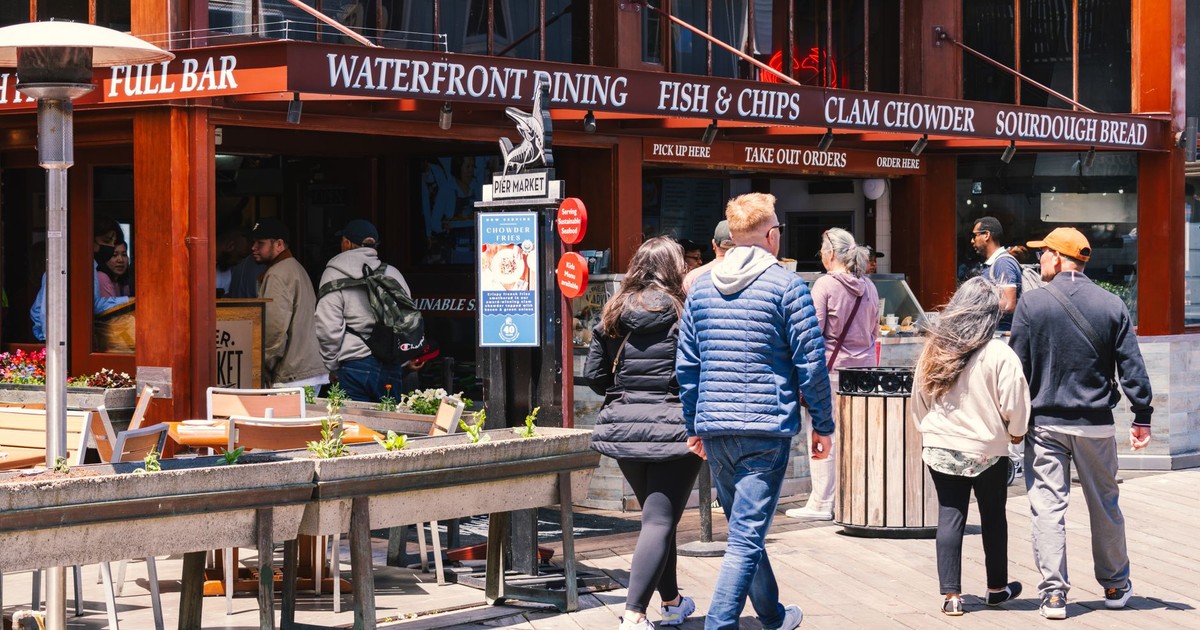
San Francisco’s Fisherman’s Wharf welcomes around 12 million visitors annually to its waterfront restaurants and souvenir shops, yet one reviewer summarized the experience as “only worth it to see the seals” (they’re actually sea lions). That’s a fairly brutal verdict for one of the most photographed waterfronts in America.
Fisherman’s Wharf tied with Wall Drug for first place, also racking up exactly 1,000 mentions of “tourist trap” in the Nomad eSIM TripAdvisor analysis. The gap between what the Wharf once was – a working fishing harbor with genuine character – and what it is now is the core problem. The clam chowder in a bread bowl costs the better part of $25. The crab stalls face persistent quality complaints. TripAdvisor’s negative reviews describe Fisherman’s Wharf as “disappointing,” “more commercial each time,” “washed up,” “overrated,” and of course “just another tourist trap.”
The actual charm of San Francisco, the neighborhoods, the architecture, the Mission, the Sunset, the farmers markets, is entirely elsewhere. The Wharf gets the visitors; the city gets less credit than it deserves.
4. The Mona Lisa, Louvre Museum, Paris
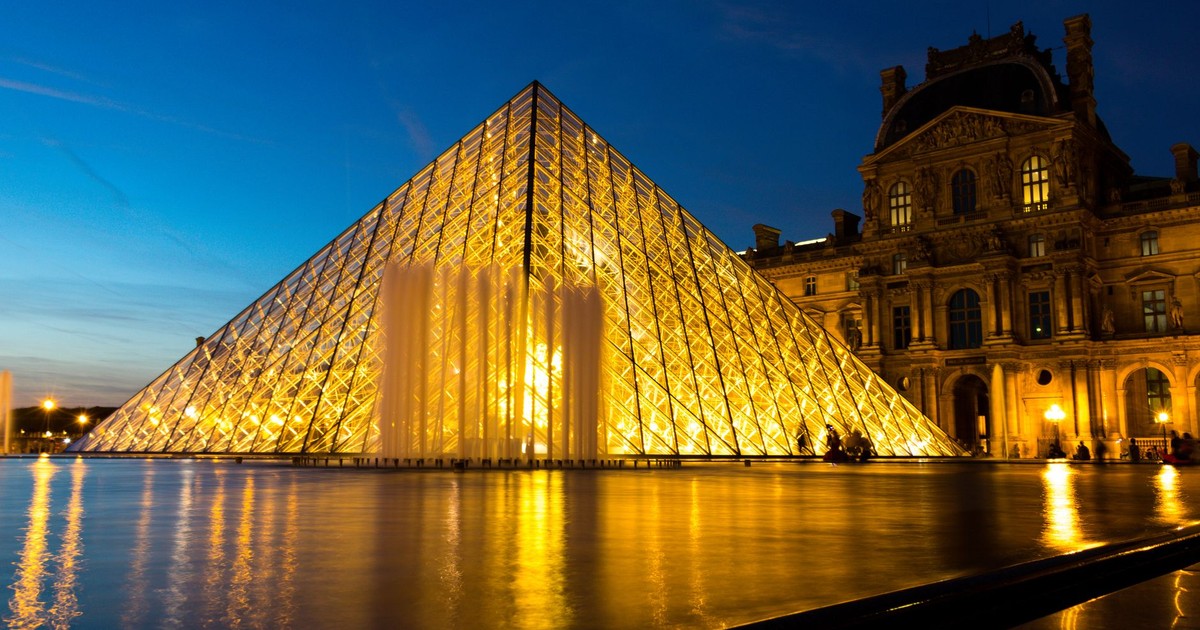
The Louvre itself is remarkable, and nobody disputes that. The specific problem is what happens when millions of people a year converge on a single 30-by-21-inch painting behind bulletproof glass. Many visitors queue for up to two hours to spend an allotted 30 seconds in front of the piece and come away feeling cheated, a situation so severe that by January 2025, the Louvre’s director described it as being at “saturation point.”
President Emmanuel Macron subsequently announced a major renovation, with the Mona Lisa slated to receive a dedicated exhibit. That might eventually improve the experience. For now, the painting is so small, so distant, and so surrounded by phone-waving crowds that most people who’ve seen it in photographs have a better view than those who paid to stand in the room with it.
The Louvre’s Denon wing alone contains hundreds of other paintings, sculptures, and antiquities that visitors routinely rush past in their race to tick the box. Vermeer, Titian, Caravaggio – all there, with no queue whatsoever.
5. Times Square, New York City
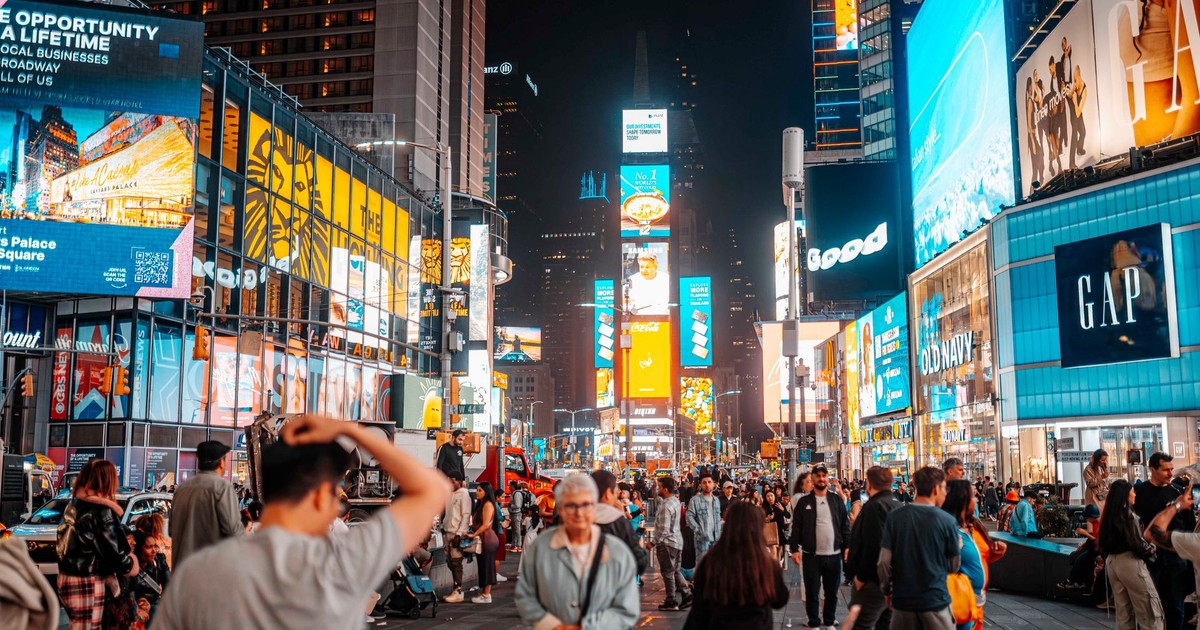
Times Square sees 330,000 people pass through every day, which tells you everything about the crowds and nothing about why you’d want to be among them. The flashing billboards, the noise, and the density of people are genuinely impressive in a sensory overload way for about twelve minutes. After that, the experience collapses into something closer to a corporate mall at peak holiday season.
Complaints about crime, homelessness, and sanitation in Times Square have reached levels not seen in over a decade, with more than 2,800 sanitation-related complaints made to the relevant city authority about the surrounding ZIP code between January 2022 and May 2025 – a more than 200% increase from pre-pandemic figures. Travelers also cite aggressive vendors, costumed characters demanding tips, and the overwhelming chaos of flashing billboards as major deterrents. Locals famously avoid it entirely.
There is nothing to buy in Times Square that you can’t buy cheaper two blocks away. There is no view of New York City to be had from street level in that particular spot. The whole attraction is, essentially, the fact that it’s famous for being an attraction.
6. Stonehenge, Wiltshire, England
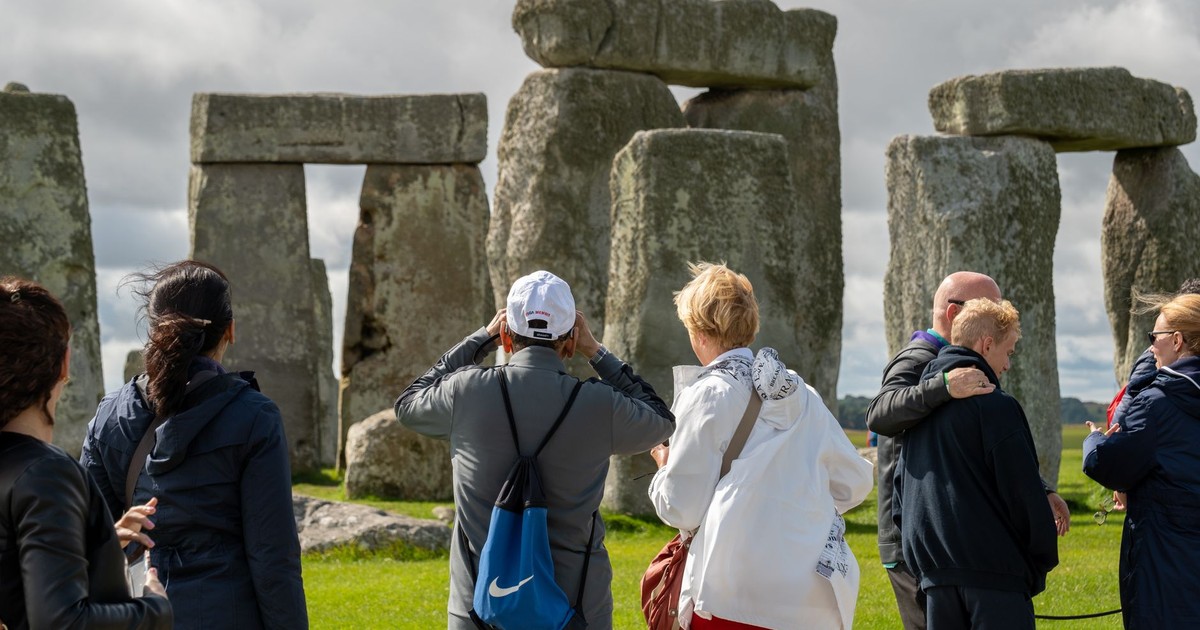
In 2024, a poll by Rough Guides saw the 5,000-year-old stone circle voted the world’s most overrated attraction. That is a striking verdict. Stonehenge is genuinely ancient, genuinely mysterious, and genuinely impressive in photographs. The reality of the visit involves paying a significant sum per adult to view the stones from behind a rope barrier at a considerable distance, while standing in a field with hundreds of other people doing the same thing. Ticket prices range from roughly £22.70 to £31.00 per adult depending on season, equivalent to approximately $28 – $39. A study for flight booking site Wingie found 6,414 negative comments in 15,118 reviews about Stonehenge, with tickets deemed “expensive” and “not worth it” in over 1,000 cases, and the words “disappointing” and “avoid” used more than 300 times.
The stones themselves are undeniably powerful to look at. The issue is that the managed visitor experience strips away any sense of connection to what you’re seeing. You’re watching a rope barrier as much as you’re watching a prehistoric monument. Stonehenge sits on a heritage trail that costs nothing to access, and you can get quite close to the site without paying a penny – you won’t access the museum or visitor centre, and you’ll be around 10 meters farther back than paid visitors, but you’ll still be quite close. Many people who’ve done both say the free version is almost indistinguishable.
7. The Leaning Tower of Pisa, Italy
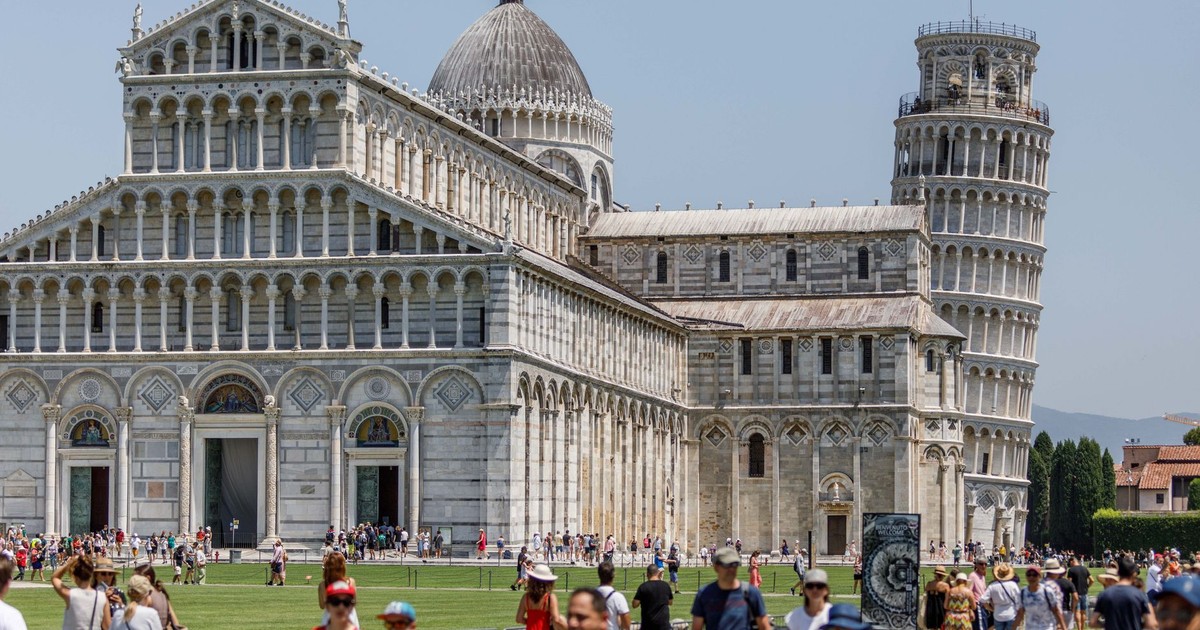
The Leaning Tower of Pisa has to rank among the most overrated destinations in Europe. When you get down to it, the tower is primarily a selfie spot, with crowds of people looking to take the same photo that has been reproduced online hundreds of thousands of times. The structural novelty – yes, it leans – is fully experienced within the first thirty seconds of arrival. What you’re left with after that is a very expensive field.
Tickets to climb the tower run approximately €18 – 20 per adult, which is not ruinous on its own, but the surrounding Piazza dei Miracoli also charges for entry to its other structures, meaning a full visit to Pisa’s famous square carries a combined cost that surprises many visitors. The tower is genuinely impressive as a feat of medieval engineering. As a day trip destination, Pisa as a whole has limited appeal beyond this one square, and the square beyond the tower offers diminishing returns quickly. The city of Lucca, just 20 kilometers away, is a walled medieval town with a fraction of the crowds and more to actually do.
8. Las Ramblas, Barcelona
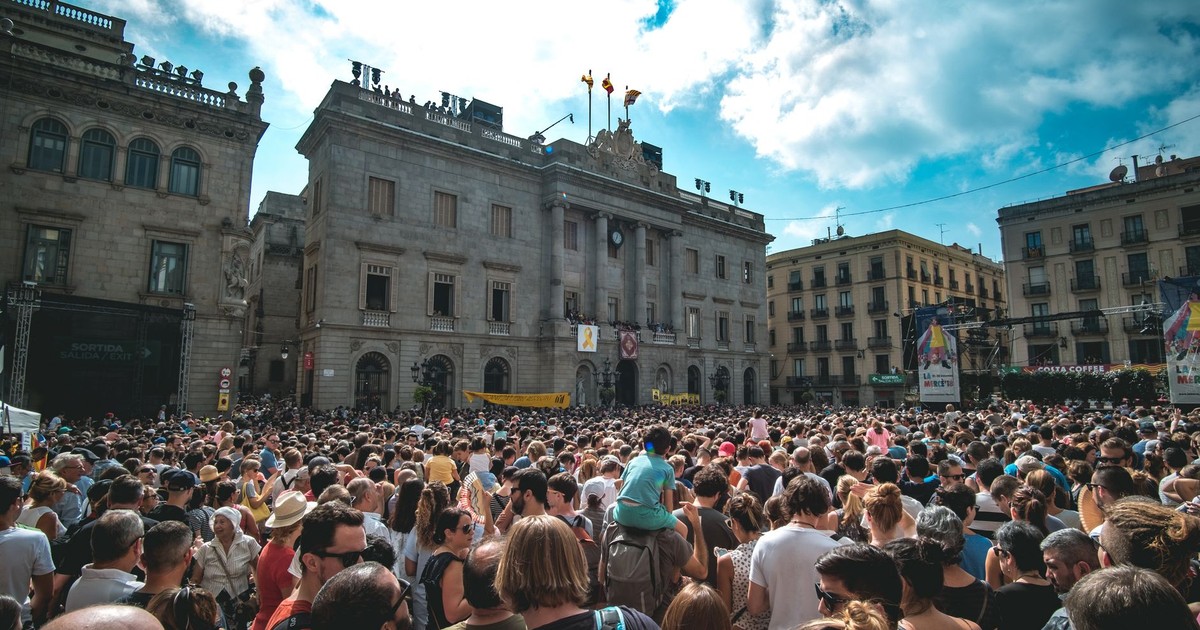
Las Ramblas in Barcelona came in second place globally as a disappointing tourist destination in the same study, picking up 826 visitor reviews calling it a tourist trap – and struggling to shake its reputation as the world’s most pick-pocketed street. The famous pedestrian promenade runs about 1.2 kilometers through the heart of the city and was once a genuinely animated street with flower stalls, birds, and a real local character. That version now largely exists in older guidebooks.
Today Las Ramblas is primarily a corridor for pickpockets and overpriced café terraces aimed at people who don’t know better yet. The dining along the strip charges two to three times what the same food costs two streets back, and the quality rarely justifies even the neighborhood average. Barcelona’s genuine appeal – the Gràcia neighborhood, the Barceloneta beach promenade, the food markets that locals actually use – is all found elsewhere. Casa Milà and Sagrada Família offer far more genuine reward for the time and money than an afternoon walk along a strip specifically engineered to separate tourists from their cash.
9. The Champs-Élysées, Paris
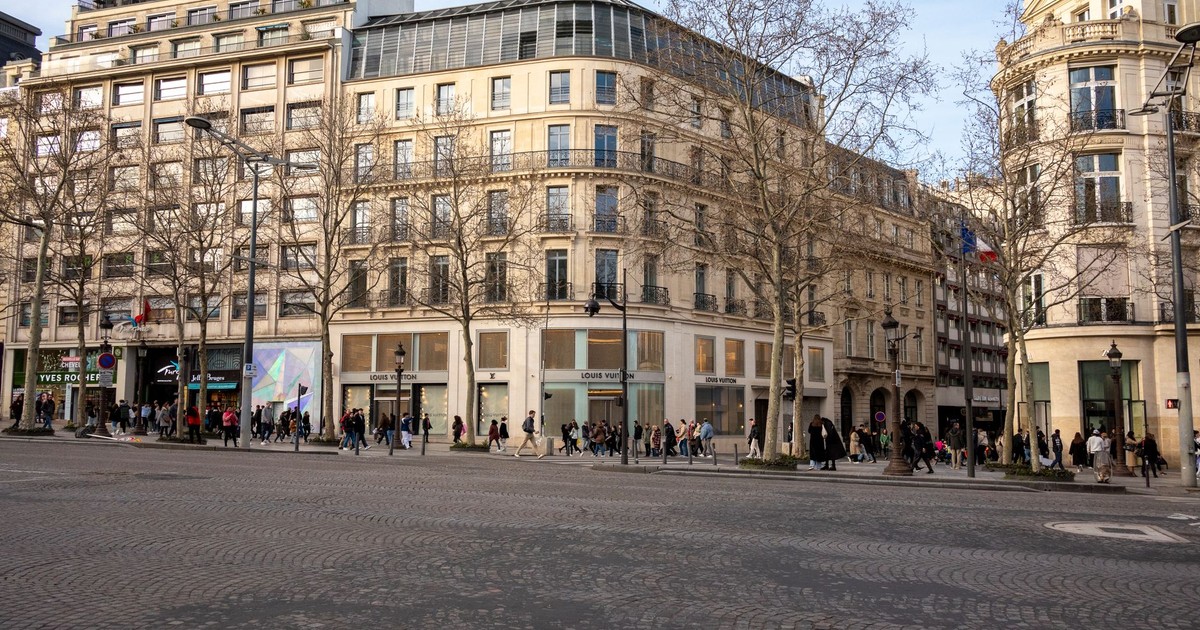
Paris makes this list twice for a reason. Often described as the most beautiful street in the world, the Champs-Élysées is, in reality, a high-traffic thoroughfare lined with global flagship stores and expensive car showrooms, where the sidewalks are filled with tourists and commuters and the dining options are notoriously overpriced. The Arc de Triomphe at one end is impressive. The McDonald’s, Zara, and Louis Vuitton flagship between you and it are not.
A coffee at a café on the Champs-Élysées will cost you €8 – 12. A coffee in almost any café in the Marais, a ten-minute Metro ride away, runs €3 – 4 and comes with a view of an actual neighborhood. Most visitors find that wandering through the smaller streets of the Marais or Saint-Germain provides a far more genuinely Parisian experience. The Champs-Élysées is best understood as a runway for luxury brand flagship stores that happen to be located in a famous city. As a destination in its own right, it delivers very little.
10. The Grand Bazaar, Istanbul
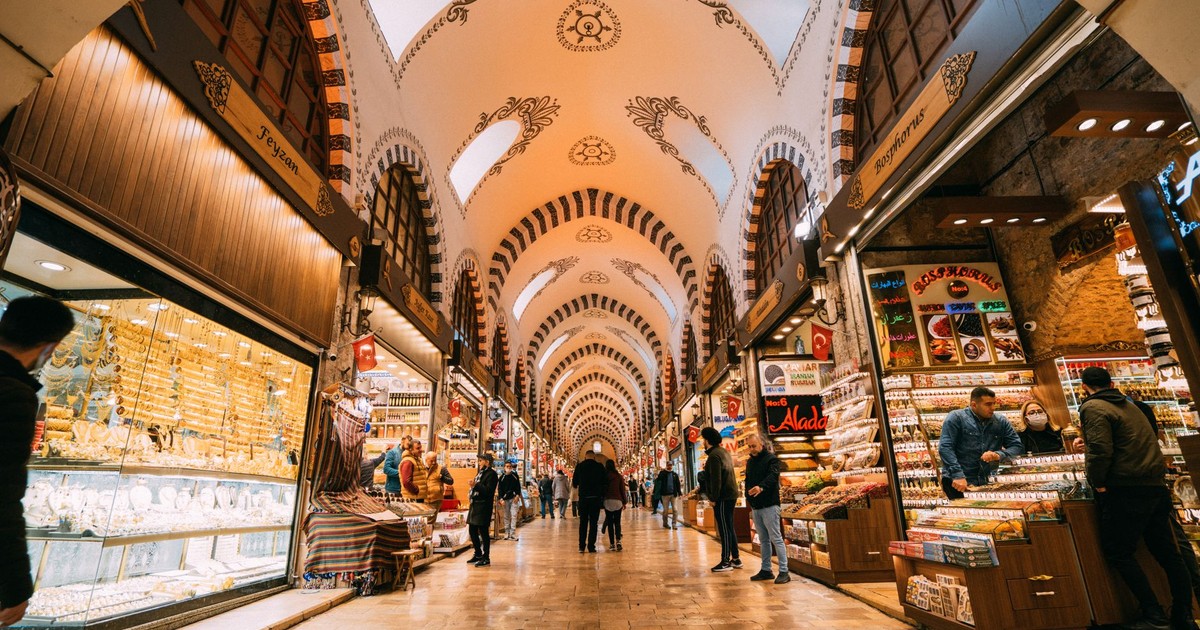
The Grand Bazaar in Istanbul scored 3.86 out of 10 in the Stasher global analysis of 101 iconic sites, making it the third most disappointing major attraction in the world. The bazaar itself is an extraordinary physical structure – one of the world’s oldest and largest covered markets, with more than 4,000 shops spread across 61 covered streets. That’s the before-you-arrive version.
The after-you-arrive version involves aggressive salespeople, prices that bear no relationship to what locals actually pay, and counterfeit goods sitting alongside genuine craftsmanship in a way that makes it nearly impossible for a first-time visitor to tell the difference. The authentic Istanbul bazaar experience most travelers are looking for exists in the Kadıköy market on the Asian side of the city, which is used primarily by locals, has reasonable prices, and has no one calling after you as you walk by.
11. Niagara Falls, Ontario and New York
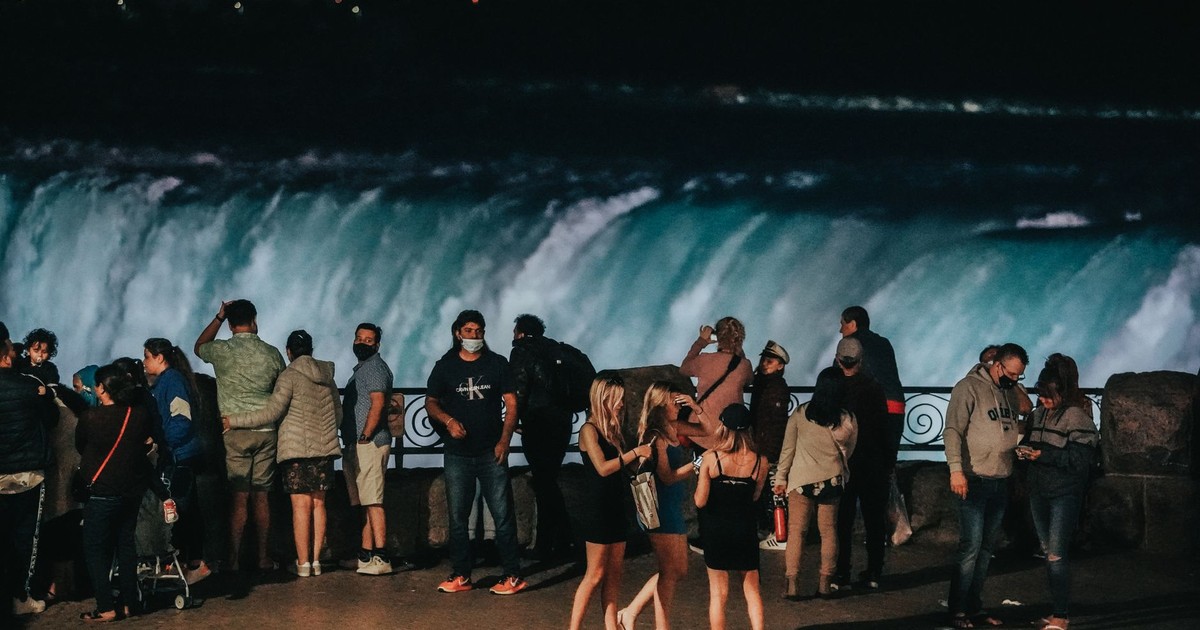
The resort town of Niagara Falls is the definition of a tourist trap in itself – full of gift shops and purpose-built for people just passing through, with many of the charming characters from its early tourist days swept away by businesses selling branded merchandise. The falls themselves are extraordinary. The surrounding infrastructure, on both the Canadian and American sides, is one of the most relentlessly commercial tourist zones in North America.
Getting to the falls is itself a logistical challenge – even if you drive, you’ll spend a significant portion of the trip searching for parking or waiting for shuttles, and there’s genuinely not enough in Niagara Falls to sustain a full day trip the way other natural attractions can. A family visiting on the US side will spend $35 per adult just for the Maid of the Mist boat tour, and the casinos, wax museums, and chain restaurants that make up the bulk of the surrounding area are uniformly mediocre. The falls deserve better neighbors.
12. The Space Needle, Seattle
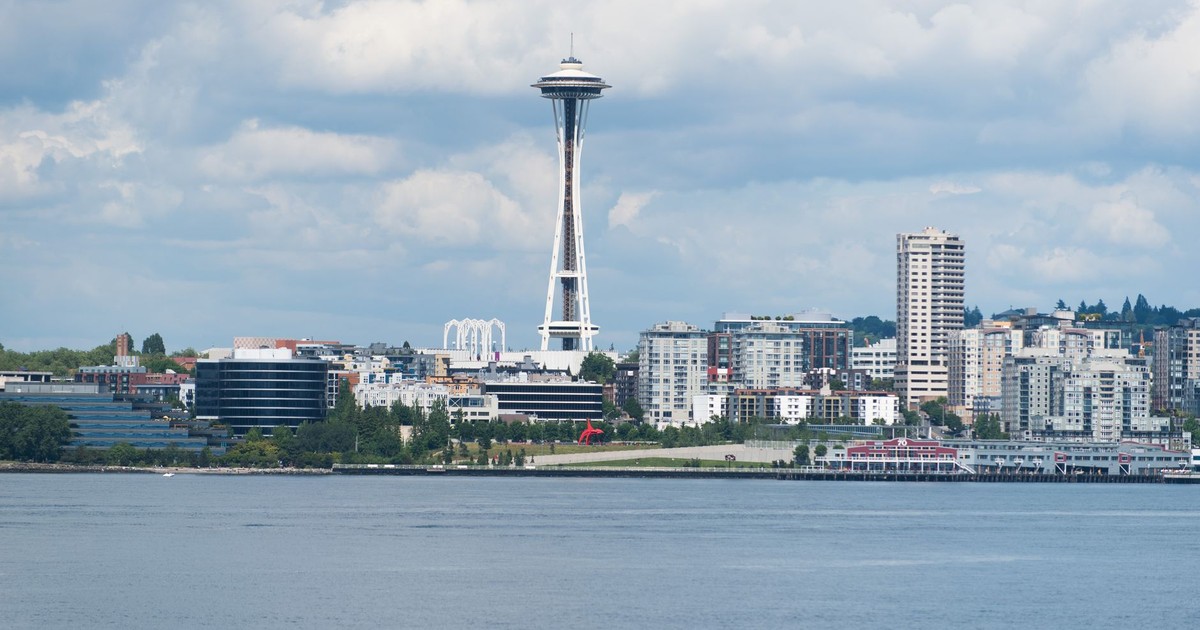
Seattle’s Space Needle offers a 360-degree view of the city and Puget Sound, but ticket prices rank among the highest for city observation towers in the United States, and the view is frequently obscured by the clouds and rain that are essentially Seattle’s default weather setting. Some visitors feel strongly that the Space Needle is not worth the cost, with complaints about waiting more than 60 minutes past their designated time slot.
The Space Needle is architecturally distinctive and genuinely iconic on the Seattle skyline. The problem is that seeing it from the ground is free and arguably more satisfying than seeing the city from inside it. Many locals suggest visiting the Columbia Center’s observation deck for a higher viewpoint at a lower cost. Seattle’s Pike Place Market, meanwhile, appears on multiple lists of overrated US attractions, primarily because the tourist footprint has overtaken the working market that made it famous in the first place.
13. The Széchenyi Baths, Budapest
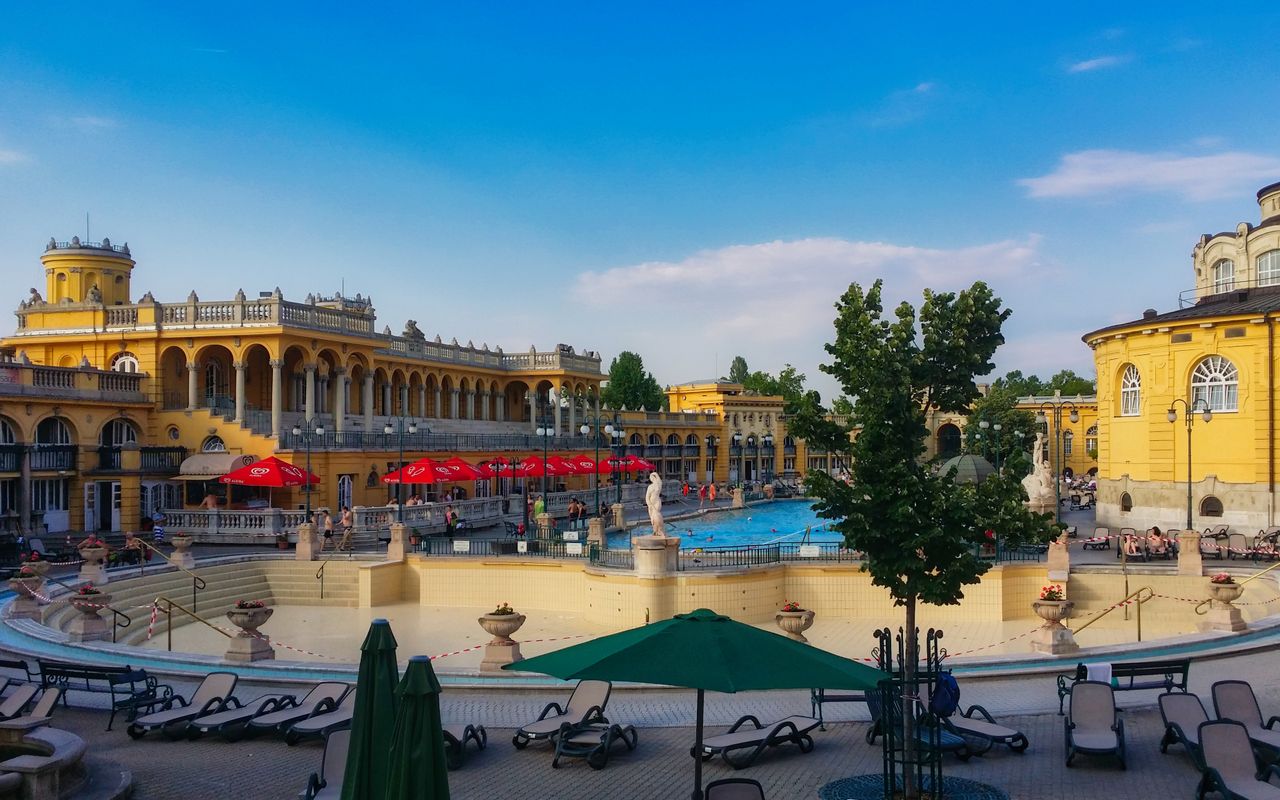
The Széchenyi Baths and Pool in Budapest is the largest medicinal bath in Europe and a bucket-list destination for many travelers. The neo-baroque building, opened in 1913, is genuinely beautiful, and the concept of thermal bathing in a century-old palace is exactly as appealing as it sounds before you’ve tried to do it in peak season.
Nearly 20% of reviews for the Széchenyi Baths include negative words, while 10% of visitors describe it as being crowded or having significant access issues, and more than 6% considered the experience poor value for money. Entry for a full-day ticket runs €30 – 45 depending on the season, and the experience in summer involves sharing the pools with enormous crowds at a temperature that may or may not feel therapeutic depending on how you feel about a warm bath populated by a few hundred strangers. Budapest’s lesser-known Veli Bej Bath or the Lukács Bath offer a comparable thermal experience with a fraction of the tourists and lower entry prices.
You can find more on the gap between travel hype and reality in our look at destinations that consistently underwhelm first-time visitors.
Read More: Disney World Drains Your Vacation Budget with These 10 Biggest Wastes of Money
14. The Eiffel Tower, Paris

Paris earns a third appearance – though this one requires nuance. The Eiffel Tower is genuinely magnificent as an object: an iron lattice structure 330 meters tall, built in 1889 and repainted 19 times since. As an experience of being inside it, among thousands of other visitors, it’s considerably less magnificent. Adult tickets currently range from €14.80 to €36.70 depending on how high you want to go and whether you take the stairs or the lift. That’s before the €15 cocktail at the top-floor champagne bar and the 90-minute queue to get there.
The tower has been cited among the world’s most iconic landmarks where the managed experience has become so commercialized that the genuine awe it deserves keeps getting interrupted. The best view of the Eiffel Tower is arguably from the Trocadéro plaza across the Seine, or from a park bench at the Champ de Mars below it. Both are free. The tower glitters on the hour after dark, and that’s visible from anywhere in the 7th arrondissement without paying a centime.
What You’re Actually Paying For
The common thread running through all 14 of these places isn’t that they’re frauds. Most of them contain something genuinely worth experiencing. The problem is the apparatus built around them – the premium pricing, the manufactured urgency, the crowds that arrive because everyone else is arriving, and the infrastructure designed to keep money moving as efficiently as possible.
Social media popularity doesn’t equate to an enjoyable real-world experience. That’s worth holding onto before the next trip. The photograph of a place, filtered and perfectly framed, is a different product entirely from the experience of standing in it. When you’re paying for the second thing but arriving with expectations built entirely by the first, disappointment isn’t a surprise. It’s the predictable outcome of a system working exactly as intended.
The good news is that for nearly every attraction on this list, a better version of the same underlying experience exists nearby, usually for less money, almost always with fewer people. The falls are still spectacular; it’s the surrounding town that lets them down. The Louvre is still extraordinary; it’s the Mona Lisa scrum that isn’t. Paris is still Paris; it’s the Champs-Élysées that turned into a mall. Knowing the difference before you get there is worth more than any guidebook.
AI Disclaimer: This article was created with the assistance of AI tools and reviewed by a human editor.