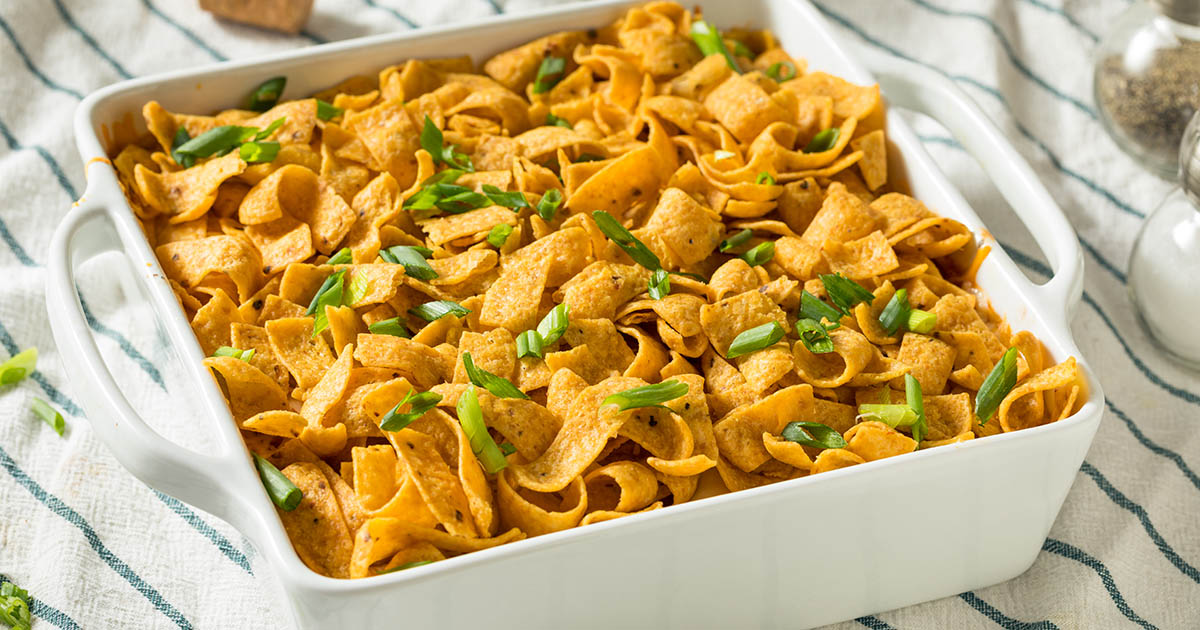

The grocery bill your parents managed on a single income would make most households today wince. Between 2020 and 2024, the cost of groceries jumped 23.6%, and it hasn’t let up since. The typical American family paid about $310 more for groceries in 2025 compared to 2024, according to the Joint Economic Committee. The items that hurt the most? Ground coffee, which rose $76.06, and ground beef, which rose $70.99 in 2025. Those are the exact proteins and pantry staples that used to anchor an affordable weeknight dinner.
So families are doing what families always do when money gets tight. They’re going back to basics. Specifically, back to the meals their own parents made in the ’90s and early 2000s, when a pound of ground beef and a box from the pantry could feed four people without anyone thinking twice about it. The revival isn’t nostalgic for nostalgia’s sake. It’s practical. These budget meals from the ’90s era were engineered for exactly this kind of moment: one income, multiple mouths, a tight clock, and a grocery store receipt that couldn’t go over a certain number.
The recipes below aren’t complicated, and that’s the point. Some of them you already know. Some you may have quietly dismissed as too basic, too retro, too reminiscent of a Tuesday night you didn’t pick. But they’re back on dinner tables across the country for a reason, and the math behind each one holds up just as well in 2026 as it did thirty years ago.
1. Hamburger Helper
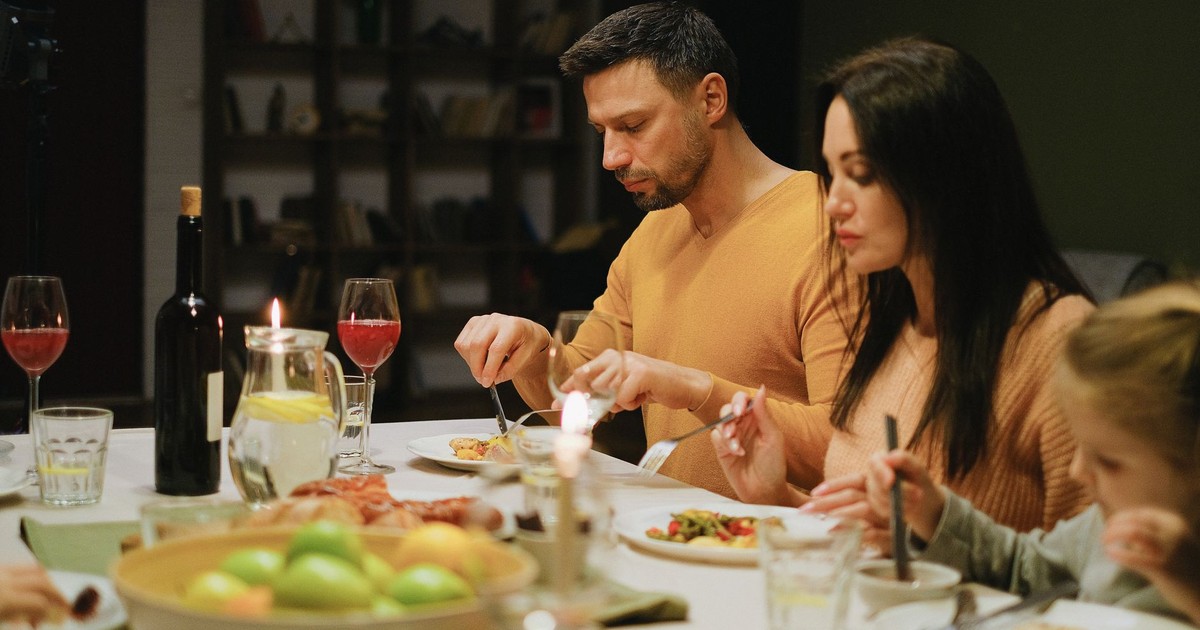
When General Mills launched Hamburger Helper in 1971, it was pitched as a stovetop solution for stretching a single pound of ground beef. By the ’90s, it had become one of the most reliable weeknight solutions in the American pantry. It hit peak popularity in the 1990s, with varieties like cheeseburger macaroni and stroganoff appearing on weeknight tables everywhere.
The formula is still the same: one pound of ground beef, one box, one skillet, twenty minutes. With food prices rising in the 2020s, Hamburger Helper kits are once again a top seller, as today’s adults fondly remember these economical, filling, and salty relics of their childhoods. And it’s not just nostalgia doing the heavy lifting. The box itself costs around $2 to $3, and with a pound of the cheapest ground beef, you’re feeding a family of four for well under $10.
One practical upgrade worth knowing: given that ground beef is expensive these days, you can stretch the dish further by replacing half the ground beef with lentils or black beans. The texture holds, the seasoning covers it, and the cost drops significantly. If you grew up eating this every other Wednesday, you may not even clock the difference.
2. Tuna Noodle Casserole
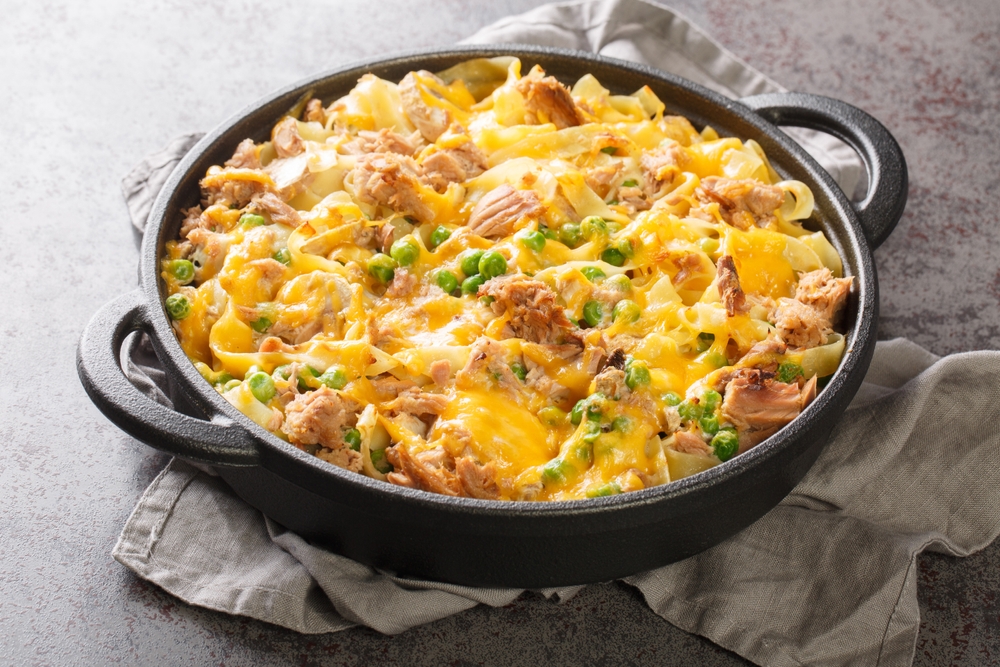
Ask anyone who grew up in a budget-conscious household in the ’80s or ’90s and they will have a memory of tuna noodle casserole. It was either the meal they loved or the one they dreaded, but it was almost always on the table. Tuna noodle casserole almost always started with a big bag of egg noodles boiled until soft, then layered with cans of cream of mushroom soup, a can or two of tuna, frozen peas, diced onion, and a heap of shredded cheddar cheese.
This casserole is incredibly affordable and can easily feed a family of six, even eight. Coming in at around $2.75 per serving for eight when using generic brands, it’s one of the most cost-effective dinners still available in a modern grocery store. Canned tuna remains among the cheapest protein options on the shelf, and the cream of mushroom soup that holds the whole thing together costs less than a dollar a can.
The underrated trick with tuna casserole is the topping. Some more cheese on top crisps into a crust as the casserole bakes, and a layer of crushed potato chips or Ritz crackers gives it a textural boost that the dish genuinely needs. That detail separates a memorable version from a forgettable one, and it costs almost nothing extra.
3. Sloppy Joes
The Sloppy Joe was the ’90s dinner that nobody admitted to loving at school but everyone ate at home. Ground beef, a sweet-savory tomato sauce, a soft bun. Done in under twenty minutes and almost impossible to mess up. It fed a family without requiring anything that wasn’t already in the pantry, and the leftovers reheated perfectly, which made it even more valuable on a tight week.
Ground beef or lentils, tomato sauce, and onion, served on simple toast – Sloppy Joes are a childhood favorite that can be made in big batches for very little cost. The batch-cooking angle is what makes this one particularly relevant right now. Make a double quantity on Sunday and you have Tuesday dinner sorted before you’ve even thought about it.
Ground beef prices have climbed, but the dish adapts. Stretching the meat with lentils or finely diced mushrooms keeps the protein content up and the cost down without doing anything noticeable to the flavor. Serve it on whatever bread is cheapest that week – a standard white bun, a slice of sandwich bread, even a toasted English muffin. The sauce is the whole point.
4. Beans and Rice
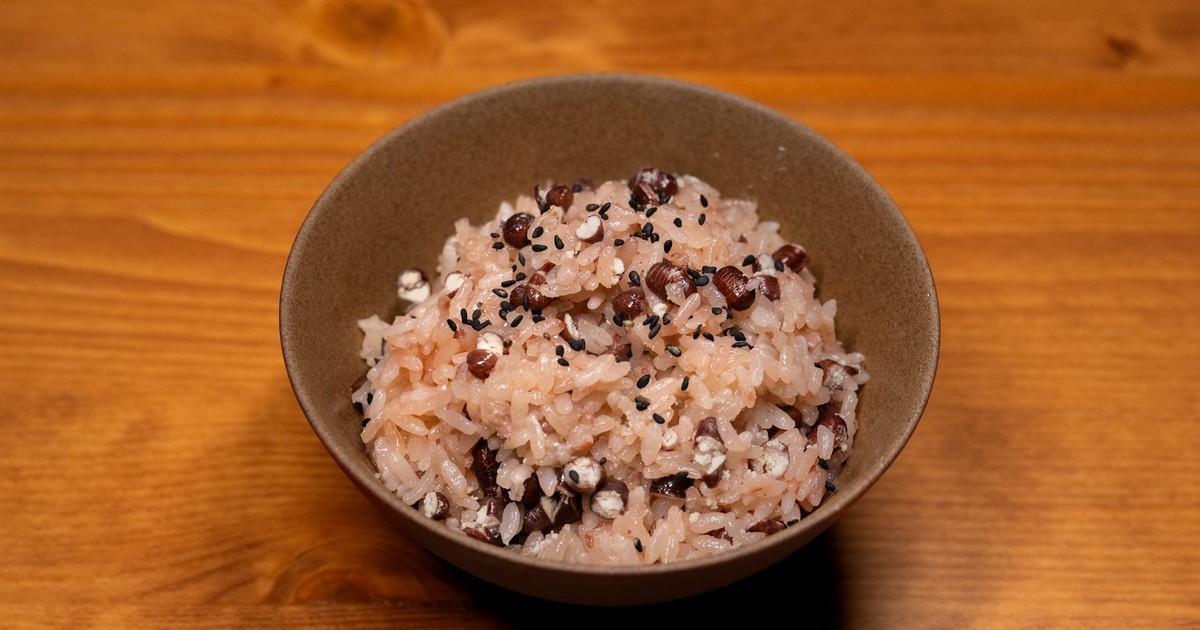
This one predates the ’90s by several centuries, but it became a fixture of American budget cooking during that era for a specific reason: it was virtually impossible to make badly and nearly free to make well. A bag of dried pinto or black beans, a bag of rice, some onion, garlic, and whatever spices were in the cabinet. That was dinner, and it was genuinely good.
Rice and beans are foundational cheap meals across the globe, and the nutritional case for them is solid. Beans are high in protein and fiber; rice provides a complete starch base; together they form what nutritionists call a complementary protein – meaning the amino acids in each food fill in what the other lacks. This isn’t new information, but it’s worth remembering when you’re staring at a $6 can of salmon wondering what else is on the table.
The ’90s version tended to be plain. The 2026 version benefits from a jar of salsa, a squeeze of lime, some shredded cheese, and maybe a fried egg on top. A basic rice and black bean bowl comes together in about 20 minutes for around $1.10 per serving, and that’s before any pantry upgrades. Make a big pot at the beginning of the week and it becomes the base for three different meals – a bowl, a burrito, a side dish.
5. Baked Potato Bar
This one felt like a treat in the ’90s, which is part of what made it such an effective budget meal. Kids who were told the family was having a baked potato bar for dinner thought they were getting something special. They were, in a way – a potato big enough to be a full meal, loaded with whatever toppings the fridge could offer.
A russet potato costs around 50 cents at most grocery stores. Load it with shredded cheddar, sour cream, canned chili, broccoli, or leftover anything from the fridge, and you have a filling, satisfying dinner that costs less per person than almost anything else on this list. A single can of chili could stand on its own as dinner in the ’90s, and many families poured it over rice or served it with cornbread for a more filling meal. Over a baked potato, it goes even further.
The bar format also eliminates the “I don’t want that” problem with kids. Everyone builds their own. Nobody can complain about what’s on their plate because they put it there themselves. That’s genuinely useful parenting logic, and it hasn’t dated one bit.
6. Boxed Mac and Cheese (Upgraded)
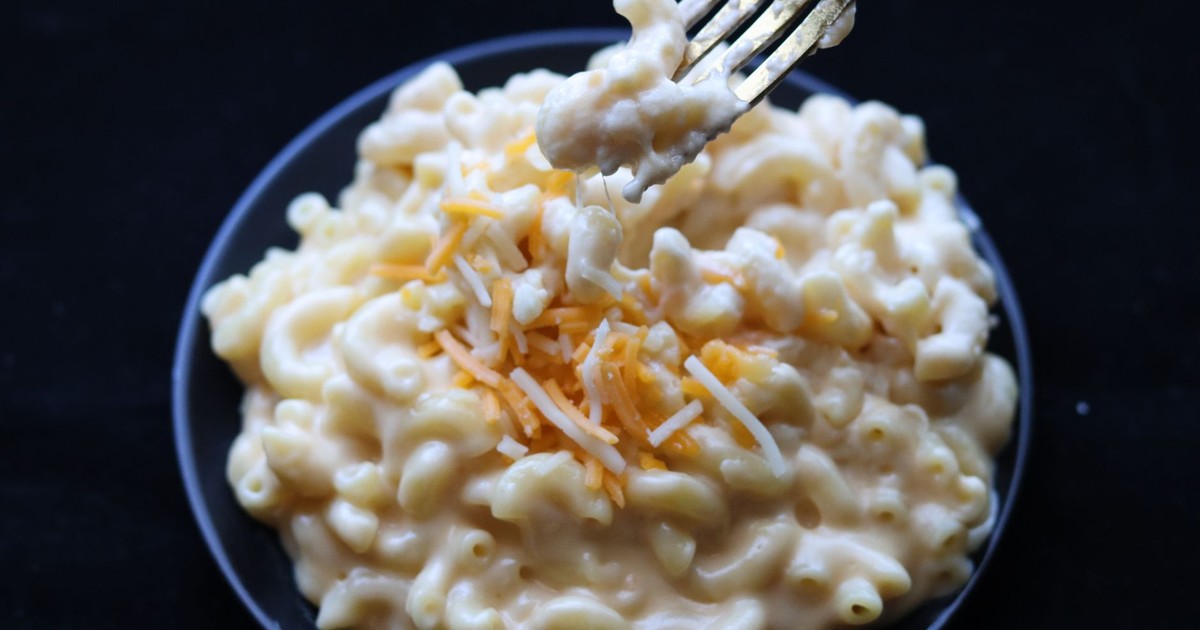
Few weeknights felt as reliable as the ones saved by boxed macaroni and cheese. It needed just milk, butter, and about 15 minutes on the stovetop to transform elbow noodles into a creamy, cheesy bowl that kids devoured. The product surged in popularity in the late ’80s and early ’90s as families sought fast, affordable dinners.
The box alone still costs about a dollar. As a standalone meal, it doesn’t offer much in the way of protein or vegetables. But that’s a solved problem. Stir in a drained can of tuna, some frozen peas, a handful of spinach that wilts in the heat, or whatever leftover protein is in the fridge. The base is mild enough to take almost anything. Add hot sauce, smoked paprika, or a spoon of cream cheese if you want something that tastes less like Tuesday and more like something you’d actually choose.
The upgrade doesn’t need to be expensive. The whole point is that the box handles the heavy lifting. Everything else is pantry raiding. A dressed-up bowl of boxed mac and cheese with a protein stirred through costs maybe $2.50 per person and takes the same fifteen minutes it always did.
7. Meatloaf
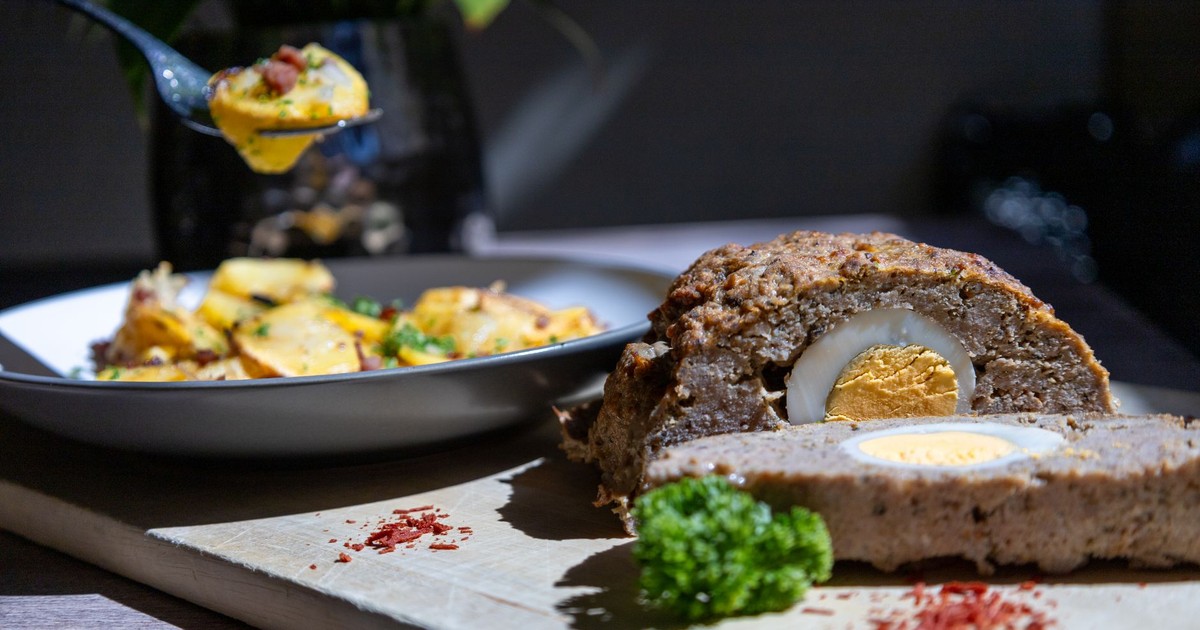
Meatloaf got unfairly maligned somewhere in the 2000s when food culture started leaning toward anything that could be called artisanal. But it was a staple of ’90s dinner tables for a reason that has nothing to do with trend cycles and everything to do with yield. One pound of ground beef, an egg, some breadcrumbs, onion, and ketchup. Baked in a loaf pan for an hour. Fed four people, with leftovers for sandwiches the next day.
The economics of meatloaf are still compelling. Breadcrumbs and an egg extend a pound of meat into something that feeds more than a pound of meat would on its own. The glaze – ketchup, brown sugar, and a splash of Worcestershire – costs almost nothing and makes the whole thing taste like it required considerably more effort than it did.
Meatloaf also solves the lunch-box problem. Cold meatloaf between two slices of bread the next morning is one of those lunches that adults who grew up on it will defend to anyone. It’s dense, savory, and travels well. When you’re trying to avoid the $14 lunch at the counter near the office, a leftover meatloaf sandwich from the night before is a genuinely satisfying alternative.
8. Chicken and Rice Casserole
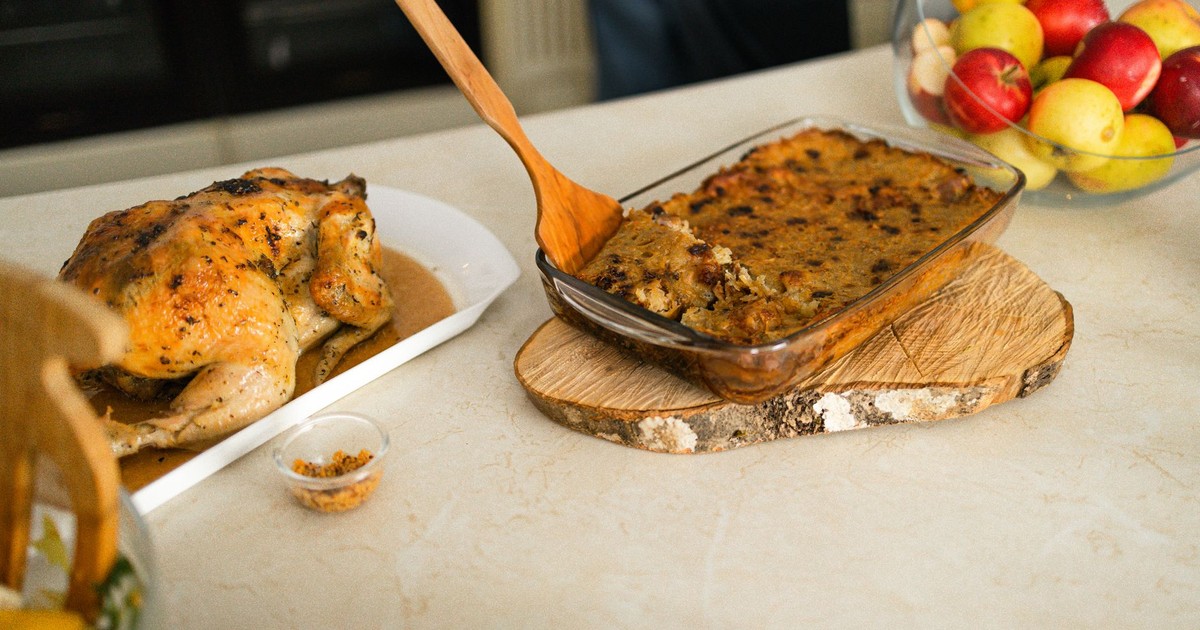
This was the dish that showed up when the budget was especially tight but the occasion still called for something that felt like a proper dinner. A whole chicken or bone-in thighs, some rice, cream of mushroom soup, and a handful of whatever vegetables were around. Into the oven for an hour. The chicken fat renders into the rice, the rice absorbs everything in the dish, and what comes out tastes like the kitchen has been busy all day.
Bone-in chicken legs and drumsticks average around $1.80 per pound, making them among the most affordable meat options available, and they work better in this dish than chicken breast does anyway. The bone adds flavor, and the longer cooking time keeps the meat tender rather than dry. A casserole made with two pounds of bone-in thighs, a cup of rice, and a can of soup feeds four adults comfortably and costs around $8 total.
The practical note here: don’t skip the step of seasoning the chicken directly before it goes into the dish. Salt, pepper, garlic powder, paprika. That’s all it needs. The difference between a chicken and rice casserole that tastes like something and one that tastes like nothing is usually just that one step.
9. Egg Fried Rice
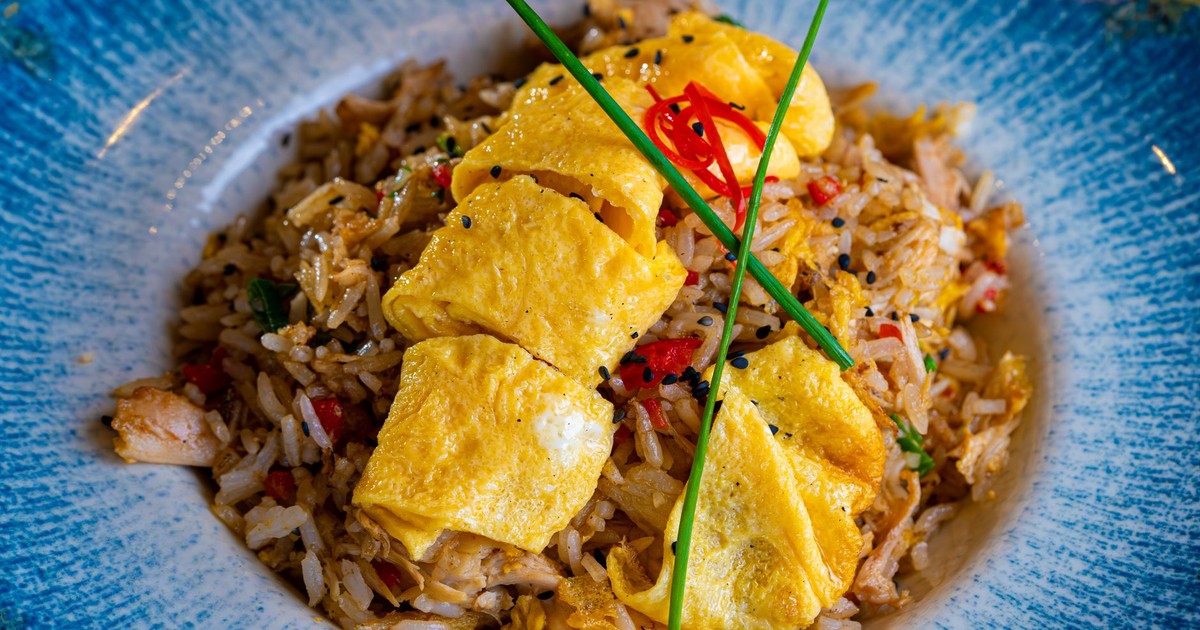
Egg fried rice was the meal that appeared on a ’90s weeknight when there was almost nothing left in the fridge, and it somehow always worked. Leftover rice – and it had to be leftover, day-old rice that’s had time to dry out – went into a hot skillet with oil, a couple of eggs scrambled straight into it, soy sauce, and whatever vegetables were about to go bad. Ten minutes. Done.
Got leftover rice? Toss it with eggs and soy sauce and call it dinner. Fifteen minutes, around $1 per serving, and you can throw in whatever vegetables are dying in your fridge. That last part is actually the genius of the dish. It’s not just a cheap meal in itself; it’s a way of rescuing half a bag of wilting spinach, two sad scallions, and the bottom of a bag of frozen peas before they go to waste.
The rule with fried rice is high heat and patience. Don’t crowd the pan. Let the rice sit long enough to get a little crisp on the bottom before stirring. That char is what makes it taste like something you’d order rather than something you made from scraps. A drizzle of sesame oil at the end doesn’t cost much and transforms the whole thing.
10. Spaghetti with Meat Sauce
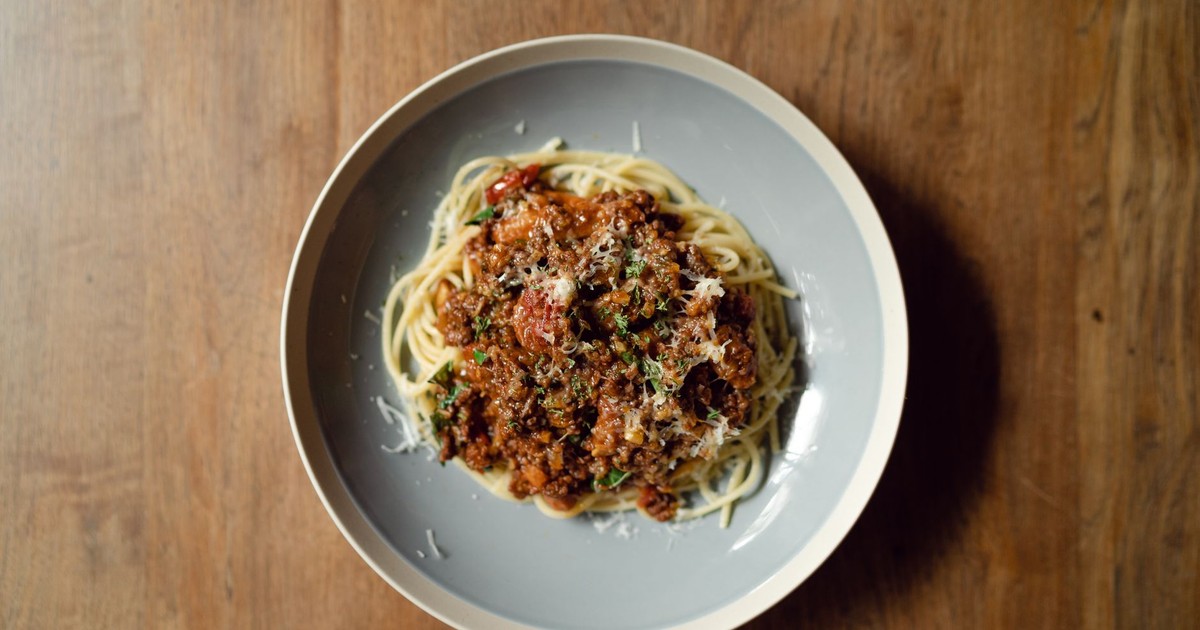
If there was one meal that appeared on more ’90s weeknight tables than any other, it was probably this one. A box of spaghetti, a jar of marinara, a pound of ground beef browned and stirred in. Maybe some garlic bread from whatever loaf was already in the kitchen. Kids ate it without complaint. Adults ate it without much thought. And when the week was stretched, it could be made without the beef at all and still taste like dinner.
Pasta remains one of the cheapest grocery items on the shelf. A box of spaghetti costs around $1.50. A jar of decent marinara runs $2 to $3. Even with a pound of ground beef factored in at current prices, you’re looking at roughly $12 to $14 for a pot that feeds five or six people. That math still works. It’s why this was the meal then and it’s why families are coming back to it now.
The upgrade move, if you want one, is to add a parmesan rind to the sauce while it simmers. They’re often sold cheaply at the deli counter or kept in the freezer from previous blocks of cheese. The rind dissolves into the sauce over twenty minutes and adds a depth of flavor that has no business being in a $2 jar of marinara. That’s the kind of trick that makes a budget meal taste like it wasn’t one.
Read More: Never Buy Milk if You See This Red Flag at the Grocery Store
What to Do With All of This
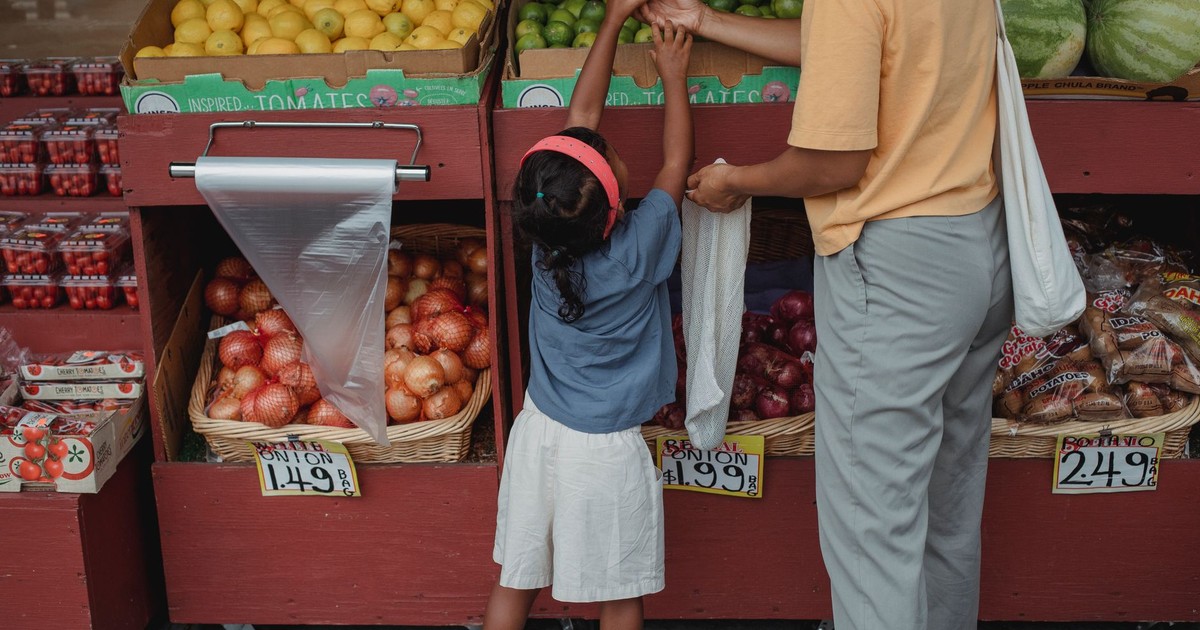
The meals on this list aren’t a step backward. They’re a correction. When grocery prices climbed 23.6% in four years and egg prices tripled, the question of what to put on the table every night stopped being about preference and started being about logistics. The families who figured that out first were the ones who already knew these recipes by heart.
None of these dishes require skill, specialized equipment, or ingredients you can’t find at any grocery store in the country. What they require is the willingness to stop treating “budget meal” as a category of last resort and start treating it as a deliberate strategy. A pot of beans made on Sunday doesn’t mean you failed at dinner. It means you already solved Tuesday and Wednesday while you were at it.
The ’90s kitchen wasn’t sophisticated, but it was efficient in ways that food culture spent twenty years trying to move past. The return to these budget meals from the ’90s era isn’t about recreating the past. It’s about recognizing that the problems those meals solved haven’t actually changed – the numbers on the receipt just got bigger.
AI Disclaimer: This article was created with the assistance of AI tools and reviewed by a human editor.