

The math is jarring the first time someone does it. A monthly income that feels modest in New York or London – the kind where you’re watching the credit card balance on grocery runs – can translate into something close to abundance in a growing number of countries. Not just “cheaper” in the vague sense of buying less and making do. Actually more: a bigger apartment, restaurant meals most nights, reliable healthcare, and money left over at the end of the month.
The countries on this list aren’t hardship postings or places you’d grimace through for the sake of the exchange rate. They’re places where $3,000 a month covers not just the basics but the good version of life – the seaside town with a morning market, the walkable city where you don’t need a car, the neighborhood where you know the restaurant owner’s name. The gap between what that income costs you in the US and what it buys you somewhere else is wide enough to change a life.
What makes 2026 a particularly interesting moment to look at this is that the picture has shifted. Some once-reliable cheap destinations have crept up in price as digital nomads arrived in numbers. Others remain genuinely affordable. A few are actively underrated. The seven countries below each offer something real – not an escape-from-your-problems fantasy, but a specific case for why $3,000 a month goes further there than almost anywhere you’ve probably considered.
1. Portugal

Portugal’s cost of living runs about 29% cheaper than in the US before rent, and rental prices are roughly 36% more affordable, with groceries about 37% cheaper as of mid-2026. For an American or Canadian arriving with dollars or a remote income, that spread is significant enough to feel in daily life rather than just on a spreadsheet.
A couple can live comfortably in Portugal on $2,500 to $3,000 a month outside the major cities, which means $3,000 as a single person or a couple who keeps costs reasonable puts you in genuine comfort. In Lisbon, Portugal’s most expensive city, a single American expat typically spends $1,400 to $2,400 a month as of mid-2026, which is the high end. Head to Porto, and costs run 25 – 35% cheaper than Lisbon. A single expat in Porto spends roughly $1,000 to $1,800 a month.
The country has a D7 passive income visa built precisely for people in this situation – remote workers, retirees, freelancers – and the introduction of digital nomad visas and residence permits for remote workers has attracted expats who typically earn significantly more than the local population. That income gap matters because it means the infrastructure, the restaurants, and the healthcare are all calibrated for local wages, not foreign ones. Healthcare in Portugal is ranked among the best in the world, and all residents have access to both the public system and the low-cost private system, where many medical professionals speak English. For a single person bringing $3,000 a month, Portugal still delivers a comfortable, European life at a fraction of what that life costs in Western Europe’s bigger economies.
2. Thailand

In Bangkok, you’d typically need around $2,565 a month to maintain the same standard of living that would cost roughly $4,670 a month in New York City. That comparison comes from this 2026 cost guide – which draws on Numbeo data current to May 2026 – and it understates the practical picture for most expats, because $3,000 a month in Thailand, particularly outside Bangkok, puts you several rungs above average.
Chiang Mai remains the most affordable established expat hub. A climate-controlled studio with pool access in the Nimman neighborhood costs 10,000 to 16,000 baht a month, a local restaurant lunch runs 50 to 80 baht, and a complete monthly budget lands at 30,000 to 45,000 baht – roughly $870 to $1,300. At $3,000, you’re not budgeting in Chiang Mai; you’re choosing. You can afford a larger apartment, eat where you want, travel the country on weekends, and still have money left over.
Rent is the biggest variable: Bangkok studios start at 13,000 baht, Chiang Mai is cheaper, and Phuket costs more than Bangkok. Eating at local food courts and street stalls keeps food costs low – around 70 baht per meal – while eating Western food regularly doubles or triples that bill. Thailand also sits at an unusual convergence of world-class private healthcare, fast internet in urban centers, and a long-established expat community that has built the infrastructure – English-speaking doctors, legal advisors, international schools – that makes long-term relocation genuinely practical rather than aspirational.
3. Mexico

Mexico ranked 4th globally for retirement in International Living’s 2025 Global Retirement Index, and the cost of living runs 42% to 45% lower than in the US or Canada on average. The proximity to the US – same time zones for many cities, direct flights everywhere – makes it one of the least disruptive moves for Americans considering a change.
A couple can retire comfortably in Mexico for $1,500 to $2,500 per month including housing, which puts $3,000 firmly in the comfortable-to-generous range. Healthcare is one of Mexico’s most underappreciated advantages: public healthcare through IMSS runs $61 a month for people ages 50 – 59, $85 for ages 60 – 69, and $88 – $93 for those 70 and older. Private care is broadly excellent in cities like Guadalajara, San Miguel de Allende, Mérida, and Oaxaca, and costs a fraction of equivalent US private care.
The cultural depth is real too. Expat satisfaction in Mexico runs consistently high across surveys, with the majority of foreign residents reporting that they feel genuinely at home rather than just passing through. Mexico rewards the expat who picks a city carefully rather than defaulting to the obvious. The beach towns closest to the US border have been priced up by demand. Further inland – Oaxaca, Mérida, San Cristóbal de las Casas – the value proposition is considerably stronger, and the sense of actually living in Mexico rather than in a tourist corridor is considerably higher.
4. Vietnam
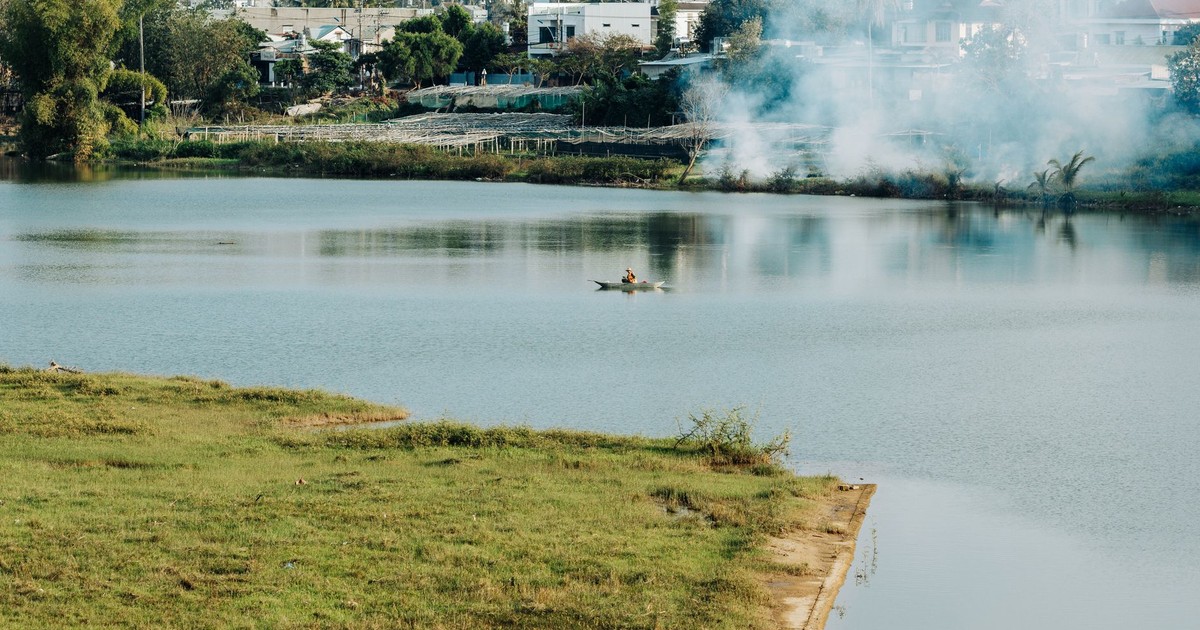
For the fifth consecutive year, Vietnam ranked first out of 46 destinations for personal finances in the 2025 expat study covered by CNBC, with 89% of respondents pleased with the general cost of living and 87% saying their disposable income was enough to lead a comfortable life. Vietnam’s cost of living starts from around $800 a month, with Da Nang running from approximately $600. At $3,000 a month, you’re operating in an entirely different category – not just comfortable but genuinely affluent by local standards.
Hanoi and Ho Chi Minh City both offer modern infrastructure, a growing international food scene, and fast, reliable internet that makes remote work practical. Da Nang sits between them geographically and temperamentally: a beach city that has attracted a strong expat community without yet pricing itself out. Rent for a modern one-bedroom apartment in a good Da Nang neighborhood runs $300 to $500 a month; decent Vietnamese street food costs under $2 a meal; and private healthcare at quality hospitals costs a fraction of US equivalents.
Vietnam combines low cost with improving infrastructure and stable purchasing power for those earning in dollars or euros. The country also now has digital nomad and long-stay visa options that make it easier to stay for extended periods without the old cycle of border runs. It’s one of the few places where $3,000 genuinely goes so far that most people who’ve lived there describe the adjustment as disorienting – in a good way.
5. Georgia

Georgia has emerged as Eastern Europe’s best-kept expat destination, offering visa-free stays of up to one year for Americans and living costs that stand dramatically below most Western benchmarks. Tbilisi, the capital, has developed quickly as a remote-work base without losing the character that made it interesting in the first place.
Modern apartments with high-speed internet in Tbilisi cost $200 to $400 a month depending on neighborhood and amenities, and the city’s food culture – one of the genuinely underappreciated culinary traditions in the world, built on wine, walnut sauces, and slow-cooked meat dishes – means eating well is inexpensive by any global standard. Internet infrastructure reaches 100+ Mbps in urban areas, with backup mobile data plans costing under $15 a month.
Georgia offers living costs under $1,000 a month for those keeping things lean, which means $3,000 is genuinely generous here. The country’s tax situation has also attracted attention: Georgia operates a territorial tax system, meaning income earned outside Georgia is generally not subject to Georgian income tax. Add to that the Caucasus scenery – Tbilisi’s old-town architecture, the wine regions of Kakheti two hours east, ski resorts in the mountains – and you have a country that keeps surprising people who arrive expecting less than they find.
6. Colombia
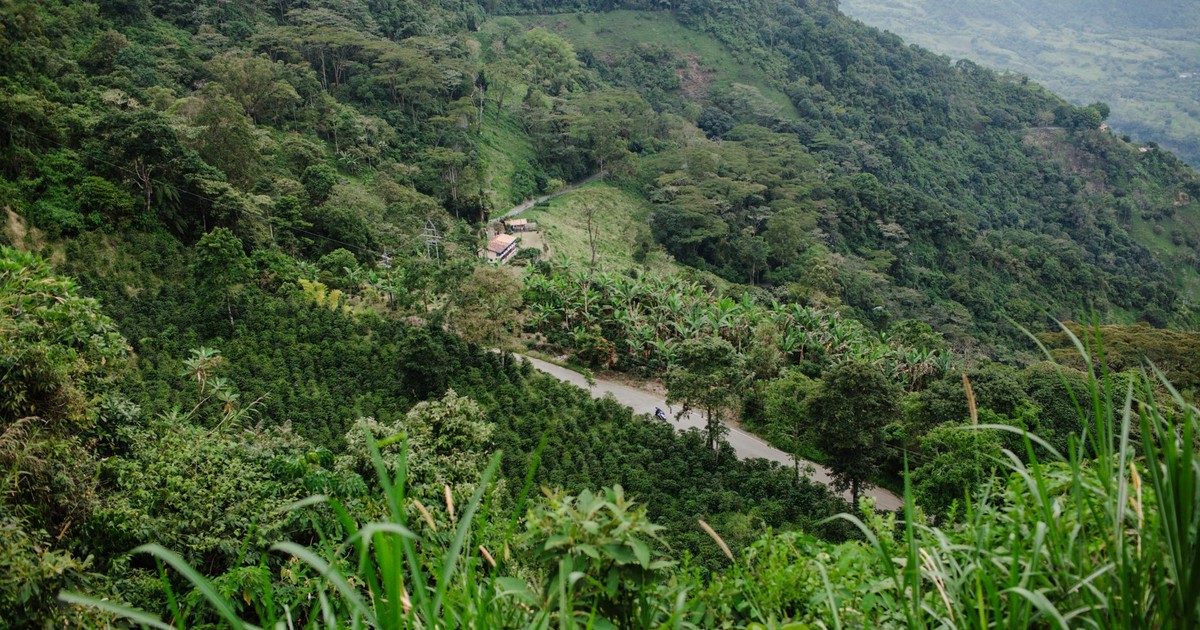
Colombia’s reputation shifted markedly over the past decade, and Medellín in particular has become one of the most talked-about cities for remote workers and retirees in Latin America. According to Colombia One’s 2026 cost report, a single foreign resident living in Bogotá or Medellín on a dollar or euro income typically spends between $1,000 and $1,500 per month for a comfortable lifestyle, with a family of four averaging between $2,700 and $2,900.
Colombia’s costs have risen from where they were five years ago – inflation persisted into 2026 and the minimum wage rose 23% over the previous year – which is context worth knowing. The country is not as cheap as it once was. But $1,000 for a lean budget and $3,000 for a full, comfortable life is still a wide gap. Medellín’s El Poblado and Laureles neighborhoods have strong expat infrastructure, excellent private healthcare, reliable internet, and a city government that has actively invested in public transport and urban safety. The spring-like climate – Medellín sits at altitude – means no air conditioning bills, which is a line item that costs real money in coastal Latin American cities.
Cartagena and Bogotá offer different versions of the Colombian experience. Cartagena is colonial, coastal, and more expensive. Bogotá is a proper capital city with a serious food and arts scene that most outsiders underestimate until they arrive. At $3,000 a month across any of these cities, you’re renting a solid apartment in a good neighborhood, eating well, covering private health insurance, and still saving.
7. Indonesia (Bali)

Indonesia deserves its own honest framing here: the cost of living varies enormously by island and by how deep into the tourist economy you go. Bali is the most visited and therefore the most obvious entry point, and it’s also where costs have risen most sharply. That said, monthly living expenses in Indonesia average around $978 per person across the country, and in Bali specifically, a thoughtful budget still delivers a standard of living that would cost three or four times as much in Australia or the US.
The practical picture for someone bringing $3,000: a well-furnished villa with a private pool in Canggu or Seminyak runs $800 to $1,400 a month. Groceries from local markets are cheap. Eating out at the better local warungs – small family-run restaurants – costs almost nothing. The costs that add up are the imported ones: Western supermarkets, tourist-facing cafes, international schools if you have children, and health insurance that covers medical evacuation to Singapore for serious procedures, which most expats consider essential.
Indonesia introduced a Digital Nomad Visa in recent years allowing longer stays without the old tourist-visa shuffle, and Bali has the infrastructure – co-working spaces, fast fiber internet in the main expat areas, a large and active international community – to support genuine long-term living rather than just extended tourism. At $3,000 a month, Bali specifically offers the combination of tropical beauty and modern convenience that draws people back again and again. The trick is staying out of the resort economy and eating where the locals eat, which in Bali is not a hardship.
Read More: 10 of the Biggest Florida Tourist Traps You Should Skip (And Where to Go Instead)
What $3,000 Is Really Buying You
The honest thread running through all seven of these countries is not just that costs are lower. It’s that the ratio of money to experience flips. At home, $3,000 might be rent plus basics with little room for anything else. In Chiang Mai, Da Nang, Tbilisi, or Medellín, that same amount covers your housing, your food, your healthcare, your transport, and still leaves money for the weekend trips and the good bottles of wine and the occasional splurge that make life feel like something you chose rather than something happening to you.
None of this is without trade-offs. Healthcare infrastructure varies. Language barriers are real in some places and minimal in others. Visa situations change. Some cities that were affordable five years ago have been discovered and priced up accordingly. What these seven countries share in 2026 is that the value case still holds – the numbers have been checked against current data, not last decade’s blog posts, and $3,000 a month still functions as something closer to a luxury income than a survival budget. The countries where that’s no longer true are the ones that didn’t make this list.
The bigger shift isn’t really about money, though. It’s about what you discover once the financial pressure lifts a little. People who move to low cost of living countries on a modest income often report that the most surprising part isn’t the savings – it’s the time. Cheaper cities tend to be slower in the right ways: shorter commutes, longer meals, fewer financial emergencies that eat your weekends. That’s the part that’s genuinely hard to put in a budget comparison.
AI Disclaimer: This article was created with the assistance of AI tools and reviewed by a human editor.