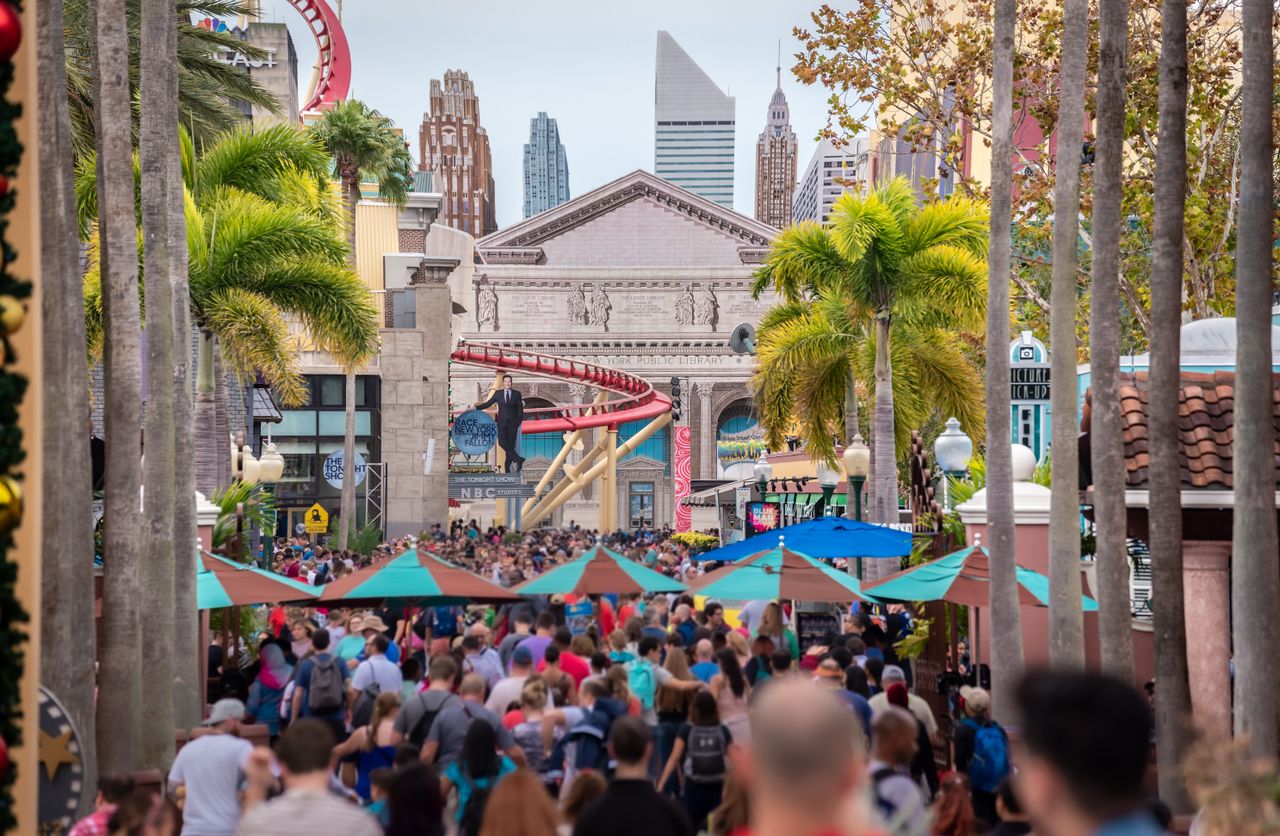

Florida drew 143 million visitors last year, setting a new all-time visitation record for the state. That number sounds like proof that the Sunshine State delivers on every promise. And honestly, a lot of it does. But more visitors also means more money chasing the same handful of famous names – and with that comes a predictable pattern of inflated prices, crushing crowds, and experiences that land well short of what the brochure suggested.
The tourist traps Florida is known for aren’t always the scams you’d expect. They’re often just legitimately popular places that have been squeezed so hard by demand that the thing that made them worth visiting has been buried under ticketing tiers, upsells, and parking fees. Some of them are still worth doing once. Several of them are not. And for almost all of them, there’s a better version waiting about 30 minutes in the other direction.
Here are the 10 biggest tourist traps in Florida right now – and where smart travelers go instead.
1. Walt Disney World, Orlando
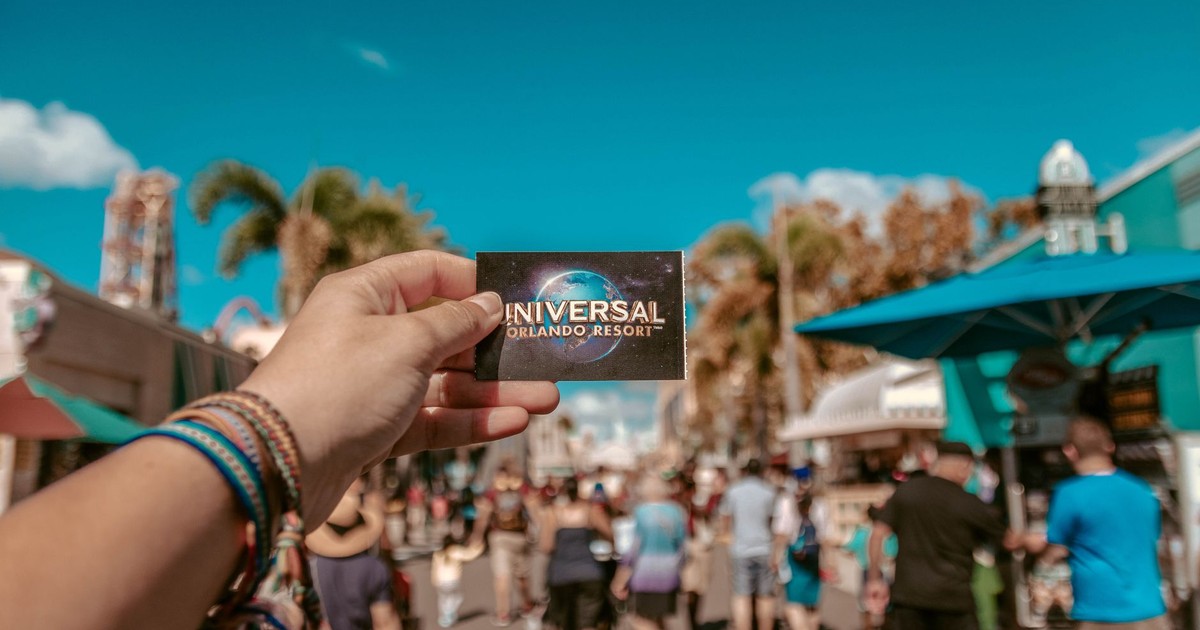
No one is surprised to see this here, and that’s partly the problem. Disney World’s sheer cultural weight makes it feel mandatory, and the resort capitalizes on that feeling aggressively. Following a price increase in October 2025, a single-day ticket now ranges from $119 to $209 at Walt Disney World, depending on which park and which date. That’s before Lightning Lane (the paid skip-the-line service), before parking, before a single meal, and before the inevitable $45 light-up toy your kid spotted from thirty feet away.
A trip to Disney World has become significantly more expensive over time. Ticket prices, accommodation rates, transport costs, and food expenses have all increased steadily, and what was once considered an affordable once-in-a-lifetime dream now requires careful budgeting. In fiscal 2025, Disney reported a 1% decrease in domestic theme park attendance – a sign that even loyal visitors are starting to do the math differently.
The alternative isn’t to skip Orlando entirely. Universal’s Epic Universe opened in 2025 and has drawn rave reviews for its immersive world-building at a lower per-day cost. Or skip the theme parks altogether and head to Silver Springs State Park near Ocala, where glass-bottom boat tours over crystal-clear springs cost a fraction of a theme park ticket and feel genuinely unlike anything else in the state.
2. International Drive, Orlando
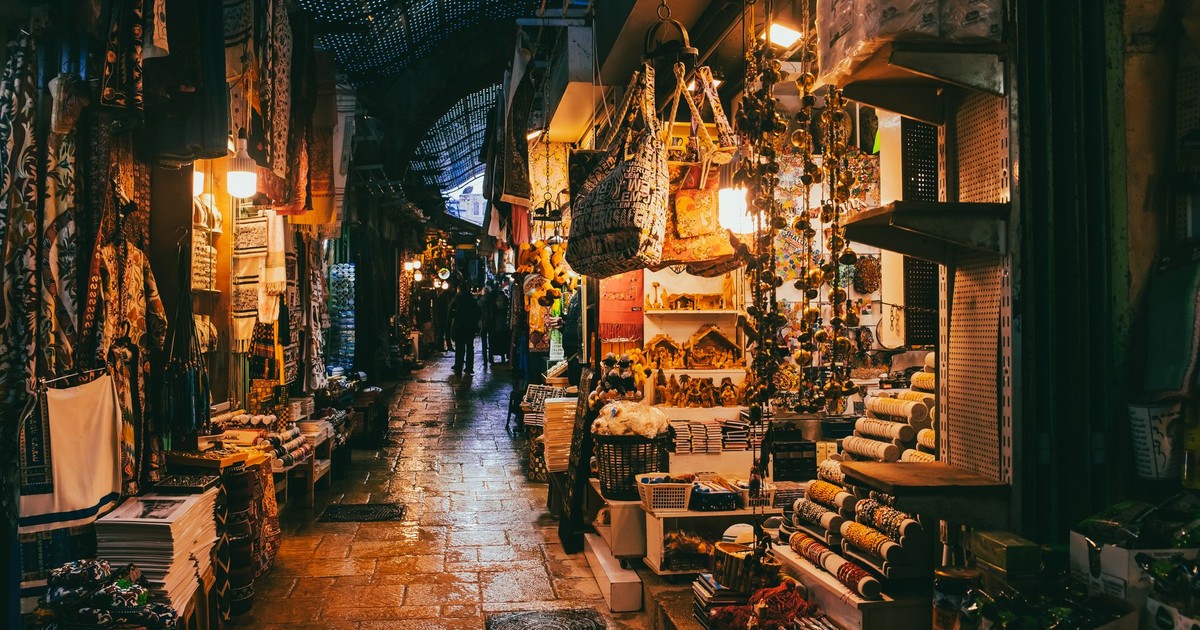
International Drive – I-Drive to locals – is the commercial spine of Orlando tourism, and it exists almost entirely to extract money from people who haven’t figured out where the actual city is. The strip stretches for miles, packed with chain restaurants and attractions designed to separate tourists from their money, and it stays crowded all day and night, with inflated prices at every establishment.
The attractions clustered along I-Drive – the Ferris wheel, the mini golf, the wax museums, the dinner shows that charge $80 a head for mediocre food and a jousting demonstration – aren’t inherently terrible. They’re just wildly overpriced for what they are. You’ll spend $25 to park before you’ve even committed to doing anything. The restaurants operate at tourist-volume pricing with no real incentive to be good.
Instead, head to the Milk District or Thornton Park in downtown Orlando, where independent restaurants actually compete on quality. The Dr. Phillips Center for the Performing Arts is genuinely world-class and often cheaper than an I-Drive dinner show. Winter Park, just a short drive north, has a walkable downtown with excellent restaurants and the free Charles Hosmer Morse Museum of American Art.
3. South Beach, Miami
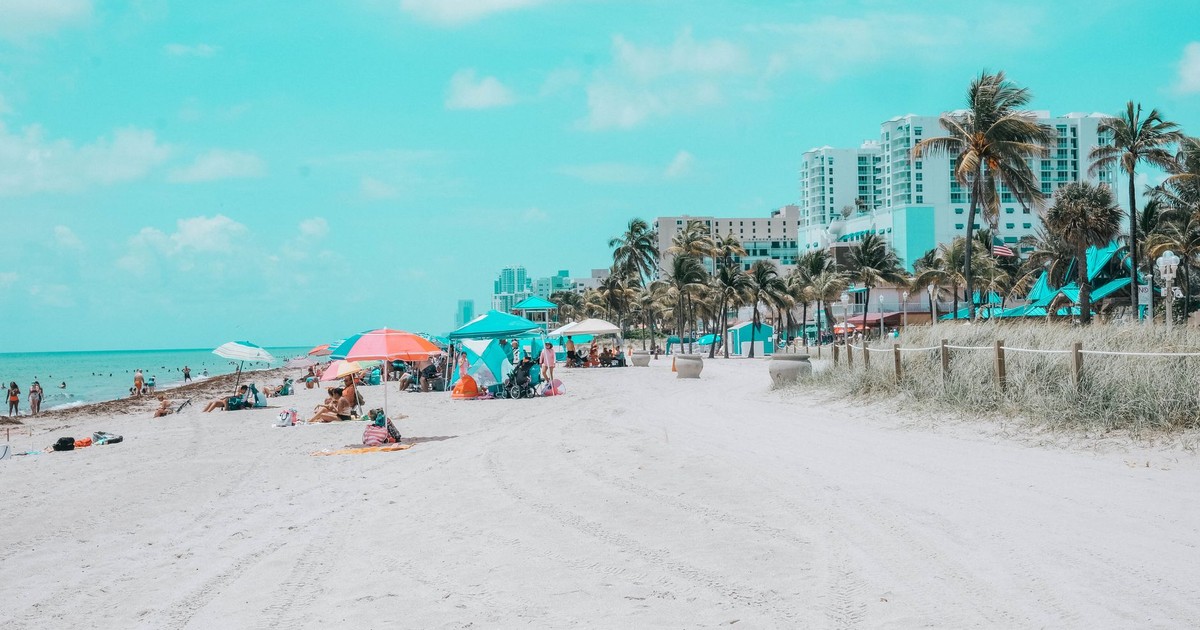
South Beach has one of the most recognizable skylines in American tourism – the pastel art deco buildings along Ocean Drive are genuinely beautiful, and the beach itself is real. The problem is that everything surrounding that beach has been optimized for extracting money from people who’ve seen too many Instagram posts. According to Travel and Tour World, Miami, Tampa, and Key West are all witnessing higher accommodation rates that are exacerbating the strain on family vacations – and South Beach sits at the expensive end of that trend.
Ocean Drive restaurants routinely seat tourists with laminated menus and mediocre food at $30-plus for pasta. The beach chairs are rented out. The clubs charge covers that would make Manhattan blush. The entire strip operates on the assumption that visitors don’t know better and won’t come back to complain.
Go instead to Wynwood, Miami’s arts district, which has evolved into one of the most interesting neighborhoods in the entire Southeast. The murals are free to walk among, the restaurants are locally owned, and the galleries are legitimately worth your time. Or head to Coconut Grove, Miami’s oldest neighborhood, where the atmosphere is unhurried and the waterfront views require no cover charge.
4. Duval Street, Key West
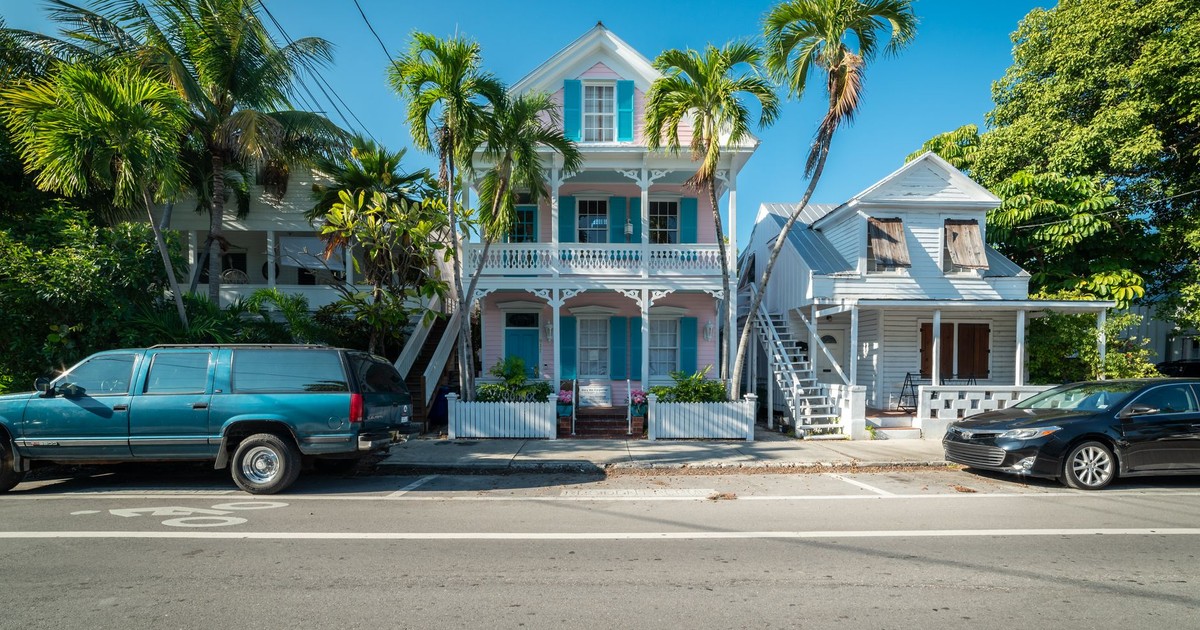
Key West is worth visiting. Duval Street, the mile-long strip of bars, souvenir shops, and margarita vendors at its center, is where the experience typically goes sideways. Duval Street runs through the heart of Key West and is lined with dozens of bars, restaurants, and T-shirt shops – but pushy salespeople, overpriced drinks, and aggressive vendors make it more exhausting than enjoyable.
The drinks are expensive and frequently watered down. The “authentic Key West” T-shirts are made in the same factories as the ones sold in every other Florida beach town. The famous Sloppy Joe’s bar – trading on the Hemingway legend – is now essentially a corporate operation that seats 300 people and serves bar food at restaurant prices. On weekend nights in season, the street is simply too crowded to be fun.
The real Key West is in the neighborhoods just off Duval: Bahama Village, with its Afro-Caribbean architecture and locally-run restaurants; the Key West Botanical Garden; or a sunrise kayak through the mangroves with any of the local outfitters who operate away from the tourist corridor. The actual Hemingway Home, just one block off Duval, is legitimately worth the admission.
5. Kennedy Space Center, Cape Canaveral
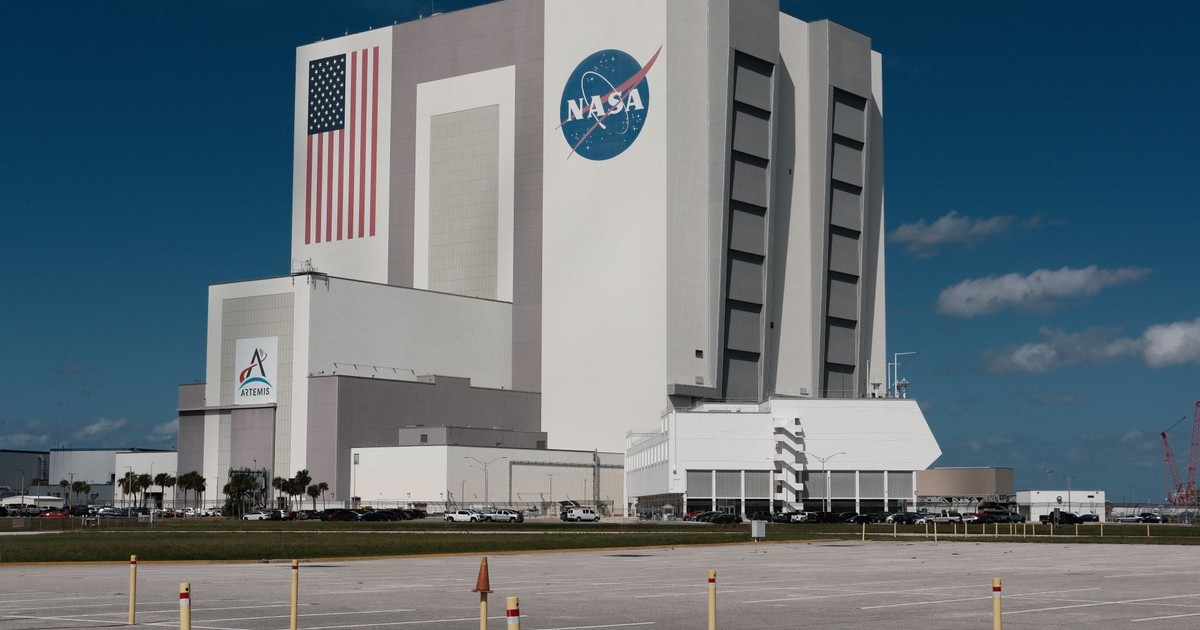
Kennedy Space Center has genuine historical weight. The Saturn V rocket suspended in the Apollo exhibition hall is an object that stops people cold, and the facility’s connection to active launch operations is something no other tourist attraction in America can offer. But according to Action News JAX, a USA Today analysis of millions of Google reviews placed Kennedy Space Center at No. 81 on its worldwide tourist trap list and No. 47 on its most-overpriced attractions list – and 25 out of 26,193 reviews specifically flagged it as a trap.
Adult general admission runs over $75, and the add-on experiences – the bus tours, the astronaut encounters, the launch viewing packages – push a family visit well past $300 without much difficulty. The pacing of the experience can feel slow for non-enthusiasts, and on days without a launch, some of the outdoor areas feel thin on content relative to the entry price.
The smarter move for space enthusiasts is to time a visit around an actual launch, which transforms the experience entirely, and book the cheaper general admission rather than stacking the add-ons. Alternatively, the Air Force Space and Missile Museum at Cape Canaveral Space Force Station is free to visit on scheduled tours and covers the early US space program in extraordinary detail.
6. Everglades Alligator Farm, Homestead
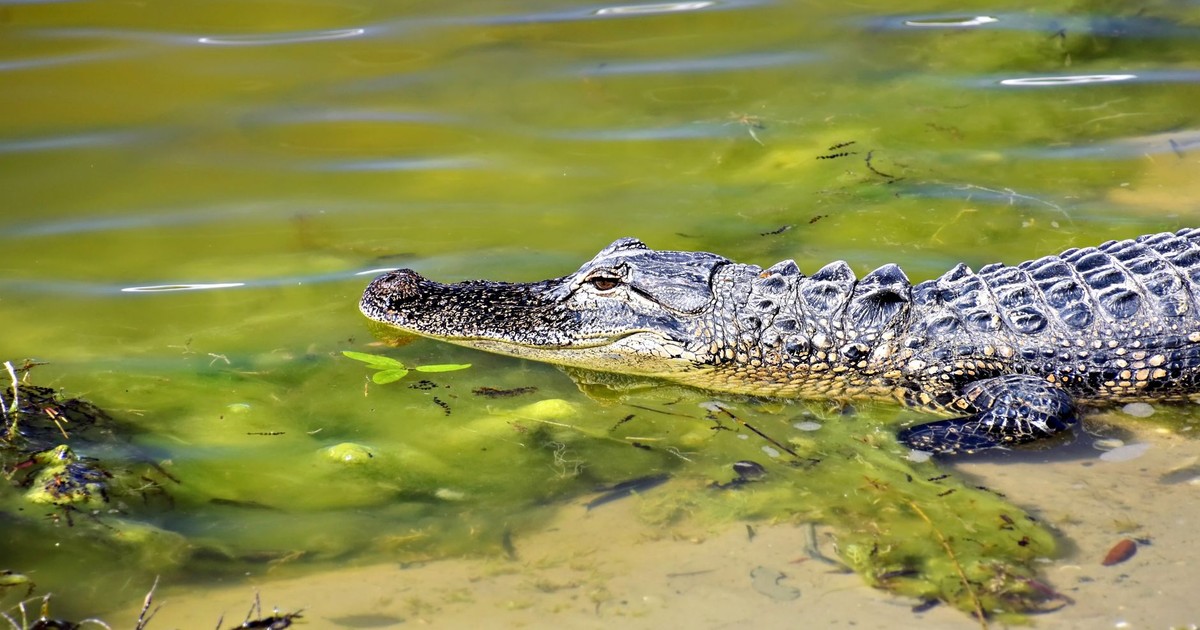
The Everglades Alligator Farm markets itself as a gateway to Florida’s wild side, but what visitors typically find is a cramped attraction built around gator shows, airboat rides, and photo opportunities. The same USA Today analysis ranked the Everglades Alligator Farm at No. 30 on its worldwide tourist trap list – the highest-ranked Florida attraction on that particular ranking – with 12 out of its 5,369 Google reviews specifically flagging it as a tourist trap, a proportion higher than almost any attraction in the US.
Admission runs around $30 per adult, and the airboat ride – the thing most people came for – costs extra. The alligators are real, and the handlers know their stuff. But the overall presentation feels dated, and the surrounding gift shop prices have no relationship to reality.
For a genuinely wild Everglades experience, head into Everglades National Park itself. The Anhinga Trail near the Ernest F. Coe Visitor Center puts you within feet of alligators, herons, and anhingas with no ticket required beyond the park entry fee ($35 per vehicle, valid for seven days). The Pa-hay-okee Overlook gives sweeping views of the River of Grass with essentially no crowds.
7. Discovery Cove, Orlando
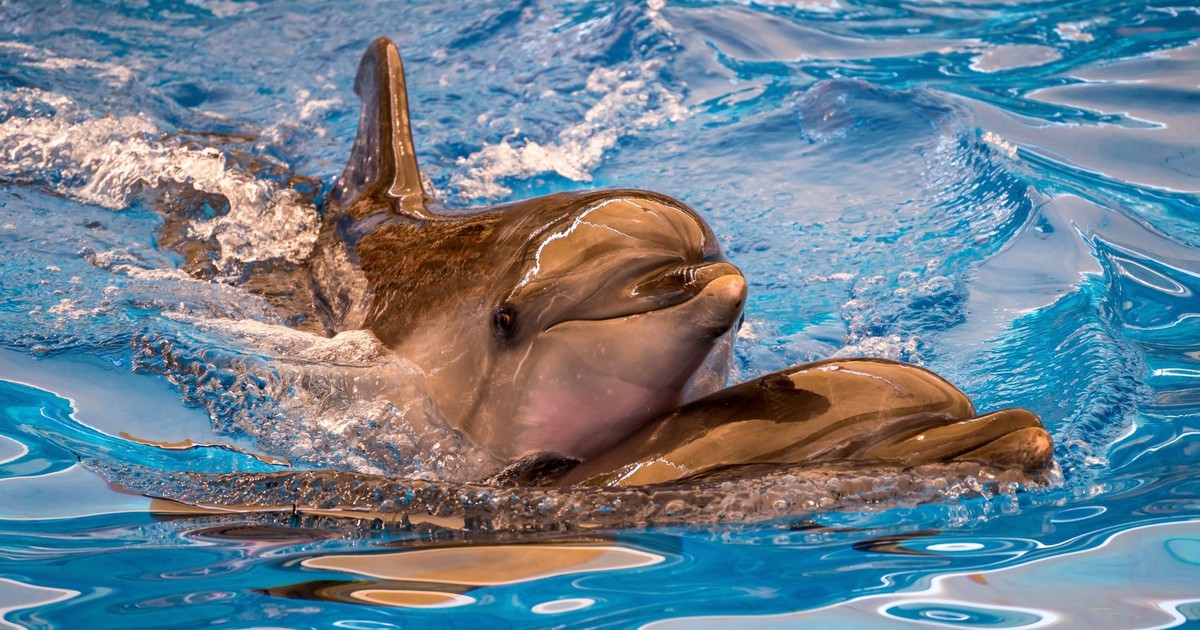
Discovery Cove sells itself as an “exclusive” experience: a capped-attendance park where you can swim with dolphins, snorkel through coral habitats, and wade among tropical birds. The exclusivity is real – attendance is genuinely limited. But the pricing is extraordinary. Base packages start around $189 per person, and the dolphin swim – the headline experience – costs significantly more on top. For a family of four, an all-in day easily clears $1,000.
The “coral reef” is artificial, and the “open-water swim” is a cordoned lagoon. The birds are lovely, but you can see similar species at the free Wakodahatchee Wetlands in Delray Beach alongside hundreds of wild animals that don’t need feeding by a trainer. If you want a genuine wildlife experience in Florida, the park system consistently delivers more for less.
If you genuinely want a dolphin experience, the Dolphin Research Center on Grassy Key in the Florida Keys is a nonprofit facility with educational programs and interaction sessions at a fraction of Discovery Cove’s pricing. The dolphins there are permanent residents, not performers.
8. Busch Gardens, Tampa
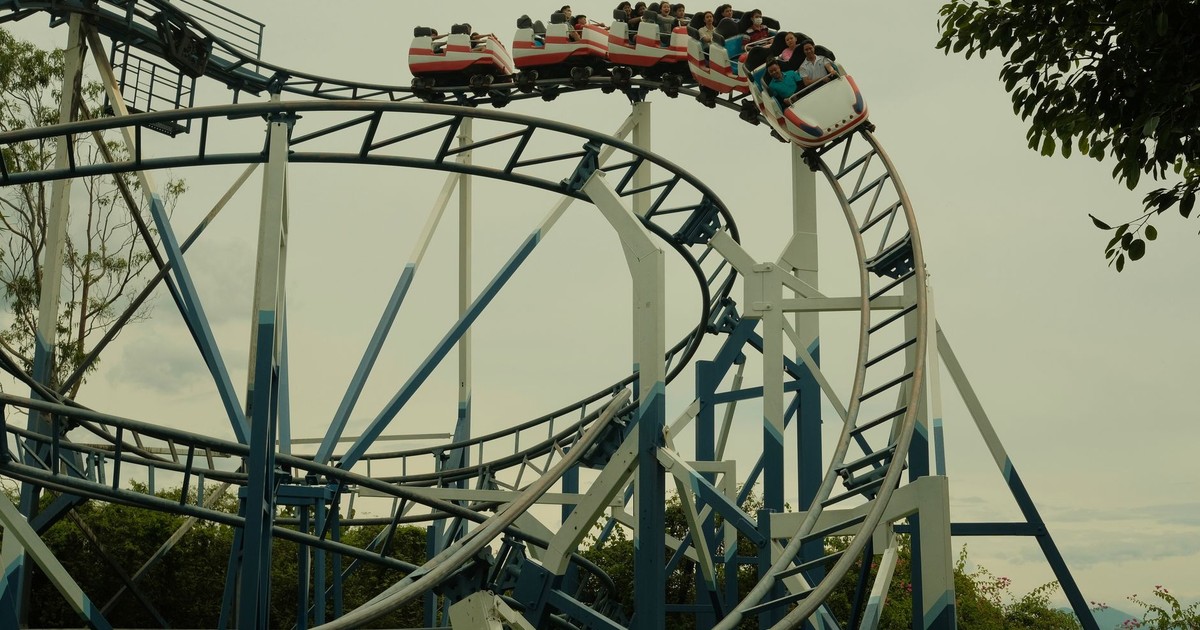
Busch Gardens Tampa has coasters worth riding and animal exhibits worth seeing. The problem is what surrounds them. Once known for its unique African theme and beautiful gardens, the park now feels over-commercialized, with the original charm buried under gift shops and overpriced food stands. The USA Today analysis ranked Busch Gardens Tampa Bay at No. 49 among the most overpriced attractions worldwide, and a separate study by FloridaRentals.com found that nearly 4% of Busch Gardens guests left reviews calling it “expensive,” “not worth it,” or complaining there was “not much to see.”
Parking runs $30, single-day tickets exceed $100 without discounts, and the food and drink options inside are priced at the standard theme park premium – around $18 for a burger. The park’s location, away from Tampa’s more interesting neighborhoods, means it’s difficult to combine with anything else worthwhile in the city.
Tampa itself is one of Florida’s most underrated cities. Ybor City – the historic Cuban and Spanish immigrant neighborhood northeast of downtown – has genuine character, excellent food, and a nightlife scene that requires no entrance fee. The Tampa Riverwalk and the Florida Aquarium offer better value, and the aquarium’s outdoor water play area is free for kids.
9. Siesta Key Beach, Sarasota
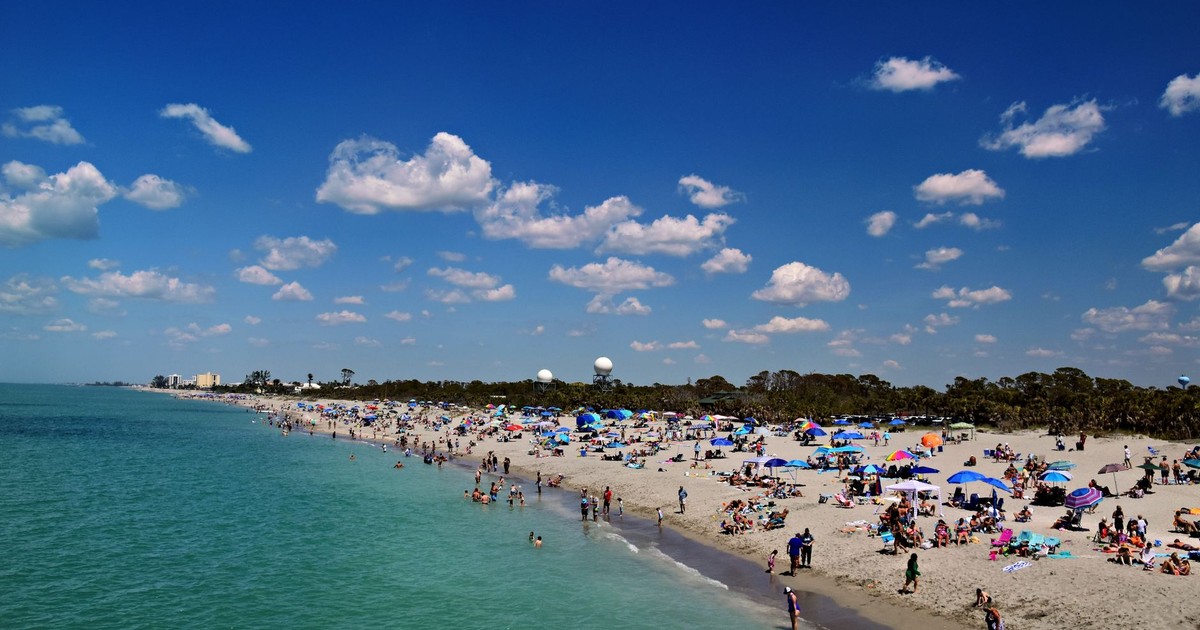
Siesta Key genuinely has one of the finest beaches in the United States. The sand is quartz crystal, white and cool to the touch even in July. The water is calm and warm. All of that is true. But its popularity has turned the surrounding area into a full-blown tourist extraction zone. In peak season, finding parking takes longer than some people spend on the beach itself. The village strip along Ocean Boulevard has transformed almost entirely into tourist-facing businesses at tourist-facing prices. Airbnb rates for the surrounding area have spiked dramatically as the beach’s reputation grew, and mid-range lodging is increasingly hard to find.
The fix is nearby and obvious: Caspersen Beach in Venice, about 20 minutes south, is less famous but equally beautiful, and it’s one of the best shark tooth hunting beaches on the Gulf Coast. Nokomis Beach, also in Sarasota County, offers a free drum circle every Sunday at sunset that has become a genuine local tradition rather than a packaged experience.
10. The Skunk Ape Research Center, Ochopee
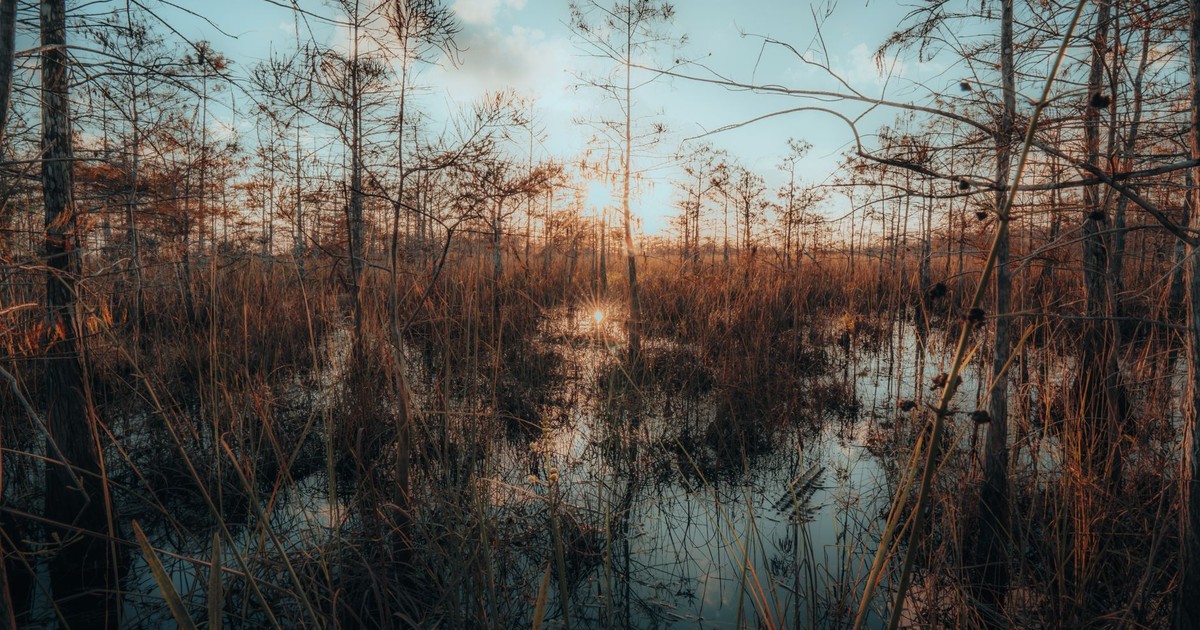
This one earns its place for sheer audacity. The Skunk Ape Research Center in Ochopee bills itself as a scientific facility dedicated to tracking a large, hairy, Bigfoot-adjacent creature said to inhabit the Florida Everglades. Reviewers point out that the facility is not a “research center” at all – just a gift shop with a small museum devoted to an obscure mythological creature. There is also a small reptile exhibit, which is the most defensible part of the visit.
For road-trippers cutting through the Everglades on the Tamiami Trail, it functions as a quirky roadside stop, and on those terms, a brief look is harmless. But travelers who detour specifically for the “research center” experience consistently report disappointment. The gift shop items are expensive, and the “exhibits” amount to blurry photographs and enthusiastic wall text.
Drive another 20 minutes east on the Tamiami Trail instead and stop at the Big Cypress National Preserve Oasis Visitor Center, where wild alligators sun themselves along the canal right outside the door, admission is free, and the rangers actually know things worth knowing.
Read More: Why you might want to rethink retiring in Florida- 10 reasons retirees leave
Florida Still Delivers – Just Not Always Where You’re Looking
The tourist traps Florida is famous for persist because they deliver something real, however diluted: the thrill of a theme park, the romance of Key West, the wildness of the Everglades. The version being sold to most visitors is a highly managed, heavily monetized approximation of those things. Rising ticket prices and hidden fees have made the gap between expectation and experience harder to ignore – single-day Disney tickets now top $209, and hotel prices in Orlando have averaged $227 per night, according to state tourism data.
The actual Florida still exists. It’s in the alligators sunning themselves outside the Big Cypress visitor center, the drum circle at Nokomis Beach, the glass-bottom boats at Silver Springs. These aren’t consolation prizes – they’re often better than the famous versions. Florida rewards the traveler who does ten minutes of homework before arriving far more than it rewards the one who just follows the biggest sign.
AI Disclaimer: This article was created with the assistance of AI tools and reviewed by a human editor.