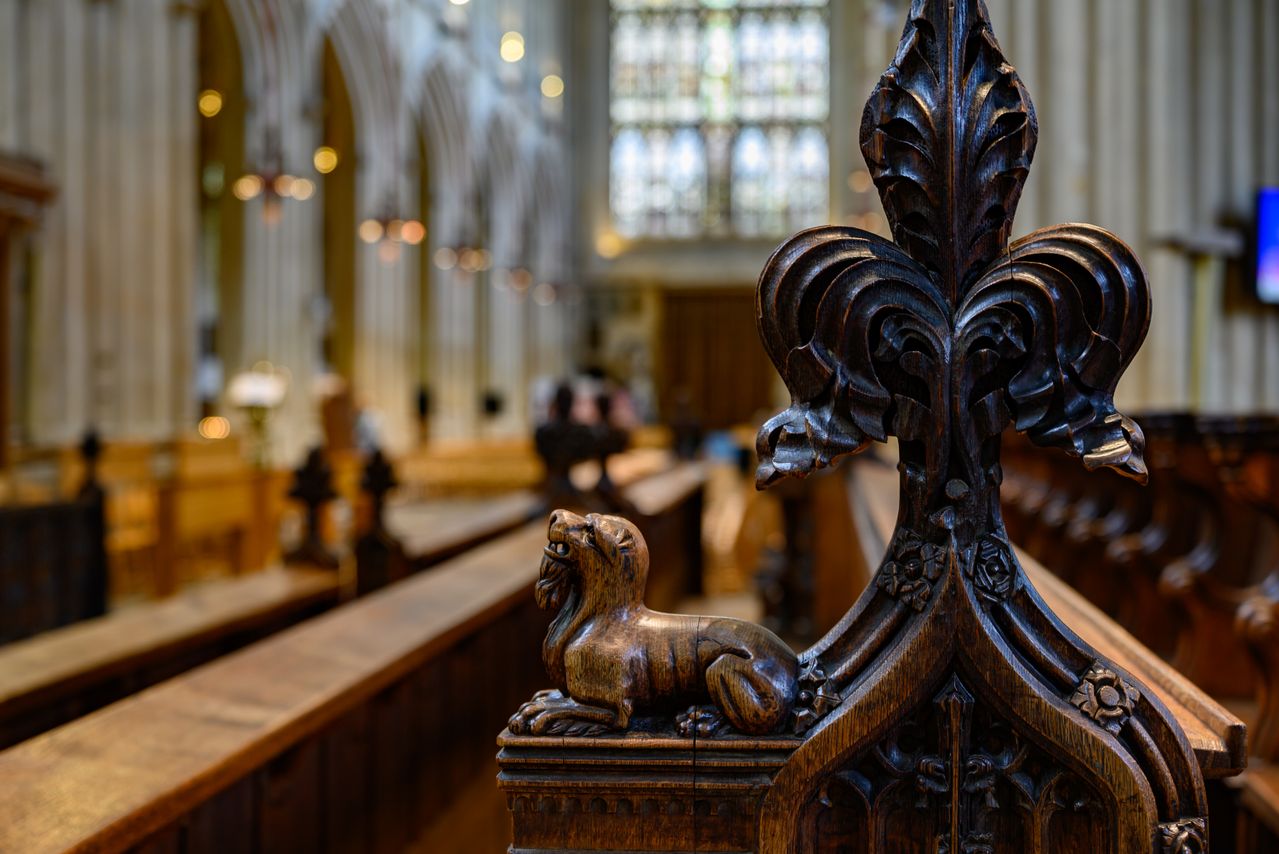

Walk into a church built before 1950 and you’re standing inside a room that was once packed with objects most people today couldn’t name. Not decorative curiosities – functional items with specific jobs, used every single Sunday by every person in the building. Some held incense. Some recorded your name in permanent ink. Some divided the room in two so that ordinary people couldn’t even see the priest.
Several of these objects vanished after the Second Vatican Council in the 1960s, swept away in a single generation of liturgical reform. Others faded more slowly, casualties of shrinking budgets, shifting musical tastes, or the simple fact that the person who knew how to use them retired and nobody learned to replace them. Many of today’s churchgoers grew up without ever encountering them and wouldn’t recognize them if they walked past one in an antique shop.
These aren’t relics of an obscure medieval past. Some of them were standard fixtures in American and European churches within living memory. Here are 20 forgotten church items that once shaped how millions of people worshipped.
1. The Pipe Organ
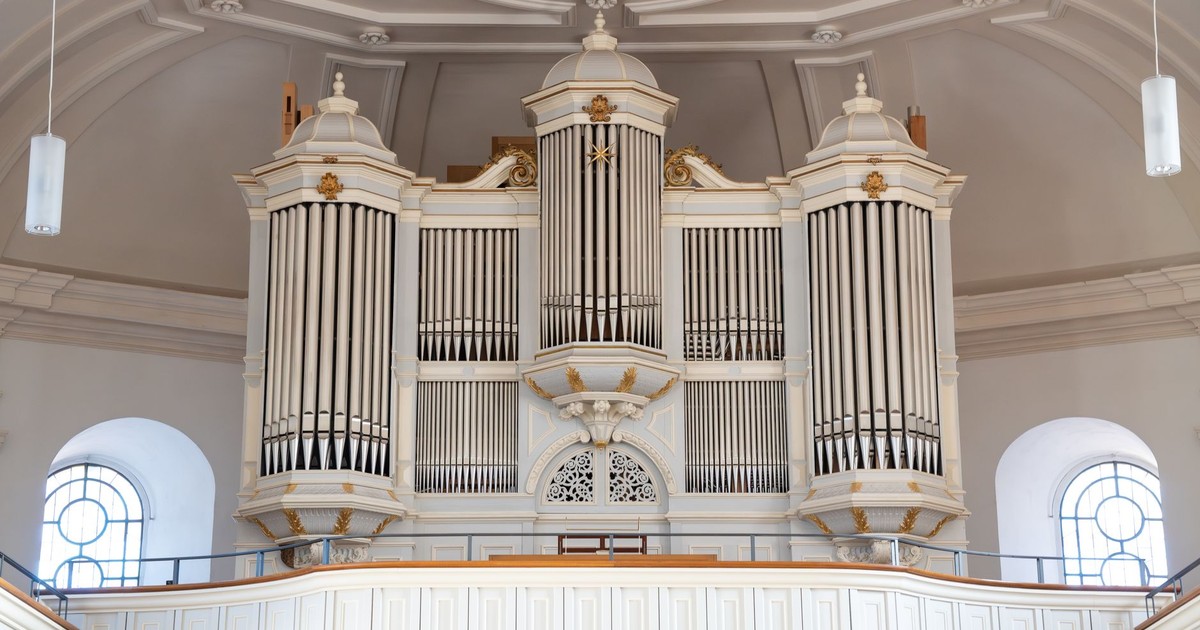
The majesty of an organ’s sound was recognized early as a logical complement to worship, though at first the church fathers objected to loud music at services. By 900 AD, advocates had overcome that resistance, and a bank of pipes had become a well-recognized ecclesiastical fixture by 1400. For centuries that followed, no cathedral or self-respecting parish church considered itself complete without one.
Organs enriched the musical world of the church and were carried without ecclesiastical controversy into the new Protestant churches after the Reformation. The traditional pipe organ remains the loudest, largest, and most complex musical instrument ever built. Yet its dominance in weekly worship has collapsed in the space of a few decades.
Three forces have put pressure on the pipe organ industry: financial constraints caused by declining church attendance, changing aesthetics, and improvements in technology. The shortage of trained players compounds the problem. Changing tastes have affected the availability of musicians who can competently play the organ, and the American Guild of Organists estimated that there was only one qualified organist for every 200 paid positions. The instrument that once defined the sound of Sunday morning now sits silent in the lofts of thousands of churches, too expensive to repair and too culturally foreign for contemporary worship bands to replace.
2. The Rood Screen
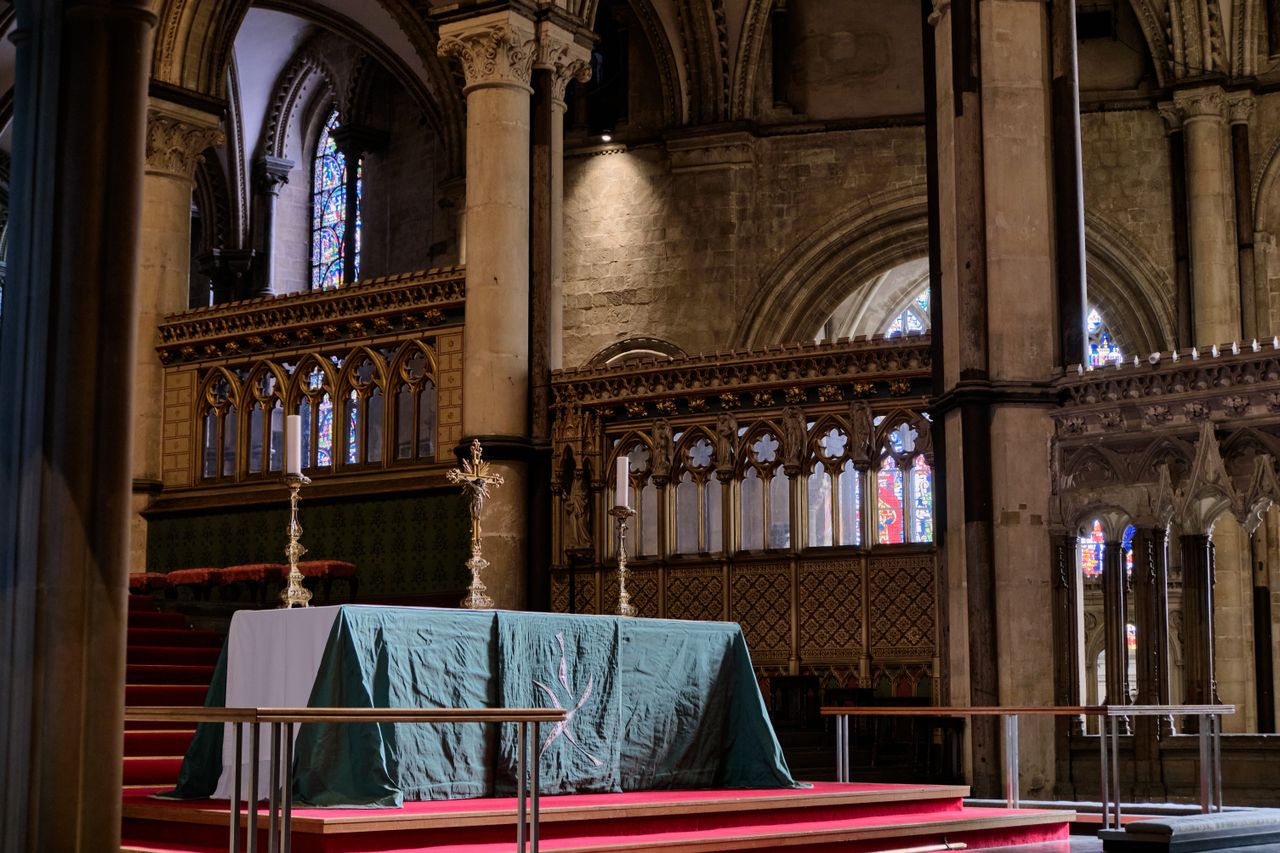
Few forgotten church items are more architecturally dramatic than the rood screen. The medieval church would have had a rood screen across the chancel arch, and above it the rood: a life-size representation of the Crucifixion. The screen itself was an ornate carved partition – wood or stone – that physically divided the body of the church from the sanctuary where the priest performed the Mass.
The Western Church conducted the Mass behind the rood screen, with the priest communicating on behalf of the people. The consecrated host would then be processed out from behind the screen in a monstrance so those in the nave could receive “ocular communion” – seeing the host rather than receiving it. Most ordinary churchgoers spent the entire service on the far side of this barrier, hearing Latin they couldn’t understand, watching rites they couldn’t fully see.
In Catholic countries, rood screens were generally removed during the Counter-Reformation, when any visual barrier between the laity and the high altar was seen as inconsistent with the decrees of the Council of Trent. Rood screens now survive in much greater numbers in Evangelical-Lutheran and Anglican churches, with the greatest number of complete survivals in Lutheran Scandinavia. In most of the world, they’re gone – and the open, barrier-free sanctuary most worshippers now take for granted was, for centuries, literally unthinkable.
3. Pew Rental Boxes and Name Plates
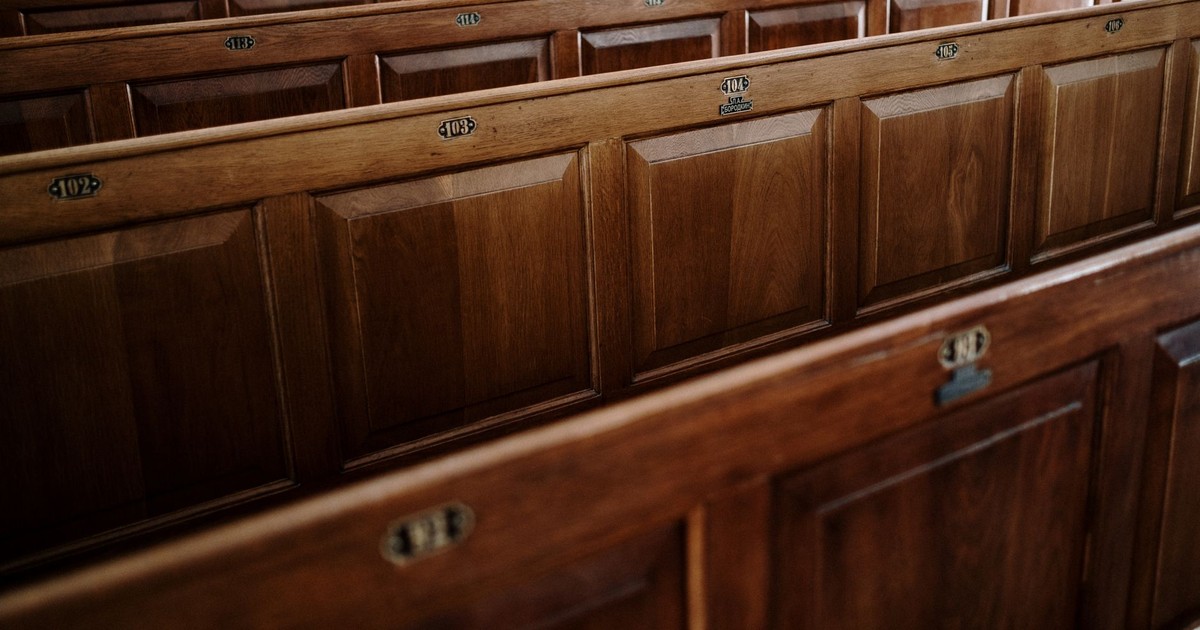
For most of American Protestant history, sitting in church cost money. Families didn’t just attend – they paid an annual fee to rent a specific pew, often with a small lockable door at the end and a brass nameplate identifying the family. The congregation almost never had pews or chapel chairs until the Reformation. In the great cathedrals, the only place to sit was along the low stone shelf that ran along the side walls, where sat those who were too weak or ill to stand – hence the saying, “The weak go to the wall.”
Once fixed pews became standard after the Reformation, churches quickly monetized them. Wealthier families claimed the front rows, closest to the pulpit. Church records from the colonial era, such as those at Christ Church Philadelphia, include pew rental information, seating charts, and financial records that reveal just how commercial the arrangement was. A visitor without a rented pew either stood at the back or paid an usher for a temporary seat. The practice was abolished in most denominations by the early twentieth century, but the brass plates and lockable pew doors are still visible in older church buildings – most visitors assume they’re purely decorative.
4. The Confessional Box
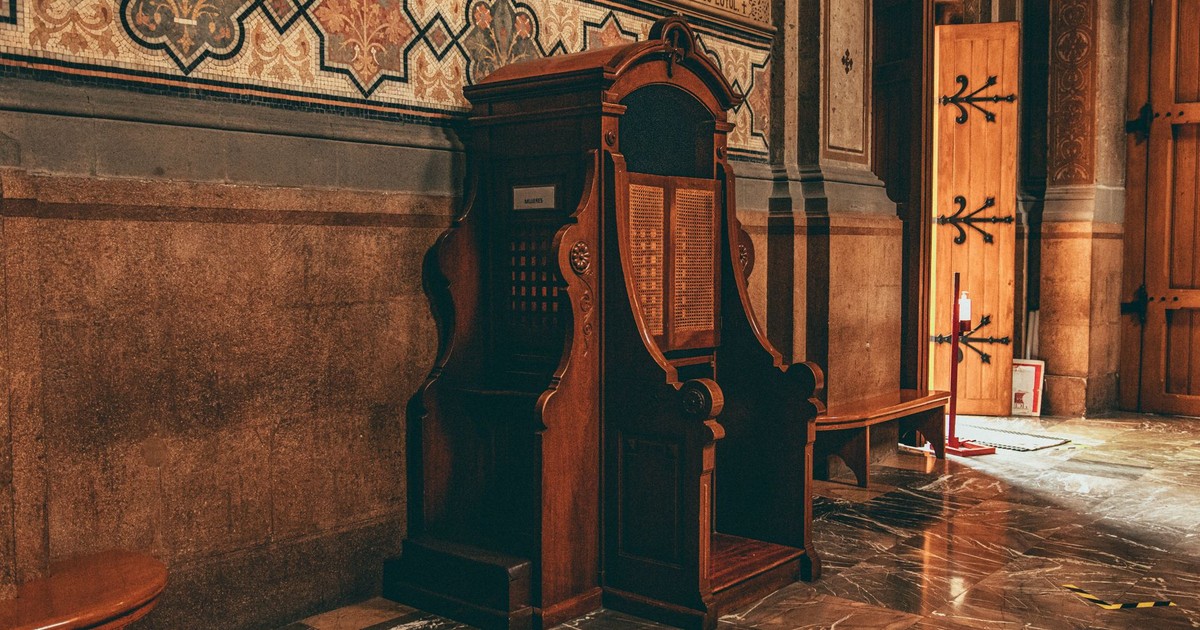
Before the enclosed confessional booth became standard, priests usually heard confessions at the chancel opening or at a bench end in the nave near the chancel. Some churchwardens’ accounts mention a special seat: the “shryving stool,” “shriving pew,” or “shriving place.” The enclosed wooden confessional cabinet – the familiar box with a priest’s compartment flanked by two penitents’ kneelers, separated by a latticed screen – only became widespread in Catholic churches during the sixteenth century, introduced partly to prevent scandal and ensure privacy.
For generations it was one of the most recognizable pieces of furniture in any Catholic church: a dark, heavy wooden structure usually positioned along a side wall, often with a small red or green light indicating whether the priest was inside. Its presence shaped the entire architecture of parish life, from the Saturday afternoon queues to the act of preparing for First Communion. In many contemporary Catholic parishes, face-to-face reconciliation rooms have replaced the enclosed box. Younger Catholics have often never entered one.
5. The Baptismal Font Cover
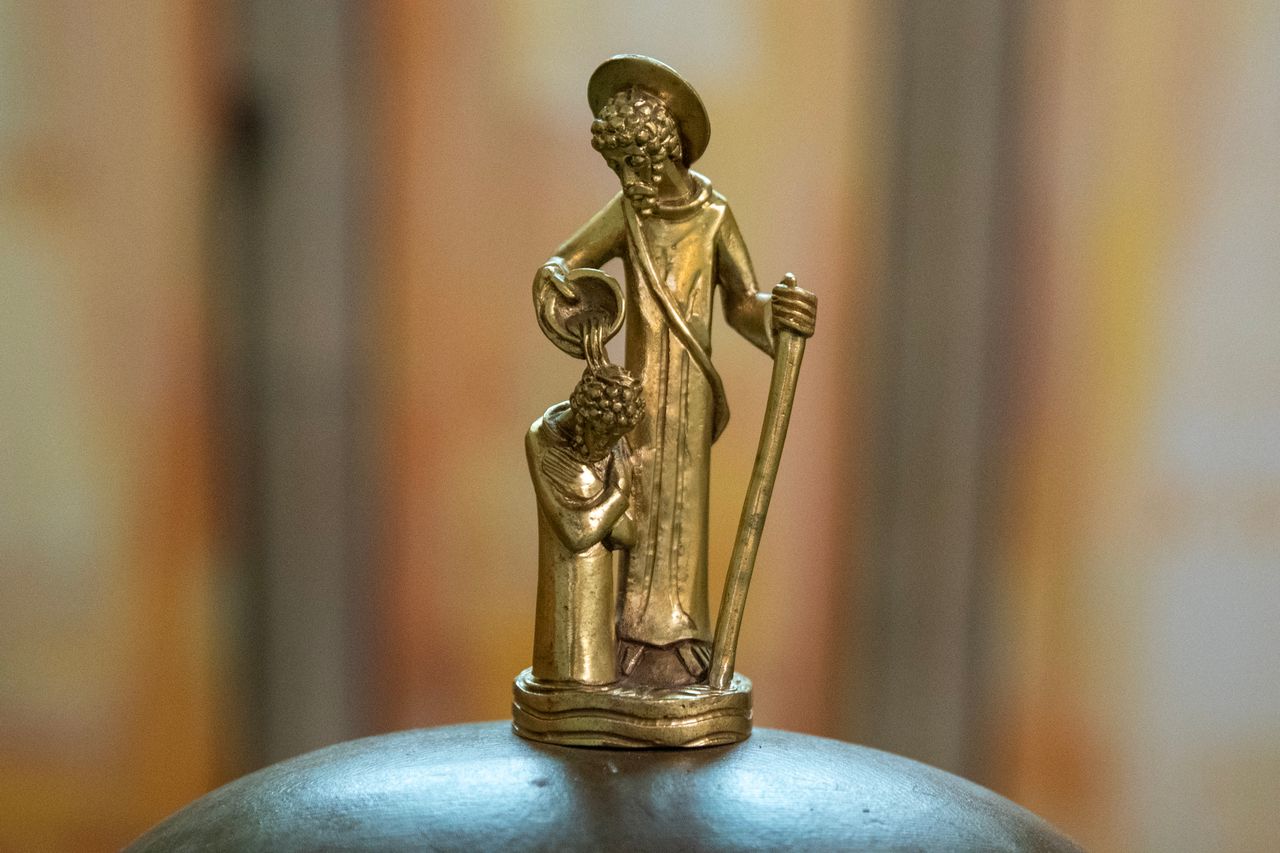
The baptismal font itself is still present in many churches, but its elaborately carved wooden cover – once a standard feature – is now almost universally gone. When baptisteries were built they were often circular or octagonal stone tubs, with steps leading down, large enough only for the candidate to immerse themselves. When immersion was phased out in favor of infant christening, the font came to be placed near the church entrance, since baptism was understood as the “doorway” through which one entered the fellowship of the church.
The font cover was a tall, often elaborately carved structure – sometimes extending nearly to the ceiling – designed to lock the font’s holy water against tampering or desecration. In medieval English churches, these covers were treasured objects in their own right. Some font covers in the east of England are enormous structures surmounted by the pelican in her piety – an early Christian symbol of self-sacrifice. Today, fonts in most churches sit permanently open, the covers long removed or lost to history.
6. The Hymnal and Psalter
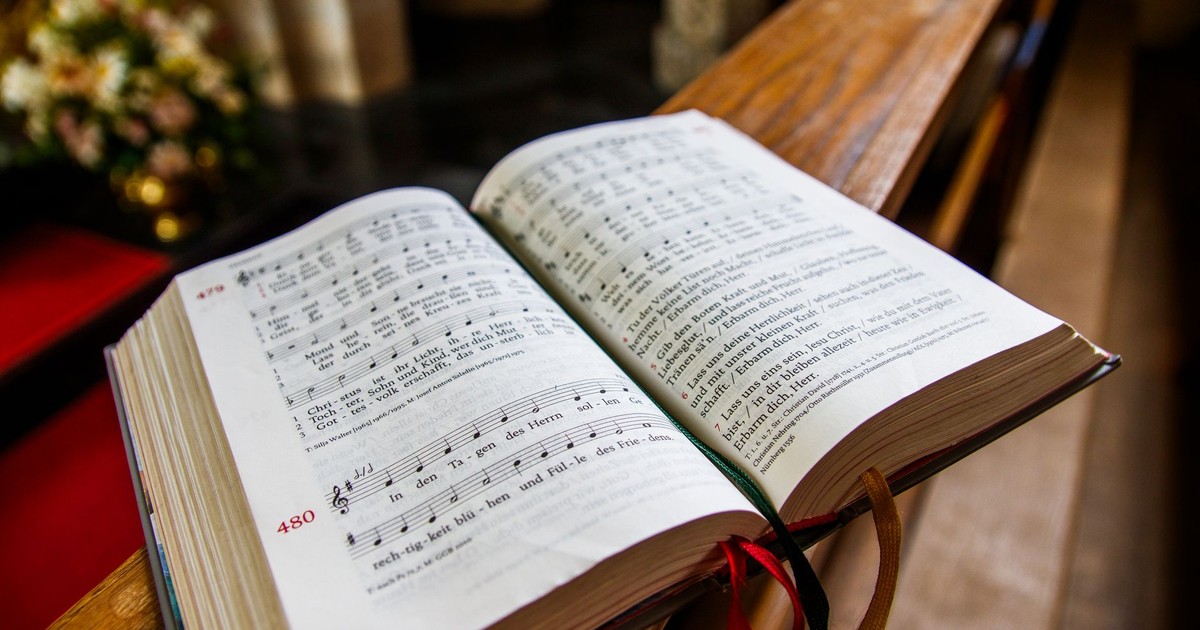
Before projection screens made lyrics a ceiling-high visual fixture, every person in the congregation held a book. The hymnal – and before it, the psalter – was as fundamental to Sunday worship as the sermon itself. Congregations learned to navigate thick, numbered volumes, knowing by memory which hymns fell on which pages.
Public Scripture reading was once a staple: many churches read from the Old Testament and the New. Then it was trimmed to one reading. Then it disappeared entirely. Now, many services only reference isolated verses during the sermon. Screens replaced books gradually through the 1990s and 2000s, and many churches that once maintained a hymnal library now have empty wooden racks on the backs of their pews – or pews replaced entirely by stackable chairs.
7. The Printed Weekly Bulletin

The church bulletin was once a carefully produced paper document: folded, sometimes typeset, distributed at the door by a smiling usher. It listed the order of service, the week’s Scripture readings, the names of the sick to be prayed for, announcements about the potluck dinner, and the finance committee’s report. It was part newsletter, part liturgical guide, and part community noticeboard.
Printed bulletins not only provided guidance through the service but also served to distribute church news and announcements. Congregation members took them home, tucked them into Bibles, used the margins for note-taking during sermons. Today, most mid-sized and large churches have moved all of that information online – to apps, screens, and websites – and the printed bulletin is treated as an expensive anachronism. A few older congregations still produce them, often on a photocopier rather than a press, which tells you plenty about where the format now sits in the pecking order of church priorities.
8. The Prayer Card Rack

Before digital submission forms and apps, prayer requests were written by hand on small cards kept in racks mounted to the back of pews. People would write out requests on prayer cards and place them in their pews. A pastor would then gather these and review them later in the week. Many churches now accept prayer requests online through various forms or mobile applications.
Writing out a request – naming a sick relative, a lost job, a broken marriage – and sliding that card into the rack was a deliberate, unhurried act. A typed field in a web form is faster and easier, but it asks nothing of the body. The racks themselves, small wooden or metal strips bolted to the pew back, can still be spotted in older sanctuaries, usually empty, their purpose unrecognizable to anyone under forty.
9. The Vestry Chest
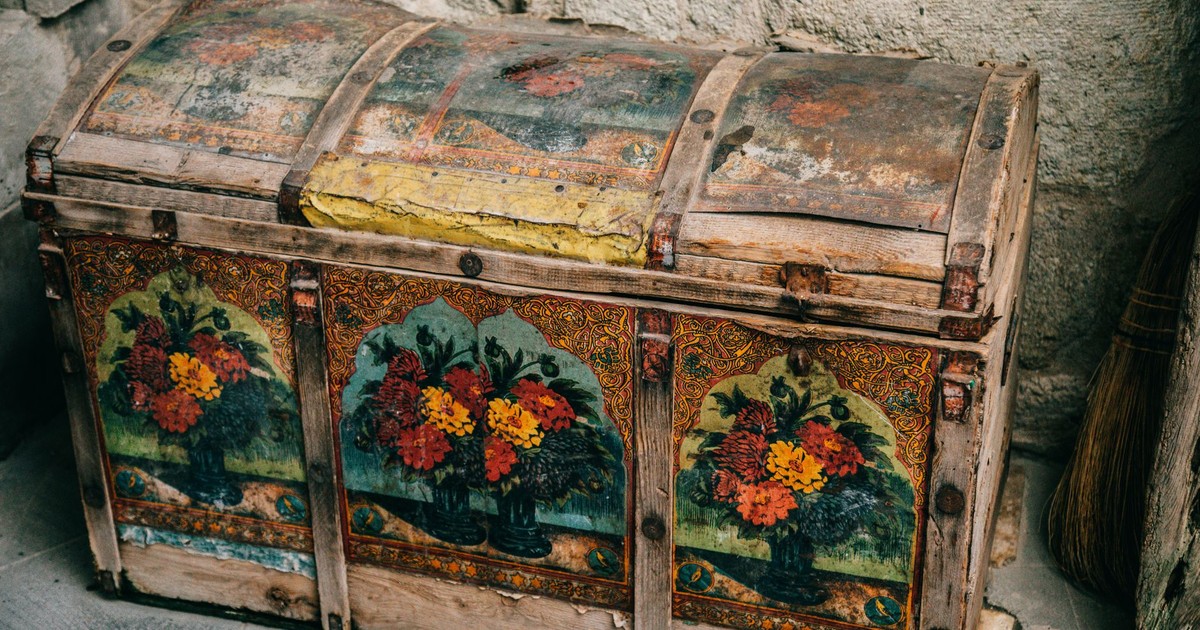
The vestry chest was a large, usually iron-banded oak chest kept in the vestry room – the space where clergy and choir prepared for services. It held the church’s most valuable portable possessions: communion silver, vestments, legal documents, and, in earlier centuries, the parish register of births, marriages, and deaths. Some of the oldest surviving examples in English churches date to the thirteenth century and were fitted with multiple locks, requiring several churchwardens to be present simultaneously before the chest could be opened.
The function has been absorbed by filing cabinets, fireproof safes, and diocesan digital archives. The chests themselves, when they survive, tend to be displayed as heritage objects or used as decorative storage. The idea that a single piece of furniture once served as both a bank vault and a public records office is genuinely foreign to modern church administration.
10. The Cassock
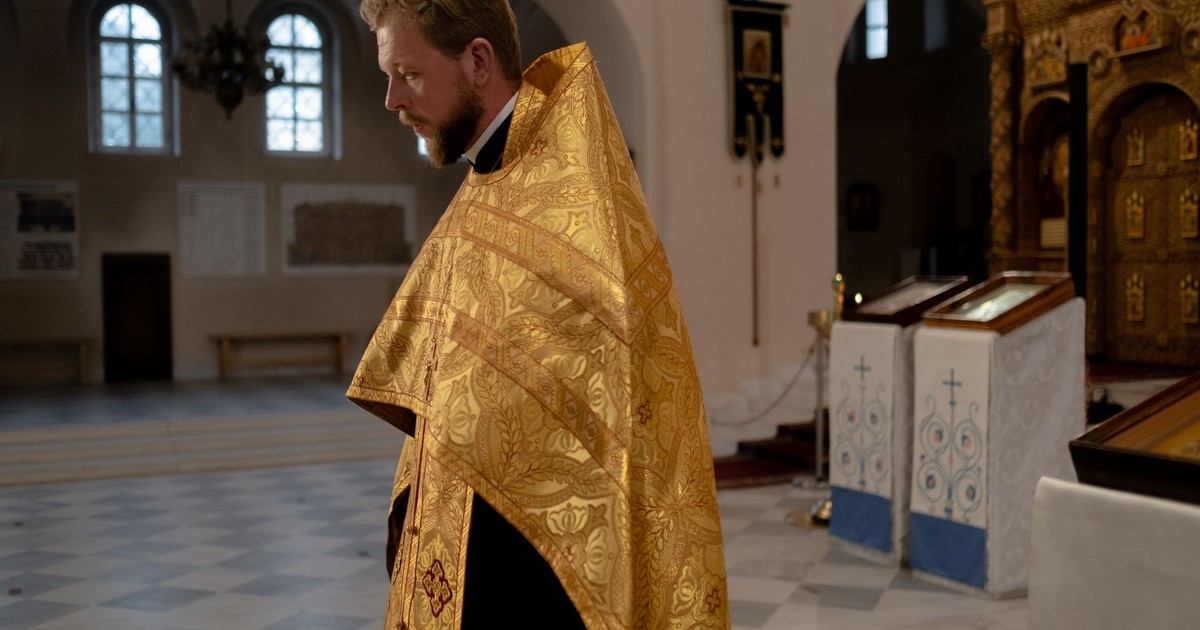
The cassock – a long, ankle-length black garment worn by clergy and often by male choir members – was once the default daily dress of ordained ministers across much of the Western church, not just a vestment worn for services. Anglican priests wore them in the street. Catholic priests were expected to wear them in public. Seminary students wore them to class.
After the Second Vatican Council, much of the physical culture of the church was replaced or discarded across the Western world. The cassock was among the most visible casualties of that shift. It survived in formal liturgical settings but vanished from daily clerical life almost entirely in most Western denominations. Contemporary evangelical pastors conducting services in jeans and untucked shirts represent the farthest end of that trajectory, but even in more traditional denominations, the cassock as everyday wear is essentially extinct.
11. The Sanctus Bell
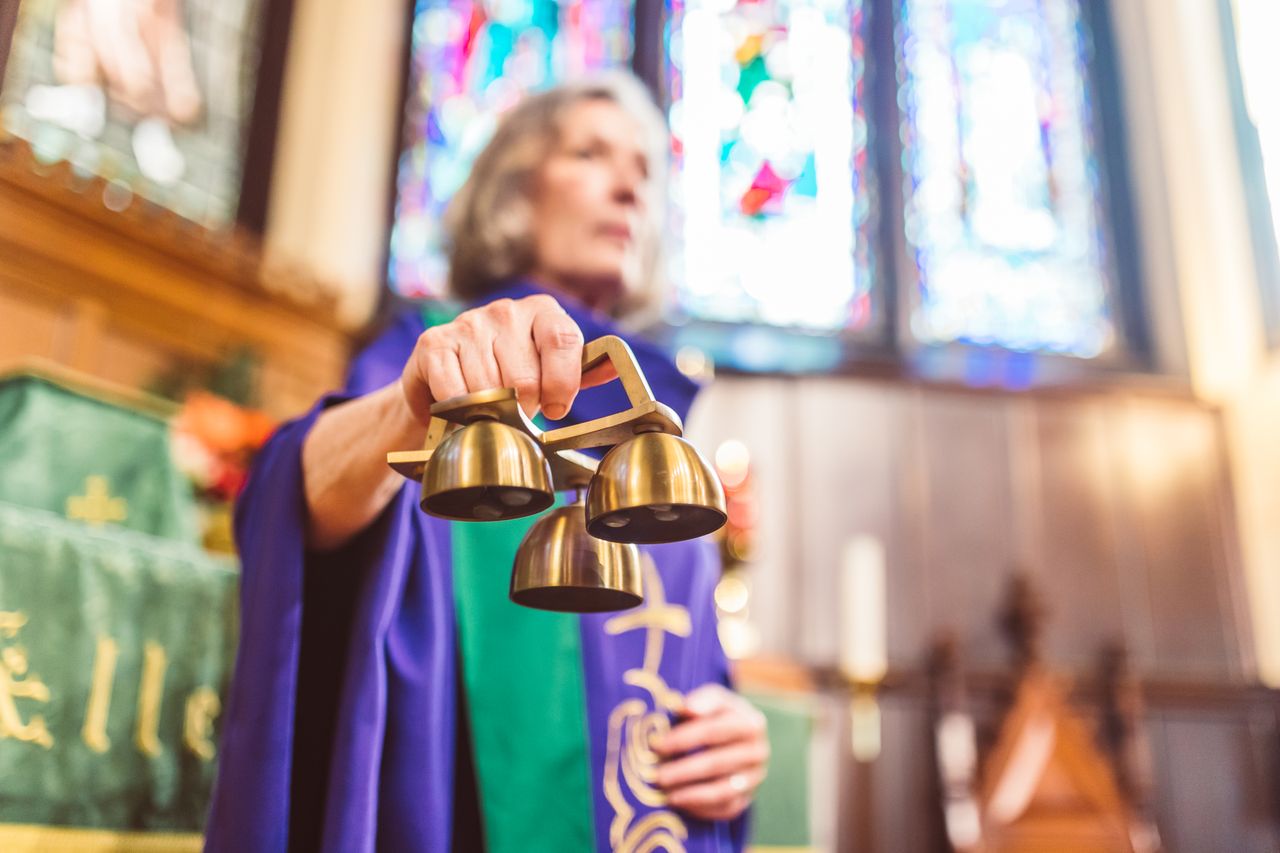
The sanctus bell – sometimes called the sacring bell – was a small hand bell, or a set of bells mounted near the altar, rung at specific moments during the Mass to alert the congregation to the most sacred parts of the liturgy. Before the reforms that opened up the sanctuary and allowed the congregation to see and participate in the eucharistic rite, the bells told people when to kneel, when to look up, and when the consecration of the bread and wine was taking place.
At that point the congregants had nothing to do for most of the Mass, so they sat, recited Latin prayers from memory, and waited for the bells to signal the key moment. The bells were the congregation’s primary connection to the rite happening on the other side of the rood screen. When liturgical reform brought the Mass into vernacular language and encouraged active participation rather than passive attendance, the functional need for the sanctus bell largely disappeared. It persists in some traditional Latin Mass communities but is unrecognizable to most Catholics under sixty.
12. The Lychgate
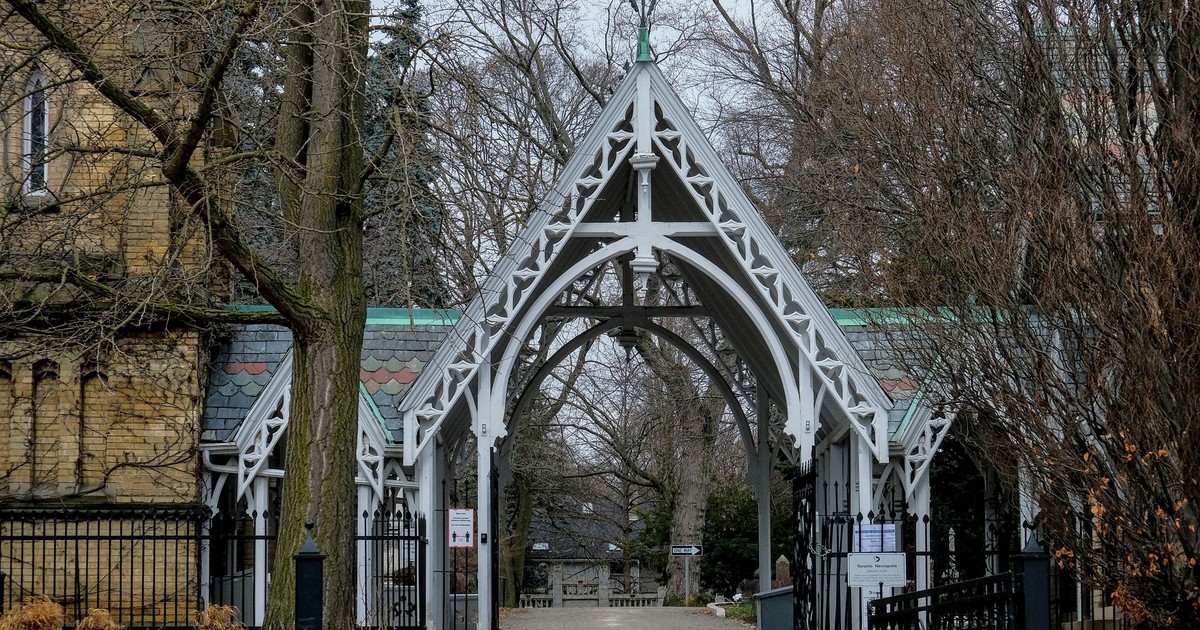
The lychgate (from the Old English word “lic,” meaning corpse) was a roofed gateway at the entrance to a churchyard. Its specific purpose was to shelter the coffin and the pallbearers during the opening sentences of the burial rite, which took place before the procession moved into the church or to the graveside. The priest would meet the body at the lychgate, and the formal liturgy of Christian burial would begin there, under its roof.
Many lychgates were substantial wooden structures, sometimes centuries old, with built-in benches along the sides where the bearers could rest the bier. They were once a standard feature of English parish churches and spread wherever Anglican church architecture was exported – including parts of the American colonies. With the shift toward funeral homes conducting services separately from the church, and the decline of churchyard burial in urban settings, the lychgate lost its function. Those that survive are typically listed historic structures, preserved for their age rather than any active liturgical use.
13. The Triptych Altarpiece
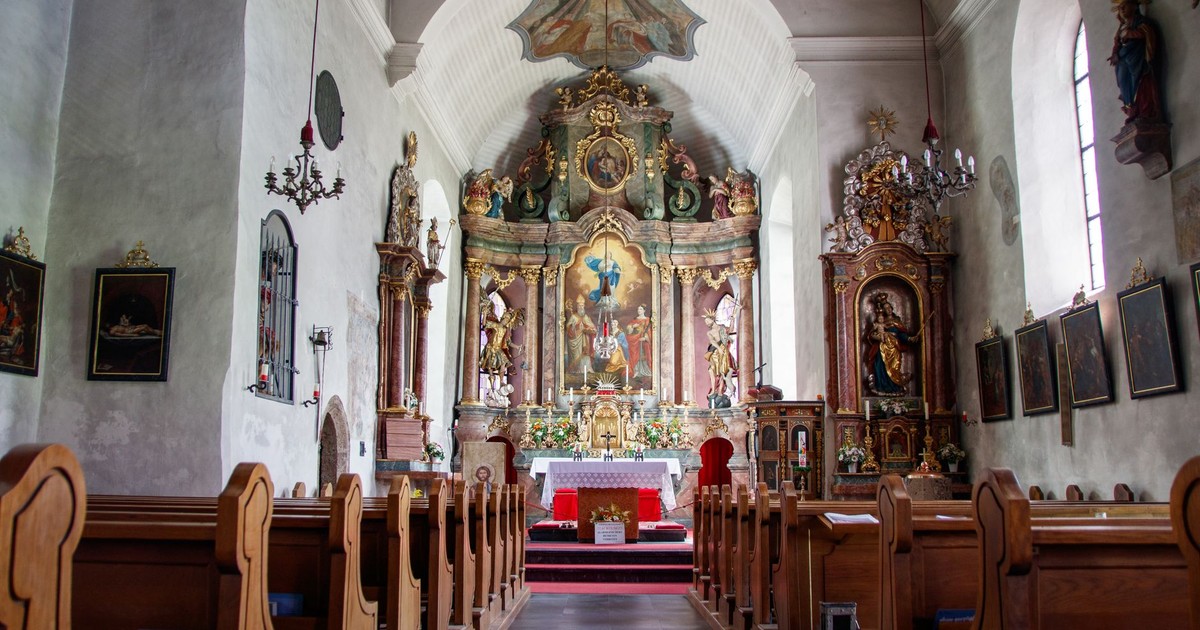
Behind the altar of most pre-Reformation churches stood a triptych: three hinged painted panels, the outer two folding inward to cover the central image. During Lent or penitential seasons, the wings were closed, hiding the gold and color of the interior. At Easter, they swung open in a deliberate visual announcement of resurrection and celebration.
The Reformation in the mid-sixteenth century stripped churches of their images. Medieval windows had been full of stained glass, and brightly colored pictures of saints and religious scenes covered the walls. There might have been a rood screen, and above it the rood – a life-size representation of the Crucifixion. All these images were destroyed at the Reformation as being “superstitious” or “idolatrous,” because Protestant reformers believed people were worshipping the images rather than God. The triptych altarpiece was among the first things to go in Protestant churches and was never reinstated. In Catholic churches, it survived longer but was gradually replaced by more permanent carved or painted reredoses. Today the altar in most churches – Protestant or Catholic – stands bare or with a simple cross, and the idea of a liturgical calendar expressed through a hinged painting is almost entirely forgotten.
14. The Thurible (Censer)
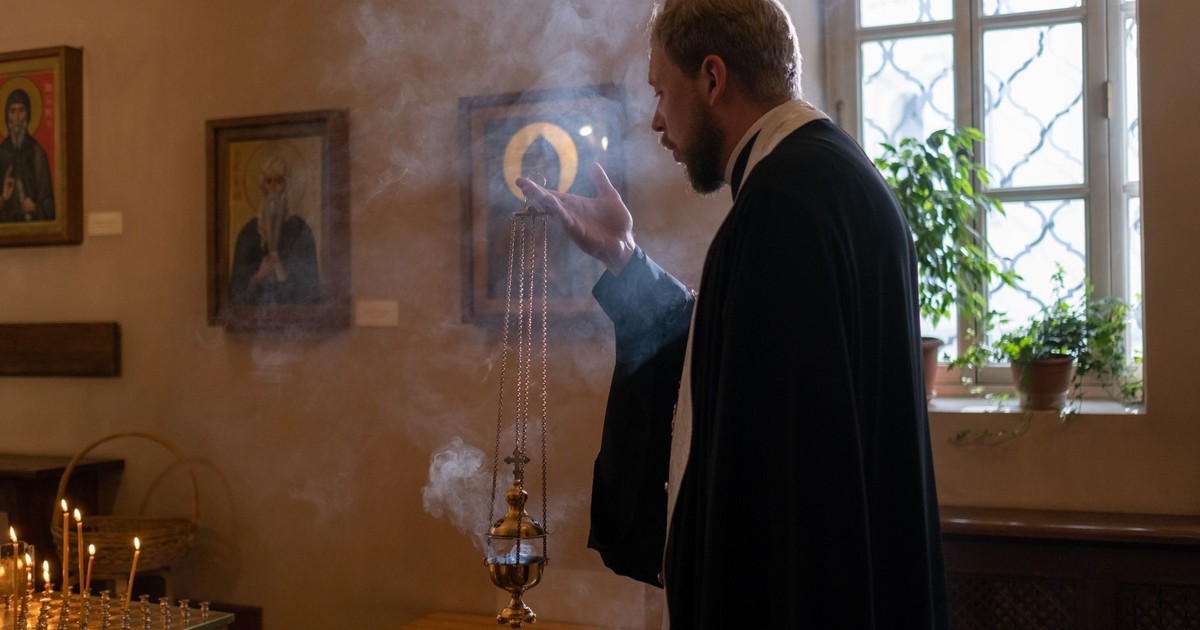
The thurible is a metal vessel, suspended on chains and swung in an arc by a server called a thurifer, that burns incense during liturgical processions and at key moments of the service. The rising smoke was understood as a visible representation of prayer ascending to God, drawn from the imagery of the Hebrew Temple and cited in the Psalms and Revelation.
In high-church Anglican, Catholic, and Eastern Orthodox worship, the thurible is still actively used. But in the broad sweep of Protestant Christianity, it disappeared at the Reformation and was never recovered. Most people who grew up in Baptist, Methodist, Presbyterian, or evangelical churches have never seen one used in a service and would not recognize the word “thurifer.” The smell of incense, which was once the sensory signature of Christian worship across the entire Western tradition, is now associated almost exclusively with specialty church traditions or with shops selling aromatherapy products.
15. The Box Pew
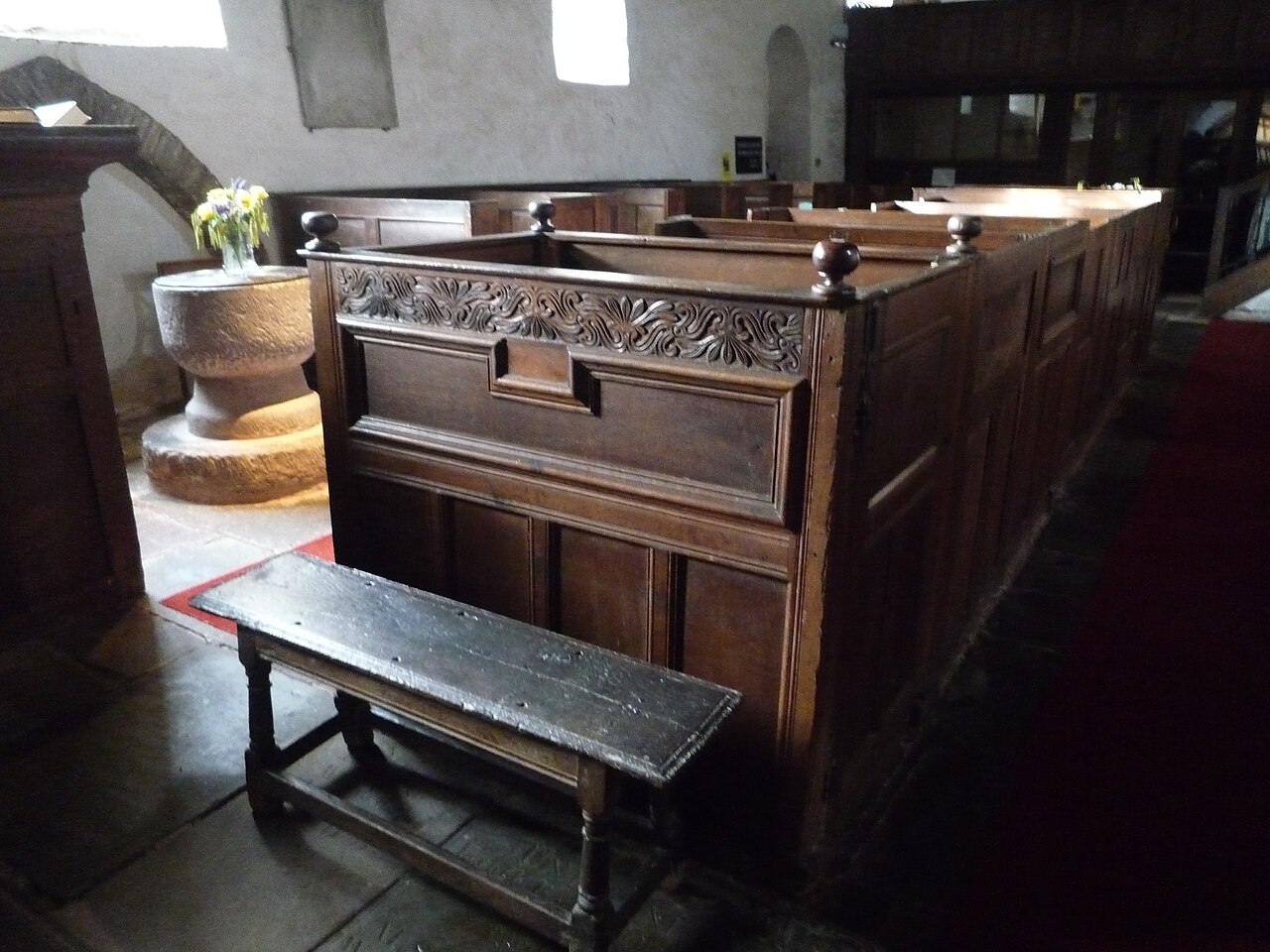
The box pew was a distinct piece of furniture: a pew enclosed on three or four sides by wooden panels, often with a door and sometimes high enough that the occupants were invisible to their neighbors when seated. They were heated with small foot warmers, sometimes fitted with curtains, and functioned almost like private booths within the shared space of the congregation.
After the turmoil of the Reformation and the Civil War, religious life calmed down and most churches received new fittings, including pulpits and box pews. Box pews were standard in English and colonial American churches from the seventeenth through the early nineteenth century. Victorian church renovators ripped them out by the thousands in favor of open, uniform bench pews – which were considered more egalitarian and better suited to the congregational singing that was becoming central to Protestant worship. A handful survive in historic American churches, where they’re treated as architectural curiosities rather than functional seating.
16. The Lich Stone (or Coffin Stone)
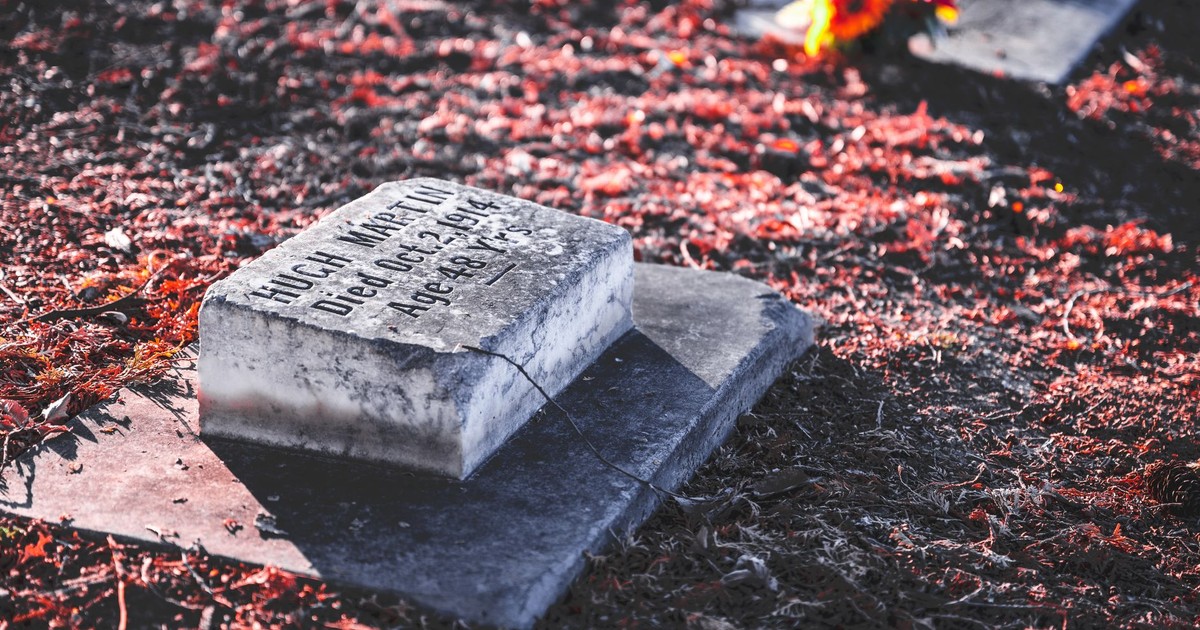
Related to but distinct from the lychgate, the lich stone – sometimes called the coffin stone or coffin rest – was a flat stone slab, often located in the churchyard near the path from the gate to the church door. Coffins were heavy. Funeral processions were often long. The lich stone existed to give pallbearers a resting place, allowing them to set the coffin down briefly without placing it on the ground.
These stones are still present in many older English churchyards, though almost no one walking past them understands what they were for. They’re flat, wide, and usually unremarkable – often mistaken for old grave markers or simple decorative stonework. The combination of formalized funeral customs and the use of funeral vehicles rather than walking processions made them obsolete long before anyone thought to explain them to the next generation.
17. The Alms Dish vs. The Velvet Collection Bag
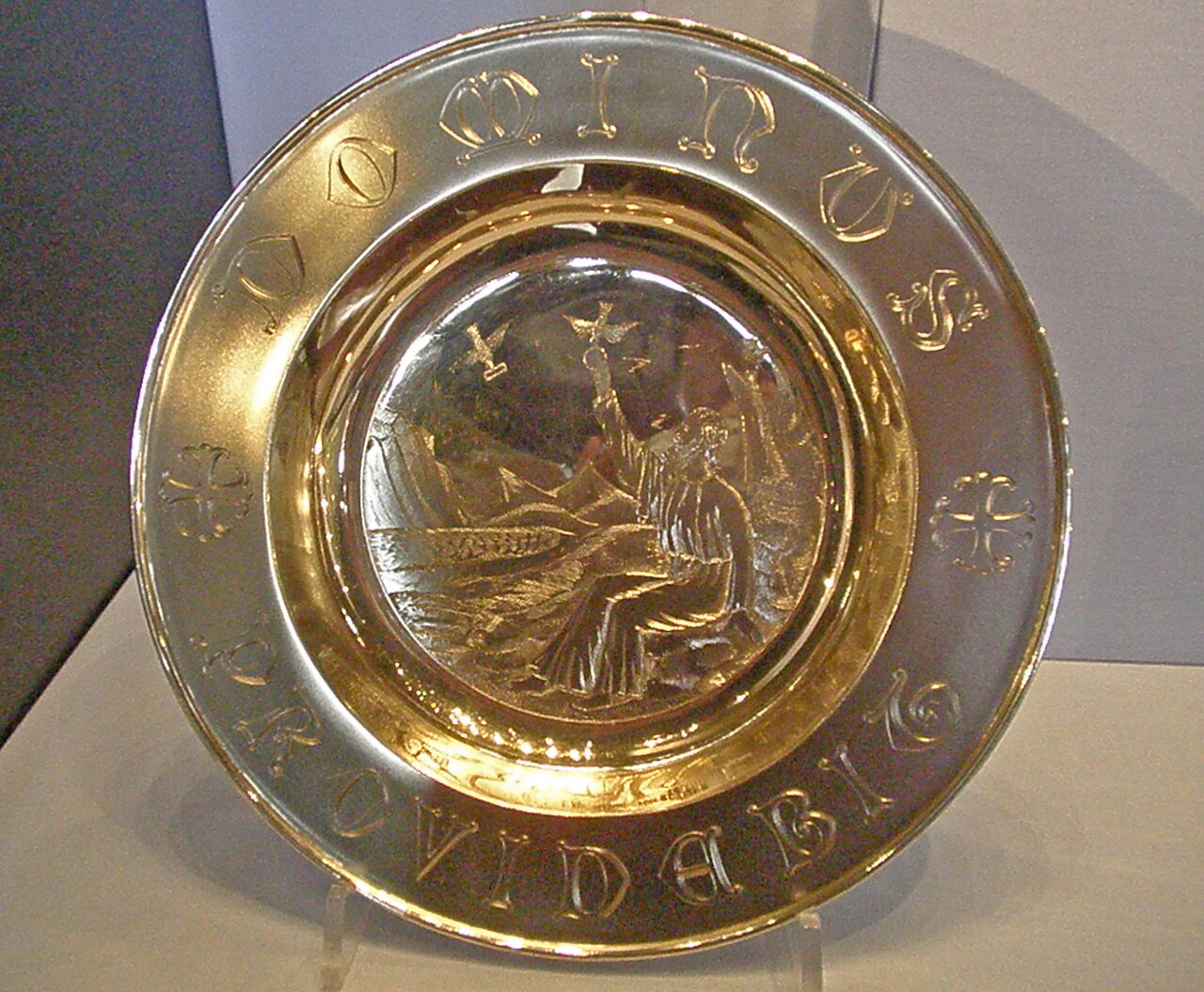
Today’s offering is typically received in a felt-lined basket or a flat plate passed along the pew. For centuries before that, the collection was taken with a long-handled wooden or metal alms dish – a shallow bowl on an extended pole, passed from person to person along the row. Before that, in some traditions, a velvet bag on a long stick was used, so that the collector could see into each bag from a distance and note who was giving. The rattling of coins into an open dish made generosity (or its absence) public in a way that a sealed envelope does not.
In earlier centuries still, the collection took place at the church door, not in the pew at all – a practice that survives in very few congregations today. The move from open dish to sealed envelope to digital giving has made the weekly offering dramatically more anonymous, which was, for most of church history, not considered a virtue.
18. The Parish Register Book
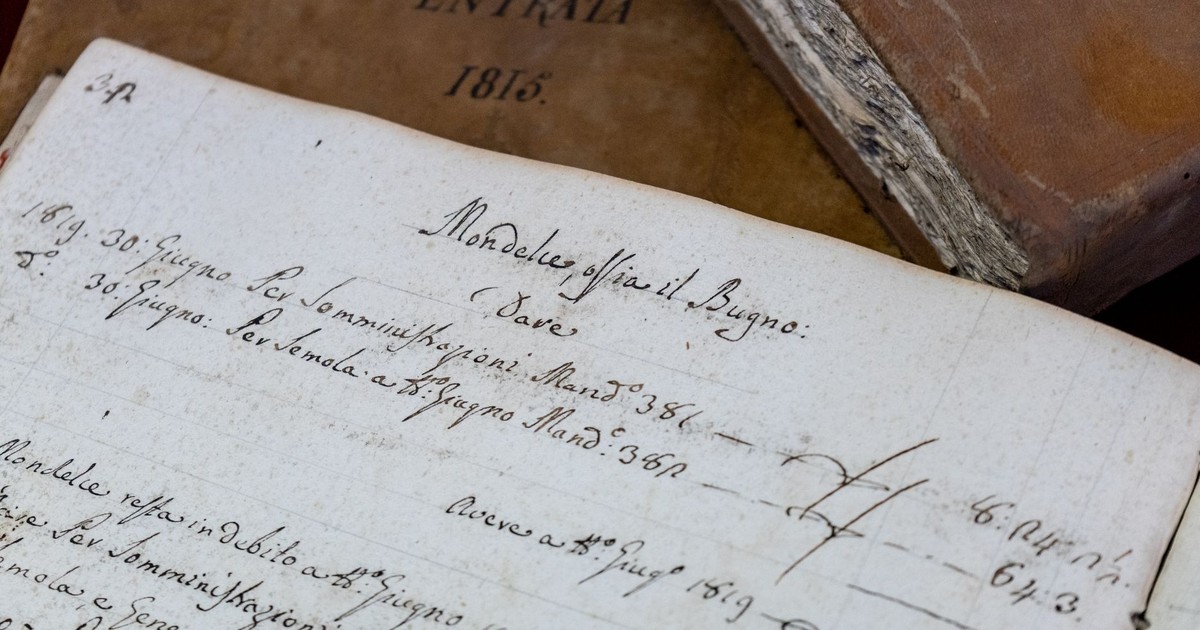
Before civil registration of births, marriages, and deaths was established – in England from 1837, in most American states across the nineteenth century – the church parish register was the only legal record of these events in a community. Registers were large, leather-bound volumes kept in the vestry chest, inscribed by the incumbent vicar or priest in their own hand, sometimes going back four or five hundred years in an unbroken sequence.
The weight of these records extended beyond sentiment. They were used for inheritance disputes, property claims, and proof of identity. Some families discovered their entire genealogy in a single volume in a country parish. The move to civil registration transferred this function to the state, and the parish register became a purely ecclesiastical document. The modern equivalent – a database entry in a denominational management system – carries the same information and none of the accumulated presence of a hand-written page that has passed through centuries of hands.
19. The Cantor’s Desk
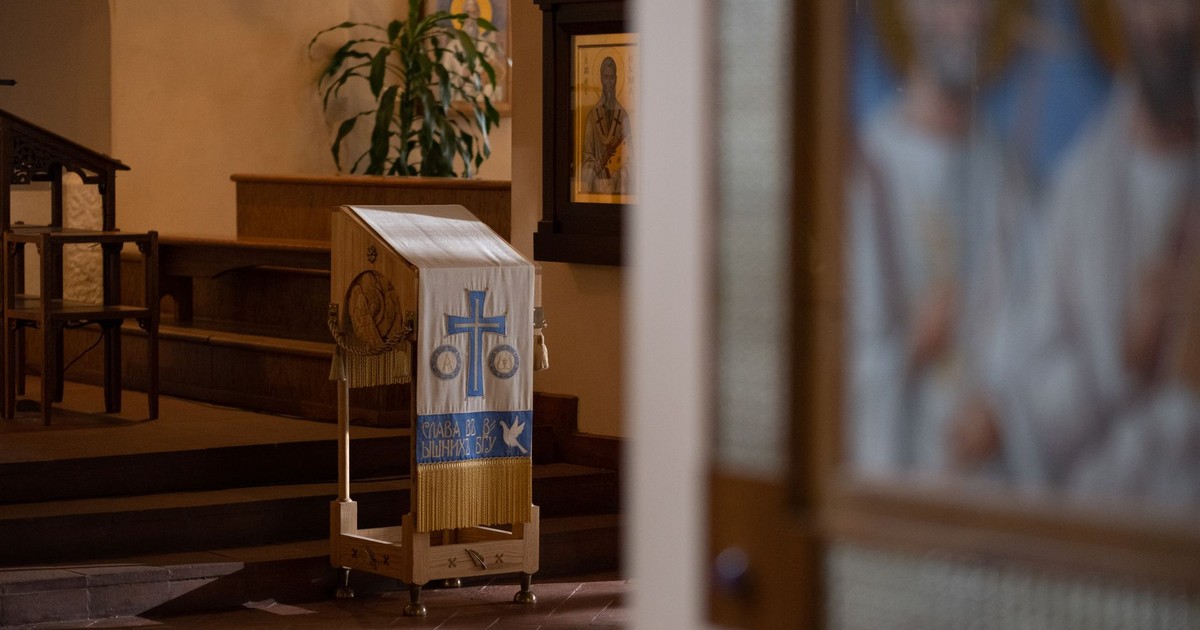
Before the congregation sang as a unified body – a practice that only became widespread after the Reformation, and even then varied widely by denomination – music in the Western church was led by a dedicated professional. The cantor (from the Latin “cantare,” to sing) was often the most musically educated person in a parish, responsible for leading the chants, teaching the choir, and directing the congregation’s limited vocal participation in the liturgy.
The cantor’s desk – a raised lectern or stand positioned to face the choir rather than the congregation – was a distinct piece of church furniture that signaled a distinct role. As congregational singing became the norm, the cantor’s function was absorbed into the choir, then into the worship leader, then into the praise band behind a microphone. The desk disappeared. In many Protestant traditions, the very concept of a trained musical specialist leading worship has been replaced by volunteers with guitars – a complete inversion of how the role was understood for most of Christian history.
20. The Sandglass Pulpit Timer

The last of these forgotten church items is perhaps the most startling in what it reveals about how worship was experienced before clocks were universal. The sandglass pulpit timer was exactly what it sounds like: an hourglass mounted on or near the pulpit, turned at the start of the sermon so that the preacher (and the congregation) could see how much time remained. Some pulpits were fitted with two or three sandglasses of different durations, allowing the minister to calibrate – or, in practice, to ignore – the passing of time.
Sermons in the seventeenth and eighteenth centuries routinely ran to ninety minutes or two hours. Congregations sat on hard wooden benches in unheated buildings through winter, in full view of a glass telling them that the sand was still falling. The sandglass didn’t typically shorten sermons – it simply made the length visible. Some are still attached to the original pulpits in surviving colonial-era American churches and English country churches, unnoticed by anyone who doesn’t already know what to look for.
Read More: What You Might Not Know About Mary and Joseph
What These Objects Actually Tell Us
The instinct, looking at a list like this, is to frame it as decline – as the story of a tradition losing its substance along with its furniture. But the picture is genuinely more tangled than that. Some of these objects disappeared because the theology behind them was reconsidered: the rood screen was removed when the church decided that physical barriers between clergy and laity were theologically wrong, not merely unfashionable. Some vanished because the social structures they depended on collapsed – pew rental died with the class system that made it feel natural. Some were replaced by something that does the same job more accessibly: the printed bulletin became an app, the prayer card became an online form, the hymnal became a projected lyric.
What the objects in this list collectively demonstrate is that what counts as sacred space is always negotiated – generation by generation, renovation by renovation. The sandglass timer on the pulpit wasn’t just a tool. It was a statement about the relationship between time, attention, and God. Removing it didn’t end that conversation. It just changed the terms. Many of these objects are gone not because the need they served disappeared, but because the people who understood that need were never replaced. That distinction is worth sitting with.
AI Disclaimer: This article was created with the assistance of AI tools and reviewed by a human editor.