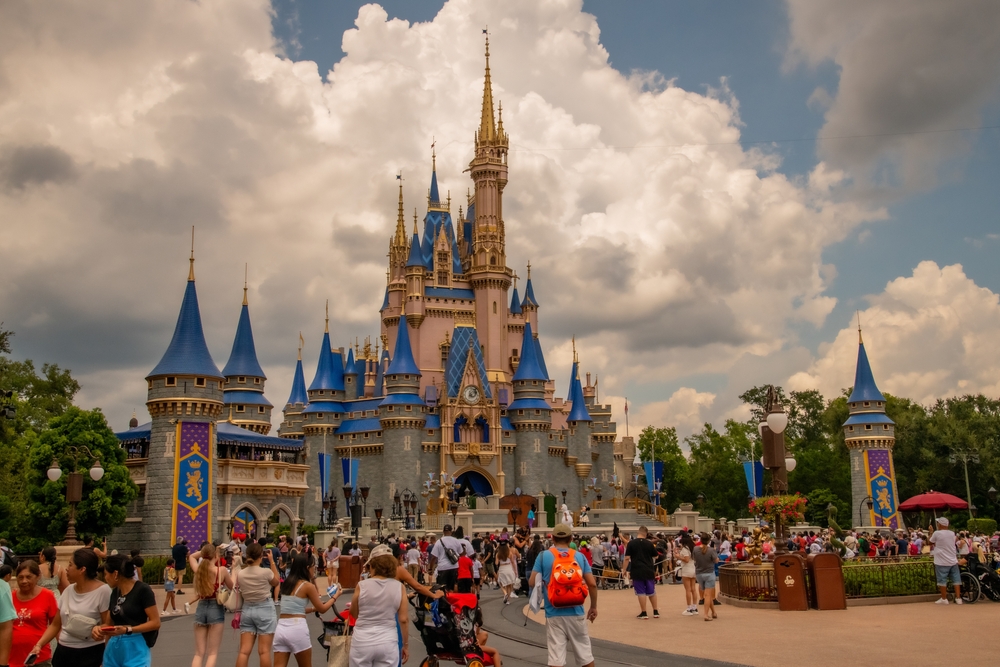

A family of four can spend more than $800 on park admission alone for a single day at Walt Disney World in 2026. That number stings on its own. What stings more is realizing it only covers the ticket to get through the gate.
Disney World has always been expensive, but something shifted in the past few years. The price of admission kept climbing, and then a whole ecosystem of additional costs quietly grew around it. Lightning Lanes, dessert parties, character dining, souvenir water bottles, in-park ponchos. Each one seems reasonable as a standalone choice. Together, they can add hundreds of dollars to a trip that was already stretching the budget before the first churro was purchased.
Most families of four can expect to spend around $5,500 to $11,000 or more for a five-night Disney World trip in 2026, depending on hotel tier, ticket type, dining style, and Lightning Lane choices. That range is enormous, and where you land within it often comes down to knowing which expenses are genuinely worth it and which ones quietly drain your vacation fund. Here are the ten biggest culprits.
1. Buying Peak-Day Single-Park Tickets at the Gate
In 2026, the cheapest single-day ticket is still $119 per adult on select days at Animal Kingdom, but a single-day base ticket to Magic Kingdom on the most expensive days of the year, which fall during Christmas break, reaches $209. That figure would have seemed exaggerated five years ago. Today, it’s simply the posted rate.
Disney uses dynamic pricing, meaning ticket costs vary by day and by which park you’re visiting. The most expensive days are the ones Disney expects to be most in demand and most crowded, and the least expensive days reflect the opposite. The problem is that most families pick their vacation dates based on school calendars, which means they’re almost always visiting during peak or near-peak pricing windows.
The fix is practical and significant. A one-day Magic Kingdom ticket on a summer Monday in 2026 costs $169 as a single-day purchase, but if you buy a four-day ticket starting that same day, the total comes to $558.56, working out to $139.64 per day. Multi-day tickets offer real per-day savings, and buying in advance almost always beats buying at the gate.
2. Adding Lightning Lane for Every Ride in the Park
Many parents feel the parks are introducing more and more “required” add-ons just to have a manageable day, and that frustration is especially growing around Lightning Lane. What was once a free FastPass system has been transformed into a paid skip-the-line service that can cost families hundreds of dollars per day.
During holiday demand, Lightning Lane Multi Pass has climbed to $45 per person at Magic Kingdom. For a family of four, that’s $180 per day on top of admission, and that doesn’t include Single Pass attractions. TRON Lightcycle/Run has reached $23 per person, while Guardians of the Galaxy: Cosmic Rewind has hovered around $22.
The mistake isn’t buying Lightning Lane at all. Not all attractions need it. Choosing it for rides like Winnie the Pooh or Mad Tea Party is often a waste since wait times tend to stay short. The better approach is to save passes for heavy hitters: Peter Pan’s Flight, TRON Lightcycle/Run, Guardians of the Galaxy: Cosmic Rewind, Slinky Dog Dash, Rise of the Resistance, and Avatar Flight of Passage are where Lightning Lane genuinely earns its price.
3. Paying for the Park Hopper Add-On You Won’t Really Use
Adding a Park Hopper to a Disney World ticket increases the overall cost significantly, with the per-day price adding roughly $198 to $264 total to a standard ticket depending on travel dates. That’s a real chunk of money for a feature that looks appealing in planning but often disappoints in practice.
Hopping between multiple parks on the same day sounds like fun in theory, but it can be exhausting. And when you purchase the upgraded tickets, it’s only natural to feel the need to use them. Visiting one park per day not only saves money, it saves energy.
A one-day Magic Kingdom ticket in summer 2026 starts at $169. Adding Park Hopper brings that to $234 to $250, depending on the date. For families with younger children especially, the reality of a second park visit after a full day in the Florida heat is usually a nap in a stroller rather than a second round of rides.
4. Paying for Parking When You Don’t Have To
Standard theme park parking at Walt Disney World currently costs $35 per day for a car or motorcycle, with preferred parking ranging from $50 to $60 per day depending on the season. That’s after a price increase that took effect in late 2025, and it adds up to a noticeable line item across a multi-day trip for families staying off-site.
What many visitors don’t realize is that this cost is entirely avoidable. Free parking at Disney resort hotels is in effect, meaning anyone staying at any Value, Moderate, or Deluxe resort can park for free for the duration of their stay. On-site guests also receive free parking at the theme parks themselves, which can more than offset the price difference between an off-site hotel and a Disney resort stay when you’re driving to the parks every day.
For families staying off-site, parking at Disney’s parks adds $35 per day, and you’re often effectively paying for parking twice, once at the hotel and again at Disney. Running that number for even a five-day trip means $175 just to leave the car somewhere.
5. Buying Water Bottles and Ponchos Inside the Parks

This is the expense that sneaks up on everyone. A Mickey pretzel or a churro now sits just shy of $10 inside the parks, and that’s before quick-service meals or grabbing a drink to cool off. Bottled water is similarly priced for something that falls from a tap.
Disney is well prepared for Florida’s sudden storms, selling ponchos at nearly every corner of the park, but they’re not cheap. A family of four buying ponchos a couple of times in a week could easily spend more than $100. Dollar-store ponchos purchased before the trip are identical in function. A reusable water bottle refilled at the park’s free water stations serves the same purpose as the $4 Dasani at the snack cart. These aren’t glamorous savings, but across a week-long trip, they matter.
6. Choosing an On-Site Value Resort Without Running the Numbers
Disney’s Value Resorts, once known as the affordable on-property option, aren’t looking so budget-friendly anymore. The All-Star Resorts now cost around $200 per night before fees or taxes. Stay four nights and you’re already at $800, before factoring in anything you’ll actually do during your stay.
When the cheapest option on Disney property runs $200 a night, a modest off-site hotel near the parks suddenly deserves a look. The trade-off is real: staying on-site means free transportation to the parks, free parking for your car, and no rideshare fees. But if you’re paying $200 a night at an All-Star Resort versus $110 at a nearby off-site hotel, that’s a $90 daily difference that covers a lot of Lightning Lane passes or a character dining experience.
The math depends entirely on your travel style. Families who will spend every waking minute in the parks and rely on Disney’s free transit genuinely benefit from staying on property. Families who plan to drive to the parks each day, eat off-site some evenings, and sleep off a long day may find the off-site savings significant enough to change how the whole trip budget looks.
7. Signing Up for the Dining Plan Without Checking the Math First
The Disney Dining Plan gets sold as a way to simplify vacation spending. Pre-pay for your meals, stop looking at prices, and just enjoy. In practice, it’s more complicated. For the plan to actually be worth it, you need to focus on maximizing your credits by going to restaurants with more expensive meals and ordering higher-priced items. It can save money if you know you’ll maximize what you’re allotted each day, but if you don’t typically order a drink with your meal or end up purchasing additional food outside the plan, the math won’t work.
The first major way to waste money with the plan is not using all your credits. While table-service credits are usually easy to use, it’s very easy to forget about snack credits. Checking the My Disney Experience app to track remaining credits helps avoid paying for a plan and then leaving credits unused.
There is a legitimate case for the plan in 2026. Kids ages three to nine can get a free Disney Dining Plan when adults on the reservation purchase one with an eligible package. For families with young children in that age range, the free kids’ dining offer can change the math meaningfully in the plan’s favor.
8. Spending on Fireworks Dessert Parties
The fireworks dessert parties during Mickey’s Not So Scary Halloween Party and Mickey’s Very Merry Christmas Party are among the biggest upcharge offenders. They cost extra on top of an already expensive hard-ticket event, they consume valuable party time, and they simply aren’t necessary.
The pitch is a premium viewing area and dessert buffet for the fireworks show. The reality is that the main viewing areas during these ticketed events are far less crowded than a regular park night. Main Street is not crowded during the MNSSHP and MVMCP fireworks in the way it would be on a regular evening, especially once you get south of Casey’s Corner. Showing up five to ten minutes before the fireworks and finding a good spot in that area is entirely doable without a paid party reservation.
Dessert parties on regular park nights face the same value problem. You’re paying for a designated viewing spot and a dessert spread, when the free standing areas during regular evening shows are spacious and the food at any nearby quick-service counter costs far less.
9. Buying Souvenirs and Merchandise Inside the Parks

Disney’s in-park merchandise is priced at a significant premium over what you’d pay for comparable licensed items elsewhere. A plush toy, a themed mug, a light-up wand. None of it is unique to the park itself, even when it has the park logo on it. You can find most of it on shopDisney, at Disney Springs (which has no park ticket required), or through retail partners before your trip, often at lower prices.
Merchandise, popcorn buckets, specialty drinks, balloons, and souvenirs kids inevitably ask for during the trip can silently widen an already large budget gap. The issue isn’t buying souvenirs. It’s buying them at the moment a child points at something, inside the park, at full retail. Giving kids a set souvenir budget before the trip and letting them decide how to spend it tends to slow the impulse buying and make the purchases more intentional.
The exception worth noting is truly park-exclusive merchandise: the TRON-branded gear available only at Hollywood Studios, the Rise of the Resistance-specific items in Galaxy’s Edge. If a souvenir genuinely can’t be found outside the park walls, the premium is at least tied to something real.
10. Ignoring the Florida Sales Tax and Resort Taxes on Top of Everything
This one doesn’t get discussed enough because it’s not a single line item. It’s a percentage that quietly inflates every number on this list.
Disney World ticket prices do not include Florida’s 6.5% sales tax, so every quoted price on the website is lower than what you’ll actually pay at checkout. That 6.5% applies to theme park tickets, Lightning Lane purchases, dining, merchandise, and most other in-park spending. On a $5,000 vacation, that’s an additional $325 that surprises families who budget to the dollar.
If you’re flying into Orlando, getting from the airport to Disney World runs $35 to $100 or more each way depending on whether you use Mears Connect, a rideshare, or a rental car. Hotel stays come with approximately 12.5% added in taxes, and gratuity of 18 to 20% is expected at table service restaurants, even when the Disney Dining Plan covers the meal itself. The final receipt at the end of a Disney trip has a way of landing noticeably higher than the sum of what you thought you were spending, and the taxes and service fees are where a large part of that gap lives.
Read More: One Cranky Mom Wants Disney To Ban Childless Adults
What This Actually Means for Your Budget
What makes 2026 feel different is the layering. A single peak day can total $209 for the ticket, $45 for Lightning Lane Multi Pass, $23 for a Single Pass attraction, and $35 for parking if you’re staying off-site. That’s $312 per person before tax, meals, or souvenirs. The individual costs aren’t all unreasonable. The problem is that they’re sold to you sequentially, each one as a modest enhancement, until the full picture emerges.
None of the ten items on this list require heroic discipline to avoid. Most of them just require the same kind of thinking you’d apply to any major purchase: what is this actually worth to me versus what am I paying for it? Buying Lightning Lane for every attraction in the park is a different decision than buying it strategically for the four rides your family cares about most. The difference in cost could easily fund a character dining experience that your kids will talk about for years.
Disney World expenses tend to balloon not because any one choice is reckless, but because dozens of small ones accumulate before anyone stops to look at the total. The families who come out of a Disney trip feeling like they got real value are usually the ones who decided, before they arrived, which parts of the magic were worth paying for. A churro is $10. Knowing which $10s to say yes to is the whole game.
AI Disclaimer: This article was created with the assistance of AI tools and reviewed by a human editor.