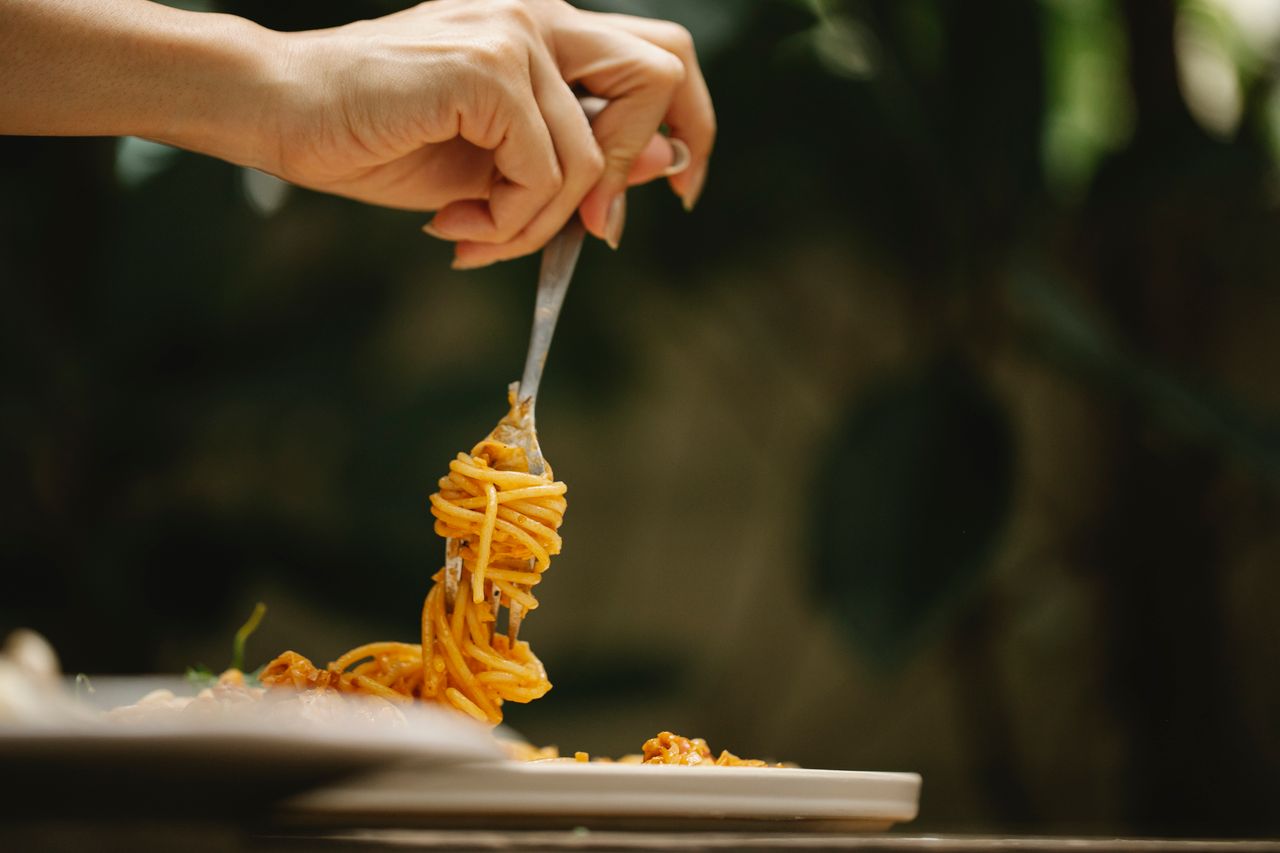

Olive Garden has been running the same core promise for four decades: generous portions, endless refills, and a vague sense of Italian authenticity. It works. Millions of people go back every year not because they’re fooled, but because the food hits something real and the price feels fair. But between the marketing and the actual meal, there’s a gap worth knowing about. Former servers, managers, and kitchen staff have been describing that gap for years – in Reddit threads, viral TikToks, and comment sections that rack up millions of views. Some of what they share is harmless. A few things are genuinely surprising. Here are 11 of the most documented Olive Garden secrets, drawn from employee accounts and verified against company records.
1. The “Culinary Institute of Tuscany” Is Not What It Sounds Like
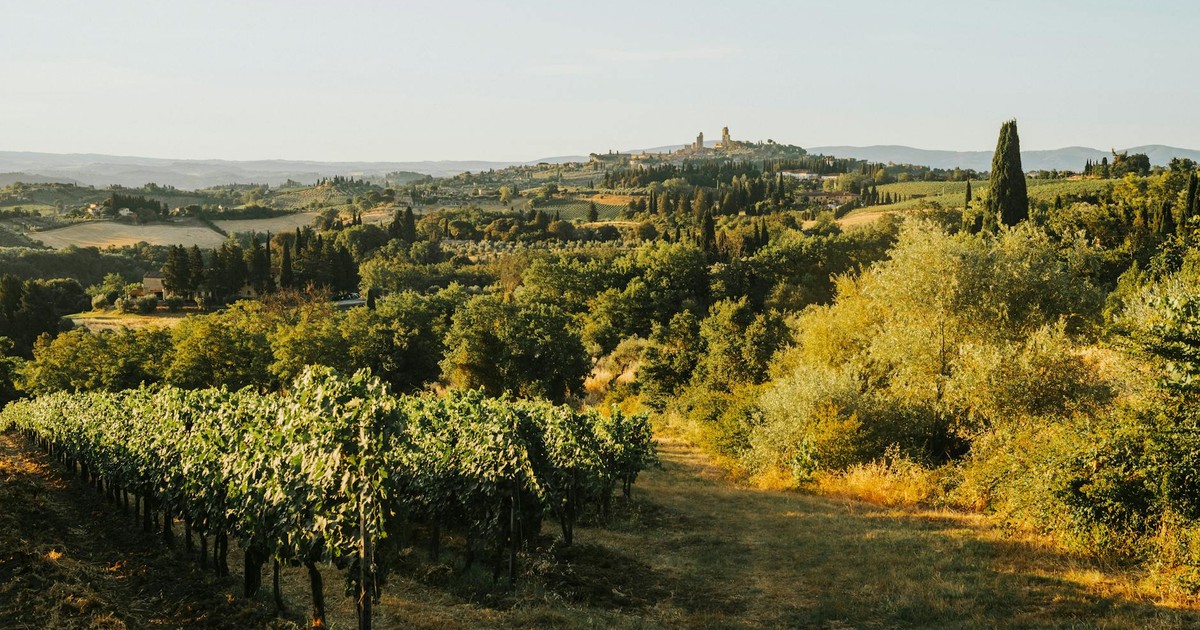
For years, Olive Garden ran TV ads showing their chefs and managers learning authentic Italian cooking at a picturesque Tuscan property. The voiceover leaned hard on words like “artisanal.” The chefs wore crisp white coats and looked deeply inspired. It was compelling advertising, and a significant stretch of the truth.
Olive Garden claimed that every winter since 1999, their best chefs and managers were sent to complete an 11-week training program at a culinary school located inside a property called Riserva di Fizzano Relais, a medieval village and resort in Castellina, a town in Chianti. During the rest of the year, the property is a bed and breakfast, complete with the Rocca delle Macie winery, a guest house, a pool, and a restaurant.
An anonymous former manager who posted on Reddit described the experience directly: visitors “could use the restaurant (closed to the public due to it being off season) as a classroom for maybe an hour here or there and talk about spices or fresh produce for a minute before going sightseeing all day.” It wasn’t a culinary school teaching chefs how to prepare Olive Garden’s dishes. It was an all-expenses-paid trip to an off-season bed and breakfast for selected managers and chefs. Whether Olive Garden still sends employees to Tuscany is unclear, but the company no longer advertises the institute on its website.
2. The Breadsticks Aren’t Fresh – They’re from Dry Storage
The breadstick is Olive Garden’s signature move. It arrives hot, garlicky, and seemingly just out of the oven. That freshly baked quality is real in one sense: the breadsticks are finished in-house. But they don’t start that way.
Former employees note that the breadsticks come to the restaurant pre-made, stored in dry storage, then heated and buttered before being brought to the table. One former server who worked at the chain for a decade made this specific point in a viral video, distinguishing the breadsticks from other items she found more concerning – calling them probably the safest bet on the menu.
What almost nobody realizes is that the garlic topping is not butter at all. According to Olive Garden’s own nutrition page, there is no dairy in their breadsticks or in the breadstick topping. The garlic topping is made from margarine. The warmth, the salt, the garlic – all real. The “freshly baked in butter” assumption most diners carry is not.
3. The “Unlimited” Breadsticks Have a Hidden Formula
Customers assume the breadstick refills are purely unlimited and unconditional. The portion arriving at the table was actually calculated before it left the kitchen.
Former employees report that the first basket comes with one stick for each person at the table, plus one extra, because it’s usually awkward for someone to take the last one. Any baskets after that are supposed to be one stick per person. The system knows the table size because servers enter one drink per person – if no drink is ordered, tap water is logged. That same count also determines the weight of the salad and the number of toppings per bowl.
So the salad is quietly customized to your party size too. A bowl for two looks generously full. A bowl for four contains double the ingredients. The number of olives and tomatoes on your salad is directly tied to the number of people at the table, and sometimes the lettuce is actually weighed out accordingly. None of this appears anywhere on the menu.
4. Servers Can (And Do) Cut You Off
The “unlimited soup, salad and breadsticks” promise is the cornerstone of the Olive Garden value pitch. Former servers clarify that it has a practical ceiling that nobody in the marketing materials mentions.
Former server Morgan Potter explained that the soup, salad, and breadsticks aren’t really unlimited – she had customers who pushed the limits, and she had to cut people off on occasion. “Too much is too much,” she said. This isn’t a formal policy documented anywhere. It’s a judgment call made by the server on the floor.
The Never Ending Pasta Bowl promotion works similarly. For a set price, customers can eat as much pasta as they want during the promotion. One former employee described a customer who ate six bowls of pasta, then got sick at the table. A busser cleaned up while the man went to the restroom. He came back and asked for another bowl. “Unlimited” is a marketing frame, not a literal instruction from the kitchen.
5. The “Romano” Cheese Grater Isn’t What You Think
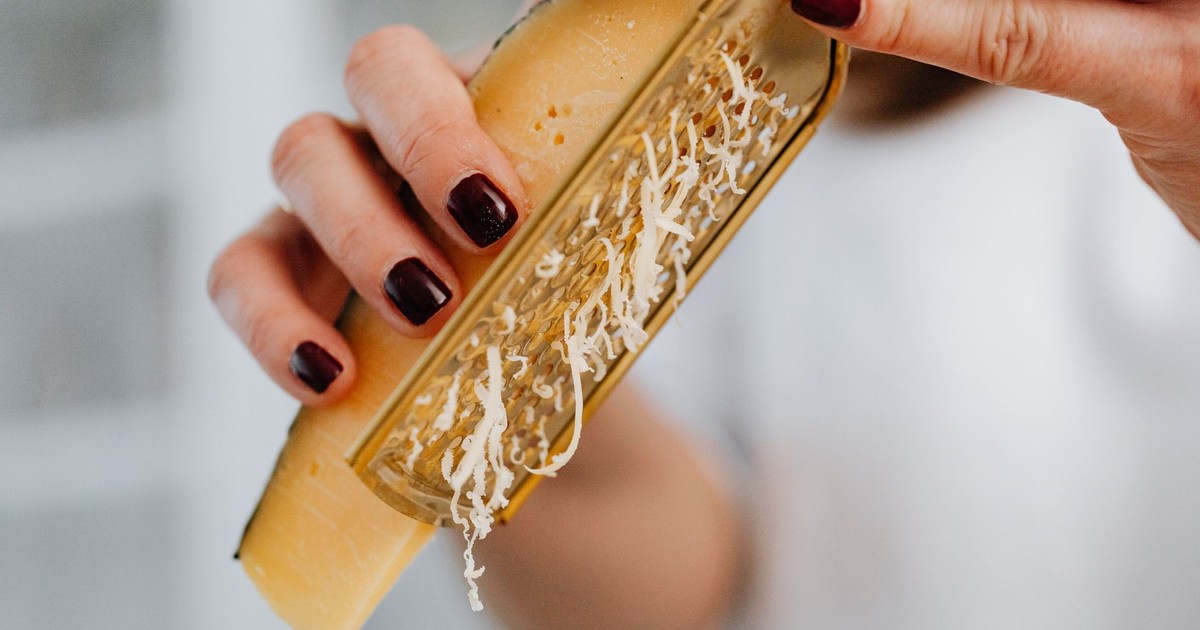
Olive Garden sells its tableside cheese grater as a souvenir, and customers buy it assuming they’re taking home the Parmesan experience. Two things are wrong with that assumption.
While the cheese grater is indeed available for purchase, the cheese grated at your table isn’t Parmesan. It’s Romano. Both are hard Italian cheeses, but they taste different: Romano is sharper and saltier. If you’ve ever bought a block of Parmesan at home and wondered why it doesn’t quite match what you had at the restaurant, that’s the reason.
A former employee also revealed that the base used for Olive Garden’s Alfredo sauce is the Rana brand Alfredo, available in the refrigerated pasta section of any grocery store. So two of the chain’s most iconic flavor profiles – the creamy Alfredo and the sharp tableside cheese – can be replicated at home without any culinary training. That’s either disappointing or convenient, depending on your point of view.
6. The Salad Is Tossed Right Before It Comes to You
This one lands on the positive side of the ledger. Unlike several items on this list, the salad preparation is actually more hands-on than most customers assume.
Former employees confirm that servers hand-toss everything when they bring your salad. If there’s anything you don’t want, they just don’t add it. You can tell them before the toss, and they can build the salad ingredient by ingredient, because that’s exactly what they’re doing anyway.
Most diners spend half a meal moving ingredients to the side of their bowl when they could have simply asked upfront. Hate olives? Don’t like pepperoncini? Say so before the server reaches the table. The salad isn’t pre-assembled and pulled from a refrigerator – it’s built per table, every time.
7. You Can Customize the Tour of Italy
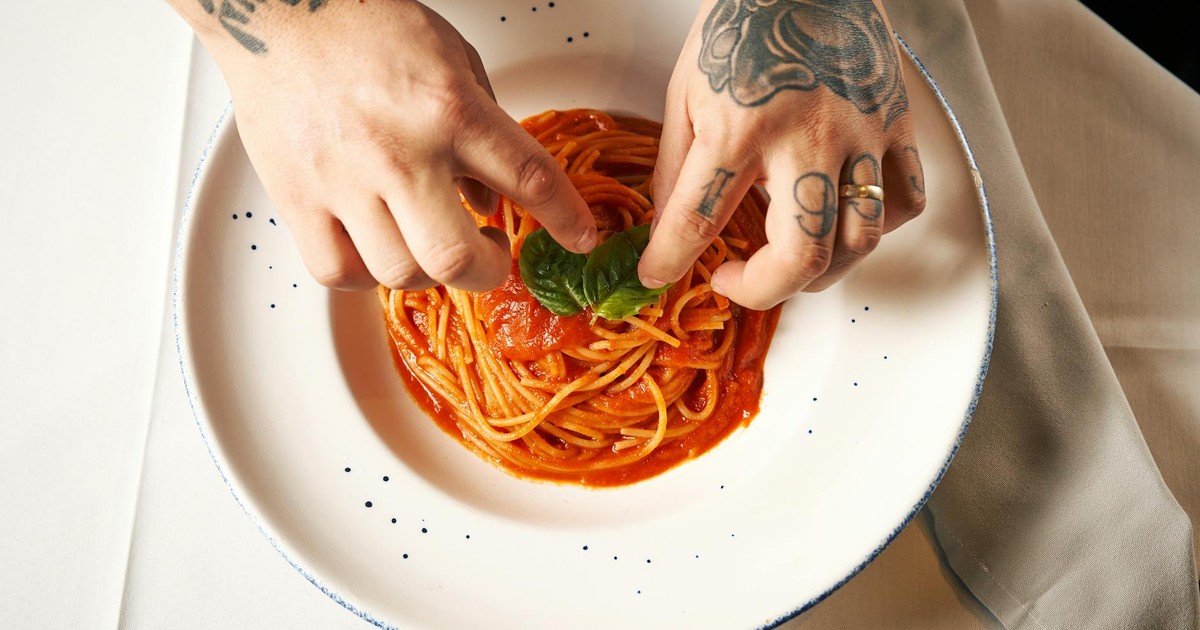
The Tour of Italy is Olive Garden’s three-item combo: lasagna, fettuccine Alfredo, and chicken parmigiana on one plate. It reads as a fixed, non-negotiable set. It isn’t.
Former employees say you can mix and match components on the Tour of Italy. If you want ravioli instead of the standard pasta, a substitution is possible. In some cases it might involve a small upcharge, but former staff describe it as typically around a dollar.
This flexibility extends across much of the menu. Employees say many customers don’t realize how open the kitchen is to swapping components, particularly within pasta dishes. Chains at this scale typically discourage substitutions because they slow down the line. Olive Garden’s willingness to accommodate them is something the menu board never signals.
8. Most Items Are Reheated, Not Made to Order
One of the most widely reported Olive Garden secrets, surfacing across multiple employee accounts on different platforms over several years, is that the majority of food arrives at the table via a heating process rather than fresh preparation.
Former server Morgan Potter claimed that “pretty much everything is microwaved” and that the fresh bread isn’t as fresh as it appears. In a follow-up comment she clarified that items are kept in a heating drawer. Not every former employee agrees – others said that at their locations, bread is baked fresh daily and microwaves are only used occasionally. The pattern across multiple accounts suggests that practices vary by location and management, but the widespread use of holding equipment rather than made-to-order cooking is consistently reported.
This is the part of the Olive Garden secrets conversation that generates the most pushback – from customers who’d rather not know, and from employees who say their location ran differently. Both things can be true.
9. New Employees Taste-Test the Entire Menu During Training
The training process at Olive Garden is more thorough than most people would expect from a casual chain, and this is one of the parts former staff tend to speak about positively.
During training, staff taste everything on the menu so they can give honest descriptions to customers. Former server Morgan Potter described the process as genuinely enjoyable. The idea is that a server who has actually eaten the Chicken Scampi can answer a customer’s question about it more credibly than one reading off a laminated card.
Former employees also report rigorous food safety standards baked into training from day one. Staff were not allowed to wear beige or light-colored bandages because of the risk of one falling into food during salad or soup prep. Bright red bandages were required for any cuts, so any contamination would be immediately visible. Whatever else varies by location, the safety standards during training appear to have been taken seriously.
10. The Sodium Levels Are Genuinely High

Olive Garden’s most consistent criticism across former employee accounts isn’t about freshness or reheating – it’s about how heavily everything is seasoned. The numbers back this up.
According to Olive Garden’s published nutrition data, a single breadstick contains approximately 140 calories and 400mg of sodium. That’s before the soup, salad, or entrée. The Zuppa Toscana contains around 220 calories and 1,500mg of sodium per bowl. The Chicken Alfredo comes in at approximately 1,500 calories and 97 grams of fat per serving.
The FDA’s recommended daily sodium limit for most adults is 2,300mg. A single bowl of Zuppa Toscana accounts for nearly two-thirds of that, and most people don’t stop at soup. Former employees have pointed to “the amount of gluten, sodium and calories that are in each meal” as a real explanation for why some diners leave feeling heavy or unwell. The numbers on paper match what people describe at the table.
Read More: Why Trump Is Threatening 100% Tariffs on French Wine Right Now
11. The MSG Claim Is More Complicated Than the Company Admits
Several former employees have suggested MSG as a factor in customers feeling off after a meal. The company’s position is technically accurate – and carefully worded.
Olive Garden’s nutrition page states that their recipes do not use added MSG, and that based on information from their suppliers, MSG is not added to any of the ingredients they use. The page also acknowledges that certain foods naturally contain glutamate or glutamic acid, including tomatoes, milk, cheese, mushrooms, and certain proteins.
So the “no MSG” claim is true in a narrow sense: Olive Garden doesn’t add monosodium glutamate as a standalone additive. But nearly every component of the menu – the tomato-based sauces, the cheeses, the meat preparations – contains naturally occurring glutamates. It’s the glutamate that creates the heavy, savory sensation some people find overwhelming. Knowing the distinction doesn’t change what’s on the plate, but it does explain why “no MSG” and “I always feel sluggish after” can both be true at the same time.
What to Do With All of This
None of this makes Olive Garden uniquely dishonest. Every large chain operates with some distance between its marketing image and its kitchen reality. What keeps surfacing in these Olive Garden secrets is something more specific: a restaurant built on comfort and consistency, using tools that guarantee the same result at scale, while marketing a story of authentic Italian warmth. That’s a tension the company has never fully resolved, and probably never will.
The useful part is practical. Ask for salad substitutions before the server reaches the table – they’re building it right there anyway. If you’re watching sodium, skip the Zuppa Toscana as a starter before a pasta entrée; the numbers stack up faster than most people expect. Skip the Parmesan at home and buy Romano instead if you’re trying to recreate the tableside experience. And if you order the Tour of Italy and want ravioli instead of one of the standard components, ask. According to Darden’s fiscal 2025 results, Olive Garden generated $5.2 billion in annual sales – a number that suggests most diners are either unaware of or unbothered by these details. Going in informed just means you’re getting the meal you actually want, rather than the one the ads sold you.
Disclaimer: This information is not intended to be a substitute for professional medical advice, diagnosis, or treatment and is for information only. Always seek the advice of your physician or another qualified health provider with any questions about your medical condition and/or current medication. Do not disregard professional medical advice or delay seeking advice or treatment because of something you have read here.
AI Disclaimer: This article was created with the assistance of AI tools and reviewed by a human editor.