

The argument that happens most in long-term relationships isn’t about money or sex. But ask most people to name the moment they first suspected who someone really was, and they rarely point to a fight or a crisis. They point to something small. The way he talked to the waiter on their second date. The way she corrected him in front of a group and then laughed it off. Something that happened in thirty seconds and stayed with them for years.
That’s not coincidence. The small, repeated choices people make when the stakes feel low are often more honest than anything they’d ever say about themselves. Grand gestures are designed. Habits aren’t. And the gap between the two is usually where character actually lives.
A lot of what we call “reading people well” is really just paying attention to patterns most people don’t bother to name out loud. Here are ten of them.
1. How They Treat People Who Can’t Do Anything for Them

Watch how someone acts with servers, drivers, or cashiers. Kindness in small power gaps shows respect, not showmanship. This is one of the most telling behavioral reads available precisely because there is no incentive for performance. A server can’t promote you. The parking attendant isn’t evaluating your personality. In interactions with no social upside, people tend to drop the act entirely.
People who are consistently polite in these moments often bring the same respect home and to work. Contrast that with someone who snaps at the barista over the wrong milk, then turns and charms the table next to them. The charm doesn’t tell you anything useful. The snap does.
The behavior has to be consistent to mean something. Everyone has a bad day. But a pattern of warmth toward those above them and contempt toward those below tends to map cleanly onto something deeper about how that person understands their own importance relative to others.
2. Whether They Keep Small Promises

Small promises are character checks you can actually see. Do they text when they say they will? Do they send the link they offered? Even a two-minute task reflects care and reliability. When someone keeps the small stuff, you can trust them with bigger plans.
The small promise test is particularly revealing because the stakes are low enough that no one would blame you for forgetting. Nobody’s holding you accountable for whether you sent that article recommendation. Which means doing it anyway, when there’s zero social pressure to follow through, signals something genuine about how this person operates when only their own standards are watching.
The inverse is equally clear. A person who consistently overpromises and underdelivers on small things is showing you their relationship with commitment in general. It’s not that they’re forgetful or busy. It’s that the gap between “what I say I’ll do” and “what I actually do” doesn’t bother them enough to change.
3. How They Handle Being Wrong

How someone responds to being corrected is a compressed personality test that runs in real time. The person who gets defensive, deflects blame, or immediately pivots to explaining why the mistake technically wasn’t their fault is showing you something about how they carry accountability in every area of their life. The person who says “you’re right, I got that wrong” and genuinely moves on is showing you something entirely different.
Being corrected in front of others is precisely the kind of moment where someone’s instincts override their presentation. The automatic response, before they’ve had time to recalibrate, is usually the honest one. Do they get smaller and embarrassed, or do they get bigger and combative? Both reveal something real.
The follow-through matters too. Some people can say the words “you’re right” without any subsequent change in behavior or position. That’s worth tracking.
4. What They Do When No One Is Watching

When the spotlight fades, character steps in. Does this person put the grocery cart back? Do they correct the bill if it’s in their favor? Private choices reveal their real values, not the version they market to others.
These unobserved moments matter because they expose the baseline: what someone does when social reward is completely off the table. Returning a cart is a purely optional act. Keeping the extra change returned by mistake costs nothing to hold onto. Letting a door swing shut on someone behind you takes about as much effort as holding it. Each of these choices is trivial in isolation. Together they form a picture of how someone moves through the world when they think they’re invisible.
A 2023 PNAS Nexus study found that small digital choices, including what people read online, can predict their personality traits reliably. The same logic applies offline. The accumulation of small, unseen choices adds up to something surprisingly coherent.
5. The Way They Talk About People Who Aren’t There

Pay attention to what someone says about ex-partners, former friends, previous bosses, or family members they’re estranged from. Not as a way of judging their history, but as a window into their patterns of interpretation. Does every story end with someone else being the problem? Are they the consistent protagonist who was perpetually let down by everyone around them?
Everyone has genuinely difficult people in their life. What separates a pattern from a coincidence is how they describe it. Someone who can say “we weren’t right for each other” or “I think I was difficult to be with then too” is showing a capacity for self-reflection that tends to carry across all their relationships. Someone who frames every falling-out as the other person’s fault is telling you something about the story they’ll eventually tell about you.
The everyday habits that reveal personality are rarely more visible than in the moments people narrate their own history. How they talk about who they used to be is a decent preview of who they actually are now.
6. How They Listen

There is a difference between waiting to talk and actually listening, and most people can sense it even when they can’t name it. Active listening plays a key role in fostering meaningful connections, and with constant digital distraction pulling at everyone’s attention, genuine attentiveness stands out.
The behavioral signals are easy to spot once you’re looking for them. Does the person you’re talking to make eye contact, or are they glancing at their phone? Do they ask follow-up questions that show they were tracking what you said, or do they circle back to something from three exchanges ago that they stored but never actually processed? Research published in the Journal of Nonverbal Behavior has found that people who maintain steady eye contact are perceived as more confident and trustworthy by others.
Genuine listening is also one of the harder things to fake for an extended period. In a first encounter, someone can perform attentiveness well enough. Over time, their natural listening habits reassert themselves, and you start to see whether they’re actually curious about you or just using you as a surface to reflect their own thoughts back from.
7. Their Relationship With Other People’s Time

Chronic lateness reads differently in different contexts, and it’s worth being careful about applying a single interpretation. That said, a consistent pattern of arriving twenty minutes late with minimal acknowledgment does say something. It says that the other person’s schedule, their plans, their readiness to meet you, ranks below whatever competing priority kept them.
The more revealing part isn’t even the lateness itself. It’s the response to it. Does the person acknowledge the impact on you, or do they assume you were fine waiting and move seamlessly into the conversation as if the delay was neutral? The second response carries a specific message: your time is less important than mine, and that’s not even worth remarking on.
The flip side is equally real. Someone who always arrives on time, who texts when they’re running five minutes late without being asked, is signaling that they take other people’s time seriously. That tends to appear consistently across how they show up in other areas too.
8. How They Talk About Their Own Failures

Psychologist James Pennebaker spent years studying function words – small words like “the,” “this,” and “I” – and found that the way people use them can provide clues to their mental health and how they relate to others. In his research on language and personality, one consistent pattern emerged: people who lean on “I” when describing personal failures tend to be more self-aware and self-reflective than those who systematically reach for “they” or “it” to externalize the same events.
Beyond the linguistics, the content itself matters. Does this person have a coherent account of a time they genuinely failed at something? Not a humble-brag failure (“I worked too hard”) but a real one, where they made a poor decision and can trace the logic of how they got there. Being able to do that requires a level of self-honesty that doesn’t come automatically. It also suggests they’re capable of learning in a way that someone who has never examined their own missteps probably isn’t.
The version of the failure story someone tells also changes over time in people with genuine self-awareness. What they blamed on bad luck at 25, they’ll take more ownership of at 35. That arc matters.
9. How They Behave Under Pressure

Often, tone tells you more than words. A soft voice, a patient pause, and a simple smile show composure. A sharp sigh or a snap over a minor mix-up can reveal entitlement. How someone responds when something goes wrong, when the flight is delayed, when the reservation was lost, when a project falls apart, is one of the cleaner reads available on who they are underneath the managed version of themselves.
Stress strips away the constructed presentation. Some people get sharper and funnier under pressure. Some get clipped and cold. Some find someone to blame almost immediately. The stress response is particularly hard to fake because the body reacts before the thinking brain has time to intervene, which means it tends to be honest in a way that relaxed, low-stakes behavior simply isn’t.
Body language expert Carol Kinsey Goman, PhD, told Reader’s Digest that someone who walks with a measured, even stride and with their head up conveys a confident personality and tends to be socially adept and open. Under stress, that posture either holds or it doesn’t, and either answer tells you something useful.
10. The Habits They Have Around Gratitude and Credit
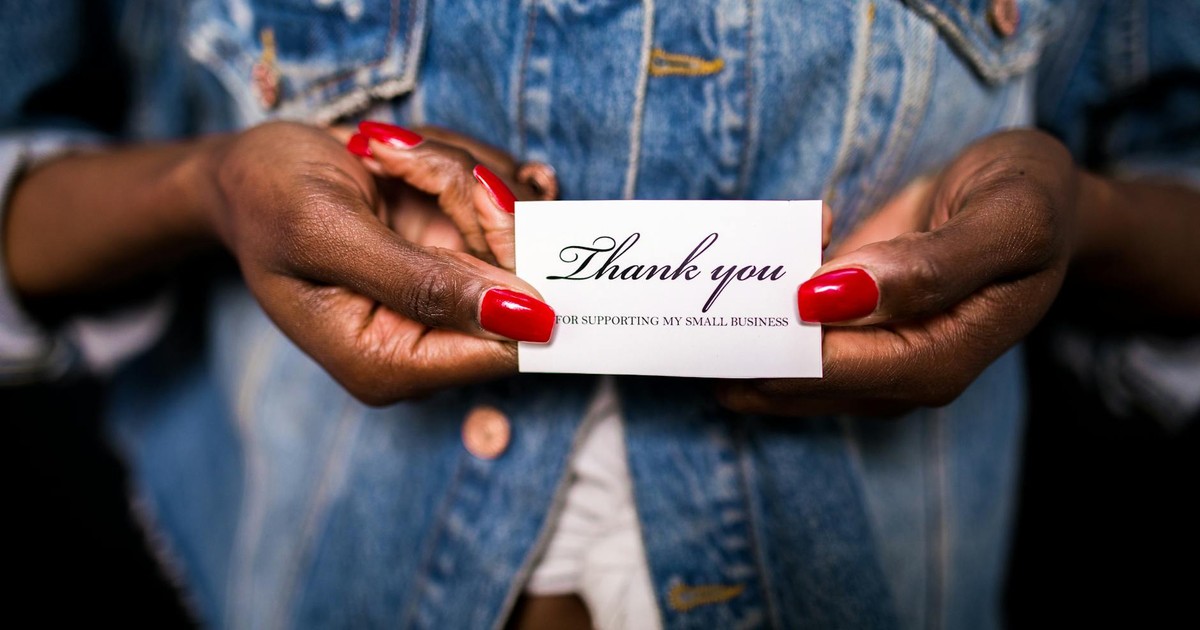
Two of the most revealing behaviors that rarely get named as character signals: whether someone acknowledges help they’ve received, and whether they give credit to others in group settings. Both are entirely optional in most social contexts. Nobody’s tracking whether you mentioned that your colleague did most of the work. Nobody’s requiring you to thank someone who did you a favor two years ago.
Behavior around credit and gratitude is particularly honest because there’s rarely any social enforcement of it. People who habitually acknowledge others, who reference the help they received when describing an achievement, who circle back to thank someone even when the moment has long passed, are displaying a consistent habit of looking outward rather than inward. That tends to show up in their relationships, in how they manage people if they lead teams, in how they handle success when it comes.
The inverse, taking credit smoothly and forgetting the help, isn’t always malicious. Sometimes it’s just a default orientation toward the self that the person has never examined. But unexamined defaults are still defaults, and a pattern of erasing other people’s contributions is worth taking seriously.
Read More: What These 11 Everyday Habits Reveal About Your Personality, Backed by Science
The Part That’s Easy to Miss

Most of the habits above aren’t about grand ethical tests. They’re about orientation: does this person’s attention generally flow toward others or away from them? Do they hold themselves to the same standard they apply to everyone else? Are they consistent across contexts, with the waiter and with the CEO, with a friend they need something from and a friend who needs something from them?
You learn more about a person from their everyday choices than from big speeches, and that’s not a cynical observation. It’s actually a generous one. Every habit listed here is something that can shift, not through willpower or grand gestures, but through the slow accumulation of different small choices. The person who is chronically late can become someone who respects time. The person who deflects blame can develop the capacity to absorb it. Habits reveal character, but they also build it, one low-stakes moment at a time.
Some of these patterns go back further than any single relationship does. Noticing them in yourself is harder than noticing them in someone else, and it’s also more useful. The behavior you catch in a stranger at a coffee shop is just data. The behavior you catch in yourself on a Tuesday afternoon is something you can actually do something with.
AI Disclaimer: This article was created with the assistance of AI tools and reviewed by a human editor.