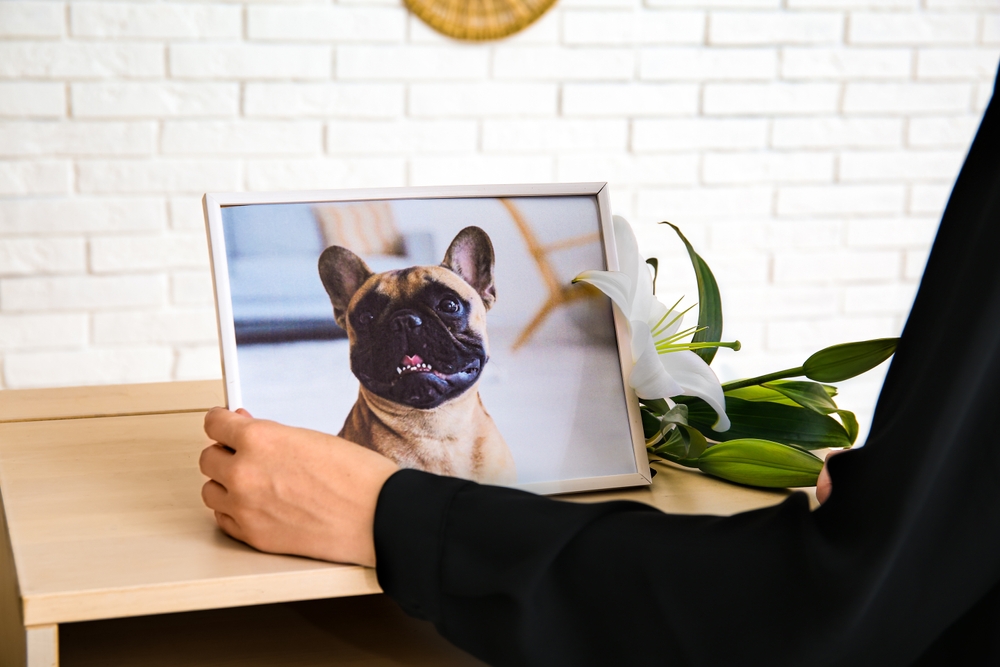

Losing a pet hits differently than almost any other loss you’ll face. Not because it’s the worst thing that can ever happen – grief doesn’t work on a scoreboard – but because it combines so many painful elements at once: the severing of a bond built entirely on trust and presence, the collapse of daily routines that organized your whole life around another creature, and the added cruelty of facing all of it without any of the social scaffolding that typically surrounds human bereavement. No casseroles on the doorstep. No bereavement leave. Just the empty food bowl and the leash by the door.
If you’ve found yourself blindsided by how devastated you feel, or embarrassed about how long it’s lasting, the research is firmly on your side. Pet loss can trigger prolonged grief disorder at rates comparable to human bereavement. For one in five people, losing a pet has been more distressing than losing a human loved one. That’s not sentiment. That’s data.
What follows isn’t an attempt to rank grief or argue that losing your dog is objectively worse than any other loss you’ve experienced. It’s an effort to explain, clearly and specifically, why pet grief trauma catches so many people off guard, why it can hit with a force that stuns even those who thought they were prepared, and why telling yourself to “get over it” is both unhelpful and, as it turns out, scientifically uninformed.
1. The Bond Uses the Same Neural Wiring as Human Love
One of the most important things researchers have established in recent years is that the emotional connection between people and their pets is not a softer, lesser version of human attachment. It runs through the same circuitry.
The bonds we form with animals use the same emotional wiring as our closest human relationships. When those bonds are broken, the grief is real, no matter how others might minimize it. This isn’t a metaphor – it’s brain biology. The attachment system doesn’t check whether the being it’s bonded to has two legs or four before deciding how much to invest. It invests based on consistency, proximity, touch, and attunement, and most people’s pets score high on every single one.
We form attachments to animals in the same way that we form attachments to people, according to psychologist Cori Bussolari at the University of San Francisco. This is why grief after a pet’s death doesn’t just produce sadness – it produces the full suite of bereavement symptoms: disrupted sleep, changes in appetite, difficulty concentrating, a strange physical ache that keeps surfacing at random moments. Grief over pets can produce sadness, rumination, appetite or sleep changes, and depressive symptoms. Your body is doing exactly what it does when it loses someone it was deeply attached to. Because it did.
2. Your Entire Daily Structure Disappears Overnight

Grief researchers talk a lot about the emotional dimension of loss, but they don’t always give enough weight to the structural one. When you lose a pet, you don’t just lose an animal. You lose an entire architecture of daily life that was built around their needs.
Pets become family members because they actively shape how we live. “A lot of people who have pets wake up at a certain time, not because of any alarm clock or any need of their own but because their dog needs a walk,” says Leslie Irvine, a sociologist at the University of Colorado-Boulder. “Just as other humans participate in becoming family by doing these practices – getting up together, eating together, navigating the bathroom times, and all that – so do animals become part of the rituals that make family.”
When that pet dies, all of it vanishes simultaneously. The 6am walk. The twice-daily feeding. The specific way you moved around your own home to avoid stepping on them. The routine of it. The American Veterinary Medical Association notes that the silence in your home after the death of a pet may seem excruciatingly loud. While your animal companion occupies physical space in your life and your home, their presence is often felt with every sense. When your pet is no longer there, the lack of their presence can become piercing. Unlike many human losses, this one reaches into every single hour of your day, touching every ordinary moment that used to belong to both of you.
3. You Lose a Completely Uncomplicated Love
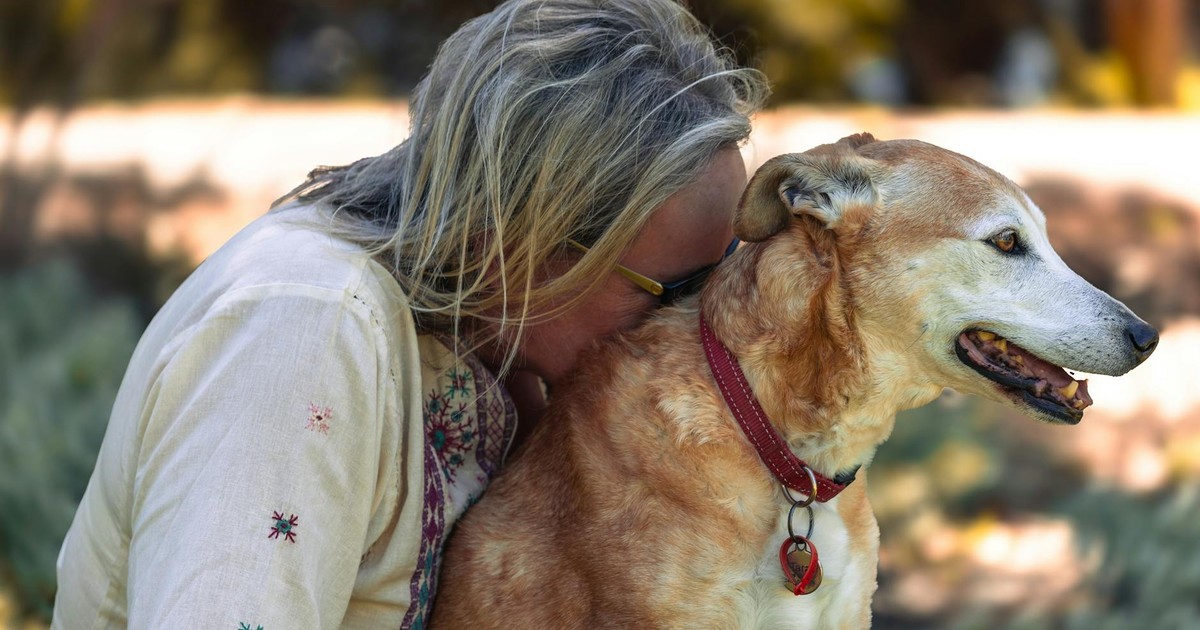
Most human relationships, even the best ones, come with friction. History. Expectations. Things left unsaid or said badly. Your pet had none of that. They had no bad days aimed at you. No old grudges. No complicated opinions about your life choices.
As psychologist David Freifeld has observed, dogs “kind of enter your life with a preexisting, unconditional excitement for who you are.” That kind of love – consistent, non-judgmental, and entirely present – is genuinely rare. And its rarity is exactly what makes losing it so acute. You don’t find yourself replaying difficult conversations or renegotiating your feelings about the relationship after they’re gone. You just miss them, cleanly, without ambiguity.
We often share more with our pets than with anyone else – our true feelings and moods, crying, and talking. This closeness deepens the bond and leaves a real gap when the pet is gone. Our animal companions bring out the best in us, so when we lose them, we often feel we have lost part of ourselves. There’s no grief work to do around complicated feelings, because there aren’t many complicated feelings. The love was clean. The loss is devastating precisely because of that.
4. Society Gives You No Permission to Fall Apart

When a human loved one dies, society knows what to do with you. People show up. Food appears. Institutions bend. Time off work is granted without explanation. Grief becomes, temporarily, a publicly recognized state that others will accommodate.
The loss of a pet is considered a disenfranchised loss – one for which there is no universally recognized ritual for grieving. You cannot take bereavement leave when you lose a pet, but you can for the loss of a person. The grief is real, but the social infrastructure around it doesn’t exist. You’re expected to be fine at your desk by Monday. You’re expected to field “it was just a cat” from someone who means well and still lands it like a punch.
A 2025 study by Dianne Cameron published in the journal Omega found that when people are in anguish over the loss of a pet, disenfranchised grief makes it more difficult for them to find solace, post-traumatic growth, and healing. Disenfranchised grief restrains emotional expression in a way that makes it harder to process. This is the double wound of pet grief trauma: not only have you lost someone you loved, but you’ve lost them in a context where expressing how much you hurt can itself become a source of shame. You end up grieving the loss and managing other people’s discomfort about your grief at the same time.
5. The Attachment Strength Directly Predicts the Grief Intensity

Not everyone who loses a pet experiences the same level of grief, and that’s worth saying clearly. But when the bond was deep, the grief tends to match it – and research has consistently found that this relationship is measurable.
Research published in 2025 found a significant positive association between pet attachment and pet loss grief, consistent with earlier studies across multiple countries. In plain terms: the closer you were to your pet, the harder the loss hits. This seems obvious, but it has an important implication that’s often missed. When someone dismisses intense pet grief with “it’s just an animal,” they’re ignoring that grief intensity is driven by attachment depth, not by the species of the being you lost.
A 2024 study that compared grief in pet versus family loss among 200 participants found no significant differences in pain severity, with subjective factors such as attachment strength playing a crucial role in determining grief intensity. If your bond with your pet was powerful, your grief is likely to be proportionally intense, regardless of what anyone else might think about pets versus humans. So when someone tells you the grief should be smaller, what they’re really claiming is that your attachment should have been smaller. And that’s not how love works.
6. You May Have Been the Only Caregiver for Years

Caring intensively for another being, especially through illness, creates an intimacy and depth of bond that is hard to replicate any other way. Many pet owners spend months or years as their pet’s primary and sometimes only caregiver, administering medication, managing appointments, tracking symptoms, sitting up through the bad nights.
Depending on the pet, they can be with us through many years of our lives, often through significant events like marriage, becoming parents, divorce, and the loss of human family members. Your pet witnessed your life at its most unguarded. They were there when you got the bad news, when you cried on the bathroom floor, when you got through something you weren’t sure you would. Losing them is losing the only witness to entire chapters of your life.
The Lindner Center of Hope reports that nearly 93% of grieving pet owners reported significant life disruptions following the death of their pet, with many struggling with guilt, wondering if they might have made the wrong decisions at the end of life or if they might have been able to prevent the loss. The caregiving relationship amplifies everything – the love, the grief, and often the guilt that settles in afterward. Learning about how grief affects the body can help you make sense of the physical weight of it.
7. Euthanasia Adds a Layer No Human Loss Carries
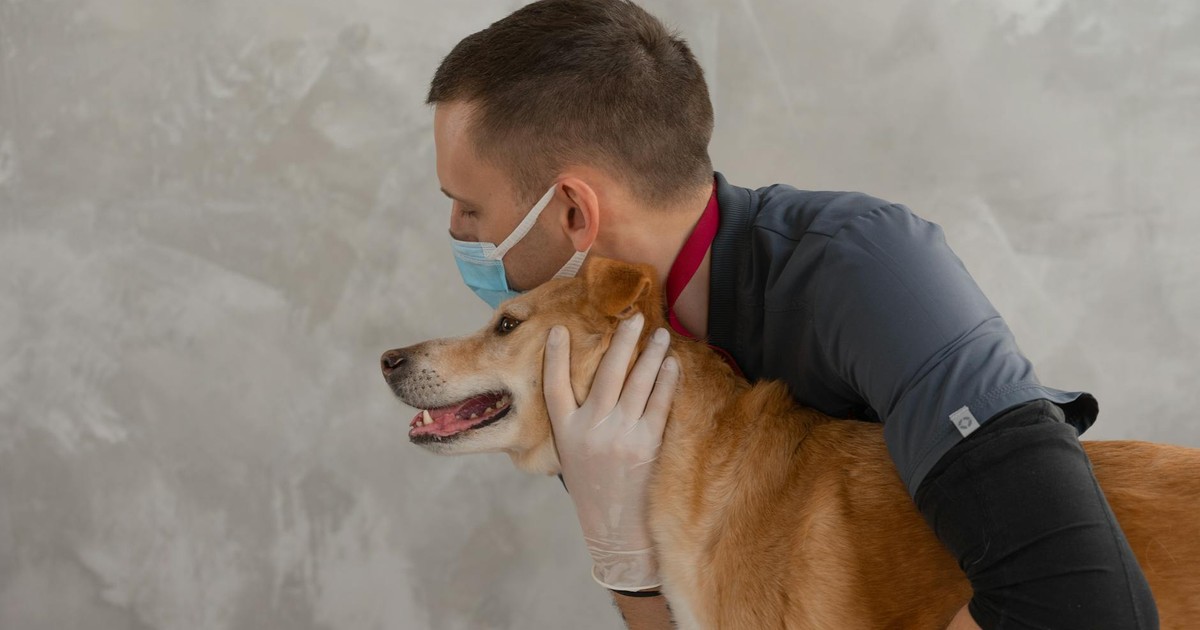
Most of the time, when a human loved one dies, you don’t have to make the call. You don’t sit in a room and give a signal that says: now. Pet loss, more often than not, ends with that specific act. The decision is yours, and it stays with you.
Owners may be involved in the decision to euthanize their pet – something that doesn’t happen with human loss. For some, this brings comfort, feeling they’ve supported their pet at the end. For others, it’s traumatic, particularly if they’ve felt excluded from the decision by the vet or worried they acted too early. The weight of that decision is something that accumulates. Even people who know, intellectually, that they chose the kindest option often spend months afterward replaying the final appointment, wondering if they waited too long or not long enough.
Trauma can emerge in both human and pet grief, but the triggers often differ. In pet loss, it frequently stems from memories of medical struggles, witnessing suffering, or the euthanasia process. Many pet owners replay their pet’s final moments, questioning whether they could have done something differently. That loop of self-interrogation adds a second layer of anguish on top of the loss itself, one that has no real equivalent in most forms of human bereavement.
8. Pets Are Often the First Death You Witness Up Close
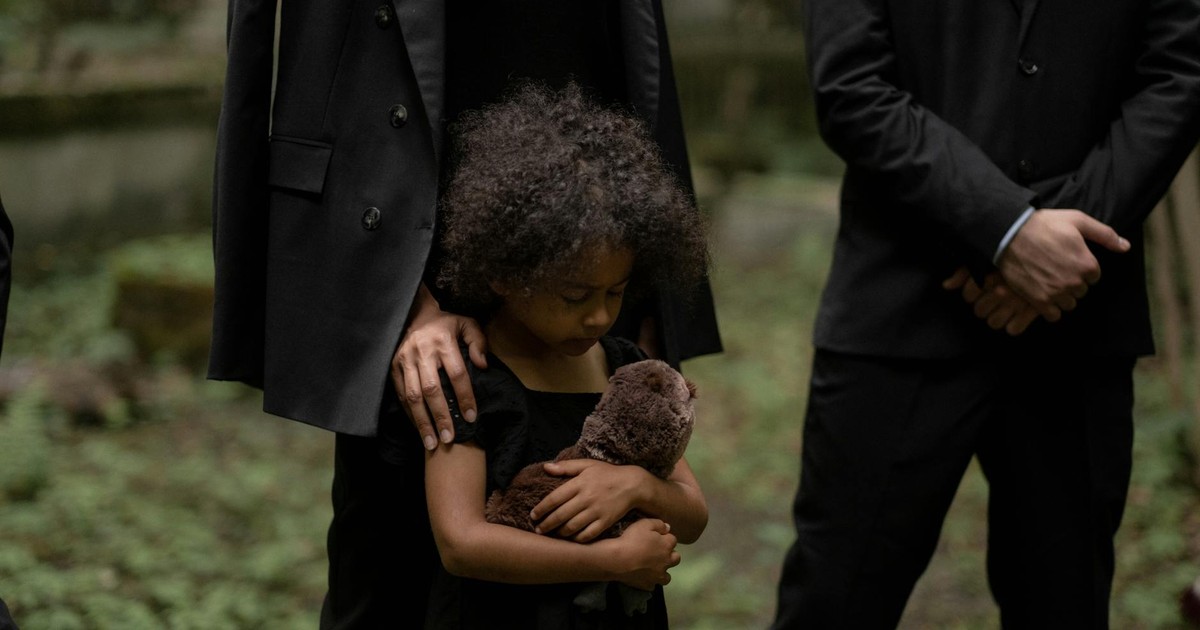
For many adults, the loss of a pet is the first time they watch someone they love die. Not from a distance, not in a hospital room they were kept out of, but right there, held in their arms or kneeling on a vet’s linoleum floor.
Losing a beloved animal friend is made harder by the relative novelty of the experience, often being a person’s first encounter with a close death. That firstness matters enormously. There’s no previous grief to reference, no personal template for how this feels or how long it lasts. You don’t know if the shock in your chest is normal or a sign something is wrong. You don’t know when it gets better. You just know it hurts more than you expected.
This is also why pet grief trauma can ambush people who consider themselves emotionally resilient. It’s not that they can’t handle loss – it’s that they have never encountered loss in this form before. The proximity of it. The weight of the animal in your arms. The ordinary Tuesday quality of the worst day. None of that prepares you in advance.
9. Prolonged Grief Is More Common Than Anyone Admits

There’s a cultural assumption that pet grief should resolve quickly. A few days, maybe a week. Then back to normal. But the research doesn’t bear that out, and believing it creates a trap where people measure their recovery against an entirely fictional timeline and conclude that something is wrong with them.
A January 2026 study covered by The Conversation, led by Philip Hyland of Maynooth University, surveyed 975 British adults and found that those who had lost a pet were 27% more likely to develop prolonged grief disorder symptoms than those who hadn’t. Pet loss accounted for 8.1% of all prolonged grief disorder cases in the study – a higher proportion than many types of human losses. The research found no measurable differences in how prolonged grief disorder symptoms show up, whether the loss involves a person or a pet.
The lack of acknowledgment is itself a grief risk factor. When you’re told your grief is disproportionate, you stop talking about it. When you stop talking about it, it doesn’t get processed. When it doesn’t get processed, it sits. That’s not a personal failing. That’s an entirely predictable outcome of a society that still hasn’t caught up to the research.
10. Losing a Pet Can Destabilize Your Identity
This is the reason that surprises people most. We don’t often think of ourselves as having an identity that’s built around a pet – but for many people, it is. You’re the person who takes their dog to the park every morning. You’re Bella’s person. You organize Saturday around the vet schedule, adjust vacation plans around boarding, make dinner decisions based on who’s waiting at home.
We feel a unique sense of self with our pets. They touch our very souls, so we feel that loss from our deepest essence. Our pets become part of our identity. We like who we are and who we become with them. Our pets give us a sense of purpose and meaning because they depend on us to take care of their basic needs. When the pet is gone, the role disappears with them. And suddenly, a significant part of how you’ve been organizing yourself – how you’ve been thinking about yourself – has no anchor.
If your pet was a working dog, service animal, or therapy animal, you’ll not only be grieving the loss of a companion but also the loss of a coworker, the loss of your independence, or the loss of emotional support. If you lived alone and the pet was your only companion, coming to terms with their loss can be even harder. That identity loss rarely gets named as part of grief, but it runs underneath all of it. The question “what do I do now?” isn’t just about the mornings. It’s about who you are without them.
What to Do With All of This

If you’re in the middle of pet grief trauma right now, none of this information makes it hurt less. But it might make it make sense. The devastation you’re feeling isn’t an overreaction. It isn’t a sign that you’re emotionally fragile or that you need to get a grip. It is a proportionate response to a real loss – one that hit your attachment system, your daily structure, your identity, and your sense of purpose all at once. That’s a lot of things to lose in a single afternoon.
The AVMA puts it plainly: grief can’t be ranked. Some people will want to compare their grief emotions with others whose grief might be considered “worse.” While this is normal, your grief is your grief and deserves the same care and attention as any other loss. The person who tells you to move on quickly isn’t measuring your grief accurately. They’re measuring it against a social script that the science has already discredited.
You don’t have to have everything resolved. You don’t have to hit a set timeline. Grief over a pet, like grief over anything you genuinely loved, asks for time and honesty rather than speed. Give it both.
Disclaimer: This information is not intended to be a substitute for professional medical advice, diagnosis, or treatment and is for information only. Always seek the advice of your physician or another qualified health provider with any questions about your medical condition and/or current medication. Do not disregard professional medical advice or delay seeking advice or treatment because of something you have read here.
AI Disclaimer: This article was created with the assistance of AI tools and reviewed by a human editor.