

Flies don’t care that you’ve just set the table. They don’t care that you finally cleaned the kitchen, or that the back door stays shut now, or that this summer you swore things would be different. One minute you’re eating outside in peace, and the next there’s a fly walking across your sandwich with complete confidence, like it owns the place.
The honest truth about flies in summer is that your home isn’t doing anything wrong. Flies are simply more active in summer because warm temperatures speed up their metabolism, their feeding, and their reproduction, and higher heat allows multiple generations to develop in the same season. In hot conditions, a house fly can go from egg to adult in far less than the typical 7-10 days. That’s what makes them so hard to get ahead of: the population isn’t static. By the time you notice a problem, it’s already been building for weeks.
The good news is that keeping flies away doesn’t require chemicals, specialist equipment, or turning your home into a lab. Most of what works is already in your kitchen, your garden, or available at any supermarket. Here are 16 things that genuinely make a difference.
1. Grow Basil Near Your Doors and Windows
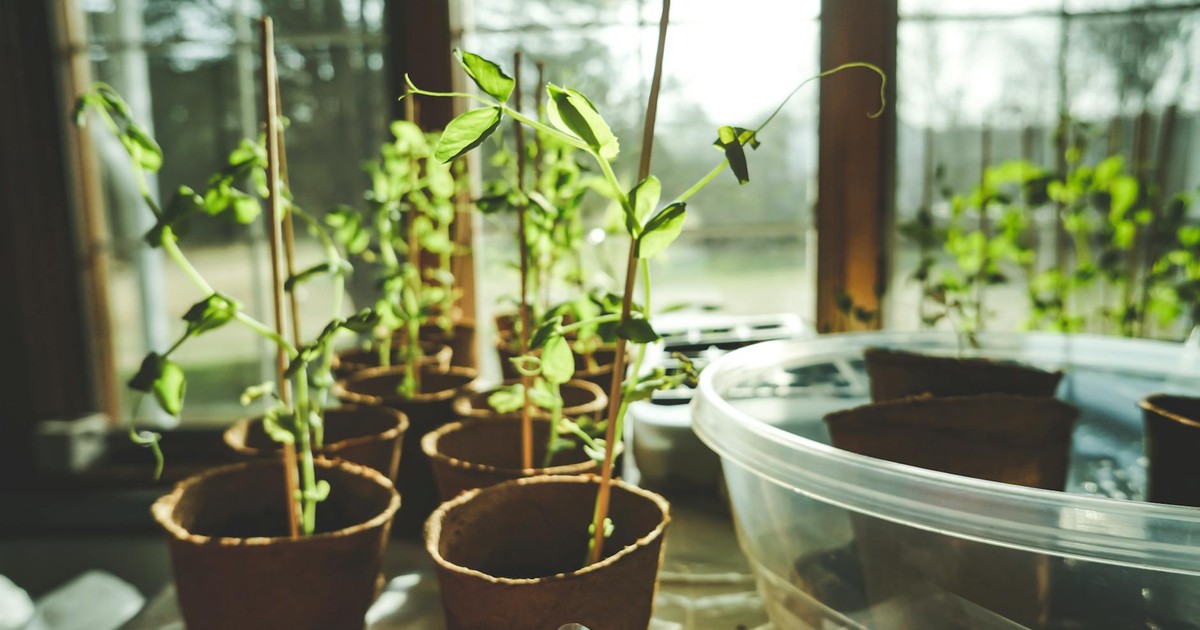
Of all the fly-deterrent plants you can grow, basil earns the top spot for home use. According to Blooming Expert, it’s the single most effective fly-repellent plant for a patio context, combining strong volatile output even from intact leaves with fast growth in summer heat and practical utility as a culinary herb. Its primary repellent compounds – eugenol, linalool, and estragole – are active against house flies, fruit flies, and fungus gnats alike.
The scent works passively and constantly, which is the point. You don’t need to do anything to it. USDA laboratory research has confirmed that house flies actively avoid areas with concentrated basil volatiles. Put a pot on the kitchen windowsill, another by the back door, and one on the patio table near where you eat. Genovese (sweet) basil and lemon basil are the strongest performers.
One practical tip: pinch off the flower buds as they appear. A plant that’s gone to flower reduces its oil production, which is where all the repellent power lives. Keep it in vegetative growth and you keep the flies at bay.
2. Add Lavender to Outdoor Seating Areas
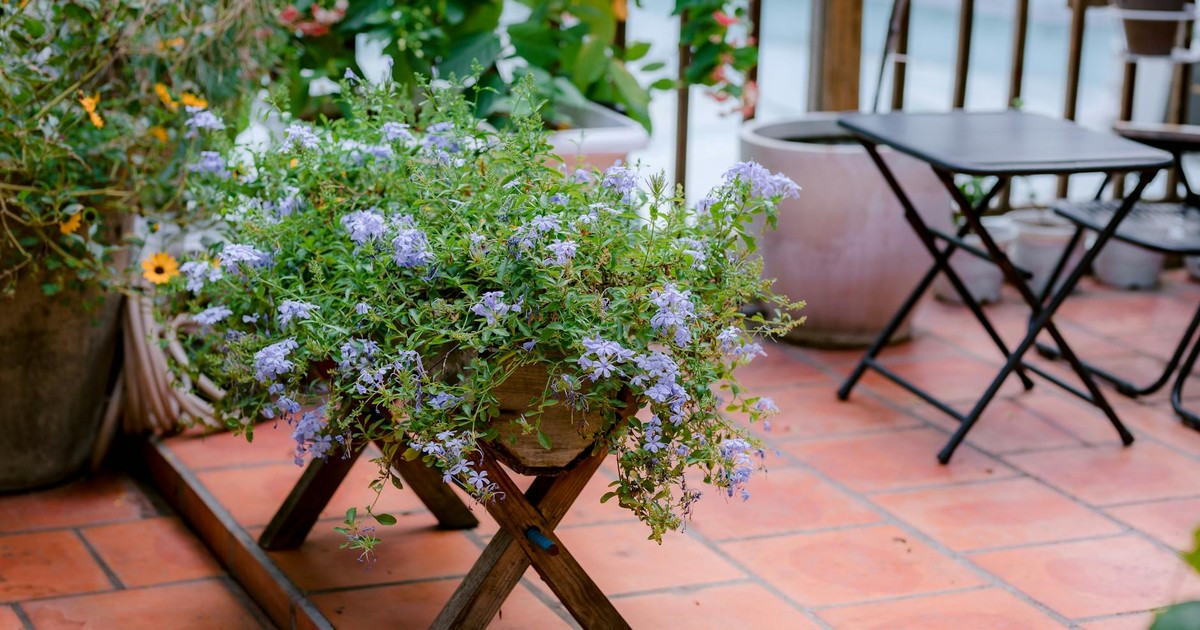
Lavender’s reputation as a fly deterrent is backed by solid research. Its linalool content – typically 25-45% of the essential oil in English lavender – is the same compound used in many commercial insect repellents. Linalool disrupts insect neurotransmitter function and creates a strong olfactory barrier that house flies, blowflies, and gnats actively avoid.
What makes lavender particularly useful outdoors is that heat actually helps it. Unlike some repellent plants, lavender releases meaningful quantities of volatiles from intact plants, and a hot summer patio environment actually improves its performance. A lavender pot on each side of the outdoor table creates a kind of perimeter. You can also hang small bunches of dried lavender in doorways or place them on windowsills inside the house where flies tend to enter.
If you don’t have the space or climate for growing it, lavender essential oil on a cloth near entry points works on the same principle. The scent needs refreshing every couple of days, but the effect is real.
3. Make the Lemon-and-Cloves Trick Your Summer Table Staple
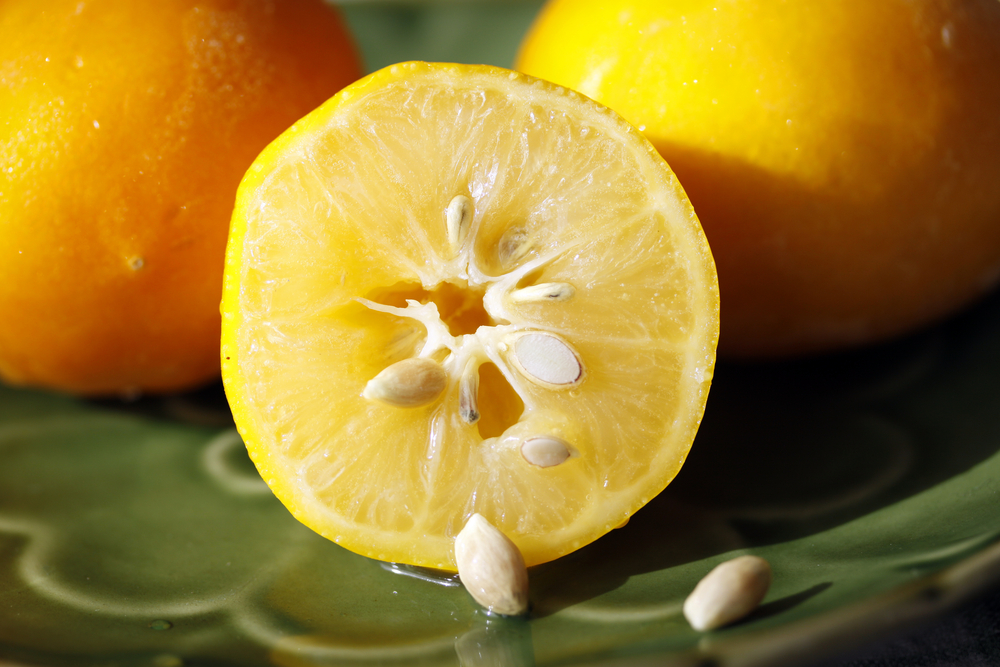
This one looks decorative, smells great to humans, and is genuinely effective on flies. As Ideal Home reports, the combination of lemon and cloves throws off the flies’ senses and makes the area smell too intense and confusing for them to stick around. Cut a lemon in half and pierce the flesh with whole cloves, then set the halves on a small plate wherever flies congregate: the kitchen counter, the windowsill, the outdoor dining table.
Lemons release limonene, a strong citrus compound that interferes with the way flies locate food. Pushing cloves into the flesh adds eugenol, a sharp, almost spicy compound that flies find even more repellent. Together, the two scents create a combination that flies find too intense and confusing to stay near.
Each lemon half lasts a couple of days before the scent starts to fade. Replace them as you go through lemons in the kitchen. The cost is essentially zero, and they look far better sitting on a counter than anything involving sticky tape or chemical spray.
4. Set Up an Apple Cider Vinegar Trap
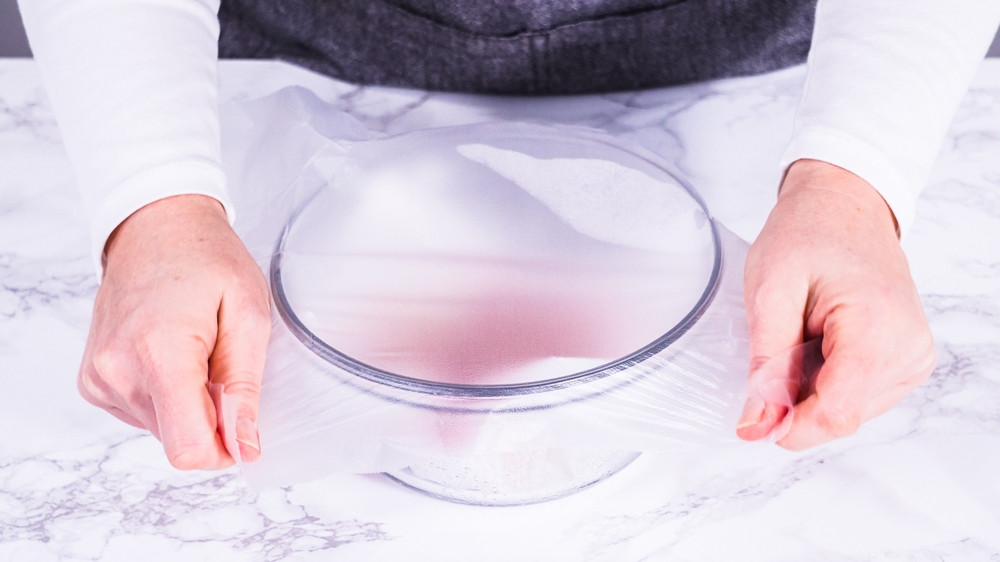
This is the most effective method for dealing with flies already inside the house, particularly fruit flies. To do this, you mix about an inch of apple cider vinegar with a few drops of dish soap in a tall glass, cover the glass with plastic wrap, secure it with a rubber band, and poke small holes in the top. Flies are drawn to the vinegar scent and fly through the holes, but the film of dish soap breaks the surface tension, so instead of landing, they sink.
The trap works because it exploits exactly what flies want. They’re attracted to fermented, slightly acidic smells that mimic overripe fruit. Once inside the trap, they can’t figure out how to leave the same way they came in. It’s not a preventative measure – it won’t stop flies from entering your home – but if you already have a population inside, it clears them fast.
Place the trap near wherever you’re seeing the most activity: the kitchen counter, near fruit bowls, or next to the rubbish bin. Replace the mixture every two to three days.
5. Keep Rubbish Bins Tightly Sealed and Clean

Terminix explains that flies are drawn to specific smells, food sources, and environments that support breeding, and that each species has slightly different preferences, but all are generally looking for food, moisture, and organic waste. Your rubbish bin is the single most powerful fly magnet in your home, particularly in summer when food breaks down faster.
Two changes make a real difference. First, use bins with tight-fitting lids rather than open-top bins, especially in the kitchen. Second, clean the bin itself regularly – not just empty it. Residue on the inside of a bin, even invisible traces from bin bags, produces a scent that flies can detect from a surprising distance. A quick rinse with hot water and a small amount of white vinegar every couple of weeks removes the residue and cuts the smell. The outside of the bin matters too, especially the lid rim.
6. Put a Fan on Your Patio
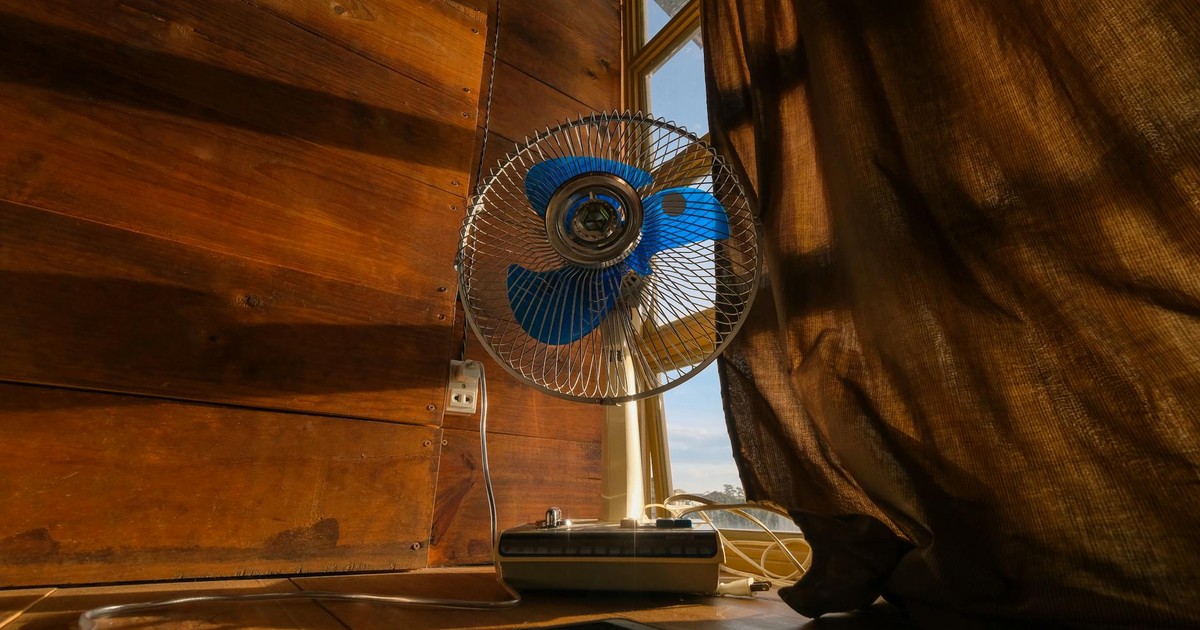
Flies are weak fliers and struggle in strong air currents. A standard outdoor fan aimed across a dining or seating area creates enough airflow to make landing on food or people genuinely difficult for them. This isn’t a deterrent in the scent-based sense – it’s simply physics. Flies need to be able to land accurately, and disrupted air makes that hard.
An oscillating tower fan works well for patios. Positioned to sweep across the table rather than aimed directly at seated guests, it keeps flies off the food without making the experience unpleasant for anyone. It also happens to cool everyone down in the process. For indoor use, a ceiling fan on a low setting has the same basic effect in a kitchen.
7. Use Citronella Candles Outside

Citronella is best known for keeping mosquitoes away, but it works on flies too. For decades, citronella candles have proven effective at deterring flies and mosquitoes alike. The aroma emitted by these candles can keep both away at a distance of roughly one to two metres.
The practical limitation of citronella candles is that they need to be burning to work, and wind reduces their range significantly. They’re most effective in still-air outdoor spaces – a sheltered patio, a courtyard, or an outdoor dining area with some overhead cover. Two or three candles positioned around the perimeter of a table creates a reasonable buffer. They don’t need to be expensive. Standard grocery store citronella tea lights in small holders do the job.
8. Try an Essential Oil Repellent Spray

You can make a simple fly-repellent spray by cutting cloth into strips about a foot long and an inch wide, then applying ten drops of clove, lavender, lemon, or mint essential oil to each strip. Hang them near entryways and windows, tie one to your patio umbrella, and place several around outdoor dining areas. The volatile compounds in these oils are the same ones that fly-repellent plants produce naturally – you’re just concentrating and placing them where they’re most useful.
For a spray version, add 20 drops of lavender or peppermint essential oil to 250ml of water in a small spray bottle, shake well before each use, and mist around doorframes, windowsills, and rubbish bin areas. It won’t last as long as a plant, but it’s a useful tool for targeted problem spots. Refresh it every day or two.
9. Grow Mint (But Keep It Contained)
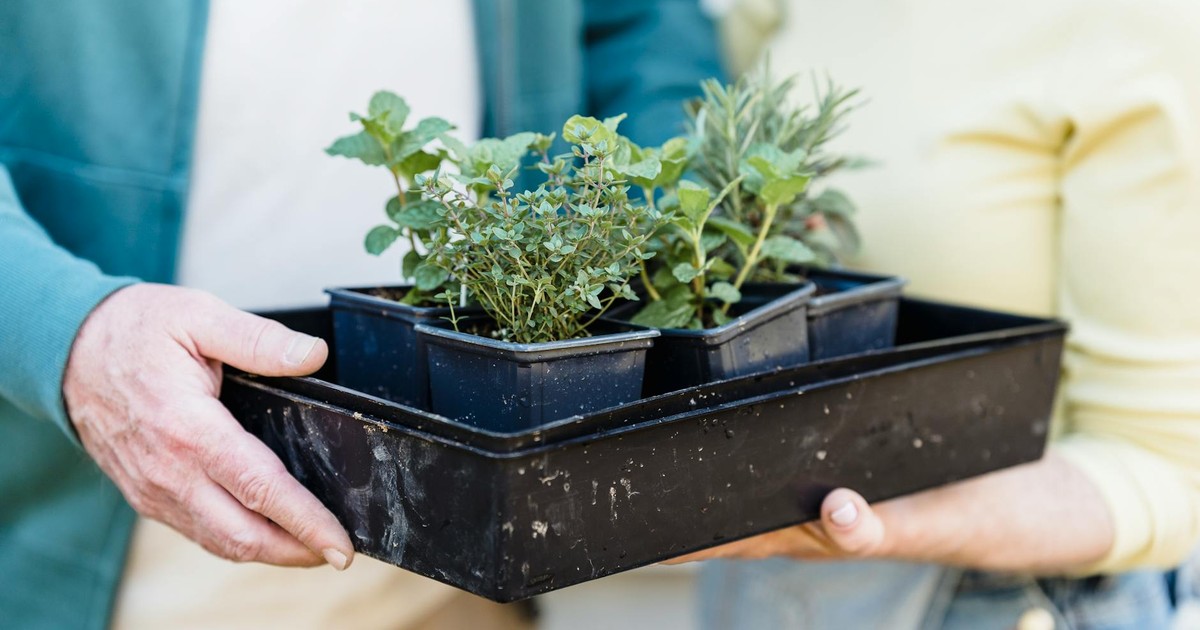
Mint is one of the most effective fly-deterrent plants available, largely because of how aggressively it produces aromatic compounds. Its leaves contain a combination of naturally insect-repelling compounds – including menthol, menthone, and methyl acetate – that keep pests at bay automatically. Mint is well known for keeping homes free from flies and mosquitoes year-round.
The catch with mint is that it will take over every available inch of soil if you plant it directly in the ground. It proliferates easily – one gardener recommends growing it in a pot specifically to stop it taking over the entire lawn if planted in soil. Pots near doorways and open windows are ideal. Spearmint and peppermint both work well. Like basil, the scent is strongest in full leaf, so pinch back regularly to encourage dense, bushy growth rather than tall and leggy.
10. Eliminate Standing Water Around Your Property

Flies don’t just want your food. They need moisture to breed, and standing water is one of the most overlooked reasons for a persistent fly problem around the home. Minimising standing water should be a priority: refresh birdbaths frequently, remove anything that could collect rainwater, and fill in sunken areas in the yard that pool after rain. If you have an outdoor pool and aren’t running the pump frequently, either cover the pool or drain it.
Other culprits are less obvious: the saucers under garden pots, the gutters with a slow drainage issue, a watering can left outside with an inch of water in it, the tray under the outdoor bin. A quick scan of your outdoor space after rain reveals a lot. Flies don’t need much water to breed – a few centimetres in any container is enough.
11. Store Fruit in the Fridge or in Covered Bowls
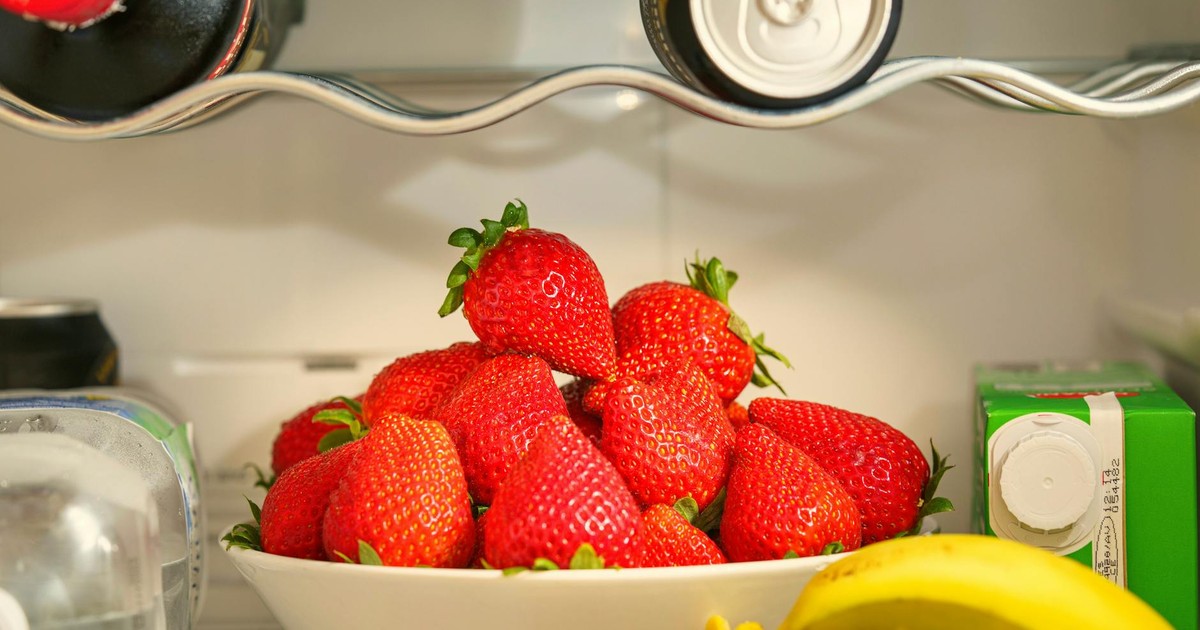
The bowl of bananas and peaches on the kitchen counter is beautiful in spring. In summer, when temperatures push above 25°C and fruit ripens fast, keeping produce fresh requires a different approach. Common house flies are attracted to decaying organic filth, while fruit flies seek sugary substances and feed most commonly on overripe fruit, spilled soda, and alcohol.
Moving stone fruit, bananas, and berries into the fridge during the hottest weeks of summer removes one of the biggest indoor attractants at a stroke. If you prefer to keep fruit out, a mesh food cover does double duty: it protects from flies that are already in the room while still letting the fruit breathe. Wipe down the fruit bowl every few days, too. The residue from overripe fruit at the bottom of a bowl is enough to draw flies even when the fruit itself is gone.
12. Fix Gaps, Torn Screens, and Poor Door Seals
This is the method people put off because it feels like a home maintenance job rather than a fly solution. But flies often enter homes through open doors, damaged screens, small cracks, or by hitching a ride on produce and houseplants. Sealing their entry points is more effective, long-term, than repelling them after they’ve already got in.
Check window screens for small tears or holes – even a 5mm gap is enough for a fly to find its way through. Door seals, particularly at the bottom of back doors, are worth checking. A brush strip across the bottom of a frequently used door is a cheap fix that makes a real difference. Any crack around a pipe or cable entry point going through an exterior wall is another common entry route. An afternoon with a tube of gap filler and a new door seal earns months of quieter living.
13. Clean Drains Regularly
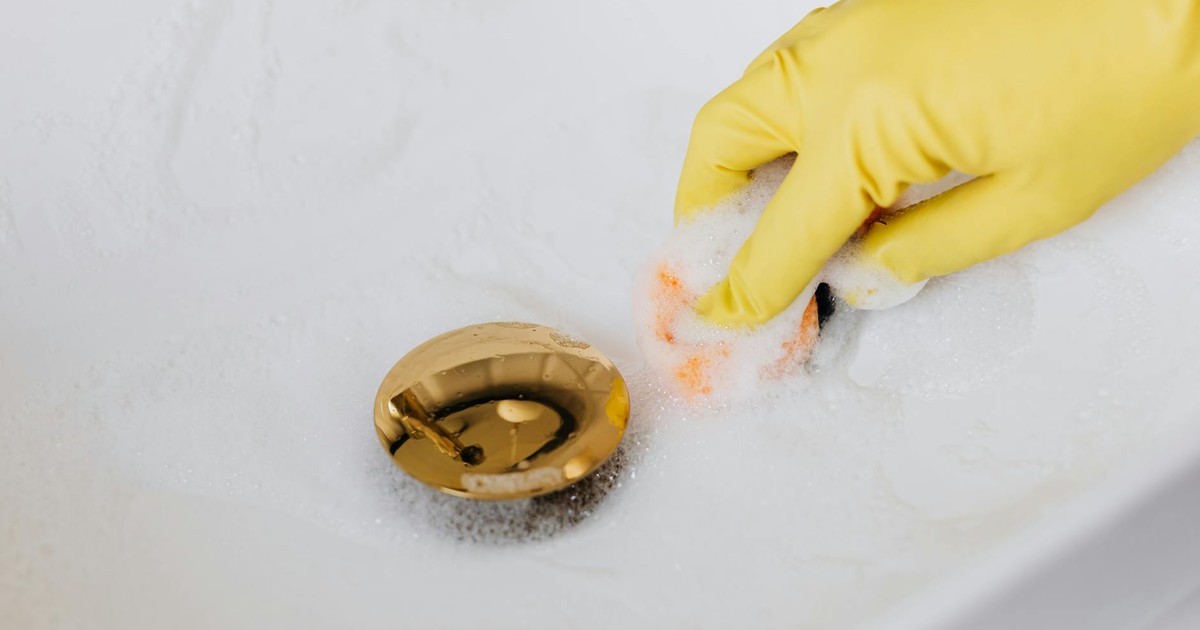
Kitchen and bathroom drains are a breeding site that most people don’t think about until they have a drain fly problem. Drain flies require moist conditions and organic material, and are attracted to drains where they will lay their eggs. Even if you’re not seeing drain flies specifically, organic build-up in a kitchen drain creates a scent that draws other fly species too.
Pour boiling water down the kitchen and bathroom drains once a week. For a deeper clean, pour half a cup of baking soda followed by half a cup of white vinegar into the drain, let it fizz for five minutes, then flush with hot water. This breaks down the organic film that accumulates on drain walls and removes the odour that attracts flies. It also handles drain flies directly. If you’re seeing small, moth-like flies emerging from the plug hole, this is your fix.
14. Clean Up After Pets Promptly
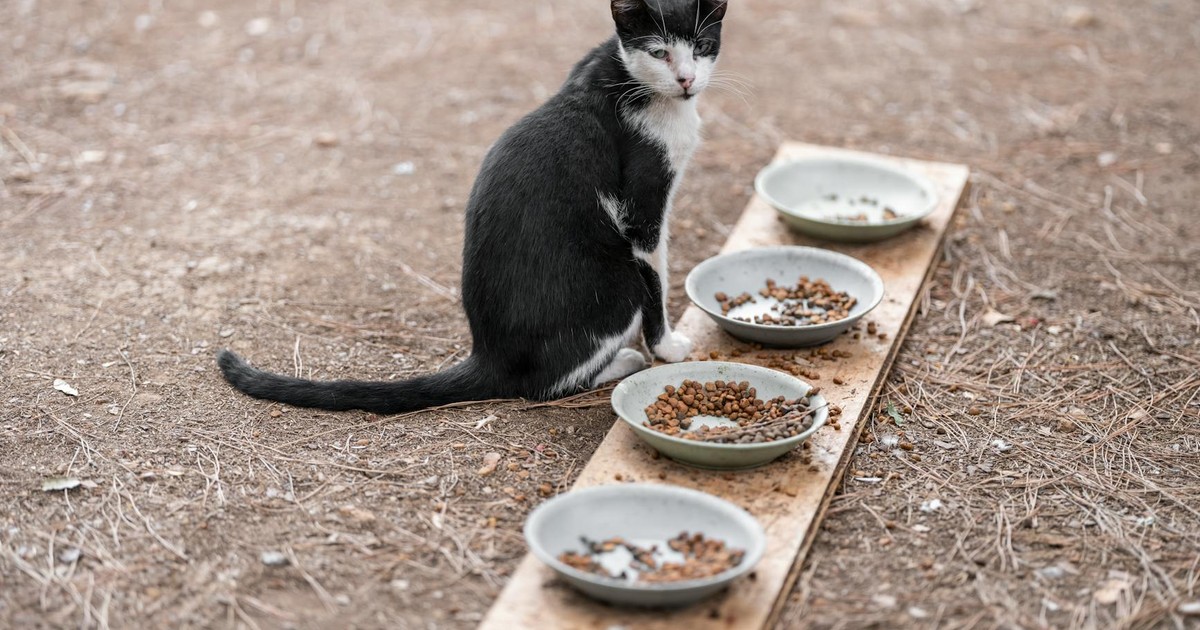
Flies often originate from outdoor breeding grounds, including compost piles, garbage bins, and animal waste. Pet waste in the garden is one of the fastest ways to build a fly population close to your home. House flies breed in it, and once the population near the house grows, it’s only a matter of time before they start finding their way inside.
Pick up after dogs daily, ideally twice a day in summer. For cats using outdoor areas, regular soil turning in litter trays and garden corners they favor makes the area less hospitable. If you have a compost heap, keep it covered and turn it regularly – an uncovered, wet compost heap in full sun is about as fly-friendly as an environment can get. Keeping the lid on and maintaining the moisture balance within the heap makes a real difference.
15. Try Rosemary as a Patio Plant

Rosemary gets less attention than basil and lavender in fly-repellent circles, but it’s just as useful and arguably more versatile. Potted rosemary plants placed around the house help keep flies away. The fragrant culinary herb – another member of the mint family – smells wonderful to people but is deeply unappealing to flies. Like other mint-family plants, rosemary contains linalool and other aromatic compounds that flies actively avoid.
Rosemary is also more drought-tolerant than basil and more suited to a dry, sunny patio. A large pot near the back door or on each side of an outdoor seating area works well. As a bonus: you can snip some sprigs to place in bowls on your counters and dining table – the aromatic oils from cut rosemary sprigs will last a long time and continue to deter flies indoors.
16. Keep Surfaces, Sinks, and Splashbacks Consistently Clean
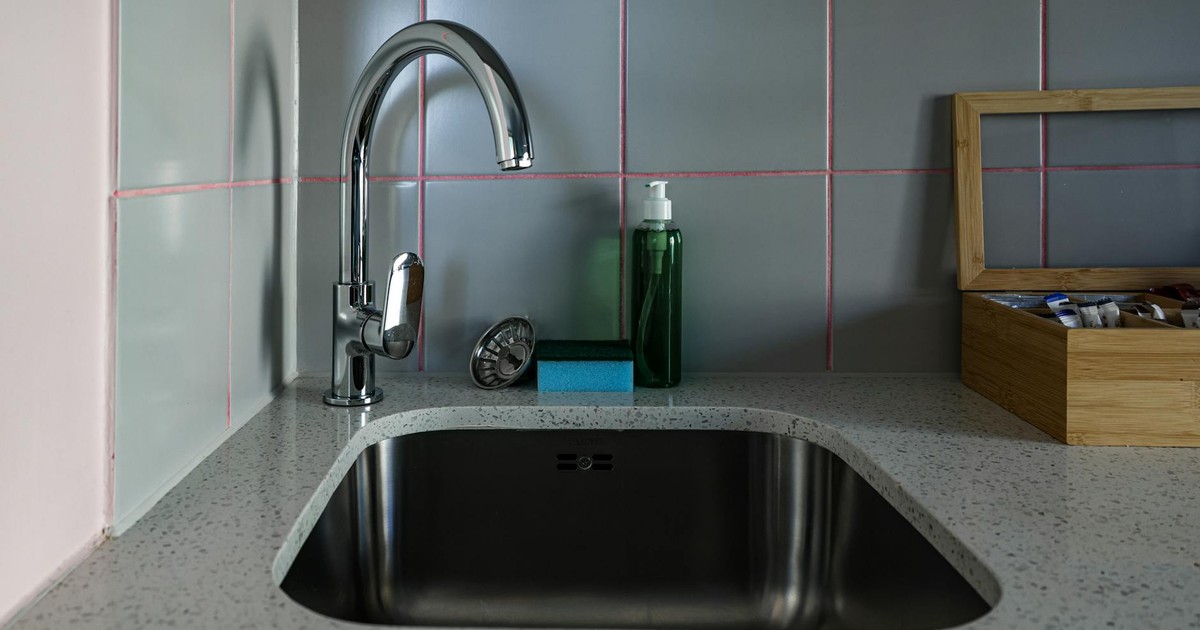
Common indoor fly attractants include garbage, rotting produce, sweet liquids, dirty drains, pet waste, and even light sources. The thin film of cooking grease and food residue that builds up on kitchen surfaces, behind taps, and along splashbacks is a fly attractant even when you can’t see or smell it. Flies can.
A daily wipe-down of kitchen surfaces with a hot cloth – not just around where you’ve been cooking, but along the back of the worktop, around the base of the hob, and along the splashback – removes the invisible residue that keeps drawing flies back. Pay particular attention to the area around the rubbish bin, the recycling, and under appliances. Spills on the floor near the cooker are worth wiping up immediately rather than getting to later, particularly anything sweet or fermented. In summer, “later” is when the flies arrive.
The Part Nobody Likes to Hear

Here’s the thing about flies in summer: even if you do all 16 of these things, you will probably still see one or two. That’s not failure. That’s just summer. The goal isn’t a fly-free existence – it’s reducing the population enough that they stop being a daily source of frustration, stop landing on food, and stop feeling like they have the run of the place.
What works is usually a combination of several of these approaches rather than any single magic fix. The plants and scents do their job passively. The sanitation measures cut off the breeding cycle. The physical barriers stop new arrivals. And the traps deal with whatever has already got in. Run two or three of these at once, and the difference is noticeable within a week. Keep them running through summer, and you’ll swat a lot less.
AI Disclaimer: This article was created with the assistance of AI tools and reviewed by a human editor.