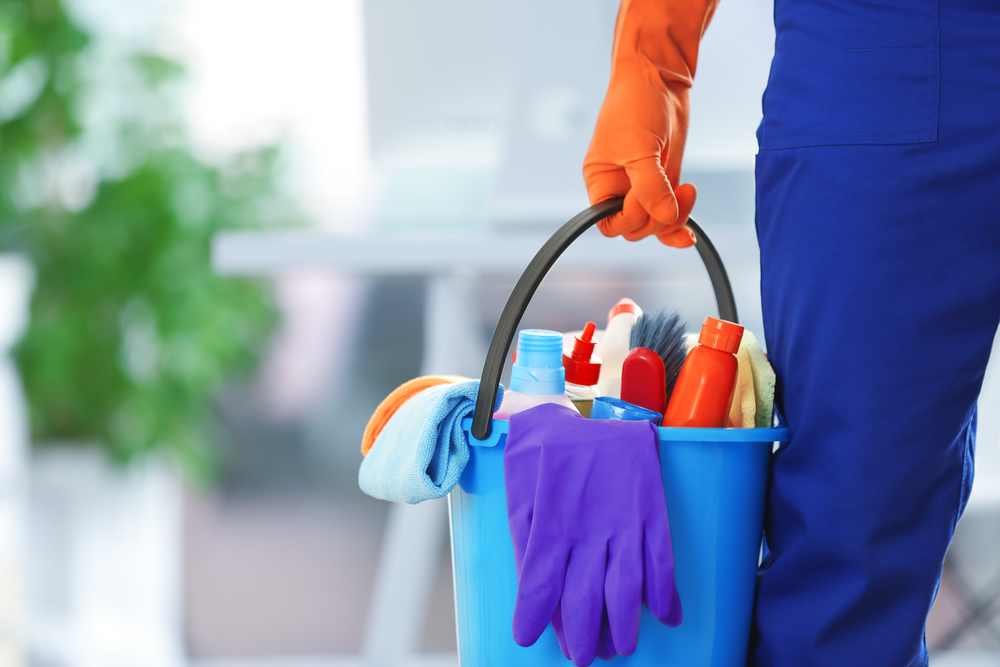

Most people have a cleaning routine they’d describe, if pressed, as pretty solid. The floors get vacuumed. The bathroom gets scrubbed. The kitchen counters get wiped down after dinner. And yet, somewhere in the house right now, there are things accumulating bacteria at a pace that would make a microbiologist genuinely uncomfortable – and none of them are the surfaces you just cleaned.
The strange thing about household hygiene is how much of it runs on autopilot. We clean what we can see getting dirty. The toilet bowl looks grimy, so we deal with it. The stovetop has splatter, so it gets a wipe. But a handful of objects operate below the radar of our usual cleaning instincts – things that never look dirty, or that we assume are already hygienic by virtue of what they do, or that we simply never think to question. Those are the ones that matter most.
If you want your home to actually be clean – not just visually clean but microbiologically tidy – the next step is dealing with the six things below. Most people aren’t touching them at all. Some people don’t even know they should.
1. Your Ceiling Fan Blades
Ceiling fans are the perfect collectors. They’re spinning through the air constantly, generating a static charge that pulls in dust particles, and the blades’ leading edges – the front corners cutting through the air – bear the brunt of it. The spinning action of a ceiling fan generates a static charge, which actively attracts dust particles. These then accumulate on the blades, meaning ceiling fans can be significantly dustier than other nearby fixtures or furniture in the same room.
The real issue isn’t just the appearance. A ceiling fan covered with dust or pollen can fling those particles around the room as it’s whirring away, which makes regular cleaning especially important for people with allergies. And if your fan is anywhere near a kitchen, grease compounds the problem: it creates a sticky surface that makes the dust cling far more aggressively than it would elsewhere in the house.
A dirty fan can circulate dust and allergens throughout the room, which can be particularly problematic for people with allergies or respiratory issues. The practical fix isn’t complicated. Dusting ceiling fan blades at least once a month helps prevent significant buildup. For a deeper clean, especially in high-traffic areas, a monthly cleaning routine is the minimum recommended approach. The old pillowcase trick – sliding a pillowcase over each blade and pulling it back – is genuinely effective because it traps the dust inside the fabric rather than sending it drifting down onto everything below.
2. Your Washing Machine
This one catches people off guard because the machine’s entire function is to clean things. It uses detergent and water on every cycle – surely it cleans itself in the process? It doesn’t. According to a 2015 study in Frontiers in Microbiology, modern machines contain numerous plastic parts, which are ideal for adhesion and development of biofilms (sticky layers of bacteria that cling to surfaces). These biofilms are shown to harbor possible human pathogens, including Pseudomonas aeruginosa (a bacterium capable of causing serious lung and wound infections) and Klebsiella pneumoniae (associated with pneumonia and urinary tract infections), sometimes in concentrations even higher than those found in toilets.
The rubber seal around a front-loader’s door is the main culprit. It traps moisture, lint, and residue between washes, creating warm, damp conditions that bacteria – and mold – love. A 2025 review in Frontiers in Microbiology identified specific bacterial genera such as Pseudomonas, Escherichia, and Acinetobacter, as well as fungal genera like Candida and Cryptococcus, as potential opportunistic pathogens found in washing machines. Washing at low temperatures makes the situation worse, because most bacteria survive the cycle intact and redeposit themselves onto the next load.
Simple measures – such as regular cleaning of seals and detergent drawers, occasional high-temperature or maintenance cycles, proper drying of machine interiors, and using supplemental laundry sanitizers when needed – can help reduce microbial persistence. Most manufacturers recommend a monthly hot maintenance wash, often with a specialist machine cleaner or a cup of white vinegar. Leave the door ajar between washes so the drum can dry out. It takes almost no effort and makes a real difference to what ends up on your clothes.
3. Your Kitchen Trash Can
The trash can itself – not just the bag inside it – gets overlooked because the logic seems sound: the bag contains the mess, so the can stays clean. Bags leak. Bags slip. Bags get tied up and removed while still leaving a film of residue behind. Trash cans are prime breeding grounds for bacteria due to the organic waste and moisture they contain. Common bacteria found in uncleaned cans include Salmonella, often from food waste, and E. coli, which can be spread by simply touching a contaminated surface.
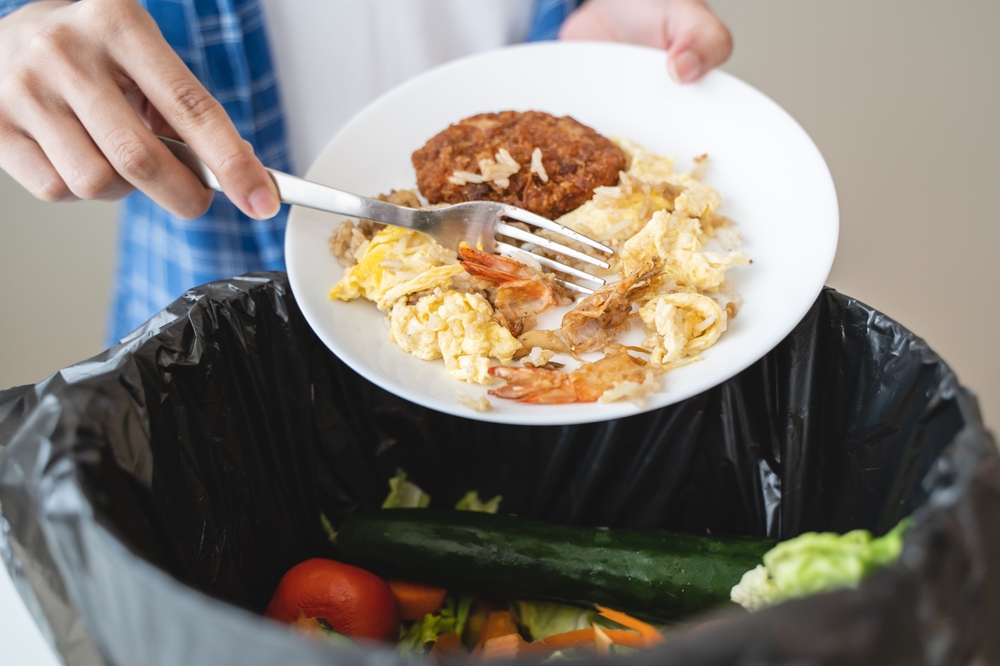
The lid is the most overlooked surface. You touch it with your hands multiple times a day, often when your hands already have food residue on them. Beyond bacteria, mold is another hidden hazard. In the warm, damp environment inside a trash bin, mold spores flourish, and these spores can become airborne when the lid is opened, aggravating allergies and asthma symptoms.
Cleaning your trash can at least once every month is advisable, though the frequency will vary based on the amount and type of trash you produce. Monthly is a reasonable baseline if you’re bagging everything properly. Rinse the can out, spray with a disinfectant, scrub the interior and the lid, and let it air dry before putting a fresh bag in. If you’ve had a leaking bag – raw meat, anything with liquid – don’t wait. Clean it that day.
4. Your Phone
The phone is the hardest one to take seriously because it’s always in your hand and never looks dirty. But consider what it touches in a single day: a kitchen counter, a gym bag, your face, a car seat, a grocery store conveyor belt, and back to your face again. Studies on mobile phone contamination have consistently found bacterial loads that make the comparison to a public toilet seat feel like underselling the problem.
A scoping review published in PMC that analyzed studies across both community and healthcare settings found that the average contamination rate of mobile phones is around 68%. This is a finding from observational studies that swabbed phones for bacterial growth, rather than a controlled trial – but the consistency of the result across multiple independent studies makes it significant. More specifically, research suggests 1 in 6 phones is contaminated with harmful bacteria including E. coli and MRSA (methicillin-resistant Staphylococcus aureus, a strain that resists standard antibiotic treatment). The warmth of the phone screen creates conditions that bacteria are content to stay in.
The hand-washing problem is a real compounding factor here. Frequent contact with smartphones can undermine hand hygiene efforts, since hands can reacquire contaminants from the smartphone’s reservoir of microbes immediately after washing. You wash your hands, then pick up your phone, and within seconds you’re back to square one. Both Apple and Samsung have released guidance for proper phone disinfection, while the CDC recommends that when no manufacturer guidance is available, alcohol-based wipes or sprays containing at least 70% alcohol should be used to sanitize electronic devices. A quick wipe-down of the screen and case, once a month at minimum, takes about thirty seconds.
5. Your Reusable Grocery Bags
The reusable bag habit is genuinely good for the environment. It is also, if the bags are never washed, a fairly reliable way to carry bacteria from the store into your kitchen. Researchers at the University of Arizona collected bags from shoppers as they entered grocery stores and found the results uncomfortable. Large numbers of bacteria were found in almost all bags tested, and coliform bacteria in half of them. E. coli was identified in 12% of the bags, along with a wide range of other enteric bacteria, including several opportunistic pathogens.
The pattern of how people use these bags accelerates the problem. Seventy-five percent of shoppers do not use separate bags for meats and vegetables, meaning raw meat juices end up sharing space with produce. The bags then go into a car trunk. When meat juices were added to bags and stored in the trunks of cars for two hours, the number of bacteria increased ten-fold, indicating the potential for rapid bacterial growth inside the bags.
Ninety-seven percent of people interviewed in the study admitted they never wash their reusable bags. The fix here is simple, because hand or machine washing was found to reduce the bacteria in bags by more than 99.9%. Throw fabric totes in the wash monthly, or more often if they’ve carried raw meat. For polypropylene bags, a wipe down with a diluted bleach solution works well. And store them somewhere dry – not in the car trunk, where summer heat acts as a bacterial incubator.
6. Your Cleaning Tools
There is a certain irony in the fact that the tools you use to clean your home can be among the dirtiest things in it. The kitchen sponge is the most studied, and the findings across the research land in roughly the same place. The dominating bacterial presence in domestic kitchens is partially driven by the sponge, which harbors the highest coliform levels of any home kitchen contamination site. Dish sponges can support bacterial survival and growth, and transfer bacteria to other surfaces – making them what researchers call bacterial reservoir disseminators.
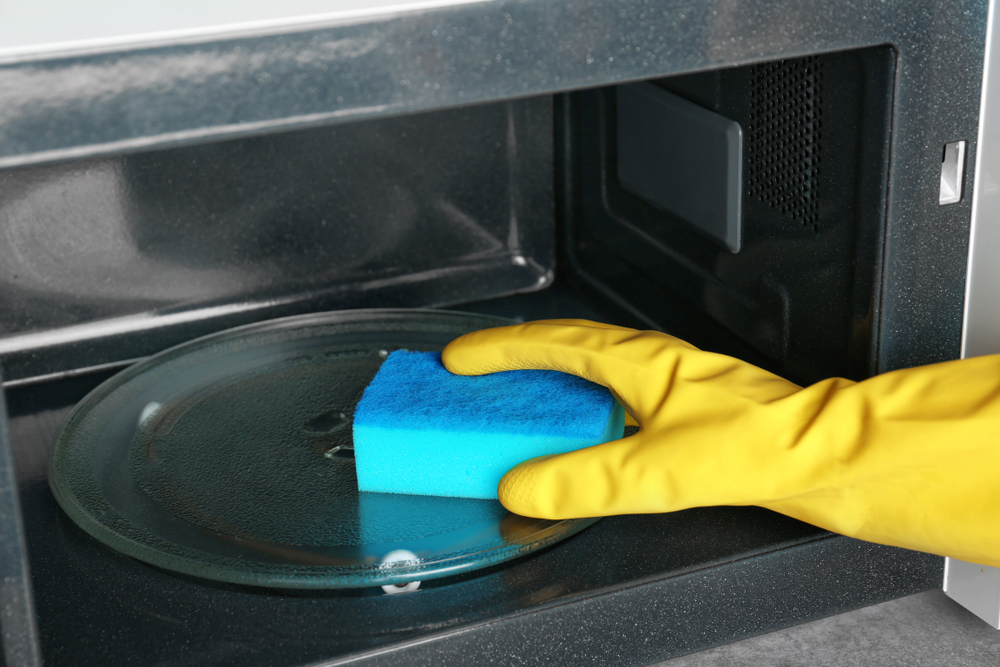
Microwaving sponges to kill bacteria seems like a logical solution, but research has found it doesn’t work the way most people assume. Reports found that regularly sanitized kitchen sponges did not contain less bacteria than uncleaned ones, which is probably due to rapid recolonization of the sponge tissue by the few microorganisms that survive sanitization. Researchers further suggested that regular cleaning might even select for higher proportions of potentially pathogenic and malodor-producing bacteria. The sponge needs replacing, not just cleaning.
The same logic applies to mop heads, cleaning cloths, and dish brushes. Any tool that is moist, used frequently, and stored without drying has the conditions bacteria need to multiply between uses. Researchers concluded that brushes are generally more hygienic than sponges and that their use should be encouraged – primarily because brushes dry out between uses, denying bacteria the moisture they need to multiply. Replace your kitchen sponge weekly or biweekly. Run your mop head and cleaning cloths through a hot laundry cycle monthly. If something smells, the bacteria population is already large enough to notice – and it’s past time to replace it.
What This Actually Means for Your Cleaning Routine
The common thread running through all six of these items is that they sit outside the usual cleaning logic of “if it looks dirty, clean it.” Ceiling fan blades, washing machines, trash cans, phones, grocery bags, and cleaning tools don’t typically look dirty in the way a bathroom tile or a greasy pan does. That’s exactly what makes them effective at accumulating bacteria without triggering any instinct to address them.
None of the fixes here are time-intensive. A monthly phone wipe. A monthly machine wash for the bags. A hot maintenance cycle for the washing machine. Fresh sponges every week or two. A quick scrub of the trash can lid. A fan wipe-down on a Saturday morning. These are minutes, not hours, and the difference between a home that is visually clean and one that is genuinely clean often comes down to exactly this kind of maintenance – done quietly and regularly, on the things nobody notices until they become a problem. The good news is that once these tasks become part of a monthly rhythm rather than something you think about when a problem surfaces, they stop feeling like chores. They become the kind of background maintenance that makes every other cleaning effort actually mean something.