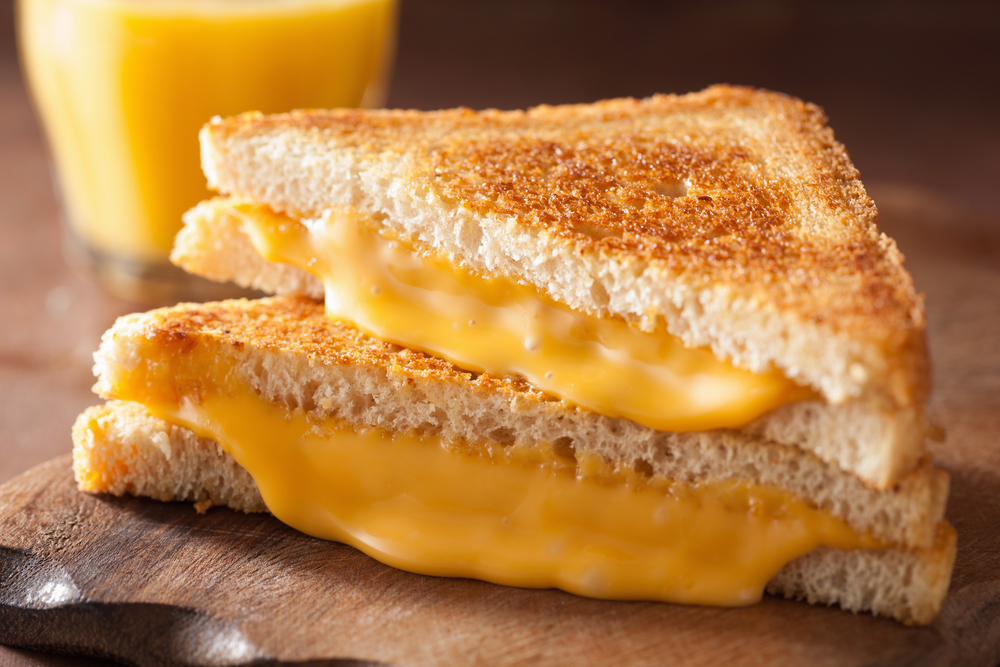

Most of us have been eating cheese the same way our whole lives without giving it a second thought. Melted on toast, pulled across pizza, bubbling under a grill – cooked cheese is comfort food in its most elemental form. The idea that how you eat your cheese could matter as much as whether you eat it at all isn’t something that tends to come up at the breakfast table. But researchers have started looking very closely at exactly that question, and what they found is surprising enough to make you reconsider the next round of grilled cheese.
The conversation around fermented foods and gut health has been getting louder for the past few years, with yogurt, kefir, and kimchi hogging most of the attention. Cheddar cheese, being a fermented dairy product itself, has always had a quiet claim to similar benefits. The question nobody had quite answered was whether those benefits survive the heat. It turns out they might not.
Gut health, for anyone who has spent the last decade paying attention to nutrition science, is about far more than digestion. The gut microbiome has been linked to numerous aspects of health that seem to have nothing to do with the stomach at all, from immunity and mood to chronic illnesses including cancer and Type 2 diabetes. When researchers started looking at how cheddar’s physical form changes what it does inside your body, they opened a door onto something that matters well beyond the question of whether grilled cheese counts as a health food.
What the Research Actually Found
The study was a six-week, parallel, four-arm dietary intervention trial in which participants were randomized to consume either 120g per day of unmelted pasture-fed full-fat cheddar, 120g per day of melted pasture-fed full-fat cheddar, or a control consisting of butter, calcium caseinate powder, and a calcium supplement. For the gut microbiome analysis specifically, researchers worked with a subset of 69 participants drawn from the larger study cohort.
The inclusion criteria required participants to be aged 50 or over with a body mass index of 25 kg/m² or above, with no chronic co-morbidities and no dairy allergy or intolerance. This wasn’t a study of young, gym-going participants. It was a reasonably real-world cohort of middle-aged, overweight adults – exactly the group who might be reaching for a grilled cheese sandwich on a weekday lunch.
The results from this 2026 Frontiers in Microbiology paper were clear: unmelted cheddar modulated the gut microbiome by increasing alpha diversity and the abundance of several fermenting bacteria, and the overall microbial community structure became more similar within the unmelted group following the intervention, relative to the other groups. Alpha diversity, put simply, is a measure of how many different species of bacteria are living in your gut. More diversity is generally considered healthier – think of it like the difference between a thriving mixed woodland and a field with a single crop.
The bacteria that increased specifically in the unmelted group included Dorea and organisms from the Erysipelotrichaceae family, both associated with fermentation activity in the gut. Heating cheese and altering its physical structure disrupts what researchers call the dairy matrix, and that disruption influences how nutrients interact with the gut, which in turn shapes the microbial response.
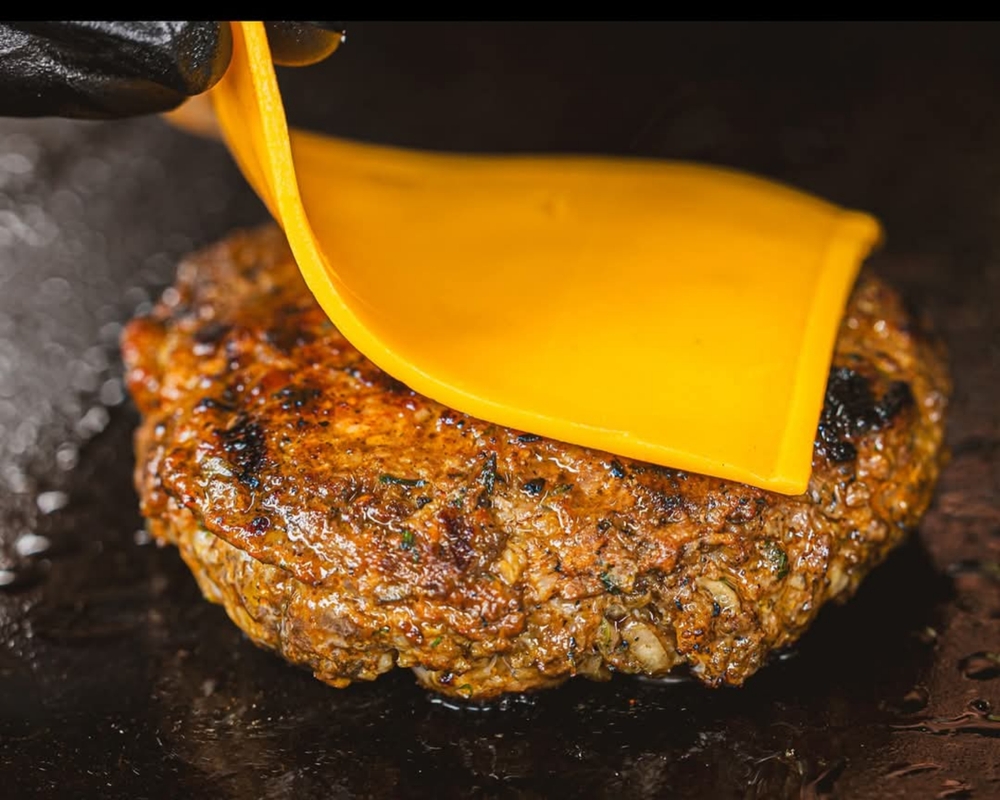
Why Melting Changes Everything
The dairy matrix is the technical term for the complex physical structure of a whole food – the arrangement of proteins, fats, moisture, and microorganisms that exists before you do anything to it. Unmelted cheddar has an intact semi-solid structure. When you melt it, that structure collapses. Proteins unfold, fats redistribute, and the organized, dense architecture of the cheese becomes something closer to a loose, heated liquid.
Cheese is one of the most widely consumed fermented dairy foods, yet there is limited experimental evidence on how it influences the gut microbiota, with most previous studies relying on population surveys or on testing isolated cheese components, rather than cheese as a whole food. The UCD research was notable precisely because it treated the food as a whole – and then asked what happened when the whole was deliberately broken down before eating.
The research showed that the gut microbiome is responsive to alterations in dairy food matrices, with fermentation and structural properties playing a meaningful role. The dietary intervention differentiated microbial community structure between groups, with the unmelted group clustering more closely in response to the intervention relative to the melted and deconstructed groups.
The intact structure of unmelted cheese likely protects beneficial compounds on their journey through the digestive system, allowing them to reach the parts of the gut where fermentation and microbial activity occur. Once the matrix is disrupted by heat, that protection disappears, and the downstream effect on gut bacteria goes with it.
This concept isn’t entirely new to nutrition science. The food matrix effect has been observed across other foods too, and Gut‑Skin Glow: 7 Simple Foods for Clear Summer Skin is increasingly focused on the idea that how a food is physically structured can be as important as what it contains. A whole almond and almond flour contain the same nutrients, but the body handles them differently. Grilled cheese and a wedge of cheddar from the board contain the same cheese – just in a very different physical state.
The Cholesterol Angle
The UCD research into dairy matrices produced more than just findings about gut bacteria. An earlier study from the same research group – published in Food & Function in 2024, which tested the effect of six weeks of daily consumption of around 40g of dairy fat eaten as either unmelted cheese, melted cheese, or a fully deconstructed form on markers of metabolic health in overweight adults aged 50 and over – found that melted cheese was significantly worse for blood lipid profiles too.
Melted cheese, compared to unmelted cheese, increased total cholesterol and triglyceride concentrations. In other words, the same amount of the same cheese, with the only difference being that it had been melted, pushed cholesterol and fat levels in the blood in the wrong direction.
No significant differences were observed for HDL, LDL, or VLDL cholesterol – the “good” and “bad” cholesterol fractions. But total cholesterol and triglycerides (fats in the blood that rise after eating) did go up. For middle-aged adults already keeping an eye on their cardiovascular health, that’s a finding worth sitting with.
The data isn’t saying cheese is the problem. It’s saying that whole, unmelted cheddar doesn’t raise cholesterol in the same way, and that it actively supports gut diversity. The cheese isn’t the issue. The heat is.
Broader Context: Fermented Dairy and the Gut
The UCD study sits within a wider body of research linking fermented dairy to positive outcomes for gut bacteria. A systematic review published in 2024 found 26 studies meeting inclusion criteria, including 15 human studies with 1,550 participants and 11 animal studies. All test foods were fermented bovine dairy products, primarily fermented milk and yogurt. Six studies reported increases in gastrointestinal bacterial alpha diversity, with nine reporting increases in relative Lactobacillus and Bifidobacterium abundance.
The review concluded that fermented bovine dairy consumption may improve gut microbial characteristics and gastrointestinal symptoms in gastrointestinal disease cohorts. That evidence base, from this 2024 systematic review on fermented dairy, focused largely on yogurt and fermented milk rather than hard cheese eaten as a whole food. Cheddar has received far less attention, partly because its gut health credentials are less obvious than those of live-culture yogurt or kefir. But cheddar does contain live bacteria from the fermentation process, and if the food matrix is kept intact, those organisms and the beneficial compounds they produce appear to make it through to the gut in a form that does something useful.
Supporting this picture, researchers at the University of Connecticut used a specialized mouse model colonized with human gut bacteria to test what low-fat cheddar does to the microbiome. They found that cheese consumption significantly changed the structure and diversity of the gut microbial community, with the cheese-fed mice showing an increase in overall bacterial diversity and a greater abundance of Lactococcus and Streptococcus – microorganisms naturally present in cheese and known for their potential probiotic properties. Because this work was conducted in an animal model, further clinical studies are required to confirm whether similar effects occur in humans, but the University of Connecticut cheddar microbiome study adds weight to the idea that whole, unprocessed cheddar has a meaningful effect on gut bacteria across different research settings.
What About the Study’s Limitations?
This is worth being honest about. The gut microbiome analysis was conducted on a subset of 69 participants from a larger study. That’s a modest number, and it’s a secondary analysis – meaning the trial wasn’t originally designed primarily to measure gut bacteria. The researchers also couldn’t blind participants to what they were eating, since people tend to notice whether their cheese has been melted.
The participants were specifically overweight adults over 50, which means the findings don’t automatically transfer to younger or leaner populations. And while alpha diversity is a useful measure of gut health, it’s not the whole picture. A gut can have high bacterial diversity and still be out of balance in other ways.
The signal is real and the research is solid for what it is. But a single study with 69 participants is the beginning of a conversation, not the end of it.
Read More: 12 Health Facts Most People Don’t Want to Hear
The Quiet Part
Here’s what this research adds up to: Food isn’t just a delivery system for nutrients. The physical form of a food – the way its components are arranged before digestion – can change what that food does inside you. We already knew this in a vague way. We’re starting to know it more precisely.
For most people, none of this means abandoning hot food. A bowl of melted cheese is not going to undo a healthy diet. And the dose matters – the study used 120g of cheddar daily, which is a lot of cheese for a lot of people. If you eat cheese on toast a few times a week as part of an otherwise varied diet, the findings don’t call for alarm.
What they do suggest is that the way we prepare food quietly shapes what it does inside us, in ways that are only now becoming legible. The gut microbiome is sensitive to things we didn’t know it was sensitive to – not just what we eat, but the texture, structure, and state of what we eat when it arrives. That’s an idea that will keep appearing in nutritional research for a long time. The grilled cheese finding is just one early, quite specific, rather satisfying illustration of it.
AI Disclaimer: This article was created with the assistance of AI tools and reviewed by a human editor.