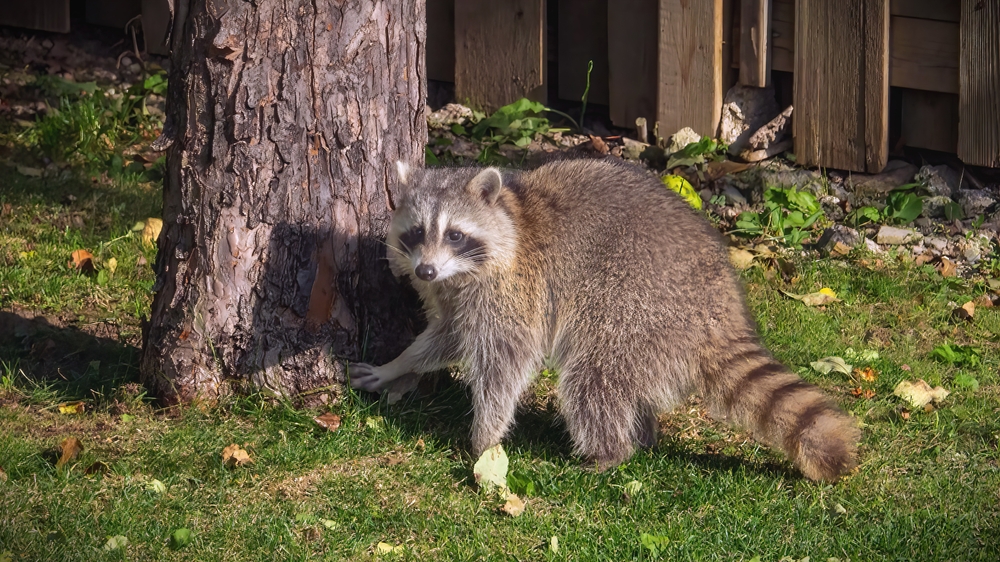

Raccoons have been sharing our neighborhoods for long enough that most people have settled into a vague truce with them. You see one on the fence, it stares at you for a moment, you stare back, and eventually one of you moves on. They knock over the bins, they eat the cat food left on the porch, and in the morning everything looks more or less normal. So you learn to coexist. You stop worrying about it.
That comfort is mostly fine. But it’s built on a set of assumptions about raccoon risk that are worth getting right, because a few of them are significantly off. The dangers most people imagine – a wild animal lunging unprovoked at someone in a parking lot – are largely myth. The ones that actually cause problems tend to be quieter and harder to see coming.
The actual picture is more specific, and more manageable, than either the “raccoons are harmless” story or the “raccoons are dangerous predators” one. What follows is where the real risks sit, and which fears are worth setting down.
1. The Rabies Risk Is Real – But It’s Not What You Think
Raccoons are one of the most significant wildlife carriers of the rabies virus in the United States. That part is true, and worth taking seriously. But the way people picture the threat – a snarling, foaming animal lunging across a parking lot – misses the more complicated, and in some ways more dangerous, reality.
Three out of four Americans live in a community where raccoons, skunks, or foxes carry this deadly disease. That statistic from the CDC is striking precisely because it doesn’t track with how most people perceive their local wildlife risk. Rabies feels like a distant, exotic threat. For most of the continental US, it isn’t.
Six deaths from rabies were reported over the last 12 months in the U.S., the highest number in years. From rabid skunks in Kentucky to gray foxes in Arizona and raccoons on Long Island, wild animals in more than a dozen places across the country have experienced a rise in the deadly disease. What makes this particularly unsettling is what NBC News reported in August 2025: the CDC is currently tracking 15 different likely outbreaks, in areas including Nassau County, New York, Cape Cod, Massachusetts, and parts of Alaska, Arizona, California, Indiana, Kentucky, Maine, North Carolina, Oregon, and Vermont.
Here’s the part that trips people up: a rabid raccoon doesn’t always look rabid. One strain of rabies causes infected animals to become unusually friendly rather than aggressive. One family saw a raccoon show up on their front step, sick but approachable, and petted and fed it until it died. When animal services tested the animal, it came back positive for rabies – and the whole family had to be vaccinated. A raccoon that walks toward you instead of away is not your friend. It’s a warning sign.
2. Raccoon Roundworm Is Scarier Than Rabies for Most People
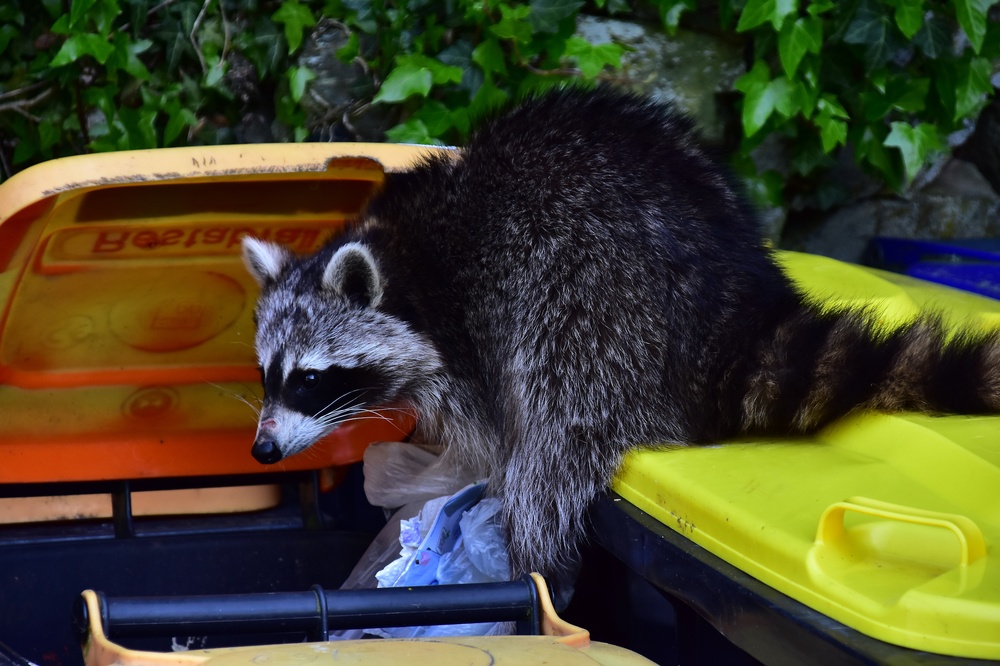
Of all the diseases raccoons carry, raccoon roundworm – technically called Baylisascaris procyonis – is the one that gets the least public attention and arguably deserves the most. Unlike rabies, you don’t need a bite to get it. You need only contact with contaminated soil, water, or surfaces where raccoons have defecated.
A major health risk associated with raccoon droppings is this parasite’s eggs, which are shed in feces and are extremely resilient – surviving in soil and on surfaces for years. Not days. Years. The eggs are microscopic and impossible to spot, which is what makes them so difficult to avoid in a yard where raccoons have been active.
Infection occurs when a human accidentally ingests these microscopic eggs, often from contaminated soil, water, or objects. While human cases are rare, the consequences can be severe because the larvae migrate through the body. That migration can lead to visceral larval migrans, potentially causing irreversible neurological damage, blindness, or death if the larvae invade the brain or eyes. Children are at higher risk because they are more likely to put contaminated hands or objects into their mouths.
If raccoons have been using a corner of your yard as a regular latrine, that area needs professional attention. Roundworm eggs resist most standard cleaning products and require specific chemical treatment – or physical removal of contaminated soil – to neutralize properly. Wearing gloves and an N95-rated mask during any cleanup is not optional.
3. Leptospirosis – The Disease Lurking in Puddles
Leptospirosis doesn’t get the press that rabies does, but for homeowners in areas with significant raccoon activity, it’s one of the more relevant health risks. It’s a bacterial infection spread through raccoon urine, and unlike roundworm eggs, it doesn’t need to be ingested to cause harm.
Raccoons shed leptospirosis bacteria in their urine, contaminating water and soil. Humans contract this disease when urine-contaminated water or soil contacts mucous membranes or broken skin. Leptospirosis can cause a severe flu-like illness that may progress to kidney failure, liver damage, or meningitis. In its mild form it looks like a bad flu. In its severe form – called Weil’s disease – it can be life-threatening.
Think about what that means practically. Standing water in a yard where raccoons are regular visitors. A garden bed that’s been rained on after raccoons passed through overnight. Kids playing barefoot in grass. A ScienceInsights guide on raccoon health risks identifies eliminating standing water and accessible food sources as the primary prevention strategy. Raccoons are drawn to garbage cans without secure lids, pet food left outdoors, and fallen fruit. Switching to trash cans with locking lids – or storing them inside a shed or garage – removes a major attractant before the problem starts.
4. Physical Attacks Are Rare – But Not Impossible
Here’s where the myth-busting gets more specific. Raccoons are not naturally aggressive. That much is true, and worth saying clearly. The image of a raccoon charging unprovoked at a person is mostly fiction.
Raccoon attacks generally happen only in one of three circumstances: if they perceive you as a threat and have no escape route, if they’re trying to protect their young, or if they’re suffering from an illness that affects their behavior. A raccoon on your fence post is almost certainly going to run if you take a step toward it. A raccoon cornered in a crawl space with kits nearby is a different story.
Raccoons will try to intimidate before attacking. They make themselves appear larger by rounding their back, sticking their fur out, and elevating their tail. Behaviors like jumping repeatedly, bearing their teeth, and showing their claws are warning signs, as are growling, shrieking, screaming, barking, and hissing. If you see any of those displays, don’t try to shoo the animal. Back away slowly and give it an exit route.
The situation where physical danger is most commonly underestimated is with pets. A dog can easily stumble upon a raccoon den under a porch or shed, and a mother raccoon will attack without much hesitation. Raccoons have been known to kill small dogs and cats. Avoid leaving dogs and cats unattended outside in areas with suspected raccoon activity. Letting a small dog out alone into a yard at night, in a neighborhood where raccoons are active, is a real risk – and worth taking seriously when you’re choosing what to leave in the bowl on the back step, too.
5. Your Attic Is More Attractive to Them Than You’d Like to Think
Raccoons don’t just cause outdoor nuisance. Once they find their way into a home – through the attic most commonly – the damage they do can be extensive and genuinely dangerous in ways that go beyond the animals themselves.
Raccoons typically enter homes through the roof. The most common route is climbing a nearby tree and using their powerful claws to tear through shingles, fascia, and soffits to form an opening. Most raccoons can fit through a 4-to-6-inch diameter hole, and if they find a small gap on your roofline, they’ll tear at it to make it bigger. Once inside, they get comfortable fast. According to Critter Control’s raccoon damage guide, a pregnant female will systematically clear and reshape insulation to build a nest, leaving behind shredded insulation, damaged walls, gnawed wiring, and feces-saturated areas that create structural damage, fire hazards, leaks, and serious health risks.
The chewed wiring is the part that tends to catch homeowners off guard. A raccoon gnawing through the plastic casing of an electrical cable in a dry, insulation-filled attic space creates a fire risk that stays hidden until something goes wrong. Following an infestation, professional cleanup and remediation – including removing contaminated insulation and sanitizing the attic – typically costs between $1,000 and $3,000, depending on the size of the area and degree of contamination. That’s before accounting for structural repairs.
6. Feeding Raccoons Is One of the Most Dangerous Things You Can Do

This is the one risk that people genuinely don’t see coming, partly because it starts from a place of goodwill. The raccoon that shows up on the back porch night after night seems friendly. It takes food from near your hand. The kids love it. What’s the harm?
Raccoons are highly intelligent, and they can be charming once they’ve grown used to being fed by humans. But reducing the fear a raccoon has toward humans doesn’t change the fact that it’s a wild animal. Even the friendliest raccoon can turn unpredictably if it’s sick, and there’s no reliable way to read how a raccoon will behave toward someone it isn’t scared of.
Habituation – that’s the word wildlife professionals use for what happens when a wild animal stops fearing humans – makes raccoons significantly more dangerous on a community level, not just in your yard. A habituated raccoon is bolder about entering homes, more likely to approach children, and far harder for animal control to manage. Once a raccoon connects human proximity with food, it won’t stop at your back porch. It’ll try doors, windows, and pet flaps. And it will teach its offspring to do the same.
What to Do With All of This

Raccoons aren’t monsters. They’re intelligent, adaptive animals doing what successful wildlife does – finding food, finding shelter, raising young. North American cities and suburbs have made all three of those things extremely easy for them, and most people are operating on an outdated mental model of the actual risks that come from living in close proximity to a species that carries multiple transmissible diseases and can tear through a roof.
The practical steps are less dramatic than the risks might suggest. Lock your trash cans – the heavy-duty, latching kind. Feed pets indoors and bring dishes in before dark. Trim any tree branches that hang within jumping distance of your roofline. Seal openings larger than four inches in your foundation, eaves, and roof vents before a raccoon finds them first. If you hear scratching overhead or find evidence of droppings on your property, call a licensed wildlife removal professional. Don’t clean up raccoon feces without protective gloves and a respirator mask.
And if a raccoon approaches you calmly, doesn’t run, or seems disoriented – leave it alone and call animal control. The cute ones are sometimes the sick ones, and the gap between those two things is narrower than it looks.
If you’re concerned about a potential rabies exposure or have found raccoon droppings inside your home and want to understand the health risks, the CDC’s rabies resource page is a good starting point for understanding next steps.
AI Disclaimer: This article was created with the assistance of AI tools and reviewed by a human editor.