
Your garden is probably beautiful. It might also be trying to hurt your children.
That’s not meant to alarm you, though it probably should focus your attention. The plants growing along your fence, in your window boxes, and on your living room shelf have been selected for color, texture, and curb appeal. Their toxicity, if they have any, rarely comes up at the garden center. Yet the gap between a gorgeous-looking plant and a genuinely dangerous one can be surprisingly narrow, and the consequences of that gap, when a small child or a curious dog gets involved, can escalate from bad to life-threatening in a matter of hours.
The numbers behind all of this are striking. According to America’s Poison Centers, in 2024, 55 US poison centers provided telephone guidance for nearly 2.1 million human poison exposures, approximately one exposure reported every 15 seconds. Children and teens made up 54.6% of all human exposures managed by US poison centers that year, and in children younger than six, 99.2% of exposures were unintentional. Pets are not far behind: in 2024, the ASPCA Animal Poison Control Center responded to more than 451,000 calls related to toxic substance exposures in animals, representing a nearly 4% increase compared to the previous year. Plants and fungi ranked sixth among the top ten toxin categories reported to the ASPCA in 2024, accounting for 8.1% of all animal poison exposures.
The plants covered below are not obscure jungle species. Many of them are sold in garden centers across the country, planted by well-meaning gardeners, and admired by neighbors who have no idea what they’re growing near a place where children and animals play.
Deadly Plants for Children and Pets: The Full List
Lily of the Valley
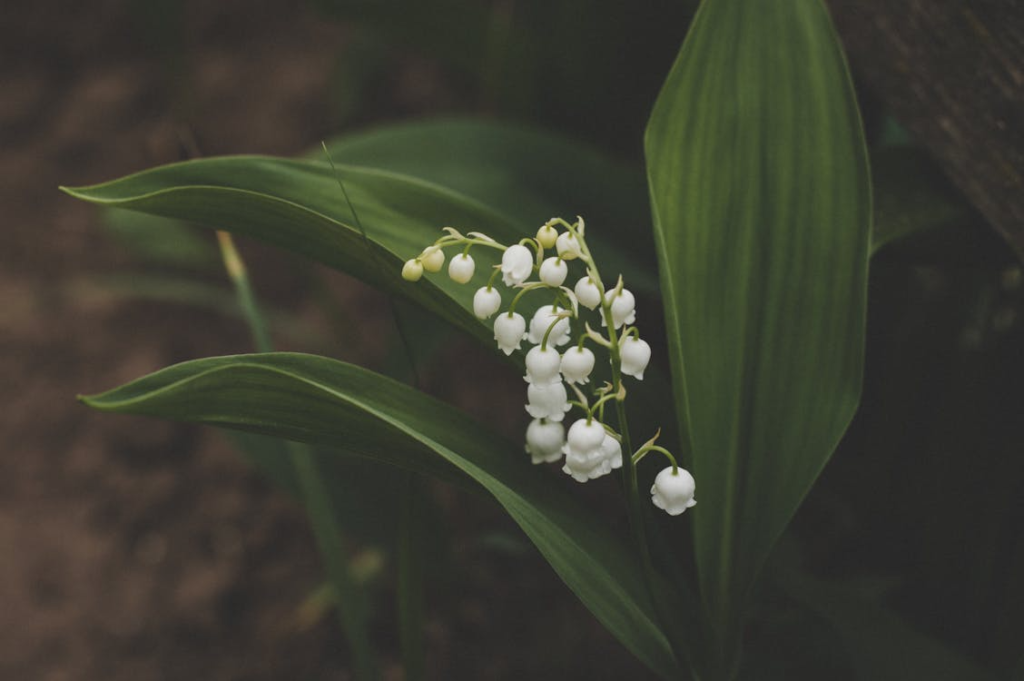
Few plants look as innocent. Lily of the valley (Convallaria majalis) has tiny, nodding white bells and a sweet, distinctive fragrance. It’s used in wedding bouquets. It’s a traditional symbol of spring. A 2014 peer-reviewed study published in PMC found that it is considered one of the most potent cardiotoxic plants in existence, producing at least 38 cardiac glycosides, most notably convallatoxin, which inhibit the sodium-potassium ATPase pump, the enzyme that keeps heart cells firing in proper rhythm, and cause digitalis-like effects.
Is lily of the valley dangerous for pets? The answer is an unambiguous yes. The cardiac glycosides affect dogs and cats much as they affect humans, disrupting the heart’s electrical signals. Clinical effects range from mild gastrointestinal symptoms including vomiting and diarrhea all the way to terminal cardiac dysfunction involving bradycardia (a dangerously slowed heart rate) and arrhythmias. In the United States, more than 250 exposures to lily of the valley are reported to poison control centers each year, and as many as 15% of those patients require medical care.
The practical takeaway: if you have lily of the valley in your garden, particularly the water it sits in or the berries it produces in fall, treat it as off-limits for children and pets entirely.
Castor Bean
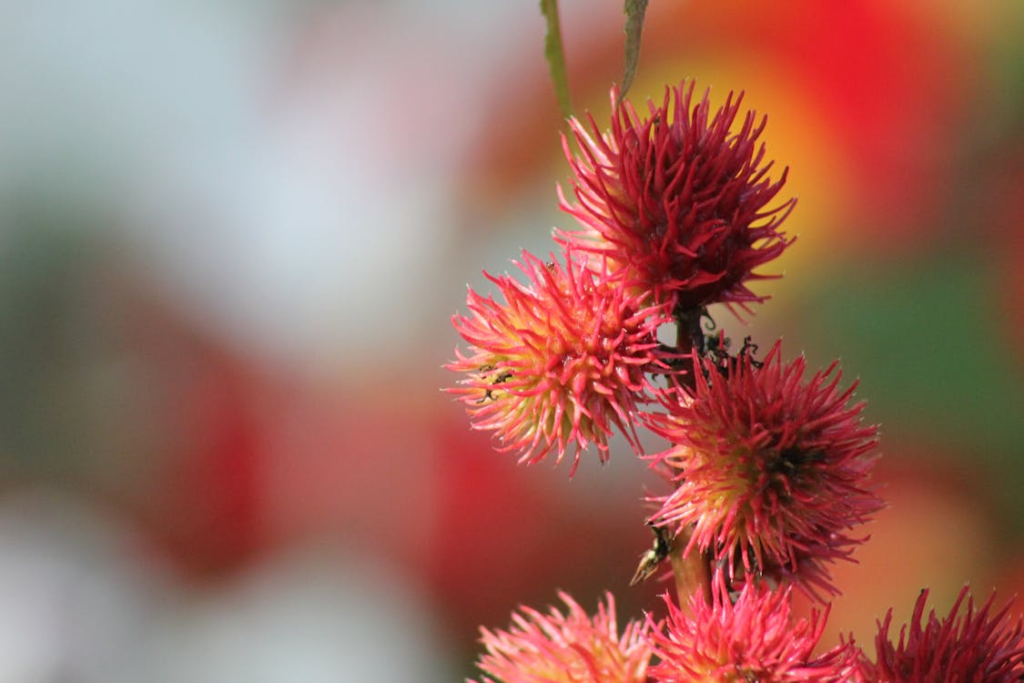
The castor bean plant (Ricinus communis) is grown as a dramatic ornamental, reaching up to eight feet tall with large tropical-looking leaves and distinctive mottled seeds. Ricin, a poison found naturally in the seeds, can cause injury when castor beans are chewed and swallowed. The seeds contain a highly toxic compound that prevents cells from making proteins, which are essential to life.
Ricin is one of the most toxic substances known. Once inside cells, it disrupts the ability to make proteins. Since proteins are required for the structure and function of all cells, without that ability our cells cannot function, and this can lead to death. What makes the castor bean especially dangerous for children is that it is said that just one seed can kill a child, because children are more sensitive than adults to fluid loss from vomiting and diarrhea, and can quickly become severely dehydrated.
The seeds have a hard coat that prevents the release of ricin, so toxicity results specifically when they are crushed or chewed before swallowing, which is exactly what a small child or a dog is likely to do. There is no cure for ricin. Keep castor bean plants, seeds, and any jewelry or craft items made with the seeds completely away from areas accessible to children and pets.
Oleander
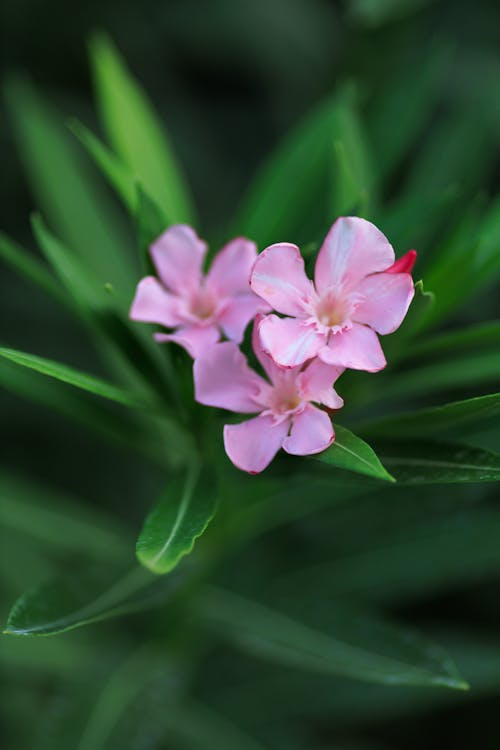
Oleander (Nerium oleander) lines highways in Florida, California, and Texas. It’s drought-tolerant, fast-growing, and produces clusters of pink, white, or red flowers almost continuously. All parts of this plant are poisonous to multiple species including dogs, cats, humans, horses, and cattle. It contains naturally occurring poisons that affect the heart, specifically cardenolides called oleandrin, which are in a group called cardiac glycoside toxins that interfere directly with electrolyte balance within the heart muscle.
What makes oleander a particularly insidious threat is the scope of what counts as exposure. Cardiac glycosides are found in the roots, stems, leaves, flowers, seeds, and fruit, as well as sap, plant nectar, and even water in which oleander leaves have been floating. The plant’s toxicity is not diminished by drying or wilting, which makes it a long-term hazard in gardens where children or animals might come into contact with fallen leaves or trimmings. Ingestion of a single leaf can cause severe cardiac arrhythmia, vomiting, or death in children and pets. There is no antidote. If you have oleander, never burn the trimmings, the smoke itself is toxic.
Foxglove
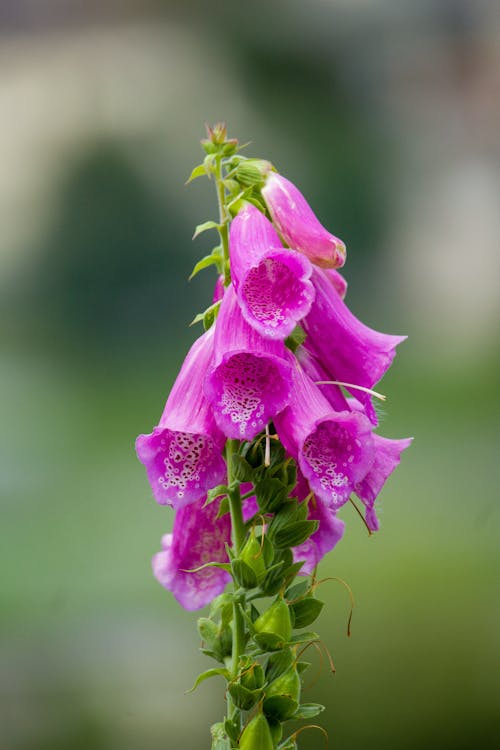
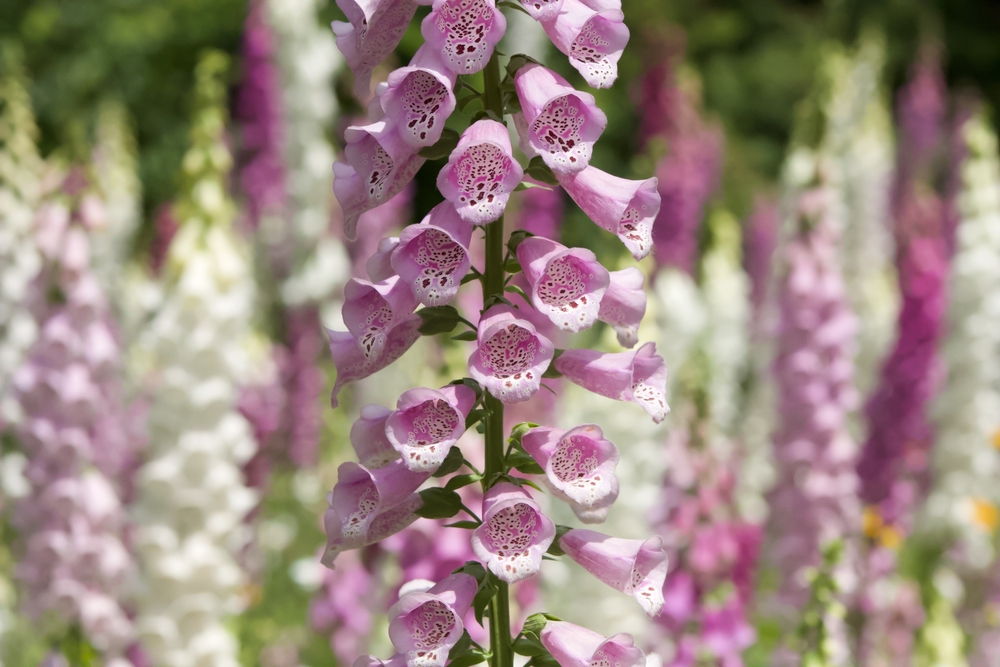
Foxglove (Digitalis purpurea) is one of the most striking cottage garden plants, with tall spires of tubular purple, pink, or white flowers. It’s also the original source of digitalis, a heart medication that in pharmaceutical form requires careful monitoring of blood levels. Foxglove grows throughout the United States in the wild and is cultivated in private gardens for its beauty. Both the flowers and berries attract children. All parts of the plant are extremely poisonous.
All parts of the plant contain cardiac glycosides, with the most potent being digitoxin. Accidental poisonings have even occurred from children drinking water from a vase containing foxglove flowers. For dogs and cats, signs can range from an upset stomach to muscle tremors, cardiac arrhythmias, and even death, and can develop within minutes to hours of ingestion, meaning time is of the essence when seeking treatment.
Azalea and Rhododendron
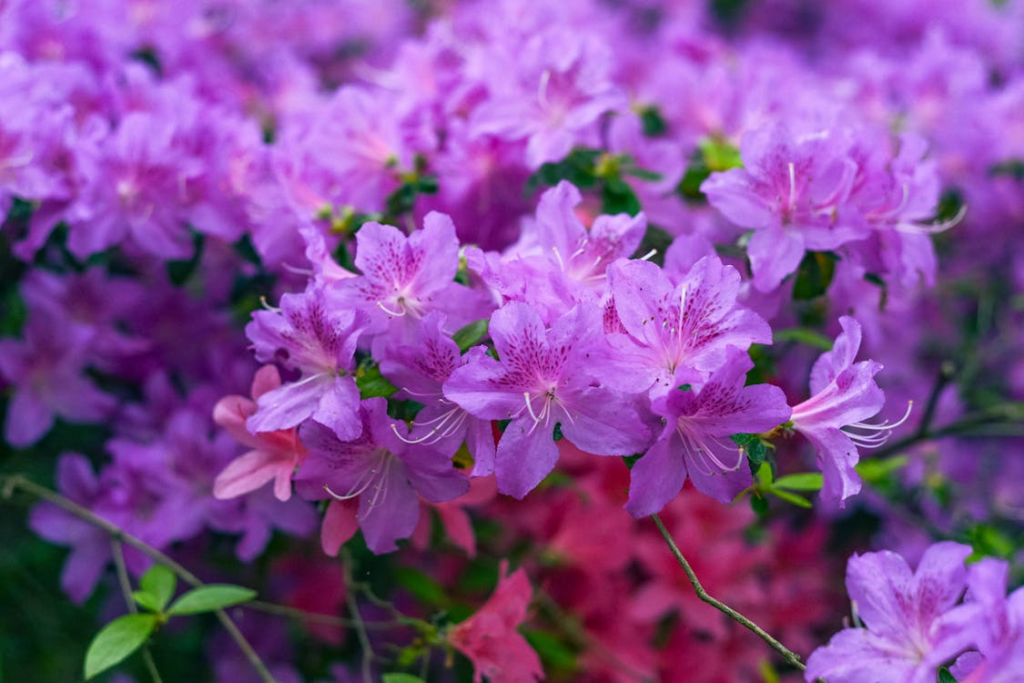
Azaleas and rhododendrons are among the most popular landscaping plants in North America, planted in front yards across the country for their spectacular spring blooms. The rhododendron is more toxic, though this can vary due to hybridization. These plants contain grayanotoxins, which disrupt sodium channels affecting skeletal and cardiac muscle. All parts of the plant are considered poisonous, and as little as ingestion of 0.2% of an animal’s body weight can result in poisoning.
That 0.2% threshold means a 30-pound dog only needs to eat about half an ounce to one ounce of the plant to become ill. For humans, grayanotoxins can also enter the food chain in an unexpected way: they can be present in honey made from rhododendron and azalea nectar, known as “mad honey,” which causes symptoms ranging from low blood pressure and low heart rate to hallucinations and seizures. According to the ASPCA, clinical signs in animals include vomiting, diarrhea, weakness, coma, cardiovascular collapse, and death. Ingestion of just a few leaves can cause serious problems.
Sago Palm
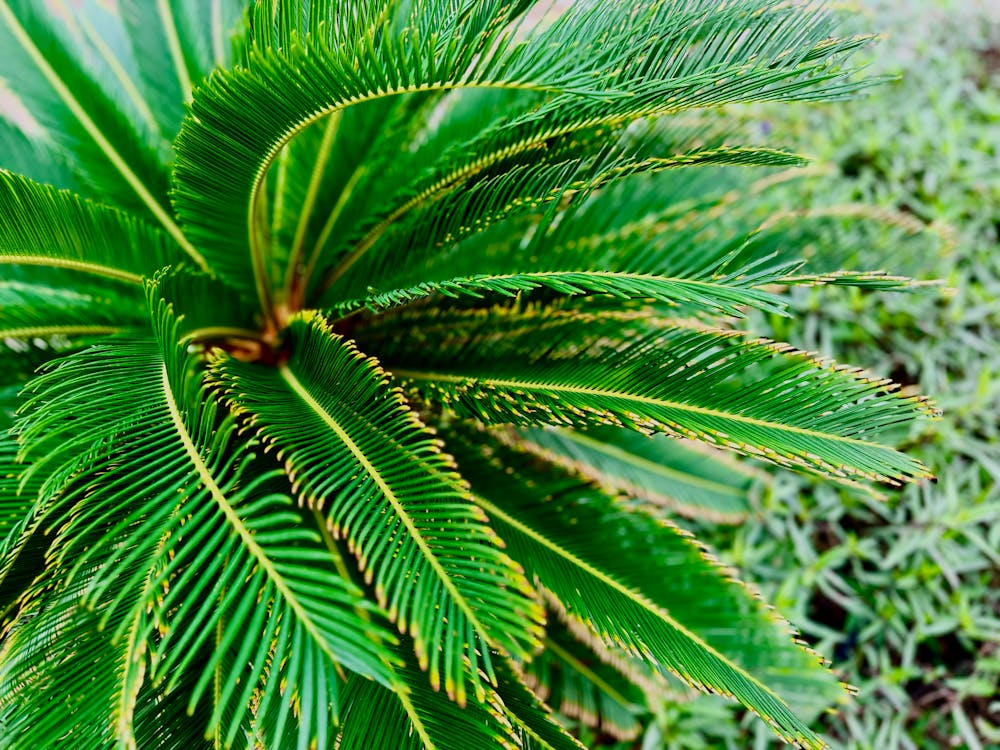
The sago palm (Cycas revoluta) looks like a miniature tropical palm tree and is sold widely as both an outdoor landscaping plant and an indoor ornamental. These plants are highly toxic to dogs and cats. They grow naturally in warmer areas of the United States and can be found as ornamental houseplants in other areas. Sago palms can be purchased in many stores, ranging from small nurseries to the garden sections of large home improvement stores.
The death rate from sago palm ingestion in pets is not a rounding error. Studies have shown that up to 50% of ingestion cases are fatal, though chances of survival increase with early intervention. According to the ASPCA, the toxic principles include cycasin, and clinical signs include vomiting, increased thirst, hemorrhagic gastroenteritis, bruising, liver damage, liver failure, and death. Just one to two seeds can be fatal. There is no antidote. If a sago palm is in your yard or home and you have pets, the safest approach is removal.
Giant Hogweed
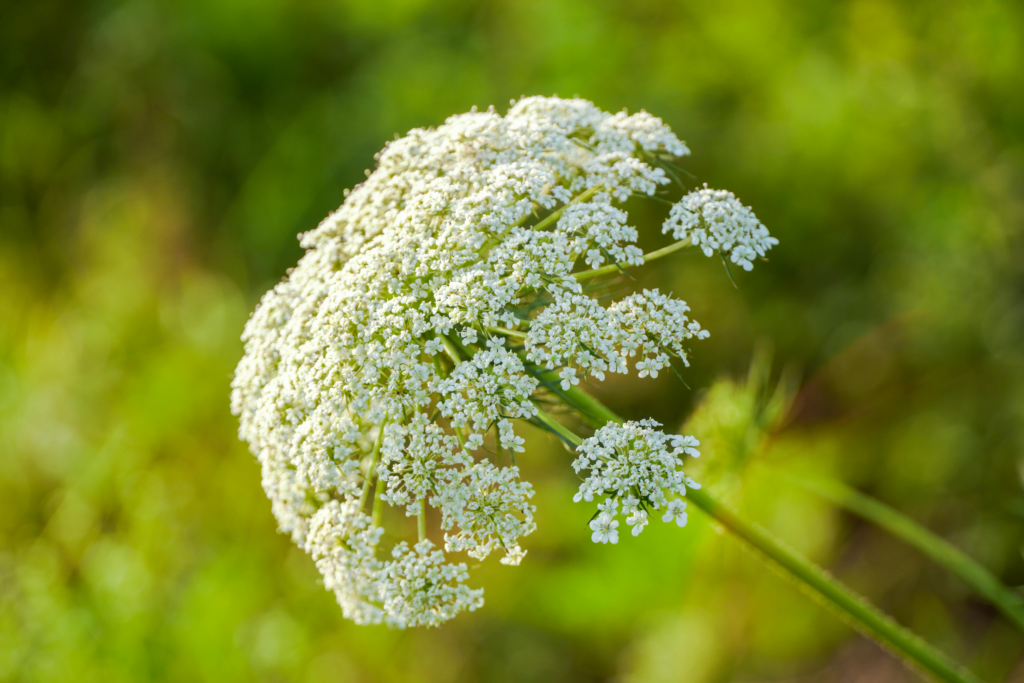
Giant hogweed (Heracleum mantegazzianum) doesn’t poison you in the conventional sense, you don’t have to eat it. You just have to touch it. It is a very large invasive plant that can cause painful burns and scarring. Brushing against or breaking the plant releases sap that, combined with sunlight and moisture, can cause a severe burn within 24 to 48 hours.
What does giant hogweed look like, and why is it dangerous? It can grow as tall as 15 feet, with leaves spanning two to five feet. It has a thick green stem with purple areas, hairy leaf and flower stalks, and small white flowers in large clusters that resemble Queen Anne’s Lace. That resemblance to harmless wild plants is part of what makes it so dangerous, particularly for people doing yard work or hiking. Its sap contains furocoumarin, a compound that makes skin extremely sensitive to sunlight. If the sap gets onto your skin and it’s then exposed to the sun, skin can blister badly.
The reaction can begin as soon as 15 minutes after sap contacts skin, resulting in painful blisters that form within 48 hours. Lasting scarring can persist for up to six years, along with long-term sensitivity to sunlight. The worst risk is eye exposure: getting even minute amounts of sap in the eyes can result in temporary or even permanent blindness. Giant hogweed is a federally listed noxious weed, and New York State law prohibits its possession with intent to sell, import, purchase, transport, introduce, or propagate. If you suspect you have giant hogweed on your property, call your local agricultural extension service rather than attempting removal yourself.
Stinging Nettle
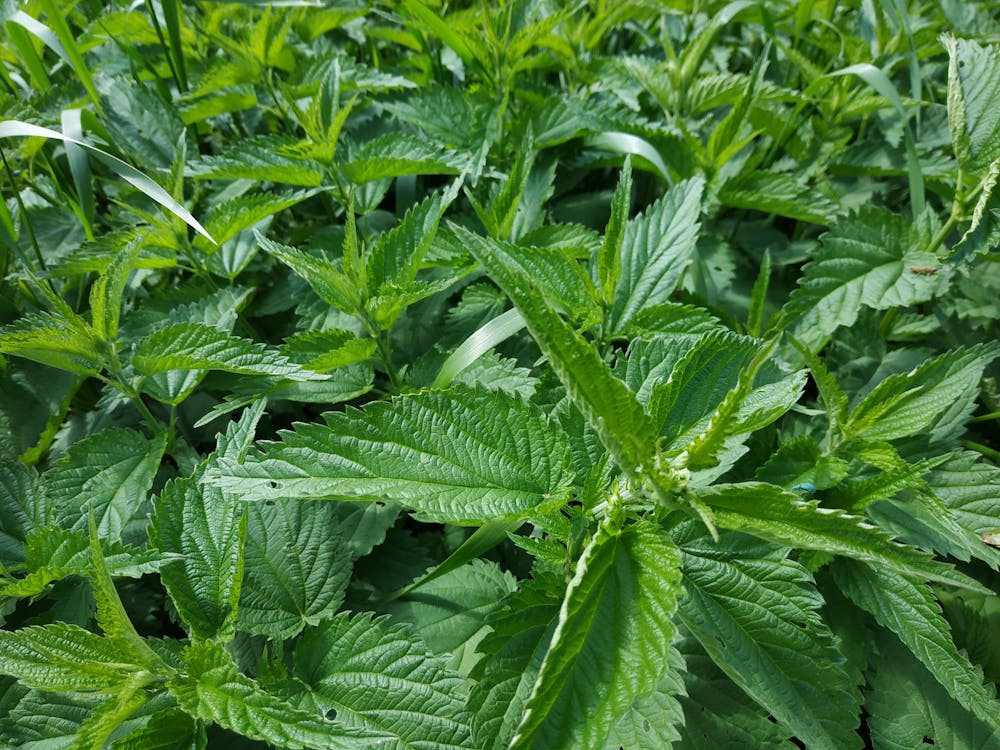
Stinging nettle (Urtica dioica) is far more common than most people realize, growing along paths, in disturbed soil, and at the edges of gardens and parks. It has stinging hairs called trichomes that act like hypodermic needles, injecting a mixture of chemicals including histamine and formic acid into the skin. The result is an immediate burning sensation, pain, swelling, redness, hives, and blister formation.
For most adults, a nettle sting is unpleasant but temporary. For small children, who may stumble into a patch or grab a stem while exploring, the irritant released produces pain, wheals, and a stinging sensation that may last for more than 12 hours. The practical approach is straightforward: cover exposed skin with long sleeves and trousers, learn to identify the plant, and carry baking soda in a first-aid kit when exploring areas where nettle grows.
Wisteria
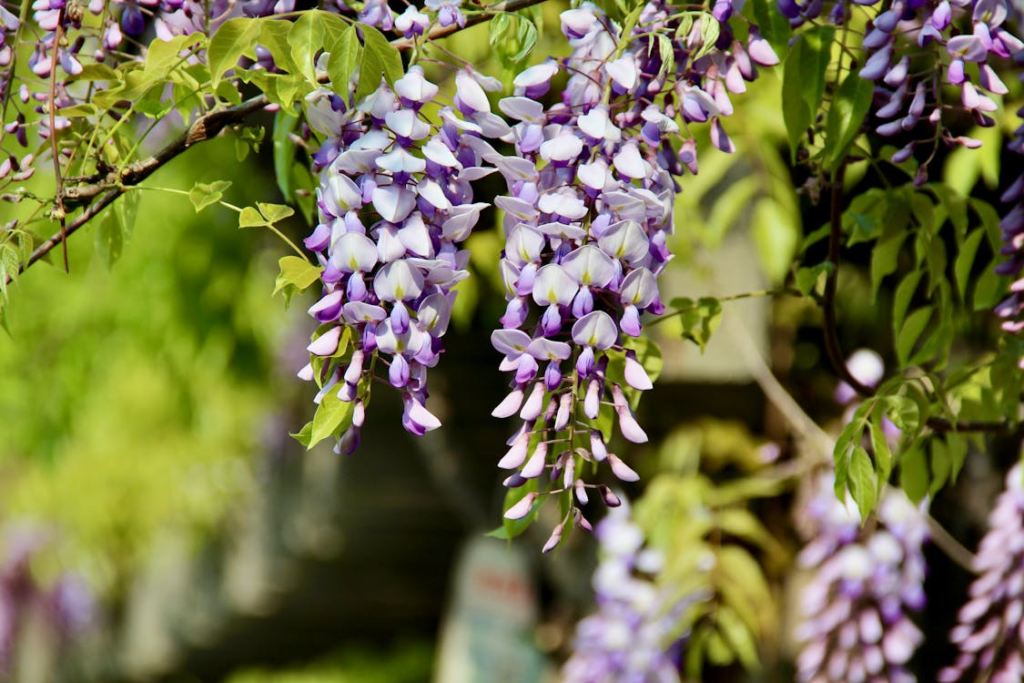
Wisteria is spectacularly beautiful, its cascading clusters of purple, pink, or white flowers making it one of the most photographed garden plants. The seedpods are the most poisonous part, containing high levels of lectin and wisterin toxins that can be lethal if seed pods or seeds are eaten, or if large amounts of flowers or foliage are consumed. Lectin causes clumping of blood cells and dangerous blood clotting. The wisterin glycoside can cause severe diarrhea and vomiting that may result in dehydration and death.
The seed pods look convincingly like peapods to a young child, which elevates the risk. Fatalities of small animals and children have been reported. If you grow wisteria, keep children away from fallen pods during summer and autumn, and prevent dogs from sniffing around the base of the vine where pods accumulate.
Hydrangea
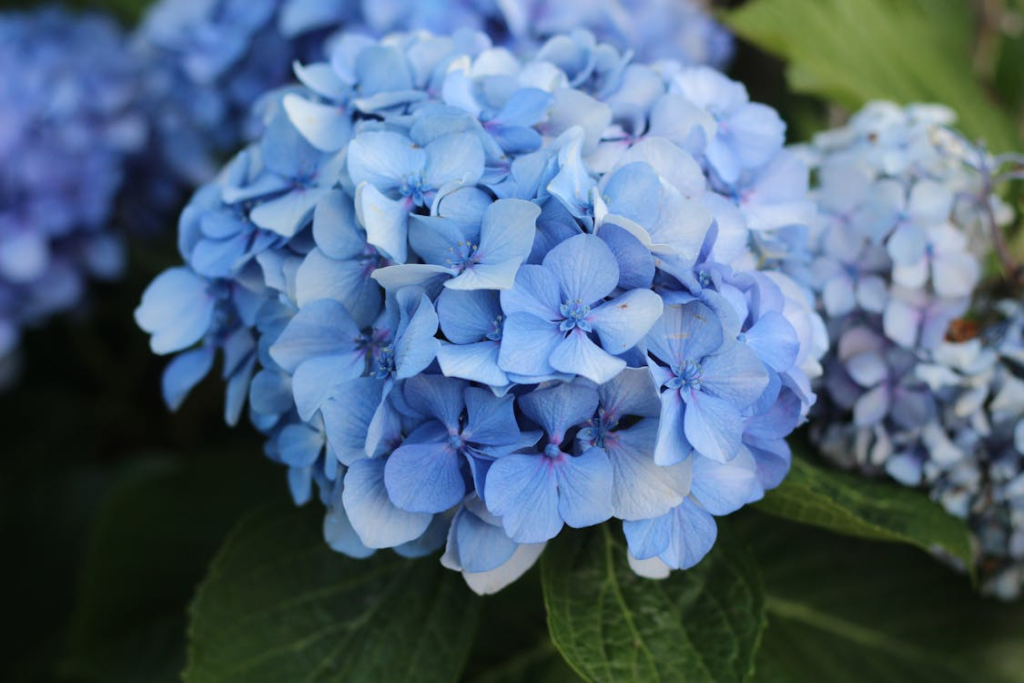
Hydrangea’s large blooms, in blue, purple, pink, and white, are a fixture in suburban gardens. Hydrangeas are poisonous to cats, dogs, and horses. All parts of the plant are poisonous because they contain cyanogenic glycoside, a compound that can break down into cyanide. Clinical signs include diarrhea, vomiting, and depression. While hydrangea poisoning is rarely fatal in adults, the risk is higher for small children and smaller pets. If exposure is suspected, contact a veterinarian or poison control immediately.
Daffodils
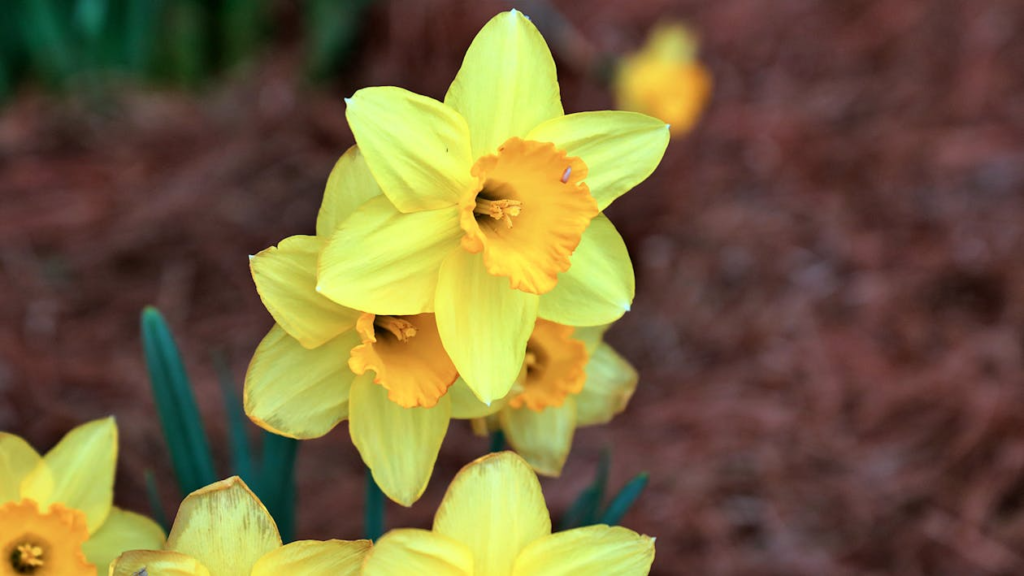
Daffodils are cheerful, reliable, and one of the first signs of spring. Daffodils contain a toxin called lycorine. While not typically lethal to adult humans in small exposures, it is dangerous to pets. The poison is concentrated in the bulbs, and accidental ingestion can cause diarrhea, vomiting, and nausea. In severe cases, the toxin can cause convulsions, tremors, and cardiac arrhythmia. Dogs that dig are at particular risk, as the bulbs are underground but accessible. Be cautious around flowers, leaves, roots, and bulbs, and don’t let dogs dig in flower beds where daffodils are planted.
Foxes Glove and Other Cardiac-Toxic Garden Favorites
Beyond the plants already covered, several other common garden species share the same cardiac glycoside mechanism and deserve mention for households with children and pets. These include plants harmful to dogs and cats that are widely planted and often overlooked as risks.
Angel’s Trumpet (Brugmansia): Angel’s trumpets should never be grown if children or pets are present. Their impressive, trumpet-shaped flowers have garden appeal, but they are fatally poisonous, with many human deaths attributed to them.
Morning Glory: Morning glory flowers are not dangerous, but the seeds are. They contain toxic alkaloids that cause disorientation, nausea, and diarrhea. The papery seed capsules rattle and release seeds when crushed, actively attracting curious children and pets.
Lantana: All parts of the lantana plant are toxic, especially the berries. There are many reported cases of human and animal poisonings.
Rhubarb leaves: While rhubarb stalks are edible, the leaves are high in toxins including oxalic acid that affect the kidneys. During WWI, people were poisoned by rhubarb leaves when promoted as safe, and high doses can lead to kidney failure.
Horse Chestnut: Horse chestnuts contain aesculin, a poison known to cause unconsciousness, paralysis, and even death in humans, livestock, and pets. The shiny nuts are attractive to children precisely because they look interesting.
Larkspur: Larkspur’s toxicity can change with the season and age of the plant. Its alkaloids can produce neuromuscular paralysis and cause seizures, excess salivation, constipation, cardiac failure, and death.
Black Cherry: The pits, foliage, and branches of black cherry contain the deadly poison cyanide. Foraging livestock can be killed by eating the leaves, and the clusters of small black cherry fruits attract children in particular.
English Ivy: A popular ground cover and houseplant, English ivy contains triterpenoid saponins that cause vomiting, diarrhea, hypersalivation, and in serious cases, breathing difficulties in both dogs and cats.
Pothos (Devil’s Ivy): One of the most popular and low-maintenance houseplants, pothos contains calcium oxalate crystals that cause intense oral irritation, drooling, and vomiting in both cats and dogs.
Dieffenbachia (Dumb Cane): Dieffenbachia can cause swelling and blistering in the mouth and pain and damage to the eyes in curious pets and children who chew on it. The calcium oxalate crystals it contains make swallowing painful, but the initial bite can still deliver a harmful dose.
Peace Lily: Despite the gentle name, peace lilies are toxic to dogs and cats. Calcium oxalate crystals in the plant cause oral irritation, and more serious exposure can lead to kidney damage, particularly in cats.
Tulips and Hyacinths: Toxins are present in all parts of the tulip, but the bulb has the highest concentration. Hyacinths are very toxic to pets, and even inhaling the flower can lead to complications. Both are spring-blooming favorites that bring particular risk during fall bulb-planting season, when bulbs are left out on garden tables or dropped on the ground.
Aloe Vera: A staple of every kitchen windowsill, aloe vera gel is widely used for skin burns and cuts. The gel from the aloe plant has many uses for skin issues, but it’s not safe for pets to ingest , and as detailed in this overview of succulents that are toxic to cats, aloe vera is among the succulents most likely to cause vomiting, diarrhea, and lethargy in cats. Dogs and cats can experience various stomach problems from consuming the plant.
Snake Plant: The variegated, striking look of the snake plant is attractive in modern interiors, but it can cause significant nausea in pets.
Autumn Crocus (Colchicum autumnale): One of the more deceptive plants on this list. Unlike the spring crocus, the autumn crocus contains colchicine, which affects cells throughout the body. It can cause multi-organ failure in both cats and dogs, often with a delayed onset that gives owners a false sense that the animal is recovering.
Yew (Taxus spp.): Common as a hedge plant and often found in churchyards and older residential landscapes. All parts except the flesh of the red berry are highly toxic to humans and most animals. The seeds inside the berry are particularly dangerous. Taxine, the active compound, can cause sudden cardiac death with little warning.
Mistletoe: Traditionally hung at Christmas, mistletoe contains lectins and phoratoxins. While a small exposure is unlikely to cause fatalities in adults, it can cause cardiovascular collapse in small children and pets, and the berries are especially toxic.
Elephant Ear (Caladium): Elephant Ears can be quite dangerous for pets and children, leading to swelling of the mouth and tongue, nausea, vomiting, and diarrhea.
Nightshade (Solanum): Native to many areas of the country, all parts of nightshade are poisonous to humans and dogs, but the berries and leaves are particularly dangerous. The berries may look like blueberries or small tomatoes to a young child.
Read More: How to Keep Kids Safe Outdoors
What to Do Now: Protecting Your Family from Poisonous Plants in the Home
The list above is long, and it’s not exhaustive. The most dangerous thing about poisonous plants for children and pets is how seamlessly they blend into everyday domestic life. The pothos on the bookshelf, the azalea by the front door, the peace lily on the office desk, none of them look threatening. That’s precisely the problem.
The immediate step for any household with children under six or animals that roam freely is to audit every plant in the home and yard. The ASPCA maintains a comprehensive database to help owners find out which plants are poisonous to dogs, cats, and horses, and their list identifies common toxic plants including sago palms, lilies, azaleas, and tulips. For human exposures, America’s Poison Centers can be reached 24 hours a day at 1-800-222-1222, and for animals, the ASPCA Animal Poison Control Center operates around the clock at (888) 426-4435. Save both numbers in your phone before you need them.
When you suspect a child or pet has ingested a plant, do not wait for symptoms to appear. The majority of exposures in children under six are unintentional, and some of the most dangerous plants produce delayed symptoms that can lull caregivers into thinking everything is fine. Take a photo of the plant if you can, describe the plant, the part of it that was consumed, and the approximate quantity when you call. For plants like sago palm or lily of the valley, minutes genuinely matter.
For plants you want to keep, placement matters more than most people think. High shelves work for cats only in theory, cats climb. Hanging baskets remain reachable to dogs that jump and children who pull
Medical Disclaimer: This information is not intended to be a substitute for professional medical advice, diagnosis, or treatment and is for information only. Always seek the advice of your physician or another qualified health provider with any questions about your medical condition and/or current medication. Do not disregard professional medical advice or delay seeking advice because of something you have read here.
A.I. Disclaimer: This article was created with AI assistance and edited by a human for accuracy and clarity.