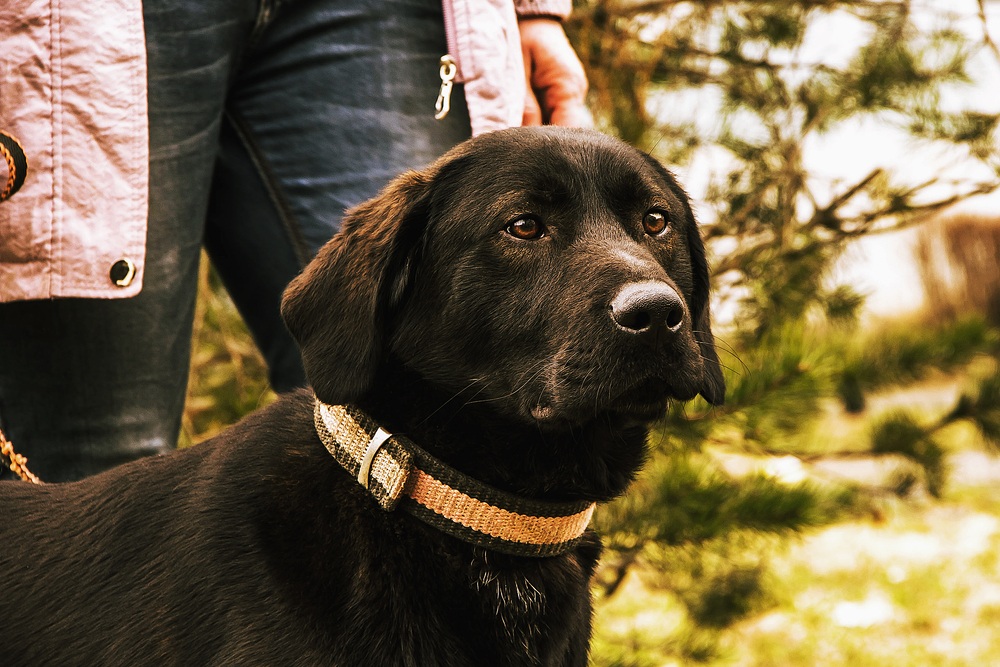

Anyone who has lived with a dog has probably had this moment. Your dog meets someone new, pauses, studies them, and reacts in a way that makes you think, what are you picking up on that I missed? That instinct has fueled a popular belief for years that dogs can tell when a person is not trustworthy. The idea sounds dramatic, but there is real research behind at least part of it. Scientists have found that dogs do not respond to people in a random way. They watch human behavior, notice when someone acts unfairly or deceptively, and may adjust their own behavior after that. At the same time, the science is more careful than the headline version. Research supports the idea that dogs can evaluate certain negative human actions, but it does not prove that dogs read human morality in a deep, all-knowing way.
That distinction matters because it makes the topic more interesting, not less. Dogs are not tiny judges in fur coats handing out moral verdicts. What they do seem to have is something just as impressive, the ability to observe behavior, remember patterns, and respond when a person acts in a way that feels unreliable, unhelpful, or deceptive. In other words, dogs may not know a “bad person” in the way humans define one, but they can absolutely pick up on social cues that tell them a person is not safe, fair, or worth trusting.
That is where this subject gets its staying power. It is not just about whether dogs have instincts. It is about whether those instincts are backed by observation and learning. The answer from the research so far is yes, at least in part. Dogs pay attention to how humans behave around them and around the people they love. They can lose trust when a human misleads them. They can avoid people who treat their owners badly. And they may build impressions that affect future choices. That does not mean every bark is a scientific warning, but it does mean your dog may be noticing more than you think.
Why People Believe Dogs Have Better Judgment Than We Do
This belief did not appear out of nowhere. Dogs have lived closely with humans for thousands of years, and during that time, they have become unusually good at reading us. They follow pointing gestures, respond to tone of voice, watch facial expressions, and often seem to notice mood changes before we say a word. That close bond makes people feel that dogs are tuned in to something deeper than simple training. When a dog dislikes one visitor but loves another, it is easy to think the dog has spotted a hidden truth.
There is a reason that idea feels believable. Dogs depend on social information to move through human life. They do not just react to food and commands. They watch. They compare. They learn who is consistent and who is not. A person who moves roughly, acts tense, invades space, or behaves unpredictably can trigger a response long before a human observer has fully pieced together what feels off. The dog may not be reading the person’s soul, but it may be reading body language, stress, and tone with unusual accuracy. That is still a remarkable skill, and it helps explain why so many owners trust their dog’s first impression.
The Study That Helped Launch This Idea
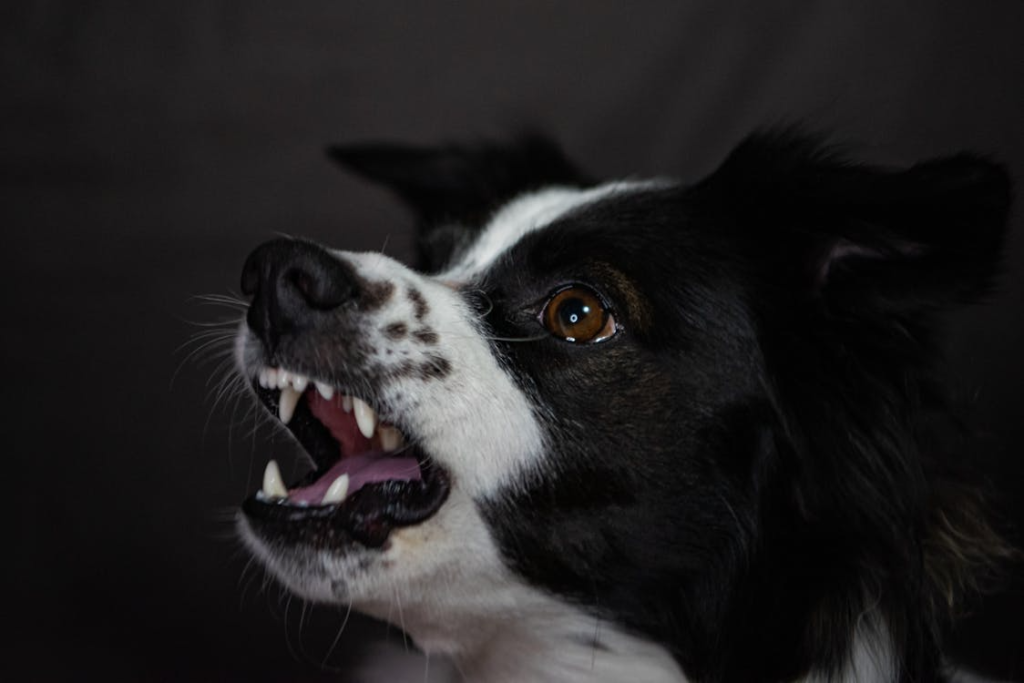
One of the best-known pieces of research on this subject came from a study led by Akiko Takaoka at Kyoto University. In that experiment, dogs first watched a person point toward a container that either did or did not contain food. Dogs usually follow human pointing, so this was a useful way to measure trust. When the person pointed honestly, and the dog found food, the dog continued to trust the cue. But when the person pointed toward an empty container, the dog became less willing to follow that person’s signal afterward. The researchers took that as evidence that dogs can judge whether a human source is reliable.
That finding matters because it goes beyond simple obedience. The dog was not just following instructions automatically. It was updating its view of the person based on what happened. In plain terms, if the person misled the dog, the dog noticed. That suggests dogs are not passive participants in human interaction. They are making choices about who to believe. It does not prove they think this is a bad person, in a moral sense. But it does support a simpler and very powerful idea: dogs can recognize when a person is not trustworthy.
Dogs Also Watch How People Treat Their Owners
Another important line of research looked at something many dog owners care about even more: whether dogs notice how someone treats the person they love. In a Kyoto University study, dogs watched their owner struggle to open a container and then ask another person for help. In one version, the person helped. In another, the person refused. A neutral bystander was also present. After the interaction, both the helper and refuser and the neutral person offered food to the dog. The dogs tended to avoid taking food from the person who had refused to help their owner, while they did not show the same negative reaction in the helpful or neutral condition.
That result is one of the strongest reasons this topic keeps coming back. The person who refused to help had not done anything directly to the dog. Yet the dog still responded differently. That suggests dogs are capable of social evaluation, at least in a basic form. They may be observing interactions between humans and changing their own behavior based on what they saw. This is not just instinct in the vague sense people usually mean it. It is social learning. The dog is watching one person be cold or uncooperative toward another person, then deciding that the individual is less appealing.
What The Research Actually Proves
This is where careful wording matters. The strongest evidence does not prove that dogs can identify evil, cruelty, or bad character in the full human meaning of those words. What it does show is that dogs can notice deception, unreliability, and negative social behavior. They can treat an unhelpful person differently from a neutral one. They can lose trust in a person who gives a false cue. These are meaningful findings, but they are narrower than the headline claim that dogs always know who the bad people are.
That does not weaken the science. In fact, it makes it stronger because it keeps the conclusions tied to what was actually tested. A dog that avoids a person who behaved badly toward its owner is demonstrating an ability to evaluate social conduct. A dog that stops following a deceptive gesture is showing selective trust. Both are impressive. But neither means dogs have a complete moral map of the human world. They are responding to patterns and cues that matter to them. That is still enough to explain why their reactions often feel so accurate in everyday life.
Why Dogs Are So Good At Reading Human Behavior
Dogs are unusually skilled at living in our world. Researchers have long noted that dogs are better than many other species at following human gestures and attending to our signals. That likely comes from domestication and the long history of dogs adapting to human homes, routines, and social behavior. Over generations, dogs that could read human intent more effectively may have had an advantage. That does not mean every dog is a genius observer, but as a species, dogs are deeply tuned to human action.
This sensitivity probably helps explain why dogs are affected by more than words. They notice posture, pace, eye contact, hand movement, energy level, and tension. A person who is smiling while standing stiffly, moving erratically, or speaking in a strained tone may not feel right to a dog. Humans often separate these things and give the benefit of the doubt. Dogs do not need to. They are reading the full package in real time. Their response may look mysterious, but it may simply be a very fast reading of behavior. That reading can sometimes be more accurate than a human’s first impression because dogs are not distracted by politeness, appearance, or social performance.
A Dog Does Not Need To Understand Morality To Spot Trouble
People sometimes make this topic too spiritual or too dramatic. The more grounded view is often the better one. A dog does not need to know the difference between good and evil in an abstract sense to recognize that a person is off. It only needs to detect that something is inconsistent, threatening, unhelpful, or unusual. That is a lower bar, but it is still a powerful one.
Think about how dogs live. They rely heavily on prediction. They want to know who feeds them, who respects their space, who is rough, who is patient, and who behaves in a stable way. A person who gives mixed signals, invades boundaries, acts aggressively, or lies through action becomes harder for the dog to read. That may be enough for the dog to pull back, bark, refuse contact, or stay near its owner. From the outside, that can look like an eerie gift. From the dog’s point of view, it may be a simple risk assessment.
Dogs May Care More About Unfairness Than Niceness
One of the more interesting findings from the research is that dogs seemed more responsive to negative behavior than to positive behavior. In the owner-helping study, dogs avoided the person who refused to help, but they did not strongly prefer the helper over the neutral person. That suggests dogs may be especially alert to social violations rather than especially impressed by normal helpfulness.
That pattern makes sense. In the real world, avoiding trouble can be more important than rewarding niceness. For a social animal, noticing when someone is unfair, unreliable, or hostile may carry more value than noting everyday cooperation. Humans do something similar. We often remember rude or threatening behavior more sharply than ordinary friendliness. Dogs may be operating in a related way. They may not hand out gold stars for basic decency, but they do seem able to react when someone crosses a line.
Why A Dog Might Dislike Someone You Trust
This is where life gets messy. Sometimes a dog dislikes a person who turns out to be perfectly decent. That can happen for many reasons. A person may smell unfamiliar, move in a jerky way, wear a hat, carry tension, speak loudly, or remind the dog of a past negative experience. Dogs are not infallible. Their reactions are useful information, but they are not proof in themselves.
A dog may also respond to your own emotional state. If you are nervous around someone, even for reasons that have nothing to do with danger, your dog may pick up on that. Dogs are good at reading their owners, too. So when a dog reacts badly to someone, it may be sensing the person directly, your body language, the overall tension in the interaction, or all three at once. That is why it is wise to treat a dog’s reaction as a signal worth noticing, not as a final verdict.
Breed, Experience, And Personality All Matter
Not every dog reads people in the same way. Some dogs are naturally social and forgiving. Others are cautious from the start. Breed tendencies, life experience, training history, and temperament all affect how a dog responds to strangers. A dog that has been poorly socialized may react defensively to harmless people. A dog with deep confidence may stay relaxed longer before deciding someone is not safe.
This matters because science studies overall patterns, but individual dogs live personal lives. A rescue dog with a rough past may react to a certain kind of voice or movement that means nothing to another dog. A young dog may still be learning how to interpret social situations. An older dog may have a stronger sense of what it likes and dislikes. So while the research supports the idea that dogs can evaluate human behavior, each dog still filters that ability through its own history.
Newer Research Added Some Caution
More recent research has complicated the popular story a bit. In 2025, researchers from Kyoto University reported that dogs in their study did not clearly favor kinder people over less kind ones in the way many people might expect, suggesting that canine judgments about human character may be more limited or harder to detect than earlier headlines implied. The researchers also noted that experimental design may be part of the issue, meaning the absence of a strong result does not automatically prove dogs lack this ability.
This does not erase the earlier studies. Instead, it suggests the full picture is more nuanced. Dogs may be better at spotting certain negative behaviors than at forming broad reputations about human character. Or they may do this better in some contexts than others. Or the lab tests may still be imperfect tools for measuring what dogs notice in ordinary life. The important point is that science is still developing. That makes broad claims less useful than grounded ones. Right now, the best summary is not that dogs always know a bad person, but that dogs can detect some forms of untrustworthy and antisocial behavior.
Dogs Read More Than Words
One reason this subject keeps resonating is that dogs often react to things humans overlook. People are heavily influenced by appearance, charm, status, and practiced social behavior. Dogs are not. They care more about what a person is doing in the moment. Are they tense? Are they staring too hard? Are they moving too quickly? Are they treating the owner in a way that feels rough or dismissive? Those details matter.
Dogs also rely on senses that work differently from ours. Smell alone gives them access to information humans barely register. They may detect stress-related chemical changes, fear, or other shifts in body odor. That does not mean they can smell “evil.” It means they can pick up bodily signs connected to emotion and arousal. Combined with body language and tone, that gives them a rich stream of information to work from. A dog’s reaction may feel mysterious, but it can be grounded in a pile of real cues arriving all at once.
What Owners Usually Notice First
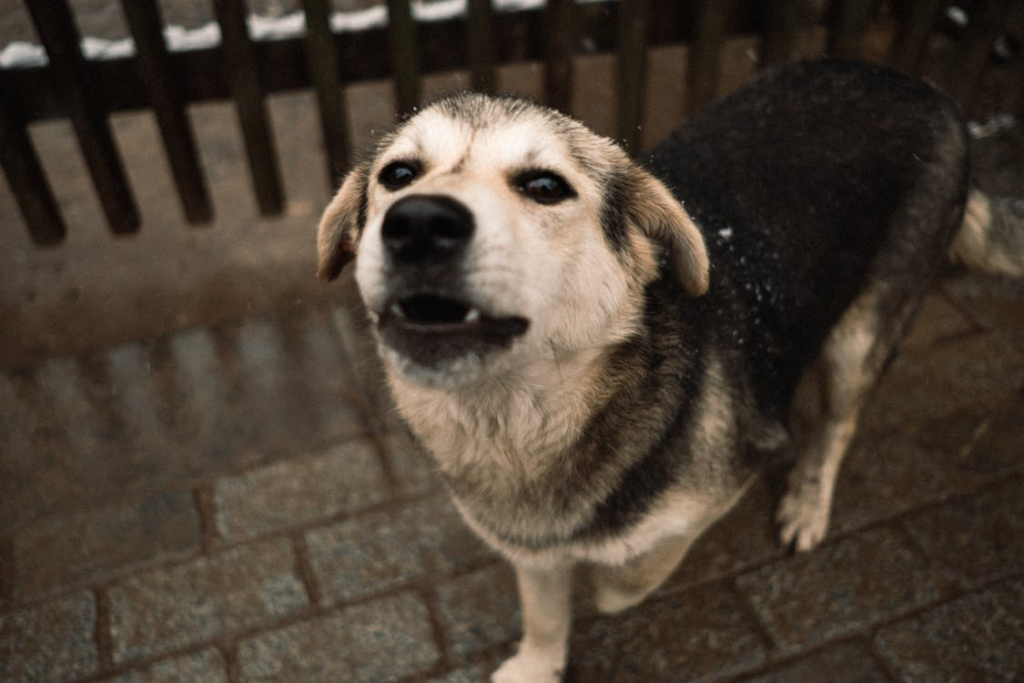
In real life, dogs do not announce their judgments in a neat scientific format. Owners usually notice them through behavior. A dog may hold back instead of greeting someone. It may place itself between the owner and the visitor. It may stare harder than usual, move away, avoid treats, or bark in a more focused way. Some dogs become very still. Others become clingy. The signs vary, but many owners describe a reaction that feels different from ordinary excitement or fear.
That difference is part of why this topic feels so personal. Most dog owners know their dog’s normal behavior. They can tell the difference between a dog that is generally nervous and a dog that is specifically uneasy around one person. That does not make the owner automatically right about the reason, but it does make the reaction worth respecting. A dog that suddenly changes posture or trust level may be responding to something real, even if you do not yet know what that something is.
You Should Respect A Dog’s Reaction, But Not Mythologize It
This is probably the healthiest way to look at the issue. A dog’s behavior is information. It is not a courtroom ruling. If your dog consistently dislikes someone, do not laugh it off immediately. Pay attention. Notice the context. Watch how that person behaves around the dog, around you, and around others. Look at whether the dog’s reaction is steady over time or tied to a specific trigger.
At the same time, avoid turning every growl into a grand statement about hidden evil. Dogs can be wrong. They can be stressed, overstimulated, poorly socialized, or reminded of a past experience that has nothing to do with the current person’s character. The point is not blind faith in the dog. The point is thoughtful attention. Dogs often notice social and emotional details quickly. That makes them valuable observers, not magical ones.
Why This Research Matters Beyond Curiosity
The science here matters because it changes how we think about dogs. It suggests they are not just companions waiting for commands. They are social thinkers, in their own way. They watch interactions that do not directly involve them. They update trust based on experience. They may avoid people who treat their owners badly or behave deceptively. That gives dogs a richer mental life than many people once assumed.
It also matters for the human side of the relationship. Owners often feel silly saying, “My dog did not like him, and later I understood why.” The research does not prove every such story, but it does support the idea that dogs are making informed social judgments, at least at a basic level. That means paying attention to your dog is not irrational. It is one more form of observation in a relationship built on trust.
What This Means For Everyday Life
In practical terms, this science suggests a few simple things. First, do not ignore a strong negative reaction from a dog that is normally stable and social. Second, do not assume the dog is identifying moral character in a sweeping sense. Third, look at the whole scene. Is the person behaving oddly? Are you tense around them? Is the dog reacting to disrespect, pressure, or inconsistency? The most useful approach is a balanced one.
It also helps to remember that trust goes both ways. Dogs learn from repeated patterns. If someone is patient, kind, respectful of space, and consistent, many dogs warm up with time. If someone pushes, corners, grabs, or acts unpredictably, many dogs do not. That is not just a preference. It is information processing. Dogs are building a social picture from behavior.
The Real Takeaway
Science does support the idea that dogs can recognize certain forms of bad behavior in people. They can lose trust in a deceptive person. They can avoid someone who treats their owner badly. They can read human signals with striking sensitivity. What science does not fully confirm is the bigger myth that dogs instantly detect moral corruption in a mystical, foolproof way. The truth is both narrower and more convincing. Dogs are excellent observers of human behavior, and that makes them capable of noticing when a person feels wrong.
That is probably why the idea has lasted. It contains something real. Dogs may not know a bad person in the philosophical sense, but they do seem able to recognize when a person is deceptive, cold, or socially off. In everyday life, that can look almost uncanny. And maybe that is enough. You do not need your dog to be a moral expert for its judgment to matter. You only need to accept that your dog is paying attention, and sometimes paying closer attention than you are.
Final Thoughts
The bond between humans and dogs is powerful, partly because it feels honest. Dogs do not flatter. They do not pretend. They react to what they sense, what they observe, and what they have learned to trust. Research backs up part of what dog owners have believed for years: dogs can evaluate human behavior, and they may withdraw trust from people who act deceptively or treat their owners badly. That is not the same as proving they can read a person’s soul, but it is still a remarkable ability.
So yes, there is science behind the idea. It is just more grounded than the headline version. Dogs can notice unfairness. Dogs can spot inconsistency. Dogs can respond when a person behaves in a way that feels unsafe or unreliable. That does not mean every bark is a warning from the universe. It does mean your dog may be seeing social truth in a very direct way. And that is a strong reason to keep paying attention when your dog decides that someone is not worth trusting.
This article was created with the assistance of AI tools and reviewed by a human editor.