

Food in the United States inspires strong opinions, from dishes nearly everyone enjoys to those that spark instant rejection. Some classics, like pizza, burgers, and fries have become part of everyday life and reflect the country’s long-standing love of easy comfort food. Others, such as liver, black licorice, or gefilte fish, remain stubbornly unpopular despite their cultural or nutritional value. This mix of favorites and widely disliked foods offers a look at how tradition, taste, and regional influences shape what Americans put on their plates.
Pizza
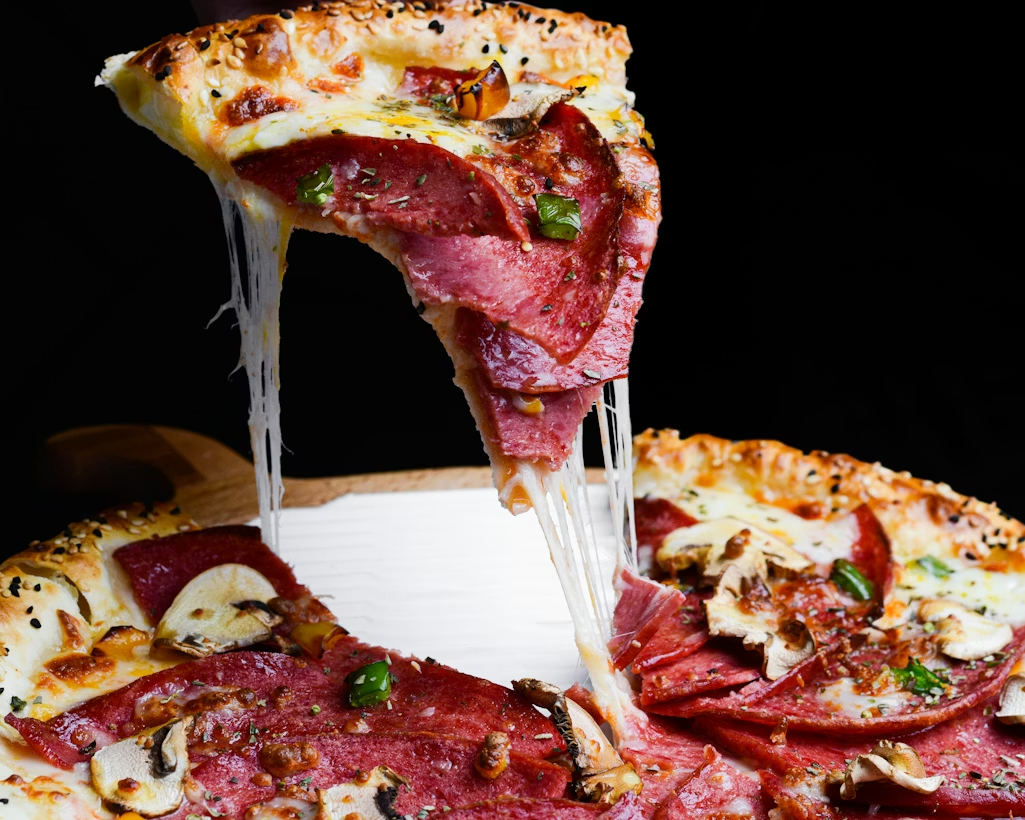
Pizza is a beloved dish in the United States, with millions enjoying it every day. The beauty of pizza lies in its versatility, as it can be customized to suit anyone’s preferences. Whether it’s a classic margherita or a loaded meat lover’s pizza, there’s something for everyone. Its origins trace back to Italy, but it has evolved into an American staple. The combination of a crispy crust, melted cheese, and tangy sauce makes pizza irresistible. In addition to traditional flavors, many regional variations exist, like the deep-dish pizza from Chicago or the thin-crust style from New York. The convenience of ordering pizza for delivery or takeout further boosts its popularity, making it a go-to choice for parties and casual meals. Because it is so easy to share and universally loved, pizza has become a part of the cultural fabric of the country.
Burgers
Burgers are another favorite American food. Known for their juicy patties and customizable toppings, burgers are a staple of American cuisine. The fast-food industry has helped cement the burger as an icon of convenience and comfort. From classic cheeseburgers to gourmet versions with exotic toppings like truffle aioli or avocado, burgers can be as simple or as sophisticated as you like. Whether cooked on a grill at a backyard barbecue or served in a fast-food restaurant, burgers offer endless possibilities for customization. The United States is home to many burger chains, and the invention of fast-food burgers like the ones from McDonald’s or In-N-Out has turned the dish into a symbol of American fast food culture.
French Fries
French fries are a go-to side dish in America, loved for their crispy exterior and tender interior. They’re typically served as a complement to burgers, sandwiches, or fried chicken, but they can also be enjoyed on their own. The variety of cuts like curly, shoestring, or thick-cut, ensures there’s a style to suit every preference. Often seasoned with salt, pepper, or even spices like garlic or paprika, fries are versatile enough to pair with any dipping sauce. From fast-food chains to fancy restaurants, French fries are nearly always on the menu, and their appeal is universal. Their combination of simplicity, flavor, and texture has earned them a permanent spot in American food culture.
Fried Chicken
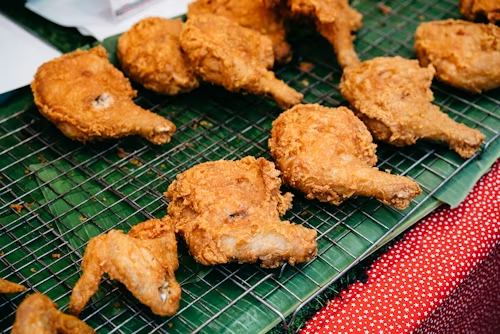
Fried chicken is another food that holds a special place in the hearts of many Americans. With its golden, crunchy coating and juicy meat, fried chicken is a comfort food that’s served at family gatherings, barbecues, and even fine dining establishments. Southern cuisine is particularly known for its fried chicken, which often features a well-seasoned batter or coating that adds flavor and crunch. The dish is also highly customizable, with variations in the seasoning, breading, and frying methods. Whether served with mashed potatoes, coleslaw, or biscuits, fried chicken brings a satisfying combination of crispy texture and rich flavor, making it a favorite for people of all ages.
Macaroni and Cheese
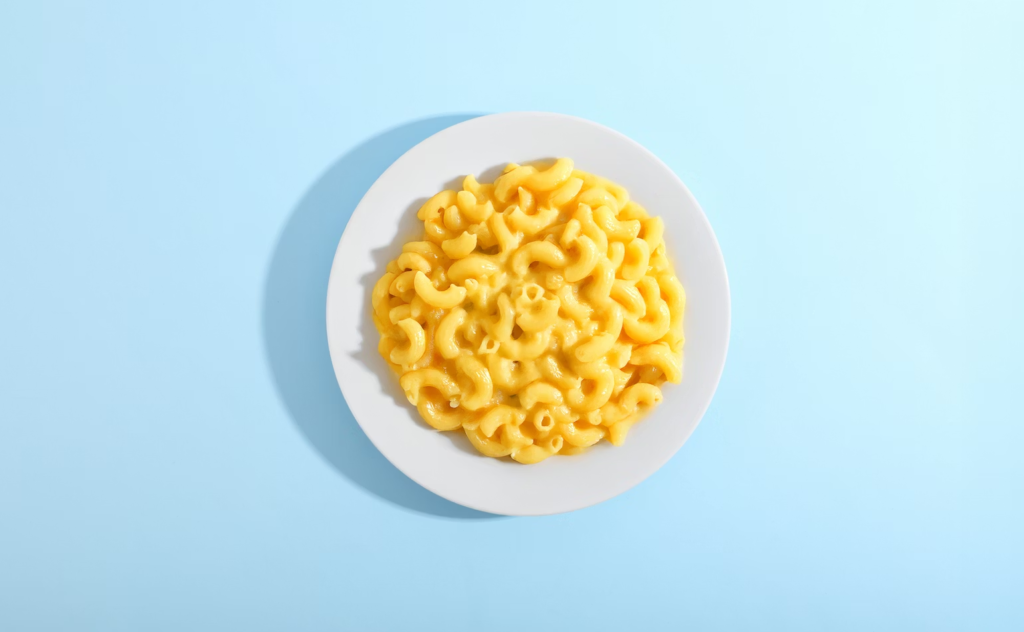
Macaroni and cheese is a quintessential comfort food in the United States, beloved for its creamy texture and rich flavor. Made with elbow macaroni and a velvety cheese sauce, it offers a satisfying combination of carbs and dairy. Often seen as a side dish at family dinners or a quick meal for busy nights, macaroni and cheese has an enduring appeal. It can be found in countless variations, from the classic stovetop version to baked mac and cheese, topped with breadcrumbs for a crunchy finish. Additionally, many people enjoy adding extras like bacon, garlic, or even lobster to give the dish a unique twist. Its versatility and ease of preparation make it a staple in American kitchens.
Tacos

Tacos have become an integral part of American cuisine, thanks to their delicious flavors and variety. Originating from Mexico, tacos are filled with a wide range of ingredients, from seasoned meats like beef, chicken, or pork to fresh vegetables and salsas. Whether soft or crunchy, tacos offer endless customization options, allowing individuals to tailor their meal to their taste. Tacos are commonly enjoyed as a quick meal, but they’re also a favorite at festive gatherings and family dinners. Many Americans appreciate the combination of bold, savory fillings with the crispness of the tortilla, making tacos a popular choice for lunch, dinner, or even a late-night snack.
Steak
Steak holds a special place in American cuisine, particularly among meat lovers. Known for its rich, juicy flavor, steak is a popular choice for grilling or searing, often served with sides like baked potatoes or vegetables. Americans enjoy the range of cuts available, from tender filet mignon to more flavorful options like ribeye or New York strip. The appeal of steak lies in its satisfying texture, with a well-cooked steak offering a balance between a crispy exterior and a tender, juicy interior. Grilling is the most common method of preparation, especially during the summer months when barbecues are in full swing. A perfectly cooked steak is considered a treat for many, making it a top choice for special occasions or a hearty meal.
BBQ Ribs

BBQ ribs are a beloved American dish, particularly in the South, where barbecue is a culinary tradition. The tender, smoky meat falls off the bone, often slathered in a sweet, tangy barbecue sauce. Ribs are typically slow-cooked to perfection, allowing the flavors to meld together. They’re usually enjoyed at cookouts, family gatherings, or even at specialty restaurants that focus on barbecue. The combination of savory, smoky flavors with a hint of sweetness from the sauce makes BBQ ribs an irresistible choice for many. Whether baby back ribs or spare ribs, this dish is a favorite for those who enjoy flavorful, meaty meals.
Ice Cream

Ice cream is one of the most universally loved treats in the United States, enjoyed by people of all ages. Whether it’s a hot summer day or a cozy winter evening, ice cream is the perfect way to satisfy a sweet craving. With countless flavors to choose from, from classic vanilla and chocolate to more adventurous options like salted caramel and mint chocolate chip, there’s something for everyone. Ice cream can be served in a cone, bowl, or even sandwiched between two cookies. Its rich, creamy texture and sweet flavor make it a favorite dessert across the country. Many also enjoy ice cream as a topping for pies, cakes, or even fruit. Its versatility and indulgent nature ensure that ice cream remains one of the top desserts in American cuisine.
Chocolate Chip Cookies
Chocolate chip cookies are an iconic American snack, known for their warm, gooey center and crispy edges. Originally invented in the 1930s, this cookie has become a household staple. The combination of sweet dough with rich chocolate chips creates a perfect balance of flavor and texture. While the traditional version is the most popular, variations like double chocolate or adding nuts also enjoy popularity. These cookies are commonly baked at home, often filling the kitchen with a mouthwatering aroma. Whether enjoyed fresh out of the oven or as a simple afternoon snack, chocolate chip cookies remain one of the most beloved desserts in America.
Mashed Potatoes
Mashed potatoes are a classic comfort food that many Americans turn to for a satisfying meal. Known for their creamy texture and mild flavor, mashed potatoes pair perfectly with a variety of dishes, from roasted meats to gravy-drenched turkey. This dish is often made by boiling potatoes, then mashing them with butter, milk, and seasoning. Whether served at family dinners, holiday gatherings, or as a side dish in restaurants, mashed potatoes are versatile enough to complement nearly any main course. Some people add garlic, cheese, or herbs for extra flavor, while others prefer the simplicity of the traditional version. Their creamy consistency and ability to absorb flavors make mashed potatoes an enduring favorite.
Pancakes
Pancakes are a beloved breakfast food in the United States, often enjoyed with syrup, butter, and various toppings. Made from a simple batter of flour, eggs, milk, and baking powder, pancakes are quick to prepare and can be served in a variety of styles. Many people love the fluffy texture of pancakes, which can be made thinner or thicker depending on personal preference. Some Americans enjoy adding fruit, chocolate chips, or whipped cream to their pancakes for added flavor. The popularity of pancakes is especially evident in diners and breakfast spots, where they often make up a large portion of the menu. Pancakes are the perfect comfort food to start the day and are often associated with weekends and leisurely mornings.
Spaghetti and Meatballs
Spaghetti and meatballs is a classic American-Italian dish that has become a favorite for many households. The tender meatballs, often made from beef or a mixture of meats, are seasoned with herbs and spices, then simmered in a rich tomato sauce. The combination of the savory meatballs with the slightly chewy spaghetti is a satisfying meal enjoyed across the country. The sauce, which can vary in flavor from tangy to sweet, further enhances the dish. Spaghetti and meatballs are often associated with family dinners and are a staple in many American homes, thanks to their comforting qualities and the ease of preparation. While it’s commonly served with a sprinkle of Parmesan cheese, the dish is flexible and can be adjusted to suit individual tastes.
Grilled Cheese

Grilled cheese is a simple yet beloved sandwich that combines gooey melted cheese between two slices of toasted bread. Whether made with American cheese or other varieties like cheddar or Swiss, grilled cheese offers a satisfying combination of crispiness and creaminess. It is a go-to comfort food for many, especially when paired with tomato soup for dipping. The beauty of grilled cheese lies in its simplicity. Just a few ingredients that come together to create a deliciously warm, melty sandwich. This dish is often prepared quickly, making it a favorite for a fast lunch or dinner. The golden-brown, crispy exterior contrasts perfectly with the soft, melted interior, making grilled cheese a timeless classic in American cuisine.
Burritos
Burritos are a staple in American cuisine, especially in regions where Mexican food is prevalent. The dish consists of a flour tortilla wrapped around a variety of fillings, including seasoned meats, beans, rice, cheese, and vegetables. Burritos are loved for their portability and satisfying combination of flavors and textures. They can be customized to suit personal tastes, with options ranging from simple bean and cheese burritos to more complex versions with grilled meats, salsa, and guacamole. The ease of preparing burritos makes them a popular choice for quick lunches or dinners, and their widespread availability at Mexican restaurants and fast-casual eateries only adds to their popularity. Whether eaten on the go or served with sides like chips and salsa, burritos continue to be a favorite for many Americans.
15 Foods Many Americans Hate (or Strongly Dislike)
Liver
Liver is one of the most disliked foods in America, often met with a sense of repulsion. While it is rich in nutrients like iron and vitamins, its strong flavor and distinct texture make it a challenge for many people. For some, the idea of eating organ meat can be off-putting, especially because liver has a slightly metallic taste. The texture is also divisive, some find it mushy, while others struggle with its graininess. Despite its health benefits, liver remains unpopular in modern American cuisine, with few people opting to prepare or eat it regularly.
Anchovies
Anchovies are tiny fish known for their intense, salty flavor. While they are a common ingredient in Mediterranean dishes, they are not particularly popular in the United States. Many Americans associate anchovies with the strong, pungent taste that can overpower a dish. They are often used sparingly in recipes, like on pizzas or in Caesar salads, but the distinct fishy taste turns many people away. The salty and sometimes briny flavor profile does not appeal to everyone, and as a result, anchovies remain one of the least popular toppings for pizza and are often avoided in home kitchens.
Black Licorice
Black licorice is a polarizing candy that many Americans dislike due to its distinctive and somewhat bitter flavor. Unlike sweeter candies, black licorice has a strong taste that comes from the root of the licorice plant. This unique flavor is often described as an acquired taste, which explains why it’s less popular compared to fruit-flavored sweets. Its unusual taste can be off-putting for those who prefer sugary or fruity treats, and as a result, black licorice struggles to find a wide audience. It’s also a common presence in jellybeans, where it’s often the most hated flavor in the mix, with many people choosing to avoid it entirely.
Brussels Sprouts
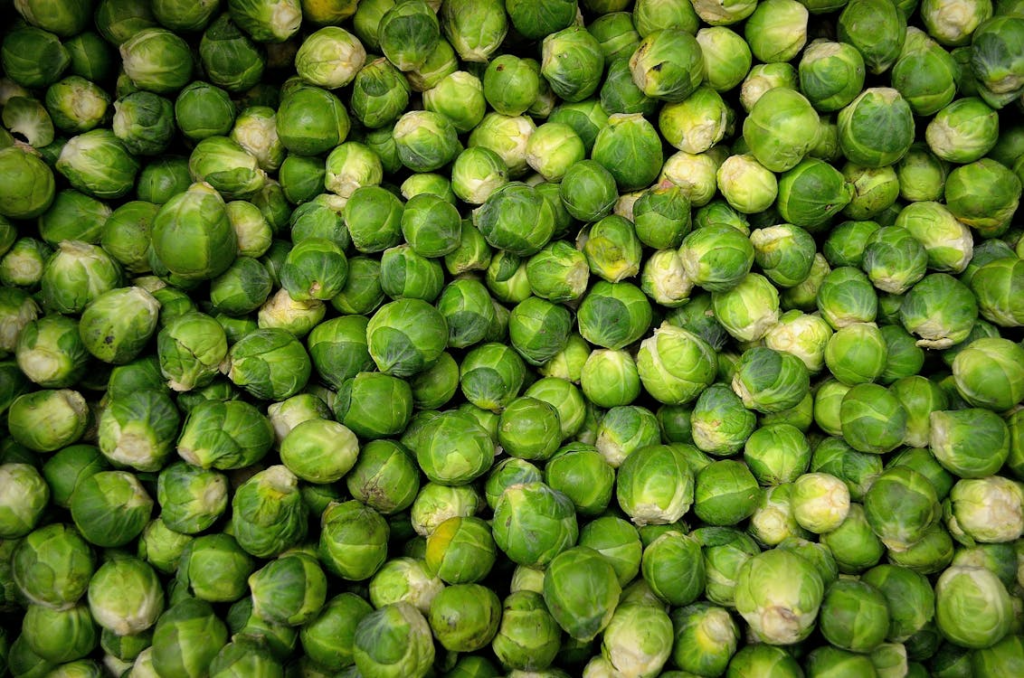
Brussels sprouts have a reputation for being disliked by many, though they are making a comeback in some circles. The small, cabbage-like vegetable can have a strong, bitter taste that turns many people off. Additionally, when overcooked, Brussels sprouts can develop a pungent smell that further deters people from eating them. However, when cooked properly, such as by roasting or sautéing with olive oil and seasonings, they can take on a more pleasant flavor and a caramelized texture. While Brussels sprouts are still a divisive food, there’s been a growing trend of preparing them in ways that bring out their sweetness, making them more palatable to those who once hated them. Despite this, they still aren’t as widely loved as other vegetables in the American diet.
Cottage Cheese
Cottage cheese is a food that many Americans tend to avoid due to its lumpy texture and mildly tangy taste. Although it’s high in protein and often considered a healthy snack or breakfast option, the texture can be off-putting to those who prefer smooth, creamy foods. Some people also find its flavor to be bland or sour, further diminishing its appeal. While it’s commonly eaten as part of a low-calorie diet or mixed with fruits, many Americans prefer other dairy options like yogurt or cheese for a more palatable experience. Despite its nutritional benefits, cottage cheese struggles to win over those who are sensitive to its texture or taste.
Tofu
Tofu is a plant-based protein that is widely consumed by vegetarians and vegans, but many Americans are hesitant to try it. The primary complaint about tofu is its texture. It can be described as spongy or rubbery, which many American people find particularly unappealing. Additionally, tofu often takes on the flavor of the ingredients it’s cooked with, which means it can sometimes lack a distinct taste of its own. For those unfamiliar with it, the thought of eating a soy-based product can be unappealing. However, tofu’s versatility in cooking and its ability to absorb various flavors make it a popular option for plant-based diets, even though it remains a disliked food for many Americans.
Blue Cheese
Blue cheese is one of the more divisive foods in America, with many finding its strong, tangy flavor too intense. Made from cow’s, goat’s, or sheep’s milk and aged with mold cultures, blue cheese has a sharp, somewhat pungent taste that doesn’t appeal to everyone. Its veiny appearance can also be off-putting to some, adding to its reputation as an acquired taste. While blue cheese is popular in salads, dressings, or as a topping for burgers, it is not a common choice for those who prefer milder cheeses. Despite its bold flavor, blue cheese remains a favorite for a select group of people who enjoy its distinct characteristics, though it’s often avoided by the larger population.
Beets
Beets are another food that many Americans tend to avoid due to their earthy, sometimes sweet flavor. Often described as having a “dirt-like” taste, beets are a vegetable that doesn’t immediately appeal to everyone. They are frequently used in salads, juices, or roasted dishes, but their distinct flavor and texture can be polarizing. The deep red color of beets can also be off-putting to some people, and their earthy flavor can be overpowering when cooked improperly. Despite this, beets are packed with nutrients, including vitamins and fiber, making them a healthy choice for those who enjoy them. However, they remain one of the least popular vegetables in many American households.
Mushrooms
Mushrooms are a food that many Americans find divisive due to their unique texture and flavor. While some people love them for their earthy taste and meaty texture, others find them too slimy or rubbery. The texture can be a major turnoff for those who prefer foods that are more consistent in feel. Mushrooms are often used in soups, salads, and pasta dishes, but their strong flavor can overwhelm other ingredients if not prepared carefully. For those unfamiliar with their taste, mushrooms can seem like an acquired flavor, and as a result, many people avoid them in favor of more familiar vegetables. Despite this, mushrooms remain a common ingredient in many dishes, especially in the form of toppings on pizzas or mixed into sauces.
Sardines

Sardines are small, oily fish that are not widely adored in American cuisine. Their strong, fishy taste and dense texture make them unappealing to many. Often canned in oil or water, sardines are typically found in Mediterranean or Asian dishes but are not as commonly consumed in the U.S. due to their pungent aroma and flavor. The taste is often described as overwhelming, and while sardines are a great source of omega-3 fatty acids and protein, they are often passed over in favor of more familiar seafood like salmon or shrimp. Those who do enjoy sardines typically appreciate their salty, briny taste, but the fish’s strong flavor makes it a challenging choice for many Americans.
Olives
Olives are another food that many Americans dislike due to their bitter, briny taste. While olives are common in Mediterranean dishes, they don’t always find a warm reception in American cuisine. The strong, salty flavor of olives can overwhelm dishes, making them a polarizing ingredient. People who dislike olives often find them too intense, while those who enjoy them appreciate the depth of flavor they add to salads, tapenade, or pizza. Despite their nutritional benefits, including being a good source of healthy fats, olives remain an acquired taste for many, and they’re often omitted from food preparations by those who can’t get past their distinctive flavor.
Mayonnaise
Mayonnaise is a condiment that sparks passionate opinions, people either love it or hate it. The thick, creamy texture and slightly tangy taste can be unappealing to many, especially those who prefer lighter, more flavorful dressings. Mayonnaise is commonly used in sandwiches, coleslaw, and potato salads, but its heavy, rich nature often leaves some people avoiding it. The combination of egg yolk, vinegar, and oil doesn’t sit well with everyone, and many prefer alternatives like mustard or olive oil-based dressings. Despite its widespread use in American cuisine, mayonnaise remains a divisive ingredient that is often met with a strong aversion from those who dislike its taste and texture.
Spam
Spam, the canned meat product, is notorious for its divisive reputation. Often perceived as low-quality or overly processed, Spam has become a food that many Americans avoid. Its dense, salty texture and greasy consistency can be off-putting for those used to fresher, leaner meats. Though it is a popular food in certain regions of the U.S., particularly in Hawaii and parts of the South, Spam is generally met with reluctance or outright dislike in many households. The idea of canned, pre-cooked meat doesn’t appeal to those who prefer fresh ingredients. Despite this, Spam has its loyal fans who appreciate its long shelf life and versatility, often using it in fried rice or sandwiches.
Gefilte Fish
Gefilte fish, a dish commonly associated with Jewish cuisine, tends to be disliked by many Americans due to its unfamiliar flavor and texture. Made from ground fish, usually a mixture of carp, whitefish, and pike, gefilte fish is typically served as a cold appetizer. Its gelatinous texture and mildly fishy taste make it an acquired taste, and it is often regarded as unappealing by those not accustomed to it. While gefilte fish is a traditional dish for Jewish holidays like Passover, its uniqueness and texture make it a food that is not widely enjoyed by the general American public. Many people find it off-putting because it differs so greatly from more commonly enjoyed fish dishes.
Oysters
Oysters are often disliked by many Americans, primarily due to their slimy texture and briny, sometimes metallic taste. These shellfish are typically served raw on the half shell, which can be off-putting for those who are not used to their distinct flavor. The texture, often described as slippery or chewy, is a major hurdle for many people who prefer firmer foods. Oysters are also associated with high-end dining or seafood platters, which can contribute to the perception that they are an acquired taste. Despite being rich in nutrients like zinc and omega-3 fatty acids, oysters remain a divisive food, loved by some for their delicate flavor and often eaten with cocktail sauce, but avoided by others who can’t get past their unique characteristics.
A Taste of America’s Food Divides
Food is a powerful reflection of culture and personal taste, and in America, the love-hate relationship with different foods tells us a lot about the diverse preferences that shape the nation. From the comfort of macaroni and cheese to the polarizing taste of black licorice, Americans’ food choices are influenced by tradition, convenience, and personal experience. While some foods are universally loved and regularly found on dinner tables or restaurant menus, others remain divisive, sparking strong opinions and making their way into kitchens only for the most adventurous. Whether you love or hate certain foods, there’s no denying that these culinary divides contribute to the rich tapestry of American dining culture.
Read More: 15 Secrets About McDonalds That Only Employees Know