

Fame often looks simple from far away, but many artists learn that success brings pressure that changes how life feels. The moment their work reaches a wider audience, they face attention that reshapes their days because every move becomes something others can judge. That shift forces them to manage expectations they never asked for, and it wears on them when they try to keep up with what people want. Stress builds fast because the world sees their achievements while overlooking the cost behind them. They lose privacy while trying to protect the parts of themselves that fame tries to erase. Some of them rise fast, then slow down because they struggle to adjust, and others try to hold onto old routines while new demands take over. This tension grows quietly, and the pressure turns into something they carry long after the applause fades.
Many of the artists in this list reached the height of their careers only to find that the spotlight shaped them in ways they never planned. The demands felt heavy because success rarely arrives with guidance on how to stay grounded. Some artists tried to keep their sense of self while the industry pushed them toward a version of themselves that never felt right. Others faced loneliness while crowds kept growing, and that contrast made the experience harder to manage. Creative work became harder when they felt torn between personal needs and public expectations. Over time, fame stretched them thin because constant attention made simple things feel difficult. Their stories matter because they show how success can lift someone up while placing a weight on their shoulders at the same time, and each artist learned in their own way how hard it can be to stay whole once the world starts watching.
The Pressure That Fame Quietly Builds

Public attention grows fast once an artist reaches success, and that shift raises new challenges because every choice carries weight. They feel watched even during small moments, and that awareness changes how they move through their daily lives. Pressure builds because they try to satisfy fans while keeping their own needs steady, and that balance becomes harder the longer they stay in the spotlight. Many artists describe this stage as a point where the career they once wanted begins to feel unfamiliar, and that change often creates stress they did not expect. When they cannot slow down, they reach a place where their creative work feels harder to access, and that difficulty shows how fame can complicate the very thing that made them known.
This strain deepens when an artist feels responsible for the image the public builds around them, because that image rarely matches who they were before success arrived. They try to fit into expectations while still growing as people, and that conflict often leaves them feeling split between their inner life and their public identity. The pressure grows stronger when fans expect constant output, and the industry pushes them to meet deadlines that leave little room to rest. Over time, the gap between the person they are and the person the world insists on seeing grows wider, and that space becomes exhausting to hold. Their stories show how fame brings both admiration and emotional weight, and how many artists work quietly to stay grounded while the world focuses only on their achievements.
Kurt Cobain
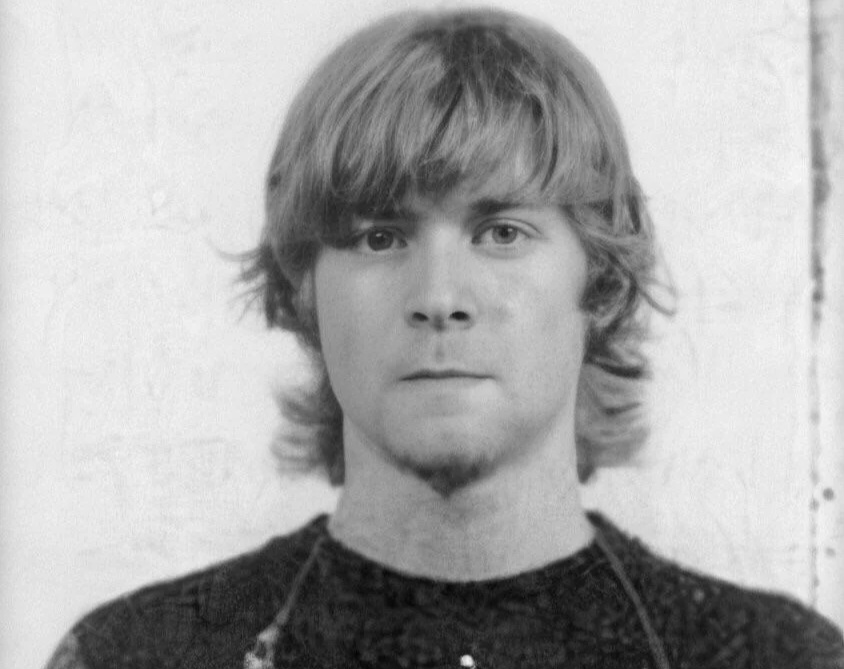
Kurt Cobain rose fast because Nirvana changed the music landscape, but that rise created pressure that grew heavier each year. He faced sudden global attention that overwhelmed him, and the contrast between his quiet nature and the demands of fame left him drained. He struggled with the way the industry shaped him into something he never wanted to be, and that pressure pushed him into deeper emotional strain. He tried to protect his personal life, but nonstop touring and constant public interest gave him little room to breathe. His creative process became harder because the expectations he carried overshadowed the joy he once found in making music, and that shift affected him more than most people understood.
As the spotlight intensified, Cobain felt torn between gratitude for his fans and the discomfort of being watched at every turn. Interviews, photo requests, and industry demands grew until each day felt like a challenge he could not escape. He leaned on his art to cope, yet even that began to feel shaped by forces outside his control. His struggle shows how overwhelming fame can become when a sensitive person is pushed into a level of exposure that never matched their inner world. His story remains one of the clearest examples of how pressure at the top can weigh on a person until they feel unable to carry it.
Amy Winehouse
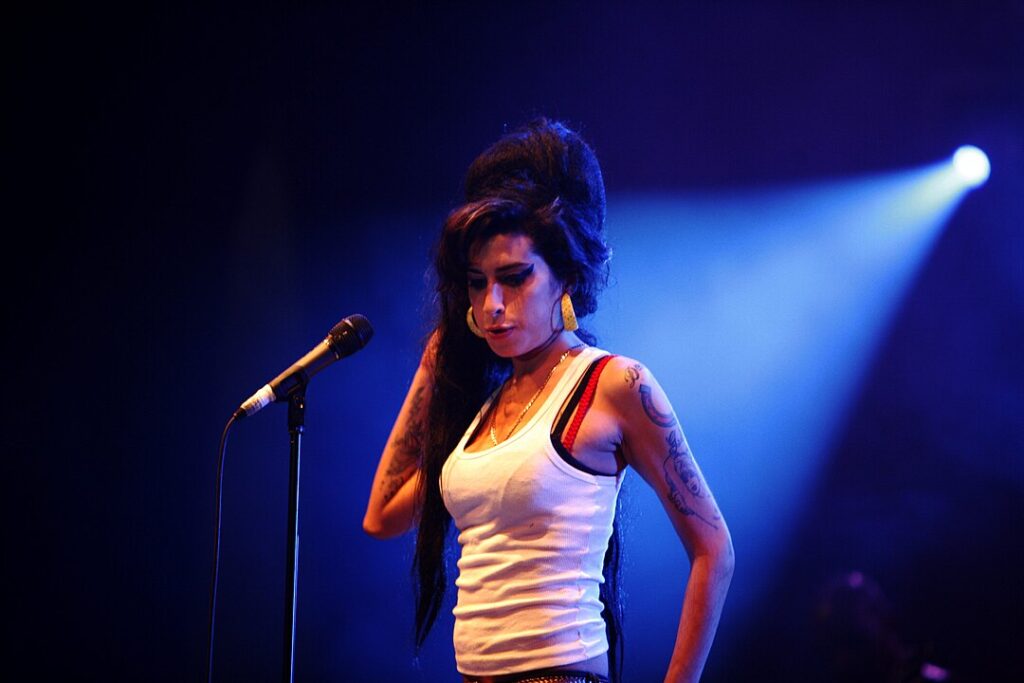
Amy Winehouse reached worldwide success with a voice and style that set her apart, but fame brought attention that quickly overshadowed her music. She dealt with scrutiny that followed her everywhere, and that pressure made it hard for her to focus on her craft. Media outlets turned her private challenges into public stories, and that intrusion weakened her ability to stay grounded. She tried to maintain control of her life while the world watched her every move, and that constant observation made her feel trapped. Her artistry came from honest emotion, but fame twisted that honesty into a spotlight she never wanted.
The noise around her grew louder than the music she loved, and that imbalance affected her well-being. She struggled to find stability because every setback became a public conversation, and the pace of her success left little room for recovery. She carried a weight that made performing harder with each passing year, and the pressure turned her inner battles into something impossible to hide. Her story shows how fame can consume someone when the world pays more attention to their personal pain than to their talent.
Britney Spears

Britney Spears became a global star before she reached adulthood, and that early rise forced her into a world that demanded constant perfection. She worked long hours, smiled through exhaustion, and carried an image that the industry relied on. As fame expanded, she lost the privacy needed for healthy growth, and every personal moment became a headline. She tried to balance her career with her own needs, but the pressures of global attention made that balance difficult. The constant push to perform turned what once felt exciting into something overwhelming.
Her struggles grew when public interest shifted from her work to her private life, and she faced a level of scrutiny that few artists have experienced. She found little space to make mistakes or recover from them, because the world demanded a polished version of her at all times. Over the years, she fought to regain control of her life, and that fight lasted far longer than it should have. Her journey shows the emotional cost of early fame because it reshapes childhood, adolescence, and adulthood all at once, and she carried that weight for most of her career.
Justin Bieber

Justin Bieber became famous as a teenager, so his early years unfolded under a level of attention that most adults would struggle to handle. He faced a sudden shift from normal life to global stardom, and that change left him without the privacy needed to grow at his own pace. Every mistake became public conversation, and that pressure affected his mental and emotional health. He tried to stay connected to his fans, but the constant attention made it difficult to understand who he was outside of the spotlight.
As he entered adulthood, the expectation to perform remained steady while the weight of global fame grew stronger. He felt worn down by the pace of touring and the scrutiny attached to every decision, and that strain affected his sense of identity. He began speaking openly about the challenges he faced, and those moments showed how fame shaped him in ways he never asked for. His story shows how early success can complicate a life before a young artist has the tools to manage the demands placed on them.
Selena Gomez

Selena Gomez grew up in the public eye, and her shift from child star to adult artist came with pressure that shaped her career and personal life. She felt the strain of being watched through every phase of her growth, and that strain increased as her music career expanded. Fame placed expectations on her to appear strong even during difficult health struggles, and that pressure left her feeling stretched thin. She tried to balance her career with her private needs, yet the constant attention made the balance difficult to maintain.
Her emotional well being suffered because public interest often overshadowed her real challenges, and she faced criticism that made her feel isolated. She took breaks from work to regain stability, and those decisions showed how much the pressure affected her daily life. She continues to speak openly about the difficulty of living under constant observation, and her honesty resonates with many people who understand how draining the spotlight can be. Her experience shows how fame can reshape someone’s life even when they handle it with strength and grace.
Michael Jackson

Michael Jackson lived under global attention from early childhood, and that level of visibility shaped every part of his life. He faced pressure to perform at a high level while carrying expectations that increased with each project, and that strain limited his ability to live a private life. As he grew older, the distance between his public image and his personal needs widened, and that gap added stress he struggled to manage. He tried to protect his inner world while the industry and media pushed for constant access, and that tension left him feeling watched at all times.
The weight of his legacy and the demands of his career affected his well-being, and he worked through emotional and physical exhaustion that few people understood. He spent years trying to create a space where he could rest, yet that effort clashed with the constant attention that followed him. Over time, the pressure from fame overshadowed the joy he found in music, and that shift made it harder for him to feel grounded. His story shows how a lifetime in the spotlight can reshape a person until the line between their art and their identity becomes difficult to hold.
Whitney Houston

Whitney Houston reached a level of success that few artists ever touch, but the pressure tied to that success became a source of strain as her career progressed. She faced intense expectations about her voice, her image, and her personal life, and each expectation carried weight she could not escape. She wanted to maintain her artistic freedom, yet the industry demanded perfect results every time she stepped on stage. That demand created stress that grew heavier as her fame increased, and she worked through emotional challenges while trying to preserve her talent.
The public watched her closely, and that level of attention made her private struggles harder to manage. She sought ways to cope with the demands placed on her, but the pressure to stay polished in front of the world limited her space to recover. She continued to deliver performances that moved millions, yet those moments often came with a personal cost the audience never saw. Her story shows how the pressure tied to exceptional talent can become overwhelming when the world expects a flawless version of an artist at all times.
Lady Gaga
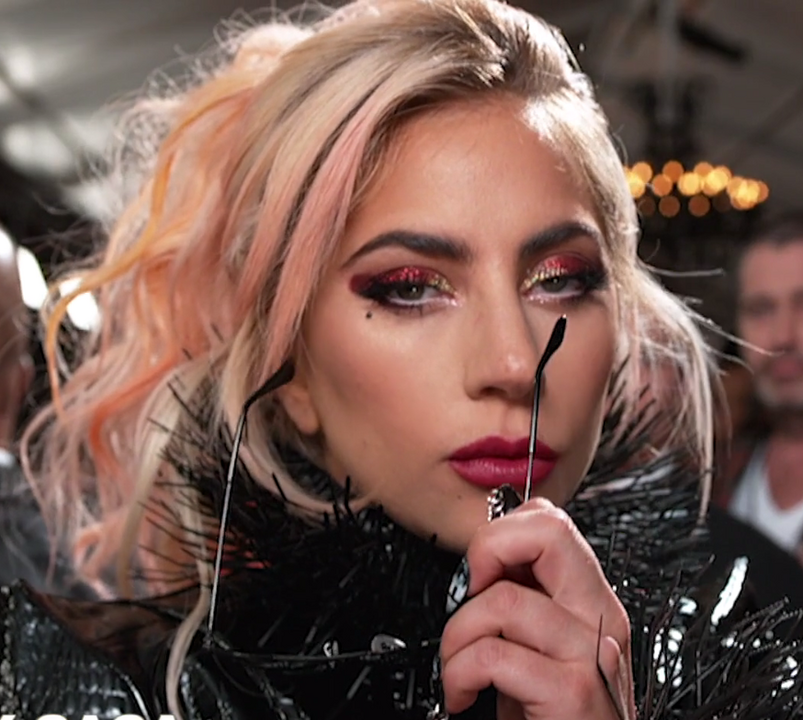
Lady Gaga entered the spotlight with bold creativity, but her rise came with personal strain that grew as her influence expanded. She worked with constant intensity because she wanted her art to push boundaries, and that effort left her physically and emotionally worn. She struggled with chronic pain that made touring difficult, and the weight of nonstop expectations affected her mental health. She tried to stay strong for her fans while managing her own challenges, and that balance required energy that was hard to sustain.
As her fame increased, she felt pressure to maintain a version of herself that aligned with public expectations, and that pressure often conflicted with her need to slow down. She spoke openly about the toll her career took on her body and her emotional well-being, and her honesty showed how fame can strain even the most confident performers. She worked to reshape her career in ways that protected her health, and that shift marked an important step toward stability. Her experience shows how the demands of a high-profile life can push an artist past their limits unless they create space to care for themselves.
Demi Lovato

Demi Lovato became well known at a young age, and the sudden shift into global recognition created stress that continued into adulthood. They faced pressure to maintain a polished public image while working through personal struggles that needed privacy and care. The demands of touring, interviews, and public appearances made it harder to stay balanced, and that imbalance affected their well-being. They tried to manage their career while meeting expectations that never seemed to slow, and that effort left them overwhelmed.
As they faced these challenges, they became open about their experiences with recovery and self-healing, and that openness came from a place of exhaustion rather than comfort. They needed time and space to rebuild their health, yet the world continued to watch every step. They used their voice to speak about topics that mattered to them, but doing so added more attention to their life when they needed support. Their journey shows how fame can magnify inner struggles and why many young artists need stronger support as they grow under public pressure.
Zayn Malik
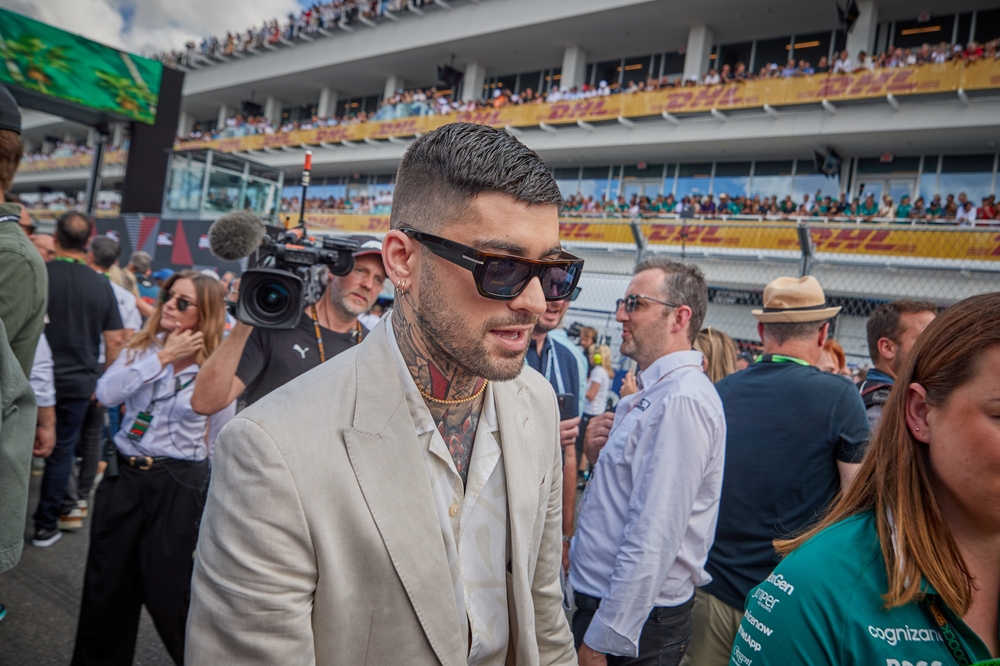
Zayn Malik stepped into global fame through One Direction, and that level of attention arrived faster than he could process. He struggled with anxiety that intensified with each performance, and the pace of touring made it hard for him to stay grounded. He valued privacy, yet the world treated him as public property, and that shift created stress that affected his health. He tried to keep pace with the demands of the group while managing inner strain, and that conflict made his life feel increasingly restricted.
Leaving the group gave him more control, but it also brought new pressure because he carried expectations as a solo artist. He continued to face anxiety during public events, and that challenge made large performances difficult for him. He focused on creating music in quiet environments where he felt safe, and that choice helped him protect his mental well-being. His story shows how fame can feel overwhelming when a person is pushed into nonstop exposure while battling fears they cannot fully express.
Billie Eilish

Billie Eilish became a global figure while still in her teens, and that rise brought pressure that shaped her early adulthood. She struggled with the intensity of sudden attention because she valued privacy, and the shift from a quiet home life to worldwide recognition altered how she moved through each day. Fame pushed her into a pace that left little space for rest, and the constant commentary about her appearance and choices added stress she never asked for. She tried to stay focused on her music, but the noise surrounding her life often felt louder than the work she cared about.
As time passed, she spoke openly about anxiety and the weight of public expectations, and her honesty came from real exhaustion rather than a desire for sympathy. She worked to set boundaries around her mental health, yet every choice brought new reactions from fans and critics. She learned to shape her career in ways that protected her well being, but the pressure remained because global success rarely slows down. Her story shows how young artists face challenges when the world watches them grow before they understand who they want to become.
Miley Cyrus

Miley Cyrus lived under public attention from childhood, and that long exposure shaped how she viewed herself. She felt pressure to move from a child-friendly image into adulthood while the world judged her every decision, and that transition created stress that stayed with her for years. She tried to express her identity through bold, creative choices, but the reactions she received made her feel boxed in by opinions that never matched her intentions. Fame brought opportunity, but it also removed the privacy she needed to explore who she was without noise.
Her personal struggles played out in front of millions, and that visibility made recovery harder because each change in her life became a public conversation. She worked to rebuild stability through music and personal growth, yet the attention followed her no matter how her career shifted. She pushed through criticism while trying to stay connected to her own values, and that effort required strength that few people recognized. Her experience shows how long-term fame can shape someone’s inner life in ways that take years to understand.
Shia LaBeouf
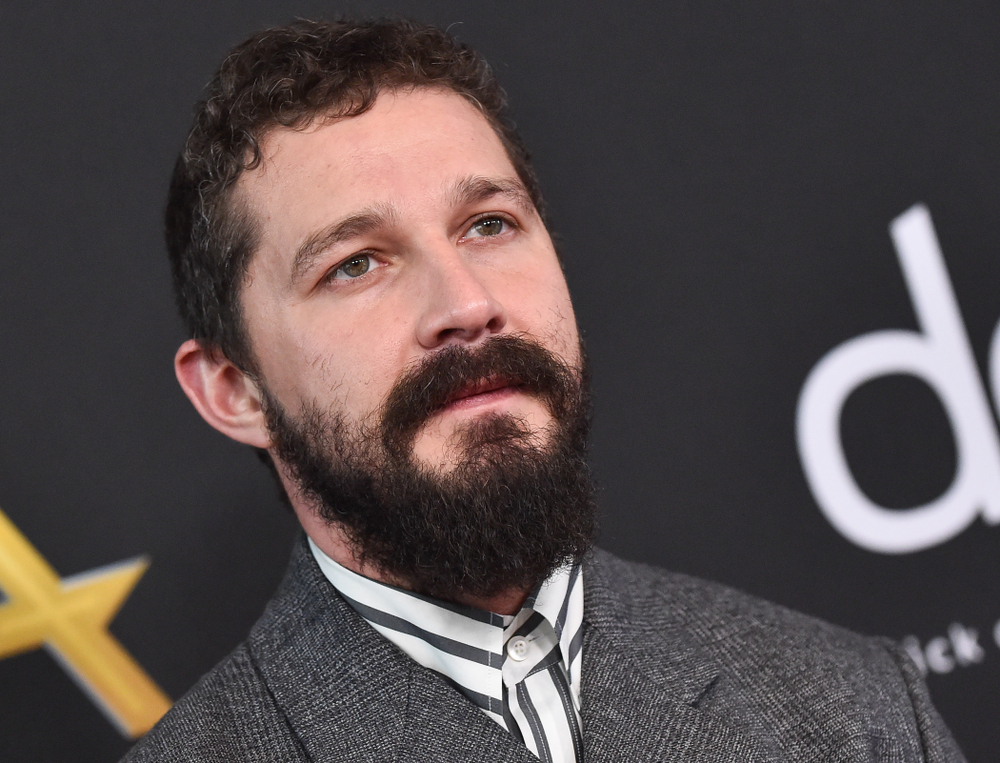
Shia LaBeouf reached fame early through film and television, and the speed of his rise created tension that followed him into adulthood. He tried to manage the attention tied to blockbuster roles, but the pressure grew as his public image drifted from his personal identity. His behaviour became inconsistent during periods of emotional strain, and the media focused on those moments more than on his work. Fame limited his space to work through his challenges privately, and that lack of privacy made everything harder for him to process.
As he grew older, he acknowledged the issues he faced and entered a period of self-reflection, but the attention surrounding his life made recovery uneven. He tried to rebuild his career through independent projects, yet each step brought new criticism that made progress difficult. He worked to create meaning in his art, but the weight of his public reputation often overshadowed those efforts. His story shows how early stardom can create long-term stress when someone is not given room to grow away from constant observation.
Lindsay Lohan

Lindsay Lohan became well known during her teenage years, and the sudden transition from normal life to global recognition reshaped her sense of stability. She worked at a fast pace during her early career, and that pace left her with little space to understand the pressure that came with fame. Her private struggles became public stories that affected her ability to rebuild, and the commentary around her life made it difficult to recover quietly. The constant cycle of attention and judgment created strain that stayed with her as she moved into adulthood.
She attempted multiple comebacks, but each return came with new scrutiny, and that scrutiny limited her ability to start fresh. She tried to create distance from the noise by moving and reshaping her lifestyle, yet the media continued to follow her past. Over time, she became more focused on stability, but rebuilding trust with the public proved slow because of the attention tied to her name. Her story shows how fame at a young age can shape someone’s challenges long after their early success fades.
Mac Miller
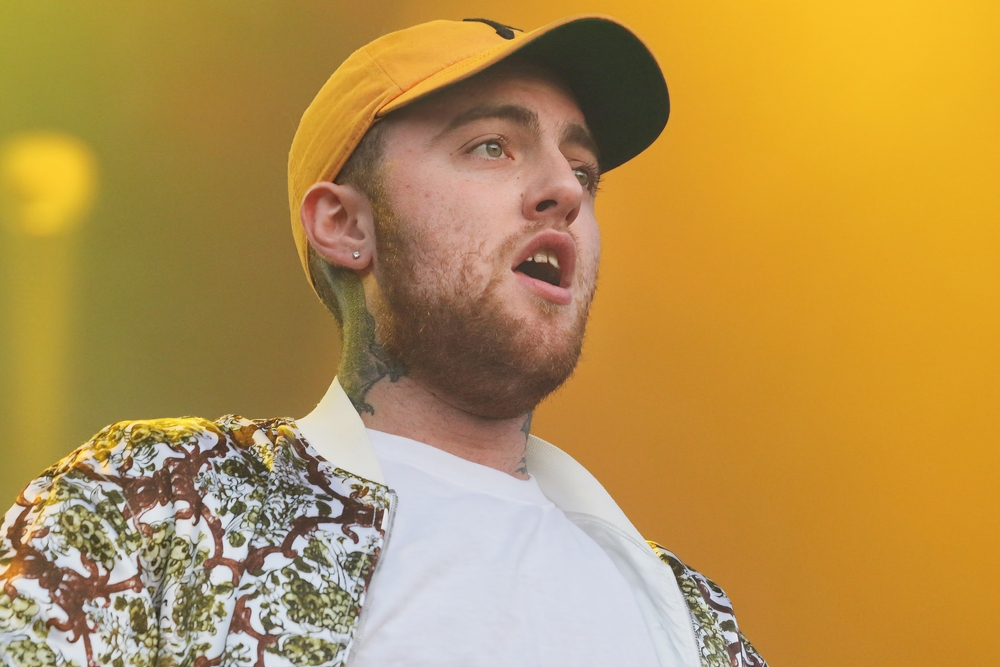
Mac Miller achieved success early in his career, and the attention that followed placed pressure on him that grew heavier over time. He struggled with balancing his personal life with the demands of touring and continuous output, and that imbalance affected his mental health. He worked hard to create music that reflected his inner world, but fame magnified his challenges, and the stress from public expectations made it harder for him to stay grounded. He tried to cope through work and personal growth, yet the pressure remained steady.
His struggles surfaced in ways that made headlines, and those moments added more weight to his emotional state. He continued to make music that connected deeply with listeners, but he carried exhaustion that was difficult to manage while living in the public eye. He sought healthier routines, but the pace of fame did not slow enough for him to regain full stability. His story shows how emotional strain can build beneath the surface even when an artist produces meaningful work.
Sinead O’Connor

Sinead O’Connor rose to global fame with a voice that carried raw emotion, but the attention that followed placed intense pressure on her. She felt misunderstood by the industry because she valued honesty over image, and that difference created tension that shaped her career. Public expectations often clashed with her personal values, and that clash left her feeling isolated within an industry that relied on conformity. She struggled with the weight of constant criticism, and that criticism overshadowed her artistry during moments when she needed understanding.
Her emotional well-being suffered as she faced personal challenges, and the media often treated those struggles as entertainment rather than moments that required empathy. She continued to speak openly about issues that mattered to her, but doing so added more attention to her life at times when she needed space. Over the years, she moved in and out of the spotlight to protect her health, and those choices reflected her need for stability rather than fame. Her story shows how public misunderstanding can overwhelm a person who simply wants to create without losing themselves.
Kesha
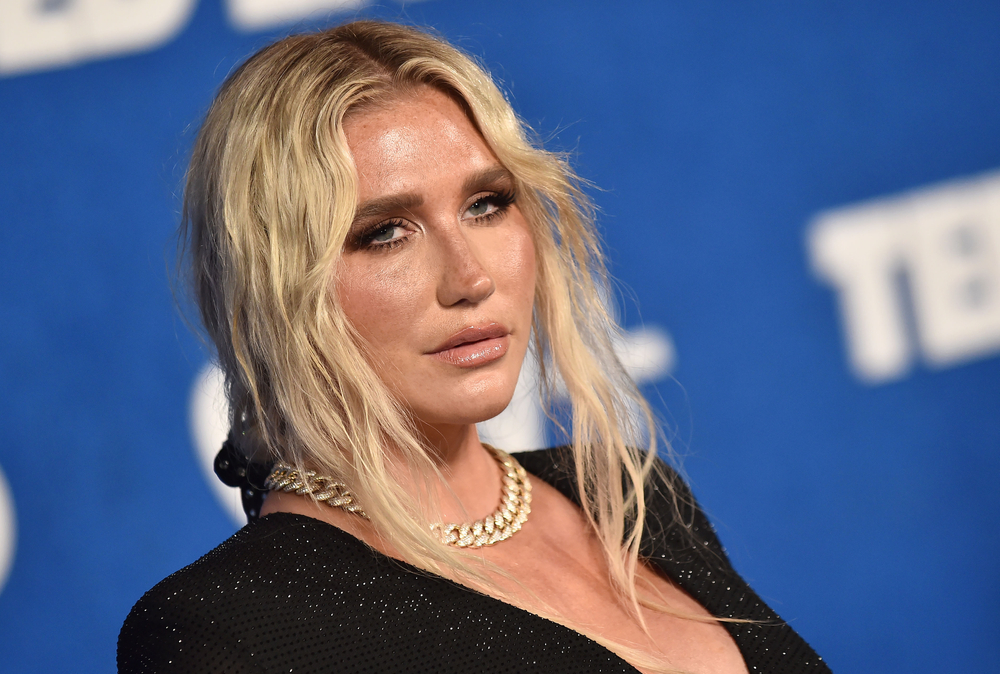
Kesha entered the music world with a lively image, but behind that image, she faced pressure that few knew about. Her legal battle with her former producer created emotional and professional strain that lasted for years, and that strain affected her ability to work freely. She tried to stay strong while dealing with the weight of the situation, but the ongoing conflict made it difficult to maintain stability. Fame amplified every stage of her struggle, and the public watched as she fought for control of her career.
During this period, she worked to regain her confidence and rebuild her connection to her music. She returned with work that reflected her desire for healing, yet the pressure tied to her previous challenges remained. Each step forward required emotional strength because the industry she depended on once felt unsafe. Her story shows how fame can complicate recovery when an artist must fight for the right to create on their own terms.
Avicii

Avicii reached international fame faster than he anticipated, and the pace of his rise created physical and emotional strain. He toured constantly and produced music at a speed that left him exhausted, and that exhaustion grew as his popularity increased. He tried to keep up with demands from fans, labels, and promoters, but the schedule became harder to manage each year. He experienced health issues linked to stress, and those issues pushed him to scale back despite pressure to continue.
When he stepped away from touring, he explained that the lifestyle had taken a serious toll on him and that honesty showed how deeply he struggled. He tried to create a life that supported his mental and physical health, yet fame continued to place expectations on him even in periods of rest. His passing brought attention to the difficulty many artists face behind the scenes, especially those who work nonstop to sustain global success. His story shows how constant pressure can overwhelm someone who simply wants time to breathe.
Chester Bennington
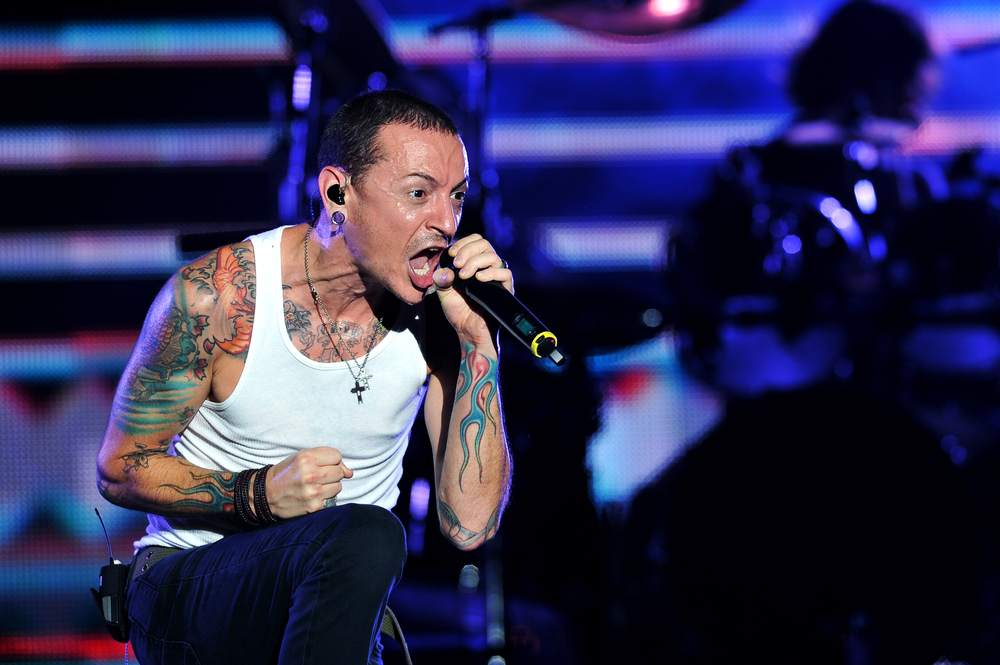
Chester Bennington became known for his powerful voice and emotional range, but the public rarely understood the depth of the challenges he carried. Fame expanded his platform, yet it also added pressure that weighed on him throughout his career. He faced internal battles that did not disappear with success, and the demands of touring and public life made them harder to manage. He tried to use music as a form of expression, but the emotional weight he carried remained heavy.
He continued to perform at a high level while managing personal struggles, and that effort showed how much energy he invested in giving fans meaningful work. He sought support from people close to him, yet he often spoke about the difficulty of feeling overwhelmed in moments when the world expected him to stay strong. His passing underscored how emotional pain can run deep even when someone appears successful. His story shows how fame does not protect a person from their inner challenges.
Doja Cat

Doja Cat rose quickly through viral success, and that speed brought challenges that followed her as her career grew. She faced constant online commentary that shaped how people viewed her, and the pressure of maintaining a digital presence became exhausting. She tried to stay creative while dealing with criticism that shifted from her work to her personality, and that shift affected her sense of stability. Fame demanded that she stay visible, yet visibility came with noise that drained her energy.
As she became more well-known, she expressed frustration with the expectations placed on her, and she often stepped back from social media to protect her mental health. The pressure to produce new work while staying active online created tension she struggled to balance. She continued to explore her artistic direction, but the noise surrounding her made that process more difficult than it needed to be. Her experience shows how modern fame creates challenges that live both on stage and on screens, and those challenges can wear down even the most talented artists.
Ariana Grande

Ariana Grande reached a high level of fame at a young age, and that rise brought emotional strain that shaped her adult life. She carried the weight of public expectations while moving through personal challenges, and that combination exhausted her. Each new project increased the pressure to stay polished, and the pace of touring and media attention made it difficult for her to rest. She tried to stay focused on her craft, but the constant noise around her personal life took energy she needed for her well being.
As she faced public tragedies linked to events beyond her control, she felt the emotional cost of fame more sharply. The world watched her grieve while expecting her to stay strong, and that pressure added strain during already painful moments. She took time away from the spotlight to recover, yet each return came with new expectations that made healing complicated. Her journey shows how fame can intensify emotional hardship and force an artist to work through pain in front of millions.
Ed Sheeran

Ed Sheeran became known for his songwriting and steady rise, but fame brought challenges that affected his sense of privacy. He valued quiet moments, yet global attention made it difficult for him to move through life without commentary. He tried to balance his desire for a simple life with the demands of worldwide recognition, and that conflict shaped how he approached his career. Constant touring and publicity strained his well-being, and the pressure to maintain his level of success added weight he carried daily.
Legal battles and public criticism added more stress, and he often spoke about how the attention around his work affected his mental health. He stepped back from the spotlight to focus on family life, and that break helped him rebuild stability. Still, each return to music came with expectations that reminded him of the pressure attached to his name. His story shows how fame can interfere with a person’s ability to enjoy ordinary moments even when they try to stay grounded.
Adele

Adele reached global recognition with her voice and emotional storytelling, but the size of her fame created pressure she had not expected. She preferred privacy, yet her success placed her in a position where her personal life became public discussion. She struggled with the demands of touring because long schedules and constant travel affected her health and her connection to her family. She tried to protect her inner world while honouring her fans, and that balance became difficult during periods of intense attention.
She spoke openly about the stress tied to fame, and she took long breaks to regain stability in her personal life. Each return to the spotlight brought new scrutiny, and that scrutiny made her feel exposed during moments when she needed peace. She continued to create music that connected deeply with listeners, yet she did so while managing pressure that often clashed with her desire for a quiet life. Her experience shows how even the most admired artists feel strained when fame reshapes their lives more than they expected.
Read More: 14 Celebrity Duos You Didn’t Know Have Another Famous Sibling