
Flying may feel routine, but behind every calm announcement and friendly smile lies a network of safety checks, silent signals, and sharp observation. Flight attendants are not only there to serve snacks, they are trained responders who watch, analyze, and prepare for any situation while keeping passengers comfortable. Each glance, each small detail, carries purpose.
From the shoes you wear to the way you stow your bag, the cabin crew is constantly reading the room. Here are 16 fascinating secrets that reveal how much more goes on in the sky than meets the eye.
1. Why Flight Attendants Look at Your Shoes
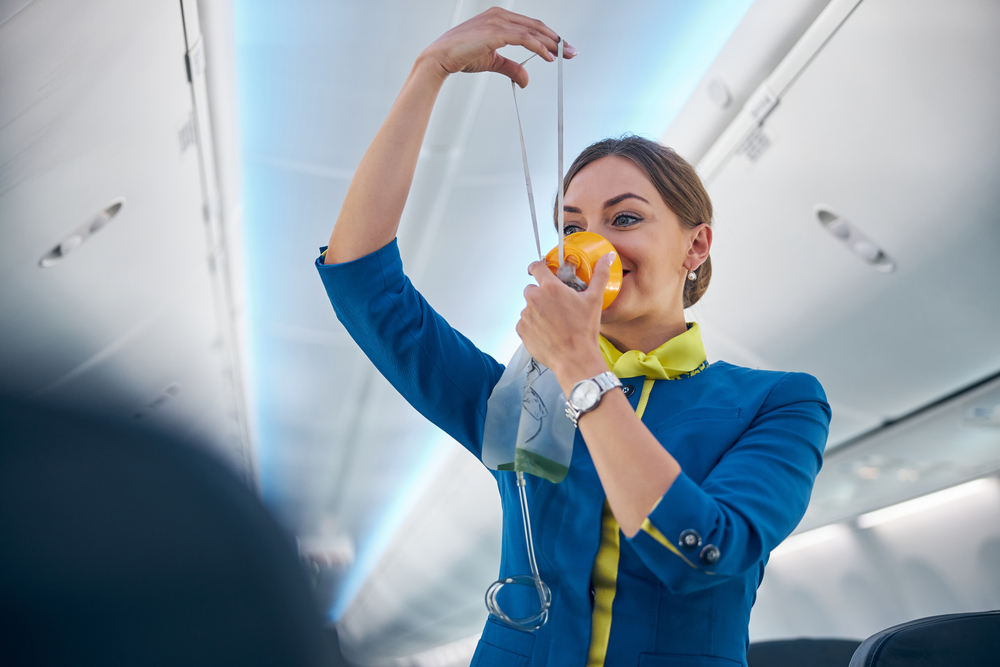
When passengers board, flight attendants are scanning more than faces, they’re reading footwear. Shoes can reveal how quickly someone might move in an evacuation. Stilettos or flip-flops could slow you down, while sturdy sneakers signal preparedness. Sharp heels can damage emergency slides, and loose sandals can fall off mid-run.
These details tell the crew who might need extra help if something goes wrong. The glance downward is part of a silent checklist built from years of safety training. While you’re smiling and finding your seat, they’re already mentally organizing the cabin, identifying who’s capable of moving fast, and who may struggle. That quick look is more than curiosity, it’s an instant safety assessment that could save lives.
2. They Secretly Identify Who Can Help in a Crisis
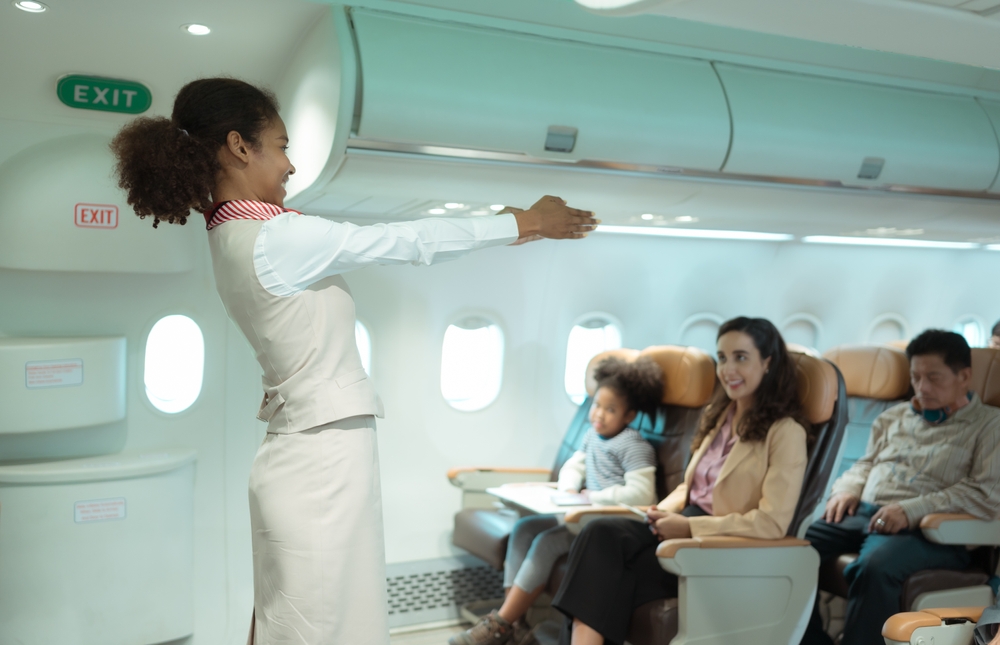
Every flight attendant quietly selects a few passengers as potential allies in an emergency. They look for confident, calm individuals with steady posture, direct eye contact, and quick awareness. Travelers sitting near exits often stand out. Someone with military or first responder experience might get an extra nod of recognition.
Even the way a person handles their luggage can signal leadership. Crew members remember where these people sit in case of turbulence, medical incidents, or evacuations. It’s a form of invisible teamwork, built on instinct and experience. You may never know you were chosen, but in the eyes of the crew, your calm presence might be part of the plan that keeps everyone safe.
3. Cabin Lighting Tricks Are Not About Ambiance
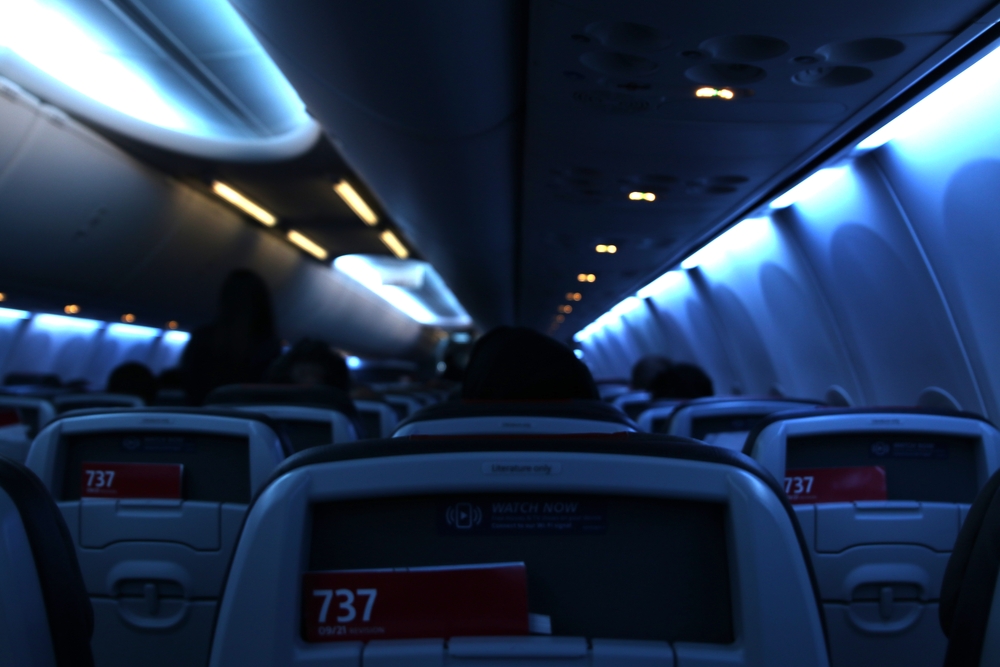
When the cabin lights fade before takeoff or landing, it’s not to set the scene, it’s to prepare your vision. Your pupils adjust to the lower light, making it easier to see if an emergency occurs in darkness. In a sudden power loss, passengers and crew can navigate faster because their eyes are already adapted. Dim lighting also highlights exit paths, emergency lights, and signs, creating visual contrast when it matters most. Open window shades serve a similar purpose.
They allow both passengers and crew to see smoke, fire, or debris outside the aircraft quickly. So while the lights may feel soothing, they’re actually part of a calculated effort to keep everyone ready for anything.
4. They Can Unlock the Bathroom Door from the Outside
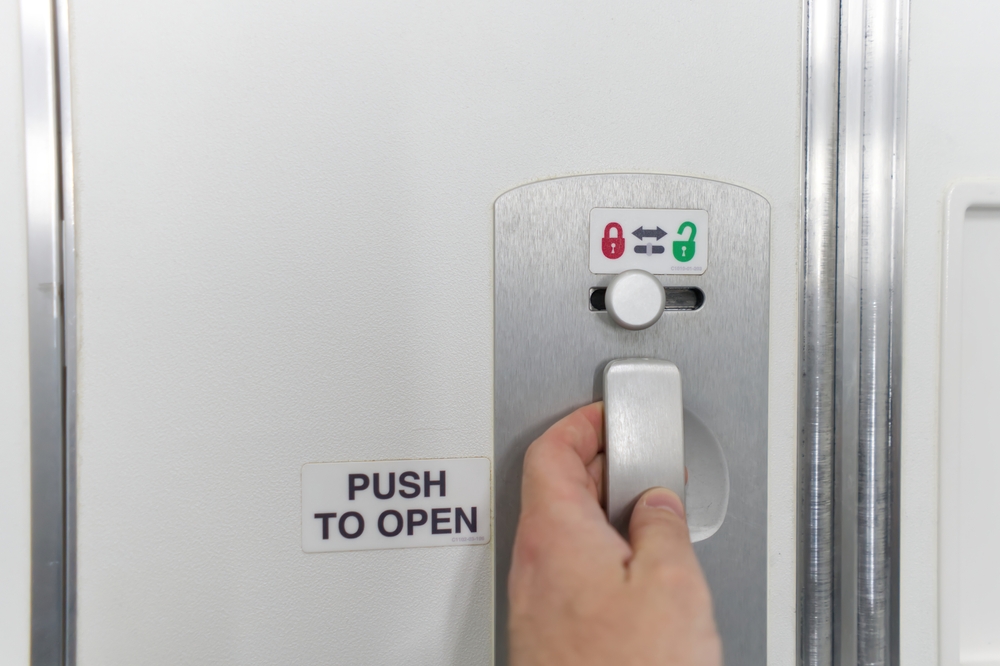
That locked lavatory door isn’t as private as it seems. Flight attendants have a small latch hidden under the “Lavatory” sign that lets them open the door instantly. It’s not for convenience, it’s for emergencies. If a passenger faints, gets sick, or locks themselves in, the crew can reach them fast. It’s also a safety feature to prevent tampering or prohibited activities.
You’ll rarely see it used unless necessary, but every attendant knows exactly where it is and how to use it discreetly. The next time you’re in the lavatory, remember, privacy is granted, but safety rules the skies.
5. They Know When You’re Nervous And How to Calm You
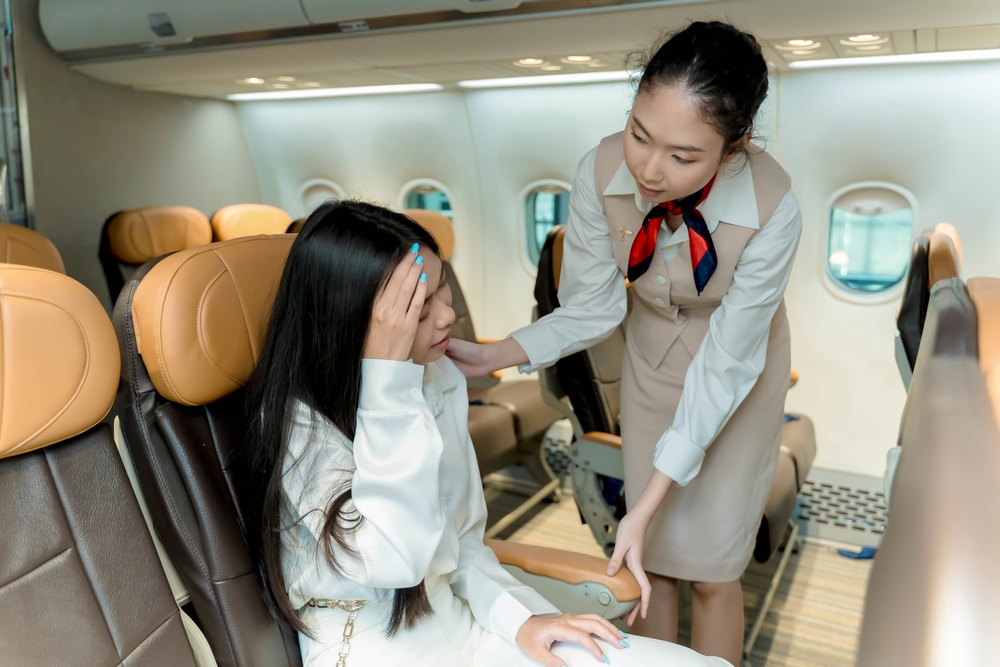
Fidgeting, shallow breathing, or tightly gripping the armrest are clear signs of fear. Flight attendants pick up on them instantly. Their job goes beyond physical safety, it includes emotional reassurance. They’ll chat casually, offer humor, or check in with a warm tone to help steady your nerves. Some even move anxious passengers closer to the front, where the ride feels smoother.
It’s not luck when you get a kind word or a friendly smile, it’s training in action. They’ve learned that calmness spreads faster than panic. By managing the energy in the cabin, attendants ensure everyone feels secure, even when turbulence hits.
6. They Almost Never Drink the Airplane Coffee or Tea

Hot drinks onboard are made with water from storage tanks that aren’t cleaned as often as passengers might assume. Though the water is filtered, buildup over time can affect taste and quality. Many flight attendants prefer sealed bottled water instead. The same tanks supply the bathroom faucets, which is why sanitizing your hands afterward is a smart idea.
It’s not about alarm, it’s about awareness. Crew members know every detail of the plane’s systems, and skipping that coffee is a small precaution they quietly take every day.
7. They Have Secret Rest Areas You’ll Never See
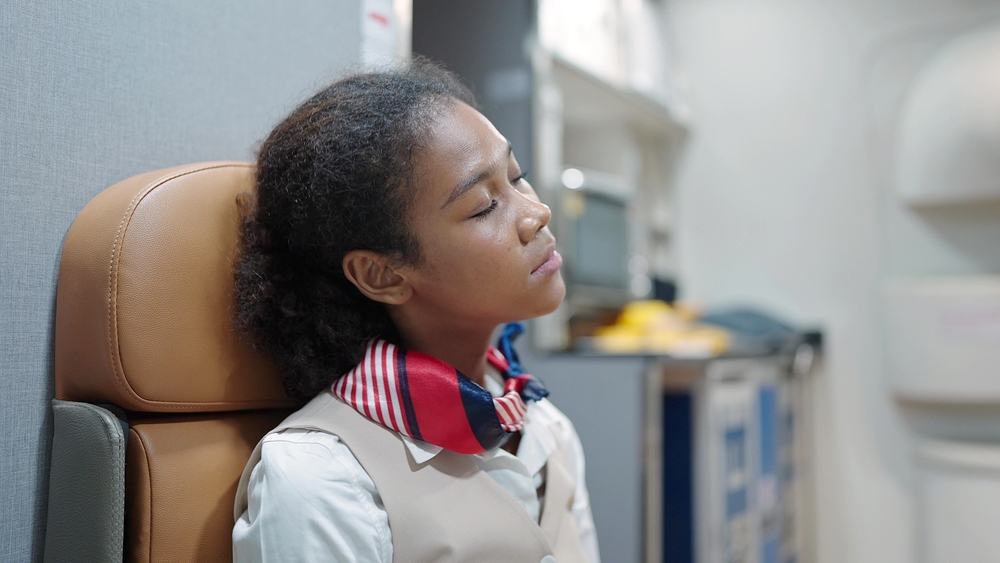
On long international flights, attendants work shifts lasting up to 16 hours. To stay alert, they take turns resting in hidden compartments built into the plane’s design. These crew rest areas are tucked above or below the cabin and accessed through discreet doors that blend in with the walls or curtains. Inside are bunks, soft lighting, and storage space for personal items.
Rest periods are carefully scheduled to keep energy and focus high. Though passengers never see these spaces, they’re essential for safety. A well-rested crew makes quick, clear decisions in emergencies, something no in-flight movie can show you.
8. Your Taste Buds Don’t Work Normally in the Sky
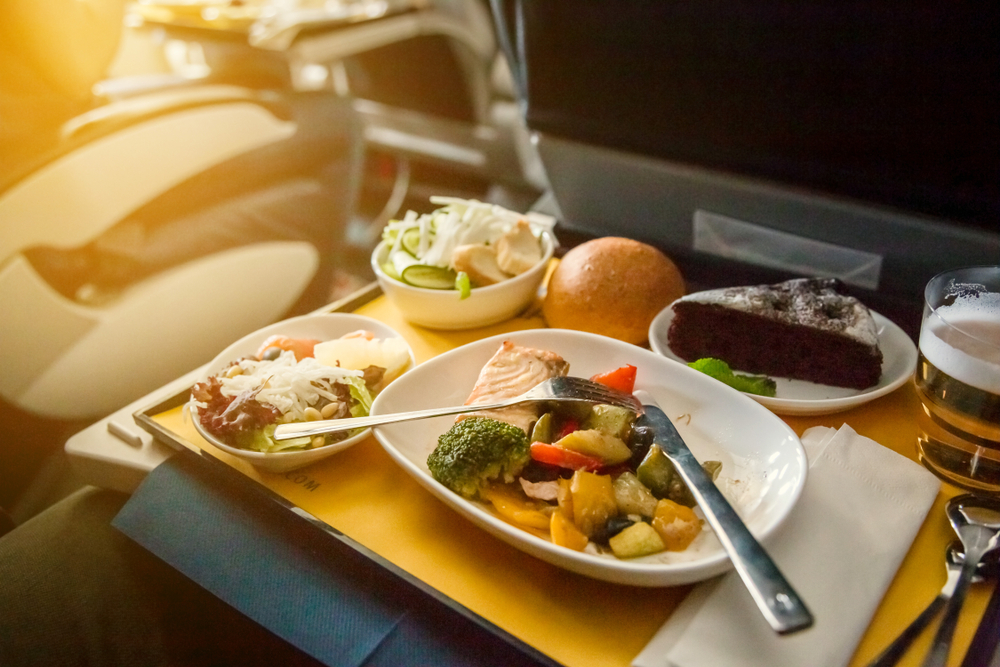
At 35,000 feet, the dry cabin air and reduced pressure dull your senses of taste and smell by as much as 30 percent. Sweet and salty flavors weaken, so airlines adjust recipes with stronger herbs and spices. Tomato juice tastes surprisingly good up high because its acidity balances better in dry air. Coffee seems weaker, and wine can taste more bitter.
Chefs who design airline menus account for these effects, often testing dishes in pressurized chambers to mimic altitude. If your food seems bland, it’s not poor cooking, it’s your body adjusting to the science of flight.
9. They Can Tell When You’re About to Get Sick
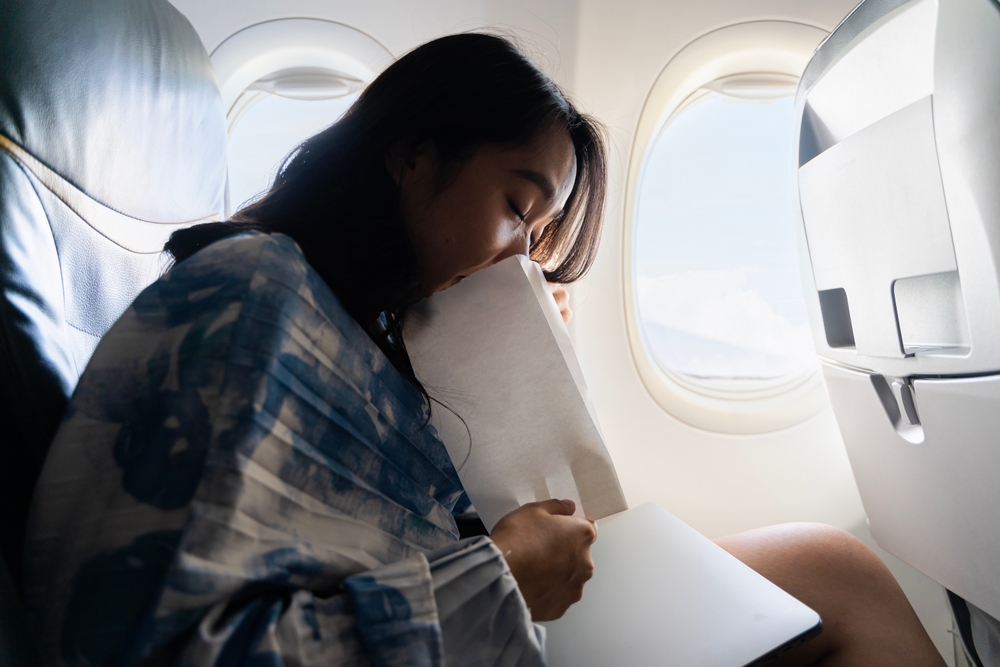
Thousands of flights and millions of faces train attendants to recognize distress. They notice pale skin, shallow breathing, or nervous fidgeting long before someone says, “I feel unwell.” Quick action prevents bigger problems. They might offer water, adjust airflow, or move a passenger closer to the aisle.
They’re also alert to signs of contagious illness and know when to isolate someone quietly. Their early intervention skills prevent disruptions, protect other passengers, and ensure medical issues stay controlled at 35,000 feet.
10. They Communicate in Codes You’d Never Notice
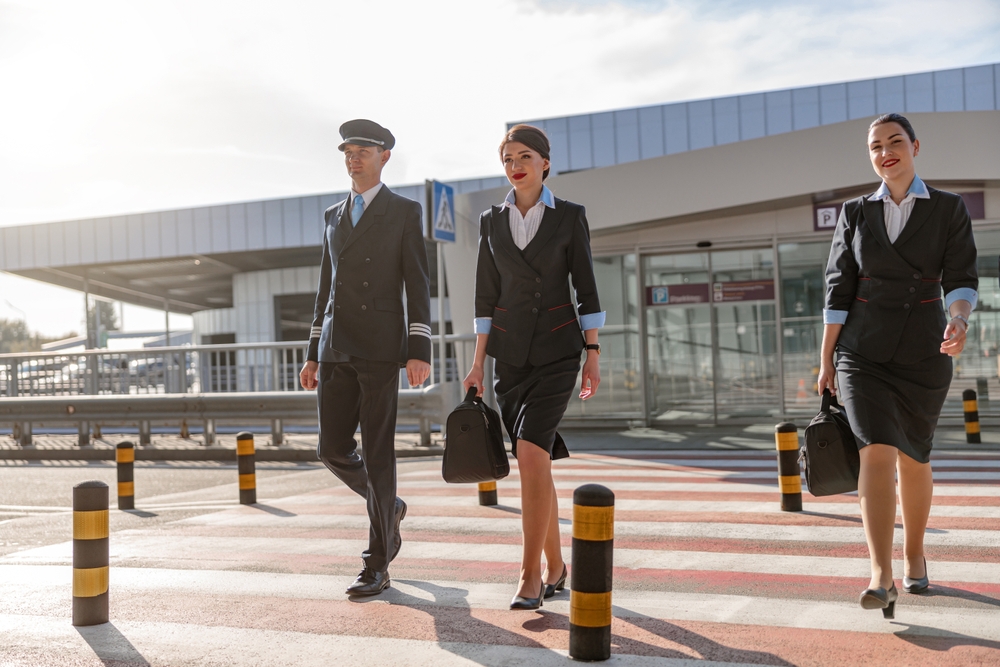
Flight attendants often use coded phrases to discuss sensitive matters without alarming passengers. Phrases like “special attention in 14C” can mean a person needs monitoring, while certain words alert the crew to potential threats. Hand signals and discreet gestures convey instructions during turbulence or emergencies.
These codes are designed to keep passengers unaware but protected. To the untrained ear, it sounds like casual conversation. To the crew, it’s a sophisticated system that keeps the cabin running like a well-orchestrated team.
11. They Can Refuse Boarding for Subtle Reasons
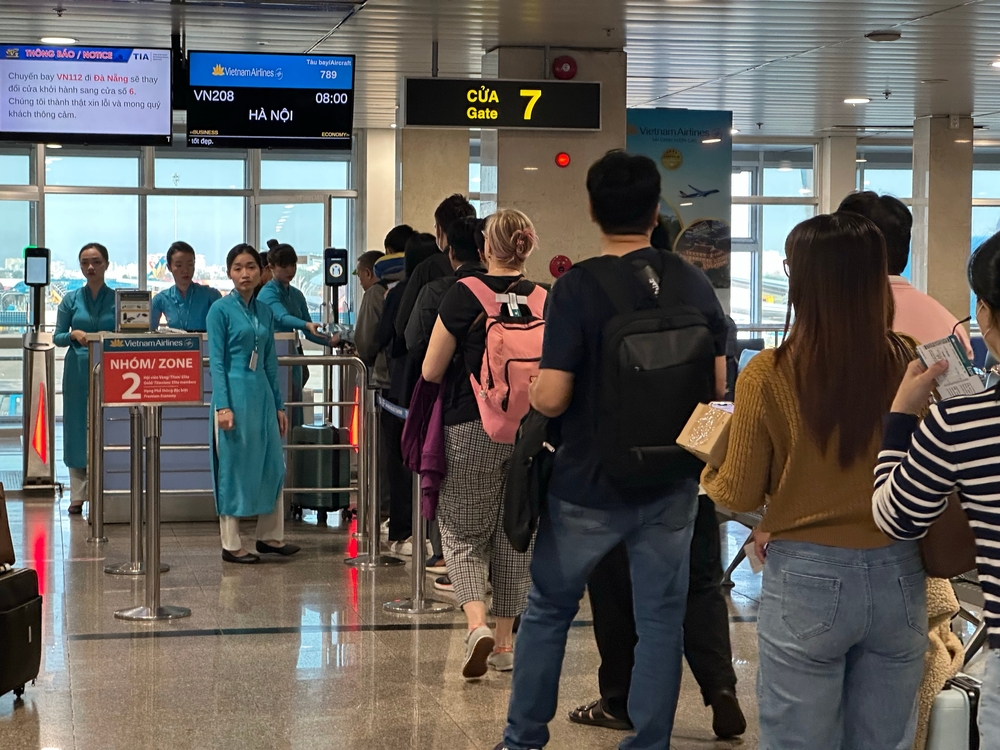
Before boarding, attendants observe passengers for red flags, slurred speech, aggressive tone, or erratic behavior. Even mild intoxication can be reason enough to deny entry. Safety comes before convenience. Once aboard, attendants continue watching for signs of distress or confrontation. They have authority, alongside the captain, to remove someone who poses a risk.
This isn’t about judgment, it’s about maintaining peace in a closed cabin miles above the ground. The rules are strict because one disruptive passenger can endanger hundreds.
12. Their Job Is Far More Physically Demanding Than It Looks
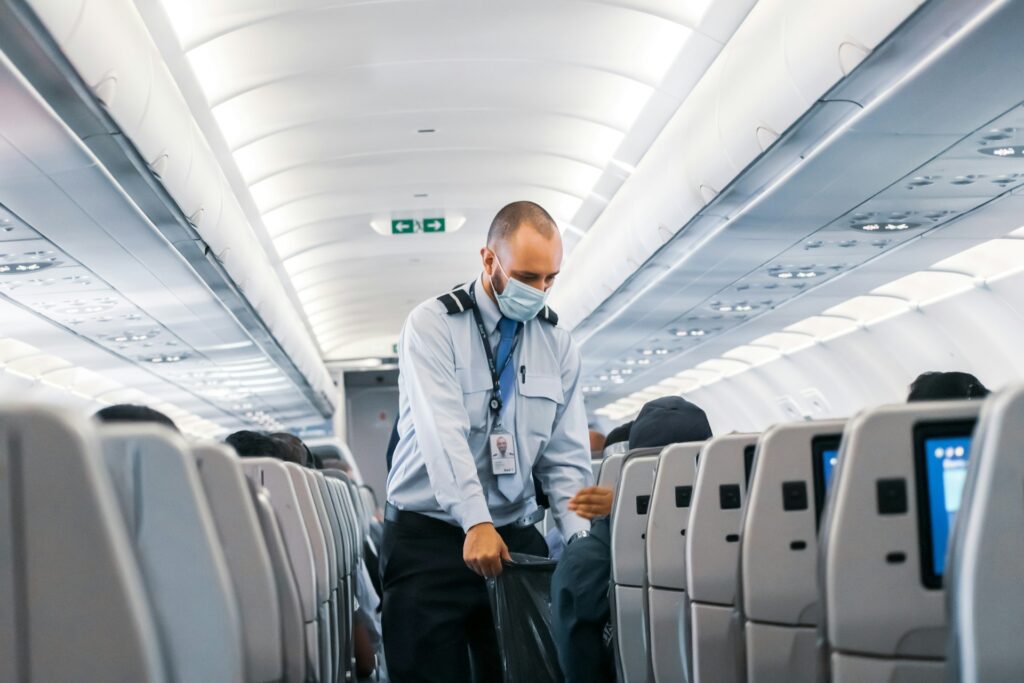
Flight attendants walk miles on every flight while managing carts, assisting passengers, and staying balanced during turbulence. They lift heavy bags, secure compartments, and kneel in tight spaces. The physical strain rivals some athletic jobs.
Add irregular sleep, jet lag, and pressure changes, and you have a demanding career that requires strength and composure. Yet they maintain professionalism, greeting each new set of passengers with calm efficiency. Beneath the polished uniform lies grit and resilience that keeps the cabin functioning smoothly.
13. They Notice Every Detail Even How You Store Your Bag
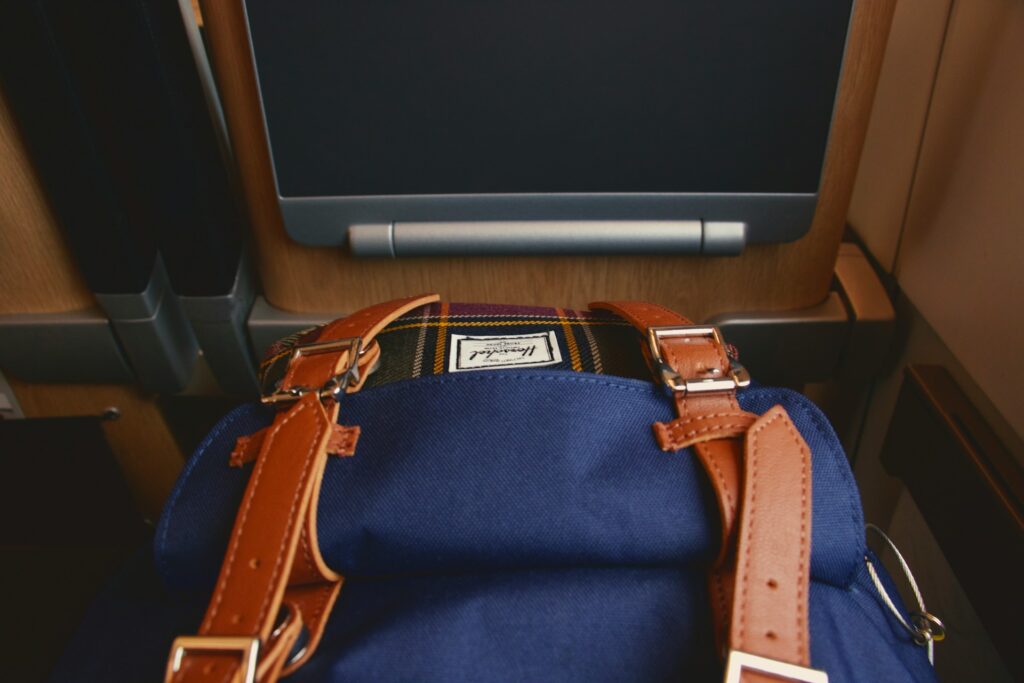
When passengers rush to stuff bags overhead or ignore announcements, attendants take note. These moments reveal stress levels and cooperation. Someone who listens carefully and stores luggage properly signals calm awareness. Someone blocking aisles or arguing over space might struggle under pressure.
These observations help attendants predict how passengers will react if something goes wrong. By reading behavior patterns early, they can plan subtle interventions later. It’s another layer of unseen safety management happening all around you.
14. Their Smile Is Part of the Safety Plan

The cheerful “welcome aboard” you hear at the door does more than create a pleasant atmosphere, it helps attendants assess each person entering. They watch for clarity in your eyes, steadiness in your walk, and tone of voice. Someone who seems disoriented, agitated, or overly tired gets mentally flagged.
At the same time, their smile triggers calm responses from passengers. Humans mirror emotion unconsciously, so one confident smile can ripple through an entire cabin, setting the tone for a smoother flight.
15. They Work as a Silent Team During Turbulence
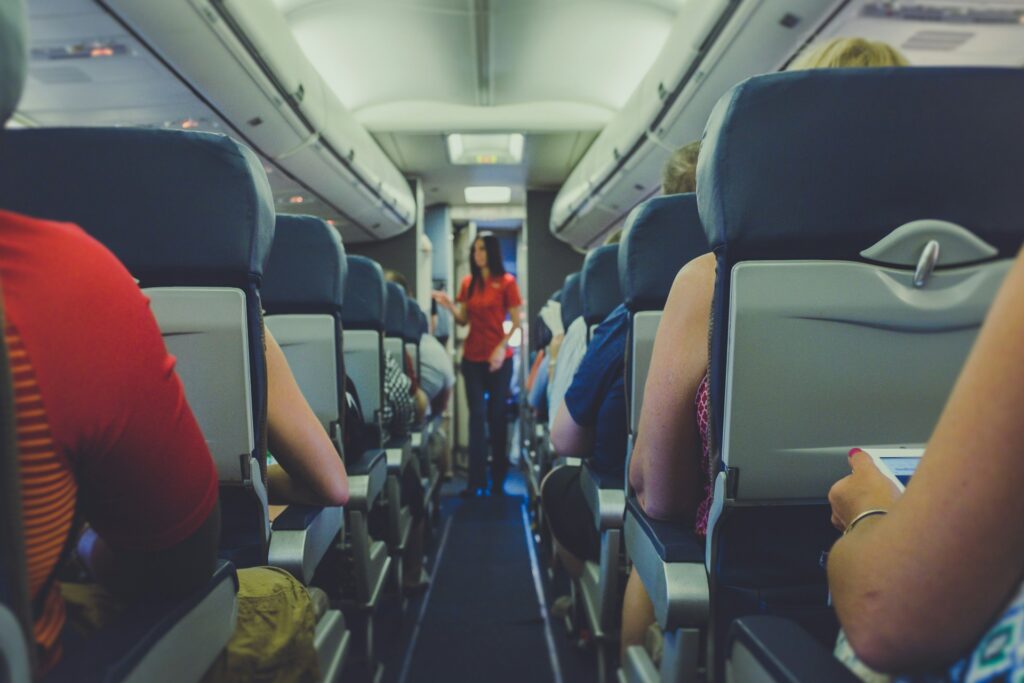
When turbulence hits, attendants switch into quiet teamwork mode. Each person knows their assigned area and tasks by instinct. Eye contact and subtle gestures replace spoken words. One might secure carts while another checks on passengers.
Their steady composure is intentional, it reassures everyone that control is intact. Passengers may feel chaos, but behind the scenes, every move follows practiced rhythm. This invisible coordination is why safety remains consistent, even when the cabin shakes.
16. They Have Their Own Ranking System for Passengers
Crew members remember the people who make their long shifts easier. A polite thank-you, a small smile, or a bit of patience stands out in a sea of hurried travelers. Those gestures often earn small favors, extra snacks, quicker service, or a more attentive attitude.
Rude or demanding behavior, on the other hand, gets noted too. Crews share this information discreetly to ensure consistent handling. In the air, kindness isn’t just good manners, it’s its own quiet form of currency.
Flying may feel routine, but behind every calm announcement and friendly smile lies a network of safety checks and sharp observation.
17. They Know Exactly When You’re Lying About Feeling Fine
Flight attendants are trained to recognize discomfort, and they can often tell when a passenger insists they’re fine but clearly aren’t. Tiny details like how you hold your shoulders, your breathing rhythm, or even the color of your lips, can betray dizziness or nausea before you realize it. When someone brushes off a question like “Are you okay?” attendants still keep an eye out.
They know that passengers sometimes downplay illness to avoid embarrassment. Their job is to notice the truth behind polite answers and step in before a small issue turns serious.
18. They Can Tell Who’s Traveling Together Without Asking
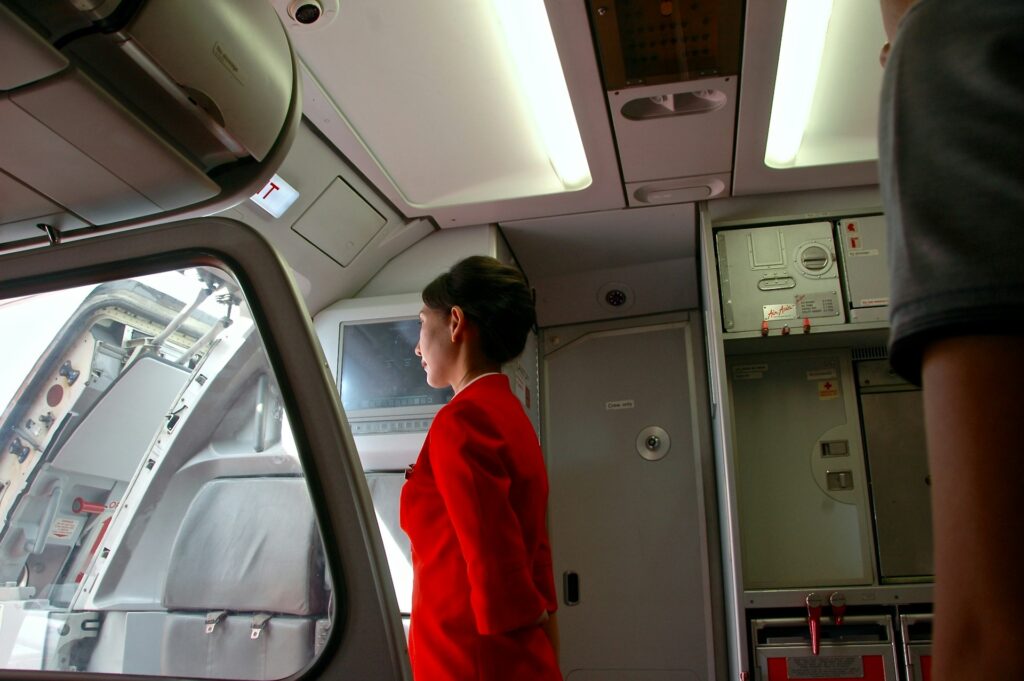
Before a plane even takes off, flight attendants can often guess who’s family, who’s friends, and who’s strangers. Couples tend to move in sync, mirror gestures, and make silent eye contact. Families usually operate in organized chaos, passing items and checking seat numbers aloud.
Business travelers rarely make eye contact and focus on devices. These quick insights help the crew anticipate needs. If someone seems separated from their group or uncomfortable with a seatmate, the crew notices instantly. It’s another subtle way they keep harmony in a crowded space.
19. They Can Smell Trouble Literally
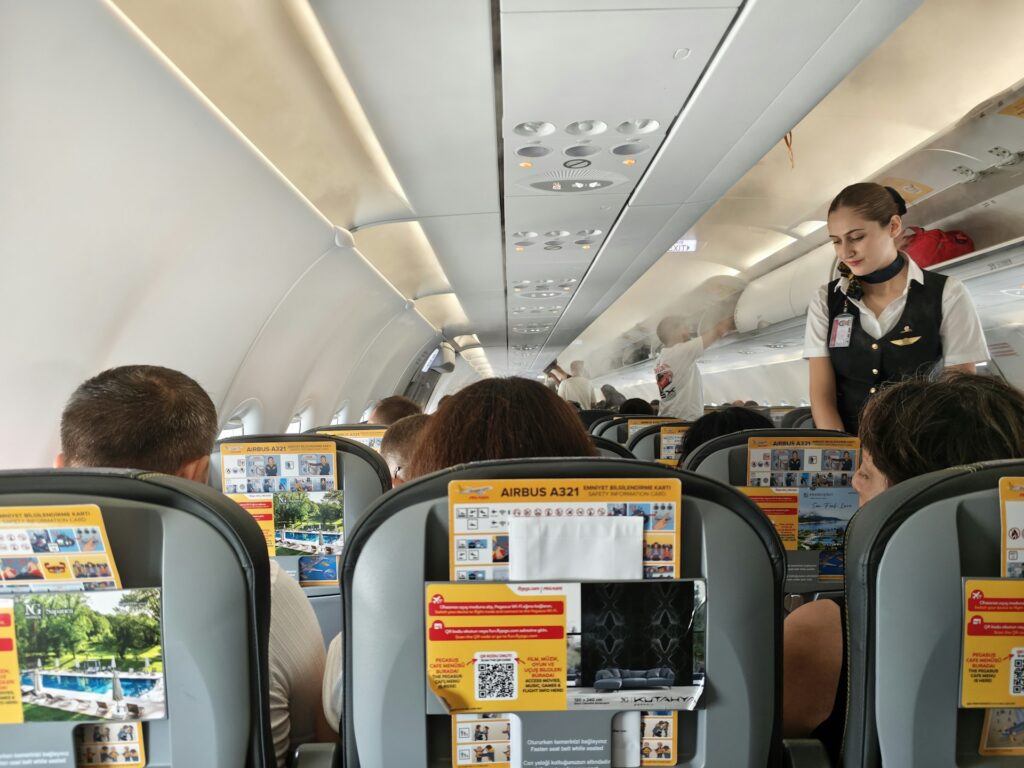
Flight attendants rely on more than sight and intuition. Their noses help detect issues long before alarms do. They’re trained to recognize the faint scent of overheated wiring, leaking fuel, or smoke behind cabin panels. Even unusual odors from food or cleaning chemicals get their attention.
They discreetly check the source and alert the cockpit if something seems off. In many cases, that quick sniff test has prevented emergencies before passengers ever noticed. Their heightened awareness turns every sense into part of the safety protocol.
20. They’re Constantly Tested Even While Flying
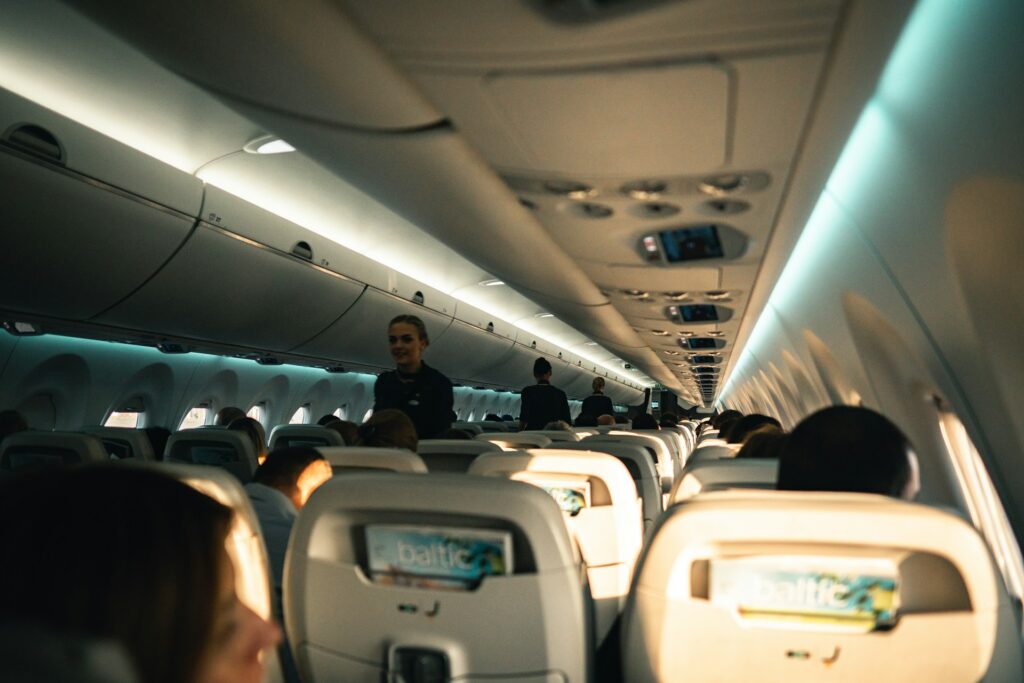
Flight attendants undergo regular evaluations and surprise checks during flights. Supervisors or senior crew observe how they handle turbulence, passenger interactions, and safety announcements. They’re graded on everything from composure to precision. These assessments ensure that even experienced attendants stay sharp.
Between flights, they complete refresher courses on first aid, security, and evacuation drills. It’s a demanding career that values consistency under pressure. So while passengers relax and watch movies, attendants are often being quietly tested to make sure every reaction remains flawless.
The Bottom Line
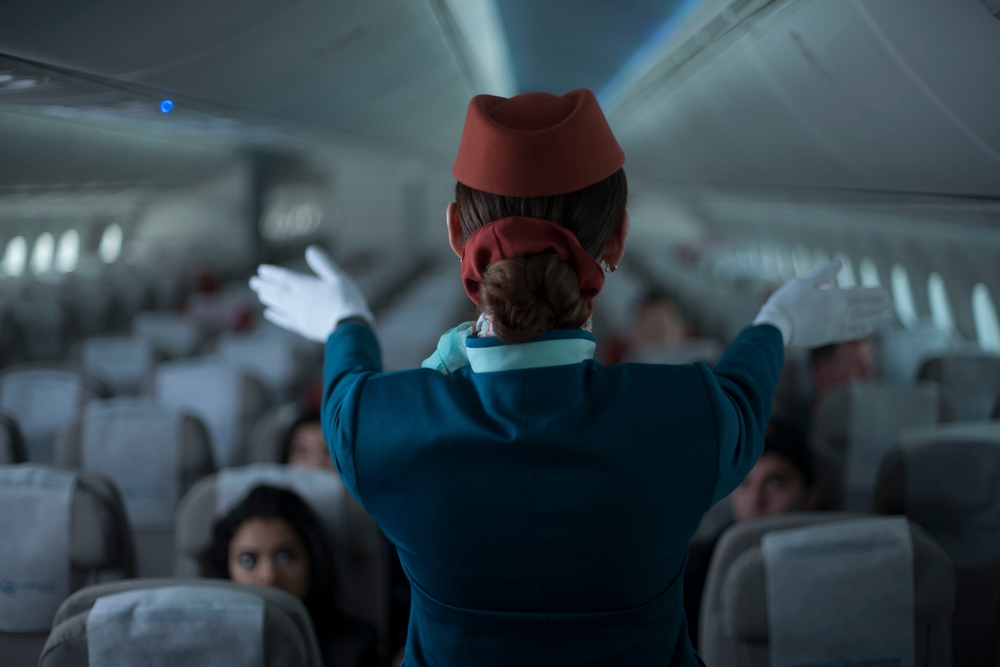
They are safety strategists, trained observers, and emotional anchors holding the cabin together. Every glance, smile, and signal has purpose. From watching your shoes to reading your stress, they process hundreds of details that passengers never notice.
Their professionalism hides a depth of preparation and awareness that keeps every flight not only comfortable but safe. The next time you fly, remember, the people in uniform aren’t just there to serve. They’re there to protect, anticipate, and keep calm above the clouds.
Read More: The Truth About Travel Hacks: What Really Works for Cheap Flights
Disclaimer: This article was created with AI assistance and edited by a human for accuracy and clarity.