

Being an only child often shapes a person’s personality in deep and lasting ways. Growing up without siblings creates a world where attention, expectations, and emotional exchanges revolve around one person. This can lead to remarkable independence, maturity, and self-awareness. Many only children learn to rely on themselves from an early age, becoming resourceful, focused, and introspective.
They often develop strong imaginations, analytical minds, and an appreciation for peace and solitude. However, the same upbringing can also produce challenges, such as difficulty sharing, perfectionism, or sensitivity to criticism. These traits are not flaws but natural outcomes of a unique childhood dynamic. Only children tend to be ambitious and capable yet deeply introspective about their emotional world.
Difficulty Connecting With Others

Their upbringing teaches them how to stand strong alone, but it may take conscious effort to connect easily with others who grew up differently. Understanding only child syndrome does not mean labeling or judging, but rather recognizing the patterns that help explain how independence, responsibility, and emotional intensity became such defining parts of their identity.
Whether you were an only child or know someone who was, these 15 signs reveal how that experience continues to influence thoughts, habits, and relationships in adulthood.
1. You Value Alone Time

A world built from imagination and quiet dreams. Image Credit: Pexels
Only children are comfortable spending time alone and rarely feel bored without company. They learn to create their own fun, explore ideas independently, and enjoy activities that do not rely on others. This self-sufficiency often becomes a lifelong strength that supports creativity and focus. As adults, they use alone time to recharge, plan, and think deeply about goals.
However, being too comfortable alone can make them appear withdrawn or uninterested in socializing. The key is maintaining balance, using solitude for reflection while staying open to connection and collaboration.
2. You Prefer Structure and Control

Only children tend to value stability and dislike chaos. Growing up in a quiet environment where routines were rarely challenged taught them to depend on order. They often approach tasks methodically, with clear plans and expectations. This makes them reliable and efficient, especially in leadership or professional roles. Yet, when things deviate from their control, they can become tense or impatient.
Their desire to manage outcomes comes from wanting things done correctly, not from ego. Learning flexibility helps them adapt better in unpredictable situations, strengthening both personal and professional relationships.
3. You Are Mature for Your Age

Spending childhood surrounded by adults often accelerates emotional and intellectual development. Only children absorb adult communication styles early, learning how to express themselves thoughtfully and responsibly. They may enjoy serious discussions and prefer the company of older people over peers. This maturity helps them succeed in work and social situations that require composure and focus.
However, it can sometimes make them feel out of place among peers who are less serious. Over time, many only children learn to balance maturity with playfulness, allowing both sides to thrive without losing authenticity.
4. You Have Strong Bonds with Parents

The bond between only children and their parents is often deep and long-lasting. With no siblings to share attention, the relationship becomes central to their sense of safety and identity. This closeness fosters emotional intelligence and trust, but it can also create dependency. Only children might find it difficult to detach from parental influence when making decisions or pursuing independence.
As adults, they often carry a strong sense of loyalty and responsibility toward their parents. Understanding this bond helps them set healthy boundaries, ensuring mutual respect and emotional balance.
5. You Can Be Perfectionistic

Many only children grow up feeling a constant need to perform well. Without siblings for comparison, they often set high personal standards and become their own toughest critics. This desire to excel can drive them toward success in academics, work, or creative pursuits. However, it also means they may fear failure or struggle to delegate tasks because they believe no one else will do them “right.”
Over time, this mindset can lead to stress and burnout. Learning to accept imperfection and value effort over results helps them relax and enjoy the process rather than obsess over outcomes. Perfectionism, when balanced, becomes a tool for achievement rather than a source of pressure.
6. You Dislike Sharing

Growing up without siblings often means rarely having to share toys, attention, or space. As a result, only children sometimes develop strong preferences for personal ownership and control over their environment. They are protective of their belongings, their time, and even their routines. In adulthood, this trait can manifest as a need for personal space or frustration when others disrupt their plans.
It is not rooted in selfishness but in habit and comfort. With awareness, many only children learn to collaborate effectively, realizing that sharing experiences and ideas does not diminish their individuality but can enhance connection and understanding.
7. You Are Goal-Oriented

Only children tend to be highly focused and self-driven. From an early age, they learn to set goals, follow through, and take pride in achievements. Because they did not grow up comparing themselves to siblings, their motivation often comes from within. They aim to meet their own standards rather than compete with others. This makes them determined and persistent in pursuing success.
However, it can also make them overly self-reliant or resistant to teamwork. They prefer working at their own pace and may struggle with delegation or compromise. When they learn to combine independence with collaboration, their productivity and creativity often reach new heights.
8. You Have a Small, Loyal Circle

Because they grew up without built-in playmates, only children often choose quality over quantity in friendships. They invest deeply in a few meaningful relationships rather than spreading their attention widely. Their loyalty runs strong, and once they trust someone, they value that connection intensely. However, they can be cautious about opening up or forgiving betrayal, as losing a friend can feel deeply personal.
They may also need more time to adjust to social settings or large groups. Over time, many only children learn that expanding their circle does not reduce loyalty but enriches their lives with diverse perspectives and experiences.
9. You Can Struggle with Criticism

Many only children grow up receiving praise and attention from adults who nurture their development closely. Because of this, they often equate approval with success. When faced with criticism, they may take it personally, interpreting feedback as a reflection of their worth. This sensitivity can lead to overthinking or a tendency to avoid situations where they might fail.
However, with time and experience, many only children develop resilience by viewing critique as a tool for growth. Learning that feedback is not rejection allows them to use it constructively and strengthens their confidence. Embracing imperfection and focusing on improvement rather than approval is key to overcoming this challenge.
10. You Seek High Standards in Relationships

Only children often expect deep emotional connection and loyalty from the people they love. Having grown up in an environment where attention was focused solely on them, they may unconsciously expect that same level of focus from others. They hold high standards for relationships and want authenticity, commitment, and effort.
While this can lead to fulfilling partnerships, it can also create disappointment when expectations are unmet. They may struggle with compromise or feel frustrated if others do not communicate as directly or consistently as they do. Learning to appreciate differences in communication and emotional expression helps them form balanced and understanding relationships.
11. You Are Self-Motivated

Without siblings to compete with or rely on, only children often develop a strong internal drive. They learn to set their own goals and take initiative without needing external validation. This makes them focused, disciplined, and capable of handling responsibility from a young age. Their motivation often stems from personal standards rather than comparison to others.
However, they may struggle to accept help or delegate tasks because they trust their own methods most. This independence can be both a strength and a challenge. When they learn to collaborate and value input from others, their motivation transforms into leadership that inspires those around them.
12. You Feel Pressure to Succeed

Being the center of attention in their family can place heavy expectations on only children. They often feel responsible for making their parents proud, achieving excellence, and representing the family’s success. This can create a strong sense of duty but also internal stress and fear of failure. They might measure their worth by accomplishments, constantly striving to prove themselves.
Over time, this pressure can lead to anxiety or burnout. Recognizing that their value is not defined by achievement allows them to relax and pursue goals for personal fulfillment. Learning to celebrate small wins and embrace balance helps release the constant need to succeed.
13. You Thrive in Adult Conversations

From an early age, only children spend more time with adults than with peers, shaping their communication style. They grow comfortable discussing serious or intellectual topics and often find it easy to connect with older individuals. This maturity helps them express themselves clearly and confidently in professional and social settings.
However, they may find casual or surface-level conversation less engaging, leading to misunderstandings with peers who prefer lighthearted exchanges. As adults, they excel in roles that require thoughtful dialogue, mentorship, or leadership. Embracing both intellectual and casual interaction helps them connect more widely and enriches their social experiences.
14. You Overanalyze Social Situations
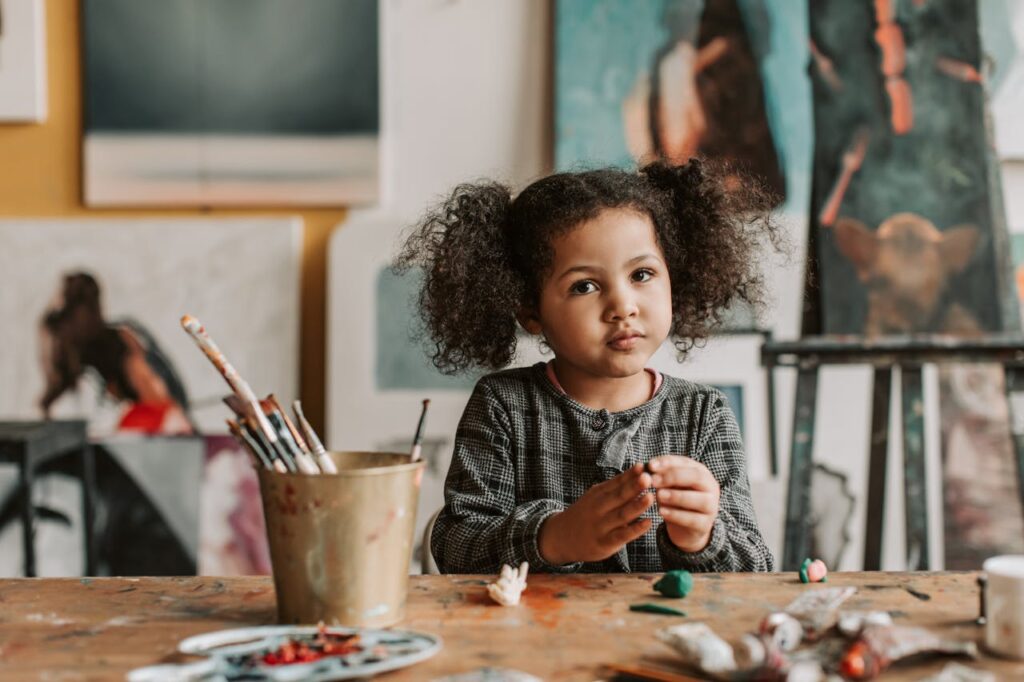
Only children tend to be deep thinkers who observe their surroundings carefully. This awareness often extends into social situations, where they may replay conversations or question how others perceive them. Because they did not have siblings to practice constant interaction with, they sometimes overthink tone, intent, or body language.
This can lead to unnecessary worry or social fatigue. Yet, their reflective nature also makes them empathetic and emotionally intuitive. When they learn to quiet self-doubt and accept that not every moment requires analysis, they can fully enjoy social experiences and trust their instincts instead of second-guessing them.
15. You Prefer Deep Meaning Over Small Talk

Many only children find shallow conversation unfulfilling. They crave depth, authenticity, and emotional honesty in communication. They enjoy discussing personal growth, ideas, or life philosophies rather than gossip or surface-level chatter. This makes them excellent conversationalists in meaningful settings but sometimes disconnected in casual ones.
In relationships and friendships, they seek people who value openness and truth. Recognizing that not every exchange needs to be profound helps them relax and enjoy lighter moments. By balancing depth with ease, they become both thoughtful and approachable, enriching every interaction they have.
16. You Have a Strong Imagination

Spending much of childhood alone often pushes only children to create their own entertainment. They develop vivid imaginations and strong creative thinking skills that stay with them into adulthood. Many find comfort in books, art, writing, or fantasy worlds where they can explore freely. This imaginative ability often fuels innovation and problem-solving later in life.
However, when left unchecked, it can also make them overthink or drift into unrealistic expectations. Learning to channel imagination into creativity, business, or personal growth allows them to use it productively while staying grounded in reality.
17. You Adapt Quickly to Adults’ Expectations
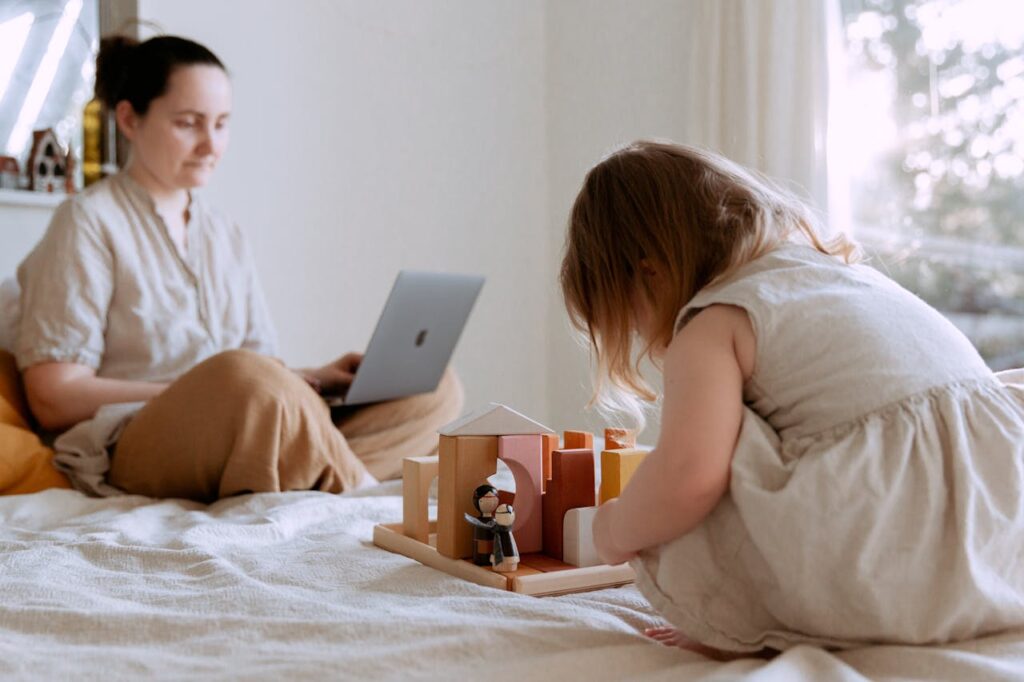
Only children grow up learning how to behave in adult environments. They often understand social cues, respect, and responsibility better than most kids their age. This adaptability helps them succeed in school, work, and social situations that require maturity. Yet, this early exposure to adult expectations can also make them overly cautious or self-critical.
They may avoid risk for fear of disappointing others. Balancing responsibility with self-expression allows them to stay dependable while also enjoying personal freedom and creativity.
18. You Find It Hard to Handle Conflict

Without siblings to argue or compromise with, only children often grow up avoiding confrontation. They prefer calm, controlled environments where tension is minimized. As adults, they may withdraw from arguments, over-apologize, or internalize frustration rather than expressing it. This can create misunderstandings in relationships or work environments.
Learning healthy communication and assertiveness helps them face conflict without fear. When they express their opinions clearly and calmly, they discover that conflict can build understanding rather than destroy it.
19. You Are Emotionally Independent but Guarded

Only children often become emotionally self-sufficient. They learn to comfort themselves, manage emotions alone, and rely on personal strength rather than external validation. This independence gives them emotional stability and resilience. However, it can also make vulnerability difficult. They might avoid sharing personal struggles or asking for help because it feels unnatural.
Over time, this can lead to emotional isolation. Learning that openness strengthens relationships allows them to connect more deeply with others while maintaining their independence.
20. You Often Feel Older Than You Are

Many only children develop what others describe as an “old soul” quality. They tend to observe more, think deeply, and approach life with maturity beyond their years. This comes from early immersion in adult company and expectations. It gives them wisdom and composure but can also make them feel disconnected from carefree experiences others enjoy.
As adults, they benefit from intentionally embracing spontaneity, humor, and fun to balance their serious side. Allowing themselves to let go occasionally restores energy, creativity, and emotional balance, helping them live life with both wisdom and joy.
Can I Still Be Successful?

Only child syndrome is not a clinical term but a pattern of personality traits shaped by a distinct upbringing. Being an only child often builds self-reliance and emotional depth. Yet it can also bring pressure, overthinking, and a need for control. These qualities are not purely positive nor negative they simply reflect how an individual learned to navigate a world centered on one’s own growth and attention.
Many only children evolve into successful, empathetic, and creative adults because they understand themselves deeply. The key is learning balance: valuing independence without isolation, excellence without exhaustion, and reflection without overthinking. Recognizing how these traits shape your identity allows you to use them as strengths rather than struggles.
Whether you were an only child or raised one, understanding this dynamic reveals how individuality, emotional intelligence, and self-discipline can flourish when nurtured with awareness and love.
Read More: If You Struggled to Lose Weight as a Child, You Probably Display these 25 Habits Now
Disclaimer: This article was created with AI assistance and edited by a human for accuracy and clarity.