

If you struggled to lose weight as a child, you already know it was about more than food. It was about feeling different, being compared, and trying to fit into a world that valued thinness over health. Those early experiences do not just fade as you grow up. They often shape how you think about eating, exercise, and even self-worth. The emotional lessons you learned about food, control, and approval can quietly influence how you live as an adult.
You might not even realize how deeply those patterns run until you notice them appearing in small, everyday choices. Childhood weight struggles are rarely just physical, they are emotional and psychological too. They teach habits that feel normal but are rooted in fear, guilt, or shame. You may overthink what you eat, feel uncomfortable in your body, or chase quick fixes because you were once taught that being thin meant being accepted. The truth is, those old lessons can be unlearned. Understanding how your past shapes your present helps you create healthier habits that actually last.
1. You Downplay Compliments

When you grew up being teased or constantly reminded of your flaws, genuine compliments can feel confusing. Instead of feeling proud, you might dismiss praise or respond with self-deprecating humor. This reaction is not arrogance or modesty, it is emotional conditioning. Your brain learned long ago that compliments often came with hidden meanings or comparisons. Maybe someone once said, “You look great, did you lose weight?” as if your worth depended on size. Over time, it becomes easier to reject praise than to trust it. As an adult, you might respond to kind words by minimizing your achievements, saying things like, “Oh, it’s nothing,” or changing the subject.
This habit protects you from vulnerability but also prevents you from internalizing positivity. Accepting compliments does not make you vain, it teaches your brain to recognize value beyond criticism. Next time someone praises you, pause, smile, and say thank you without deflection. It may feel uncomfortable at first, but each time you let yourself absorb kindness, you retrain your mind to believe it. Over time, this small shift builds self-worth and quiets the old voice that once told you you were not enough.
2. You Struggle with All-or-Nothing Thinking

Children who were taught to view food as “good” or “bad” often grow into adults who see health in extremes. You may feel like you are either completely disciplined or completely failing. One skipped workout or one indulgent meal might make you feel like the entire day is ruined. This rigid mindset can be exhausting and unsustainable. It creates a rollercoaster of effort, burnout, guilt, and restarting from zero.
All-or-nothing thinking forms because it gives a false sense of control. It feels easier to follow strict rules than to navigate balance, but balance is where true progress lives. Learning moderation starts with small acts of flexibility, like allowing dessert without labeling it as “cheating,” or resting without calling yourself lazy. When you give yourself permission to be imperfect, you remove the mental pressure that leads to failure. Health is not about flawless discipline, it is about consistency and compassion. When you stop expecting perfection, you make space for lasting habits that finally feel human.
3. You Have Trouble Knowing When You Are Full

Many people who struggled with childhood weight never learned how to listen to their body’s hunger and fullness cues. If your parents insisted you clean your plate or limited your portions based on judgment rather than need, you may have learned to eat on external rules instead of internal signals. That disconnect makes it difficult to know when to stop eating.
You might keep eating out of habit, boredom, or fear of wasting food, even when your body is satisfied. Over time, this creates a subtle anxiety around eating because you cannot fully trust your instincts. Reconnecting with those signals requires slowing down. Start by eating without distractions and taking small pauses during meals to assess how your body feels. Notice when your stomach feels comfortably full rather than stuffed. It may take time, but your body can relearn this natural rhythm. When you trust your fullness cues, you are less likely to overeat, which supports both emotional balance and healthy weight management without strict control.
4. You Overanalyze Your Appearance

If you faced teasing or criticism about your weight as a child, you probably learned to monitor how you looked in every situation. That early vigilance becomes second nature. Even as an adult, you may find yourself checking mirrors, adjusting clothes, or comparing photos constantly. This self-surveillance is exhausting and can make body image a daily mental battle. The problem is that your brain learned to connect appearance with safety, believing that if you looked “good enough,” you would avoid judgment. That belief sticks long after the childhood teasing stops.
Undoing it means challenging the idea that your appearance determines your value. Start by reducing how often you check mirrors or criticize photos of yourself. Shift attention from what your body looks like to what it can do, whether that is walking, dancing, or creating something meaningful. When you stop analyzing every perceived flaw, you create room for confidence to grow naturally. Real beauty is not perfection, it is presence, and learning that is one of the most freeing forms of self-acceptance.
5. You Compare Your Body to Others

As a child, you might have watched thinner kids eat freely while you were told to be careful. That comparison planted a seed that often grows into adulthood. Now you may scroll social media or watch others at the gym and silently compare your progress, appearance, or eating habits to theirs. The human brain naturally seeks benchmarks, but constant comparison can distort your sense of success. It makes you overlook your achievements because someone else appears further ahead.
This behavior also fuels perfectionism, creating unrealistic expectations that make you feel like you are never doing enough. Recognizing comparison as a learned habit helps loosen its grip. When you notice yourself measuring against others, shift focus to your own journey. Celebrate what your body has overcome and how far you have come from where you started. Comparison loses power when you see your worth as individual, not relative. The truth is, no one’s path looks the same. Real progress is measured not by looking sideways but by looking inward.
6. You Feel Nervous Eating Around Other People

If food was once a source of embarrassment or shame, that feeling often lingers into adulthood. Many people who struggled with childhood weight still feel anxious when eating in front of others. Maybe you were teased at school for what you packed in your lunchbox, or maybe relatives made jokes about your portions at family meals. Those moments can leave emotional scars that turn simple social situations into tense experiences. Even as an adult, you might find yourself scanning what others are eating, wondering if they are silently judging your plate. This kind of anxiety can lead to under-eating in public and overeating later in private, reinforcing unhealthy cycles.
The truth is, this fear of judgment comes from a learned belief that eating makes you vulnerable. To overcome it, start by practicing mindful confidence during meals. Remind yourself that eating is a normal and necessary act, not something to hide or feel guilty about. When you shift focus from other people’s opinions to your own comfort, social eating becomes less about fear and more about connection. Every shared meal can become an opportunity to reclaim peace and rebuild trust in yourself.
7. You Hide Certain Eating Habits

If you were criticized as a child for eating too much or enjoying “unhealthy” food, you might have learned to hide what you eat. Sneaking snacks, eating late at night, or eating in private are all signs of lingering shame around food. You might even downplay your choices when others ask what you ate that day, as if being honest about it would bring judgment. This secrecy does not come from deceit, it comes from old conditioning. It is a survival mechanism built to protect you from ridicule.
But hiding eating habits only increases guilt and prevents you from developing a balanced relationship with food. The key to healing is honesty, first with yourself. Begin by acknowledging that your food choices do not define your worth. Bring awareness to the times you feel the urge to hide, and ask yourself what emotion you are avoiding. Is it shame, fear, or guilt? Facing those emotions with compassion helps release their hold. Over time, you can rebuild trust with yourself and with food, no longer needing secrecy as a form of emotional protection.
8. You Chase Quick Fixes
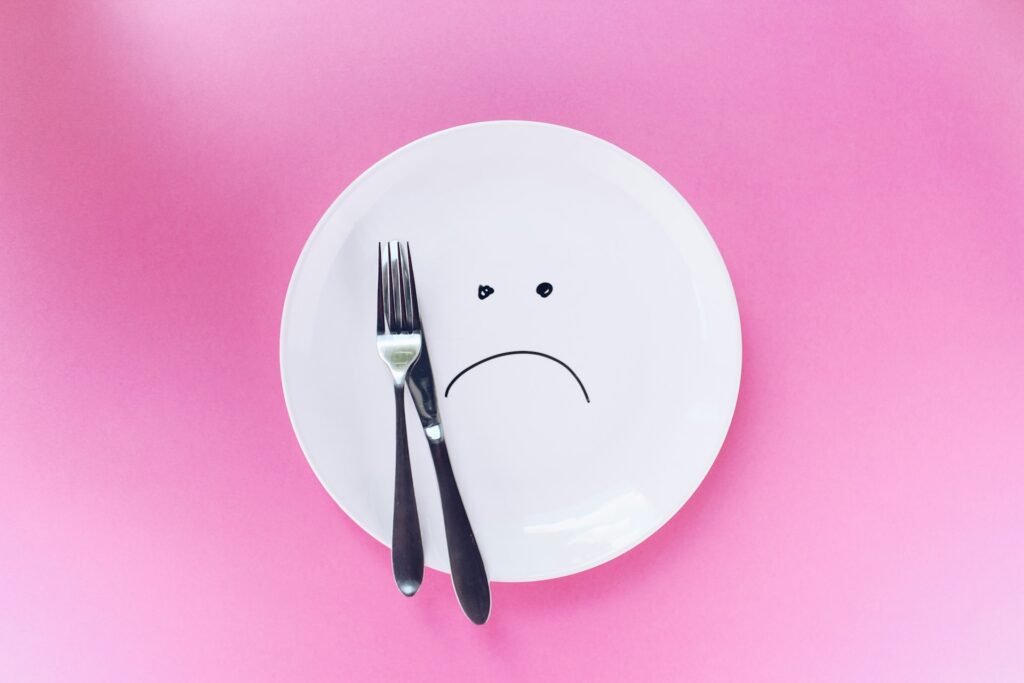
When you spent childhood years being told you needed to lose weight, it is easy to grow into an adult always searching for the next solution. You may jump from one diet to another, trying detoxes, fasting, or workout challenges, hoping to finally “fix” what you think is wrong with your body. This constant search for quick fixes often leads to frustration because each one provides temporary relief but no lasting stability. ‘
The real problem lies in the early conditioning that taught you results must happen fast or not at all. True transformation takes consistency and self-trust, not punishment or extremes. The healthiest weight loss approaches focus on habits, not hacks. Instead of chasing the newest plan, focus on daily routines that you can maintain long term, like eating balanced meals, sleeping well, and staying active in enjoyable ways. Quick fixes keep you trapped in the illusion of progress. Real success happens quietly, through steady effort and patience that honors your body instead of fighting it.
9. You Base Self-Worth on Looks

If your childhood worth was judged by size or appearance, you may still carry the belief that how you look determines how lovable or successful you are. Compliments about your body might lift you up, but weight gain or perceived flaws can instantly tear your confidence down. This emotional dependence on appearance is a form of conditional self-worth, where your value feels fragile and tied to others’ opinions. It can affect relationships, career choices, and mental health because it places happiness on something constantly changing, your body.
The truth is, external validation will never feel stable until internal validation grows stronger. Start by separating your identity from your reflection. Appreciate what your body allows you to experience, not just how it looks. Whether you are gaining muscle, walking longer distances, or simply feeling stronger, each of those things matters far more than a number on a scale. Self-worth based on character, kindness, and effort builds resilience that no mirror can take away.
10. You Feel Guilty About Eating Certain Foods

As a child, if you were constantly told to watch what you ate or made to feel bad about your body, guilt may have become attached to food itself. Every cookie or slice of bread can carry a hidden message of shame. As an adult, that guilt might appear after meals, when you think you have eaten too much or chosen something “unhealthy.” You might silently criticize yourself for enjoying food, even when your choices are moderate. This mental tug-of-war between pleasure and punishment creates emotional tension that can harm your relationship with food.
Feeling guilty does not make you eat better, it only increases stress and drives you toward restriction, which usually leads to overindulgence later. True healing happens when you remove moral labels from food. There are no “good” or “bad” foods, only balance and portion. Allowing yourself to enjoy meals without shame builds trust with your body and reduces the emotional burden that often sabotages weight loss goals. When guilt fades, you can finally eat mindfully, savoring what you love while staying in control.
11. You Have Trouble Trusting Your Body

If you were constantly told what and when to eat as a child, your ability to trust your own body’s signals may have faded. You might question whether you are truly hungry or if it is “okay” to eat at certain times. Decades of dieting or external control make you second-guess every craving and hunger cue. You may feel uneasy without calorie tracking or portion limits because the idea of trusting your instincts feels dangerous.
This is not your fault. Your body’s internal compass was drowned out by years of judgment and rules. Rebuilding that trust means learning to listen again without fear. Begin by slowing down before meals, noticing sensations like hunger, fullness, and satisfaction. Try eating without distractions so your brain can reconnect with your body’s natural rhythm. Over time, the more you listen, the clearer those signals become. Food freedom is not about eating anything at any time without awareness, it is about finding peace in knowing your body communicates honestly when given the chance.
12. You Are Your Own Harshest Critic

If you were teased, judged, or made to feel “less than” because of your size, chances are those voices became part of your internal dialogue. Even when no one else is criticizing you, you might still replay those same harsh words in your head. This constant self-judgment becomes a background noise that shapes your mood, motivation, and self-esteem.
You might notice it most when you see a reflection, fail to meet a goal, or compare yourself to someone else. The problem with being your own worst critic is that it keeps you trapped in the same mental space you worked so hard to escape. Changing that voice does not mean pretending everything is perfect, it means learning to speak to yourself with the same kindness you would show a friend. Each time you notice negative self-talk, pause and replace it with a neutral or supportive statement. Over time, this practice rewires how you relate to yourself. Self-compassion builds resilience, and resilience builds real progress that no amount of self-criticism ever could.
13. You Have Trouble Sticking to Routines

If childhood weight struggles made you feel like every attempt to change ended in disappointment, consistency may now feel impossible. You might start new habits with enthusiasm but give up when results are not immediate. This lack of follow-through is not laziness, it is a learned response from years of trying and failing under pressure. Your brain now expects defeat, so it tries to protect you from disappointment by quitting early.
14. You Avoid Certain Activities Out of Fear

Many adults who struggled with weight in childhood avoid physical activities because they associate movement with humiliation. Gym class memories of being picked last or laughed at can leave lasting discomfort. As an adult, that translates into skipping workouts, avoiding public gyms, or feeling anxious during group fitness classes. This avoidance stems from a subconscious fear of being judged or failing again. The tragedy is that movement, which should be joyful and liberating, becomes tied to embarrassment.
Healing this begins with redefining what movement means to you. Exercise does not have to be about punishment or appearance. It can be dancing at home, hiking with friends, or walking your dog while listening to music. Movement should feel like freedom, not fear. The more you associate it with pleasure and confidence, the easier it becomes to participate. Over time, you can transform exercise from a symbol of shame into a form of empowerment and pride.
15. You Believe You Must “Earn” Food

If food was used as a reward for good behavior or withheld as punishment, you may now associate eating with worthiness. As an adult, you might think you must “earn” your meals through exercise, discipline, or productivity. That belief turns food into a currency of morality, not nourishment. It creates guilt when you eat without having “deserved” it and makes you feel out of control when you indulge. This mentality leads to unhealthy cycles that make balanced weight loss even harder.
Food is not a reward, it is a biological need. You do not have to burn calories to justify refueling your body. A healthier mindset is to view meals as care, not payment. Eating well supports energy, focus, and strength, which in turn improves every area of life. You cannot build a healthy relationship with food if you treat it like a prize. Reclaiming your right to eat without justification is a powerful step toward healing your connection to nourishment and self-respect.
16. You Use Food for Emotional Comfort

If you struggled to lose weight as a child, food likely became more than a basic need, it became emotional safety. During stressful or lonely moments, meals or snacks might have been the one consistent comfort. Over time, that connection turns into a learned response. As an adult, you may find yourself reaching for food when you are tired, anxious, or emotionally drained, even when you are not hungry.
This behavior is not about willpower, it is a natural coping mechanism developed during years when food was linked to comfort. Emotional eating can feel soothing in the moment, but it often leaves guilt afterward, reinforcing a cycle of stress and self-blame. Breaking that pattern means understanding why you reach for food. Instead of fighting the urge, take a moment to name the feeling. Ask whether you are truly hungry or just seeking relief. Over time, replacing that impulse with healthier emotional outlets such as journaling, deep breathing, or taking a short walk can help disconnect the link between food and comfort. Healing this habit is not about removing pleasure from eating, it is about finding comfort without needing to rely on it.
17. You Overcompensate by Overachieving

Many adults who were judged for their bodies as children learn to seek validation in other ways. Success becomes the new armor. You might pour yourself into your career, relationships, or appearance, striving to be perfect in every area so that no one can criticize you again. On the surface, this drive looks like ambition, but beneath it lies a quiet fear of rejection. When you base your self-worth on achievement, failure feels unbearable. You may overwork, overcommit, and rarely rest because being busy feels safer than being still.
The problem is that constant overachievement keeps you disconnected from peace. You end up chasing approval instead of fulfillment. Recognizing this pattern means asking yourself whether your goals come from passion or pressure. The difference matters. True success should feel satisfying, not suffocating. Learning to rest without guilt and celebrate progress without needing external praise allows balance to return. You are worthy even when you are not performing, and you do not need to earn love through endless effort.
18. You Fear Gaining Weight Back

For many adults who once struggled with childhood weight, even successful weight loss brings anxiety. You may fear slipping back into old habits, so you constantly monitor your diet, track calories, or weigh yourself daily. While awareness can support health, constant fear creates tension that harms it. Living in survival mode around food prevents true freedom. This fear often comes from years of associating weight gain with judgment or punishment.
You might still hear echoes of comments like, “Don’t let yourself get big again,” shaping how you behave today. The truth is, maintaining weight is not about control, it is about trust. You can trust your body to adapt when you nourish it consistently. Instead of obsessing over every change, focus on habits that support well-being, such as regular sleep, hydration, and balanced meals. Remind yourself that health is not defined by numbers but by how you feel in your body. Releasing fear allows your body to stabilize naturally, without constant battle.
19. You Struggle to Trust People

If you were teased or excluded as a child because of your body, those experiences can quietly influence how you connect with others. You may enter relationships expecting rejection before it happens or assume that affection always comes with conditions. This lack of trust is a defense mechanism that protects you from pain, but it also blocks intimacy and emotional safety. You might keep people at a distance, fearing they will eventually see you the way bullies once did.
Trust issues can show up subtly too, such as doubting compliments, overanalyzing interactions, or expecting betrayal. Healing this begins with recognizing that not everyone carries the same cruelty from your past. Start by surrounding yourself with people who value kindness over perfection. Allow small acts of trust, like opening up about your feelings or accepting help, to rebuild your faith in others. Over time, you learn that love based on respect, not judgment, is possible. Every honest connection chips away at the belief that you are unworthy of acceptance.
20. You Equate Control with Safety

When you felt powerless as a child in managing your weight, food often became a symbol of control. Restricting or overindulging may have given you a sense of authority over your own body, even if it was temporary. As an adult, this can evolve into a need to tightly manage routines, diets, or emotions. You may feel anxious when plans change or when life feels unpredictable. Control provides comfort, but it also creates tension. Trying to manage every detail leaves little room for flexibility or joy. This habit forms from a deep-seated fear of returning to chaos, where you once felt judged and powerless.
To unlearn it, practice small acts of letting go. Allow yourself to enjoy an unplanned meal, skip a workout without guilt, or take a spontaneous day off. These actions show your brain that safety does not depend on rigidity. Real control comes from trust in yourself, not from restriction. When you release the need to manage everything, you create space for peace, balance, and emotional growth that lasts far beyond any diet or weight loss goal.
21. You Have Difficulty Relaxing Around Food

If you grew up in an environment where every meal was monitored, it can be hard to relax around food even decades later. You might feel tense before eating, silently counting calories, or overanalyzing portion sizes. This habit turns what should be a comforting ritual into a constant test of self-control. Many adults who faced early weight struggles treat every bite like a potential mistake, afraid that one wrong choice could undo their progress.
The result is a loss of joy in eating. Food becomes something to manage rather than enjoy. The root of this tension often lies in fear, fear of being judged, of gaining weight, or of losing control. To rebuild peace with food, begin by slowing down during meals. Focus on the flavors, textures, and satisfaction rather than numbers or guilt. Give yourself permission to enjoy meals without mentally scoring your choices. Eating mindfully, without judgment, teaches your brain that food is not an enemy but nourishment. Over time, relaxation replaces fear, and eating becomes an act of care instead of calculation.
22. You Feel Like You Are Always “Fixing” Yourself

If childhood weight struggles taught you that something was wrong with you, you may still carry that mindset into adulthood. You might constantly chase the next self-improvement goal, new workout plan, or diet, believing happiness lies just beyond the next transformation. This constant need to “fix” yourself can feel motivating at first, but it also breeds exhaustion and dissatisfaction. You never feel finished because the goalpost keeps moving.
This mindset stems from early experiences of being told you needed to change to be accepted. Healing begins by realizing you do not need fixing, you need understanding. Growth is not about becoming a different person, it is about caring for the one you already are. When you stop viewing your body as a problem to solve, you can finally see progress as a form of respect rather than repair. True transformation happens when you focus on feeling good instead of constantly chasing perfection.
23. You Overthink Social Approval

As a child, being teased or excluded because of your body can make approval feel like survival. You might still crave reassurance as an adult, measuring your worth by others’ opinions. You may post updates about weight loss progress, achievements, or lifestyle changes hoping for validation. While encouragement can be positive, depending on it for confidence creates instability. The approval of others becomes a temporary comfort that fades quickly, forcing you to seek it again.
This pattern drains energy and self-trust. The truth is, external validation can never fill the space that internal confidence was meant to occupy. Start by noticing when you seek approval and ask yourself why. Are you looking for connection, or are you trying to prove your worth? Learning to self-validate takes time, but each small act of independence strengthens your emotional foundation. When you value your own voice, others’ opinions lose power, and you can enjoy social connections without anxiety or performance.
24. You Experience Body Dysmorphia Tendencies

Even after losing weight or becoming healthier, many adults who struggled in childhood still see themselves as they once were. The mental image of your body can remain outdated, frozen in time. You might look in the mirror and see flaws no one else notices or feel shocked when photos show a different reality. This disconnect is called body image distortion, and it is common among those who experienced teasing or long-term dieting early in life.
Your brain learned to perceive your body as “wrong,” and it takes time to unlearn that. The path forward involves retraining perception, not through vanity, but through awareness. Avoid obsessing over mirrors or numbers, and instead focus on how your body feels each day, its strength, flexibility, and energy. Celebrate function over form. Gradually, your internal image begins to align with reality. Healing body perception takes patience, but each step toward acceptance brings freedom from the invisible weight of old memories.
25. You Have a Complicated Relationship with Rest

If you were taught that inactivity leads to weight gain or laziness, rest can feel uncomfortable. Many adults who grew up with weight struggles struggle to relax without guilt. You might feel restless during downtime, believing you should be doing more to stay “on track.” This mindset comes from associating worth with constant effort, a belief often reinforced during childhood. The truth is, rest is not weakness, it is necessary recovery. Your body and mind need periods of stillness to repair, regulate hormones, and process emotions.
Denying yourself rest leads to burnout, cravings, and poor focus, which can sabotage long-term health and weight balance. Learning to rest requires unlearning the idea that productivity equals value. Schedule intentional downtime and treat it as part of your wellness routine, not a break from it. When you honor rest as an essential part of growth, you build a more sustainable relationship with your body. Peace replaces guilt, and rest becomes a sign of trust rather than fear.
Healing What Childhood Taught You About Your Body

If you struggled with weight as a child, the habits that linger are not signs of weakness but survival mechanisms from a time when you were learning how to cope. These behaviors developed to protect you, but they no longer serve you. Healing starts when you stop fighting your body and begin to listen to it. Food, movement, and rest should not be punishments or rewards but expressions of care.
When you reconnect with your body through kindness, patience, and balance, the guilt and fear fade. Sustainable weight loss and emotional peace grow from the same root, self-acceptance. You cannot change your past, but you can choose a new way of living that honors the lessons you have learned without letting them control you. The most powerful transformation is not in your body but in how you see yourself.
Read More: 10 Ways Growing Up as an Only Child Made You Stronger
Disclaimer: This article was created with AI assistance and edited by a human for accuracy and clarity.