

The 1970s were, in many ways, a golden age of domestic confidence. Homes were furnished with gusto. Kitchen cabinets were stocked deep. Parents trusted that anything on a store shelf had been through some kind of safety check, and the idea that the walls themselves might be slowly poisoning their children would have seemed like science fiction. It wasn’t.
Looking back, the danger didn’t hide in industrial settings or out-of-reach chemical plants. It sat in the living room, hung on the nursery wall, and got used every time someone ran a bath or sprayed their hair. Many of the 1970s household hazards we now know by name were, at the time, considered upgrades – modern, convenient, even desirable. That particular gap between how safe something felt and how dangerous it actually was turned out to be enormous.
Some of these items have been fully banned. Others are still present in older homes, waiting to be disturbed by a well-intentioned renovation. If you grew up in the ’70s or live in a house built during that decade, read on.
1. Lead-Based Paint
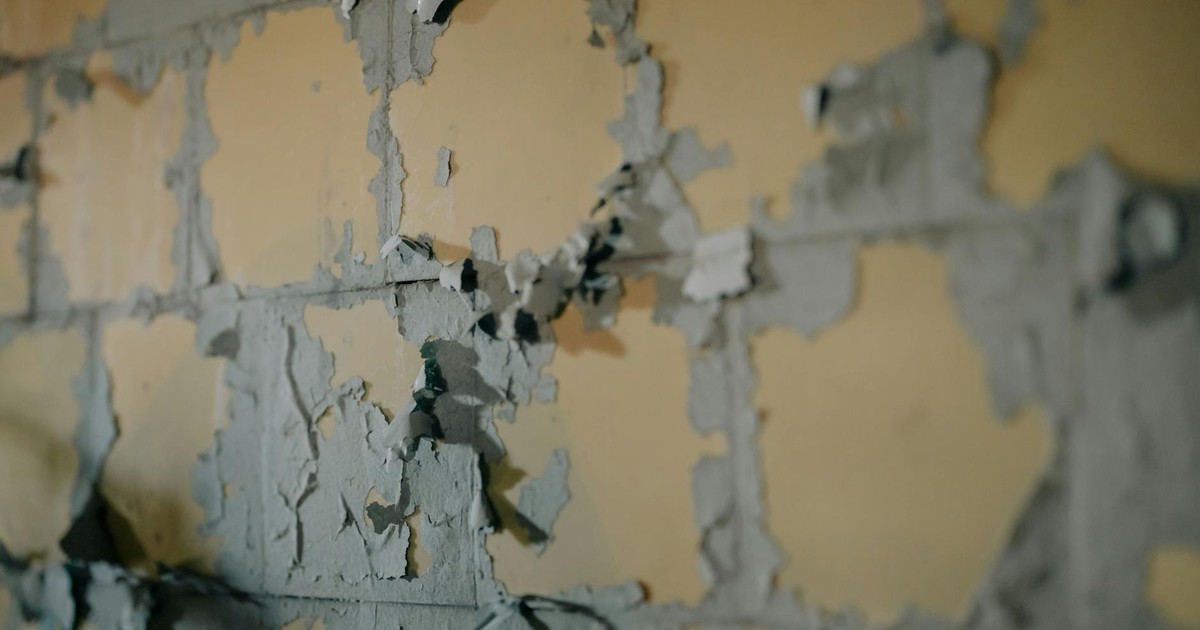
No list of 1970s household hazards would be complete without the one that defines the era. Lead paint was the standard for American homes for decades. It was durable, it gave colors an almost luminous depth, and it held up on window frames and trim far better than the alternatives. Nobody thought much about what happens when it ages.
What happens when lead paint ages is this: it chips, chalks, and cracks. It turns into dust. That dust lands on floors, windowsills, and toys – exactly where young children spend most of their time. According to the EPA, there is no safe level of lead in children that has been identified. It can harm almost every organ and system in your body. Lead poisoning in children causes reduced IQ and attention span, hyperactivity, impaired growth, reading and learning disabilities, and hearing loss.
The federal government banned consumer uses of lead-based paint in 1978, but lead-based paint is still present in millions of homes, normally under layers of newer paint. If you’re planning any renovation of a pre-1978 home – sanding, scraping, drilling through walls – get a lead test done first. Disturbing old paint without knowing what’s in it is exactly how a decades-old risk becomes a live one.
2. Asbestos Insulation and Building Materials
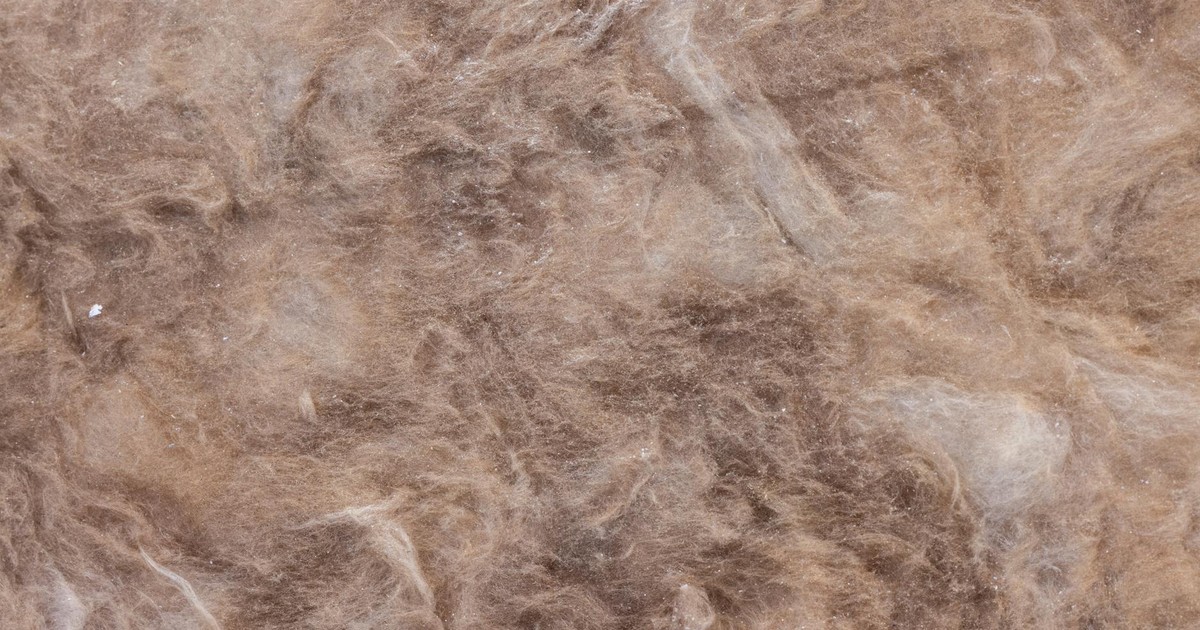
Asbestos was not just used in ’70s homes – it was celebrated. It didn’t burn. It didn’t conduct heat. It was woven into insulation, floor tiles, ceiling tiles, pipe wrapping, and textured paints. Until the 1970s, many types of building products and insulation materials used in homes contained asbestos. The material was everywhere, and for a long time, that felt like progress.
In the mid-1970s, asbestos exposure became linked to severe health issues, including lung cancer, mesothelioma, and asbestosis – a progressive, debilitating lung disease. Eurofins USA reports that after discussion about what a safe exposure limit could even be, the Toxic Substances Control Act of 1976 was put into place, causing most industries and products to cease their use of asbestos. But regulatory action moved slowly, and plenty of asbestos-containing materials stayed in homes well into the early 1980s.
If asbestos material is disturbed, it may release fibers that can be inhaled into the lungs, where they can remain for a long time and increase the risk of disease. Material that would crumble easily if handled, or that has been sawed, scraped, or sanded, is most likely to create a health hazard. The current guidance is consistent: leave it alone if it’s intact, and call a professional before doing anything that might disturb it.
3. Vinyl Chloride in Aerosol Sprays
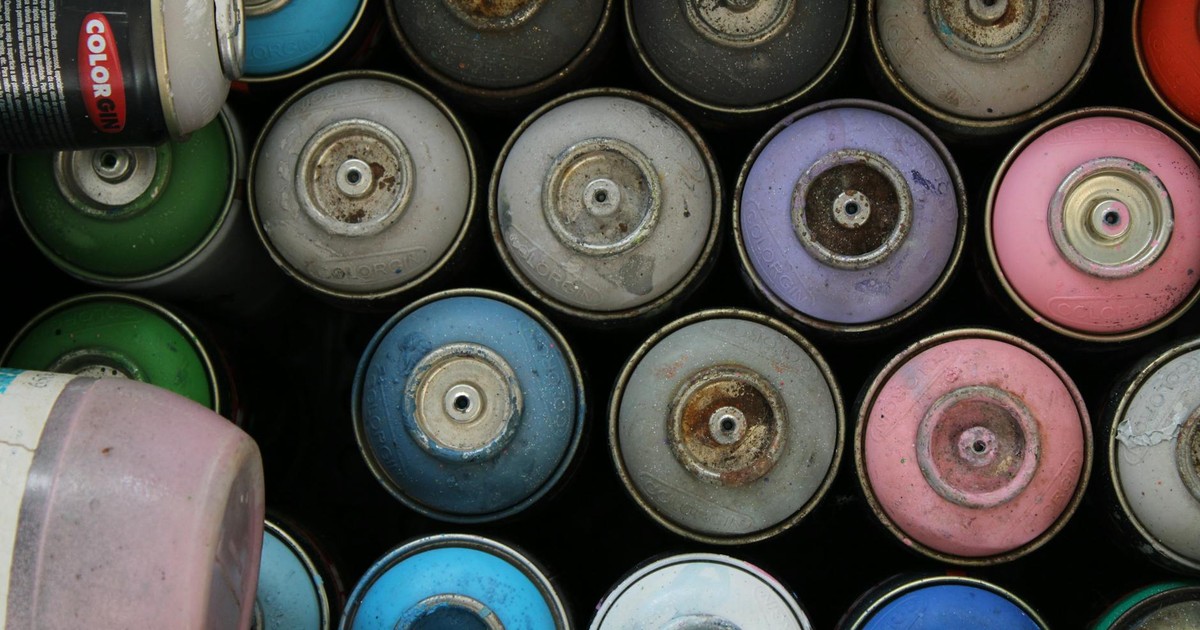
Hairspray was a whole lifestyle in the 1970s. So were aerosol deodorants, spray cleaners, and furniture polish. What most people didn’t know was that many of these products used vinyl chloride as a propellant – and vinyl chloride is a known human carcinogen.
In the 1970s, vinyl chloride was a common ingredient in aerosol sprays, prized for its versatility. Mounting evidence linked it to liver cancer, raising public health concerns, and the U.S. took decisive action in 1974, banning aerosol products containing vinyl chloride. The ban was relatively swift by regulatory standards, but by 1974 millions of households had been spraying the stuff for years, often in poorly ventilated bathrooms and kitchens.
The replacement for vinyl chloride was chlorofluorocarbons (CFCs) – which turned out to be catastrophically damaging to the ozone layer and were themselves phased out under the Montreal Protocol in 1987. The 1970s aerosol can managed to contain two generations of chemical hazard in one small aluminum cylinder.
4. Polychlorinated Biphenyls (PCBs) in Electrical Equipment
This one lived in the walls and ceilings rather than on the shelves. Many older homes built before 1979 contain potentially dangerous polychlorinated biphenyl (PCB) components and materials, including paint, caulk, electrical wiring insulation, and fluorescent light ballasts. PCBs – a class of synthetic chemical compounds – were used extensively in electrical equipment throughout the mid-20th century because they resisted heat and fire.
The problem is that PCBs don’t break down. They accumulate in the body, and exposure has been linked to hormone disruption, immune system damage, and cancer. The U.S. banned the manufacture of PCBs in 1979, but because they persist in older building materials, homes constructed in the ’60s and ’70s can still contain them – particularly in fluorescent light ballasts installed before the ban. If you’re gutting an older home and find old fluorescent fixtures or transformer equipment, it’s worth having them professionally assessed before disposal.
5. Flame Retardants in Foam Furniture
The sofa your family gathered on to watch television in 1975 was almost certainly full of foam treated with chemical flame retardants. The intention was safety – reducing the speed at which upholstered furniture would catch fire. The execution turned out to be its own problem.
Flame retardants in furniture manufactured in the 1970s were found to seep chemicals into the air, leading to health problems such as hormonal imbalances and an increased risk of cancer. The specific compounds most commonly used were polybrominated biphenyls (PBBs) and, later, polybrominated diphenyl ethers (PBDEs). Both accumulate in human tissue and have been associated with thyroid disruption, reproductive harm, and neurodevelopmental effects in children. PBBs were banned in the U.S. in 1977 after a catastrophic accidental contamination in Michigan. PBDEs took much longer to restrict, with some formulations remaining in production until the 2000s.
Old foam furniture doesn’t safely contain these compounds as it ages and crumbles – it releases them into household dust. Homes where vintage furniture has been kept for decades can still have elevated PBDE levels in the air today.
6. Mercury Thermometers
Every household had one. The glass tube, the thin silver line, the ritual of shaking it down before slipping it under a tongue. Mercury thermometers were the standard way to take a fever for generations, and they worked. The problem came when they broke – which they did, regularly, because glass tubes in the hands of children and sick adults have a way of ending up on bathroom tile floors.
According to the NIH’s National Institute of Environmental Health Sciences, metallic mercury is extremely dangerous, with a few drops generating enough fumes to contaminate the air in an entire room. A broken thermometer releases small beads of liquid mercury that roll under furniture and baseboards, where they slowly off-gas toxic vapors. The exposure is invisible and odorless. Young children, who might be drawn to the shiny silver beads, face the most acute risk.
You can find tips on handling toxic household chemicals safely if you’re unsure about what to do with old or expired products at home. By the early 2000s, most countries had phased out mercury thermometers, replacing them with digital alternatives. If one of these is still sitting in your medicine cabinet from decades past, the recommendation is simple: don’t use it, and take it to a hazardous waste disposal facility rather than throwing it in the trash.
7. Aluminum Wiring

This one is still lurking in a significant number of American homes, and it’s among the least visible on this list. To save money, producers used aluminum in place of copper wiring in homes during the 1960s and 1970s. It posed a serious fire risk, generating a significant amount of heat.
Aluminum expands and contracts more than copper as it heats and cools, and over decades of use, those connections at outlets, switches, and panels loosen. Loose connections arc. Arcing starts fires – often inside walls, where there’s nothing to stop them. The CPSC has flagged the ongoing risk that older home materials pose when disturbed or left uninspected. If your home was built between roughly 1965 and 1973, when aluminum wiring was most commonly installed, it’s worth having a licensed electrician inspect the panel and outlets specifically for aluminum connections. The fix isn’t always a full rewire – special connectors and outlets rated for aluminum can address many of the high-risk points.
8. Carbon Tetrachloride Cleaning Products
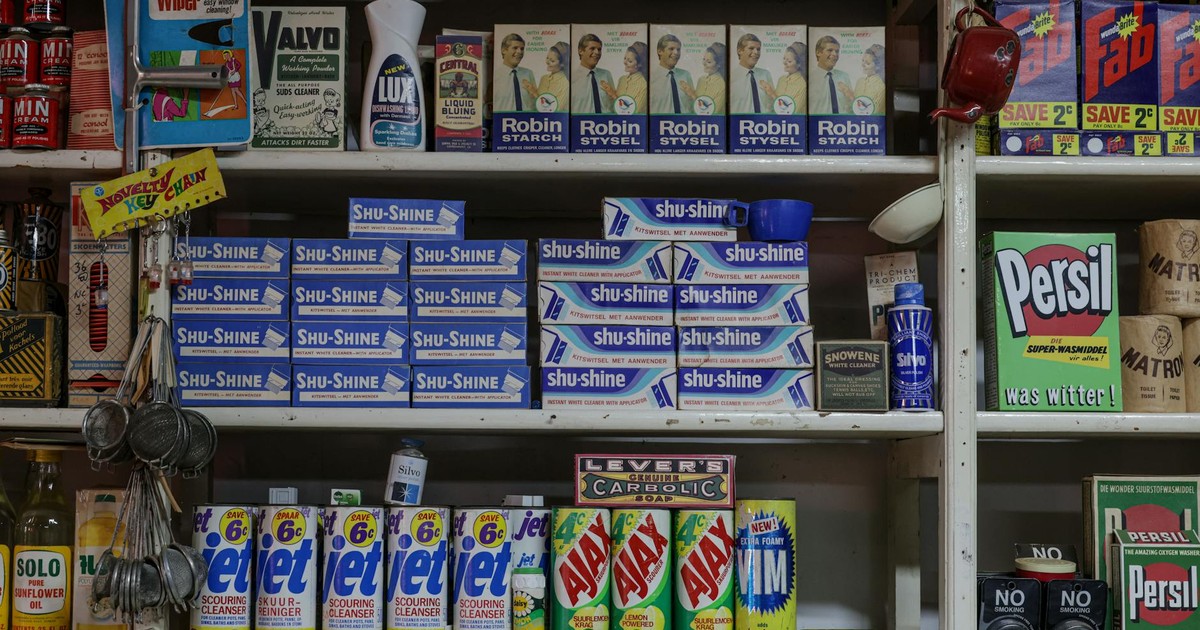
Before modern spot removers and dry-cleaning sprays, there was carbon tetrachloride – a solvent powerful enough to dissolve grease, oils, and fabric stains that nothing else could touch. It was sold in households throughout the mid-20th century under various brand names, used for everything from cleaning upholstery to degreasing engine parts in the garage.
Families relied on this powerful solvent for spot-treating delicate fabrics and cleaning furniture, with no awareness of the health risks hiding in each use. Scientific research eventually uncovered that repeated exposure caused severe liver and kidney damage. Despite mounting evidence of its carcinogenic properties, carbon tetrachloride remained widely available until the 1970s, when regulations and bans finally took effect.
The compound is also acutely toxic in poorly ventilated spaces – something that was rarely communicated clearly on the product label. People used it in closed rooms, breathed the fumes, and didn’t connect what they were inhaling to the symptoms they felt later. Today it is classified as a probable human carcinogen by the International Agency for Research on Cancer and is tightly restricted. It’s no longer a consumer product, but older homes that served as workshops or laundries for particularly devoted cleaners may still have residue in floor materials or stored at the back of a cabinet.
9. Phosphate-Heavy Laundry and Dish Detergents
The washing machines of the 1970s ran on detergents loaded with phosphates – compounds added to boost cleaning power by softening water and helping lift grime from fabrics and dishes. They worked well. That was kind of the problem.
Phosphates are detrimental to aquatic life. Approximately 60% of the basin of Lake Erie was effectively inactivated as a result of over-concentrated phosphates originating from detergents. Overuse led to pollution, resulting in harmful algae blooms. The algae consumed oxygen from the water at a rate that killed fish and other aquatic life, turning large sections of the lake into dead zones. Lake Erie became one of the most vivid early symbols of what consumer products could do to an ecosystem at scale.
The use of phosphates in cleaning products was severely curtailed in the United States by the 2010s. Many states moved faster than the federal government, with bans on phosphates in household detergents arriving state by state from the 1990s onward. The direct harm to the humans doing the laundry was relatively low, but the ecological damage was significant and long-lasting. Lake Erie has partially recovered – but it took decades of effort and the lake still faces algae bloom problems today.
10. Asbestos-Containing Popcorn Ceilings
They were everywhere. The bumpy, textured spray-on ceilings that defined a generation of suburban homes had a practical purpose – they hid imperfections in drywall and provided some acoustic dampening – and an aesthetic one that probably seemed more convincing in 1973 than it does now. What they also contained, in many cases, was asbestos.
The EPA’s 1973 ban on spray-applied asbestos products covered the textured coatings used to create that distinctive bumpy finish. But as with most regulatory transitions, compliance wasn’t instant and existing product stock continued to be used. Homes built between 1945 and the mid-1970s are most likely to have the asbestos-containing version.
The danger isn’t in looking at a popcorn ceiling – it’s in disturbing it. Scraping, sanding, or drilling through a popcorn ceiling that contains asbestos releases fibers into the air of whatever room you’re standing in. The renovation boom of the early 2000s, when the aesthetic finally fell fully out of fashion, sent a generation of homeowners scraping away at ceilings without knowing what was in them. The guidance now is consistent: test before you touch. A professional can take a small sample and have it analyzed, and the result either clears you to proceed or tells you that removal needs to happen under controlled conditions.
What This Tells Us About the Homes We Live In Now

The honest thing to say about all of this is that some of it isn’t fully in the past. Lead-based paint is still present in millions of homes, normally under layers of newer paint. Asbestos insulation still wraps pipes in older buildings. Aluminum wiring still connects outlets in houses that look otherwise perfectly modern. The 1970s household hazards didn’t vanish when the decade ended – they stayed put, behind walls and under floors, and they’re still there for anyone who goes looking.
That doesn’t mean panic is the right response. Most of these materials are stable when undisturbed, and the risks tend to spike only at moments of change: a renovation, a repair, a broken thermometer on a bathroom floor. Knowing which decade your home was built in, and what materials were common in that era, is genuinely useful information. It changes how you approach a screwdriver-and-drywall project. It changes what questions you ask a contractor. And for homes with children in them, the stakes are high enough that the answers matter.
The other thing worth sitting with is how consistently the pattern repeats: a material gets adopted because it works, hazards get minimized because they’re inconvenient for industry, evidence accumulates over years or decades, regulation eventually catches up, and the stuff stays in homes long after the ban. It happened with lead. It happened with asbestos. It happened with flame retardants. Knowing the pattern doesn’t make it easier to spot in real time – but it does suggest that “it’s on the shelf, so it must be safe” has never been quite as reliable an assumption as it feels.
AI Disclaimer: This article was created with the assistance of AI tools and reviewed by a human editor.