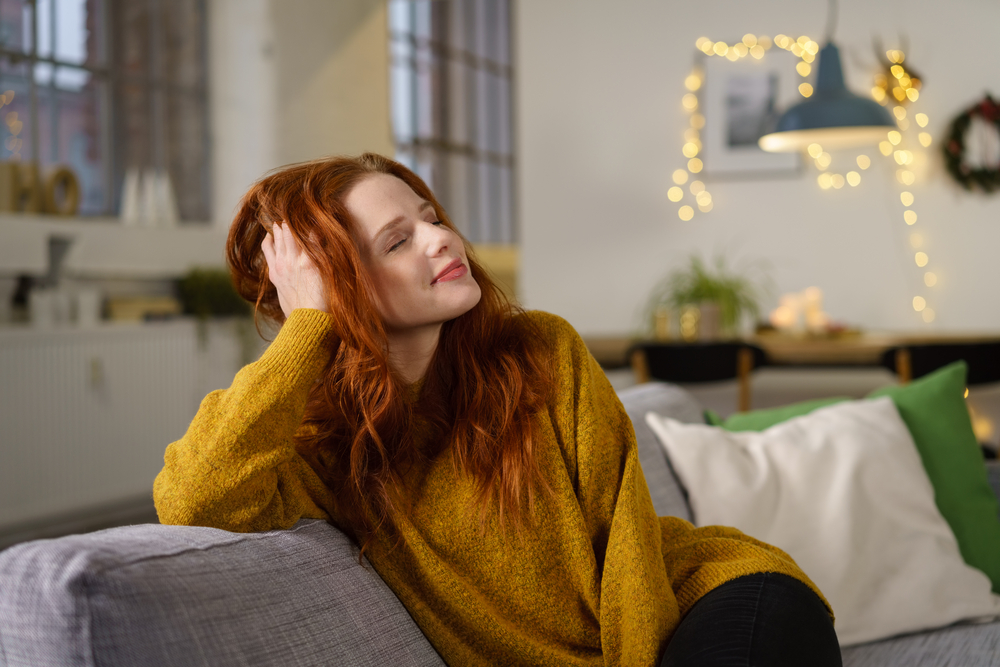

There is a common assumption that being alone must mean something is wrong. People often link solitude with sadness, isolation, or a lack of connection. But that idea falls apart once you look closer. Being alone is simply a state; it says nothing about emotional health on its own. Some people feel deeply connected to themselves and still choose to spend large portions of their time alone. For them, solitude is not something to fix; it is something that works.
What separates loneliness from chosen solitude is intention. Loneliness tends to feel heavy, like something is missing or out of reach. Solitude, on the other hand, feels deliberate. It is a space someone enters on purpose. People who enjoy being alone are not cut off from others; they are selective about when and how they engage. They do not rely on constant interaction to feel stable or fulfilled, and that difference changes how they move through life.
This kind of independence often gets misunderstood. Some assume it signals distance, avoidance, or emotional walls. In reality, it often reflects clarity. These individuals tend to understand themselves well enough to know when they need space and when they want connection. They are not rejecting relationships; they are refining them. When they do connect, it tends to be more intentional, more present, and less driven by pressure or habit.
Another important distinction is how they experience time alone. For someone who feels lonely, silence can feel uncomfortable or even overwhelming. For someone who enjoys solitude, that same silence creates room. It allows for reflection, creativity, and mental reset. Instead of feeling empty, their time alone often feels full. There is a difference between being left alone and choosing to be alone, and that difference shows up in how they think, act, and relate to others.
People who prefer solitude are often operating from internal stability rather than external stimulation. They do not need constant noise, conversation, or distraction to feel engaged. They can sit with their thoughts without rushing to escape them. That ability changes how they handle stress, relationships, and decision-making. It gives them a different rhythm, one that is less reactive and more deliberate.
Below are 15 traits that define someone who is not lonely but genuinely enjoys being alone.
1. They Feel Energized by Solitude
People who enjoy being alone do not see solitude as a break from life; they see it as part of how they function best. After spending time around others, they often notice a natural drop in energy. It is not because they dislike people, it is because interaction requires attention, responsiveness, and emotional presence. Solitude gives them a chance to reset that energy without distraction.
When they step into their own space, there is a noticeable shift. Their thoughts become clearer, their focus sharpens, and they feel more grounded. This is not passive rest. It is an active kind of recovery that helps them return to daily life with more control and awareness. They are not escaping people; they are restoring themselves.
Because of this, they tend to protect their alone time. They understand what happens when they skip it. Irritability increases, focus drops, and everything starts to feel slightly off. So instead of treating solitude as optional, they treat it as necessary maintenance. It becomes part of how they stay balanced rather than something they fall into by accident.

2. They Have a Strong Sense of Self
Spending time alone forces a person to confront their own thoughts, preferences, and reactions. Over time, this builds a clearer sense of identity. People who enjoy solitude often know what they like, what they do not tolerate, and what matters to them. This reduces the need to constantly compare themselves to others.
They are less influenced by shifting opinions or social pressure because their reference point is internal. When they make decisions, they are not scanning for approval. They are checking whether something aligns with who they already know themselves to be. That creates consistency in how they behave across different situations.
This sense of self also makes their relationships more stable. They are not constantly adjusting their personality to fit each person they meet. Instead, they show up as they are. That does not mean they are rigid. It means they are clear. And that clarity allows others to understand them more easily over time.
3. They Are Emotionally Independent
Emotional independence does not mean they never need support. It means they are not dependent on others to regulate how they feel. When something difficult happens, their first instinct is not to immediately seek reassurance. They pause, process, and try to understand their own response before reaching outward.
This creates a level of emotional control that is often mistaken for distance. In reality, it is stability. They are not ignoring their feelings; they are taking responsibility for them. That reduces the chances of reacting impulsively or placing emotional pressure on others to fix what they are experiencing.
Over time, this independence strengthens their relationships. People around them do not feel overwhelmed by constant emotional demands. Instead, interactions feel more balanced. When they do ask for support, it is intentional and specific, not driven by panic or dependency.
4. They Enjoy Deep Thinking
People who enjoy solitude tend to use that time to think in ways that are difficult to do in busy environments. Without constant input, their minds have space to explore ideas more fully. They can follow thoughts from beginning to end without interruption, which leads to deeper understanding.
This kind of thinking often extends beyond practical matters. They may reflect on past experiences, future possibilities, or abstract ideas. That reflection helps them connect patterns and make sense of things that others might overlook in fast-paced settings.
Because they are used to thinking this way, they often bring more considered perspectives into conversations. They are not reacting in the moment; they are building on thoughts they have already spent time with. This gives their input a level of depth that stands out.
5. They Are Selectively Social
They do not reject social interaction, but they are careful about where they invest their time. Instead of trying to maintain a wide network of casual connections, they focus on relationships that feel meaningful and reciprocal. This reduces social fatigue and increases the quality of their interactions.
They are comfortable declining invitations that do not align with how they want to spend their time. This is not about avoidance. It is about prioritization. They understand that every yes comes with a cost, so they choose carefully.
As a result, the relationships they do maintain tend to be stronger. There is more presence, more attention, and more intention behind their interactions. They are not spreading themselves thin, which allows them to show up more fully when it matters.
6. They Set Clear Boundaries
People who enjoy being alone usually have a strong awareness of what drains them. This awareness leads to clear boundaries around their time, energy, and attention. They do not feel obligated to be constantly available, and they are willing to say no when something does not fit.
These boundaries are not aggressive or rigid. They are consistent. Others learn what to expect because the person does not shift unpredictably between overcommitment and withdrawal. That consistency builds respect over time.
By protecting their space, they maintain their ability to function well in both solitude and social settings. Without boundaries, their energy would become scattered. With boundaries, they remain steady and present in whatever they choose to engage with.
7. They Are Comfortable With Silence
Silence is often uncomfortable for people who rely on constant stimulation. For someone who enjoys solitude, silence feels neutral or even necessary. It is not something to fill, it is something to use.
They can sit without background noise, without conversation, and without reaching for distraction. This allows their thoughts to settle rather than compete with external input. Over time, this creates a more stable mental environment.
This comfort with silence also shows up in social settings. They are not rushing to fill every pause in conversation. They can sit in quiet moments without interpreting them as awkward. This changes the tone of their interactions, making them feel more relaxed and less forced.
8. They Have a Rich Inner World
When someone spends a lot of time alone, their internal world becomes more active. They develop ideas, revisit experiences, and imagine possibilities in ways that keep them mentally engaged. This reduces the need for constant external stimulation.
Their inner world is not disconnected from reality. It is a space where they process and expand on what they experience. This often leads to creativity, whether in problem-solving, communication, or personal expression.
Because of this, they rarely feel bored when alone. There is always something to think about, build on, or explore internally. Their attention is not dependent on what is happening around them.
9. They Are Self-Motivated
Without relying on others to push them forward, they develop internal motivation. They set their own goals and follow through without needing constant reminders or external pressure. This makes their progress more consistent over time.
They are used to working without an audience. Whether it is personal development, work tasks, or creative projects, they do not depend on recognition to stay engaged. Their focus comes from within.
This independence allows them to move at their own pace. They are not speeding up to match others or slowing down to avoid standing out. They are operating based on what works for them, which often leads to steady, sustainable progress.

10. They Value Meaning Over Noise
Surface-level interaction tends to feel draining for them. It is not that they cannot engage in it, it is that it does not hold their attention for long. They prefer conversations that involve real ideas, honesty, or depth.
This preference shapes how they choose to spend their time. If an interaction feels empty or repetitive, they are more likely to step back and return to solitude. They are not avoiding people; they are avoiding unnecessary noise.
When they do engage, their attention is more focused. They listen more carefully and respond more thoughtfully. This creates a different kind of interaction, one that feels more intentional and less automatic.
11. They Are Comfortable Being Misunderstood
Not everyone understands why someone would choose to spend time alone. People who enjoy solitude accept this without feeling the need to constantly explain themselves. They are not driven by the need to fit a specific expectation.
This comfort comes from confidence in their own preferences. They know what works for them, and they are willing to stick with it even if others do not relate. This reduces the pressure to perform or adjust for approval.
As a result, they tend to move through social environments with less tension. They are not trying to manage how they are perceived at all times. They are focused on being consistent with themselves.
12. They Are Open-Minded
Time spent alone often leads to reflection, and reflection encourages flexibility in thinking. People who enjoy solitude tend to question their own assumptions and consider different perspectives. This makes them more open to change when new information appears.
They are not locked into rigid viewpoints. Instead, they explore ideas at their own pace, without the pressure to immediately respond or conform. This leads to more thoughtful opinions rather than reactive ones.
This openness also improves their interactions. They are more willing to listen, consider, and adjust rather than defend a fixed position. Their thinking evolves because they give it space to do so.
13. They Build Strong Internal Stability
Their emotional state is not heavily tied to external interaction. This gives them a steady baseline that does not fluctuate with every social experience. Rejection, absence, or disagreement does not disrupt them as easily.
They have spent enough time alone to understand how to regulate themselves. When something feels off, they know how to return to a stable state without depending entirely on others.
This stability creates resilience. They are able to move through challenges without losing direction. Their sense of control comes from within, which makes it less vulnerable to outside changes.
14. They Enjoy Their Own Company
At the core of everything is a simple fact: they like being with themselves. This removes the pressure to constantly seek distraction or company. They can fill their own time without feeling restless.
They might read, think, walk, or work on something personal, but the activity is not the main point. The main point is that their own presence feels enough. They are not trying to escape themselves.
Because of this, their interactions with others are based on choice rather than need. They are not looking for someone to complete their time. They are choosing to share it.
15. They See Solitude as a Tool, Not an Escape
For them, solitude is something they use, not something they hide behind. It helps them think clearly, make decisions, and reset when needed. It is part of how they stay effective in the world.
They are not withdrawing from life. They are creating space to engage with it more deliberately. This allows them to return to social situations with more focus and presence.
Over time, this approach strengthens how they move through both personal and social environments. Solitude becomes a resource rather than a limitation. It supports growth, clarity, and direction in a way that constant interaction cannot.
Final Thoughts
Enjoying time alone is not a flaw or a gap that needs to be filled. It is a different way of operating. People who are comfortable with solitude tend to have a strong internal structure that supports how they think, feel, and act.
They are not disconnected. They are selective. They are not avoiding people. They are choosing how and when to engage. That distinction changes everything about how their lives are structured.
In a world that often equates constant interaction with success or happiness, choosing solitude can look unusual. But for the people who understand it, it is not a compromise. It is a preference that supports how they function best.
This article was created with the assistance of AI tools and reviewed by a human editor.