

Breakfast has a reputation it doesn’t always deserve. The meal itself isn’t the problem. The problem is what most people are actually eating at 7am, often grabbed in under two minutes, marketed with words like “wholesome,” “natural,” and “heart-healthy,” and consumed in good faith by people who are genuinely trying to start the day right.
You eat, feel fine for forty minutes, then hit a wall of fatigue and hunger that sends you straight to the office snack drawer. That’s not a willpower failure. That’s your blood sugar responding to exactly what certain foods do to it.
Many popular breakfast foods lack important nutrients and leave you feeling hungry well before your next meal. Others are high in added sugars, fat, and sodium, which over the longer term can increase your risk of chronic diseases including type 2 diabetes, cardiovascular disease, and some cancers. The 14 worst foods to eat morning include items sitting in your kitchen right now.
1. Sugary Breakfast Cereal
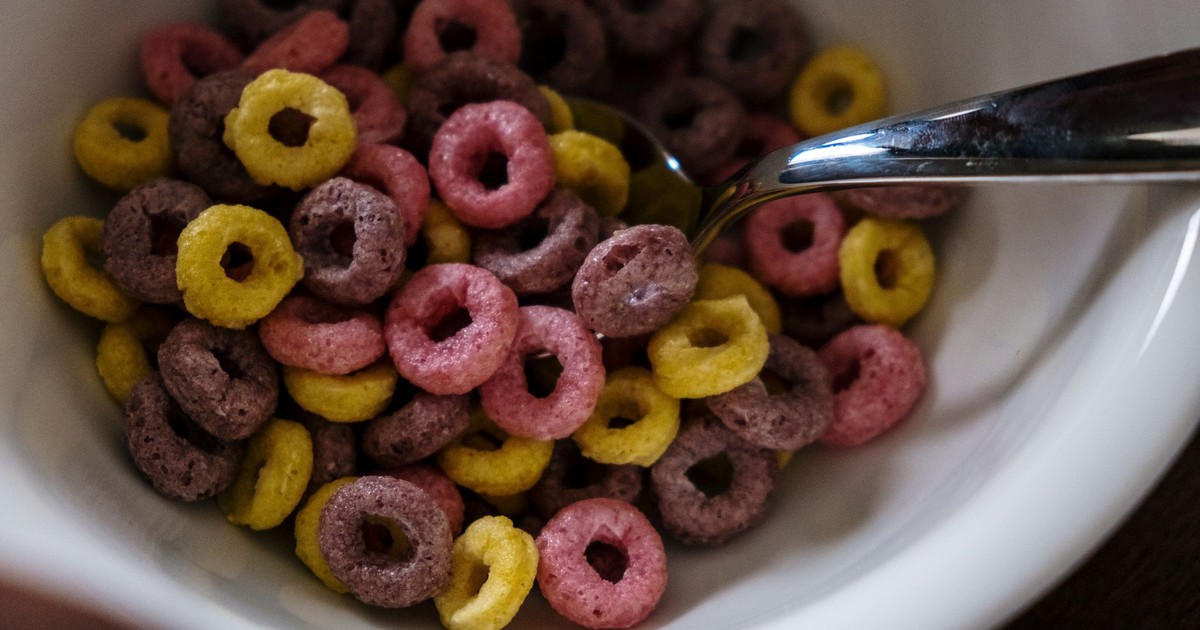
The box probably says “whole grain” somewhere near the top. It might have a heart on it. The U.S. cereal market is a multi-billion-dollar industry, and much of that revenue is driven by products whose primary ingredient is sugar, not grain.
Pure glucose has a maximum glycemic index value of 100. Although many cereals contain some fiber, which lowers blood sugar, most sweetened cereals still score 70 or above on the glycemic index. According to a 2024 analysis by Nathaniel Johnson, assistant professor of Nutrition and Dietetics at the University of North Dakota, high-glycemic simple carbohydrate foods like sweet cereal drive up blood lipid levels, increase hunger, and trigger greater insulin release, all factors in the development of heart disease and type 2 diabetes.
You eat a bowl, your blood sugar spikes sharply, your pancreas releases insulin to compensate, and then your blood sugar crashes below where it started. You’re hungry again by 10am, more irritable than you were before eating, and probably reaching for something worse. If you still want cereal, look for options with at least 3 grams of fiber per serving and single-digit added sugar.
2. Pastries and Doughnuts

According to the Cleveland Clinic, doughnuts contain 15 to 30 grams of sugar each. A typical medium doughnut runs around 250 to 400 calories depending on type and size, with filled or cake-style varieties at the higher end. With that much sugar in a small package, your body pumps out loads of insulin to accommodate it, and a blood sugar spike leads to an even bigger crash.
Pastries follow the same pattern: refined white flour, a lot of sugar, and very little of the protein or fiber that would slow down digestion and keep you feeling full. They digest fast, which is exactly the problem. Your stomach is empty again within an hour or two, and your energy has already peaked and fallen.
The bigger concern isn’t a single pastry on a Saturday morning. It’s eating something like this every weekday as part of a routine, because the cumulative effect on blood sugar regulation, weight management, and cardiovascular health compounds over time. Unhealthy saturated and trans fats heighten your risk of cardiovascular disease by raising LDL cholesterol (the “bad” kind) and lowering HDL cholesterol (the “good” kind) in the blood.
3. Flavored Yogurt

Yogurt has genuinely good things going for it: protein, probiotics, calcium. The flavored version sitting in the grab-and-go fridge at your local coffee shop is a different product entirely. Many popular breakfast foods are lacking important nutrients and leave you feeling hungry well before your next meal. The fruit on the bottom is typically made using fruit with a lot of added sugar to balance out the acidity of the yogurt.
A single serving of flavored yogurt can contain 20 to 25 grams of sugar, which puts it in the same territory as a candy bar. The protein content in non-Greek varieties is often low enough that it won’t keep you full for long, which means you’ve consumed a significant sugar hit with minimal satiety payoff.
If yogurt is your morning go-to, the swap is simple: plain Greek yogurt, which contains roughly twice the protein of regular yogurt and has a glycemic index in the low teens, well below the threshold that causes blood sugar spikes. Add your own fruit, and you control the sugar content entirely.
4. White Bagels With Cream Cheese

A standard plain bagel contains around 250 to 290 calories and roughly 50 to 55 grams of carbohydrates. Adding cream cheese or butter piles on more calories and saturated fat. Diets high in refined carbohydrates have been linked to an increased risk of type 2 diabetes and cardiovascular disease.
The issue with a standard white bagel isn’t that it’s a terrible food in isolation. It’s that it provides almost no nutritional return for its caloric investment. There’s very little fiber, minimal protein, and the refined flour digests rapidly.
Cream cheese adds saturated fat without adding anything that might slow digestion or extend satiety. A schmear adds roughly 100 calories of fat with no fiber and negligible protein. If a bagel is genuinely what mornings call for, a 100% whole grain version topped with something protein-rich, like eggs or smoked salmon, changes the picture considerably.
5. Instant Oatmeal Packets
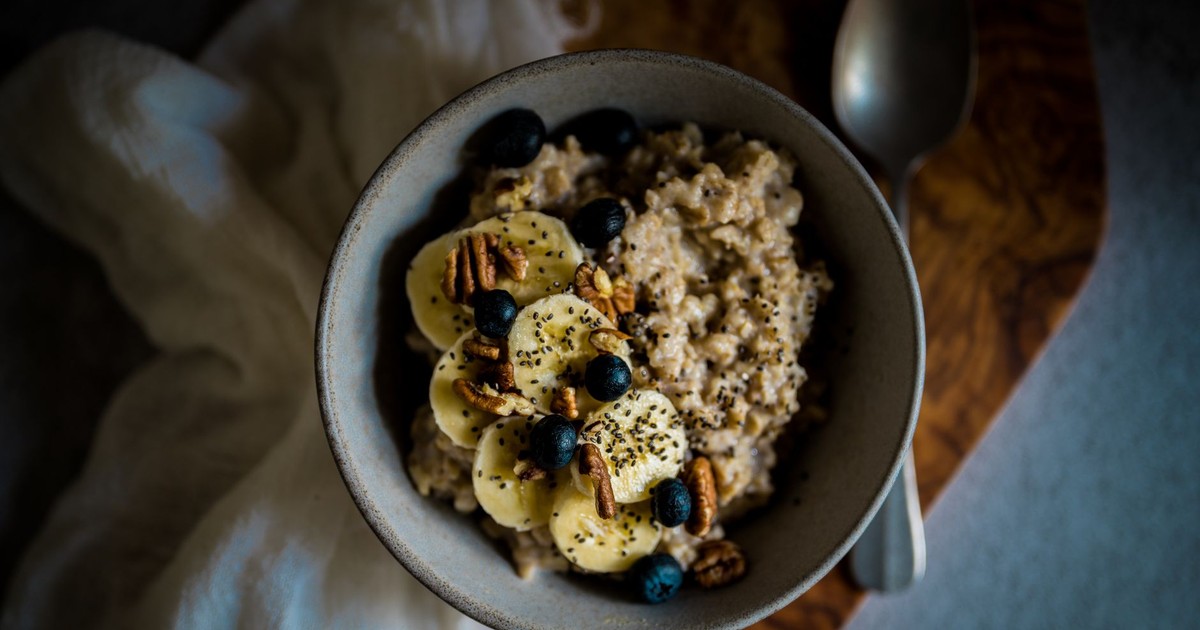
Oats are a genuinely good breakfast ingredient. Instant oatmeal packets are a different product wearing oats’ reputation. Many instant oatmeal packs contain large amounts of added sugars, which spike blood sugar and cause energy dips. Some instant oatmeal varieties contain around 12 grams of added sugar per serving.
Beyond the sugar, the oats in instant packets are typically pre-cooked and dehydrated, meaning they’ve been processed to a point where they digest faster than rolled oats or steel-cut oats. The glycemic index of instant oats is noticeably higher than whole oats, which undermines the blood sugar steadiness that makes oats worth eating in the first place.
Rolled oats or steel-cut oats, cooked plain and topped with a small amount of fruit, nuts, or seeds, give you all the fiber and slow-release energy benefits that instant packets market but rarely deliver. They take five to ten minutes longer. That’s the actual trade-off.
6. Granola Bars
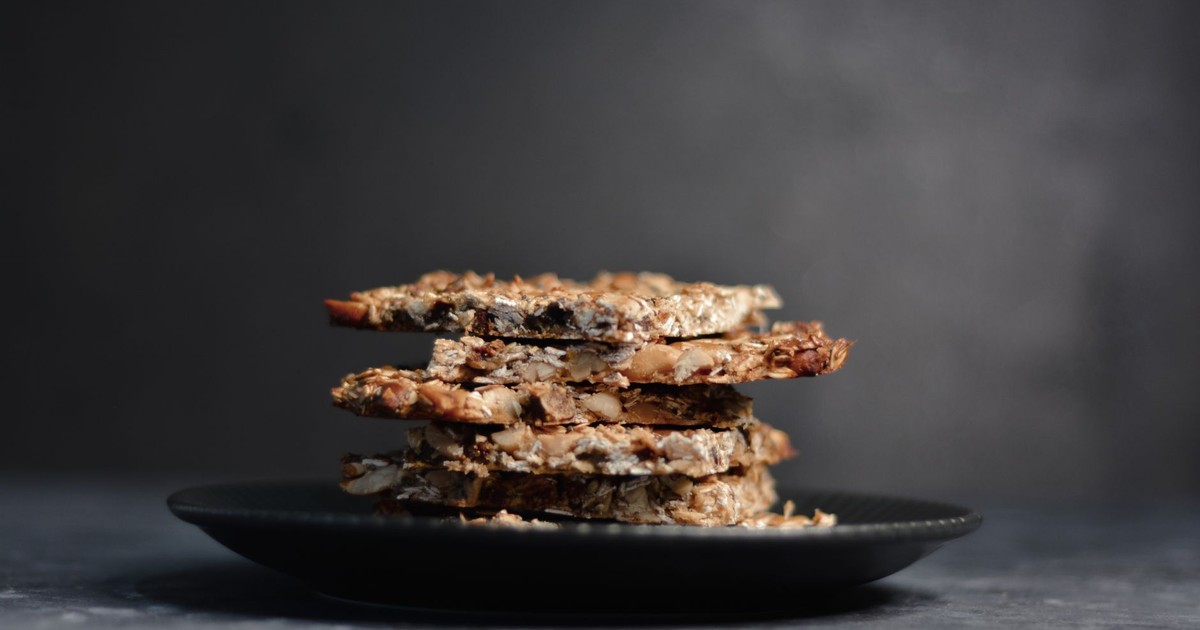
Granola bars occupy a peculiar space in the breakfast world. They look healthy, they use words like “natural” and “oats” prominently, and most of them are closer to a candy bar than a nutritious breakfast. Granola bars are rarely made with whole grains and complex carbohydrates. Many have too much added sugar and not enough protein, so they won’t keep you full enough to count as a real breakfast.
The problem is compounded by serving size. A single wrapper often contains one and a half or even two servings by the manufacturer’s definition, meaning the sugar and calorie figures on the label need to be doubled to reflect what most people actually eat. Check the ingredient list: if sugar appears in the first three ingredients (under any of its many names, including corn syrup, honey, brown rice syrup, or cane juice), put it back.
A genuinely useful breakfast bar does exist, but it requires some label reading. Look for at least 5 grams of protein, at least 3 grams of fiber, and fewer than 8 grams of added sugar. Those are not easy to find in the mainstream granola bar aisle.
7. Fruit Juice

Orange juice at breakfast feels like a health habit, and it has been marketed that way for decades. Researchers at UC Irvine found in a 2025 analysis of over 80 studies that current dietary guidelines on juice versus whole fruit are inconsistent and vague, and do not clearly explain that all sugars naturally present in fruit juices count as free sugars. Their analysis argues that whole fruit is more beneficial than fruit juice for most people.
A whole orange has about 3 grams of fiber, while a glass of orange juice contains far less, despite carrying the sugar from two or three oranges. That fiber is what slows glucose absorption and creates satiety. Without it, the natural sugars in juice hit your bloodstream at roughly the same pace as a soft drink. While fruit juices contain nutritious vitamins, minerals, and bioactive compounds like polyphenols, they tend to be rich in naturally occurring sugars, and compared with whole fruits, contain fewer dietary fibers.
The fix isn’t complicated: eat the fruit instead. You get the same vitamins, the fiber, and a significantly gentler blood sugar response.
8. Flavored Coffee Creamers

Black coffee is a pretty benign morning choice. What gets poured into it is often another story. Flavored liquid creamers can contain 5 grams of sugar per tablespoon, and most people use significantly more than one tablespoon per cup. A two-cup morning coffee habit with three tablespoons of sweet creamer per cup means you’ve consumed 30 grams of sugar before eating anything.
Foods and drinks high in added sugars leave you feeling sluggish and uncomfortably full and, over the longer term, increase your risk of several chronic diseases including type 2 diabetes, cardiovascular disease, and some cancers. That applies just as much to what you’re drinking as to what you’re eating. The sugar in flavored creamer counts exactly the same way as the sugar in a doughnut.
Unsweetened nut milks, a small amount of whole milk, or simply getting used to less sweetness are all practical replacements. If the coffee doesn’t taste good without the creamer, the issue is usually coffee quality, not the absence of sugar.
9. Pancakes and Waffles

Weekend pancakes have a pass. The problem is when they become a weekday routine or when they’re dressed up in “protein” or “whole grain” branding that doesn’t really change what they are. Pancakes and waffles are popular choices for weekend breakfasts, but they’re typically made with white flour, a refined grain that carries very little fiber.
Stack maple syrup on top and you’ve added another 50 to 60 grams of sugar to an already high-glycemic base. The blood sugar spike that follows is steep, and the fall is proportional. By mid-morning, the fatigue that settles in is the direct physical consequence of that trajectory.
Whole wheat flour versions improve the fiber content somewhat. Adding eggs to the batter increases protein. Topping with fresh berries instead of syrup reduces the sugar load. None of these swaps are dramatic, but collectively they turn a blood sugar grenade into something that actually fuels a morning.
10. Processed Breakfast Meats

Bacon, sausage links, and breakfast deli meats are fixtures on morning plates. They’re not the worst offenders from a blood sugar perspective, but they create problems in other directions. High in sodium and saturated fat, processed meats have been consistently associated with cardiovascular risk across large observational studies. A standard serving of breakfast sausage links can contain 400 to 600 milligrams of sodium and 8 grams of saturated fat, often before anything else has been added to the plate.
Foods high in saturated and trans fats, including muffins, pastries, hash browns, fried foods, and red meat, are not the healthiest breakfast options. When processed meats also come smoked, cured, or with added nitrates, the long-term risk profile climbs further. The issue isn’t an occasional strip of bacon. It’s relying on processed meat as a daily protein source when better options are available.
Eggs, smoked salmon, plain Greek yogurt, or cottage cheese deliver comparable morning protein without the saturated fat load and sodium spike that comes with processed breakfast meats.
11. Muffins

A muffin from a bakery or coffee shop is essentially a cupcake without frosting, served at a socially acceptable hour. A standard blueberry muffin can easily contain 400 to 500 calories, 50 to 60 grams of carbohydrates, and 25 or more grams of sugar, with minimal protein and minimal fiber. The blueberries are usually the only redeeming presence, and there often aren’t many of them.
The “bran muffin” version gets a healthier reputation, but many commercial bran muffins are similarly high in sugar and still low in protein. The worst breakfast foods are those low in fiber and high in added sugar and saturated fat, and most commercial muffins fit that description regardless of the flavor on the label.
If something portable and bread-like is what mornings need, a slice of 100% whole grain toast with nut butter or a hard-boiled egg gives you actual protein and slower-digesting carbohydrates for a fraction of the sugar hit.
12. Hash Browns and Fried Potatoes

Potatoes are a nutritious vegetable. Deep-fried shredded potatoes are something else. Hash browns from a drive-through or a fast-food breakfast are cooked in oils high in unhealthy fats, often contain significant sodium, and are low in the nutrients that would make them worth the calorie investment.
Fatty foods stimulate contractions in the digestive tract, which can either slow down the emptying of the stomach and worsen constipation, or speed up movement, leading to or worsening diarrhea. Neither outcome is a great way to start the day. The combination of refined starch and absorbed frying oil produces a heavy, sluggish feeling rather than the sustained energy a good breakfast should deliver.
Roasted sweet potato, on the other hand, contains fiber, potassium, and vitamin A. It has a lower glycemic index than white potato, and when roasted rather than fried, it doesn’t carry the additional saturated fat burden.
13. Store-Bought Smoothies

A homemade smoothie with spinach, protein powder, frozen berries, and unsweetened almond milk is a legitimately good breakfast. The bottled smoothies sold at convenience stores and the large cups blended at chain juice bars are often a different calculation entirely. Many contain two to three servings of fruit blended together with juice as a liquid base, producing a drink with 50 to 70 grams of sugar and very little fiber, because the pulp has been removed or reduced.
A lower amount or lack of fiber, combined with a higher concentration of sugars and energy, contributes to less satiation and increases the risk of taking in more calories than intended. A 400-calorie smoothie that leaves you hungry an hour later is not doing the job breakfast is supposed to do, no matter how many fruit varieties are on the label.
Check the nutrition facts before buying. A reasonable breakfast smoothie should have at least 5 grams of fiber, at least 10 grams of protein, and fewer than 30 grams of total sugar. Most commercial versions fall well short on all three.
14. Toaster Pastries

Toaster pastries, including the iconic foil-wrapped rectangles that have appeared in children’s lunchboxes for fifty years, are essentially jam sandwiched between two layers of sweetened pastry dough with a sugar glaze on top. A single pastry typically contains 30 to 40 grams of carbohydrates, 14 to 17 grams of sugar, and less than 2 grams of protein. The “frosted” varieties add another layer of sugar. The “whole grain” versions improve the fiber content slightly, but the sugar content remains largely the same.
Eating too much added sugar may contribute to a variety of chronic health conditions, including heart disease, type 2 diabetes, and liver problems. The appeal of toaster pastries is obvious: they’re fast, they’re shelf-stable, and kids will eat them without complaint. But using them as a daily breakfast rather than an occasional treat means starting the day with a blood sugar spike that sets up the hunger-crash cycle for hours afterward.
A whole grain English muffin with a scrambled egg and a slice of cheese takes about three minutes to assemble and delivers protein, fiber, and fat alongside the carbohydrates, which changes the entire blood sugar trajectory of the morning.
What to Do With All of This
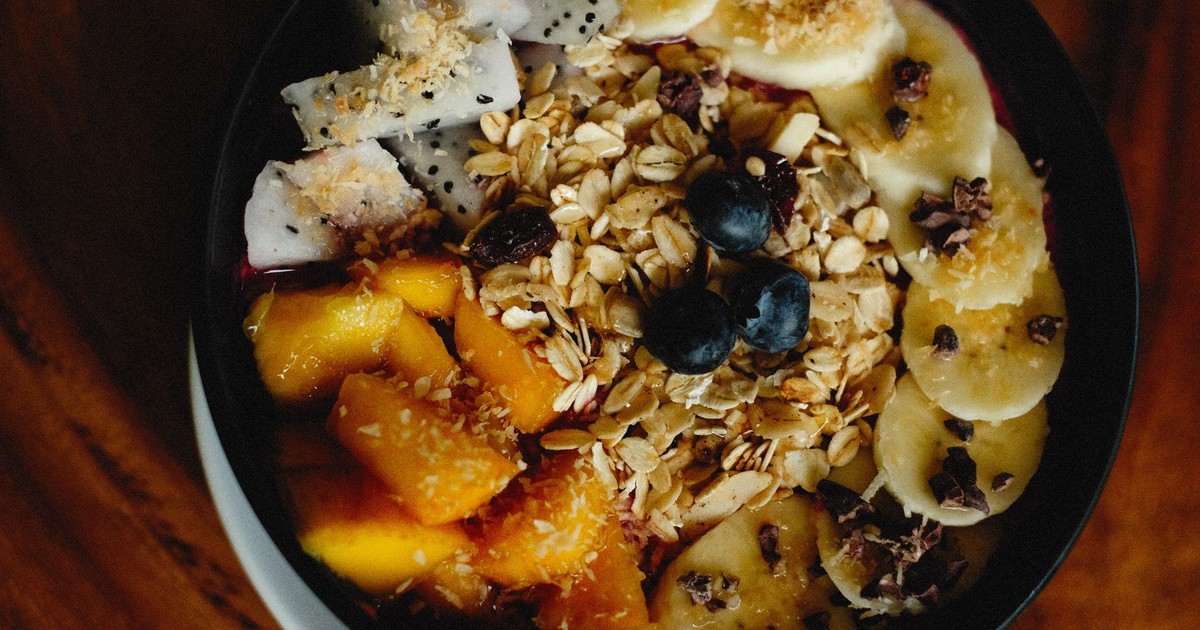
The pattern across all 14 of these foods is the same: high sugar, low fiber, minimal protein, and fats that don’t help. That combination tells your body to spike, crash, and ask for more. A sugary breakfast can leave people feeling hungry, tired, and irritable, and mentally less sharp. You may even feel hungrier than before you ate.
A bowl of sugary cereal isn’t just a nutritional misstep; it’s a guarantee of a specific, predictable energy pattern for the next two hours. Once you understand the cause, the choice changes.
None of this requires a complete overhaul. Swapping flavored yogurt for plain Greek yogurt, whole fruit for juice, rolled oats for the instant packet are small, painless changes that put the morning on a different track. The goal isn’t a flawless diet. It’s a breakfast that actually does what breakfast is supposed to do: get you through the morning.
Disclaimer: This information is not intended to be a substitute for professional medical advice, diagnosis, or treatment and is for information only. Always seek the advice of your physician or another qualified health provider with any questions about your medical condition and/or current medication. Do not disregard professional medical advice or delay seeking advice or treatment because of something you have read here.
AI Disclaimer: This article was created with the assistance of AI tools and reviewed by a human editor.