

Work stress and mental health don’t usually collide in a single dramatic moment. For most people, it builds slowly – the Sunday evenings that stop feeling like weekends, the 11pm emails you open anyway, the Monday morning headaches that arrive so reliably you’ve stopped noticing them. You keep going. You figure it’s just a phase, or that everyone feels this way, or that pushing through is simply what being a professional adult requires. And then one day, something that used to be manageable just isn’t anymore.
The thing nobody tells you about work stress is how physical it gets before it ever gets labeled a mental health problem. The tightness in the chest before a difficult meeting. The sleep that stops being restful. The point where you can’t quite explain why you’re exhausted when nothing dramatic has happened. By the time most people recognize what’s been building, it’s been building for a long time.
This is not an article about stress-management apps or the virtues of a ten-minute walk. It’s about what happens to a human body and mind when the pressure never fully lets up, what the research actually says about the mechanism, and what you can do with that information before it becomes a health crisis.
When Work Stress Becomes a Physical Problem
The word “stress” has been so thoroughly domesticated that we use it to describe everything from a bad commute to a genuine mental breakdown. But the physiological process is precise. Chronic stress impairs the communication between the immune system and the body’s main stress-regulation axis – and that breakdown has been linked to the development of chronic fatigue, metabolic disorders including diabetes and obesity, depression, and immune disorders.
The engine behind all of this is cortisol. When something stressful happens – a hostile email from a manager, a performance review you’ve been dreading for three weeks – your brain fires off a cascade of hormones designed to get you ready to fight or run. Heart rate goes up. Blood pressure climbs. Energy floods the muscles. In a short burst, this is useful. Chronic stress, however, occurs when stressors continue for weeks, months, or years without relief. The body activates that same fight-or-flight response repeatedly, and when stress becomes chronic, the body stays in high-alert mode with no real recovery period.
What that sustained state does to the cardiovascular system is well-documented. Chronic stress triggers the release of cortisol, which promotes inflammation – and research confirms a clear association between the duration and level of stress and the likelihood of developing cardiovascular disease. Cortisol accelerates atherosclerotic plaque development in the arteries. In plain terms: the stress hormone your body pumps out every time your workload becomes unmanageable is literally building up material inside your arterial walls. Sustained work stress isn’t a mood problem. It’s a cardiovascular one. The relationship between chronic stress and physical health runs deeper than most people give it credit for.
The Mental Health Toll Most People Miss Until It’s Too Late
There’s a difference between feeling stressed and burning out – and knowing which one you’re dealing with changes everything about how you respond. Burnout is a state of emotional, physical, and mental exhaustion caused by excessive and prolonged stress. The World Health Organization classifies it as an occupational phenomenon with three dimensions: exhaustion, feeling mentally distanced from or cynical toward your job, and reduced professional efficacy. As the stress continues, you begin to lose the interest, motivation, and confidence that led you to take on a certain role in the first place.
Stress still has an end in sight – the project finishes, the deadline passes. Burnout is about not enough. Being burned out means feeling empty and mentally exhausted, devoid of motivation, and beyond caring. People experiencing burnout often don’t see any hope of positive change in their situations. The response to each is different. You can recover from a stressful month with a weekend away. Burnout recovery is measured in months, sometimes years.
Among US healthcare workers alone, about 35 percent experienced burnout in 2023. By the time chronic stress sets in, workers feel consistently tired, cynical, and apathetic. Social withdrawal follows – from coworkers and from the people at home who had nothing to do with any of it. That ripple into home life is one of the most overlooked consequences of work stress. The person sitting across from you at dinner isn’t necessarily burned out by their relationship. They’re burned out by a 60-hour week, and the relationship is catching the fallout.
Chronic burnout keeps the body’s stress response elevated for long periods, which raises the risk of cardiovascular diseases and type 2 diabetes, weakens immune function, and disrupts sleep. Headaches, gastrointestinal issues, and persistent muscle tension are common. These physical symptoms often bring people to a doctor before they ever recognize burnout as the underlying cause. The doctor treats the headache. Nobody treats the job.
Who’s Actually Struggling – and Why Younger Workers Are Hit Hardest
The scale of work stress mental health problems in the current workforce is striking. According to Gallup’s 2024 State of the Global Workplace report, 41% of employees globally report experiencing significant stress daily – and in the US and Canada, that figure climbs to 49%. Among workers under 35, wellbeing has dropped notably, with only 31% saying they’re thriving – a four-point fall from 2022. Younger workers are often in entry-level positions with high demands, little autonomy, and no track record to fall back on when things get hard.
Employees in companies with poor management practices are nearly 60% more likely to experience stress than those in well-managed environments. Workers under poor management actually report high stress levels more frequently than unemployed people do. Read that last line again. Having a bad manager is, statistically, worse for your stress levels than having no job at all.
Women also carry a disproportionate share of it. Among actively disengaged employees, 54% experience a lot of daily stress – and women consistently report higher rates of worry and stress than male colleagues. That gap comes from a combination of factors: the persistent expectation that women absorb more emotional labor at work, manage family responsibilities alongside professional ones, and do so without drawing attention to the strain.
What Burnout Actually Does to Your Brain
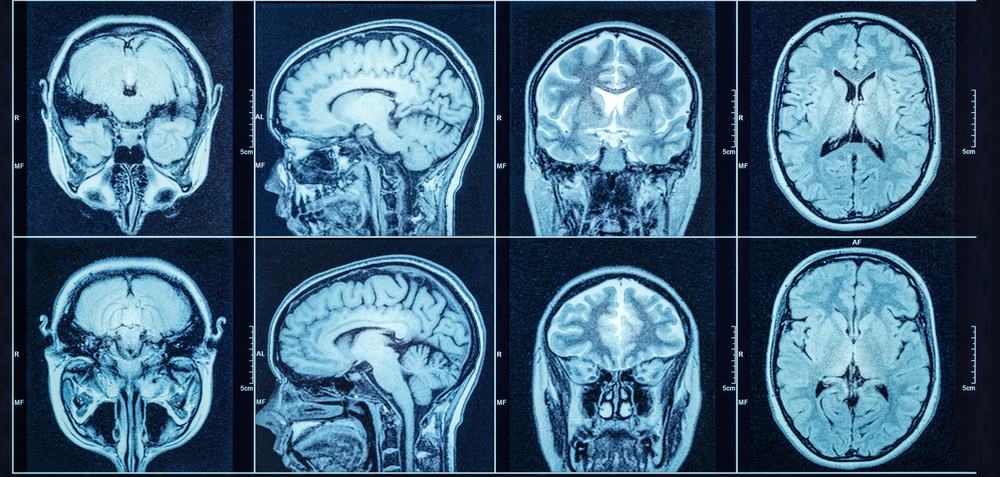
One reason people miss burnout until it’s advanced is that it changes the way you think – which makes it harder to accurately assess how you’re doing. Mental burnout symptoms include self-doubt, helplessness, a sense of defeat, and failure. People in this state often feel alone, lose their sense of purpose, and become increasingly cynical, dissatisfied, and incapable. That feeling of incapability is a symptom of the condition – not an accurate reading of the person’s actual abilities. But when you’re inside it, it doesn’t feel like a symptom. It feels like the truth.
Extreme stress has the power to diminish a person’s sense of self and agency – it shakes character, leaves people feeling hopeless, and in some cases leads to depression. Burnout from ongoing work stress isn’t the same as exposure to a life-threatening event, but both have the power to demoralize people in lasting ways.
Some experts believe other conditions, such as depression, may underlie burnout. Burnout can also raise the risk of depression. But the two are distinct and require different treatment approaches. Someone who goes to their GP exhausted and flat might leave with a depression diagnosis when the more useful path would be to address the occupational conditions driving the burnout in the first place. Treating the symptom while leaving the cause untouched is how people end up back in the same place six months later.
The Numbers Behind the Silence
The cultural reality around work stress mental health is that most people stay quiet about it for far too long – and the data from the 2025 NAMI Workplace Mental Health Poll makes that silence visible. One in four employees has considered quitting because of work’s impact on their mental health. Just 13% told their manager their mental health was suffering in the past year due to work demands. Nearly half said they worried they’d be judged if they brought it up at all.
The gap between how freely people discuss a broken wrist versus a breaking mind is one of the most stubborn features of workplace culture, and it keeps people suffering well past the point where early action would have helped. Employees share high rates of burnout, stress, and overwhelm in survey data – but far fewer identify themselves as having a mental health problem. The language we use at work has created a category of acceptable suffering (“I’m just stressed”) and an unacceptable one (“I’m not coping”), and most people stay firmly in the first category until they can’t anymore.
Employees who work at a company that supports mental health are significantly less likely to report burnout or depression. But support is still the exception, not the norm. The poll found that around four in five respondents said it would help to receive information and training about mental health benefits and burnout management – yet just over 20% actually get that training.
Read More: 7 Real Reasons Americans Feel More Exhausted Than 20 Years Ago
What You Can Actually Do About It
The honest answer is that some of what needs to change operates at a level above the individual. A toxic manager, a company culture that rewards 70-hour weeks, a workload designed for two people and handed to one – none of those things are fixed by a meditation app. Research on stress management shows that proactive approaches – planning and prevention – are more effective than reactive ones. Effective interventions need to address both systemic issues like excessive workloads and individual factors through resilience-building and stress-management training.
But within what you can control, a few things have real evidence behind them. Regular exercise at 150 minutes of moderate-intensity activity per week reduces cortisol levels and improves mood regulation – and even three ten-minute walks a day can make a measurable difference. That’s not a prescription for jogging away a systemic problem. It’s a concrete intervention on the biological mechanism doing the damage.
Sleep is non-negotiable. Intervening at the first signs of burnout, rather than pushing through, can cut recovery time by 50% or more. The earlier you act, the less deeply the exhaustion embeds itself into your nervous system. The people who push hardest through early warning signs tend to spend the longest digging themselves out.
Strong limits on work intrusion during off-hours prevent the energy leaks that keep burnout running. Social reconnection also matters: the support networks that erode during burnout need active rebuilding, which means prioritizing time with people who restore rather than drain you.
And if the work situation itself is the primary driver – the management, the culture, the hours – then that is the thing that needs to change. Either the situation changes or you do. Staying and absorbing it has a documented biological cost.
The Part Nobody Wants to Say Out Loud
Two breakdowns by 31 is not a personal failure. It’s what happens when a body and a mind are asked to absorb sustained pressure without adequate recovery, without acknowledgment, and sometimes without any real sense that the work was worth it. The experience is more common than the silence around it suggests – and the silence is by design, because workplaces have never been particularly good at rewarding people for admitting they’re not okay.
The difficulty with work stress mental health conversations is that they drift toward individual coping strategies while the structural causes go unexamined. Yes, sleep matters. Yes, exercise helps. Yes, talking to someone you trust can break a spiral before it gets worse. All of that is true. But it’s also true that millions of people are doing their breathing exercises and their morning walks while working in environments that would stress anyone out – and the breathing exercises are not going to fix the environment.
What’s worth sitting with is the simple fact that your body is keeping score whether you are or not. The cortisol doesn’t care about your performance review. The inflammation in your arteries doesn’t know that you needed to prove yourself that year. The physical effects of chronic stress accumulate and then, at some point, become impossible to ignore. The two breakdowns by 31 are the body’s way of finally saying it out loud. Most people have earlier warning signs than that. The question is whether you’re willing to take them seriously before they escalate.
You don’t have to have everything figured out. You don’t need to know right now whether your job is the problem or you are, or whether the answer is to ask for less on your plate or to leave altogether. You just need to stop treating the warning signs as weakness and start treating them as data.
AI Disclaimer: This article was created with the assistance of AI tools and reviewed by a human editor.