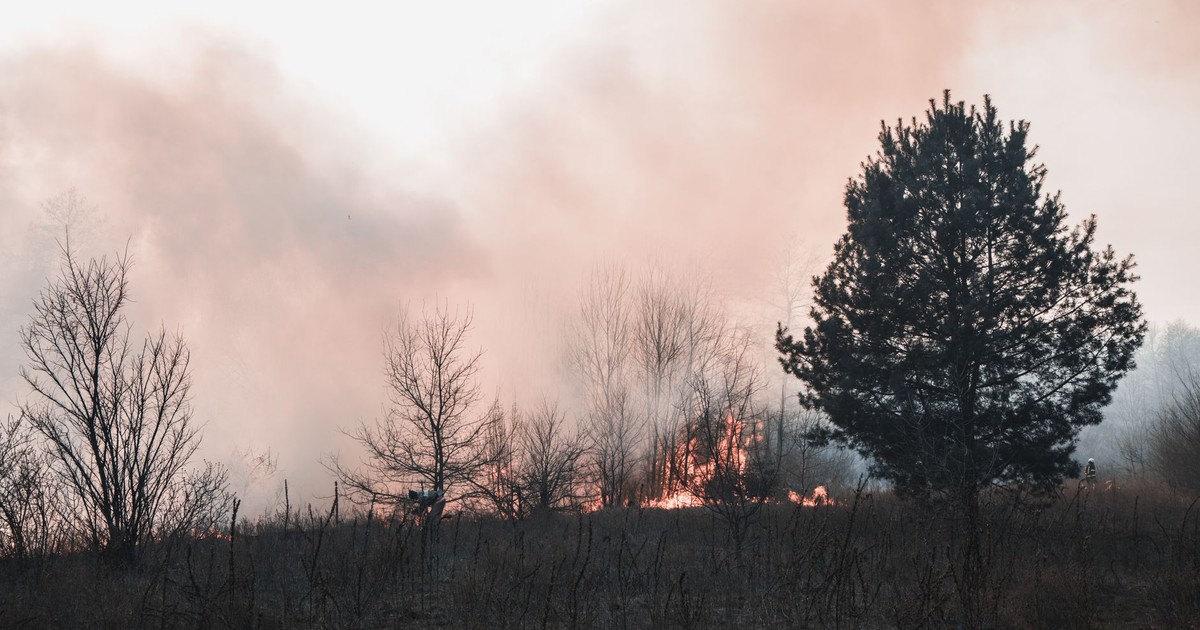

The smoke doesn’t wait for summer anymore. In parts of the American West, it shows up in April. In the Upper Midwest and Northeast, cities that spent decades fighting industrial pollution and gradually cleaning their air are now watching air quality indexes climb again, not because of factory emissions but because of fires burning hundreds or thousands of miles away. The calendar still says “fire season,” but the calendar is increasingly wrong.
For most of the 20th century, wildfire smoke season was regional and predictably bracketed between late summer and early fall. Residents of the Pacific Northwest and California’s Central Valley learned to expect a few smoky weeks in August. People adjusted. Windows stayed closed for a spell, outdoor plans got shuffled. Then the smoke cleared and things went back to normal. That rhythm is gone.
The Season That Keeps Expanding
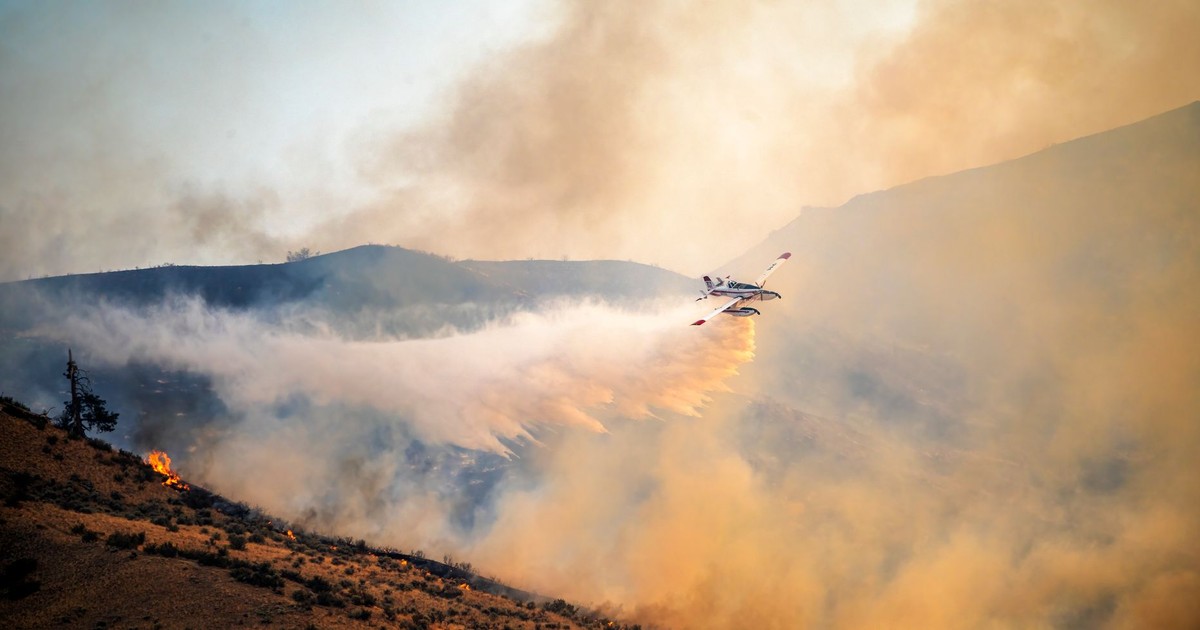
Summer wildfire seasons are, on average, 40 to 80 days longer than they were 30 years ago. A smoke season that once ran roughly 90 days in parts of the West now regularly approaches five months.
Warmer temperatures cause snow to melt earlier in spring and delay fall precipitation, drying out vegetation and soils. Drier fuels ignite more easily, fires spread faster, and the window during which conditions are dangerous widens at both ends of the year. In the American Southwest, warming and climate variability may be causing a shift from record-wet to record-dry conditions, further fueling wildfires.
Zombie fires are even beginning to smoulder through the winter, reigniting in spring from embers that never fully extinguished beneath the snowpack. The season, in other words, doesn’t fully end.
Smoke Travels Further Than the Fires
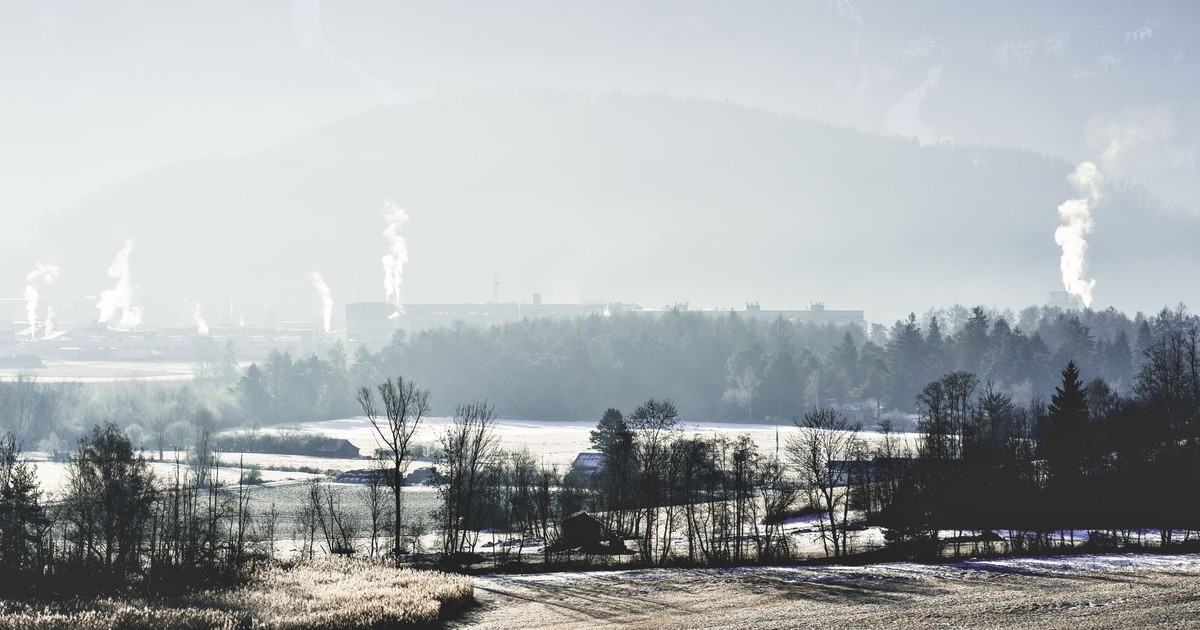
In June 2023, New York City and Philadelphia choked under air so thick with smoke that visibility dropped to a fraction of its normal range and air quality readings broke records. The source was Quebec.
Wildfire smoke can spread hundreds or even thousands of miles away, harming health far from areas with active fires. Smoke exposure shattered records in 2023, partly because of smoke from Canada’s worst wildfire season on record traveling over densely populated areas of the eastern US. Those densely populated areas had no fires. They had no warning infrastructure built around this kind of event.
Per-person exposure to harmful wildfire smoke in the US was four times higher during 2020 to 2024, on average each year, than during 2006 to 2019, according to data from Stanford University’s Environmental Change and Human Outcomes Lab.
Canada experienced its most destructive wildfire season ever in 2023, with fires consuming 16.5 million hectares, more than double the previous record and nearly seven times more than the historical average. The following year brought its own disaster: the Jasper wildfire in Alberta destroyed one-third of the town’s structures and was among the most expensive natural disasters in Canadian history, with insured damages estimated at $1.23 billion. Then 2025 arrived. Canadian fires burned an area more than double the country’s 10-year average, making it the second-worst wildfire season on record and again spreading unhealthy smoke to the Upper Midwest and parts of the Northeast. As of July 2026, smoke from Canadian wildfires was once again reaching the northeastern United States, with Axios reporting smoke-related air quality alerts affecting millions in the region.
What the Smoke Actually Does to a Body

Wildfire smoke contains particulate matter in a range of sizes and chemical compositions, as well as multiple toxic gases. The particle that matters most is called PM2.5, fine particulate matter small enough to pass through the nose and throat and lodge deep in lung tissue, small enough to enter the bloodstream. Breathing in the smoke can lead to coughing, wheezing, trouble breathing, stinging eyes, and scratchy throats. It can also trigger asthma attacks, bronchitis, and COPD episodes.
Exposure is associated with inflammation and oxidative stress in the lungs and cardiovascular system, with research indicating these effects extend to adults and children alike.
Research also indicates that short-term smoke exposure may impact brain function, including cognitive performance, within hours of exposure, adding to a growing evidence base that wildfire smoke affects health beyond the respiratory system.
Tufts University researchers emphasize that even now, after years of intensifying smoke seasons, there still isn’t enough long-term data to fully understand the cumulative toll. The people living through the current era of wildfire smoke season are, in a real sense, the study population for research that hasn’t been completed yet.
The Long Tail Nobody Talks About
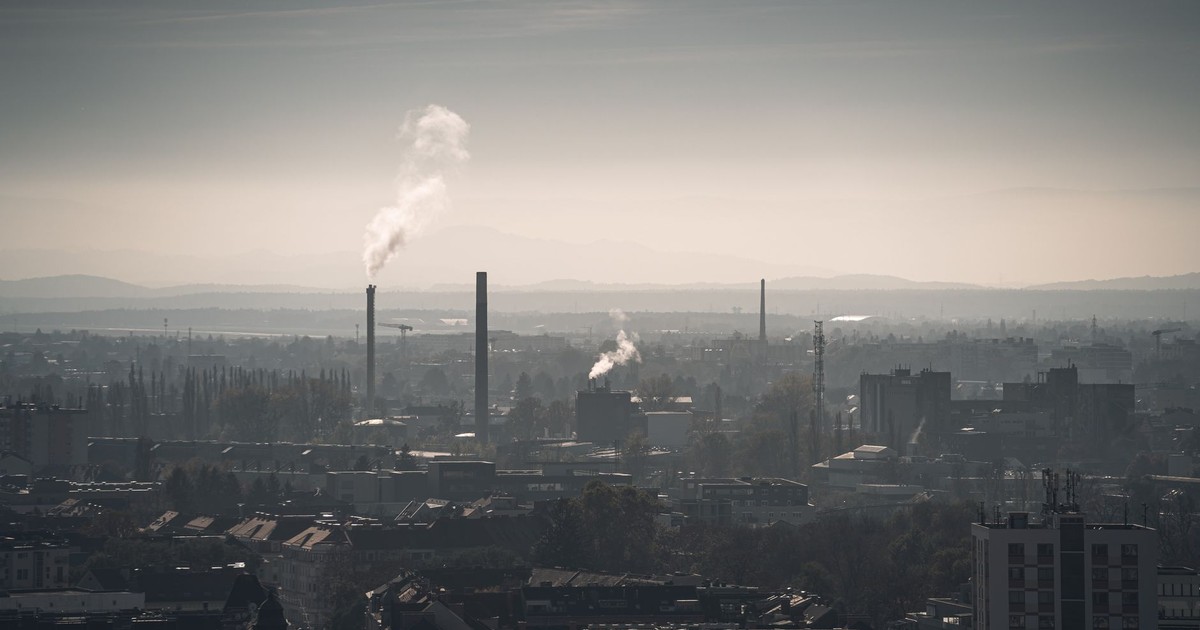
Health damage from wildfire smoke exposure doesn’t stop when the smoke clears. Analysis detected increased death rates up to three years after smoke exposure, suggesting lasting damage to people already managing chronic health problems. Someone with heart disease or asthma who breathes heavily polluted air during a bad smoke event doesn’t simply recover once the air quality index drops back to green.
Between 2020 and 2024, increased wildfire smoke was responsible for an annual average of 1,400 deaths in Canada. Globally, the numbers are harder to comprehend: smoke from Canada’s 2023 wildfires alone is estimated to have caused more than 80,000 premature deaths worldwide. Most of those deaths were not in Canada. They happened downwind, in communities that never saw a flame.
A 2025 study published in Nature by Stanford University researchers modeled wildfire smoke mortality under different climate scenarios. The study projected that smoke PM2.5 could result in 71,420 excess deaths per year by 2050 under a high-warming scenario, a 73% increase relative to the estimated 2011 to 2020 average annual excess deaths from smoke. Excess deaths from smoke PM2.5 exposure could increase more than 70% to 70,000 per year from roughly 40,000 annual deaths attributed to smoke from 2011 to 2020.
In a surprising finding, more than half of projected smoke deaths occur in Eastern states, far from major fire zones.
Who Gets Hit Hardest
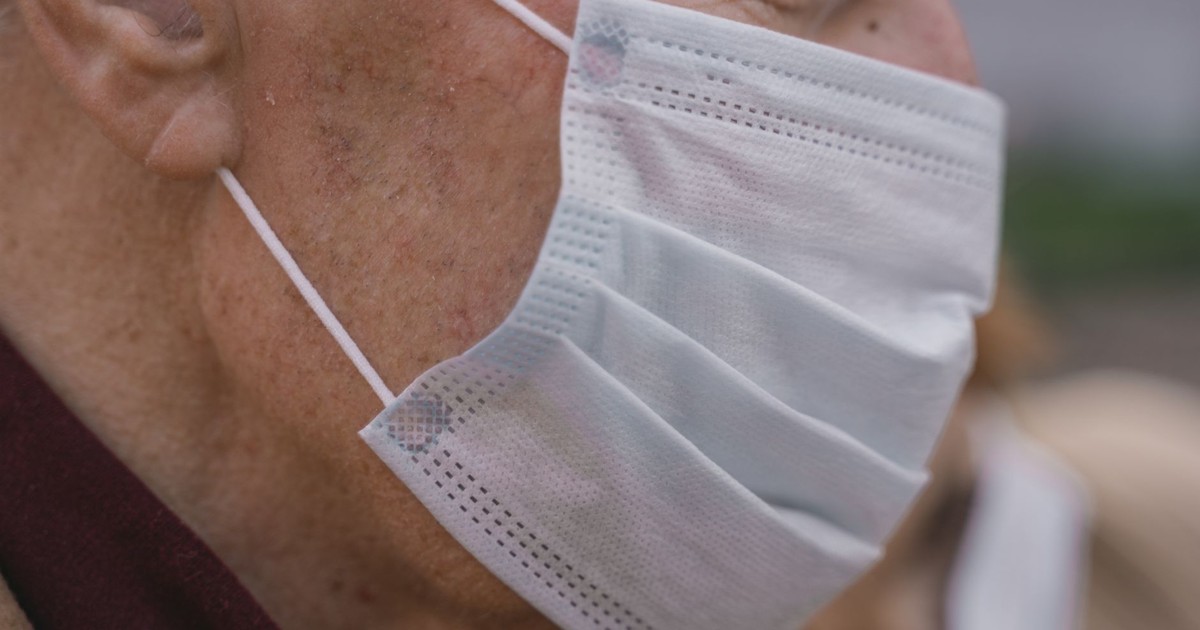
Poor air quality from smoke hits the most vulnerable the hardest. The impacts of smoke are even more serious for groups including children, seniors, pregnant people, and those who work outdoors. These groups face compounded risk because they are either more physiologically susceptible, less able to modify their environment, or both.
Children whose lungs are still developing are exposed to smoke during years when that exposure does the most damage. Outdoor workers, including farmworkers, construction crews, and delivery drivers, can’t simply close a window and stay inside. They are absorbing PM2.5 for eight-hour stretches on the worst air days of the year, with little practical recourse.
A 2024 study in Science Advances found that the combined harm of wildfire smoke disproportionately increased hospitalizations among low-income communities and Latino, Black, Asian, and other racially marginalized residents. Structural factors including lack of health insurance, fewer resources for protective equipment, and higher rates of preexisting conditions all compound the risk.
What Can Actually Be Done

Reducing carbon emissions is the foundational solution, slowing the climate warming that drives the longer, hotter, drier conditions that feed wildfire season. Doing more controlled burns clears built-up fuel, meaning the landscape might still ignite, but less catastrophically.
Prescribed burning, long practiced by Indigenous communities as land stewardship, is now drawing renewed attention from fire scientists as a way to reduce catastrophic fuel loads. Burn smaller amounts of land deliberately, under controlled conditions, before the summer heat arrives, so that when unplanned ignitions occur, there’s less accumulated fuel to carry an inferno.
At the individual level, the practical advice is modest but real. N95 respirators, not surgical masks, filter out fine particulate matter. HEPA air purifiers run indoors meaningfully reduce PM2.5 concentrations in enclosed spaces. Checking the Air Quality Index before opening windows or exercising outside costs nothing.
What This Actually Means
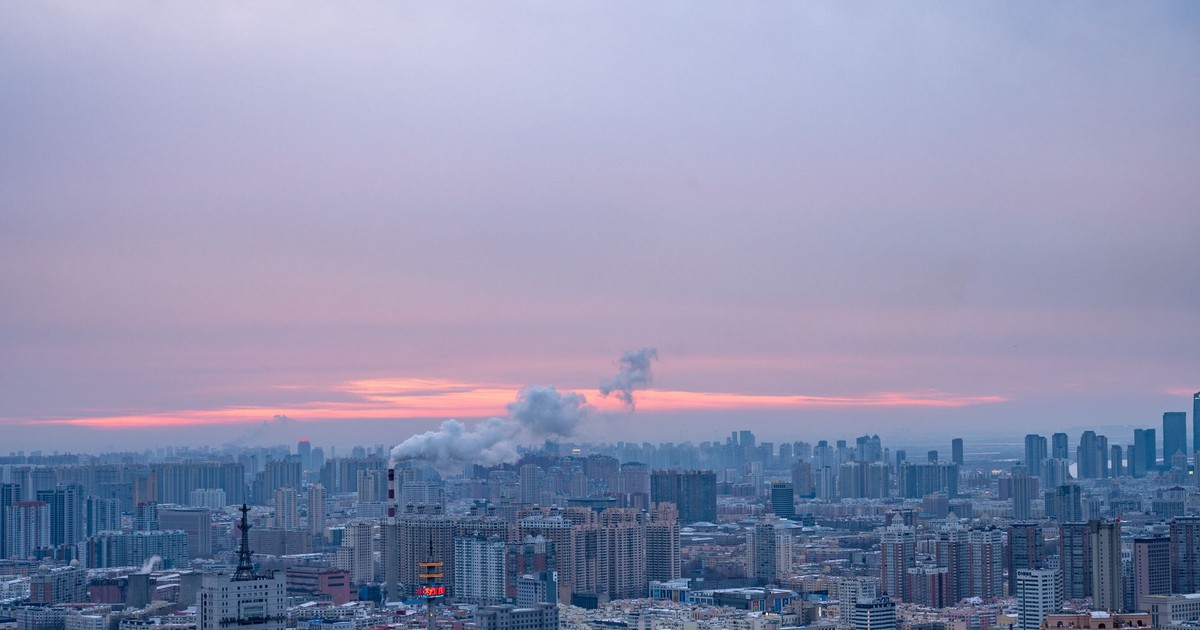
Wildfire smoke season is now a public health event that touches people who feel no particular connection to wildfires. Someone managing a chronic lung condition in Cleveland or Pittsburgh has a stake in fire management policy in British Columbia. Someone in suburban Maryland who has never owned a pair of hiking boots is breathing air shaped by drought conditions in Alberta. The geography of risk has been redrawn, and the boundary between “fire country” and everywhere else has effectively dissolved.
The four-times increase in smoke exposure over a single decade, the 40 to 80 extra days of fire season compared to 30 years ago, the smoke deaths already happening in Eastern states with no fires at all: these are current facts, not future fears. The wildfire smoke season that feels like a recent development has, for a growing number of people in North America, simply become the season they live in now.
Disclaimer: This information is not intended to be a substitute for professional medical advice, diagnosis, or treatment and is for information only. Always seek the advice of your physician or another qualified health provider with any questions about your medical condition and/or current medication. Do not disregard professional medical advice or delay seeking advice or treatment because of something you have read here.
AI Disclaimer: This article was created with the assistance of AI tools and reviewed by a human editor.