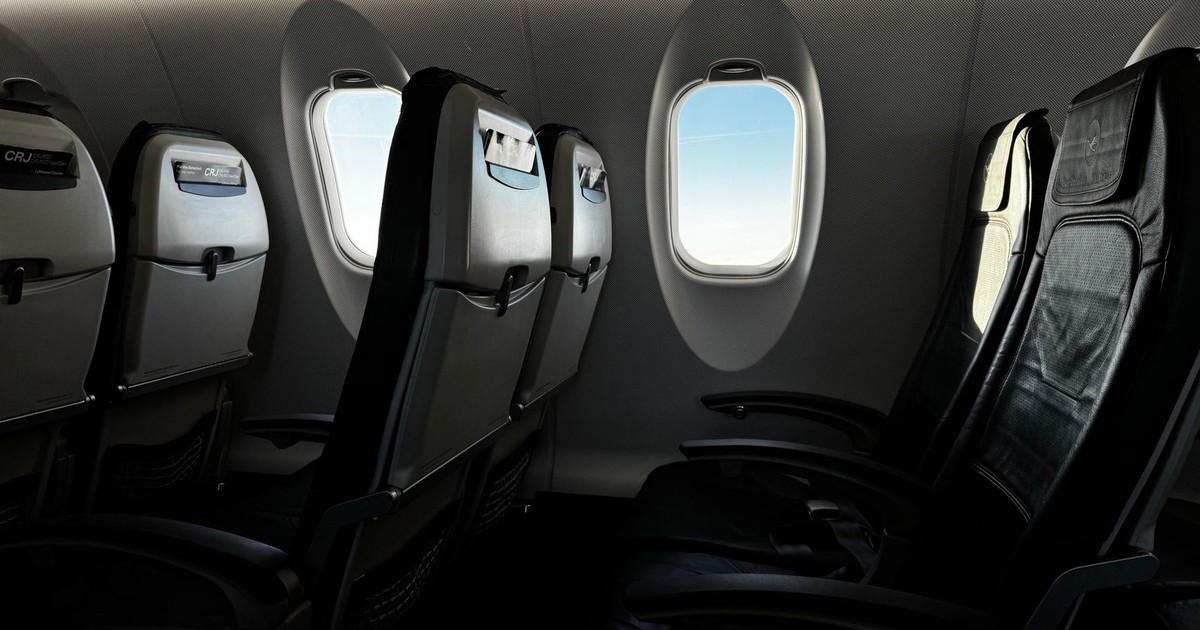

You paid extra for a window seat on United Airlines. You chose it deliberately, maybe because your kid needs something to look at for three hours, or because you sleep better with something to lean against, or because you just wanted to watch the clouds. Then you boarded, found your row, and slid in next to a wall.
No oval. No view. Just a panel of blank aircraft fuselage where a window should have been.
That experience has happened to more than a million United passengers and is now at the center of a federal lawsuit that a San Francisco judge just refused to throw out.
Two Passengers Paid for Something That Wasn’t There
The lawsuit was filed in August 2025 by two United Airlines passengers, Aviva Copaken and Marc Brenman, who claimed they had either paid cash or used United frequent flyer points to book United Airlines window seats, only to find that their seats didn’t actually have windows.
The proposed class action was filed in the U.S. District Court for the Northern District of California, alleging the company charged passengers premium fees to upgrade to window seats that were “adjacent to a blank wall.” The proposed class action has more than 100 members, and attorneys are seeking damages exceeding $5,000,000 for their clients.
Attorneys for the plaintiffs say United has been selling these seats routinely across its fleet. The lawsuit seeks millions of dollars in damages on behalf of more than 1 million passengers.
Some Window Seats Have No Windows Because of Aircraft Design
This isn’t a fluke or an error in seat assignment software. Both complaints say that the airlines fly aircraft like Boeing 737s, Boeing 757s and Airbus A321s where the seats would generally have a window but, due to the design and the placement of air conditioning ducts, electrical conduits or other parts, a window cannot be installed.
Airplane fuselages are built with a fixed grid of window cutouts, but interior cabin layouts don’t always align perfectly with that grid. When airlines configure seating, particularly on narrowbody jets where every inch matters, a seat occasionally ends up beside a structural component rather than a pane of glass. The absence of a window beside a designated window seat can result from the fuselage’s fixed structural layout, which sometimes places load-bearing elements or systems like air conditioning risers at points that interrupt the expected window pattern.
Depending on the type of aircraft, windowless window seats can appear in any class of service, including premium cabins. A passenger paying for a premium seat can end up with the same blank wall.
United’s Defense Was That “Window” Just Means a Location, Not an Actual Window
United’s legal argument was not that the problem doesn’t exist. It was that the word “window” doesn’t mean what passengers think it means.
Attorneys for United argued in their November 2025 motion to dismiss: “The use of the word ‘window’ in reference to a particular seat cannot reasonably be interpreted as a promise that the seat will have an exterior window view.” They added: “Rather, the word ‘window’ identifies the position of the seat, i.e., next to the wall of the main body of the aircraft.”
In other words, United was arguing that “window seat” is a positional term, like “aisle seat,” describing where in the cabin a seat sits, not what it comes with. Paddle Your Own Kanoo reported that United moved to have the lawsuit dismissed with prejudice on the grounds that the claims were barred by the Airline Deregulation Act. That federal law generally prevents passengers from suing airlines over matters related to prices, routes, and services, because it was designed to keep the federal government, not state courts, in charge of airline regulation.
The Judge Rejected Both of United’s Arguments
A California judge denied United Airlines’ request to dismiss a class-action lawsuit filed against the airline last year by passengers alleging that the airline knowingly charged them extra for a window seat that didn’t actually have a window.
On the Airline Deregulation Act preemption argument, Judge Donato wrote in his opinion: “Preemption does not bar claims arising out of an airline’s alleged breach of its own, self-imposed undertakings.” He added: “All of the claims arise from contracts between United and its customers, or from other voluntary undertakings that gave rise to implied contracts and enforceable promises.”
On United’s argument that “window” just means a location, the judge said the passenger’s claims are plausible because the airline’s booking page and boarding pass identify the seats as window seats, and United’s contract of carriage incorporates the “terms and conditions printed on or in any ticket.” ABC News reported Judge Donato stated directly: “The reservation screen used to buy the ticket made unequivocal representations at the time of booking that United would provide a window seat. No more is needed at this stage for the breach claims to go forward.”
A 2017 Social Media Exchange Is Already Part of the Case

One of the more damaging pieces of evidence the plaintiffs included isn’t from a spreadsheet or an internal memo. It’s a tweet.
Business Traveller reported that the complaint cites a 2017 social media exchange in which United allegedly responded to a passenger: “Sorry. We never guaranteed you will get a window.” The exchange could become relevant as the case proceeds because it suggests the carrier understood the distinction between the seat label and the physical product, and that this limitation was not disclosed clearly enough before passengers paid.
That response, if authenticated, is the kind of thing that tends to complicate a defendant’s position in a breach of contract case. It suggests the airline knew some “window seats” lacked windows, and its answer to a passenger who complained was essentially: that’s not our promise to make. Attorney Carter Greenbaum, representing plaintiffs in the cases against both United and Delta, told Reuters in November that United’s position was “contrary to the reasonable expectations of countless passengers who unknowingly paid extra money for windowless window seats.”
The lawsuit also points out the difference between what United disclosed and what competitors did. Some carriers like American and Alaska Airlines did inform customers of the windowless window seats, but Delta and United did not. That comparison puts both airlines in a harder position going forward.
Passengers Were Paying Real Money for a Feature They Didn’t Get
Seat selection fees on United vary by route, demand, and cabin position. Short domestic flights typically carry lower charges, while longer routes and premium positions push fees higher. The lawsuit alleges that some of the disputed seats carried fees ranging from about $45 to more than $160.
First-class passengers are also charged a premium fee for window seats, so the problem isn’t limited to economy travelers. Someone in a premium cabin who specifically paid extra for a window could be in exactly the same position as someone in row 30.
People don’t book window seats purely for aesthetics. Plaintiffs have argued that the individuals purchasing the window seat were doing so due to fear of flying, nausea from motion sickness, and for the entertainment of children on board, among other reasons. A window does real functional work for anxious flyers who use the horizon as a visual anchor to manage motion sickness. The plaintiffs argue that charging for that specific feature and delivering a blank wall in its place is a broken contract.
U.S. airlines began charging for seat assignments in the mid-2000s, and the practice is now commonplace. Both United and Delta charge for standard seat assignments on most discounted fares, and also charge a premium for extra legroom sections in the front of the economy cabin. Seat fees have become one of the most reliable revenue streams in commercial aviation, which makes the question of what passengers actually receive for that fee more than a customer service complaint.
What Happens Next

The ruling does not establish that United violated its contracts or owes passengers compensation. It means the plaintiffs have presented a legally sufficient claim to continue, potentially exposing the airline’s seat maps, pricing practices, and knowledge of windowless rows to deeper examination. Monday’s decision was a procedural step, not a verdict, and a significant amount of litigation lies ahead before anyone gets a refund.
A related proposed class action is pending against Delta Air Lines in federal court in Brooklyn, where Delta is seeking to have the case dismissed. How that resolves will matter almost as much as the United outcome, since both airlines used the same aircraft types and, according to the complaints, the same practice of not disclosing the missing windows at the point of sale. Fodors reported the case now moves to discovery and class certification, processes that typically take a year or more, and either airline could elect to settle rather than face a trial.
United has already updated its website and app to include more information about its seat selection process so “customers can have more information about what to expect when they choose a seat.” But that update happened after the lawsuit was filed. Every passenger who bought a windowless window seat before 2025 is still in the same position they were in when they boarded: looking at a wall and wondering if they’d been had. The update also doesn’t answer the central legal question, which is what passengers were owed at the moment they paid, not what United chose to disclose afterward.
If you’re booking a United flight right now and want to know which specific seats lack a window before you pay for one, the most reliable resource is an independent seat map service rather than the airline’s own booking flow. The litigation won’t be resolved quickly, but the practice it describes has already changed how attentive travelers approach seat selection.