

Science has been responsible for some of history’s most catastrophic acts of cruelty, not because researchers didn’t know what they were doing, but because they decided the people they were doing it to didn’t count. Orphans, prisoners, Black sharecroppers, psychiatric patients, soldiers, gay military conscripts, infants. In case after case, the common thread running through the worst unethical scientific experiments in history isn’t scientific ignorance. It’s the calculated targeting of people with the least power to say no.
Some of the researchers involved were decorated academics. Some collected salaries from the most prestigious institutions in the world. A few were welcomed back into mainstream science after the facts emerged. Almost none of them faced criminal consequences. What they did face, eventually, was the record, and the record is still being read.
These are 20 of the most unethical scientific experiments ever conducted. They span eight decades, four continents, and institutional settings that range from Nazi concentration camps to a Stanford University basement to a Silicon Valley algorithm. Several of them directly produced the laws and ethical codes that govern research today, which is only remarkable if you consider how long it took.
1. The Tuskegee Syphilis Study (1932 – 1972)

The U.S. Public Health Service conducted the Untreated Syphilis Study at Tuskegee between 1932 and 1972, ostensibly to observe the natural history of untreated syphilis. Researchers collected no informed consent from participants and offered no treatment, even after penicillin became the standard of care. The study involved 600 Black men in Macon County, Alabama. They were primarily sharecroppers, many of whom had never previously seen a doctor. They were told they were being treated for “bad blood.”
The study leaders did not tell the men the truth about the purposes, risks, or benefits of the study, and despite the development of penicillin in the late 1940s, investigators withheld treatment and continued to examine the untreated progression of the disease. An estimated 128 men died of syphilis and related complications. The study ended in 1972 after its methods were exposed in the press. A class-action settlement against the federal government reached $10 million in 1974, and Congress passed the National Research Act the same year, requiring institutional review boards to approve all studies involving human subjects.
2. Nazi Medical Experiments (1939 – 1945)
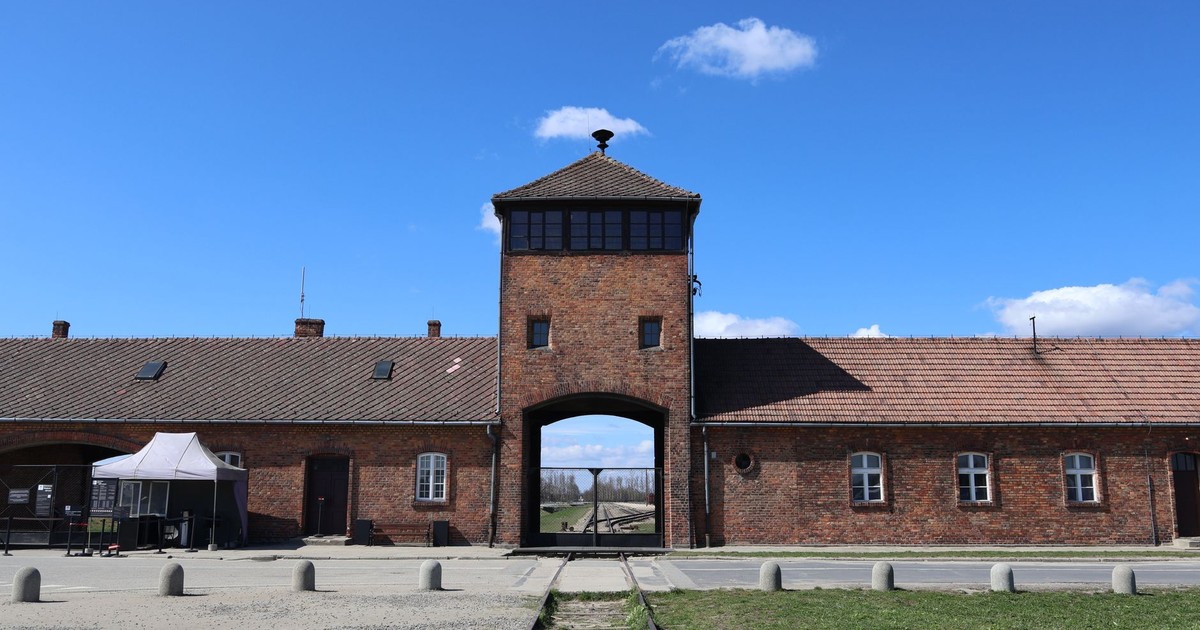
During World War II, German physicians conducted painful and often lethal experiments on thousands of concentration camp prisoners without consent. The procedures centered on three areas: the survival of military personnel, drug and treatment testing, and the advancement of Nazi racial ideology.
Experiments included immersion in ice water to induce hypothermia, high-altitude depressurization, seawater ingestion, deliberate wound infection, forced sterilization, and artificial insemination. Prisoners were injected with tissue from infected wounds. Wood and glass were embedded in open injuries to simulate battlefield conditions. Roughly a third of experimental subjects died. On December 9, 1946, an American military tribunal opened criminal proceedings against 23 leading German physicians and administrators. This case became known as the “Doctors Trial” (USA v. Karl Brandt et al.). The resulting Nuremberg Code established the principle of voluntary informed consent on an international level for the first time. Most of the biomedical experts involved were never professionally disciplined.
3. Unit 731 (1937 – 1945)

Imperial Japan conducted biological warfare research through a covert military unit called Unit 731, operating out of Harbin, China, under General Shiro Ishii. Prisoners of war and Chinese civilians were subjected to procedures with no parallel in modern medical history for deliberate cruelty.
Among the documented atrocities were vivisections performed on living subjects, including pregnant women who had been impregnated by unit doctors. Limbs were amputated and reattached to other parts of the body. Prisoners were deliberately frozen and thawed to study untreated gangrene. Shiro Ishii was granted immunity by U.S. authorities in exchange for the experimental data and died peacefully in 1959. Unit 731’s hypothermia research was shared with Western researchers after the war and appeared in medical literature for decades before its origins were questioned.
4. The Guatemala Syphilis Experiments (1946 – 1948)
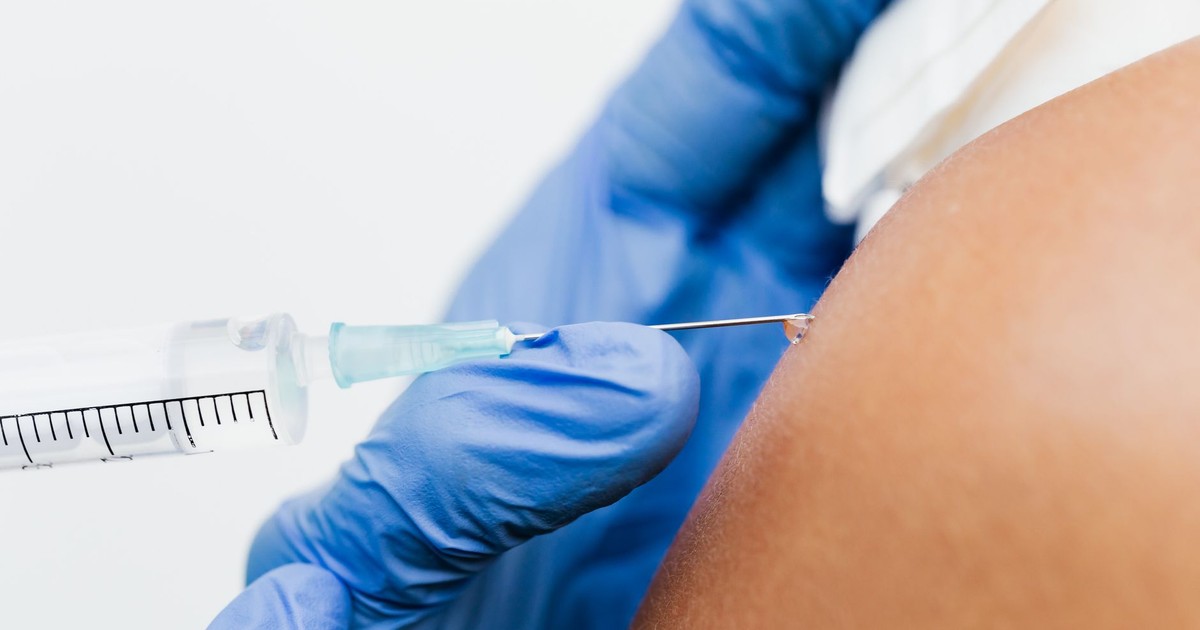
Nearly 5,500 Guatemalan citizens were subjected to diagnostic testing in a U.S.-government-funded study, and more than 1,300 were deliberately infected with venereal diseases by direct contact or injection. The subjects were prison inmates, psychiatric patients, soldiers, and sex workers. None gave meaningful consent. The study was designed to test the effectiveness of penicillin, and it was led by U.S. Public Health Service physician John Cutler, the same researcher who had worked on Tuskegee. Cutler and colleagues were explicit that they could not have conducted the research on home soil. In 2010, President Obama and federal officials formally apologized. Some of those infected never received treatment.
5. Project MKUltra (1953 – 1973)

MKUltra was a top-secret CIA project in which the agency conducted hundreds of clandestine experiments, sometimes on unwitting U.S. citizens, to assess the potential use of LSD and other drugs for mind control, information gathering, and psychological torture. Subjects included mental patients, prisoners, drug addicts, and civilians who had no idea they were participants in a government program. The project was officially sanctioned in 1953; most active experiments ran through 1964, with the program formally halted in 1973 when CIA Director Richard Helms ordered most records destroyed.
The CIA began experimenting with LSD under the direction of agency chemist Sidney Gottlieb, who believed the agency could use the drug’s mind-altering properties for brainwashing or psychological torture. At safe houses in San Francisco and New York, men were dosed with LSD and observed through one-way mirrors. Some were given the drug repeatedly for weeks. Others were subjected to electroconvulsive therapy at doses far beyond any therapeutic use, sensory deprivation, and sustained psychological abuse. Gottlieb destroyed most records in 1973 and retired without facing criminal charges.
6. The Stanford Prison Experiment (1971)
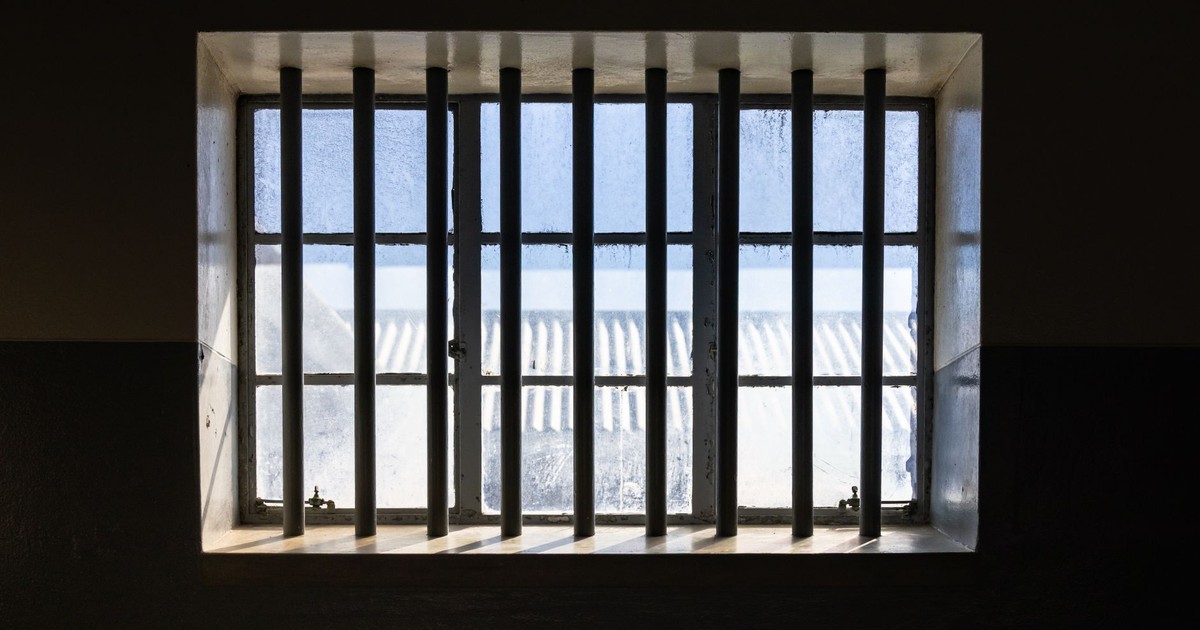
In 1971, psychologist Philip Zimbardo assigned 24 male college students roles as either guards or prisoners in a simulated jail built in a Stanford University basement. The experiment was designed to run for two weeks. It was shut down after six days when volunteer guards became physically and psychologically abusive toward the prisoners.
Zimbardo himself played the role of prison superintendent, compromising his ability to observe the study objectively and, according to later analysis, actively encouraging the escalating cruelty. Participants were psychologically harmed in ways they had not been warned about and had no real power to exit. The experiment’s conclusions about situational behavior have since been disputed on scientific grounds; the ethical failures are not in dispute.
7. The Milgram Obedience Experiments (1961 – 1962)

Researcher Stanley Milgram at Yale University designed a study to measure how far ordinary people would go in harming others when instructed by an authority figure. Participants were told they were testing the effect of punishment on learning. A confederate posing as a fellow participant was strapped to a chair in an adjacent room, and the real subject was ordered to administer increasingly severe electric shocks each time the confederate gave a wrong answer.
The shocks were simulated, but participants didn’t know that. The confederate screamed, begged to stop, and eventually went silent. More than 65% of participants delivered the maximum voltage, despite being visibly distressed. Milgram was criticized extensively for the deception. Participants were told before leaving the building that they had genuinely administered near-lethal shocks to another person, a revelation that caused lasting psychological harm to a number of subjects.
8. The Monster Study (1939)

Psychologist Wendell Johnson and his graduate student Mary Tudor at the University of Iowa studied how positive and negative feedback shaped children’s speech development. Their subjects were 22 orphans from a state institution, none of whom had parents to consent on their behalf.
Half the children received positive feedback about their speech. The other half were told they had serious stuttering problems, whether or not they actually did. The children given negative feedback showed lasting deterioration in both their speech and their confidence. Several developed persistent stuttering they hadn’t had before. Johnson’s peers nicknamed it the Monster Study. It was suppressed for decades rather than published. The University of Iowa issued a formal apology to surviving participants in 2001.
9. The Little Albert Experiment (1920)

At Johns Hopkins University in 1920, John B. Watson conducted a study of classical conditioning using a nine-month-old infant known in the literature only as Little Albert. Watson and his graduate student Rosalie Rayner deliberately conditioned the child to fear a white rat by pairing its appearance with a sudden, startling noise. The fear generalized to other white, furry objects, including a rabbit, a fur coat, and a Santa Claus mask.
The child was never deconditioned before the study ended. Watson made no attempt to reverse the psychological damage he had caused. Whether Little Albert’s mother fully and freely consented to the research remains contested. The child’s real identity was established by researchers decades later. He had died at age six from an unrelated illness, meaning he never had the chance to recover from whatever fear responses Watson had engineered.
10. The Willowbrook Hepatitis Studies (1956 – 1970)
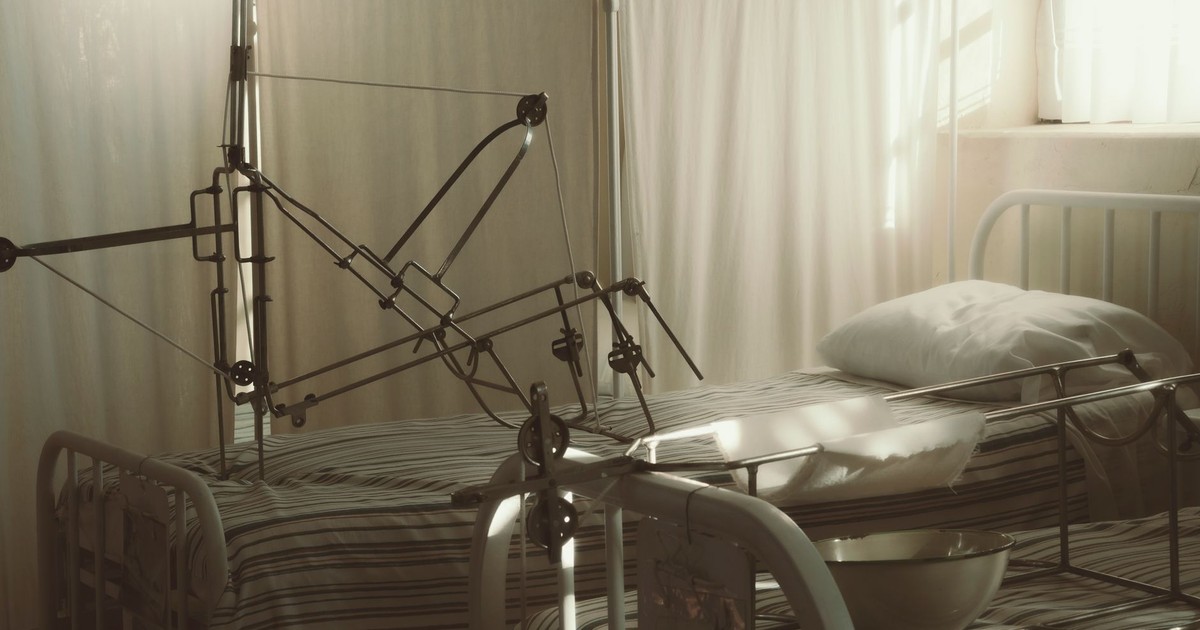
Willowbrook State School on Staten Island, New York, was a chronically overcrowded institution for children with intellectual disabilities. Beginning in the 1950s, researcher Saul Krugman and his colleagues fed infectious hepatitis material directly to newly admitted children to study the disease’s progression, arguing that hepatitis was already endemic in the institution and that the children would probably be infected anyway.
Parents were sometimes told that enrollment in the hepatitis study was a condition of their child’s admission to the school, a coercive arrangement that rendered any consent meaningless. The studies ran for over a decade. They produced data that contributed to later hepatitis vaccine development. The contribution does not change what was done: institutionalized disabled children were deliberately infected with a viral disease without anything resembling genuine informed consent.
11. The Aversion Project (1970 – 1989)

The Aversion Project was run by the South African Defence Force during the apartheid era, designed to “cure” gay and lesbian military conscripts of their sexual orientation. Soldiers were subjected to electric shocks while being shown homosexual pornography. The program operated out of Ward 22 at 1 Military Hospital in Voortrekkerhoogte under the supervision of psychiatrist Aubrey Levin.
Participants were also subjected to nausea-inducing drugs, chemical castration, and in some cases non-consensual sex reassignment surgery. Estimates place between 900 and 1,000 gay soldiers in the program over two decades. Levin later moved to Canada and practiced psychiatry for years after the apartheid regime fell, before being convicted of sexual assault in Canada in 2013. South Africa has never formally prosecuted anyone for the Aversion Project.
12. Radiation Experiments on U.S. Citizens (1944 – 1974)

During and after World War II, the U.S. Atomic Energy Commission and affiliated researchers funded a series of experiments exposing unwitting civilians, hospital patients, and prisoners to radioactive materials. Patients at major hospitals were injected with plutonium without their knowledge. Pregnant women in Tennessee were given drinks laced with radioactive iron so researchers could track how it crossed the placenta. Prison inmates in Oregon and Washington had their testicles irradiated, with some receiving doses equivalent to the maximum permissible occupational exposure level.
A 1994 report by the Advisory Committee on Human Radiation Experiments, established by President Clinton, confirmed the scale of these programs and documented that the overwhelming majority of participants had no idea what they were being given. The committee found that thousands of experiments had been conducted on tens of thousands of Americans.
13. Operation Midnight Climax (1954 – 1963)

Operation Midnight Climax was a sub-program of MKUltra in which CIA operative George Hunter White set up safe houses in San Francisco and New York where sex workers were paid to bring men in off the street. The men were then unknowingly dosed with LSD while White and other CIA operatives observed from behind two-way mirrors. The stated purpose was to study how a target might behave under chemical interrogation and to test whether LSD could function as a truth drug.
No subject ever consented to being part of a government experiment. The operation ran for nearly a decade. None of the men dosed were ever notified. White reportedly described those years as the most interesting of his life. The operation was shut down as part of the broader MKUltra review, and almost no one involved faced consequences of any kind.
14. The Dachau Hypothermia Experiments (1942 – 1945)
The freezing experiments at Dachau concentration camp are among the most meticulously documented Nazi medical atrocities, partly because their perpetrators kept detailed records. Prisoners were immersed in tanks of ice water for up to three hours. Researchers recorded the precise rate at which body temperature dropped and noted the exact moment of death. The research was conducted by physicians from the German air force and the German Experimental Institution for Aviation, intended to develop protocols for rescuing German pilots downed over the North Sea in winter.
Citations of this data in Western medical and scientific literature from the 1950s through the 1980s gave no indication of its source. The findings entered mainstream research without reckoning of any kind. The ethical debate over whether data obtained through atrocity can ever be legitimately cited continues in bioethics today.
15. The David Reimer Case (1966 – 2004)

In 1965, an eight-month-old boy in Winnipeg, Canada, suffered a catastrophic injury during a circumcision procedure. His parents were subsequently advised by Johns Hopkins psychologist John Money that the best course of action was to raise the child as a girl, on the theory that gender identity was entirely a product of socialization. The boy was surgically altered, renamed Brenda, and raised female, all without any knowledge of the truth.
Money used the case for over a decade as supposed evidence supporting his gender neutrality theory, publishing it as a success in academic literature. It was not. Brenda was profoundly unhappy, refused to conform to female gender norms, and was not told the truth about her birth sex until age 14. She reverted to living as a male, took the name David, and eventually went public with biologist Milton Diamond. David Reimer died by suicide in 2004 at age 38. Money held academic posts until his death and was never professionally censured.
16. The Robbers Cave Experiment (1954)

Psychologist Muzafer Sherif took 22 eleven-year-old boys to Robbers Cave State Park in Oklahoma and, without their knowledge, enrolled them in a social experiment designed to manufacture intergroup conflict. The boys were divided into two groups, kept separate, then placed in direct competition for prizes. Within days, the competition had escalated into genuine hostility, vandalism, and physical fighting.
The boys and their parents were never told they were research subjects. They believed they were attending an ordinary summer camp. Sherif manipulated the environment throughout the study, engineering conflict and then testing methods of reducing it. Children were deliberately exposed to conditions designed to make them hostile and aggressive, without any awareness or consent. Sherif’s findings became foundational in social psychology and are still cited in literature on prejudice and peacebuilding.
17. The Bogus Pipeline Experiments (1970s)

Psychologists Edward Jones and Harold Sigall at Princeton developed a technique in the early 1970s called the Bogus Pipeline, designed to force subjects to reveal attitudes they would otherwise conceal, particularly racial prejudice. Participants were connected to a machine they were told could detect their true emotional responses through physiological measurement. The machine was entirely fake.
The deception was layered: subjects weren’t just misled about the study’s purpose, they were actively lied to about the machine’s capabilities to frighten them into revealing their own biases. Nobody consented to having their private attitudes coerced through a manufactured threat. The technique was adopted in dozens of subsequent studies across the 1970s and 1980s. The field has never fully resolved whether the data it produced justified the systematic use of fear and false technology on uninformed participants.
18. The Tearoom Trade Study (1970)

Sociologist Laud Humphreys conducted research for his 1970 doctoral dissertation by posing as a lookout in public restrooms where men engaged in anonymous same-sex encounters. He recorded the license plates of the men’s cars, traced them through police contacts to home addresses, then disguised himself, waited a year, and visited the men at home under the pretense of a separate social health survey. He gathered detailed personal information about their marriages, occupations, and lives.
The privacy violations were extensive. The men had not consented to being observed, identified, traced, or interviewed. Many were married, living in an era when homosexuality was still criminalized across much of the United States, and exposure would have destroyed their careers and families. Humphreys reportedly kept a file of their real identities locked in a safe to prevent police access, but the existence of that file alone was a serious danger to every man in it.
19. The Harlow Monkey Experiments (1950s – 1970s)

Harry Harlow at the University of Wisconsin ran a series of experiments on rhesus macaques that have divided psychologists for decades. His early work on attachment, demonstrating that infant monkeys preferred a cloth surrogate mother to a wire one even when the wire version provided milk, overturned the behaviorist view that maternal bonding was purely about food. It was important research. The later work was harder to defend.
Harlow created what he called the “pit of despair,” an isolation chamber in which infant monkeys were held alone for periods of up to a year. The animals emerged profoundly disturbed, unable to interact socially, self-harming, and showing behavioral patterns closely resembling severe depression. Harlow knew what he was causing and continued anyway, arguing the data on despair and grief were scientifically necessary. Later researchers working in the same field found ways to study attachment and deprivation without replicating his most extreme isolation protocols.
20. Facebook’s Emotional Contagion Study (2014)

A massive experiment on 689,003 Facebook users found that emotional states could be transferred through social networks via emotional contagion, leading people to experience the same emotions without their awareness. The findings were published in June 2014 in the Proceedings of the National Academy of Sciences. Facebook had altered the news feeds of those users, showing them an abnormally low proportion of either positive or negative posts, without telling them. When positive expressions were reduced, people produced fewer positive posts and more negative posts; when negative expressions were reduced, the opposite pattern occurred.
The backlash was immediate and widespread, with commentators calling the experiment “terrifying” and “creepy.” Facebook and the study’s lead author issued apologies. What puts this case at the end of this list is its ordinariness. No one was imprisoned. No government agency was involved. No one was physically harmed. It was a private company, a peer-reviewed journal, and an algorithm. The subjects were people at home, scrolling through their phones, who had agreed to a terms-of-service document that nobody reads. The capacity to run unethical scientific experiments at scale without anyone noticing didn’t disappear with the Nuremberg Code. It found new institutions.
Read More: Science Says 1 in 10 People Are Personality ‘Mutants’ — Here’s Why
The Pattern That Runs Through All of Them
Every experiment on this list shares something beyond the absence of consent. In each case, the people chosen were those with the least ability to refuse. Orphans, prisoners, psychiatric patients, Black sharecroppers, soldiers, gay conscripts, infants. Researchers across these cases rationalized the selection by arguing that the potential scientific benefit outweighed the harm, that the populations involved would probably suffer the disease anyway, that the data was too important not to collect. That logic ran from a 1932 Alabama county to a 2014 Silicon Valley server farm.
These cases directly produced the documents that now govern human research. The Nuremberg Code of 1947, established after the Doctors Trial, the Belmont Report of 1979, and the Declaration of Helsinki all trace back to specific harms documented across this history. The regulations exist because of named atrocities. But the reforms arrived decades after the damage. Most researchers involved never faced consequences. Some published their findings in respected journals. Some retired with honors. Sidney Gottlieb shredded the files and walked away.
The Facebook study is a reminder that the same reasoning, “this data matters, the benefit outweighs the cost, people won’t even notice,” has not gone anywhere. It has simply found new institutions to operate through. The history of unethical scientific experiments doesn’t raise the question of whether the rules have changed. They have. It raises the question of who decides, in any given moment, that the rules don’t apply to them.
Disclaimer: This information is not intended to be a substitute for professional medical advice, diagnosis, or treatment and is for information only. Always seek the advice of your physician or another qualified health provider with any questions about your medical condition and/or current medication. Do not disregard professional medical advice or delay seeking advice or treatment because of something you have read here.
AI Disclaimer: This article was created with the assistance of AI tools and reviewed by a human editor.