
The most unforgettable trip you’ve ever taken probably wasn’t the one where you stood in a three-hour line outside a famous museum. It was the morning you stumbled into a fish market in a city you barely knew, or the afternoon you sat in a small-town square eating something you couldn’t name, watching ordinary life move around you. The big attractions deliver what they promise: crowds, checkboxes, and photos that look exactly like everyone else’s photos. Underrated travel experiences deliver something harder to manufacture.
Some of the world’s most visited destinations are now under immense pressure from the sheer volume of tourists. Montmartre in Paris and Mexico City both appeared on Fodor’s “No List” of places to avoid in 2026. The irony is that the best alternatives aren’t obscure or punishing to get to. They’re simply the places most itineraries skip in favor of what looks good on a highlights reel. Choosing where to travel in 2026 isn’t just about ticking off bucket lists. Visiting places that need tourism helps communities rebuild, preserves cultural traditions, and tends to offer richer, more personal experiences far from the crowds.
These 16 underrated travel experiences won’t all be new names to you. Some will be corners of famous countries, some entire destinations that simply never got their moment. What they share is the feeling that tends to disappear from travel once a place becomes a phenomenon: the sense that you’re actually somewhere, rather than just at a version of everywhere.
1. Riding the Slow Train Through the Japanese Countryside
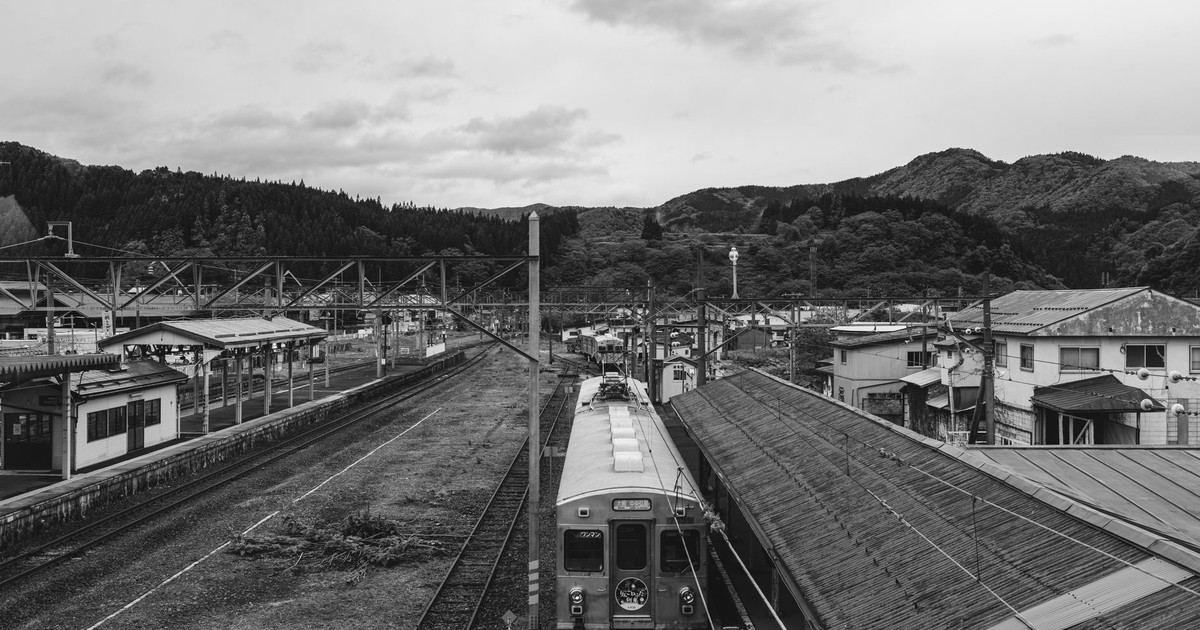
Japan’s bullet train is genuinely extraordinary, and also the reason most visitors miss the country entirely. The shinkansen gets you from Tokyo to Kyoto in two and a half hours, which means you arrive without having seen anything in between. The regional trains that wind through smaller prefectures operate on a different logic: they stop at towns that don’t appear in guidebooks, pass rice fields that sit unchanged for decades, and occasionally share a platform with a single platform employee and no one else.
Kagoshima, in Japan’s south, offers a very different experience from Tokyo or Kyoto. It blends volcanic landscapes with a relaxed coastal atmosphere, and the active volcano Sakurajima provides a dramatic backdrop that feels almost unreal. What makes it underrated is not a lack of attractions but a lack of noise around it. The slow train approach means you arrive having already understood the country a little better, before you’ve even unpacked.
2. Staying in a Ger in Mongolia
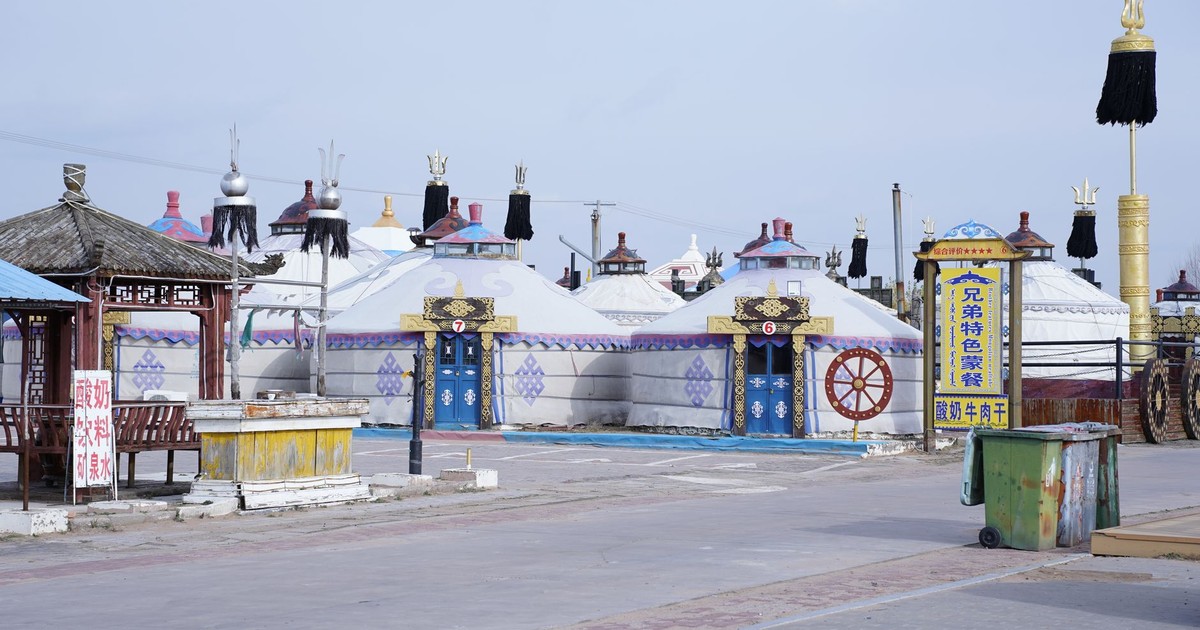
In 2026, European travel is shifting fast, with overcrowding and anti-tourism measures pushing travelers to seek out quieter destinations, but the same logic applies globally. Mongolia was named Time Out’s top underrated destination on the basis that it’s much easier to reach and cheaper than people realize, offering a unique nomadic experience with a true feeling of stepping back in time. More than half the country’s population live in gers, the felt-roofed round structures, which visitors can stay in and experience the traditional way of life.
The experience of sleeping in a ger is nothing like glamping in a European vineyard. The sky at night in the Mongolian steppe is the sky before light pollution existed. Daytime brings horseback riding across grassland that goes on longer than seems geographically possible. The country has a range of landscapes and cultural activities including the Gobi Desert, national parks, and the Naadam festival in July, which features horse racing, wrestling, and archery.
3. Exploring Plovdiv, Bulgaria Instead of Athens
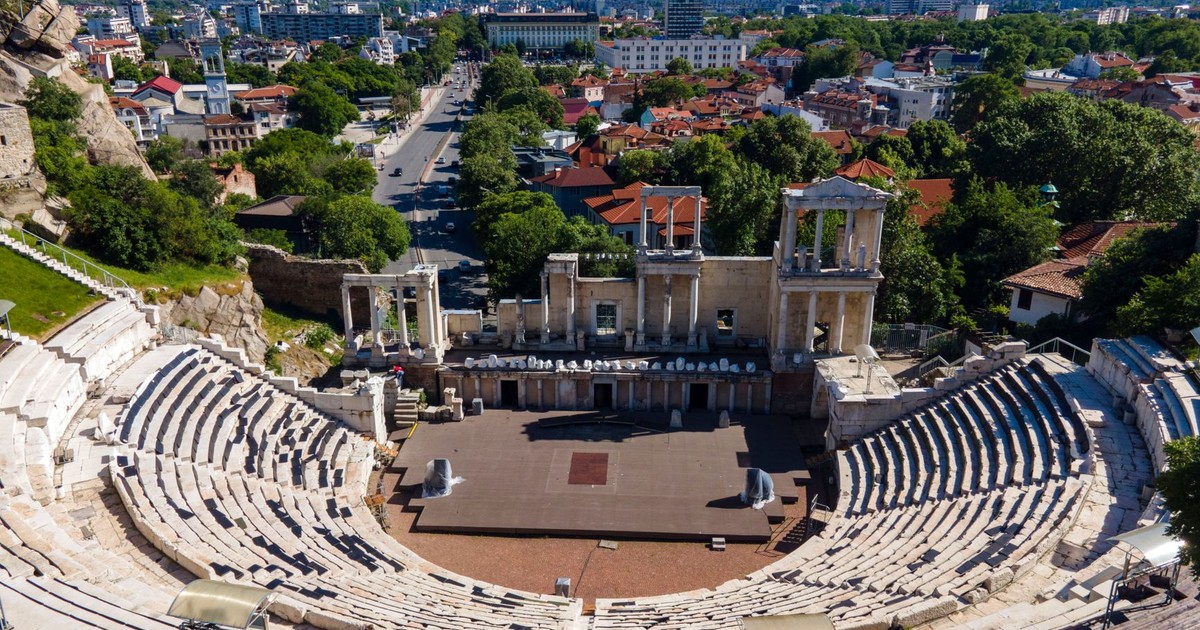
Time Out’s list of Europe’s most underrated destinations for 2026 places Plovdiv, Bulgaria, near the top. It’s a city with a Roman amphitheater that still hosts concerts, a cobblestone old town painted in ochre and terracotta, and a gallery scene that punched well above its weight when it held the European Capital of Culture title in 2019. What it doesn’t have is the price tag or the queues of its better-known neighbors.
Most visitors to the Balkans route themselves through Athens or Dubrovnik without realizing that Plovdiv offers similar depths of history at a fraction of the logistical stress. The city is small enough to cover on foot across two days, which means you actually absorb it rather than speed through it. The local food market on a Saturday morning is worth the flight alone.
4. Taking a Slow Travel Weekend in New York’s Hudson Valley
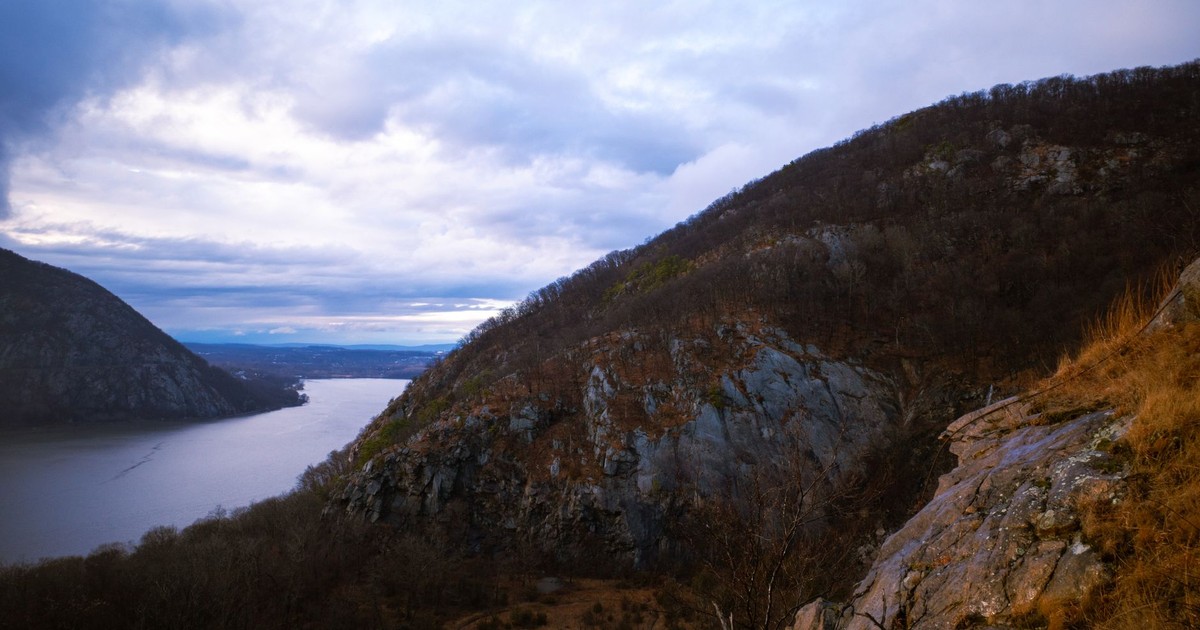
Just an hour’s drive from Manhattan, New York’s Hudson Valley provides a leafy, picturesque backdrop ideal for slow travel. Slow travel is a style that involves staying in one place for longer instead of hitting as many destinations as you can. It could mean taking the train instead of flying, or lingering over a meal in a local restaurant instead of rushing to the next scheduled activity. You can try it out in a cabin at Wildflower Farms, with its 140 acres of meadows and woodlands, or at Troutbeck, a historic hotel that inspired everyone from Teddy Roosevelt to Henry David Thoreau.
The appeal here isn’t novelty, it’s contrast. New York City trains you to move fast and consume efficiently. The Hudson Valley systematically undoes that. Farm stands, art galleries in converted barns, riverfront towns where the main street has a bookshop and a diner and that’s essentially it. For anyone living in a major American city, this kind of close-to-home reset tends to be more restorative than a transatlantic flight to somewhere famous.
5. Cycling Through Malmö, Sweden
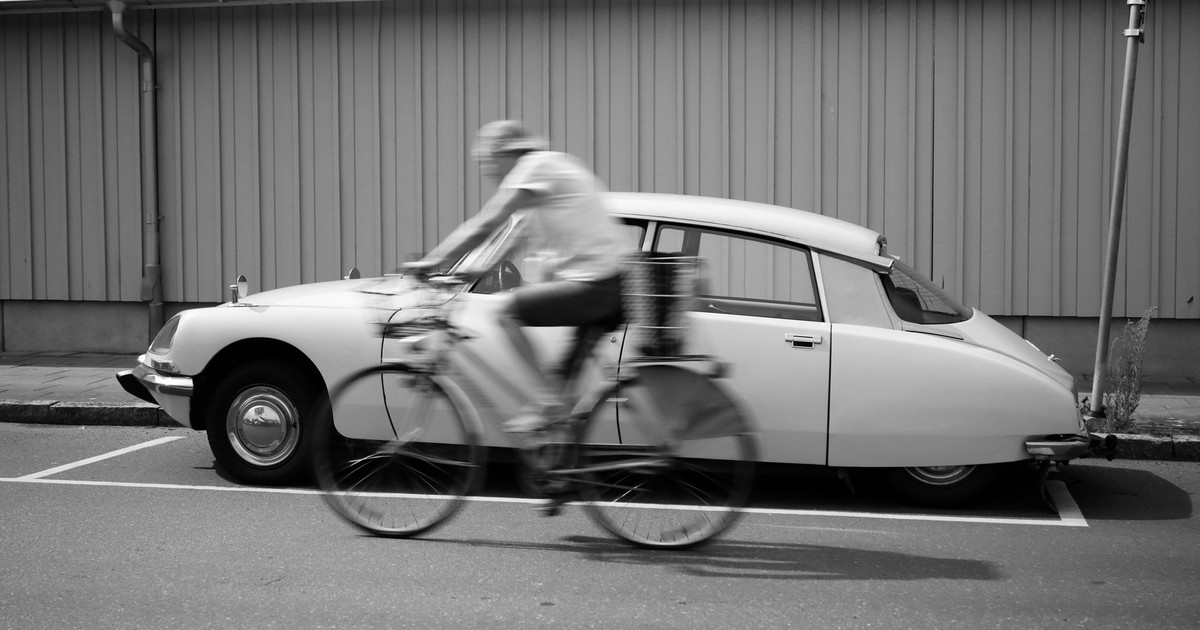
Malmö is one of Europe’s most underrated cities, a compact, cycle-friendly hub where Scandi design meets vibrant, multicultural energy. You can move between Michelin-starred Nordic tasting menus and the city’s famous falafel, linger over world-class coffee, browse independent boutiques, and use a waterfront sauna, all without the tourist crush of Copenhagen.
Copenhagen, just 30 minutes away across the Øresund Bridge, absorbs the attention and the tourist budgets. Malmö absorbs the overflow, which means it still operates like a city for the people who live there rather than a stage set for visitors. Southern Sweden’s wild beauty sits right on Malmö’s doorstep, with sandy beaches, bird-filled wetlands, and serene countryside villages in the Skåne region within an hour of the city. Rent a bike. You’ll cover more of the real city in three hours than most visitors see in a week of museums.
6. Spending a Week in Laos Rather Than a Day in Vietnam
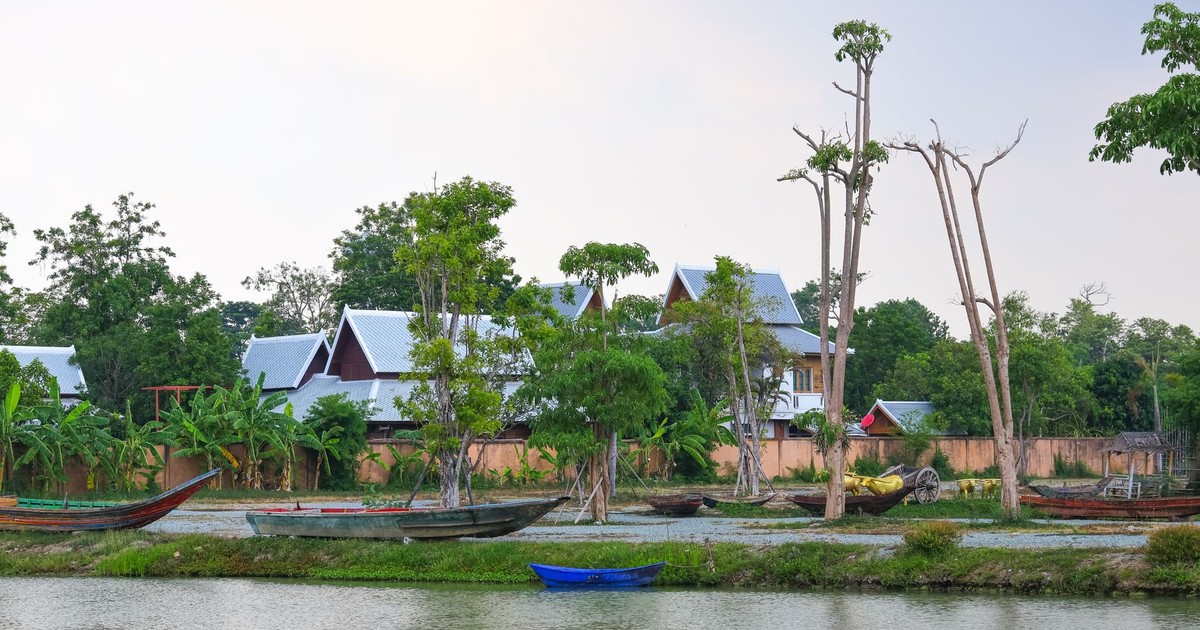
When people think about Southeast Asia, Thailand and Vietnam usually dominate the conversation. Laos offers a less crowded and more authentic experience, and for travelers seeking peace and natural beauty, it stands out as one of the most compelling alternatives in the region.
Luang Prabang specifically operates at a pace that most of Southeast Asia has long since abandoned. It’s a small city at the meeting of two rivers, with French colonial buildings, golden temples, and morning markets that feel genuine, not curated, not a “tourist experience,” just morning. The alms-giving ceremony at dawn, where monks walk single file through the streets collecting food from residents, is one of the most visually striking daily rituals anywhere in the world. You don’t need a tour for it. You just need to wake up early.
7. Kayaking Lake Bacalar in Mexico
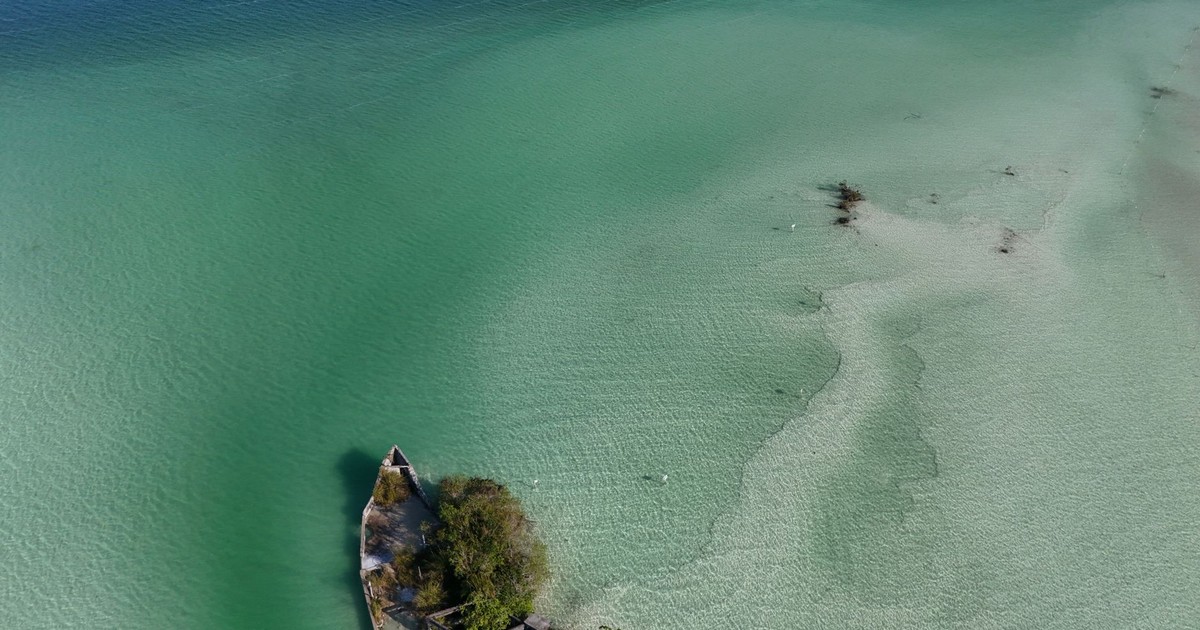
Lake Bacalar sits on the Yucatán peninsula and is often missed off Mexican itineraries entirely. The 30-mile-long lake, close to the border with Belize, is known for its seven distinct shades of blue, and visitors can spend days on its beaches, kayaking, paddleboarding, snorkeling, or taking boat trips.
The Yucatán routes most tourists through Cancún, Tulum, and Chichén Itzá in rapid succession. Bacalar sits a few hours further south and requires a decision to actually go there, which is precisely why it still feels like something you discovered rather than something you were scheduled for. The lake contains several cenotes (natural sinkholes), including Cenote Cocalitos, where you can swim among stromatolites, which are living fossils, organisms that predate complex life on earth.
8. Eating Your Way Through Salento, Colombia
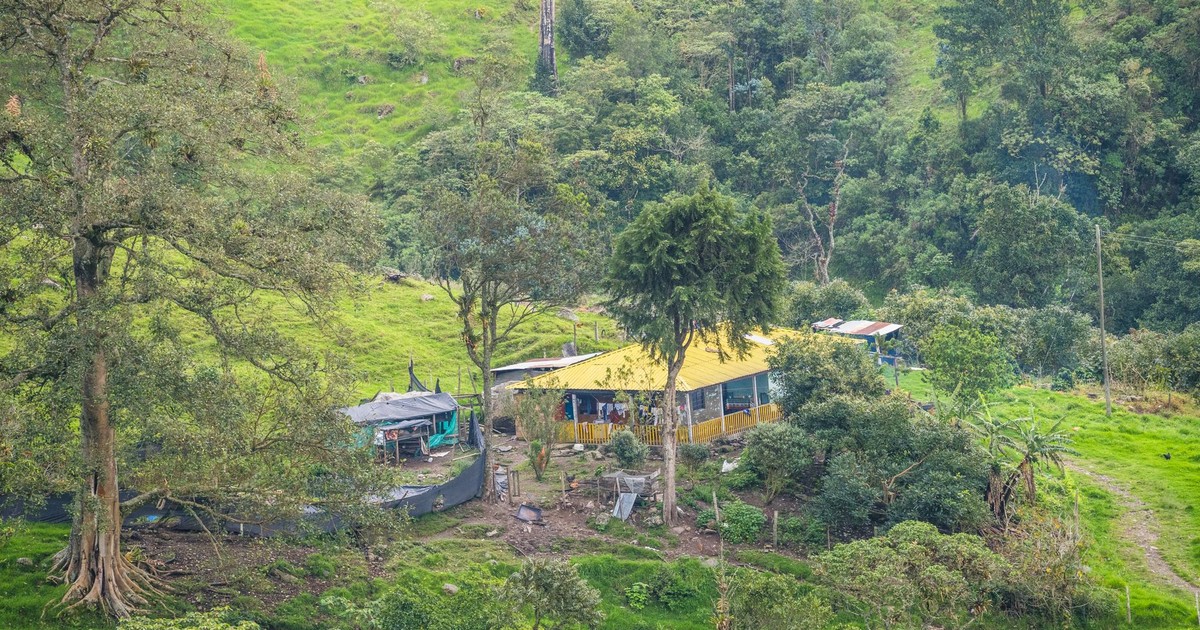
Salento is often overshadowed by Colombia’s bigger cities, but it offers something far more memorable. Nestled in the coffee region, it combines vibrant culture with stunning natural landscapes. The town itself is small enough that you walk everywhere, which means you end up in conversations rather than just in front of things.
The coffee here is not the filtered-and-exported version most of the world drinks. Tours of working fincas (farms) let you trace the full journey from tree to cup, and the people running them tend to speak about their crops the way winemakers speak about terroir. The Cocora Valley, a short jeep ride away, contains wax palms that grow to 60 meters, tall enough that they appear structurally improbable, standing in green hillsides like something from a different scale model of the world.
9. Walking the Jurassic Coast Instead of the Cotswolds
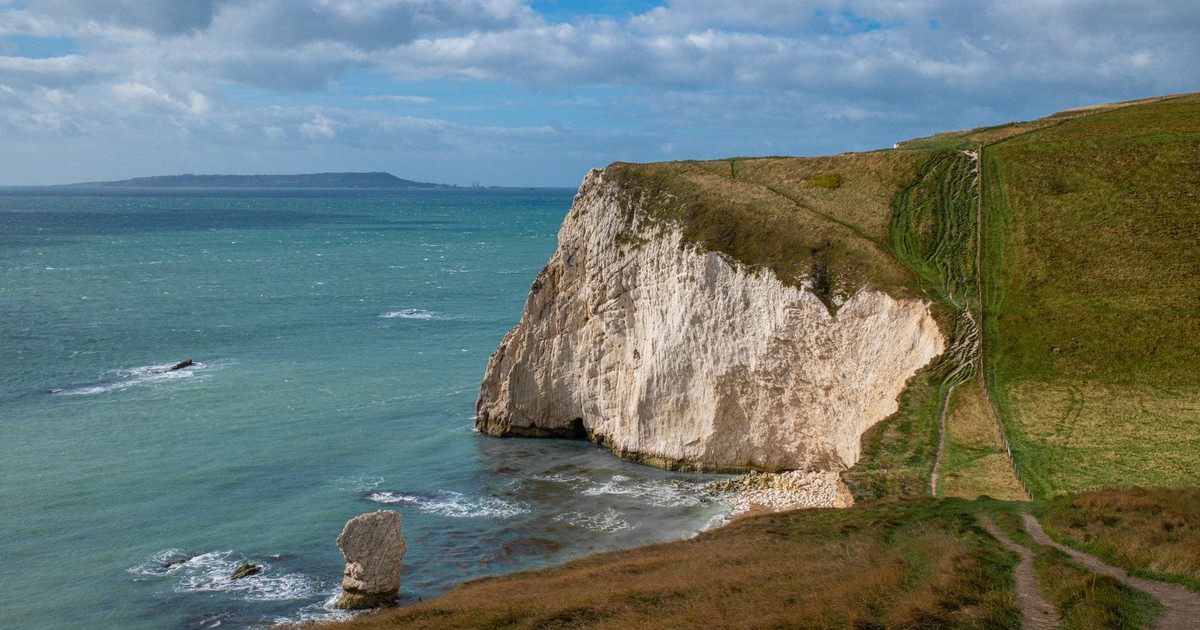
Some of the world’s most visited destinations are under immense pressure due to the sheer number of tourists, and the Cotswolds are no exception. The Jurassic Coast in South Devon and Dorset makes for an ideal alternative, according to a 2026 Forbes report. The 95-mile stretch of coastline runs through 185 million years of geological history in a single walk, with fossils eroding from the cliffs after every winter storm. You can pick them up off the beach. No ticket required.
The Cotswolds are beautiful and absolutely worth visiting if you haven’t. But the villages now run on tourist infrastructure more than on anything else, and you feel it. The Jurassic Coast still functions as a working coastline. Fishermen operate out of Lyme Regis. The cafés in Charmouth don’t have gift shops. The cliffs at Durdle Door see crowds in July and August, but shoulder season here is one of the great unmarketed experiences in British travel.
10. Discovering Aberdeenshire Instead of Edinburgh
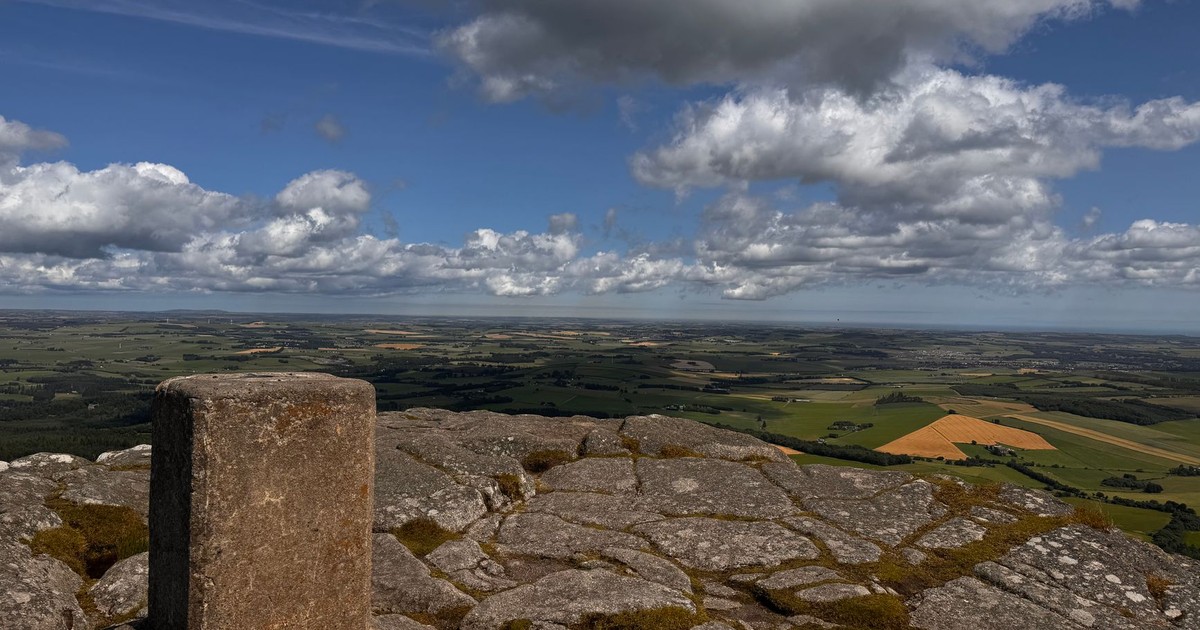
Rather than beautiful but very crowded Edinburgh, Forbes suggests heading to Aberdeenshire in Scotland, visiting the Cairngorms National Park, Balmoral Castle, and the whisky distilleries of Speyside.
Edinburgh is among the most stunning capital cities in Europe and doesn’t need defending. But in August, during the festival, it operates at a level of human density that most people find exhausting rather than inspiring. Aberdeenshire in the same month is the opposite: granite castle ruins on sea cliffs, highland plateaus where red deer outnumber people, and distillery tours where the person pouring your dram is often the same person who made it. The Speyside whisky trail alone justifies a long weekend.
11. Visiting North Macedonia Instead of Its Neighbors
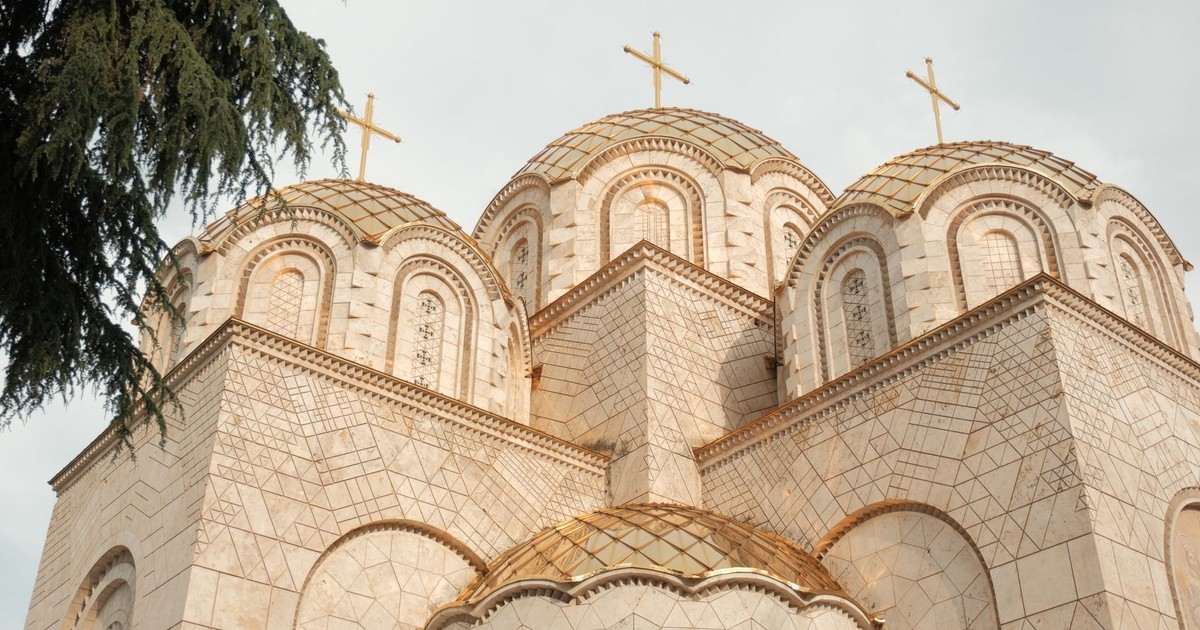
North Macedonia may not yet have the profile of Albania or Montenegro, but it offers the opportunity to explore the Balkans with far fewer visitors, along with stunning countryside and significant Ottoman history. Tourists looking to head somewhere in Europe that hasn’t been very much on the up and up in recent years would find North Macedonia to be a compelling alternative.
Ohrid, its main draw, sits on a lake of the same name and contains Byzantine churches, Roman-era ruins, and Ottoman-era architecture in a town small enough to walk end to end. It was a UNESCO World Heritage Site before most travelers had heard of it, and unlike many heritage sites, it still primarily serves the people who live there. The waterfront restaurants have locals at the tables. The prices reflect a local economy, not an export product.
12. Overnighting in Mostar Rather Than Day-Tripping
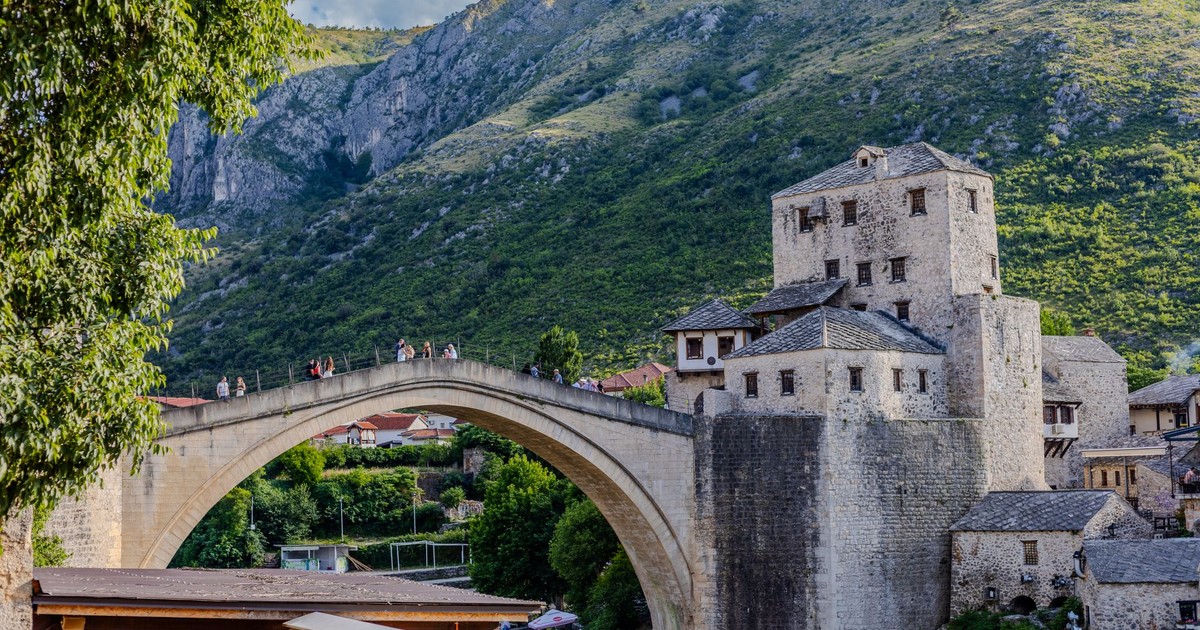
Instead of a quick photo of the Stari Most bridge on a day trip, spending at least one or two nights in Mostar lets you experience its softer atmosphere as the crowds thin out. Exploring back streets away from souvenir stalls opens up local details, and nearby sites like the Blagaj Tekke monastery offer a much richer cultural experience.
The Stari Most bridge, rebuilt after being destroyed in the Bosnian War, is one of the most architecturally beautiful structures in Europe. The problem is that it functions primarily as a backdrop for day-trippers from Dubrovnik or Split, who arrive in groups, photograph it, and leave by mid-afternoon. If you stay overnight, the bridge after dark belongs to almost no one. The town around it reveals itself slowly, and what it reveals is genuinely moving.
13. Taking an Azores Island-Hopping Trip
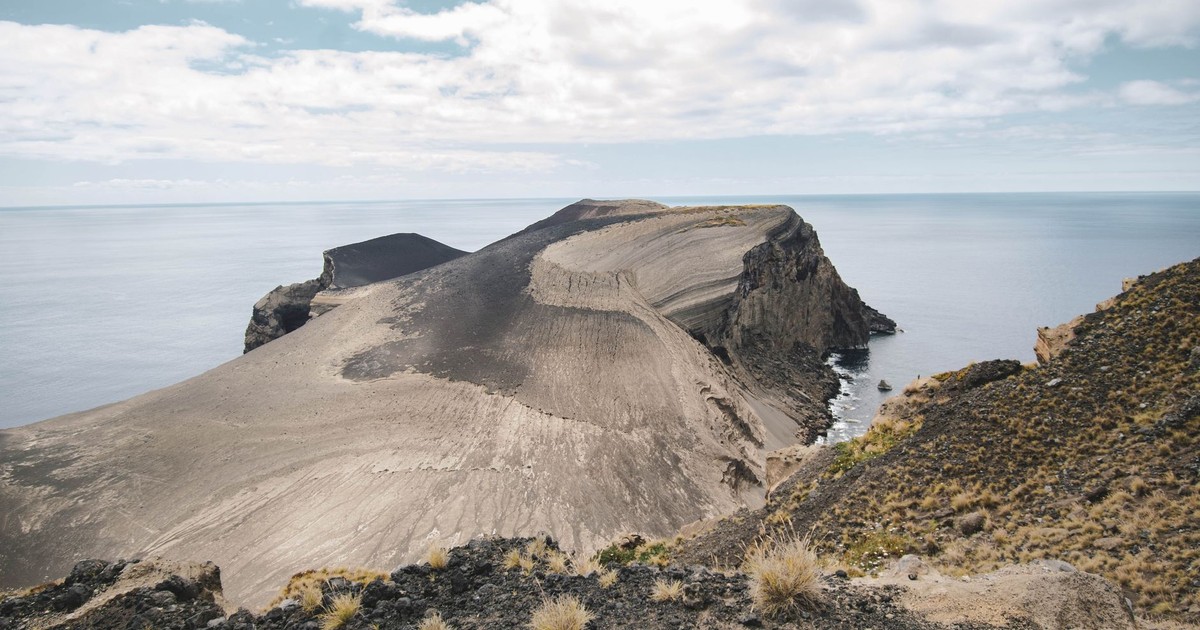
The Azores are a North Atlantic archipelago that feels like a different world from mainland Portugal. With volcanic landscapes, emerald crater lakes, and thermal springs, they’re a natural draw for hikers and anyone after something genuinely elemental.
The nine islands each have distinct personalities, which makes island-hopping here more varied than the Caribbean equivalent. São Miguel has the famous Sete Cidades volcanic lake, hot springs you can sit in while looking at the ocean, and whale-watching operations that run on rigorous ecological principles. Faial has a marina full of transatlantic sailors. Flores, the westernmost point of Europe, has waterfalls that drop into the sea. The archipelago is well-connected by short flights between islands, and the total cost of a week here sits well below comparable experiences in the Maldives or Greece.
14. Doing a Safari in Rwanda Instead of South Africa

Rwanda’s Volcanoes National Park offers gorilla trekking permits that are genuinely limited, which means the experience involves small groups in forest, not a 40-vehicle convoy around a lion. Mountain gorilla families have been habituated to human presence over decades, and getting to within a few meters of one is an encounter that rearranges your understanding of what intelligence looks like. The forest is also home to golden monkeys, forest elephants, and one of the densest bird populations in Africa.
South Africa’s Kruger National Park is magnificent and deserves its reputation. But the sheer scale of its popularity means that the experience of being there has shifted: peak season roads are busy, and the self-drive model can feel less like wilderness than like a car park with better scenery. Rwanda costs more per permit, but delivers what most people imagine when they imagine a safari.
15. Sleeping Overnight on a Sleeper Train in Europe

More and more travelers are ditching busy itineraries in 2026 and opting for slow travel, and nowhere does that pay off more than on an overnight European rail journey. According to Islands.com, online searches for slow travel-related topics hit an all-time high in 2026, and 91% of travelers stated a preference for trips centered around relaxation and quality time rather than packed sightseeing schedules.
The overnight train from Paris to Berlin, or Vienna to Kraków, or Lisbon to Madrid, covers ground that a flight reduces to nothing. You board in one city, read for a few hours, sleep, and wake up somewhere that already looks different. The sleeper cars on modern European night trains have improved significantly, with private compartments and actual beds on many routes. It’s also significantly cheaper than a flight plus a hotel night, which turns out to matter once you do the math.
16. Exploring Portugal’s Comporta Instead of the Algarve
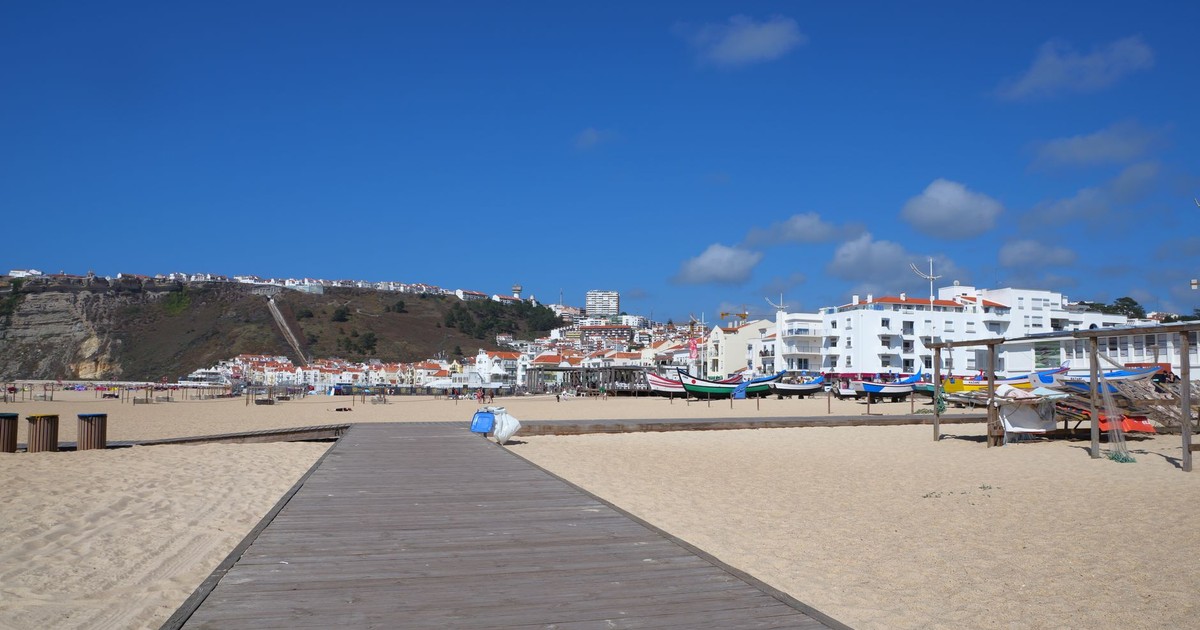
Tourists heading to Portugal but wanting to avoid the overcrowded Algarve should look at the Comporta region, which has a more bohemian character while still offering a coastal setting. The Forbes Travel Guide’s 2026 destinations report similarly flags Portugal as a country worth exploring beyond its obvious tourist corridors.
Comporta sits about an hour south of Lisbon and operates on the principle that a beach doesn’t need to be famous to be exceptional. The coastline here is Atlantic, which means wide, wind-swept, and serious rather than postcard-blue. Rice paddies sit behind the dunes. The villages are small. The restaurants serve what was caught that morning. It has become a destination for Lisbon weekenders in recent years, which means the infrastructure exists, but the development hasn’t arrived yet. That window tends to close faster than expected, which is the same thing someone said about the Algarve in 1985.
What All of These Have in Common
The experiences on this list share one structural quality: they require a decision. Not a difficult one, not an expensive one, but a deliberate one. It’s easier to book the famous museum, the famous city, the famous beach. The algorithm suggests it, the Instagram feed reinforces it, the guidebook devotes 40 pages to it. These 16 take a little more intention to reach precisely because the path there hasn’t been widened by everyone else going first.
Most of the experiences here cost less than their famous alternatives, involve shorter lines, and produce the kind of stories that don’t sound exactly like someone else’s trip. That combination is harder to find than it should be. The places that still feel like somewhere specific, not a stage set assembled for visitors, are still out there. You just have to choose them over the ones that choose themselves.
Disclaimer: This information is not intended to be a substitute for professional medical advice, diagnosis, or treatment and is for information only. Always seek the advice of your physician or another qualified health provider with any questions about your medical condition and/or current medication. Do not disregard professional medical advice or delay seeking advice or treatment because of something you have read here.
AI Disclaimer: This article was created with the assistance of AI tools and reviewed by a human editor.