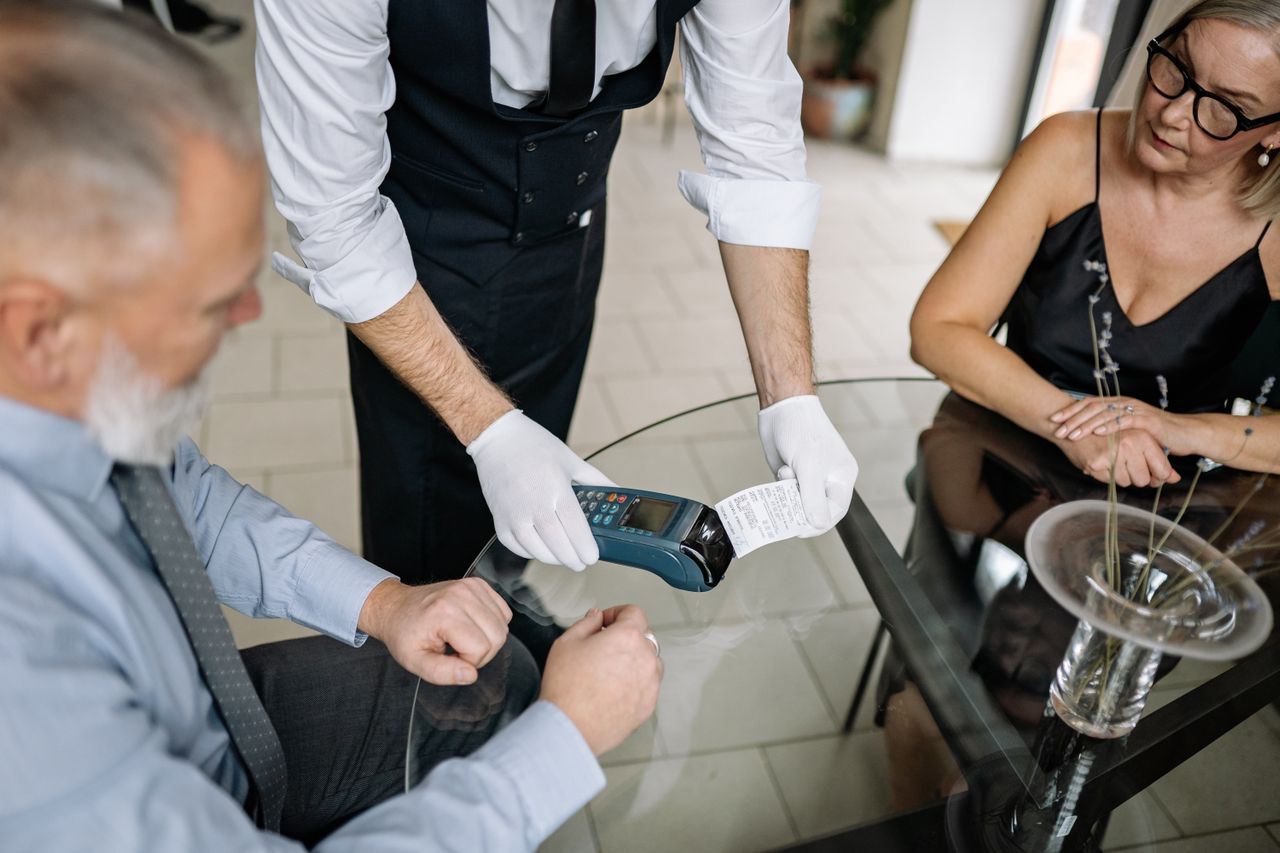

Most people think they’re pretty decent tippers. They leave 20% at dinner, tap a few dollars on the delivery screen, maybe round up at the coffee counter. But the American tipping system has grown well past the restaurant table, quietly expanding into corners of daily life where most people still operate on autopilot or, worse, assume no tip is expected at all. The gap between what people think is adequate and what workers in those roles actually depend on is wider than most realize.
Roughly 72% of U.S. adults say tipping is expected in more places today than it was five years ago, according to a 2023 Pew Research Center survey, and the percentages themselves have drifted upward to match. The new standard for full-service dining now sits between 18 and 22%. But tipping norms at restaurants are almost beside the point, because most people know that math by now. The real under-tipping situations are the ones that happen outside a restaurant dining room: at the hotel room you didn’t see cleaned, at the bar where you ordered five drinks and left a five, at the valet stand where you handed your keys over and never thought about it again.
The ten situations below aren’t about guilt-tripping anyone into tipping more everywhere. They’re about the specific, concrete places where the gap between common habit and actual standard is large enough to matter to someone’s livelihood and where most people have genuinely no idea.
1. Hotel Housekeeping
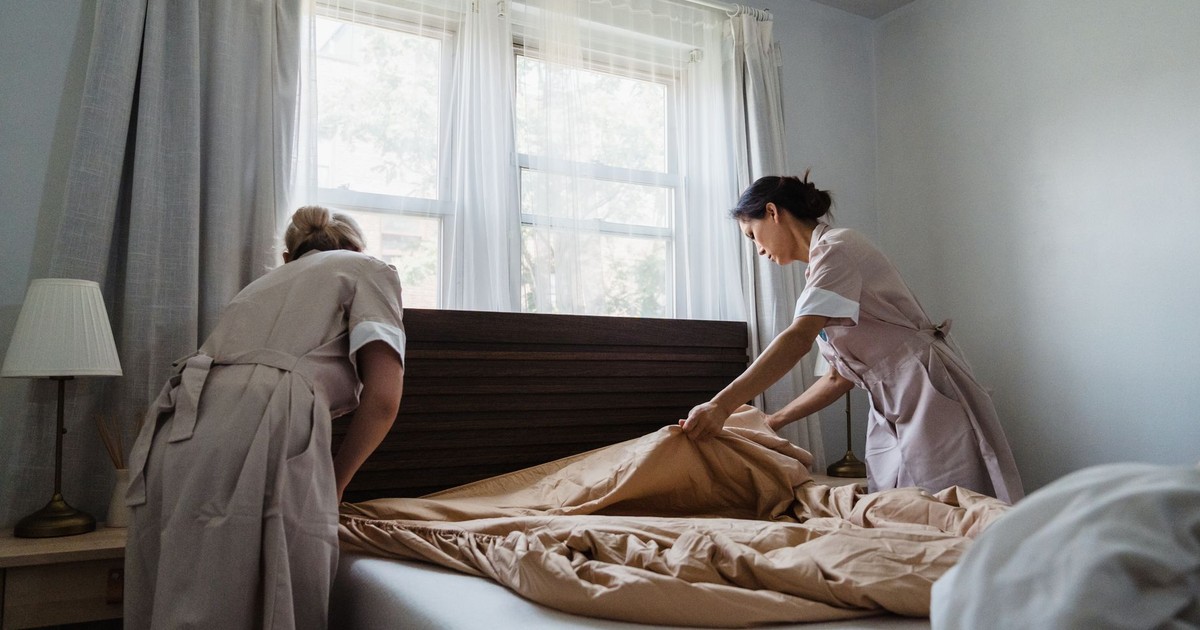
This is probably the single most common under-tipping situation in travel. Unlike a restaurant server or a hotel valet, where face-to-face interaction naturally prompts a tip, hotel housekeepers work entirely sight unseen. A Cornell University study found that respondents don’t feel the same obligation to tip housekeepers as they do bartenders or bell staff. Out of sight, out of mind. But out of mind doesn’t mean out of need.
Hotel housekeeping is one of the most demanding jobs in the hospitality industry, yet the average hotel housekeeper earns just $34,000 a year. The standard guideline is $5 per day, with more appropriate if your stay requires extra attention, like cleaning up spills or vacuuming up sand after a beach day. Most people who do tip housekeeping leave something at the end of their stay. The problem with that is practical: it’s better to tip daily rather than at the end, so that the person who actually cleaned your room each day receives the money, not just whoever happens to be working on checkout morning. Leave it on the pillow or the nightstand with a brief note. It takes 30 seconds and makes a real difference.
2. Hotel Valet
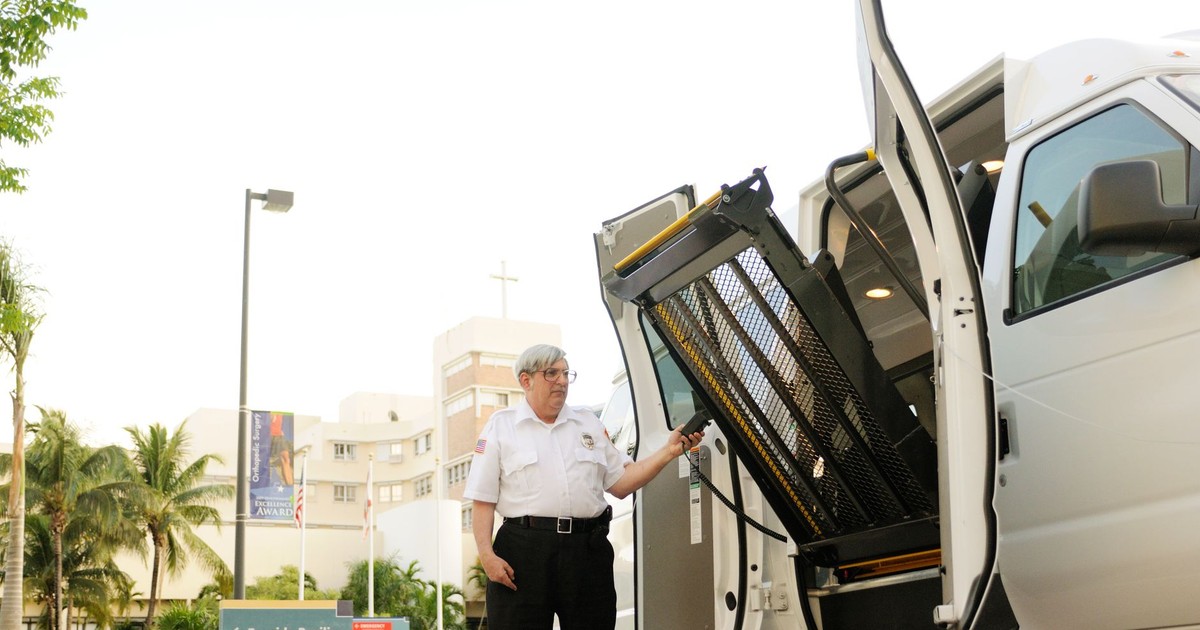
People tip valets. The problem is how much, and when. The when matters first: tip the valet when they retrieve your car, not when they park it. Tipping on drop-off is a common instinct, but it’s the return trip where the actual service happens – the car is brought to you, often pulled right up front, sometimes in the rain. The recommended amount is $5 to $10 per retrieval. If the valet braves bad weather conditions or you’re driving a hard-to-handle vehicle, going higher is worth considering.
Most people hand over $1 or $2 at valet and feel fine about it. That figure made sense a decade ago. Given fuel costs, parking infrastructure, and the physical demands of the job in 2026, it lands somewhere between polite and thin. If the valet does anything beyond the bare minimum – notes where your car is parked so you don’t have to wait, brings it around quickly in a downpour – consider $10 a floor, not a ceiling.
3. The Hotel Concierge
The concierge is one of the most consistently under-tipped positions in hospitality. People ask the concierge to book dinner reservations, source sold-out tickets, arrange tours, and call in favors across the city. Then they say thank you and walk away. Tipping experts recommend $10 for booking a spa experience or dinner reservation, and between $20 and $50 for an extensive itinerary that includes booking outside vendors, tours, or activities.
The mental block here is that the concierge interaction doesn’t feel like a financial transaction. You’re standing at a desk having a conversation, not sitting in a restaurant waiting for your check. But the labor involved – the phone calls, the relationships maintained over years, the ability to get you a table at a restaurant that’s been “fully booked” for three weeks – is real and significant. For more complex or last-minute arrangements, tipping $20 or more is appropriate. If the concierge goes above and beyond to secure reservations, recommend activities, or arrange special requests, a tip of $10 to $50 is appropriate depending on the complexity. If someone saved your anniversary dinner or got you into a show, $10 is too low.
4. Bartenders (Beyond the First Round)
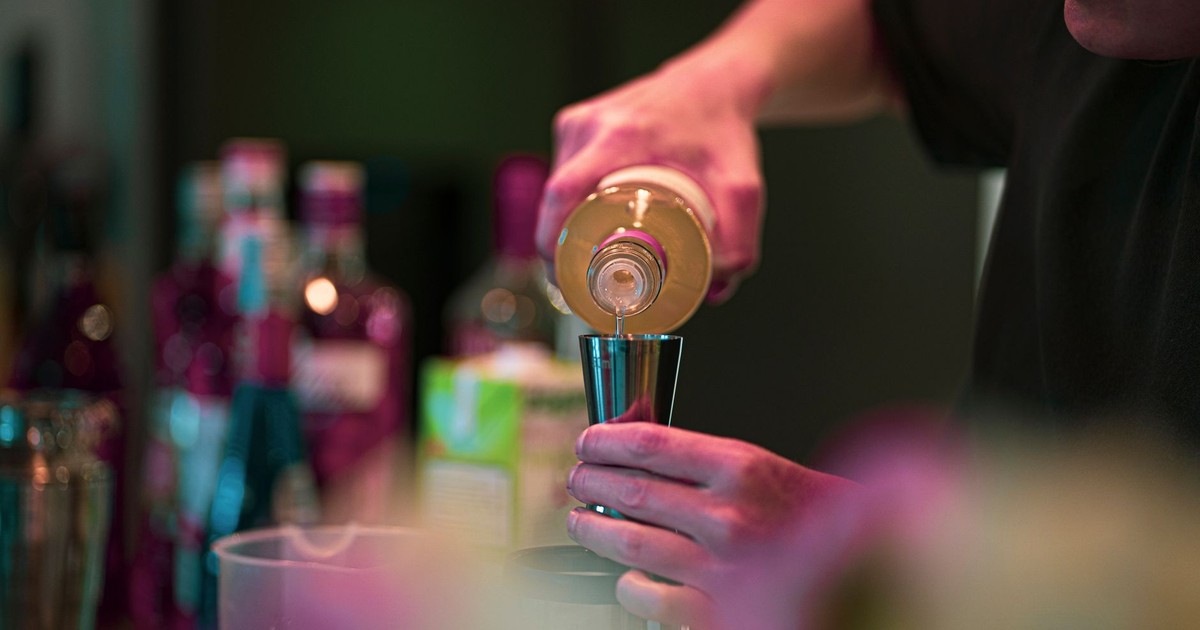
The $1-per-drink rule for bartenders has been the norm for so long that it’s taken on a kind of permanent authority. But that norm calcified when cocktails cost $6. The 2026 industry standard for bars is $1 to $2 per drink, which means a single craft cocktail at $18 should get at least $2, ideally closer to $3 or $4 if the bartender is building it from scratch, muddling, straining, and chatting you through the menu. The math that made $1 fair hasn’t kept pace with the math on the cocktail side of the equation.
The other pattern that quietly shortchanges bartenders: running a tab for the whole night and tipping a flat percentage at the end based on the total, without accounting for the fact that someone made you five drinks over two hours and kept your glass full without being flagged down. That sustained attention is worth more than the automatic 18% on a $90 tab. If you stay at a bar for the evening and receive consistent, attentive service, round up meaningfully on the total – 20 to 25% is appropriate for that kind of hospitality.
5. Food Delivery Drivers
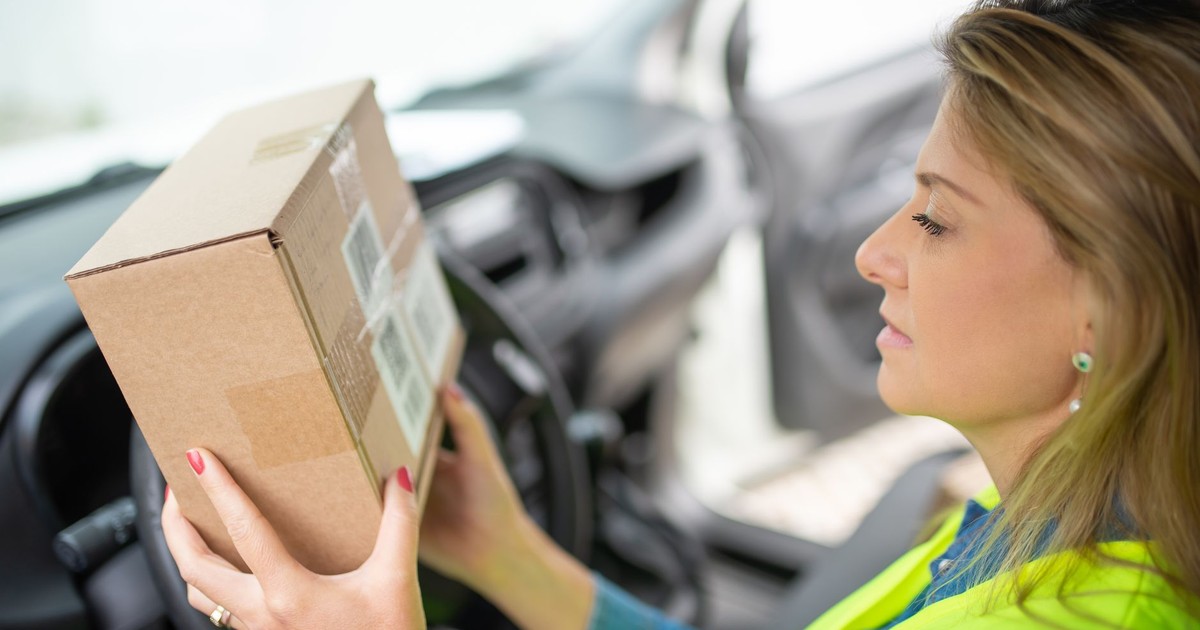
Industry consensus in 2026 is a $5 minimum tip regardless of order size, but plenty of people still tip $1 or $2 on a $30 order because the platform’s suggested amounts feel optional or even inflated. They’re not. Delivery drivers use their own vehicles, pay for their own gas, and absorb wear on their cars for every order they complete. A $2 tip on a delivery in 2026 communicates almost nothing good.
There’s also a timing dynamic that many people don’t know about: drivers see the tip amount before accepting orders. A low or no tip often means your food sits longer while drivers accept other orders first. Bad weather, late nights, or particularly long distances from the restaurant all increase the physical demand of the job. For food deliveries, $3 to $5 or approximately 15 to 20% of the order total is customary, especially during peak times or inclement weather. If you’re ordering during a storm or a Friday night rush, tip at the high end of that range before the driver accepts.
6. Spa and Salon Services
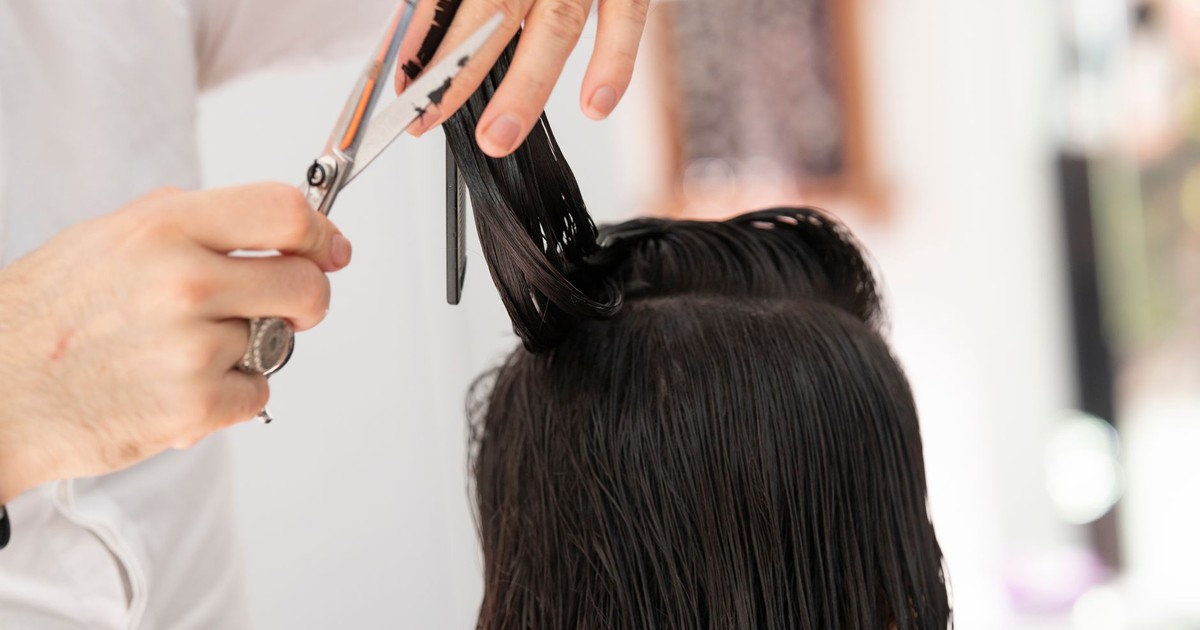
Most people know to tip their hairdresser. The under-tipping situation at spas and salons isn’t the stylist you see every six weeks – it’s the other services. Massage therapists, estheticians giving facials, nail technicians, and spa treatment staff are routinely tipped at far lower rates than their restaurant counterparts, even though the service is often just as personal and just as physically demanding.
The standard range for spa and salon services is 15 to 20% depending on satisfaction. If the service was exceptional or you’re seeing a long-time stylist who consistently delivers, tipping on the higher end is appropriate. Spa and salon services call for 15 to 25% of the service charge, even when gratuity is included, adjusting based on service quality. The “even when gratuity is included” part is worth noting. Many spas build an automatic service charge into the bill, and customers often take that as their cue to stop. In many cases, that service charge goes to the house and not to the individual therapist. If you want the person who spent an hour working on your back to benefit, a small additional tip makes the difference.
7. Bellhops and Luggage Handlers
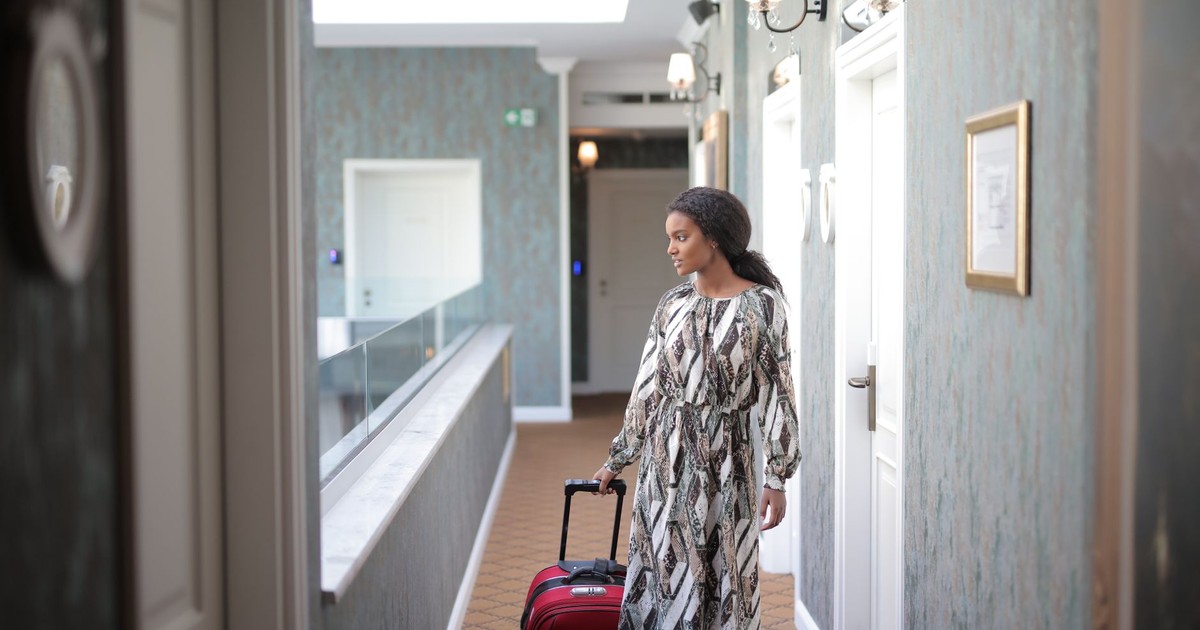
The figure most people carry in their heads for bellhops is $1 per bag. That number is about 15 years out of date. A better guideline for bellhops is $2 to $3 per bag. If you’re at a high-end property or traveling with more than one or two heavy bags, going higher is appropriate.
The under-tipping pattern here is compounded when luggage changes hands multiple times during check-in – from the curb to the lobby, lobby to the room – and the guest tips only once, or not at all, because the process felt like one continuous transaction rather than multiple separate instances of labor. If a bellhop carries your bags up, shows you the room, explains the amenities, and loads ice into your bucket before leaving, that’s a full-service interaction. One expert guideline suggests $2 per bag and up to $5 per bag depending on size and weight, with more appropriate if the bellhop goes above and beyond in helping you get settled. The person who gives you a ten-minute orientation of a suite and makes sure the minibar is stocked deserves more than the person who hands you a keycard.
8. Buffet Restaurant Staff
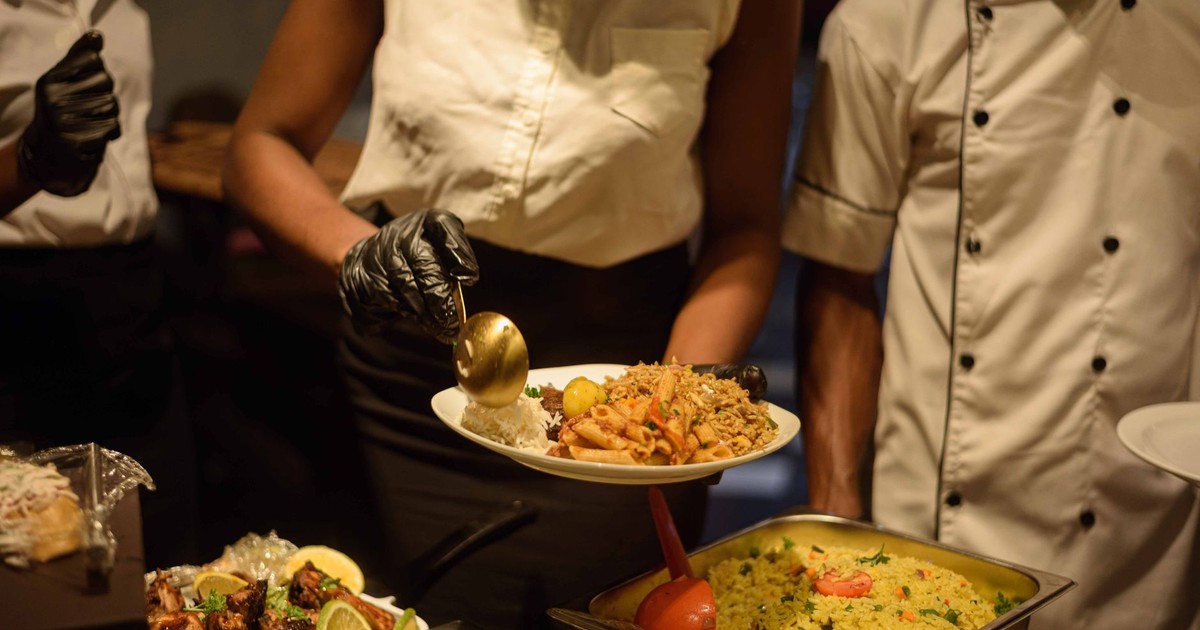
Buffets are commonly treated as no-tip or minimal-tip situations because customers serve themselves. The logic holds for the food, but not for the staff. Buffet workers clear your plates between trips, refill drinks, maintain the dining room, keep the serving areas stocked, and are generally on their feet for the entire service period – often covering a much larger floor area than a traditional server would.
For buffets, a tip of 10 to 15% is standard, since staff still clear plates and refill drinks. That’s a meaningful step below the 20% expected at full-service restaurants, and it reflects the reduced interaction. But zero, or the spare change you found in your jacket, isn’t proportionate to the actual work being done. If you’re at a buffet for an hour and someone has cleared your table twice, brought you two rounds of drinks, and kept the area clean throughout, $3 to $5 on a modest meal is entirely reasonable.
9. Tour Guides and Activity Instructors

This one catches people off guard because it doesn’t fit neatly into any of the mental categories most people use for tipping. A guided tour, a cooking class, a kayaking excursion, a wine tasting with an instructor – these are all tippable, and most people leave nothing. The guide or instructor is often working for a base fee paid to the tour company, with tips forming a significant portion of their actual income.
Tips of 15 to 20% of the cost of the tour or excursion are recommended. On a $100-per-person cooking class, that’s $15 to $20 per person – a meaningful amount for an instructor who has prepped the materials, is managing a group, and is putting real energy into making the experience worthwhile. The under-tipping in this category often comes from the framing: people think of the activity as a product they bought rather than a service someone is performing for them in real time. When a guide spends three hours walking you through a neighborhood and bringing a city alive through what they know, that’s labor. Treat it accordingly.
For anyone who travels regularly and wants to understand where American tipping habits fit globally, the differences in how Americans tip compared to the rest of the world put a lot of these expectations in useful context.
10. Room Service
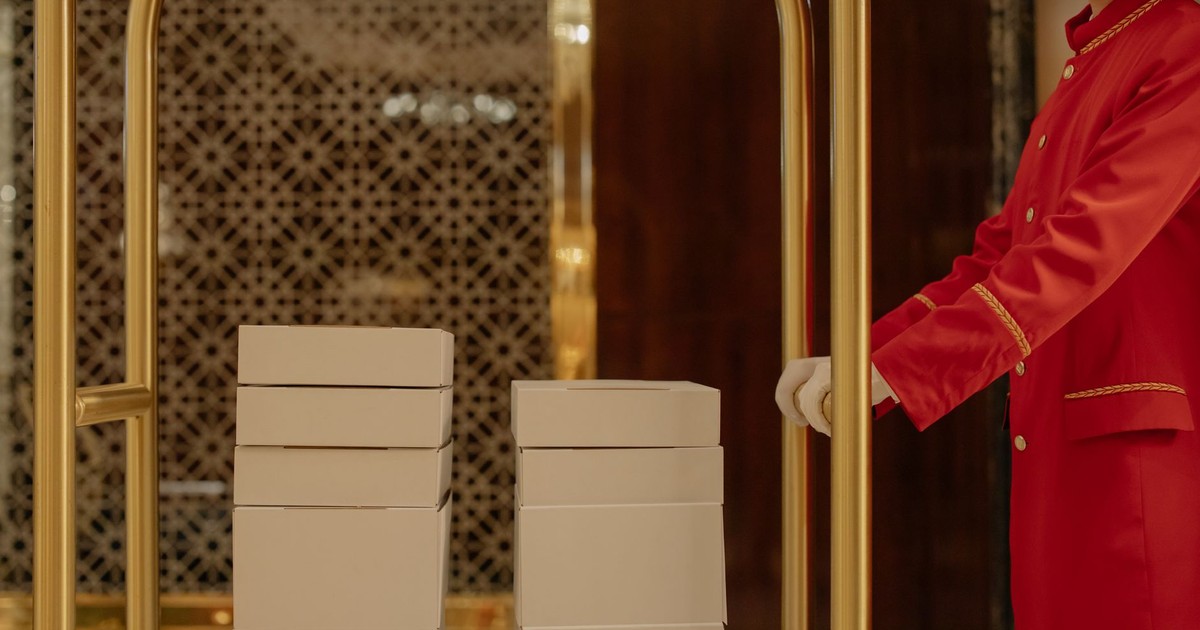
Room service has a specific complication that leads to consistent under-tipping: the bill often includes a service charge, a delivery fee, or both, and guests assume that covers the gratuity. Often, it doesn’t – or it covers only a portion that goes to the hotel, not to the person who carried a tray up fourteen floors.
Before tipping for room service, check whether a gratuity has already been included in the bill. If not, a 15 to 20% tip is standard. Even if a service charge is present, leaving a small additional amount for the attendant is appropriate, especially if the service was prompt. The practical rule: scan the itemized receipt carefully. If you see a “delivery fee” or “service charge,” that is not necessarily a tip for the person who brought your food. Add 15 to 20% on top unless the bill explicitly states the gratuity has already been applied and distributed to staff. When in doubt, a few dollars in cash left with the tray is always the right call.
Read More: 22 Problems Only Americans Have to Deal With
What Most People Are Actually Calculating Wrong
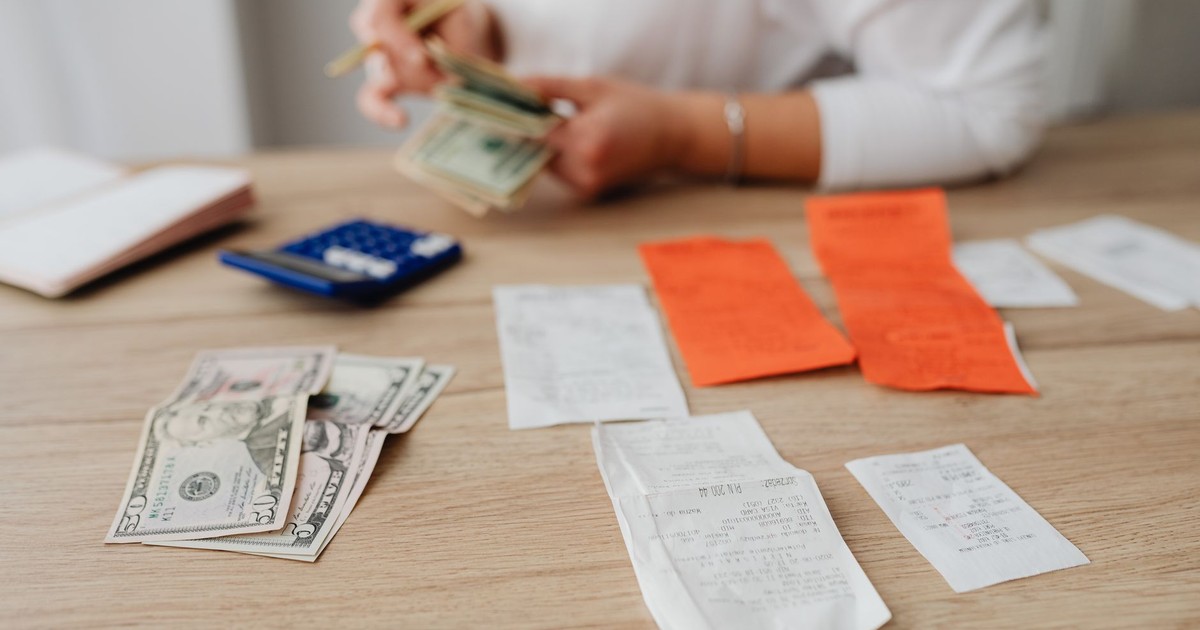
The pattern across most of these under-tipping situations isn’t deliberate. It’s rarely about not wanting to tip – it’s more about figuring out what’s expected in a system that relies heavily on unwritten rules. The mental models most people carry were formed years ago, in contexts that have since shifted. The $1-a-drink bar standard, the $1-per-bag bellhop figure, the assumption that housekeeping is handled by the hotel – all of these made some sense at some point and have since drifted away from the actual economics of the job.
The honest answer is that the list above won’t cost most people very much if applied consistently. Bumping a $1 valet tip to $5 on a night out costs $4. Leaving $5 a day for housekeeping over a three-night stay costs $15. Tipping $3 instead of $1 on a cocktail costs $6 over an evening. The difference is negligible for most guests and genuinely meaningful for workers who receive dozens of those interactions a day. According to Paylocity’s 2026 wage data, the federal tipped minimum wage remains $2.13 per hour – a figure that hasn’t changed in decades and that makes tips less a bonus and more the point of the paycheck. Knowing which situations fall into that category is how you tip accurately rather than just reflexively.
AI Disclaimer: This article was created with the assistance of AI tools and reviewed by a human editor.