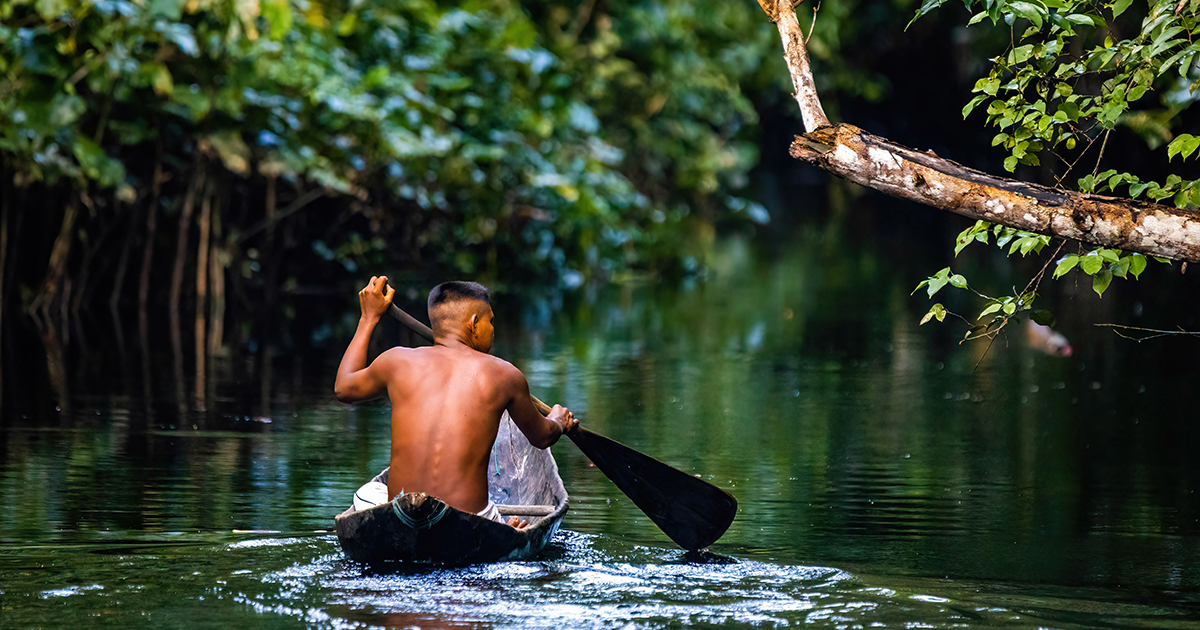
The term “uncontacted” is a little misleading. These communities know the outside world exists. They’ve seen the planes, heard the chainsaws, found the machetes left at the edges of their territory. What the word really means is that they have looked at what contact offers and said no, often because their ancestors already know what saying yes costs.
That calculation has held for generations. And right now, the pressure to abandon it has never been higher.
For most of human history, isolation like this was simply geography. The deep Amazon, the remote Andaman Islands, the tangled interior of New Guinea: distance was protection. That protection is shrinking fast, not because the forests are any less dense, but because the machinery of extraction, the roads, the mining rigs, the logging operations, and now the social media influencers filming their “contact attempts” for YouTube, has found ways in.
How Many Groups Are Actually Out There
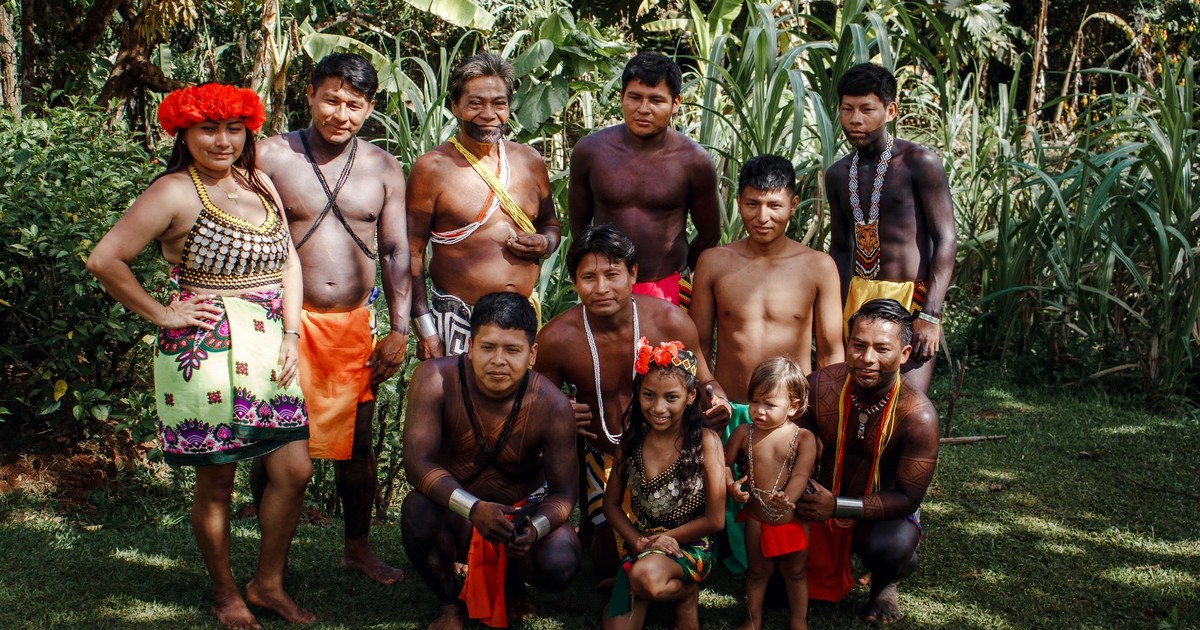
In October 2025, Survival International, a London-based Indigenous rights organization, released one of the most comprehensive tallies ever attempted of the world’s most isolated peoples, identifying at least 196 uncontacted Indigenous groups still living in 10 countries. The number carries a caveat: by definition, counting people who actively avoid being counted is an imprecise science. Evidence comes from aerial footage, accounts from neighboring Indigenous communities, footprints, abandoned shelters, and the occasional trail-camera image. Most of these communities are in the Amazon Basin, with Brazil alone accounting for 124 of the 196 groups.
Others live in the Asia-Pacific region, including two groups in India and four in Indonesia, where they hunt, gather, fish, and build everything they need for survival, from homes to medicines, entirely from their surrounding environment. The label “uncontacted” does not mean they have never crossed paths with any outsider. It refers specifically to a lack of sustained contact with the majority of non-Indigenous society. Most Indigenous groups have had some form of encounter with other peoples, going back to European colonial expansion during the early modern period. What sets these 196 apart is that the isolation is ongoing and, crucially, chosen. Survival International’s 2025 report defines uncontacted peoples as those who “reject contact with outsiders as an active and ongoing choice.. they resist intrusion, and thrive when their rights are respected.”
The Groups We Know Most About
The Sentinelese
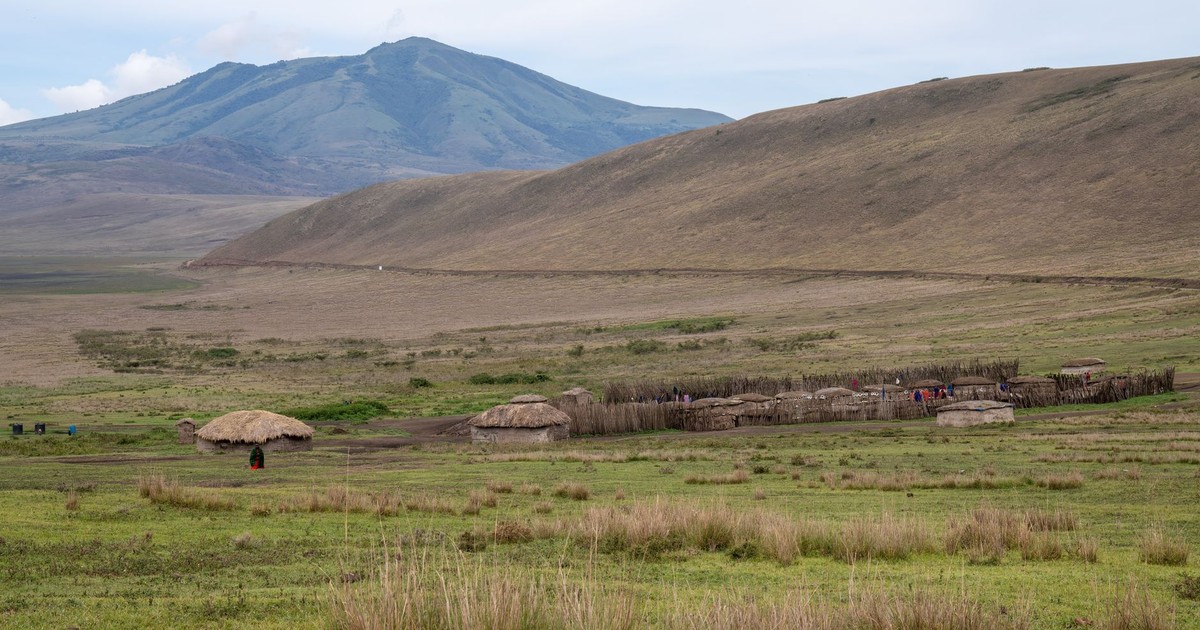
The Sentinelese are considered the most isolated Indigenous people on Earth. They live on North Sentinel Island, a small forested landmass roughly the size of Manhattan, part of India’s Andaman and Nicobar island chain. They are believed to number around 150 people and are estimated to have inhabited the island for as long as 60,000 years, making them one of the oldest continuously isolated populations on the planet. Their response to outsiders has been consistent: arrows. After a 2004 tsunami passed through the region, a Sentinelese man was photographed firing arrows at a military helicopter that had come to check for survivors. The message was the same one they have been sending for decades.
Visiting the island is prohibited under Indian law, specifically to maintain the Sentinelese way of life and protect them from modern illnesses against which they have no immunity. That law did not stop American YouTuber Mykhailo Viktorovych Polyakov, who made the illegal voyage to North Sentinel Island on March 29, 2025, in an attempt to contact the tribe. He left a bottle of Diet Coke and a coconut on the shore as “offerings,” filmed the stunt with a GoPro, collected sand samples, and did not see any of the tribe’s members. He was arrested two days later. Polyakov was charged with entering a prohibited tribal reserve and violating Indian laws banning contact with the Sentinelese. If convicted, he faces up to five years in prison.
The Kawahiva
The Kawahiva of Brazil are among the most elusive groups even within the world of uncontacted peoples. Their presence was only officially confirmed 26 years ago, and Indigenous rights groups remain deeply concerned about their situation. The Kawahiva live near the Rio Pardo in Mato Grosso state, Brazil, and are currently forced to live on the run from armed loggers. What is known about them comes almost entirely from brief, accidental encounters and trail-camera images. In early 2025, unprecedented images released by Funai, Brazil’s federal Indigenous affairs agency, showed a group of nine men ranging in age from about 20 to 40 years. A trail camera installed in the Kawahiva’s Indigenous territory had captured the images in February 2024, with the men shown collecting machetes and axes left behind by a 2021 expedition.
A July 2024 Funai expedition in the Kawahiva do Rio Pardo territory found clear signs of Indigenous presence, including footprints, traces of honey collecting, and handmade utensils. The team also confirmed the presence of children through footprints, with evidence of new families being formed, indicating the group’s population is growing. A Brazilian Supreme Federal Court decision from late 2024 ordered Funai to set a timeline for completing the formal demarcation of Kawahiva territory, a process it had not yet finalized.
The Mashco Piro
One of the most documented uncontacted groups is the Mashco Piro, who inhabit the remote Amazon rainforest in southeastern Peru. With a population estimated at over 750 individuals, they are considered the largest uncontacted group on Earth. Their history involves repeated violence from the outside world. In the late 19th century, colonial rubber barons invaded their territory, leading to land theft, enslavement, and massacres. Their extreme wariness of outsiders is not paranoia; it is memory.
Dozens of Mashco Piro people appeared on a riverbank in Peru in 2024, just a few miles from logging concessions. The Mashco Piro are Indigenous nomadic hunter-gatherers who inhabit Manú National Park in the Madre de Dios region of Peru and have actively avoided contact with outsiders. Their appearance near the river was not curiosity. FENAMAD (the Native Federation of the Madre de Dios River and Affluents), the Indigenous rights federation that represents communities in the region including the Mashco Piro, reported that the tribe has been venturing out more frequently in search of food, driven from their forest interior by the expanding reach of logging operations.
The Hongana Manyawa
The Hongana Manyawa live on Indonesia’s Halmahera Island, where nickel for electric vehicle batteries is being actively mined. The contrast is jarring: the materials powering the world’s transition to clean energy are being extracted from land that belongs to one of its last uncontacted peoples. A Hongana Manyawa man who left the forest argued fervently in 2024 that his people should be fully protected from contact. He told Survival International anonymously: “Since the time of their ancestors, the Hongana Manyawa have been living in the rainforest. When my uncontacted relatives are connected to the rainforest, they are connected to the universe. They don’t want to be connected with the outside world.” Local militias have said they are “at war” with the Hongana Manyawa and have launched armed incursions into their forest to kill or kidnap people.
The Shompen
The Shompen have lived on Great Nicobar Island for some 10,000 years. They now face a threat that is neither illegal nor happening in the shadows. The Indian government’s planned Great Nicobar development project, a major infrastructure scheme framed as a national security priority, would bring roads, ports, and hundreds of thousands of tourists to the island. In February 2024, 39 eminent genocide scholars from around the world wrote to the Indian government stating that proceeding with the Great Nicobar Project would amount to the genocide of the Shompen. The project has not been stopped.
Why Isolation Is a Survival Strategy, Not Ignorance
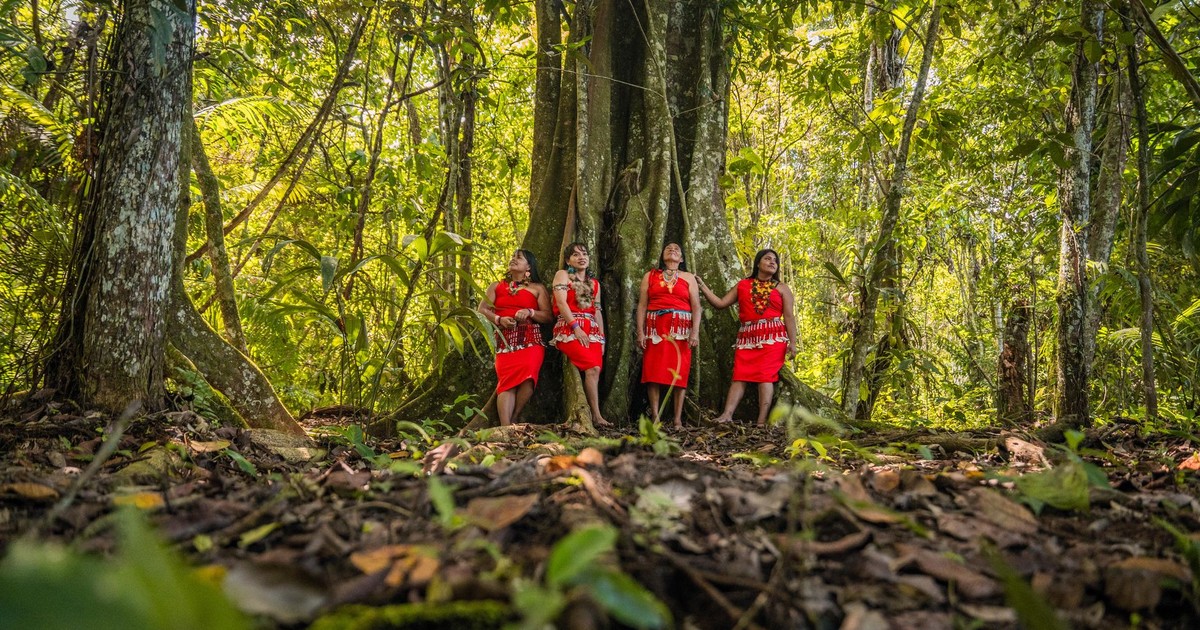
It’s easy to frame uncontacted indigenous groups as people who haven’t yet been found. The reality is closer to the opposite. Many of these communities have chosen isolation specifically because of historical negative interactions with outsiders, including the introduction of devastating diseases and systematic exploitation. The choice to stay hidden is a rational response to what contact has historically delivered.
The biological risk alone makes the calculus straightforward. Over 50% of the Matis tribe died following first contact in the 1970s, and nearly all their shamans, the keepers of generations of medicinal knowledge, perished when flu decimated the community. The Panará of Brazil had a similar experience: the Panará desperately avoided contact until the early 1970s, when construction workers bulldozed a highway through their forest. Between 1973 and 1975, over a third of their population died from disease.
This is why the voluntary isolation principle matters so much to Indigenous rights advocates. Uncontacted peoples are not passive, uninformed, or waiting to be discovered. They are making an ongoing, active decision.
The Threats Closing In
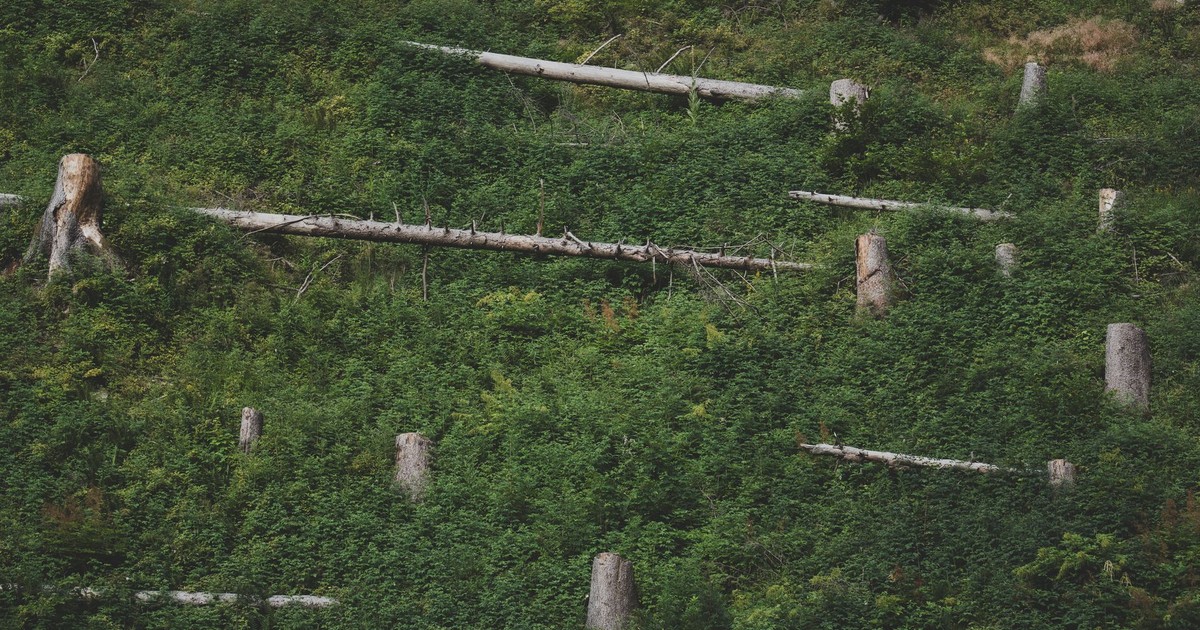
NBC News, reporting on the October 2025 Survival International findings, noted that nearly 65% of uncontacted groups face threats from logging, around 40% from mining, and about 20% from agribusiness. Drug trafficking routes now cut through several of the most sensitive territories in Brazil and Peru, bringing armed groups into direct proximity with communities that have no legal defense against them.
Survival’s research and advocacy director Fiona Watson, who has worked on Indigenous rights for more than three decades, described the situation as “silent genocides – there are no TV crews, no journalists. But they are happening, and they’re happening now.” Governments, she noted, often give the issue little priority because uncontacted peoples don’t vote, and their territories are frequently coveted for resource extraction.
Then there is the more recent problem of deliberate intrusion by outsiders seeking content. Social media influencers pose a growing threat to the survival of uncontacted groups. Content creators are in constant competition to produce the most clickable videos, and those who live in isolation are paying the price. The Polyakov incident at North Sentinel Island in 2025 was not the first attempt of this kind and, given his stated lack of remorse, is unlikely to be the last.
Uncontacted peoples get little attention from surrounding governments, which critics say is because they don’t vote and the land they hold is often resource-rich and ripe for exploitation. The combination of economic incentive and political invisibility is a difficult one to fight against, especially for communities whose defining strategy is not to be seen.
What the Next Decade Will Decide
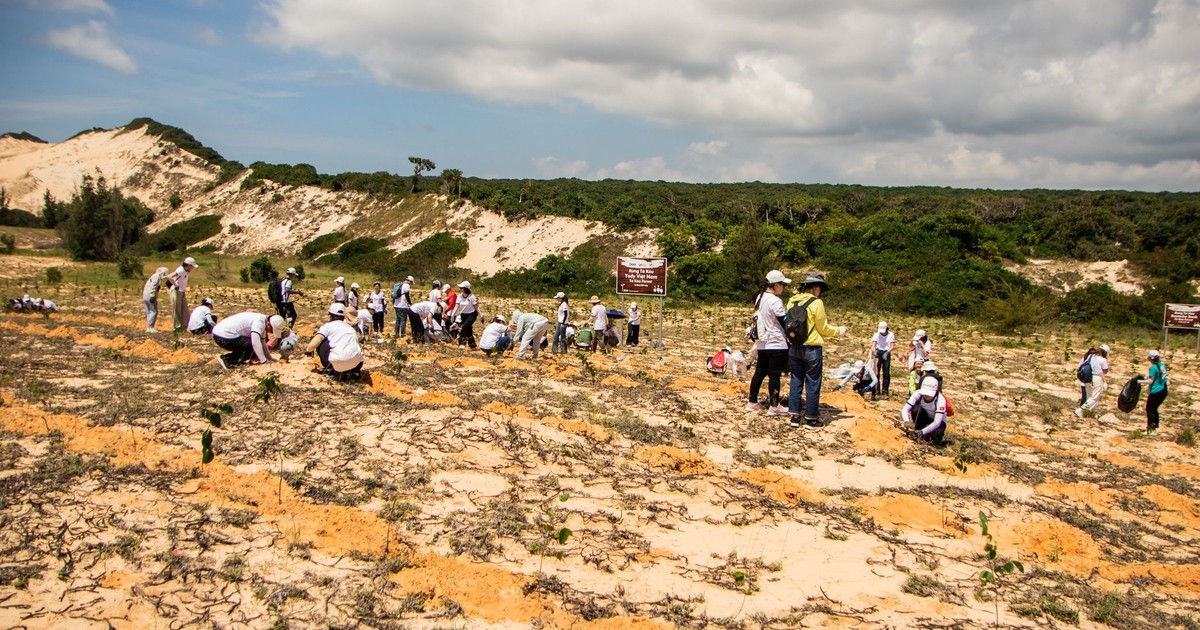
At least 196 uncontacted Indigenous groups remain worldwide, and according to the October 2025 Survival International findings, half of them could be wiped out in under 10 years. That is not a slow, distant process. It is happening across multiple countries simultaneously, driven by legal industries operating within government-sanctioned concessions, illegal operations working outside any oversight, and individuals with cameras who treat human beings living in deliberate isolation as content to be monetized.
The history of what happens when these groups are contacted without consent is not ambiguous. The disease mortality rates are documented. The loss of cultural knowledge, language, and land is documented. What is harder to document, because there is rarely anyone left to record it, is what it costs a community to survive that rupture, and what it costs when they don’t.
Some of these groups have been living in the same territories for tens of thousands of years. The Sentinelese have likely been on their island since before the development of agriculture anywhere on Earth. What they have preserved, by refusing every overture, is a way of life that the rest of humanity left behind so long ago that we have no coherent record of it. Whether that preservation continues, or whether the last of these communities are absorbed or destroyed in the next decade, depends almost entirely on decisions being made by governments, corporations, and individual people who will never meet them. The groups themselves have already made their position clear. They made it the first time an outsider arrived, and they’ve been making it ever since.
Disclaimer: This information is not intended to be a substitute for professional medical advice, diagnosis, or treatment and is for information only. Always seek the advice of your physician or another qualified health provider with any questions about your medical condition and/or current medication. Do not disregard professional medical advice or delay seeking advice or treatment because of something you have read here.
AI Disclaimer: This article was created with the assistance of AI tools and reviewed by a human editor.