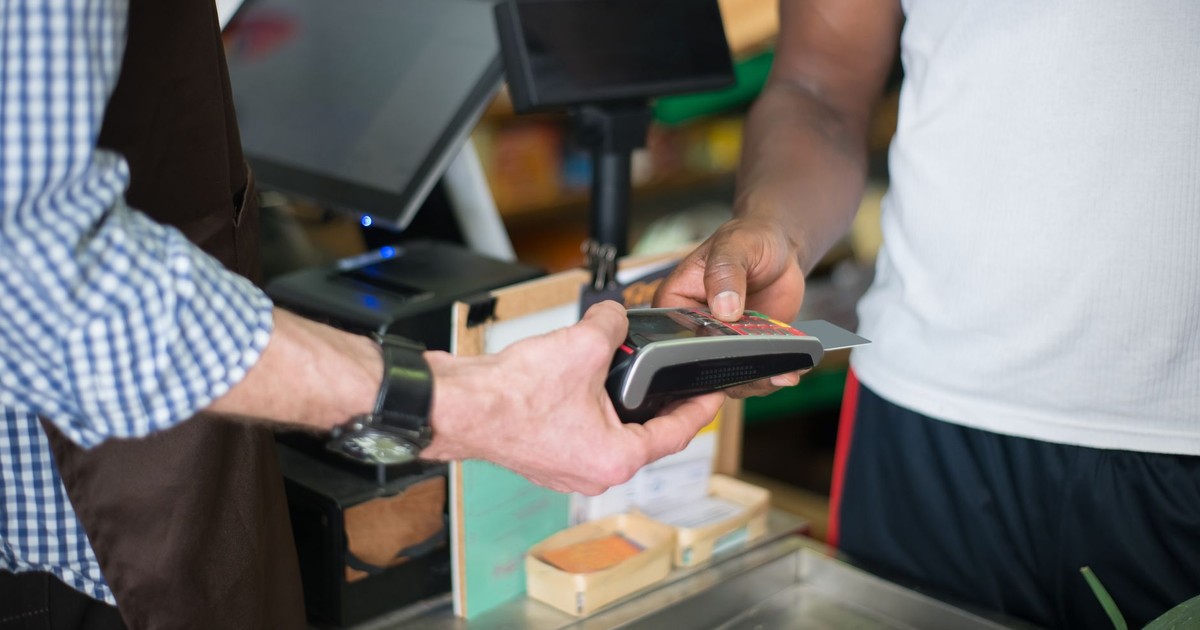

The screen pivots toward you. Someone has just handed you a coffee, or rung up a book, or processed your oil change receipt, and now the tablet is facing your way with three numbers on it: 18%, 22%, 25%. There’s a person standing nearby. You have about four seconds to decide. That moment, repeated in places where it never used to happen, is what most people mean when they say tipping has gotten out of hand.
The tip jar used to sit on the counter at the diner, maybe the hair salon. It made sense there. Someone brought you things, refilled your coffee, stood on their feet for eight hours. The 20% felt earned. What’s changed isn’t the tip. It’s the context. The places now nudging you toward 20%, 25%, even 30% are places where the traditional logic of tipping doesn’t cleanly apply. That list of places has grown considerably.
The word that keeps showing up in surveys and restaurant trade reports is “tipflation,” a combination of tips being requested in more places and the suggested amounts climbing higher. The discomfort most people feel isn’t really about inflation, though. It’s about mismatch. The social contract around tipping was built in one kind of setting. The technology is now installing it everywhere else.
Here are eight places where that installation has happened.
Counter-Service Coffee Shops and Bakeries
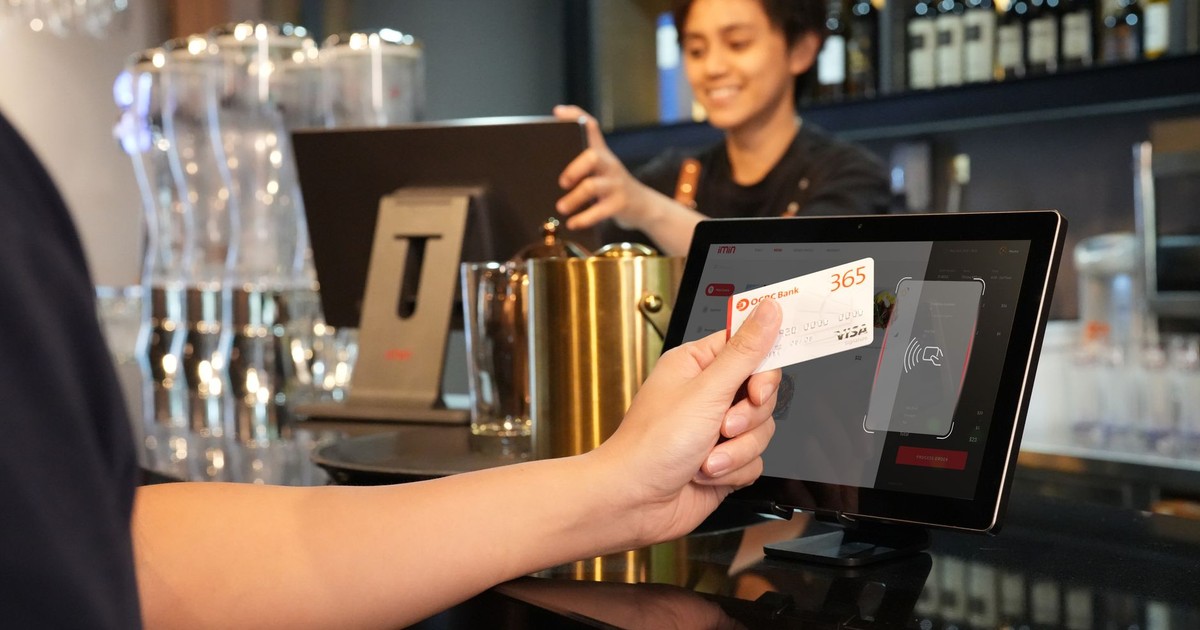
The barista who remembers your order, makes your drink from scratch, and gets you out the door in three minutes on a Tuesday morning has a genuine case for receiving a tip. But somewhere between the pandemic and the widespread adoption of iPad-based point-of-sale systems, the tip prompt at counter-service cafes went from optional to seemingly mandatory.
The percentage of specialty food stores, bakeries, coffee shops, and ice cream shops that accept tips increased significantly from 2019 to 2024, according to a September 2024 Gusto analysis. Several factors contributed to this shift, including the digital screens many stores adopted for payments. A growing number of merchants adopted touchscreen point-of-sale systems that process credit card payments and give customers the option to tip. The pandemic also played a role, as businesses began encouraging tipping as an additional source of revenue to support employees.
Fast Food Restaurants
The gap between what fast food once was and what it now asks of customers has never been wider. You order at a screen, collect your own tray or bag, find your own seat, and clear your own table. Quick-service restaurant tips averaged 15.9% in Q2 2024, according to the Toast Restaurant Trends Report. That’s a tip percentage that rivals what many people leave at a sit-down restaurant with full table service.
Digital payment terminals replaced cash registers, and the software that runs them comes pre-loaded with tipping prompts. The same interface built for a full-service restaurant gets installed at a burger counter, and the expectation travels with it.
Self-Checkout Kiosks
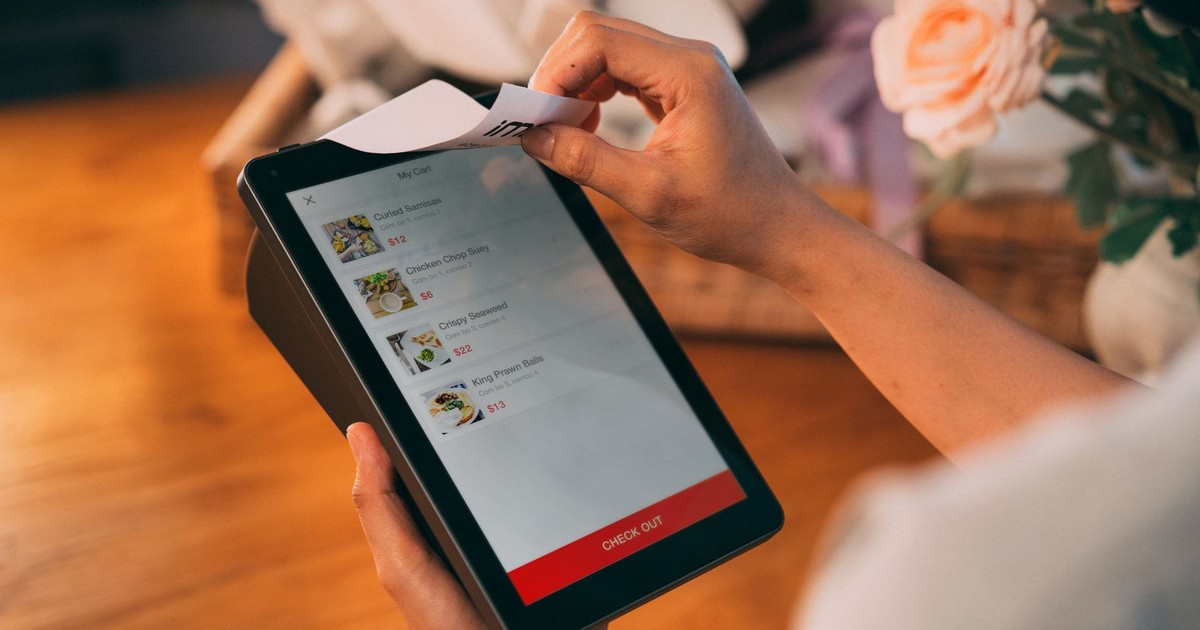
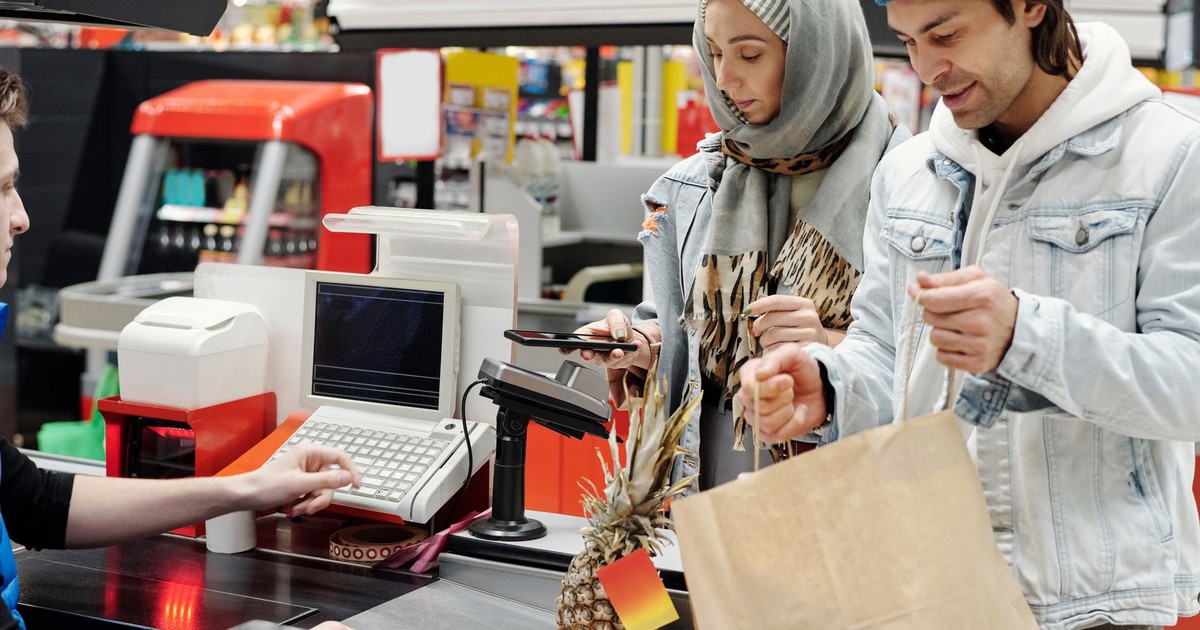
At a self-checkout kiosk, the customer is the one doing the work. Scanning items, bagging them, troubleshooting the “unexpected item in bagging area” error, and finally tapping their card, then being asked to tip. For what, exactly?
Tipping has evolved from a hospitality tradition into an expectation across many service sectors, including self-checkout kiosks, convenience stores, and grocery stores. Consumers consistently report that these are precisely the places where tipping fatigue hits hardest. The kiosk prompt is arguably the starkest example of how the technology got ahead of any social agreement about when tips make sense.
Food Delivery Apps
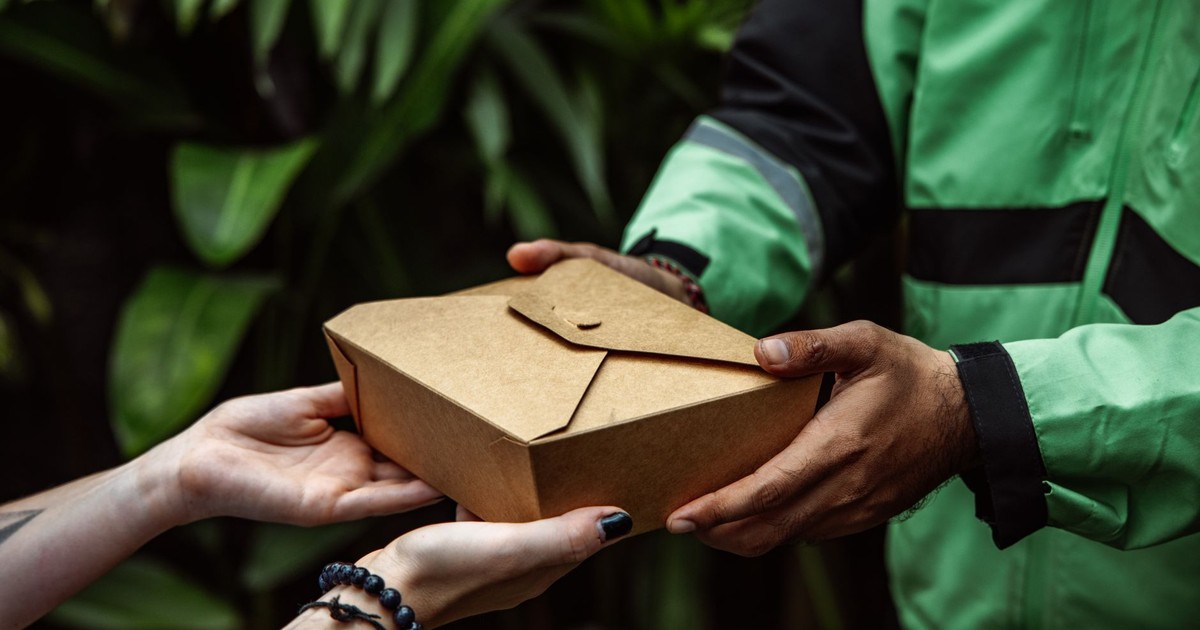
Food delivery was always going to involve tipping. A driver is using their own vehicle, their own gas, their own time, and most people accepted that from the beginning. What’s changed is the structure of the ask. Delivery app interfaces now suggest tip percentages before the food has been made, before anyone has driven anywhere, and the default starting point has crept upward. Ordering interfaces now suggest tips higher than the traditional 15%, reaching up to 30%.
There’s also the question of who the tip actually reaches. Delivery platform fee structures are famously opaque, and whether a tip goes directly and fully to the driver or is offset against other pay calculations varies by platform and has changed over the years. That uncertainty has made people more reluctant, not more generous. According to a 2025 survey by Talker Research of 2,000 Americans, the average person now caves to tipping pressure 4.2 times per month, down from 6.3 times a year earlier.
Auto Repair Shops
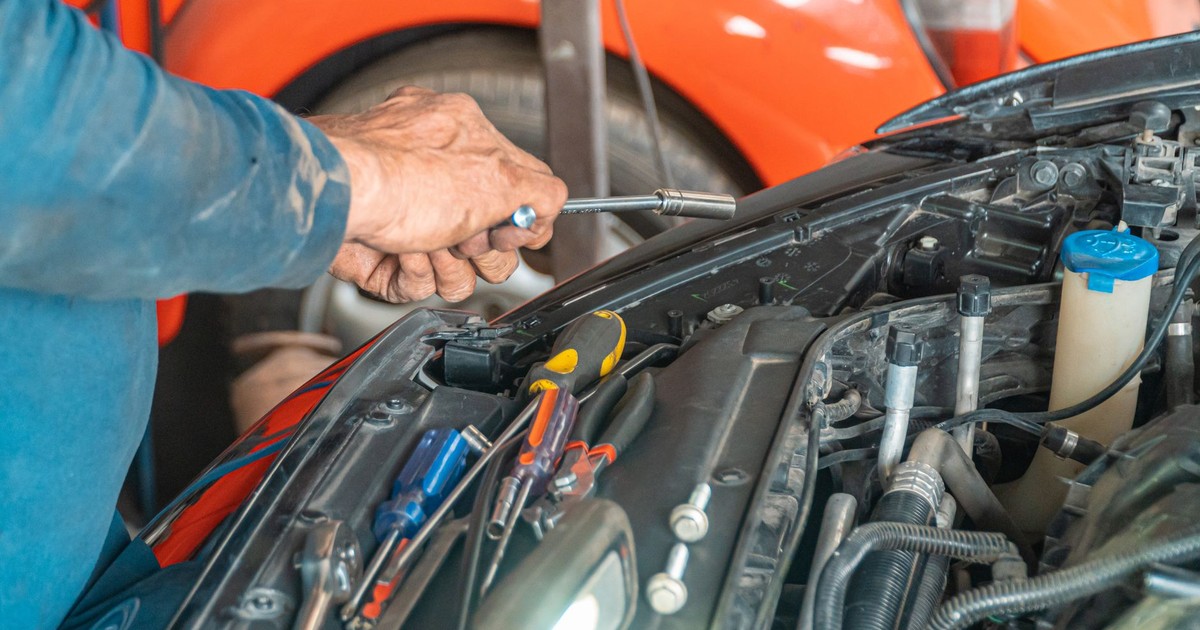
Americans are now being asked to leave a tip at auto repair shops. Mechanics are skilled tradespeople. Hourly labor rates at a dealership service center can range from $120 to $200 per hour, and a straightforward oil change or brake job generates a bill that already accounts for that expertise. The tip line on the digital receipt is genuinely new territory.
Requests for gratuities now appear in unexpected places, including logistics providers, butcher counters, and even impound lots. Someone who just had their car towed and is paying hundreds of dollars in fees to retrieve it is being asked, at the point of payment, whether they’d like to add a gratuity.
Specialty Retailers

A florist. A record shop. A candle boutique. These aren’t places with a long tipping history, and yet the same shift that overtook coffee shops has arrived here too. These shops adopted the same payment terminals as cafes and restaurants, and the default settings came with tipping enabled. Nobody turned it off. Some shop owners may not have realized it was on.
The experience for the customer is identical either way. You’re buying a bunch of flowers or a secondhand album, you tap your card, and the screen pivots to show you three tip options. The transaction feels fine until that moment, and then briefly it doesn’t. The tipping culture expectations woven into the technology don’t distinguish between a restaurant server who brought you three courses and a cashier who handed you a paper bag.
Hotels: In-Room Tablets and Checkout Screens
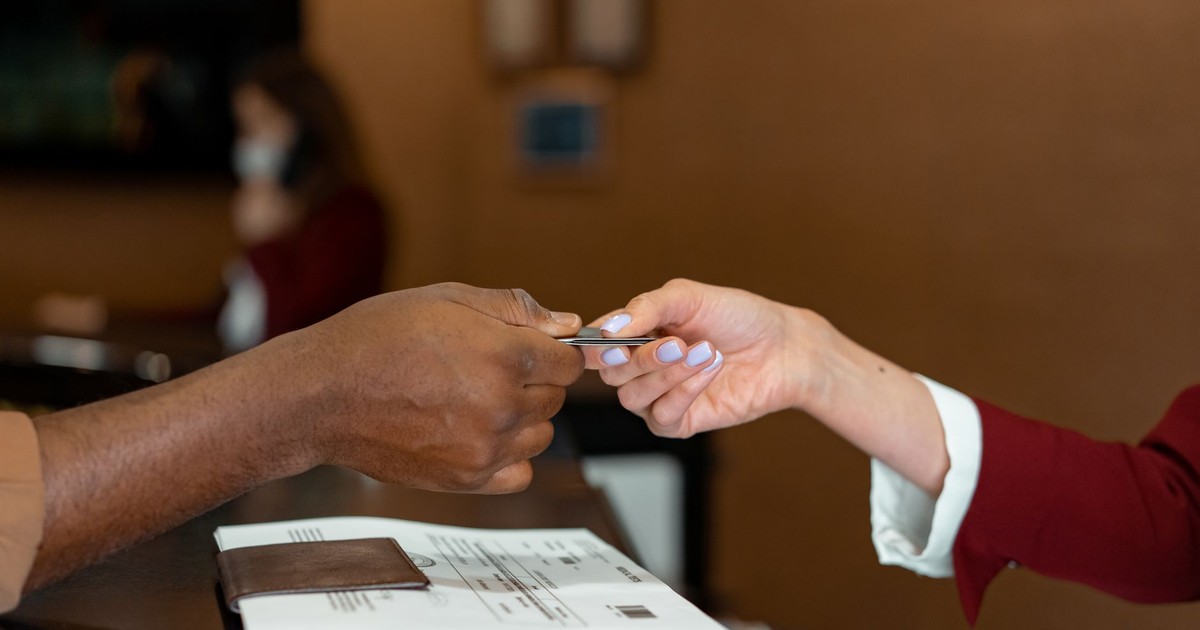
Tipping hotel staff, the housekeeper who turned over your room, the bellhop who carried your bags, has a long history and a clear logic. What’s newer is the digital layer that’s been added to that expectation. In recent years, hotels that have adopted tablet-based room controls for lighting, room service, and housekeeping requests have found a natural channel to insert tip prompts into the guest experience.
Tipping at a hotel now happens at more touchpoints than it once did, and in more structured ways. Instead of leaving cash in an envelope on the pillow, guests find themselves working through percentage-based prompts for services they may not have thought to quantify that way. Whether that’s better or worse for the workers involved comes down to whether guests actually engage with the prompt, or dismiss it and feel vaguely irritated about the interaction for the rest of the afternoon.
Airlines
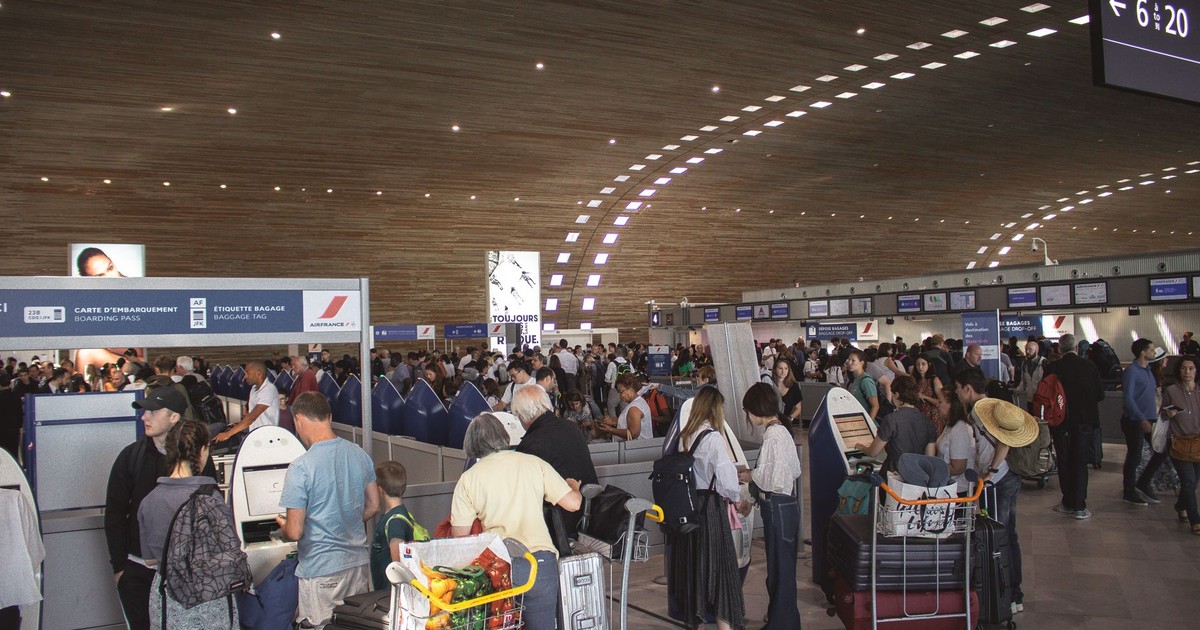
In-flight tipping for flight attendants has shifted from occasional and voluntary, a cash thank-you for exceptional help, to a structured prompt on some carriers’ payment interfaces when passengers make in-flight purchases. Most passengers already consider the cost of the ticket to be their total transaction with the airline. The in-flight purchase screen that asks for a percentage of a $9 snack box sits awkwardly against that expectation.
Flight attendants are trained safety professionals who also bring snacks and beverages. Tipping them personally isn’t an unreasonable idea, but the prompt doesn’t arrive because workers lobbied for it. The tipping culture expectations that spread through point-of-sale technology in ground-based venues have now boarded the plane.
Why It Keeps Spreading

Technology made it possible, and social pressure did the rest. Before touchscreen point-of-sale systems became standard, adding a tip at a record shop or a self-checkout lane would have required a tip jar and a voluntary decision. Now it requires only a soft “no” under the eyes of whoever is standing nearest, which many people find harder than just tapping 18%.
People are beginning to push back, though. Americans spent $283 on pressure-driven tips in 2025, down 38% from the $453 they reluctantly handed over in 2024, according to Talker Research’s 2025 guilt-tipping study. The average tip percentage in food service has been declining even as the number of places requesting tips grows. Those two trends together suggest that the expansion of the ask is starting to produce its own correction, not through any policy change, but through the accumulated effect of people hitting “no tip” more often than they used to.
The Real Discomfort Here
The reason the tipping screen at a self-checkout kiosk feels different from the tip jar at a diner isn’t just the amount. It’s context collapse. A tip at a restaurant carries social meaning, it signals that someone’s work was seen and valued. When that same structure gets installed at a gas station snack counter or a hotel checkout screen, the meaning doesn’t travel with it. Only the ask does.
The frustration that most Americans feel about this isn’t really about the money. According to Pew Research, 72% of U.S. adults say tipping is expected in more places today than it was five years ago. “Guilt tipping,” the term for tipping because you feel obligated rather than grateful, is doing a lot of work in the current moment. The transaction that was once a genuine expression of appreciation has, in many of these contexts, become a social performance: a moment of being watched at a screen and choosing whether to look generous or not.
The workers in most of these places genuinely need the money. That part is true, and it’s the part that makes the whole thing so hard to simply opt out of. The system that created the problem, wages that depend on gratuity to become livable, didn’t arrive in coffee shops or auto repair bays through any deliberate choice. It got there the same way the tip prompt got to the self-checkout screen: one terminal at a time, one default setting left switched on.
AI Disclaimer: This article was created with the assistance of AI tools and reviewed by a human editor.