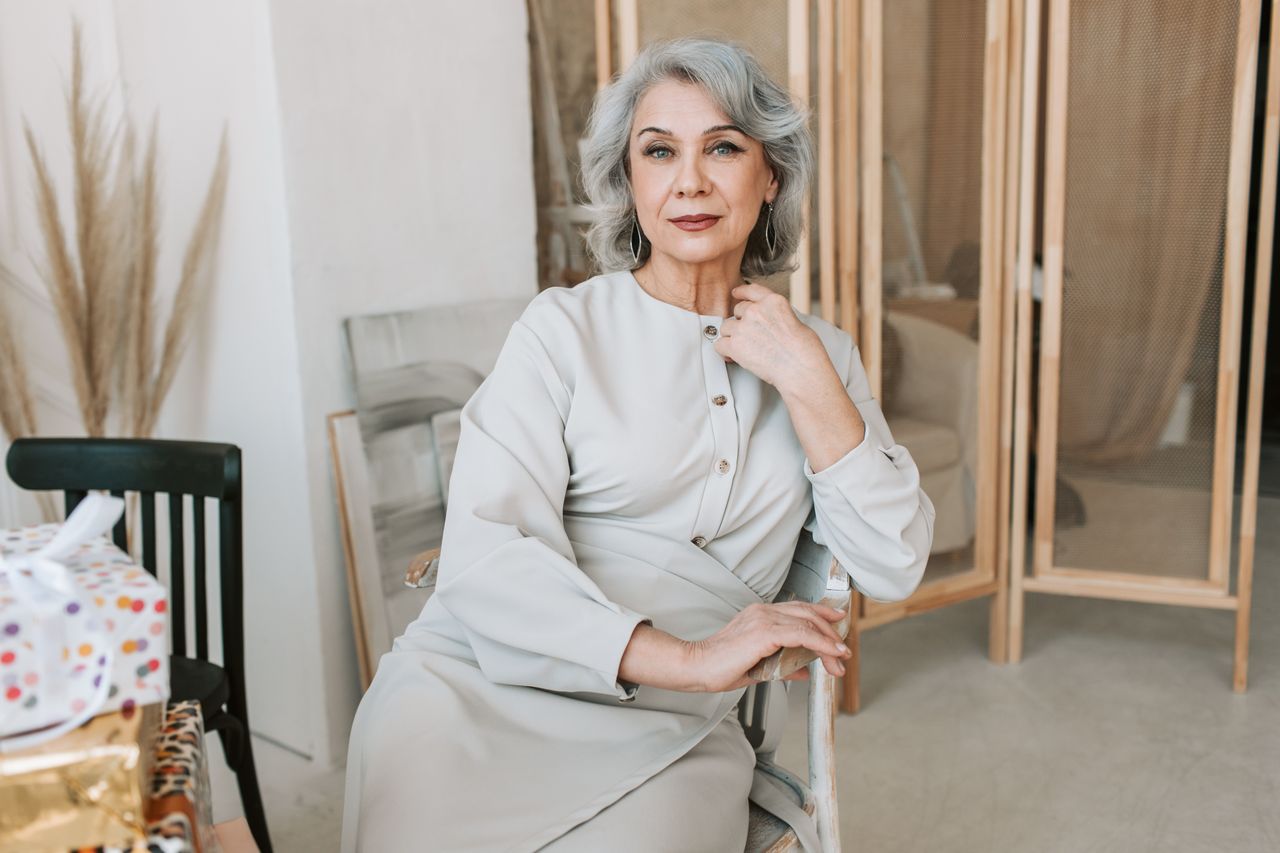

Most women over 50 don’t need to be told that they look tired. They already know how Tuesday went. What they also know, and rarely say out loud, is that the comment wasn’t a kindness – it was a small, unexamined cruelty, the kind that tends to come from people who think they’re being helpful. The things people say to women once they cross that arbitrary demographic threshold say a lot more about the speaker than the woman being spoken to, and yet they keep coming. At the dinner table, in the office, at the doctor’s office, from old friends who really should know better.
The comments aren’t always mean-spirited. That’s actually what makes them stick. Ageism aimed at women over 50 often wears the costume of concern, compliment, or curiosity. It arrives packaged as a compliment (“you look amazing for your age”), as practical advice (“at your age, you should probably…”), or as a well-meaning question (“don’t you think it’s time to…”). Ageism is discrimination against older people based on negative and inaccurate stereotypes, and it’s so ingrained in culture that people often don’t even notice they’re doing it. The problem isn’t just the words. It’s the assumption underneath them – that a woman over 50 has moved into a lesser category of human being, one that needs to be handled, redirected, or reassured.
Nearly 2 out of 3 women age 50 and older say they are regularly discriminated against, and those experiences appear to be taking a toll on their mental health, according to an AARP survey of 6,643 women conducted with the University of Chicago. That’s not a fringe experience. That’s the majority. And a lot of that discrimination doesn’t arrive as a slammed door. It arrives as a sentence, said casually, often by someone the woman trusts. Here are 30 of them – and why each one does more damage than the person saying it tends to realize.
1. “You Look Great for Your Age”
This one leads every list for a reason. On the surface it sounds like a compliment, but the phrase is built on a qualifier that does all the work. “For your age” signals that the bar has been lowered specifically for her, and that the speaker was surprised she cleared it. What the listener hears isn’t “you look great.” She hears “I didn’t expect much, and you marginally exceeded that.”
Strip the qualifier and you have a genuine compliment. Leave it in and you’ve reminded her that age is the primary lens through which she’s now being evaluated. If she’s your friend, colleague, or family member, she deserves better than a compliment that comes with a footnote.
2. “Are You Having a Hot Flash?”
Asking a woman in her 50s whether she’s having a hot flash every time her temperature rises – whether she looks flushed, fans herself at dinner, or steps outside for some air – reduces her to a medical event. It’s also almost never asked with genuine concern. It’s usually asked with a knowing look and a chuckle, which makes it a joke at her expense.
Menopause is a normal biological transition, not a punchline. The fact that it’s still widely treated as an acceptable target for humor says more about cultural squeamishness than it does about the woman in question. She already knows what her body is doing. She doesn’t need a running commentary.
3. “You Should Dress More Age-Appropriately”

Nobody appointed anyone else the arbiter of what a woman in her 50s should wear. The concept of “age-appropriate” clothing is a social construct that only seems to travel in one direction – toward less color, less style, less visibility. It implies that a woman past a certain age has an obligation to disappear gradually from view.
What this comment really communicates is discomfort – the speaker’s discomfort – with a woman who refuses to conform to expectations about how older women should present themselves. That’s the speaker’s problem to resolve, not hers.
4. “You’d Look So Much Better If You Dyed Your Hair”
Gray hair on women is still treated by large swaths of the culture as a problem to be solved, rather than a natural feature to be accepted or celebrated. Telling a woman she’d look better with dyed hair tells her that her natural appearance is insufficient, and that the work of looking acceptable is hers to perform indefinitely.
The reverse comment – “you should go gray, it would look so natural” – isn’t much better. Either way, someone is telling a woman what to do with her own hair as if her choices about her own body require their input.
5. “Aren’t You a Little Old to Be Doing That?”
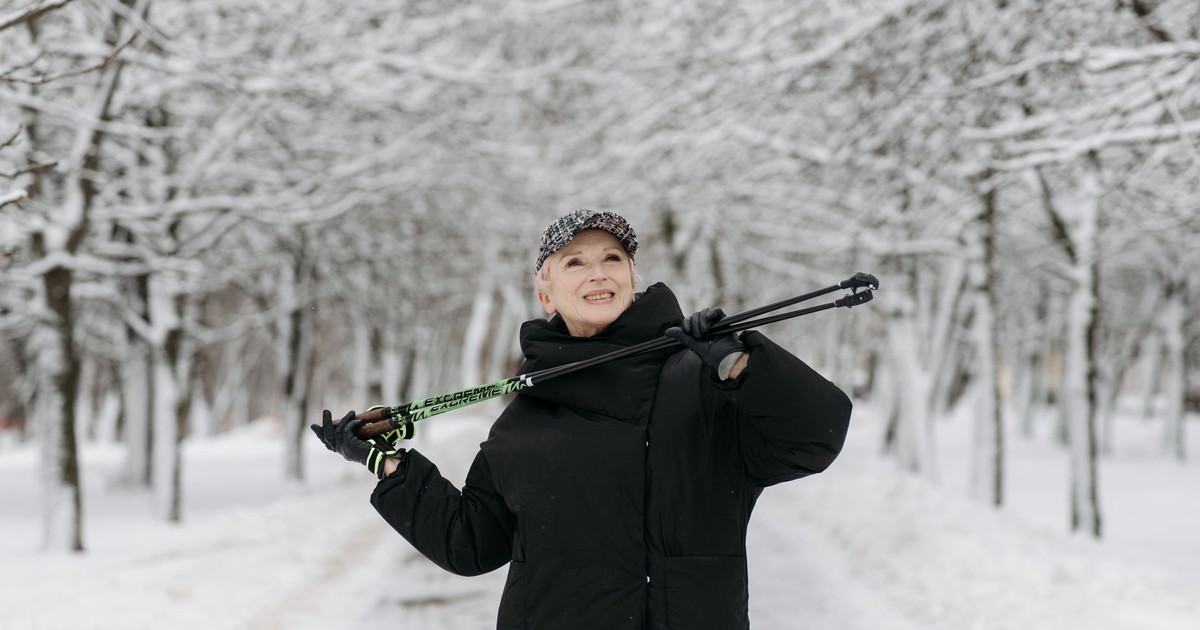
This sentence has probably been used to discourage women over 50 from starting businesses, going back to school, traveling solo, taking up a new sport, dating again after divorce, and about a thousand other things that are, in fact, excellent ideas. It rests on the assumption that life has a closing-time after which new chapters aren’t available.
The data doesn’t support that assumption. As people age, they tend to become more agreeable and more conscientious, and older adults are generally better at regulating their emotions – which makes the fifties a genuinely good time to attempt new things, not a disqualifying one.
6. “You’re Still So Sharp!”
The word “still” is doing a lot of heavy lifting here. It implies that cognitive decline was expected and that its absence is remarkable. For a woman who has never given anyone reason to expect anything other than sharpness, this comment reframes her intelligence as something that needs to be acknowledged against the odds.
A woman in her 50s who makes an astute observation doesn’t need to be complimented on her surprising mental acuity. She needs to be heard, the way anyone making an astute observation needs to be heard.
7. “When Are You Going to Retire?” – and Other Things Not to Say Women Over 50 at Work
Retirement-related comments are often presented as friendly small talk, but they frequently carry an implication: that her working years are winding down, that she should be making way for someone younger, or that her ambitions must have naturally plateaued. According to a 2026 AARP survey of 1,656 workers age 50 and older, about two-thirds (64%) reported seeing or experiencing age discrimination in the workplace, and 22% felt they were being pushed out of their jobs because of their age. The survey was an online poll, and while self-reported data carries inherent limitations, the consistency of those figures across multiple years of AARP research makes the pattern difficult to dismiss. The casual retirement question can be a version of that same push, just delivered at a dinner party.
Many women over 50 are in the most productive, experienced, and confident phase of their careers. Asking when they plan to leave frames their continued presence as temporary, when for them it’s very much the point.
8. “You Remind Me of My Mom”

This one is almost always meant affectionately, which is exactly what makes it so easy to say and so grating to receive. Comparing a woman to one’s mother doesn’t just note the age gap – it relocates her from “person I find interesting” to “parental figure,” with all the attendant dynamics that implies.
It removes her from the category of peer and places her in a kind of soft, unthreatening box. It is not a compliment, no matter how warmly it’s delivered.
9. “Are You Sure You Can Handle That?”
Doubt expressed as concern. This question gets asked of women over 50 about physical challenges, professional projects, travel plans, and anything else the speaker decides looks strenuous. The underlying message is that her capabilities are now uncertain – that she should probably check with someone before committing.
Women in their 50s have typically been handling things, often large and complicated things, for decades. The question isn’t actually about her capacity. It’s about the speaker’s assumptions.
10. “You Must Be So Proud of Your Grandkids”
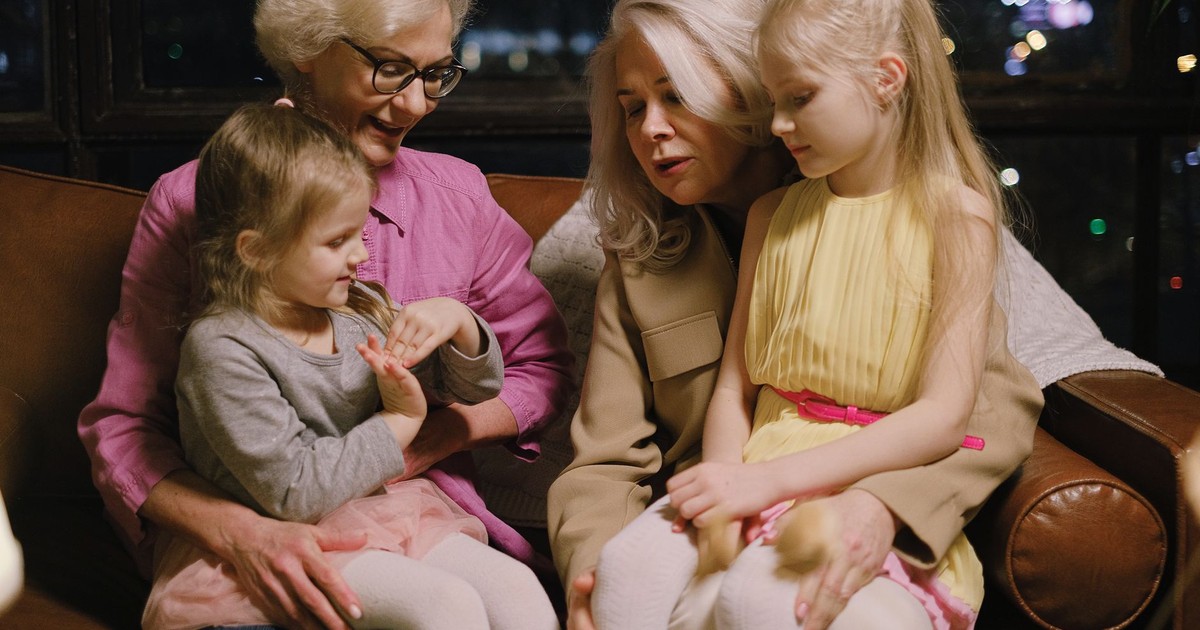
Assuming a woman over 50 is a grandmother – and that grandchildren constitute her primary source of pride and conversation – is one of the more common ways people flatten a woman’s identity into a single social role. Plenty of women over 50 aren’t grandmothers. Many have no children at all. And those who do have grandchildren are still full human beings with professional identities, friendships, passions, and opinions that have nothing to do with the school play.
Leading with the grandchildren assumption tells her that in your mental map, she has been filed away under a very specific heading.
11. “At Your Age, You Really Should Be More Careful”
Unsolicited caution is a recurring feature of how society talks to women over 50. The implication is that she has moved into a more fragile category – one that requires oversight, modified expectations, or a slower pace. This gets applied to diet, exercise, travel, adventure, and relationships in roughly equal measure.
The phrase positions the speaker as somehow better informed about her risks than she is, which is rarely accurate. She’s been living in her body for five decades. She knows the variables.
12. “You’ve Really Let Yourself Go”
Few comments are as purely cruel as this one, and yet it gets said – sometimes behind a woman’s back, sometimes directly to her face. It operates on the assumption that a woman’s primary obligation is to maintain a specific physical presentation, and that departing from it represents a moral failure rather than a personal choice.
Weight changes, hair changes, and shifts in personal style that come with age are not evidence of letting anything go. They’re evidence of a life being lived.
13. “Isn’t It Time to Settle Down?”
This one usually arrives when a woman over 50 is doing something the speaker considers adventurous, unconventional, or incompatible with what they’ve decided her life should look like by now. It assumes there’s a correct degree of settledness she should have achieved, and that she’s behind schedule.
It also tends to be delivered to women who are, by any reasonable measure, already living an extremely settled life. The comment is less about her actual behavior than about the speaker’s comfort level with the way she’s chosen to live.
14. “You Don’t Look a Day Over [Younger Age]”
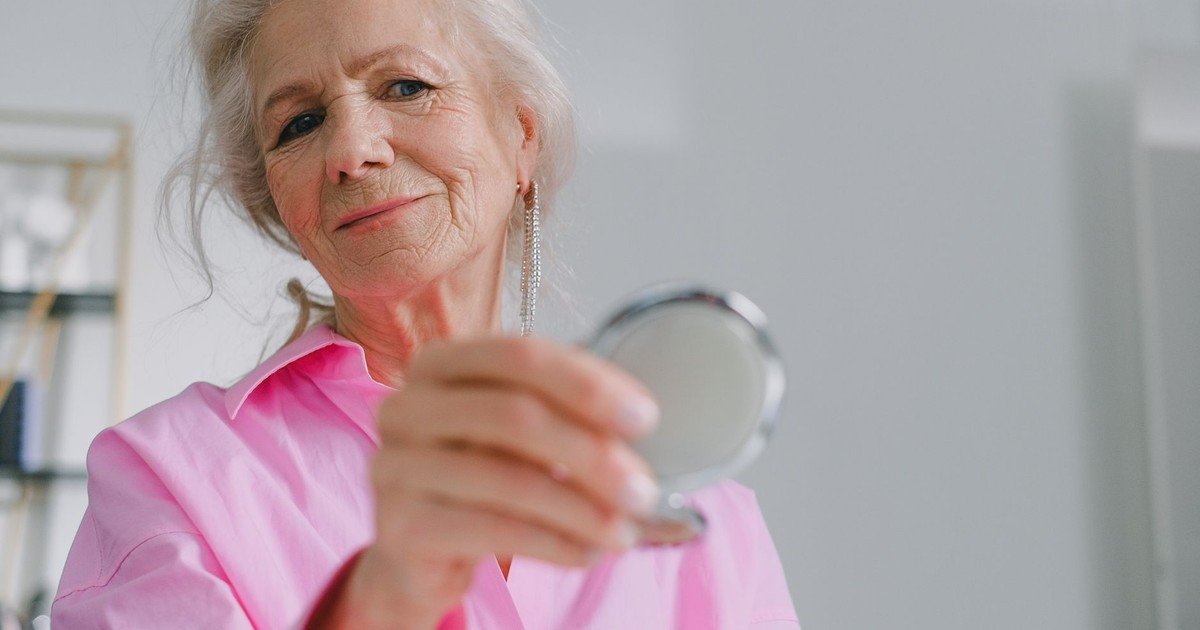
Similar in structure to “you look great for your age,” this one goes a step further by implying that the goal is to not appear to be her actual age at all. It presents her real age as something to be avoided or apologized for, and frames youth as an achievement she’s somehow managing to maintain.
A woman’s actual age is not a problem she’s been succeeding at hiding. It’s just her age.
15. “That’s So Brave of You at Your Age”
Bravery attributions are tricky because they’re technically meant as praise. But calling something brave specifically because of the person’s age suggests that the ordinary courage required to try something new, speak up, start over, or take a risk is somehow amplified, or more surprising, because she’s over 50.
It’s the same logic as “you look great for your age.” The compliment contains the put-down.
16. “Aren’t You Worried About Being Alone?”
This question gets aimed at women over 50 who are single, divorced, or widowed – often by people who can’t quite reconcile the image of a content, independent woman with their idea of what that life must actually feel like. It introduces worry where none existed, and implies that her relationship status is a problem requiring resolution.
A 2024 study published in the journal Aging & Mental Health found that life satisfaction was significantly higher in older adults than in young adults, suggesting that the worry so often projected onto single women over 50 may say more about the speaker than the person being addressed.
17. “You Should Really Start Acting Your Age”
The instruction to “act your age” is always a demand for containment. It means: stop being too loud, too energetic, too expressive, too interested in things that younger people are interested in, too willing to take up space. It’s a directional push toward smallness.
Nobody ever says “act your age” to mean “be wiser, more experienced, more settled in yourself.” They mean “calm down and disappear a little.” It’s not a compliment in disguise.
18. “Is That Really Appropriate for Someone Your Age?”
The “appropriate” question covers a wide territory – clothing, dating, social media use, dancing, ambition, humor, and a dozen other things that people over 50 are apparently expected to have aged out of. It presupposes a rulebook that nobody has actually agreed to follow.
Ageism was the most frequently reported type of discrimination among women 50 and older who experience discrimination regularly, with 48% reporting bias based on their age. The “appropriate” comment is the social version of that same discrimination, just softer and harder to name.
19. “You Must Be Going Through Menopause”

Attributing a woman’s emotional state, tiredness, decision-making, or any other observable quality to menopause is a particularly efficient way to dismiss her as unreliable. It reduces her to a hormonal event, and it’s frequently deployed when she’s expressing a strong opinion or pushing back on something.
It’s also often factually wrong. And even when it’s factually accurate, it’s irrelevant. Whatever she said or did stands on its own merits.
20. “You’d Better Hurry If You Want to Do That”
Time-pressure comments applied to women over 50 assume that her options are narrowing rapidly and that she should feel urgency bordering on panic. The things people attach this comment to range from having more children to starting a business to buying a house to learning an instrument.
The message embedded is that her window is closing, that the good years are behind her, and that whatever she hasn’t done yet she’d better do fast before it’s too late. This is mostly anxiety projection, wrapped up as practical advice.
21. “Wow, You’re Pretty Tech-Savvy for Your Age”

Surprise at a woman over 50 using technology competently is a specific flavor of condescension that has somehow remained socially acceptable well into the 2020s. It presumes she required a tutorial from a grandchild to navigate the app she just used with complete fluency.
Women who are in their 50s in 2026 have been using computers since their twenties. Many of them built the internet. The surprise is not earned.
22. “Your Best Years Are Behind You”
This is one of the few comments on this list that’s delivered, occasionally, with genuine affection – as a nostalgic observation rather than a cutting remark. That doesn’t make it less damaging. Telling someone that the peak of their life has already passed is a profound thing to say, and it’s almost never true.
AARP’s 2026 survey found that the most common subtle forms of age discrimination included assuming older employees are less tech-savvy (33%) and assuming they are resistant to change (24%). The comment at the dinner party and the assumption in the boardroom are the same idea in different rooms.
You can read more about the specific habits that actually accelerate aging – versus the ones that don’t – at theamazingtimes.com.
23. “You’re Being Too Sensitive”
Dismissing a woman’s reaction to an ageist comment as oversensitivity is a reliable way to ensure the original comment never gets examined. It moves the focus from what was said to how she received it, and positions her response as the problem rather than the remark that triggered it.
When a woman over 50 objects to being talked down to, talked over, or talked about as though she’s not in the room, calling her too sensitive is a way of doubling down without appearing to.
24. “You Don’t Need to Worry About That Anymore”
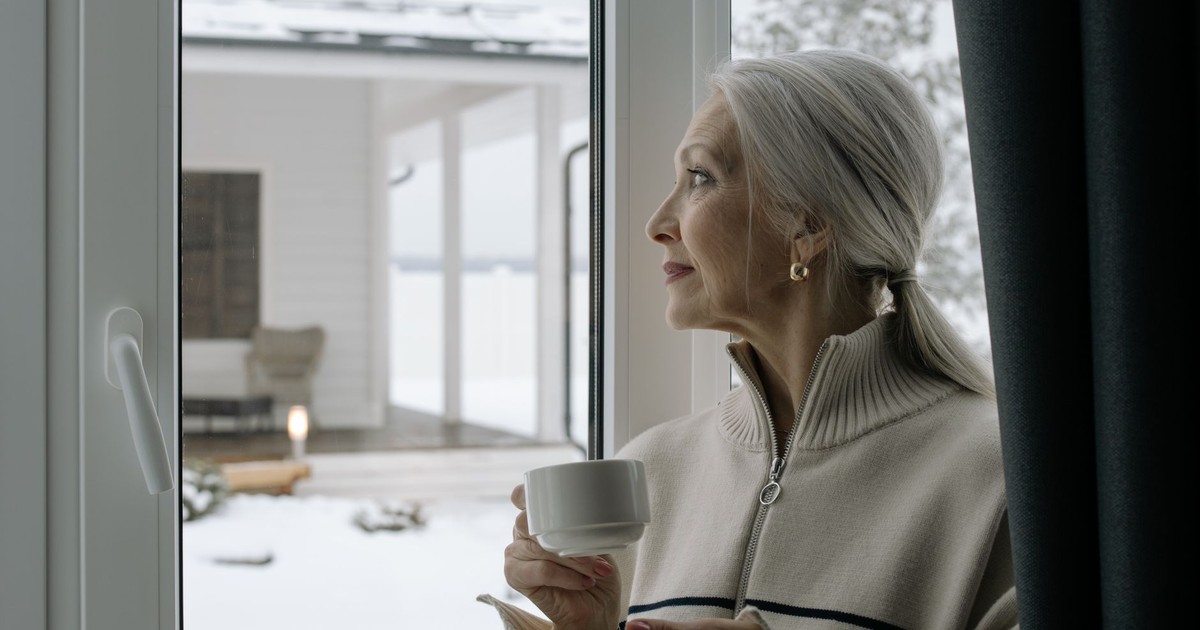
This dismissal usually arrives in professional contexts (“you don’t need to worry about that project”) or personal ones (“you don’t need to worry about looking a certain way anymore”). In both cases, it’s a way of removing her from the equation – a gentle sidelining dressed up as reassurance.
It assumes she wanted to be relieved of the thing in question, which is frequently not the case. More often, she still cares deeply. She’s just no longer being consulted.
25. “I Thought You’d Be More Mature About This”
Invoking maturity as a standard she should meet is a particularly circular form of ageism. It uses her age against her twice: first by implying she should be more “settled” by now, and second by suggesting that any emotional response she has is evidence of immaturity, because a truly mature older woman would have simply accepted the situation.
It turns any visible reaction into proof that she hasn’t earned the age people have assigned her.
26. “Back in Your Day…”
Sentences that begin this way perform a subtle sleight of hand: they locate her permanently in a past era, as though her formative experiences are the main thing worth referencing about her. It tells her that her relevance is historical rather than current, and that her natural habitat is nostalgia.
Women in their 50s are not artifacts. They’re active participants in the current moment, shaped by the past the way every adult is, but not confined to it.
27. “You Seem Tired – Maybe You Should Rest”
Unsolicited assessments of a woman’s energy levels – especially when delivered as concern – frequently mask something closer to dismissal. “You seem tired” is often said to a woman who has just expressed a strong view, shown frustration, or pushed back on something. It reframes her engagement as depletion and suggests she should withdraw.
It’s a way of suggesting she leave the room without technically asking her to.
28. “Do You Really Need Another Opinion on This?”
This question gets asked of women over 50 who are persistent, thorough, or who want to consult multiple sources before making a decision. It implies that her caution is excessive, that she’s overthinking, and that someone younger or with less experience could have wrapped this up by now.
Women who’ve navigated five or more decades of decisions have usually learned that more information tends to produce better outcomes. That’s not indecision. That’s judgment.
29. “You Should Be Grateful for What You Have”
Gratitude-policing shows up when a woman over 50 expresses ambition, dissatisfaction, or desire for something more. It positions contentment as the only emotion available to a woman of her age, and implies that wanting more is either greedy or delusional.
“Ageism is this odd ‘-ism’ in that it’s still socially acceptable in many ways,” and nowhere is that more visible than when a woman’s ambition or dissatisfaction is treated as inappropriate because of how old she is. The gratitude instruction is ageism with a warm face.
30. “You’ve Changed”
Said with the right tone, this one is the most effective dismissal on the list. It isn’t specific enough to argue with. It positions the change as a problem, rather than as evidence of someone who has continued to grow, shift, learn, and develop across decades of adult life.
If a woman in her 50s is different from who she was at 30, she’s done something right. Saying “you’ve changed” as though she owes anyone consistency with a previous version of herself misunderstands what a full life actually looks like.
What All of These Have in Common
What runs through every entry on this list – the faux compliments, the unsolicited cautions, the nostalgic dismissals, the surprise at her competence – is the same underlying assumption: that a woman over 50 has, in some way, already arrived at her final form. That she has become a fixed thing to be managed, accommodated, or gently redirected rather than an evolving person with things still to do, say, and become.
The off-hand comment at a birthday dinner about “your best years” and the hiring manager’s raised eyebrow when she walks in are connected. Age bias crosses racial and gender boundaries, affecting all groups equally – and unless the cycle stops, it’s something all workers will face in their lifetime. That’s not a small problem. It’s a structural one, and it starts at the level of the sentence.
Most of the people who say these things aren’t trying to harm anyone. They’ve absorbed a set of cultural assumptions about what a woman’s 50s are supposed to look like and they’re relaying those assumptions back, usually without stopping to inspect them. The comments keep coming precisely because they go unchallenged – because the woman on the receiving end has learned to smile, deflect, or change the subject.
Read More: If You Hear a Woman Say These 8 Things, She Might Be Smarter Than You Think
The Conversation Nobody Finishes
Here’s what most of these comments have in common beyond the obvious: they’re conversation-enders dressed up as conversation-starters. They don’t invite a response. They’re designed – consciously or not – to redirect, contain, or close down whatever the woman was about to do or say. The “aren’t you worried about being alone?” question isn’t looking for an answer. The “you’ve changed” observation isn’t opening a discussion. They’re small acts of boundary-setting, reminding a woman that other people have decided what she should be doing with this decade of her life.
What most women over 50 already know, and rarely bother to say out loud, is that those other people are usually wrong. Some of these assumptions go back further than any individual relationship – they’re baked into language, advertising, hiring practices, and the way media has portrayed women over 50 for the last hundred years. Naming them for what they are isn’t a solution to any of that. But it’s usually the point at which a woman stops politely changing the subject and starts expecting better from the people around her – which is, in the end, not an unreasonable thing to expect.
AI Disclaimer: This article was created with the assistance of AI tools and reviewed by a human editor.