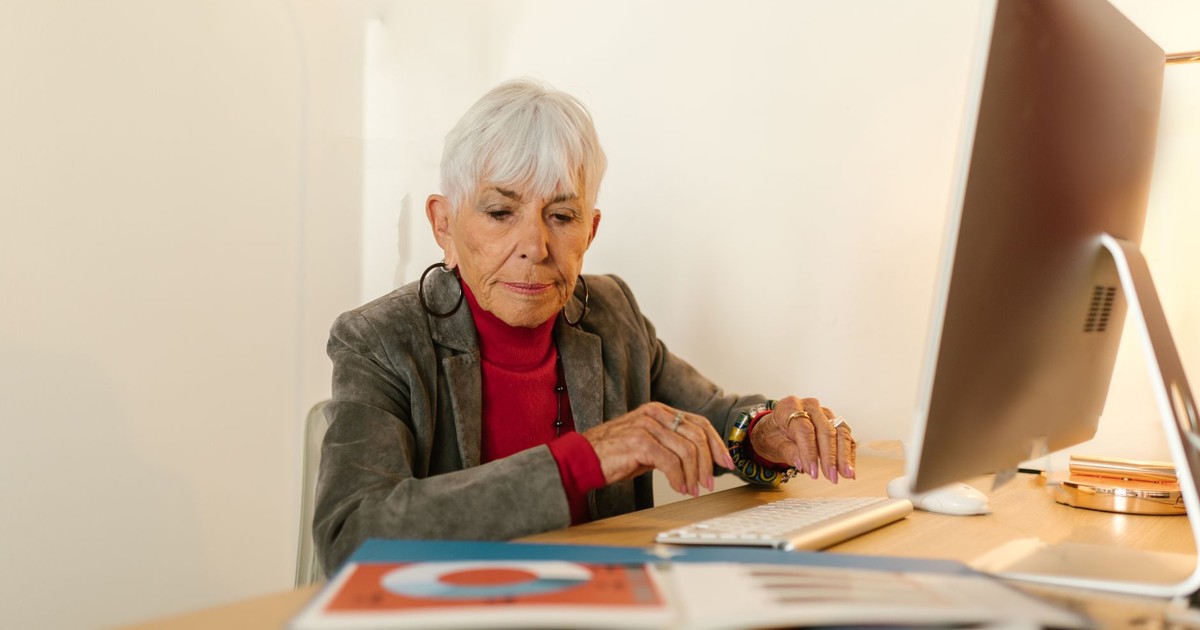

The list of things people assume they can keep doing indefinitely is longer than it should be. The same habits, routines, and attitudes that felt fine at 60 or even 70 can shift into genuine risks once you cross 75. Not because aging is a cliff edge, but because the body at 75 operates on different rules than it did a decade earlier. Bone density, kidney function, muscle mass, medication sensitivity, even the way the liver processes alcohol, all of it changes. And the people who age best are usually the ones who noticed those changes and adjusted, rather than waiting for something to go wrong before they did.
None of this is about slowing down or playing it small. Plenty of the things to avoid after 75 are habits that feel safe, or even virtuous, precisely because they worked for so long. Sitting to rest. Having a glass of wine with dinner. Skipping the doctor because you feel fine. The argument isn’t that life after 75 needs to become a medical management exercise. It’s that a few specific changes, made honestly and without drama, tend to make a very large difference to how the next decade looks and feels.
Some of the items below will feel obvious. Others might surprise you. Most of them have solid research behind them, not generic wellness advice, but specific findings about what happens physiologically to bodies at this particular stage of life. Here are ten things worth stopping after 75.
1. Staying Still for Hours at a Time
The impulse to rest more as you get older is understandable, but long stretches of uninterrupted sitting are one of the more damaging habits a person over 75 can have. A sedentary lifestyle has long been linked to back pain, obesity, and inflammation, and it can raise the risk of heart disease, hypertension, high cholesterol, cancer, and premature death. The problem at 75 is that those risks accumulate faster and with less warning than they did at 50.
The solution doesn’t require a gym membership or an overhaul of your daily routine. Getting up every hour or so to move, and working in small amounts of physical activity throughout the day, taking stairs, doing laundry, even washing dishes, adds up in ways that matter. The body doesn’t require a formal exercise block to benefit; it requires interruption of the stillness.
Among Americans 75 and older, the prevalence of physical inactivity is notably higher in those with at least one chronic disease, 37.3% compared to 26.8% in those with no disease, according to the CDC. That gap matters because inactivity and chronic disease tend to reinforce each other. The less you move, the worse the condition; the worse the condition, the less you want to move.
Breaking that loop early, with even ten-minute walks, is one of the highest-return habits available.
2. Writing Off Balance as Someone Else’s Problem
Falls are the leading cause of injury in older adults in the United States, and most people don’t think seriously about their balance until after the first one. By then, the stakes have already changed. Even if someone doesn’t feel frail, the 60s and 70s are the ideal time to start working on balance, because the better your balance, the less likely you are to fall, and falls are a leading cause of injury and loss of independence in older adults.
One study found that people aged 51 to 75 who could stand on one leg for just 10 seconds had improved survival rates, a finding Stanford Medicine highlighted in its 2026 healthy aging guidance. That’s not a hard exercise. It’s a 10-second balancing act.
But it reflects underlying muscle strength, proprioception (the body’s sense of where it is in space), and neurological function, all of which decline without deliberate maintenance.
Simple daily practices make a real difference: standing on one foot while brushing your teeth, walking heel-to-toe along a hallway, or taking a tai chi class designed for older adults. None of these require exceptional fitness. All of them gradually rebuild the balance reserves that protect against a fall that could, at this stage of life, be genuinely life-altering.
3. Drinking the Same Amount You Did at 65
Older adults feel the effects of alcohol more quickly and can’t drink the same as their younger selves. As bodies age, lean body mass gradually declines, leaving less muscle to absorb alcohol, and that increased sensitivity contributes to a higher risk of falls, bone fractures, and car crashes.
The 2025-2030 Dietary Guidelines for Americans shifted the official advice on this, moving away from specific numeric limits toward a clearer overall message. For adults over 75, AARP reports that the downstream effects matter as much as the drink itself: poorer sleep, increased fall risk, medication interactions, and higher vulnerability to heart rhythm problems all accumulate even with relatively low levels of drinking.
The medication interaction piece deserves particular attention. If you’re over 75 and on blood thinners, sedatives, diabetes medication, or muscle relaxants, the combination with even moderate alcohol can produce effects that neither substance would cause alone. This isn’t a call for complete abstinence unless your doctor says otherwise, but the days of “one glass of wine every night never hurt anyone” deserve a serious second look at this age.
4. Skipping Strength Training Because It Feels Optional
Cardiovascular exercise gets most of the attention, walking, swimming, cycling, but strength training is arguably more critical after 75. The reason is sarcopenia, the gradual loss of skeletal muscle mass and strength that accelerates with age. Without deliberate resistance work, adults can lose 3 to 5 percent of their muscle mass per decade after 30, and that rate increases significantly after 70.
The practical consequences show up as difficulty getting out of a chair, carrying groceries, or recovering from a stumble without falling.
The image of weight training as something for young people is out of date. Resistance exercises using bodyweight, resistance bands, or light free weights, done two to three times a week, build and preserve the muscle that protects joints, supports bones, and keeps daily tasks manageable. Even beginning a strength program in your late 70s produces measurable improvements in muscle function within weeks.
Squats holding a kitchen counter for support, wall push-ups, seated leg raises, these aren’t compromises. They’re appropriate starting points that, done regularly, compound into meaningful physical resilience over months and years.
5. Assuming Your Medication Needs Haven’t Changed
Most people over 75 are managing multiple prescriptions, and most of them aren’t asking their doctor to review the full list on a regular basis. That’s worth changing. Drug metabolism slows significantly with age: the kidneys and liver process medications less efficiently, which means doses that were safe at 65 can accumulate to problematic levels at 77.
Some medications that were appropriate a decade ago have safer alternatives now. Others interact with newer prescriptions in ways that weren’t a concern when they were first prescribed.
The American Geriatrics Society publishes and regularly updates what’s called the Beers Criteria, a list of medications that are potentially inappropriate for older adults. It includes common drugs like certain sleep aids, antihistamines, and muscle relaxants that are widely used but carry disproportionate risks for people over 65, including confusion, excessive sedation, and significantly elevated fall risk.
Asking your doctor specifically about the Beers list at your next appointment is a concrete, practical step that many people have never thought to take.
Bring every medication, supplement, and over-the-counter product to your annual review and ask whether each one still makes sense. Polypharmacy, the use of five or more medications simultaneously, is independently associated with higher fall risk, and the more medications in the mix, the more important it is to review the full picture regularly.
6. Letting Dehydration Slide
The sensation of thirst becomes less reliable with age. After 75, the body’s thirst signals genuinely diminish, which means the usual cue system that reminded you to drink water stops working as well as it did. Dehydration in older adults contributes to urinary tract infections, constipation, cognitive fogginess, low blood pressure, and falls.
A person who feels lightheaded when standing up is at significantly higher fall risk, and dehydration is one of the more common and overlooked contributors to that lightheadedness.
The practical fix is simple but requires intentionality: drink water on a schedule rather than waiting to feel thirsty. A glass with every meal, a glass mid-morning, and a glass mid-afternoon gets most people to a reasonable level of daily hydration without needing to count ounces obsessively. Herbal teas and broths count too. Relying on thirst alone doesn’t work well past 75, because it is no longer a trustworthy alarm.
Certain medications, including diuretics, often prescribed for blood pressure and heart conditions, can further accelerate fluid loss. If you take one, ask your doctor whether your fluid intake needs to be adjusted accordingly.
7. Isolating Without Realizing It
Social isolation doesn’t usually announce itself. It tends to arrive gradually: a friend moves away, driving becomes harder, a health setback keeps you home for a few weeks, and then the weeks extend. By the time it’s obvious, the pattern is already established. The health consequences of that isolation at 75 are not small. Research consistently links chronic loneliness in older adults to increased risk of cognitive decline, depression, cardiovascular disease, and higher overall mortality.
About 80% of adults over 65 in the US are living with two or more chronic conditions, such as cardiovascular disease, type 2 diabetes, and cancer, according to Emily Johnston, Ph.D., a research professor at NYU Langone specializing in healthy aging, Today reports. Social connection doesn’t prevent chronic disease, but it significantly affects how people manage it, and how long they stay well.
Maintaining at least a few consistent, meaningful connections is what actually moves the needle: a weekly phone call, a recurring lunch, a volunteer commitment, a class. The routine matters as much as the relationship, because showing up somewhere on a regular basis structures the week and keeps the mind engaged in ways that solitary activities simply don’t replicate.
8. Ignoring Changes in Hearing
About half of adults over 75 have some degree of hearing loss. High-pitched sounds are especially hard to make out, which makes understanding conversation increasingly difficult. Most people wait years longer than they should before addressing it. The reasons are familiar: the stigma attached to hearing aids, the expense, the reluctance to acknowledge that anything has changed.
But untreated hearing loss in older adults carries consequences that go well beyond having to ask people to repeat themselves.
The clearest emerging concern is the link between untreated hearing loss and cognitive decline. Multiple large studies have found that people with hearing loss who don’t use hearing aids show faster rates of cognitive deterioration than those who do, not because hearing loss causes dementia directly, but because the mental effort required to follow a conversation when you can’t hear it properly is exhausting and ultimately socially isolating, which cycles back to item seven on this list.
If conversations have become harder to follow, if you’re watching TV at a volume that bothers other people, or if you find yourself nodding along in group settings without fully catching what was said, a hearing assessment is the right next step. Modern hearing aids are significantly smaller, more sophisticated, and more discreet than they were even five years ago. Waiting for the problem to get worse before addressing it is the mistake most people make.
9. Eating the Same Diet You Ate at 55
The body’s nutritional needs shift meaningfully after 75. Protein requirements actually increase with age, not decrease, because the body becomes less efficient at processing and using the protein it gets. Most older adults don’t eat enough of it, which accelerates the muscle loss discussed in item four. Lean proteins like fish, chicken, eggs, legumes, and Greek yogurt should appear at most meals, not just dinner.
Calcium and vitamin D matter more too, because bone density continues to decline and the skin becomes less efficient at synthesizing vitamin D from sunlight. Beyond specific nutrients, the other significant change is caloric intake: because metabolism slows, the total amount of food needed decreases, which means every meal has to work harder nutritionally. There’s less room for foods that provide calories without much else.
The Mediterranean-style diet, prioritizing vegetables, fish, legumes, whole grains, and olive oil, has the strongest body of evidence behind it for long-term health in older adults. A 2025 study published in Nature that followed 105,000 people for 30 years found that the roughly 9% who reached 70 without age-related diseases ate a diet high in fruits, vegetables, legumes, and whole grains and low in red meat, according to a 2025 study covered by Today.
Eating for longevity after 75 isn’t about restriction, it’s about making the calories you do eat count.
10. Avoiding the Doctor Because You Feel Okay
Feeling fine is not the same as being fine. Blood pressure, blood sugar, cholesterol, and kidney function can all drift into dangerous territory without producing noticeable symptoms until they’ve been problematic for months. Preventive screening is how those problems get caught early, when they’re still manageable, rather than late, when they’re not.
The U.S. Preventive Services Task Force recommends several key screenings for people in their 70s, including annual blood pressure checks, since hypertension often has no symptoms but significantly increases the risk for heart disease, stroke, and cognitive decline, along with regular cholesterol screening to assess cardiovascular risk. These aren’t appointments to schedule when something feels wrong. They’re appointments to keep because something might be wrong without you knowing it.
There’s also a specific dynamic that matters for people over 75: routine screenings that made sense at 60 may no longer be appropriate, and some tests that weren’t prioritized before may now be. Some of the healthiest 80-year-old patients continue with colonoscopies or mammograms if they have a strong family history or previous abnormal results and maintain good overall health, but for a 75-year-old with complex medical conditions, a doctor may recommend against such procedures.
The appropriate health plan at 75 is individualized, and the only way to know what yours should look like is to actually show up and discuss it. Annual visits aren’t bureaucratic boxes to check; they’re how adjustments get made before the thing that was slightly off becomes the thing that’s serious.
Read More: These 10 American Cities Have Special Perks for Retirees Who Move There
The Honest Takeaway
Most of the items on this list aren’t dramatic. They don’t require reinventing your life or becoming someone who talks about wellness all day. What they require is updating the operating assumptions you’re running on, the ones formed when your body worked differently than it does now. That’s harder than it sounds, partly because updating those assumptions means acknowledging that things have changed, and that acknowledgment isn’t always comfortable.
The people who handle this decade well tend to share a common trait: they’re honest with themselves about what their body is actually telling them now, as opposed to what it told them ten years ago. That honesty isn’t pessimism. It’s the thing that allows someone at 78 to still be walking two miles a day, staying engaged with people they care about, eating food that supports them, and sleeping well. The small adjustments made soon after recognizing any of these patterns are the ones that look, in retrospect, like exactly the right call.
Disclaimer: This information is not intended to be a substitute for professional medical advice, diagnosis, or treatment and is for information only. Always seek the advice of your physician or another qualified health provider with any questions about your medical condition and/or current medication. Do not disregard professional medical advice or delay seeking advice or treatment because of something you have read here.
AI Disclaimer: This article was created with the assistance of AI tools and reviewed by a human editor.