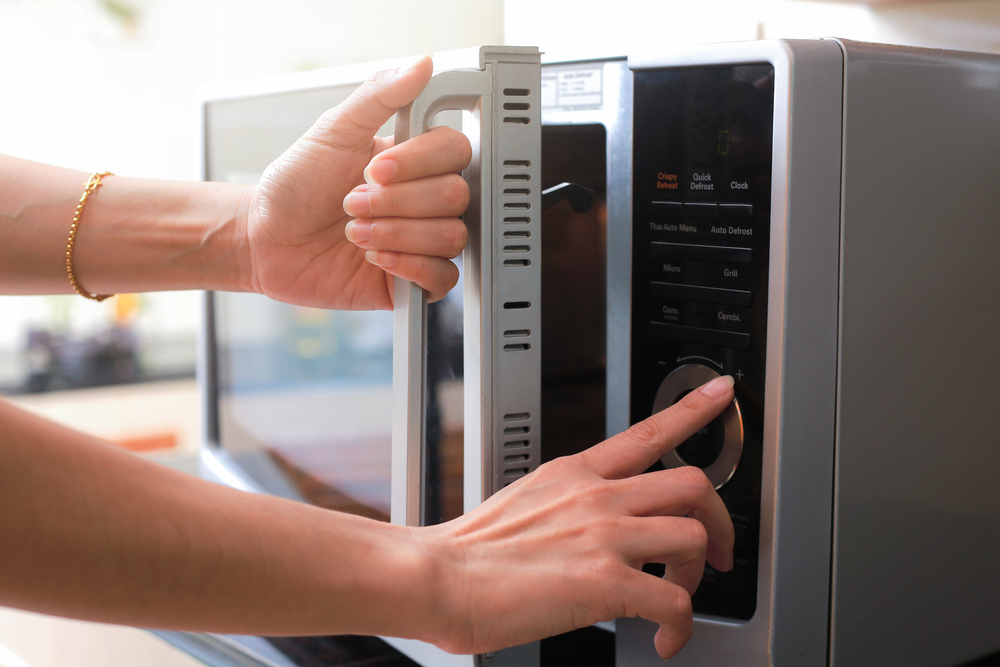

For most people, a microwave is a fast box with one real setting. You punch in a time, hit start, and let it run at full power until the food is hot enough to eat. That works well enough for some things, which is why so many people never stop to question it. But it is also the reason leftovers come out boiling around the edges and cold in the middle, why butter turns into a puddle when you only wanted it softened, and why reheated food can taste tired and overcooked even when the timing seemed right. The button most people skip is the power level button. It is easy to ignore because the microwave still works without it, but that button changes the way the machine heats food. Once you understand what it actually does, the microwave becomes much more useful. You stop treating it like a blunt tool and start using it with more control. That matters because not every food should be heated the same way. Some foods need slower, gentler warming. Others need bursts of energy with small breaks in between. The power button gives you that flexibility, and once you start using it properly, a lot of common microwave disappointments become much easier to avoid.
What the Power Level Button Actually Does
A lot of people assume the power level button changes the temperature inside the microwave, the way a stove knob changes heat. That is not really what is happening. The microwave does not suddenly become cooler in the way an oven or burner might. Instead, lower power levels usually mean the machine cycles its energy on and off during the cooking time. At full power, the microwave runs continuously. At a lower level, it runs in shorter bursts with little breaks in between. Those breaks matter because they give food more time to absorb and spread the heat. That is what makes lower power levels so useful. They do not just slow the process down for the sake of it. They make the heating more controlled. Think about the difference between blasting a pan on high heat and warming something slowly on medium-low. One is fast, but the other is often better for texture and even cooking. The same logic applies here. A lower microwave power setting helps food heat more gently instead of getting hammered all at once. That is especially useful for leftovers, dairy, sauces, eggs, chocolate, and frozen foods. Once you know that the power button is really about control and timing, it becomes much easier to understand why using full power for everything often gives such uneven results.
Why Full Power So Often Gives You Bad Results
Full power is not bad. It is just overused. It works well for certain jobs, especially if you are heating something watery, simple, or designed for quick microwave cooking. But when you use it for everything, it starts causing problems fast. That is because food does not heat evenly by nature. Different parts of the same dish warm at different rates. Thin edges heat faster than thicker centers. Sugary or fatty parts can get hotter faster than denser ones. Sauces behave differently from pasta. Meat behaves differently from vegetables. When everything is blasted on high from start to finish, the outside often pays the price first. It gets dry, tough, rubbery, or overheated while the inside still needs more time. Then people add even more time, which makes the outside worse and still does not always fix the middle. That is why so many microwave meals come out disappointing. It is not always the microwave’s fault. A lot of the problem comes from using the most aggressive setting for foods that would do much better with patience. The power level button helps solve that by making the heating less harsh. It gives the food a chance to catch up with itself. That one change can make leftovers taste more like food and less like something that survived an accident.
Why Leftovers Reheat Better at Lower Power
Leftovers are probably where the power level button makes the biggest difference. People usually want leftovers heated quickly, so they throw them in on high and hope for the best. That is exactly when the usual problems show up. Pizza gets chewy. Pasta dries out on the edges. Rice gets hot in one corner and cool everywhere else. Meat turns tough. Sauces bubble too hard. A lower setting usually works better because reheating is not the same as cooking from scratch. The food is already cooked. You are just trying to bring it back to a good temperature without damaging the texture. A medium or medium-high power setting often does that much better than full blast. It gives the heat more time to move through the food instead of punishing the outer layer first. This is especially helpful for mixed dishes like casseroles, pasta bakes, rice bowls, stir-fries, and anything with sauce or cheese. Even one serving can come out much better when you use a gentler setting for a little longer. It may take an extra minute or two, but the result is usually worth it. The food tastes more balanced, feels more evenly warm, and is much less likely to come out with one part scorching hot and another still frustratingly cold.
Softening, Melting, and Defrosting Are Where This Button Really Helps
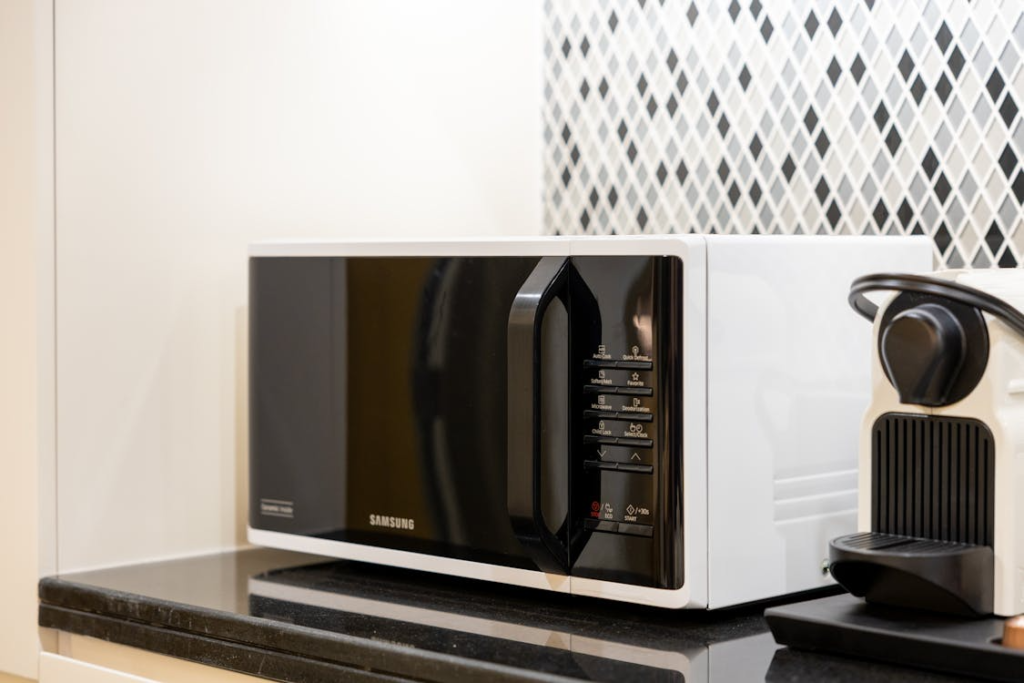
The microwave power button becomes even more useful when you are not trying to fully heat a meal. Think about softening butter, melting chocolate, warming cream cheese, defrosting bread, or thawing meat. These are all jobs that go wrong quickly at full power. Butter goes from firm to liquid in seconds. Chocolate seizes or scorches. Bread gets weirdly tough. The meat starts cooking around the edges while the center stays frozen. Those problems are so common that many people just assume microwaves are bad at these tasks. In reality, the wrong setting is often the real issue. Lower power works better because these foods need gentleness, not speed. If you want butter softened, you do not want the hottest setting. If you want to melt chocolate, you do not want nonstop heat. If you are defrosting meat, you absolutely do not want the outside to start cooking before the inside has thawed. A lower setting gives you more control and gives the food little resting moments in between bursts of energy. That helps prevent the fast overshooting that ruins delicate ingredients. It also gives you a wider window to stop at the right point. Instead of going from not ready to ruined in ten seconds, you have more room to work with. That alone can make your microwave feel much more reliable in everyday cooking.
Some Foods Need Gentle Heat More Than Fast Heat
There are certain foods that just do better when treated carefully, and the microwave power button exists for exactly that reason. Eggs are a good example. Heat them too hard, and they become rubbery almost immediately. The same goes for dishes with a lot of cheese, cream, milk, or delicate sauces. They can separate, bubble too hard, or develop strange textures when microwaved too aggressively. Pastries are another one. A croissant, muffin, or soft roll can go from pleasantly warm to oddly stale-feeling if you hit it with full power for too long. These foods do not usually need more force. They need a softer approach. That is what the power button gives you. It helps you match the heating method to the type of food instead of forcing everything through the same setting. This is where people often realize they have been making microwave cooking harder than it needs to be. They are not failing because they picked the wrong time. They are failing because they picked the wrong power. Once you start lowering the level for foods that are easy to overdo, the microwave stops feeling so unpredictable. It becomes easier to soften, warm, and reheat without ruining texture. That one change can make a big difference, especially if you use the microwave often but keep feeling disappointed by how food turns out.
How to Start Using the Power Button Without Making Things Complicated
A lot of people avoid the power level button because they assume it will turn a simple appliance into something technical and annoying. It really does not have to. You do not need to memorize a big chart or become obsessed with exact percentages. The easiest way to start is by following a very simple rule. If a food keeps coming out uneven, dried out, overcooked, or weirdly textured on high, try lowering the power next time. That is it. Reheat leftovers at around medium or medium-high instead of full blast. Use lower settings for softening butter, melting chocolate, or warming anything delicate. Use a low setting for defrosting rather than trying to force frozen food to thaw on high. After that, just watch what happens. The microwave usually becomes easier to manage once you stop treating it like a race. Most models let you enter the cook time, choose the power setting, and then press start. After a few tries, it becomes routine. You may still use full power often, but now you will know when not to. That is the real win. The goal is not to complicate your life. It is to stop using one setting for every food as if they all behave the same way. They do not, and your microwave already has a tool built in to help with that.
Why This One Button Can Save Food From Getting Ruined
One reason the power level button matters so much is that it helps protect texture, and texture is often what makes reheated food feel disappointing. Most people notice temperature first, but texture is usually what makes them think, ” This turned out badly. Tough chicken, greasy cheese, dry rice, chewy bread, split sauce, rubbery eggs, scorched chocolate, and over-softened butter all have one thing in common. They were heated too aggressively for what they needed. The microwave power button helps prevent that by taking the edge off the process. It creates a gentler style of heating that gives the food more of a chance to stay close to its original state. That does not mean every dish will come out perfect. Microwaves still have limits. But it does mean many foods will come out noticeably better when you stop blasting them with uninterrupted full power. This is especially true if you are reheating something you actually care about, like restaurant leftovers, homemade pasta, a breakfast sandwich, or anything with a delicate texture. The point of reheating is not just to make food edible. It is to make it enjoyable enough that you still want to eat it. The power button helps with that. It turns the microwave from a machine that simply heats food into one that can warm food more thoughtfully. That is a better use of the appliance you already have.

The Microwave Works Better When You Stop Rushing It
The funny thing about microwaves is that people love them for speed, but many of the best results come when you stop chasing speed quite so hard. The appliance is still fast even when you lower the power. You are not turning a microwave into a slow cooker. You are just giving the food a better chance to heat properly. That is often the tradeoff: one or two extra minutes for much better results. Once people realize that, they usually stop seeing the power button as some extra feature they can ignore. They start seeing it as the missing part of why the microwave never seemed to work well for certain foods. The machine was not the problem. The habit was. Using full power for everything is easy, but it is also lazy in a way that costs you quality. The power button fixes that without requiring much effort. It simply asks you to choose a gentler setting when the food needs one. That is not complicated. It is just smarter. And once you get used to doing it, it starts to feel strange that so many people skip this button and then blame the microwave when their food comes out badly. The machine already has the answer sitting right there on the panel. Most people just never press it.
The Button You Should Be Using More Often
The microwave power level button is easy to ignore because the appliance still seems to do its job without it. Food gets hot. Time passes. Dinner is technically ready. But that is a pretty low bar. If you want better leftovers, more even reheating, safer defrosting, gentler melting, and fewer ruined textures, this is the button that makes the biggest difference. It is not flashy, and it is not new, which is probably why so many people keep skipping past it. But it solves one of the most common microwave problems, too much heat too fast. Once you understand that, the whole machine makes more sense. Full power has its place, but it should not be the only setting you ever use. Some foods need speed. A lot of foods need control. The power button is what gives you that control. It turns the microwave from a one-speed shortcut into a more useful cooking tool. And the best part is that you do not need to buy anything new or learn a complicated trick. The button is already there. You just have to start using it. Once you do, there is a good chance your microwave food will start tasting less like microwave food, and that is probably the clearest sign that you are doing it right.
This article was created with the assistance of AI tools and reviewed by a human editor.