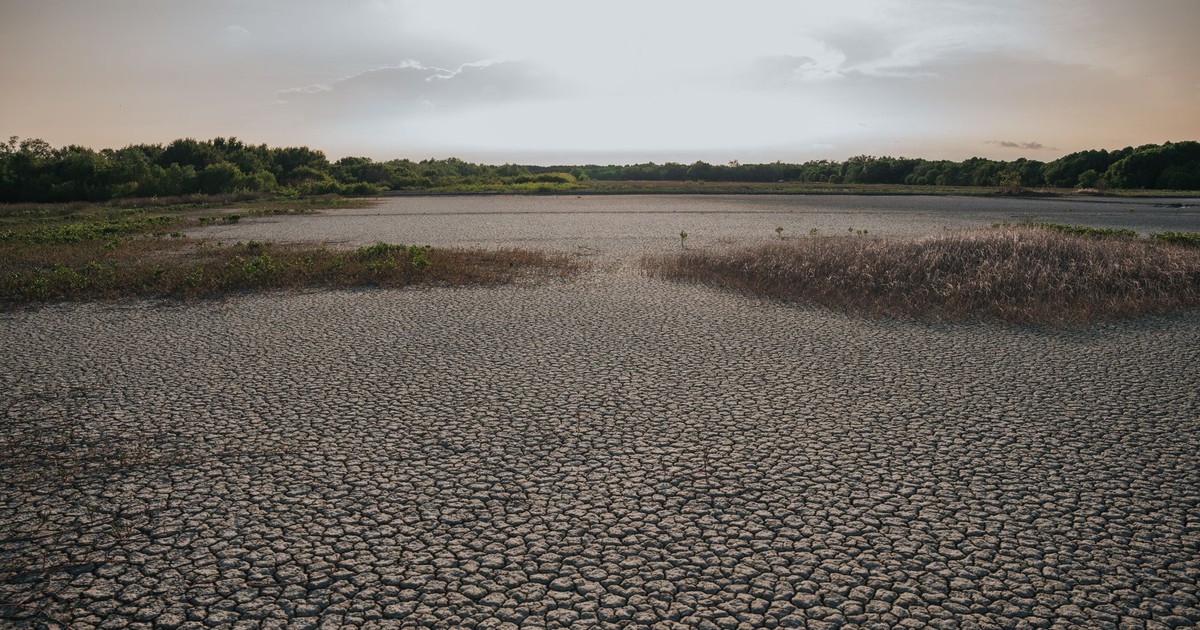

Corpus Christi has around 300,000 residents, sits on the Gulf Coast, and is surrounded on three sides by water. The coastal city currently has roughly a year’s worth of water in storage. That single fact, stripped of context, almost defies comprehension. A city literally built at the edge of the ocean, and it’s running out of the water its people drink.
The Texas water shortage gripping Corpus Christi didn’t arrive suddenly. The Nueces basin has been experiencing widespread drought conditions since late 2021, leading to very low water levels in Choke Canyon Reservoir and Lake Corpus Christi. Four and a half years of a relentless squeeze, so gradual that the full weight of the situation only landed on most people’s radar in 2026, when city officials began using phrases like “imminent emergency” in official briefings. By then, the math had gotten stark. Choke Canyon fell from 47 percent to 11 percent capacity between October 2021 and October 2025 alone.
The drought is one part of it. The other parts are an industrial boom that multiplied water demand just as the rains stopped, a surface-water system with no deep aquifer backup, and a desalination project that cycled between promise and political collapse for the better part of a decade. Each of those things on its own would be manageable. Together, at the same time, they produced a city staring at a ticking clock.
How Low the Reservoirs Actually Got
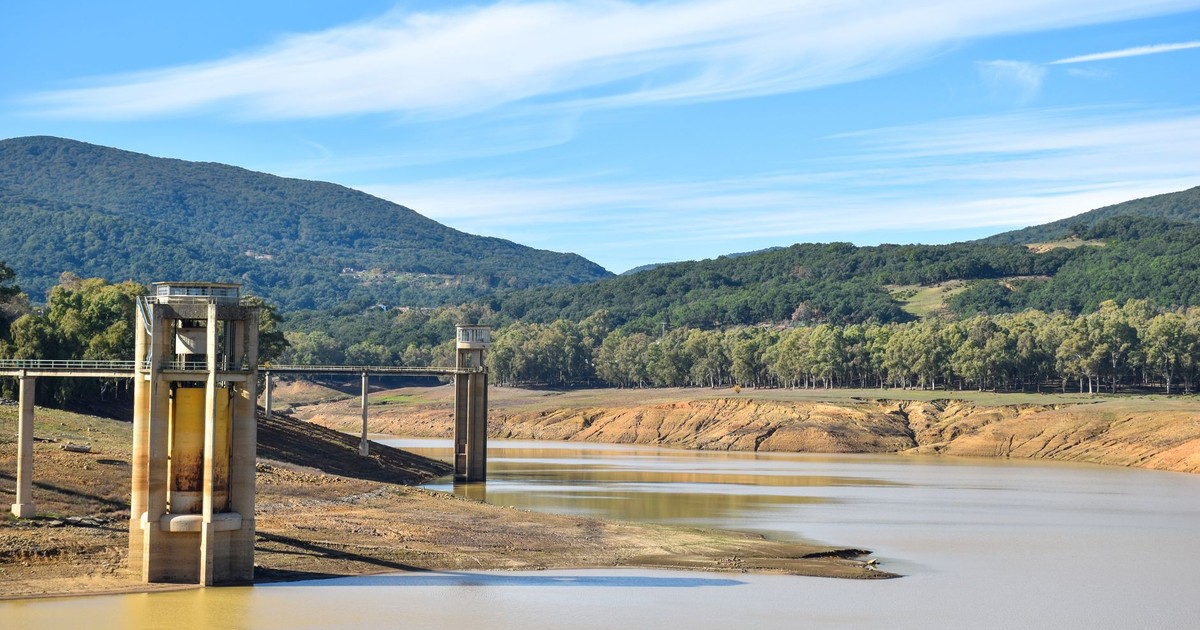
The two reservoirs the region relies on, Lake Corpus Christi and Choke Canyon, were at just 7.8 percent of their combined capacity as of April 28, 2026. Both reservoirs were built around hydrological conditions that assumed a level of annual rainfall the region hasn’t consistently seen in years. The industrial demand layered on top of that system was premised on the same assumption.
More than 95 percent of the city’s water supply comes from surface water, primarily those two lakes. That dependence on rainfall-fed surface water is what makes the situation so fragile. There is no deep aquifer to fall back on, no river running reliably through the city. As NPR reported, Corpus Christi relies heavily on rainfall to refill its reservoirs, but in recent years that rain hasn’t come and water levels have been steadily declining after years of prolonged drought conditions.
Texas state climatologist John Nielsen-Gammon, a professor at Texas A&M University who has held the position since 2000, put it plainly: “The weather could shoot blanks for long enough, and eventually you can run out of water.” Climate change, he said, is worsening the problem in Corpus by causing higher temperatures, which leads to increasing evaporation of surface water.
With the primary reservoirs failing, the city was forced to lean harder on backup sources. As a result of the reservoir crisis, the city had to draw more water from the Colorado River and Lake Texana, which as of March 2026 supply about 73 percent of the city’s water. But that backup wasn’t unlimited, either. Water levels in Lake Texana have been declining since mid-2025, raising concerns about further reductions in water availability.
City projections warned that, without significant rainfall or new supply, Corpus Christi could face a “Level 1 water emergency” as early as November 2026, when available water would be projected to fall within about 180 days of depletion. Under that emergency designation, all water customers, including residents, businesses, and industry, would be required to cut water use by 25 percent. Residents’ baseline usage was set at 8,000 gallons a month, which would fall to 6,000 gallons a month under emergency rules.
The Oil Boom That Dried a City Out
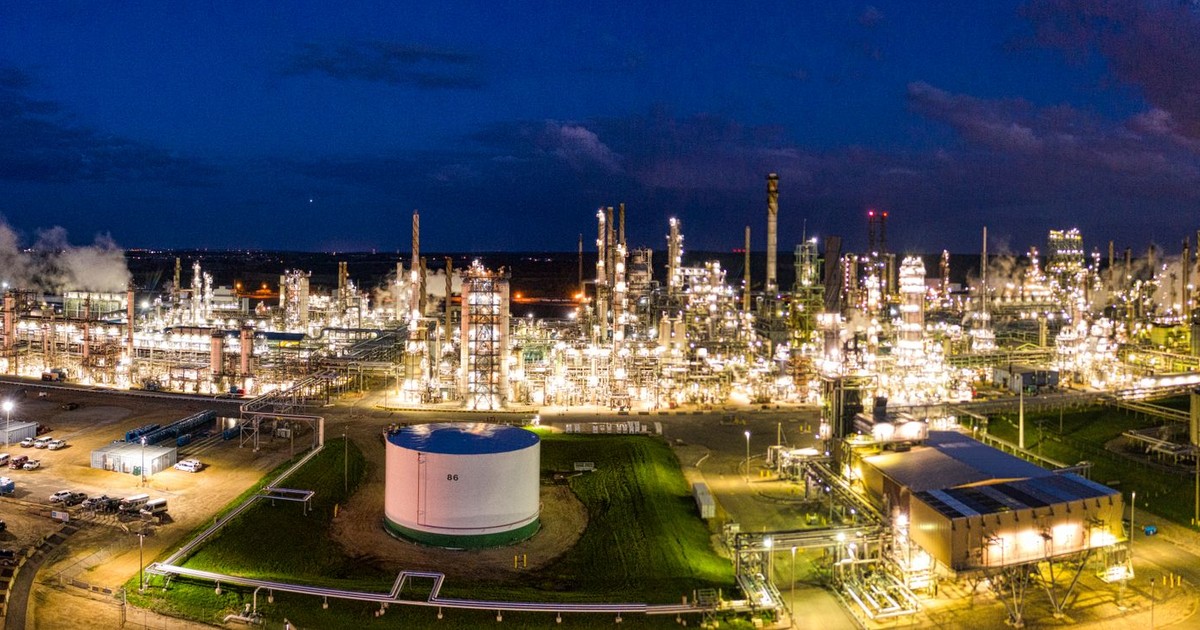
The drought alone doesn’t fully explain how Corpus Christi got here. The other half of the story is what happened to the economy along the Gulf Coast over the past decade.
Coinciding with the long-term drought, the region has seen substantial industrial growth spurred by the expansion of the Port of Corpus Christi. From 2013 to 2023, the port’s trade value more than doubled, in part as a result of increased fracking for oil and natural gas in West Texas and the 2015 loosening of oil export restrictions. The port is now the nation’s number one exporter of crude oil.
The city’s port injected more than $113 billion into the state economy while supporting more than 864,000 jobs nationwide in 2024, according to a study from the Texas Comptroller. That kind of economic weight is not easy to ignore in any political conversation about water cuts.
In the late 2010s, as the port’s growth attracted water-intensive petrochemical industries to the Coastal Bend, city staff told companies there would be enough water to meet their needs. That promise was made when the Nueces basin was wetter. By the time anyone revisited the arithmetic, the reservoirs were already in decline and the refineries had been built. Industrial users are now consuming about 60 percent of the region’s water supply.
City Manager Peter Zanoni called the local petrochemical industry “the lifeblood of this community” while also warning that these companies are at risk of being forced to scale back operations. “If they have to curtail water use, it means they have to turn off operations, either in part or in whole, and it’s not that you can just make a little less one day,” he said.
Companies threatened to leave the city if something was not done. That pressure from industry sat at the center of every political fight over what to do next.
The Desalination Saga
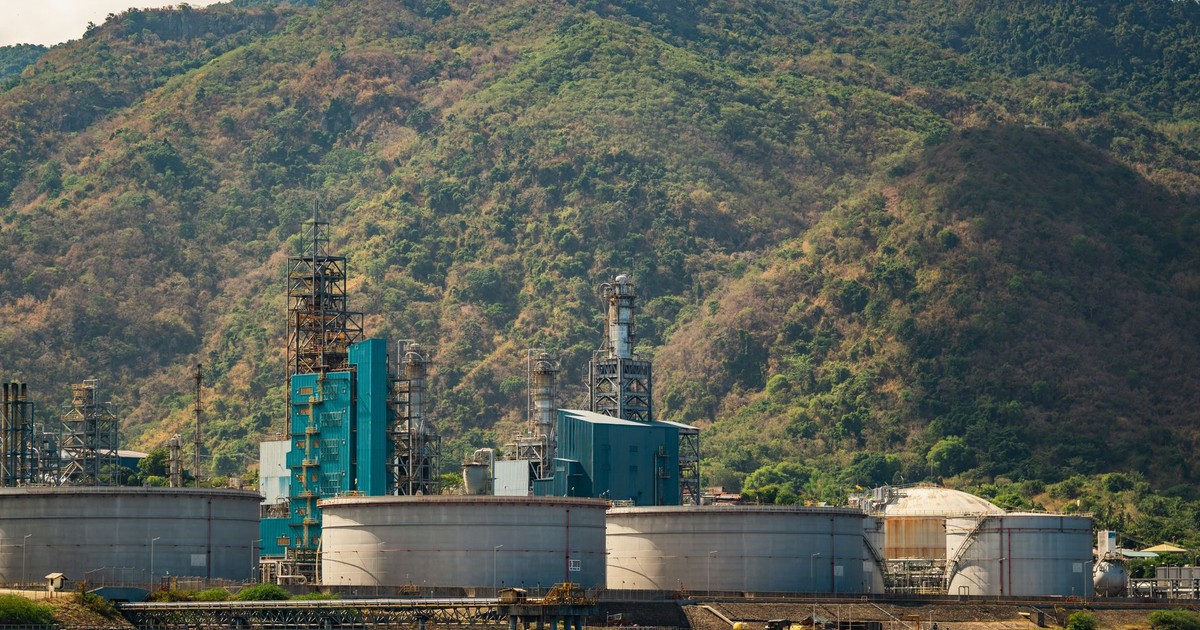
For years, the obvious answer seemed simple: the city is on the Gulf of Mexico. Desalinate the seawater. Use the ocean as the backup reservoir that rainfall can’t reliably be. A proposal on the table would build a massive facility for removing salt and impurities from seawater, producing an estimated 100 million gallons of water per day, twice as much as the largest desalination plant currently operating in the United States, in San Diego.
The problem was never the engineering. The plant has been discussed since 2017, and efforts to move forward with it kept getting caught up in bureaucratic delays and questions over funding. Then the cost estimates started climbing. The projected cost of the proposed Inner Harbor desalination plant reached $978.7 million, a figure that was actually slightly lower than an earlier $1.2 billion projection that had fueled months of public debate.
In September 2025, with the price tag ballooning and environmental objections mounting, the City Council voted to kill the original plan. Climbing costs played a big role in that decision, but critics were also concerned about where the plant’s salty leftovers would be released. Under the proposal, millions of gallons of brine byproduct, which can be twice as salty as seawater, would be discharged into Corpus Christi Bay, home to a variety of fish, crabs, and seagrass.
The political fallout from that decision continued well into 2026. A bitterly divided City Council voted early on a June 2026 morning to delay a decision on reviving the almost billion-dollar water plant it had rejected nine months earlier. The 7-2 vote came at 2:20 a.m., almost 15 hours into a meeting that drew extensive public interest from residents who argued for and against building the plant.
A sharply divided Council then declined to apply for a federal grant to help build the proposed $978.8 million water treatment project, with council members trading insults and accusations on their way to a 5-4 vote that cast further doubt on the desalination plant meant to provide a drought-resistant water supply within about three years.
Meanwhile, seven months after axing their own seawater desalination plant project and five months from when a water crisis was expected to surface, the City Council voted 6-2 in May 2026 to begin preliminary talks with a new company to build a desalination facility for the Coastal Bend area. This was the second privately owned plant the city considered. In March, the council had already greenlit the water department’s recommendation to consider purchasing water from a desalination plant under construction by plastic manufacturer Corpus Christi Polymers. A second company proposed a project that would require the city to commit to buying between 50 million and 150 million gallons a day for at least 30 years.
The city that needed the most straightforward imaginable solution, drawing freshwater from the sea it borders, spent the better part of a decade trapped in cost fights, environmental objections, contract disputes, and council deadlocks.
The Stopgap Measures
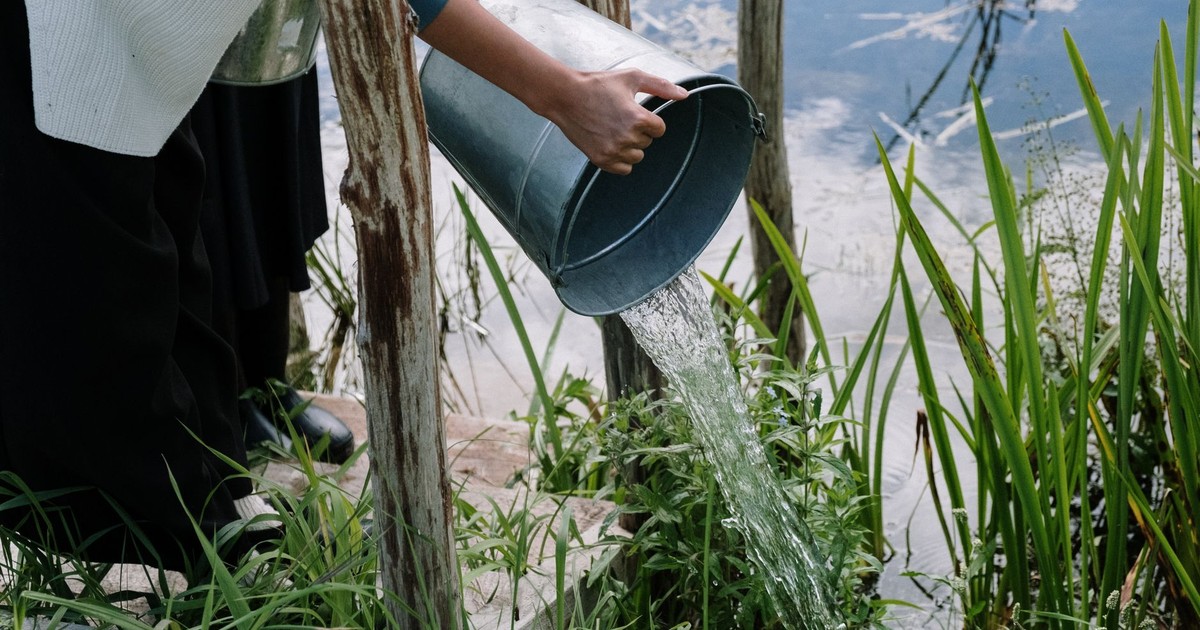
With no permanent fix in place and the reservoirs barely registering on the gauges, the city pursued whatever short-term options it could.
Groundwater wells drilled deep underground along the Nueces River are already supplying approximately 12 million gallons per day to supplement surface water supplies. The city is also pursuing permits to install wells in the Evangeline aquifer to the north, aiming to extract as much as 24 million gallons per day, potentially starting as early as November 2026.
On the industrial side, some of the biggest water users agreed to switch to lower-grade reclaimed water for processes that don’t actually require drinking-quality supply. Major companies including Valero and Flint Hill Resources agreed to use reclaimed water at their facilities in place of over-purified drinkable water. The design for the pipes and pumping station needed to supply this water was expected to be completed in June 2026, with an initial 1 million gallons per day available in October 2026 and up to 16 million gallons per day when the project is fully constructed.
The city had already restricted water use for more than a year. Lawn watering was banned entirely. Washing cars or watering plants at home was restricted to a specific designated watering day. In a city where summer temperatures routinely breach 100 degrees Fahrenheit, a green lawn became a visible mark against your neighbors.
Smaller municipalities in the region fared even worse. At least two cities, Aransas Pass and Beeville, issued local disaster declarations tied to water shortages. A proclamation issued by Aransas Pass on April 22 cited severe drought, declining reservoir levels, and projections that available supply may not meet demand later in the year.
Breathing Room, But Not a Solution
Then, late July 2026, the weather intervened in a way no one had planned for.
The Texas Tribune reported that Corpus Christi received what city officials called “tremendous” news when the projected water emergency was delayed until fall 2028, a full year later than previously anticipated, as floodwater from recent intense storms continued flowing into the region’s reservoirs. Choke Canyon climbed in the space of a single week from 7.9 percent of capacity to 24 percent. The reservoir was last consistently full in the early 2000s and has been below 50 percent full since 2013. The combined level of Choke Canyon and Lake Corpus Christi reached 26.2 percent.
“This is really, really good news for the community, and it gives us time to bring on our water supply projects without the stress of heading into a Level 1 water emergency,” City Manager Peter Zanoni said.
The reprieve gives local leaders more time to pursue long-term supplies, though questions remain about conservation, desalination, and stalled infrastructure projects. Nobody is pretending the crisis is over. The floods came from devastating storms that caused their own destruction elsewhere in the state. The reservoirs are still nowhere near full. And the underlying conditions that produced the shortage, five years of drought, a surface-water-dependent system, and industrial demand that consumes well over half of available supply, haven’t changed.
The Part Nobody Wants to Say Out Loud
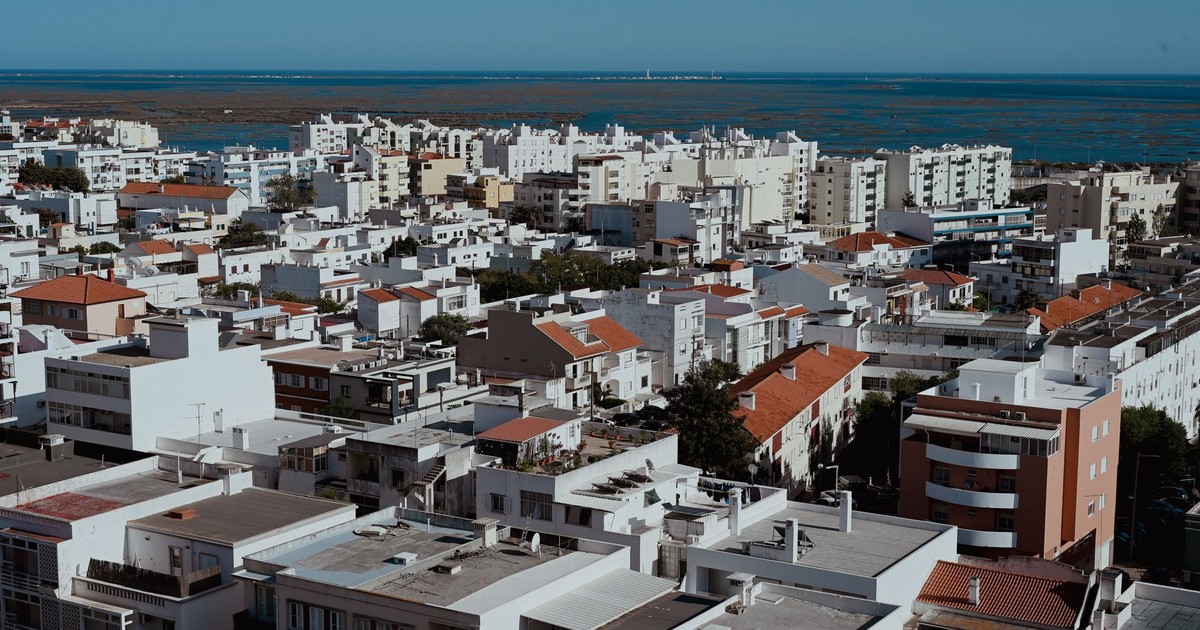
Corpus Christi’s situation is the most dramatic current example of a Texas water shortage, but the pressures it faces aren’t unique to the Coastal Bend. Other fast-growing cities in the Southwest, including Phoenix and Las Vegas, face similar strains. Corpus Christi is instructive because it shows clearly what happens when every part of the system fails simultaneously: the rainfall assumptions built into a city’s infrastructure turn out to be wrong; the industrial promises made during boom years can’t be unwound; and the long-discussed engineering solutions that could have provided drought-proof supply get stalled in politics and cost disputes until the clock runs out.
Without significant rainfall, the city’s government could still have to declare a water emergency as soon as December 2026. That would require households to limit their water use to 6,000 gallons per month, two-thirds of the average U.S. household’s water use. The July flooding has pushed that timeline back, but it hasn’t erased it. Two years of breathing room is only useful if the city can actually build, permit, fund, and complete the water infrastructure it’s been debating for the better part of a decade.
The deeper problem is that decisions made in optimistic conditions are very hard to undo once those conditions change. A refinery can’t simply use less water when it’s running at full capacity. A city can’t un-invite the industries that built its economy. The climate is changing faster than the infrastructure built to manage it. What Corpus Christi is living through right now is what it looks like when that gap between the world you planned for and the world you’re actually in finally becomes impossible to close with optimism alone.
Disclaimer: This information is not intended to be a substitute for professional medical advice, diagnosis, or treatment and is for information only. Always seek the advice of your physician or another qualified health provider with any questions about your medical condition and/or current medication. Do not disregard professional medical advice or delay seeking advice or treatment because of something you have read here.
AI Disclaimer: This article was created with the assistance of AI tools and reviewed by a human editor.