
The morning of December 7, 1941, was a Sunday. People were sleeping in, making breakfast, going to church. Then, in the span of two hours, the United States lost 2,403 men and women, eight battleships, and any remaining illusion that geography could keep the war away. Some terrible moments in America arrive with warning. The worst ones don’t.
Certain events lodge permanently in national memory not simply because of scale, but because of the specific way the loss happens: the ordinary Tuesday morning interrupted, the children at school who never came home, the federal building with a daycare on the second floor. These are the moments that don’t fade – not because Americans are uniquely prone to grief, but because the events themselves reshaped what the country believed was possible, or safe, or survivable.
This list covers twelve of those moments – from attacks on American soil to man-made disasters, from assassinations to the slow catastrophe of economic collapse. Not all of them are the deadliest events in American history, but all of them are the ones that people still talk about, still argue about, and in many cases still feel.
1. The Attack on Pearl Harbor (1941)
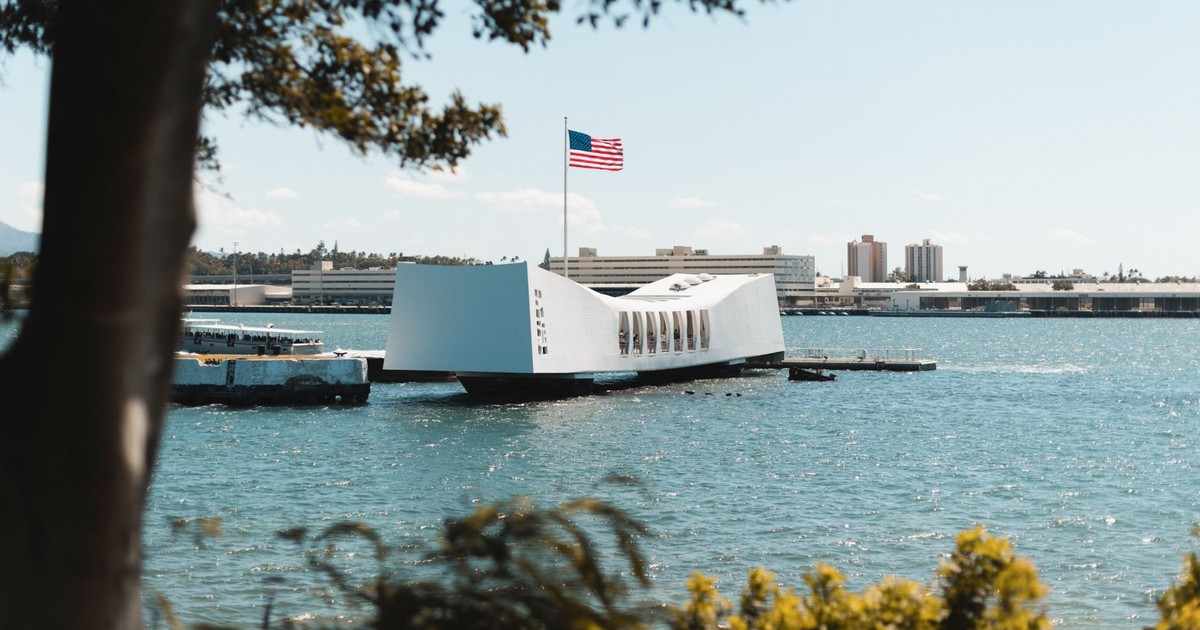
Pearl Harbor, a U.S. naval base near Honolulu, Hawaii, became the scene of a devastating surprise attack by Japanese forces on December 7, 1941. Just before 8 a.m. that Sunday morning, hundreds of Japanese fighter planes descended on the base and managed to destroy or damage nearly 20 American naval vessels, including eight battleships, and over 300 airplanes. The assault lasted just over two hours and shattered the assumption held by many Americans that the ocean separating them from Europe’s and Asia’s wars offered protection.
A total of 2,403 Americans were killed and 1,178 others were wounded. The greatest concentrated loss of life occurred on the USS Arizona, where 1,177 sailors, officers, and Marines were killed as the ship was sunk – more than half of all American military dead that day. The wreck of the USS Arizona remains on the harbor floor to this day, designated a national cemetery.
The day after the assault, President Franklin D. Roosevelt asked Congress to declare war on Japan, drawing the United States into the Second World War. The attack immediately unified a nation that had been deeply divided over intervention. It also prompted one of the darker domestic responses of the 20th century: the forced internment of more than 117,000 Japanese Americans, citizens and non-citizens alike, in the months that followed.
2. The Great Depression (1929 – 1939)
No single day announced the Great Depression the way a bomb or a hijacked plane does. It crept in, then collapsed everything at once. When the stock market crashed in October 1929, it triggered a crisis in the international economy, which was linked via the gold standard. A rash of bank failures followed in 1930, and as the Dust Bowl increased the number of farm foreclosures, unemployment topped 20 percent by 1933.
The Great Depression was the worst economic crisis in modern history, lasting from 1929 until the beginning of World War II in 1939. The causes included slowing consumer demand, mounting consumer debt, decreased industrial production, and the rapid and reckless expansion of the U.S. stock market. By the worst years of the Depression, roughly one in four working Americans had no job. Families lost homes, farms, and savings accumulated over generations. Breadlines stretched around city blocks.
The Depression’s cultural wound ran deeper than any single statistic can capture. It rewired an entire generation’s relationship with money, security, and what the government owed its citizens. Presidents Herbert Hoover and Franklin D. Roosevelt tried to stimulate the economy with a range of incentives including Roosevelt’s New Deal programs, but ultimately it took the manufacturing production increases of World War II to end the Great Depression. The decade of suffering in between produced a generation that kept cash in mattresses and never fully trusted banks again.
3. The Assassination of President Abraham Lincoln (1865)
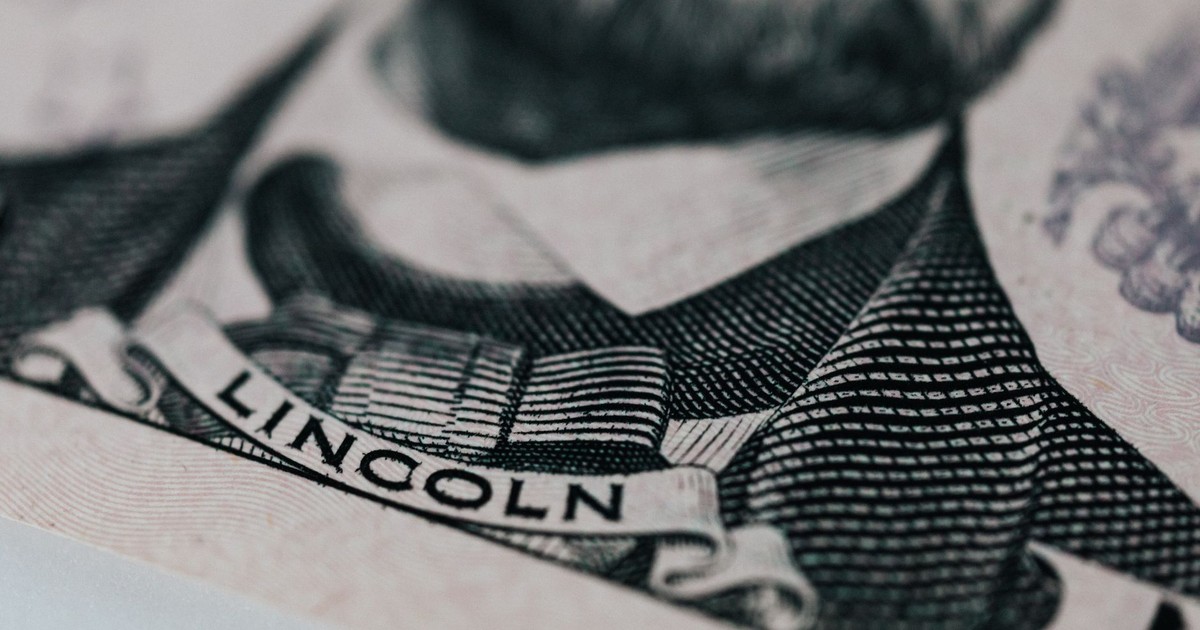
Abraham Lincoln was shot on April 14, 1865, just five days after Confederate General Robert E. Lee surrendered at Appomattox, effectively ending the Civil War. He was fatally shot by John Wilkes Booth while attending a performance of “Our American Cousin” at Ford’s Theatre in Washington, D.C. Lincoln’s death plunged the nation into mourning and uncertainty, leaving the future of Reconstruction and national healing in question.
Five days after the war ended was about the worst possible moment to lose him. The hardest political work – knitting a broken country back together – was just beginning, and Lincoln was the one figure most likely to manage it with something approaching justice. His death handed the presidency to Andrew Johnson, whose lenient policies toward the former Confederate states set the stage for the rollback of Black civil rights and the violence of Reconstruction’s collapse.
Lincoln’s assassination also triggered something new in American life: the realization that the presidency itself was a target. In the years that followed, security around presidents became a serious, permanent concern. The event cast a shadow so long that every subsequent presidential assassination – Garfield in 1881, McKinley in 1901, Kennedy in 1963 – has been understood partly through its reference to what happened at Ford’s Theatre.
4. The Assassination of President John F. Kennedy (1963)
The motorcade was en route to the Trade Mart, where President Kennedy was scheduled to speak at a luncheon. Kennedy was shot in Dallas, Texas, on November 22, 1963. He was 46 years old, the youngest person ever elected to the presidency, and the moment his motorcade passed through Dealey Plaza became one of the most filmed and studied crimes in American history. The assassination shocked the nation and the world, leading to an outpouring of grief and a period of national mourning.
The murder of Kennedy has never fully resolved itself in the American psyche, partly because the Warren Commission’s conclusion – that Lee Harvey Oswald acted alone – has never been universally accepted. For decades, polls have shown that a majority of Americans believe others were involved, and the cultural footprint of that doubt has been enormous: it seeded a generation of institutional distrust that never quite went away.
Beyond the loss of one man, Kennedy’s assassination marked the end of a particular postwar optimism. The early 1960s had offered a specific kind of American confidence – young, forward-looking, nuclear-age and terrified but still somehow hopeful. That particular feeling didn’t survive November 22, 1963.
5. The Assassination of Dr. Martin Luther King Jr. (1968)
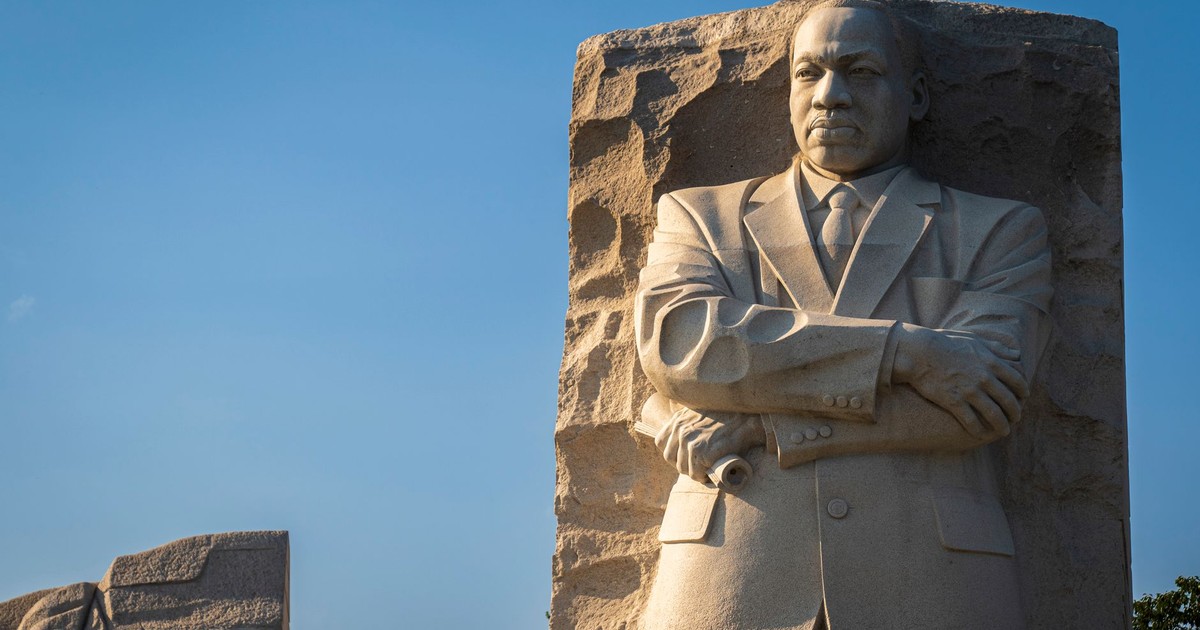
On April 4, 1968, Dr. Martin Luther King Jr., a leading figure in the Civil Rights Movement, was assassinated in Memphis, Tennessee, while standing on the balcony of his room at the Lorraine Motel. He had come to Memphis to support striking sanitation workers. The night before his death, he delivered a speech in which he told the audience he had been to the mountaintop – words that felt, in retrospect, like a farewell.
King’s murder triggered riots in more than 100 American cities. More than 40 people died in the civil unrest that followed. For the Civil Rights Movement, already fracturing over the direction it should take after the legislative victories of 1964 and 1965, the loss was staggering. King was the movement’s most effective voice for nonviolent resistance, and his death created a vacuum that no single figure could fill.
James Earl Ray, a white supremacist, killed King in a city where King stood in solidarity with Black workers – which put the racial and political dimensions of the murder on the same plane, inseparable from each other. Like Lincoln, King was killed at the exact moment his work required his continued presence most.
6. The Sinking of the RMS Titanic (1912)
The Titanic wasn’t an American ship, but it was carrying hundreds of Americans, and its sinking shook the United States as hard as any nation. On the night of April 14 – 15, 1912, the ship struck an iceberg in the North Atlantic and sank within three hours. More than 1,500 of the roughly 2,200 people on board died, making it one of the deadliest peacetime maritime disasters in history.
What made the Titanic’s sinking so resonant in American memory was not just the death toll but the way it exposed class and inequality with such brutal clarity. The survival rate for first-class passengers was dramatically higher than for those in third class, many of whom were immigrants headed to the United States for a new life. The locked gates, the insufficient lifeboats, the band playing as the ship went down – these details became fixed images in the national imagination.
New maritime law followed: requirements for sufficient lifeboats, 24-hour radio watch on passenger ships, and international ice patrol in the North Atlantic. The wreck was discovered on September 1, 1985, by oceanographer Robert Ballard, who found it more than two miles beneath the surface of the Atlantic, and the footage of the rusting hull brought the story back to life for a new generation.
7. The Oklahoma City Bombing (1995)
On April 19, 1995, American anti-government extremist Timothy McVeigh, assisted by Terry Nichols, detonated a makeshift bomb stored in a rental truck parked in front of the Alfred P. Murrah Federal Building in Oklahoma City, Oklahoma. The human toll was devastating: 168 people lost, including 19 children, with several hundred more injured. It was the worst act of homegrown terrorism in the nation’s history.
The children died in a daycare center on the second floor of the building. That detail, more than any other, defined how the country absorbed the bombing – not as a political statement about federal power, which is what McVeigh intended, but as an act of violence against the most defenseless people imaginable. The image of firefighter Chris Fields carrying one-year-old Baylee Almon from the rubble became one of the most reproduced photographs of the 1990s.
Coming on the heels of the World Trade Center bombing in New York two years earlier, the media and many Americans immediately assumed that the attack was the work of Middle Eastern terrorists. The reality – that the perpetrator was a decorated U.S. Army veteran from rural New York who saw himself as a patriot – put domestic extremism under a spotlight the country had largely avoided until then. Oklahoma City remains a turning point in how the FBI and federal law enforcement think about homegrown terrorism.
8. The September 11 Attacks (2001)
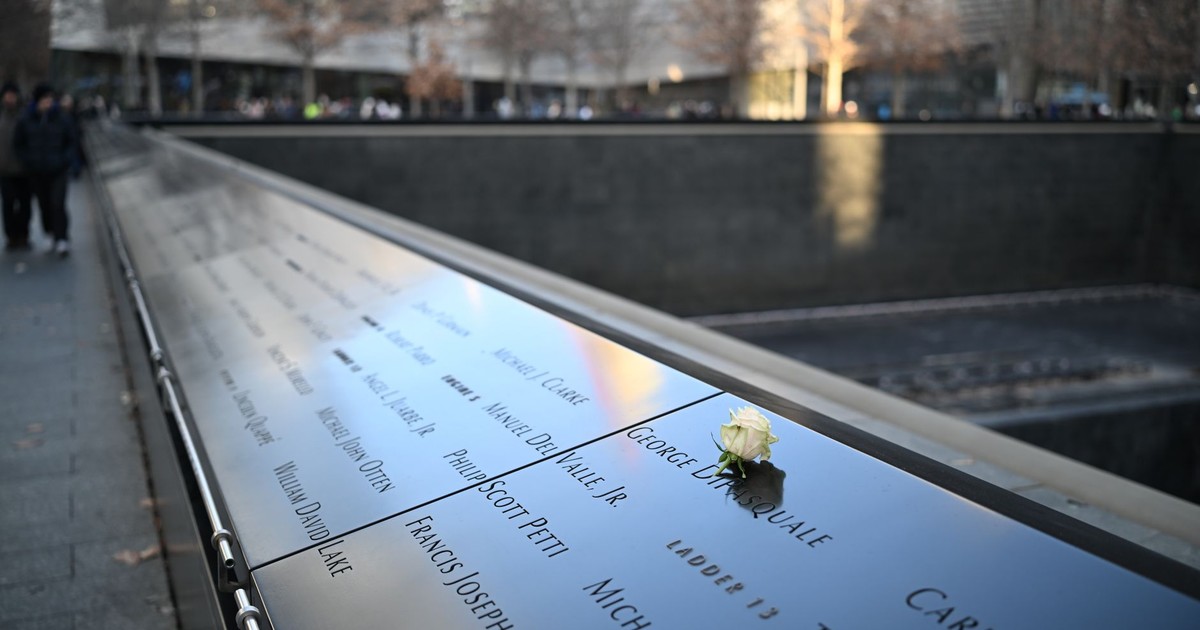
Four planes were hijacked during the September 11, 2001 attacks, three of which were used to strike significant U.S. sites. American Airlines Flight 11 and United Airlines Flight 175 were flown into the World Trade Center’s north and south towers, respectively, and American Airlines Flight 77 hit the Pentagon. United Airlines Flight 93 crashed in a field near Shanksville, Pennsylvania, after passengers attempted to overpower the hijackers.
The official death toll, after numerous revisions and not including the 19 terrorists, is 2,977 people. More than 400 first responders, including 60 law enforcement officers, were killed. Nearly 3,000 children lost a parent. The death toll kept rising in the years that followed, as first responders and Ground Zero workers developed cancers linked to the toxic air they breathed during the recovery operation.
The attacks reshaped American life in ways that are still unfolding in 2026. Airport security, the creation of the Department of Homeland Security, the wars in Afghanistan and Iraq, the expansion of domestic surveillance – all of it traces back to that Tuesday morning. The psychological aftershocks of 9/11 registered in PTSD rates, in the targeting of Muslim Americans, and in a national grief that still surfaces every September 11th with the reading of the names at the memorial in lower Manhattan.
9. Hurricane Katrina (2005)
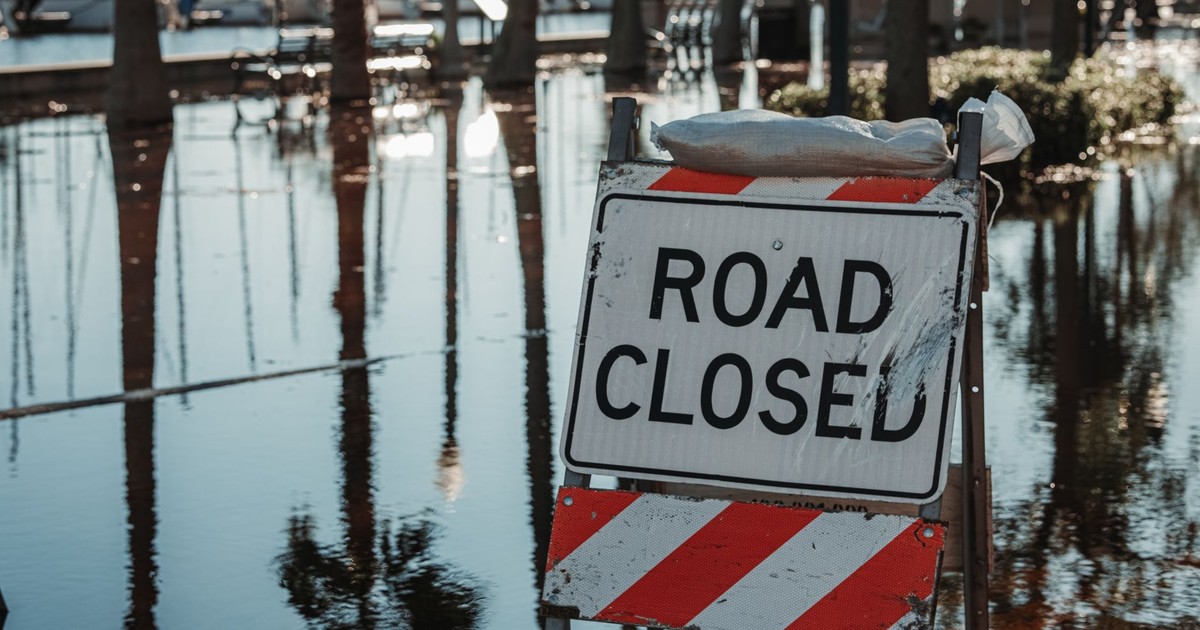
On August 29, 2005, Katrina’s storm surge caused 53 breaches to various flood protection structures in and around the greater New Orleans area, submerging 80% of the city. Hurricane Katrina remains the costliest disaster to ever impact the U.S. and is one of the five deadliest hurricanes to ever strike the country. In all, the storm was responsible for 1,833 fatalities and approximately $108 billion in damage in unadjusted 2005 dollars.
When the storm hit, about 100,000 people were trapped in the city, particularly the poorest residents, the elderly, and people who lacked access to transportation. The images that came out of New Orleans in the days that followed – people stranded on rooftops, the chaos at the Superdome, bodies floating in floodwater – made it impossible to look away from what the failure of government response actually meant in human terms. Widespread criticism of the federal response to Katrina led to the resignation of FEMA director Michael D. Brown and did lasting damage to the reputation of President Bush, who was nearing the end of a month-long vacation at his ranch in Crawford, Texas when Katrina struck.
The population of New Orleans fell from 484,674 before Katrina to an estimated 230,172 after – a decrease of more than 254,000 people and a loss of over half of the city’s population. More than a decade later, some neighborhoods never recovered. Katrina didn’t just expose the fragility of a levee system; it exposed the fragility of the social contract.
10. The Space Shuttle Challenger Disaster (1986)
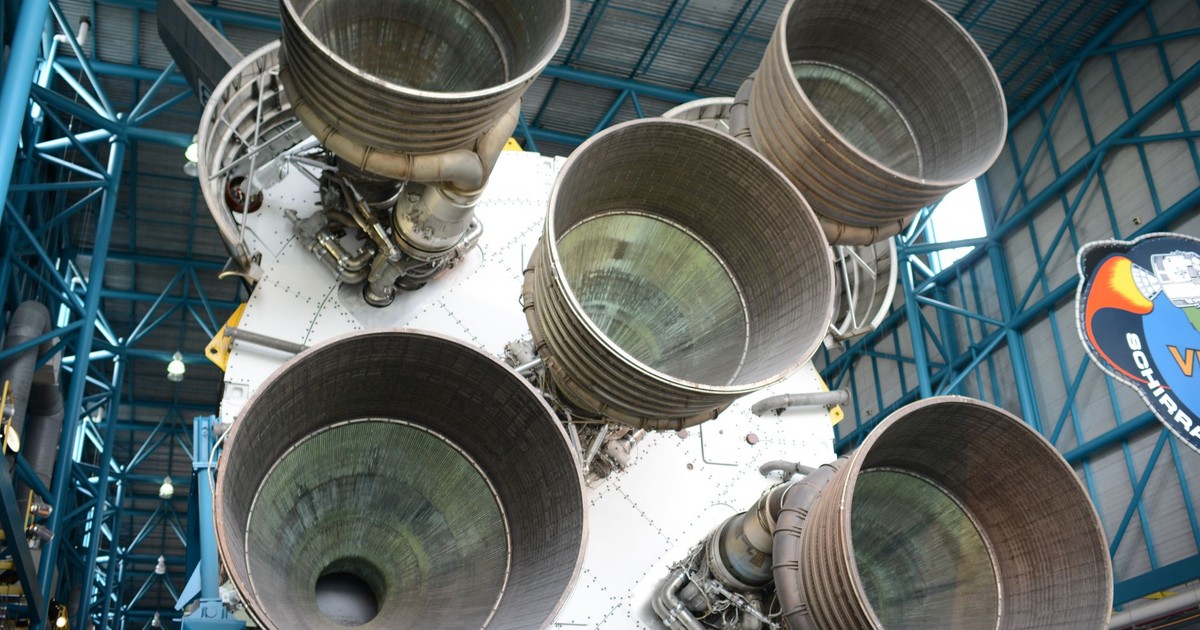
On January 28, 1986, the Space Shuttle Challenger disintegrated 73 seconds after liftoff, resulting in the deaths of all seven crew members, including teacher Christa McAuliffe. Millions of schoolchildren across America were watching live, because McAuliffe had been selected through NASA’s Teacher in Space program to be the first civilian educator in space. The launch had already been delayed multiple times; students had gathered around classroom televisions on a Tuesday morning to finally watch her go.
The cause of the disaster was a failed O-ring seal on the right solid rocket booster, which allowed hot gases to escape and ignite the external fuel tank. Engineers at NASA contractor Morton Thiokol had raised concerns about the O-rings in cold temperatures the night before launch. They were overruled. The Rogers Commission, appointed by President Reagan to investigate the disaster, found that NASA had known about the O-ring problem for years and had chosen to accept the risk.
What made Challenger so culturally searing, beyond the immediate horror of watching the explosion on live television, was what the investigation revealed about institutional behavior: the way bureaucratic pressure and schedule concerns can override technical judgment even when the stakes are lives. It’s a lesson that didn’t fully hold – the Columbia disaster in 2003 involved many of the same organizational failures.
11. The Assassination of Robert F. Kennedy (1968)
Robert F. Kennedy was shot on June 5, 1968, just after midnight, at the Ambassador Hotel in Los Angeles, having just delivered a victory speech for the California Democratic presidential primary. He died the following day. The assassin was Sirhan Sirhan, a Palestinian immigrant who opposed Kennedy’s support for Israel.
Kennedy’s death came just two months after the assassination of Martin Luther King Jr., in a year that already included the Tet Offensive, the My Lai massacre, and riots in dozens of American cities. For many Americans, June 1968 was the moment the 1960s fully broke. Two of the most significant progressive leaders of the decade had been murdered within eight weeks of each other. The combination felt like something more than tragedy; it felt like a systematic elimination.
RFK’s death also had direct political consequences. Hubert Humphrey won the Democratic nomination instead, and Richard Nixon won the general election in November. The argument has been made, and never definitively settled, that Kennedy – had he lived – might have ended the Vietnam War years earlier. That’s the particular anguish of his assassination: not just who was lost, but what might have been different.
12. The COVID-19 Pandemic (2020 – 2022)

No other event in living memory has tested the United States quite like the COVID-19 pandemic. By the time the acute phase had passed, more than one million Americans had died – a figure that exceeded the combined American death toll of World War I, the Korean War, and the Vietnam War. The virus did not discriminate by age or class or politics, though it killed some communities at far higher rates than others.
What made the pandemic one of the terrible moments in America wasn’t just the death toll. It was the specific texture of the loss: the nursing home residents who died alone because visitors weren’t allowed, the last phone call through a hospital window, the year and a half of school that children simply didn’t have. It was a mass grief event experienced in isolation, which is an unusual kind of grief to carry.
The pandemic also stress-tested institutions, trust, and social cohesion in ways that are still being reckoned with. Vaccine hesitancy, the polarization of public health policy, the uneven economic damage – none of these are resolved. And like the Great Depression, it’s likely that the long-term psychological effects on the generation that grew up through 2020 and 2021 will take decades to fully surface.
Read More: 22 Problems Only Americans Have to Deal With
What History Asks of Us
These twelve events don’t form a clean arc with a reassuring lesson at the end. They don’t add up to proof that America always recovers, or that darkness is always followed by light, because that isn’t reliably true. New Orleans lost half its population after Katrina and never got it all back. The assassinations of MLK and RFK within eight weeks of each other in 1968 removed two people who might have changed the course of the Vietnam War. Some losses carry permanent consequences.
What the events on this list share is the way they exposed fault lines that were already there. Pearl Harbor revealed how unprepared American military intelligence was. The Great Depression exposed the recklessness of unchecked financial markets. Hurricane Katrina showed what happens when infrastructure is neglected in poor communities for long enough. The Oklahoma City bombing forced a confrontation with domestic extremism that had gone largely unexamined. In nearly every case, the terrible moment didn’t create the problem – it just made ignoring it impossible.
The history of terrible moments in America is also a history of warnings that arrived too late, of known risks that were accepted for the wrong reasons, of people who raised their hands and were overruled. The O-ring engineers at Morton Thiokol knew. The levee engineers in New Orleans knew. The intelligence analysts who wrote the August 6, 2001 briefing titled “Bin Laden Determined to Strike in US” knew. What these events demand is not just remembrance – it’s the harder work of paying attention before the next crisis makes doing so unavoidable.
AI Disclaimer: This article was created with the assistance of AI tools and reviewed by a human editor.