
That’s not a fringe position. It’s what the data says. In 2026, if you fill a glass from your kitchen faucet, there is a reasonable chance it contains a group of synthetic chemicals that don’t break down, that accumulate in the human body, and that have been linked to cancer, thyroid damage, and immune system suppression. The federal agency whose job it is to protect you from those chemicals just moved to loosen the rules. And the pipes delivering that water to your home may have been installed when Eisenhower was president.
This is the story most Americans have never fully reckoned with, not because the information is hidden, but because it arrives in regulatory language and press releases, never quite connecting as the personal health emergency it is.
The Forever Chemical Problem Is Bigger Than You Think
The most recent data confirm that 176 million people in communities throughout the U.S. have drinking water that has tested positive for PFAS. PFAS, which stands for per- and polyfluoroalkyl substances, is a class of synthetic chemicals used for decades in non-stick cookware, food packaging, firefighting foam, and dozens of other industrial applications. They earned the nickname “forever chemicals” because once released into the environment, they do not break down and can build up in the body.
The scale of contamination is staggering. A 2023 USGS study estimates that at least 45% of U.S. tap water contains PFAS. That figure comes from the first study to test for these chemicals at the kitchen tap across both public water systems and private wells, and it found contamination at comparable levels in both. The cities most people imagine are the problem – industrial zones, military towns – account for only part of it. PFAS have been found at levels above EPA thresholds in all but three states: Arkansas, Hawaii, and North Dakota.
Exposure to PFAS is linked to cancer, reproductive harm, immune system damage, and other serious health problems, even at low levels. The Centers for Disease Control and Prevention has detected PFAS in the blood of 97 percent of Americans, including newborn babies. That last detail is worth sitting with. Not in the blood of people who live near manufacturing plants. In nearly every American, including infants who have never eaten solid food.
The Regulatory Failure Is the Bigger Story
In April 2024, the EPA did something it had not done for a long time. It restricted six PFAS chemicals in drinking water, the first time the agency had issued a final rule on its own initiative for unregulated contaminants in tap water in 28 years. It was genuinely significant, the kind of regulatory action that public health advocates had pushed for across multiple administrations.
Then, in 2025, the EPA moved to gut it.
The EPA announced it will roll back limits on four PFAS in drinking water, and as of the latest data, about 165 million Americans have drinking water contaminated with PFAS. The agency confirmed it will retain standards only for PFOA and PFOS, the two most studied compounds, while asking a federal court to vacate the limits for PFHxS, PFNA, PFBS, and GenX chemicals. GenX, notably, is widely used and has contaminated the drinking water source of 500,000 people in North Carolina.
I understand the argument on the other side. Water utilities have raised genuine concerns about cost and timeline. Trade associations representing public water providers and industry challenged the EPA PFAS drinking water rule, arguing, among other issues, that EPA did not rely on the best available science and underestimated the costs of the regulation. Those aren’t trivial complaints. The infrastructure bill provided funding, but the total bill for bringing systems into compliance runs into the billions, and smaller utilities in rural communities often lack the capacity to move quickly.
But the counterargument collapses when you look at who bears the risk in the meantime. It isn’t the utilities. The vast majority – 79 percent – of congressional districts are impacted by PFAS-contaminated tap water above EPA thresholds, and more than 73 million people are being served by water systems where at least one test sample came back above the EPA’s safety threshold. Those are the people drinking the water while regulators argue about compliance timelines.
Lead Pipes: The Problem We Already Know How to Solve
PFAS is invisible and relatively new to public understanding. Lead is not. Americans have known about the dangers of lead in drinking water since at least the Flint crisis in 2014, and the federal ban on new lead plumbing went into effect in 1986. So it is genuinely troubling that aging water infrastructure is still the primary delivery system for drinking water in millions of American homes.
Despite that federal ban on the use of lead pipes in new plumbing systems in 1986, the EPA estimates there are still more than 9 million lead service lines across the United States. Many of these pipes connect to older buildings in lower-income communities of color with aging infrastructure in cities such as Chicago, Milwaukee, and New York. Chicago is the most extreme case: about 400,000 lead pipes, which serve more than 2.7 million residents in the city, are still delivering water to homes and apartment buildings. The city has until 2047 to complete replacements, and some estimates suggest the work won’t actually be finished until 2076.
Lead, a neurotoxin, can cause a variety of disorders, from behavioral problems to brain damage. The EPA says lead pipes are often the most significant source of lead in drinking water, especially in older homes and cities, and the agency states there is no known safe level of lead in a child’s blood.
The 2024 Lead and Copper Rule Improvements set a firm 10-year deadline for replacing every lead service line in the country and lowered the action level from 15 parts per billion to 10 ppb. That was genuine progress. But President Trump has ordered the EPA to block hundreds of millions in federal funding to states, complicating efforts to replace lead pipes and slowing the response to this crisis. Some cities are making headway – Detroit and Milwaukee have received substantial federal funds and are tracking toward completion. But others won’t finish until decades from now, with entire generations of children drinking from the same pipes in the interim.
The Regulatory Gap No One Talks About
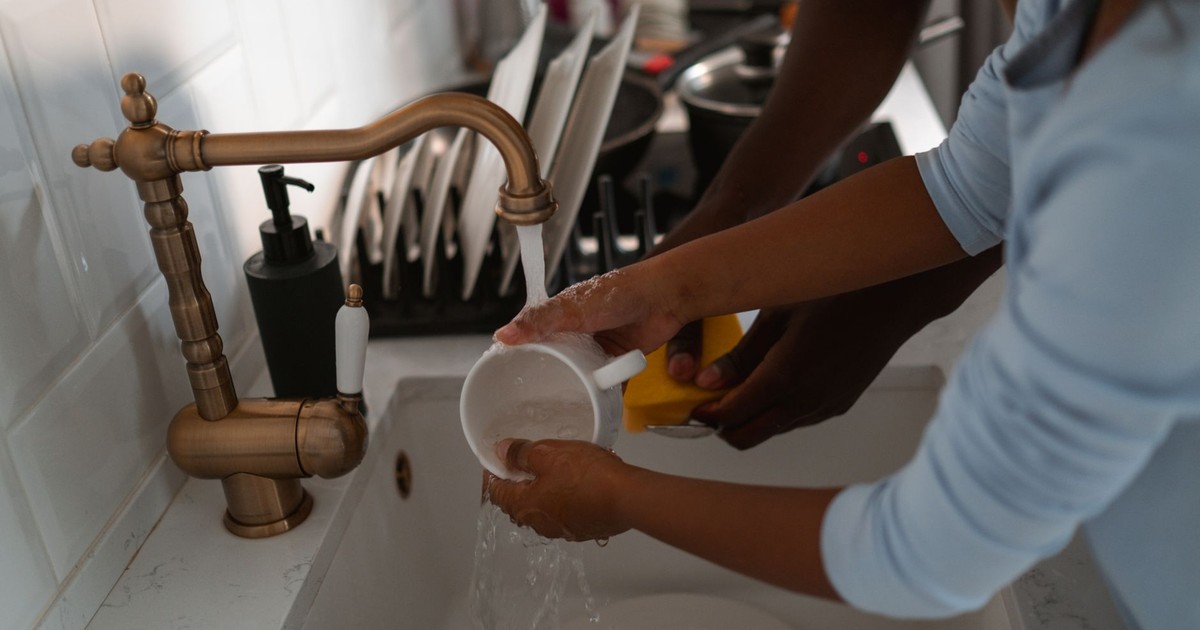
Even when the EPA is trying its best, the framework it operates within is deeply limited. The EPA currently regulates only about 90 contaminants out of the 324 substances detected in U.S. tap water. Many of the regulations the EPA has issued under the law are outdated, with some last updated in the 1990s.
There’s also a structural flaw in how contamination is assessed. The EPA assesses contaminants and the costs and benefits of reducing levels one at a time, but tap water rarely contains just one chemical. The agency has not adequately addressed the combined effects of multiple pollutants, which has left a significant gap in public health protection. A chemical that is technically within legal limits on its own can still cause harm when combined with two or three others also present within their individual limits.
And even when violations do occur, the consequences are limited. Safe Drinking Water Act violations at community water systems expose millions of people to health risks each year. In fiscal year 2022, over 18,000 community water systems had at least one violation, and almost 3,000 had a health-based violation, resulting in 22 million Americans consuming water with at least one health-based violation of drinking water standards.
The annual consumer confidence reports that utilities are required to send customers are supposed to address this, but in practice, they often don’t. The reports have often been used to obscure problems rather than educate consumers. Too often, water systems have used these reports more as public relations documents than to meaningfully inform customers about health risks. Frequently, utilities bury problematic information deep in the report and include sweeping generalizations about safety at the front.
What You Can Actually Do Right Now
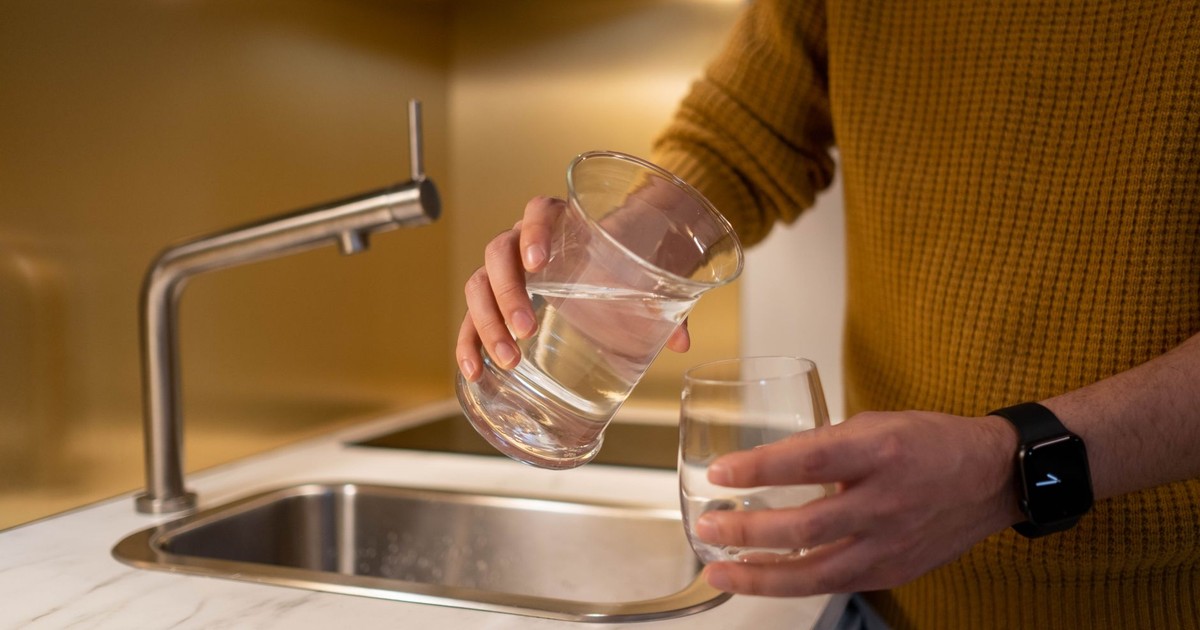
The honest answer is that the solution to tap water contamination at the systemic level requires political will and sustained public pressure, not individual action. But while that fight plays out, there are concrete steps worth taking.
Reverse osmosis and activated carbon water filters can be extremely effective at removing PFAS. A reverse osmosis system installed under a kitchen sink will handle the vast majority of the contaminants discussed here, including PFAS compounds and lead. These systems range from roughly $150 to $400 for home installation, with filter replacements annually. That’s a real cost, and it’s worth acknowledging that the burden shouldn’t fall on individuals, but for those who can access it, it is the most reliable short-term protection.
If you’re specifically concerned about lead, the question isn’t just whether your water utility uses lead pipes. It’s whether the service line connecting your home to the main is lead, and whether the internal plumbing inside an older building is leaching as well. The EPA’s water testing data is publicly available through its UCMR monitoring database, and many states have hotlines for requesting your utility’s specific test results.
The Part That Actually Matters

The counterargument to alarm here is a reasonable one: American tap water is still far safer than in most of the world, water utilities do treat and test constantly, and the overall rate of acute illness from municipal water is genuinely low. I’m not dismissing that. If you’re comparing a glass of Chicago tap water to water drawn from an untreated river, there is no comparison.
But safety standards in this country are built around what is legally permissible, not around what science has determined to be genuinely risk-free. Just because a contaminant is considered “legal” by federal standards doesn’t mean it’s as safe as it should be. The Environmental Working Group has crafted health-based standards that focus solely on what’s safe for public health in light of the most recent science. In contrast, federal standards must consider cost and feasibility and are rarely updated.
That gap between “legal” and “safe” is where 176 million people live. The fact that the water coming from your tap clears the regulatory bar tells you something, but not everything. And when the agency responsible for that bar is actively moving it in the wrong direction, the gap widens. Some of these contamination problems go back further than most people’s lifetimes, and the infrastructure carrying water into American homes is, in many places, older than the regulations governing it. Naming that isn’t fatalism. It’s the starting point for demanding something better.
Disclaimer: This information is not intended to be a substitute for professional medical advice, diagnosis, or treatment and is for information only. Always seek the advice of your physician or another qualified health provider with any questions about your medical condition and/or current medication. Do not disregard professional medical advice or delay seeking advice or treatment because of something you have read here.
AI Disclaimer: This article was created with the assistance of AI tools and reviewed by a human editor.