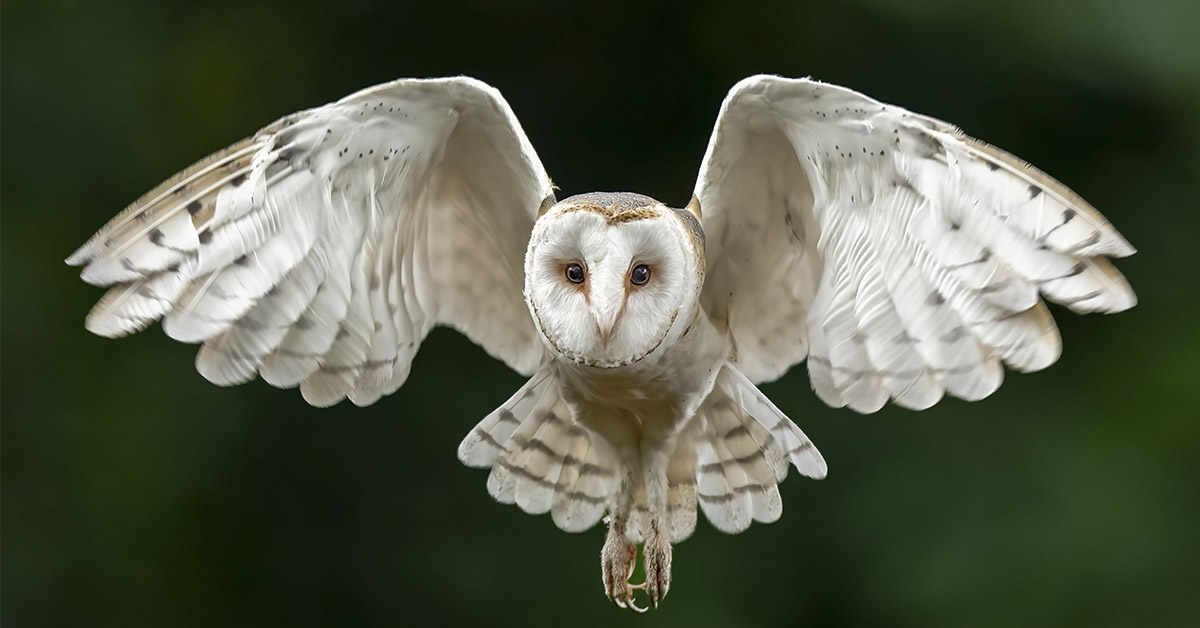

An owl circling a home stands out because the behavior feels specific, so the mind tries to figure out whether the moment carries meaning or if it is ordinary wildlife behavior. People notice patterns in nature because the brain looks for signals that relate to safety, timing, or change, and an owl’s movement triggers that instinct. Owls fly silently and focus their attention with intention, so their presence feels directed rather than random. This leads people to consider whether the owl reflects something happening in their lives. The search for meaning starts because the human brain connects unusual patterns with internal questions that have not been answered.
The Biology Behind the Behavior
Before assigning spiritual meaning, it helps to understand why an owl might circle a home from a biological perspective because accurate context removes confusion. Owls circle areas where they sense movement or prey, and homes often attract small animals that hide near walls, gutters, or trees. Owls also patrol territory when they feel protective. They circle to assess threats, locate sounds, or investigate changes in their environment. This matters spiritually because meaning grows stronger when someone understands that the behavior is rare enough to notice but normal enough to hold a rational foundation. The grounded explanation becomes the baseline for everything that follows.
Why People Apply Meaning to Animal Encounters
Humans interpret animal behavior symbolically because the brain responds to patterns that interrupt routine, so the owl becomes a focal point for questions someone has avoided. Psychologists describe this as pattern based interpretation, where people connect natural events to personal themes. The owl’s movement becomes a mirror for those themes because it forces someone to pause and consider what feels unresolved. This matters spiritually because meaning grows from the interaction between the event and the internal state of the person who witnesses it.
The Spiritual Role of Owls Across Cultures
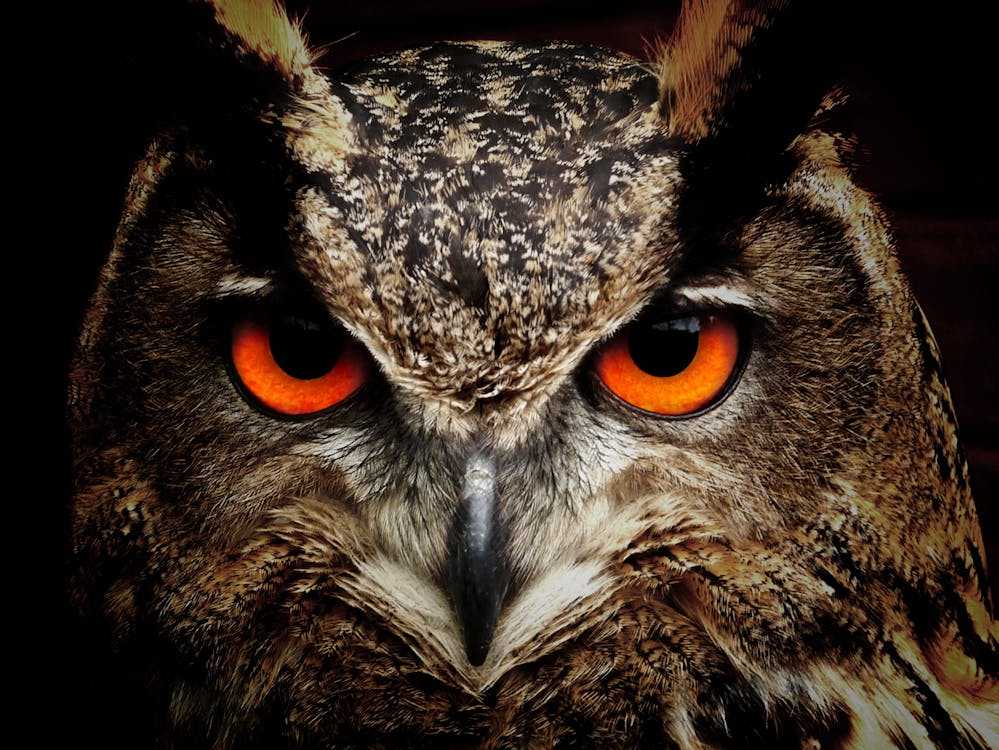
Owls appear often in myth and folklore because communities used them to express ideas about danger, guidance, and change, so modern spiritual readings usually lean on that older symbolism. Written sources and ethnographic work show that meanings differ sharply between regions, which matters because it stops us from making vague claims about some universal owl meaning. In some places owls signal harm or death, while in others they stand for luck, wisdom, or protection, and these views are tied to concrete beliefs, rituals, and deities. When someone looks for spiritual meaning in an owl circling a home, they usually draw on one or more of these documented traditions, not on a single global story about the bird.
Owl Symbolism in African Traditions
Documented beliefs from several African countries link owls to witchcraft, misfortune, and death, and this is not guesswork but comes from surveys and folklore studies. A study of Tyto owl beliefs in Malawi reported that over 90 percent of respondents associated owls with bad luck, witchcraft, and death, which shows how strong this connection is in that context. Folklore summaries note that in parts of southern Africa, including Zulu areas, owls are known as the bird of sorcerers, while in some central and western regions they appear as messengers of witches or carriers of evil news.
Modern conservation groups working in South Africa still report that many people see an owl on a roof or in a village as a sign that someone may die or that witchcraft is at work. So if someone raised in these traditions sees an owl circling a home, the immediate spiritual reading often leans toward warning, possible conflict in the family, or the sense that harmful intent needs to be addressed.
Owl Symbolism in Native American Traditions
Studies and museum summaries show that owl symbolism in Native American cultures is diverse, and it always needs specific tribal context. Writing from the Buffalo Bill Center of the West notes that among the Cherokee, Lakota, and Caddo, owls were sometimes seen as bringing messages to medicine people, including news of distant events or future outcomes, and Cherokee shamans in particular treated the Eastern Screech Owl as a consultant on sickness and punishment. Other documented traditions place owls closer to death omens, for example sources on Apache and Navajo belief state that a hooting owl can signal death and destruction, while Cree stories describe small owls as beings that summon spirits.
More recent syntheses mention that Hopi people include owl kachinas in ceremonies as figures tied to knowledge and discipline, while some Pacific Northwest tribes such as the Tlingit and Kwakiutl link owls with the journey of souls to the afterlife. Because of this range, a Native person might read an owl circling a home as a message, a warning, or a sign of spiritual activity, depending on the teachings of their specific nation rather than a single shared view.
Owl Symbolism in Japanese Culture
In Japan, the owl became a popular good luck symbol, and this is supported by language and by how often owl charms appear in shops and homes. Modern cultural explainers note that the Japanese word for owl, fukurou, can be linked to the character fuku for luck and to phrases that can be read as no hardship, so the bird fits naturally into the category of protective talismans.
Japanese retailers still market owl figurines and amulets as engimono, or lucky objects, and descriptions for these items state directly that owls are believed to bring luck and protect from suffering. Within that setting, someone who grew up with Japanese symbolism might see an owl circling their home as a positive sign that points to support, easing of difficulty, or a reminder to trust that they are being looked after.
Owl Symbolism in Hindu Traditions
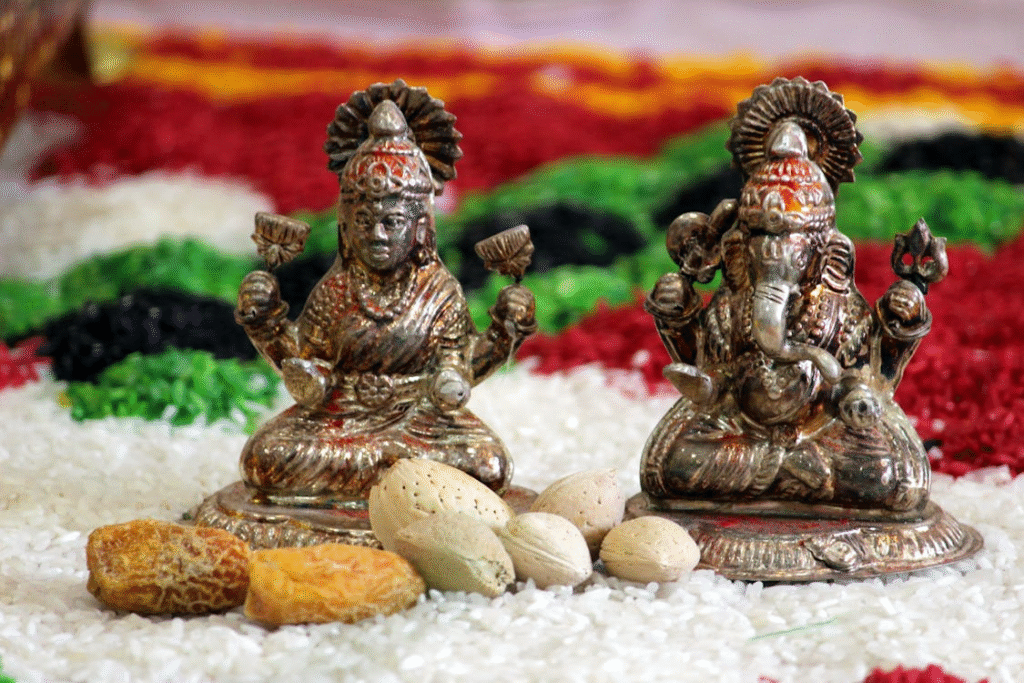
In Hindu tradition, especially in eastern India, the owl is tied to the goddess Lakshmi, and this link is clearly recorded in religious and cultural sources. Standard references on Lakshmi list the owl, often named Uluka, as one of her mounts or associated animals, alongside the elephant, and note that Lakshmi represents wealth, prosperity, and fortune. Writers who focus on regional practice describe how in Odisha and Bengal, images of Lakshmi often include a white owl, which people treat as an auspicious sign and a bringer of good luck because of its connection to the goddess.
Commentaries on Lakshmi’s owl explain that it symbolizes wise use of wealth and the need to stay aware rather than blinded by material success. For someone shaped by this symbolism, an owl circling the home might feel like a spiritual nudge to manage money, security, and comfort wisely, rather than a threat.
Owl Symbolism in Ancient Greek and European Traditions
In ancient Greece, the owl’s role is well documented through coins, statues, and texts that link it to Athena, the goddess associated with skilled thinking and city life. Museum notes and classical summaries point out that Athenian coins frequently show an owl alongside Athena, and later writers describe the bird as a sign of intelligence and informed judgment.
In later European thought, that link between owl and learned thinking persisted, so owls became a visual shorthand for study and serious reflection. Celtic and later neo Celtic sources frame the owl, sometimes named cailleach oidhche, as a guide through difficult initiations, a figure tied to change, hidden truth, and the idea that death can mark a beginning instead of a final stop. Within these strands, an owl circling a home may be read as a prompt to think carefully, complete a phase, or face information that has been pushed aside, rather than a random intrusion.
Owl Symbolism in Mesoamerican Traditions
Sources on Aztec and related Mesoamerican traditions connect owls firmly with death deities, and this rests on clear iconography, not guesswork. Work on Aztec religion notes that Mictlantecuhtli, the god of death and ruler of the underworld, is often depicted with owl feathers in his headdress, and that owls symbolized death and destruction in that culture. Studies of Nahuatl texts and colonial accounts also describe owls as omens and as participants in scenes involving omens of death and encounters with the dead. For people influenced by these ideas, an owl near a home, especially if it returns repeatedly, can be read as a sign that mortality, endings, or unresolved grief need honest attention.
Owl Symbolism in Middle Eastern Traditions
Historical work on pre-Islamic Arabic poetry and later folklore shows that owls often carried a negative meaning in that region. Scholars who analyzed classical Arabic texts report that owls were sometimes viewed as attendants of jinn and as birds that give true omens, and that an owl landing on a house could be taken as a sign that the owner or a family member might die. Folklore collections describe beliefs about a death owl, sometimes called al Sada, which represents the soul of a person killed without justice and which continues to cry until vengeance or balance is achieved.
Other regional summaries state that in some Middle Eastern communities owls are linked with ruins and destruction, which reinforces their reputation as ill omens. In that context, an owl circling a home is more likely to be read as a serious warning about conflict, loss, or unresolved wrongs than as a neutral or friendly sign.
Why the Circling Movement Changes the Interpretation
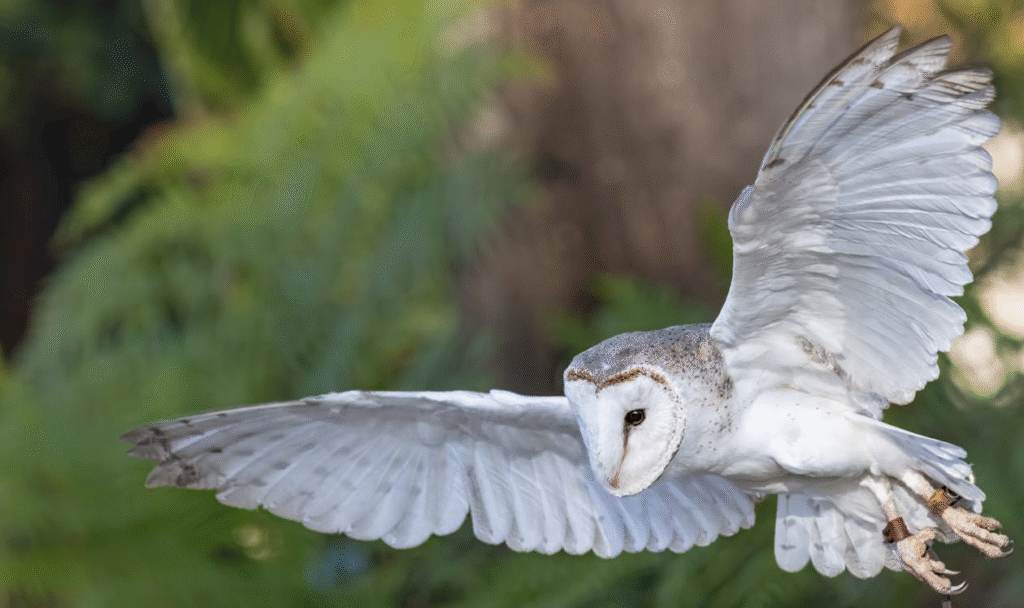
The circle adds weight because it shows repeated attention, so the encounter feels more directed than a quick flyby. Circling can suggest that something in your environment needs review because repeated movement draws focus to an area. People apply this logic inward because circling behavior resembles the human tendency to revisit the same thought or worry. The encounter then becomes a prompt to identify what keeps looping in your mind. When behavior repeats, it asks a question, and the owl’s movement suggests that a cycle in your life may need closure or adjustment.
The Home as a Symbol of Personal Stability
A home carries meaning because it represents your routines, your stress levels, and the patterns you maintain daily. When an owl circles that space, people often interpret the moment as feedback on their internal environment rather than their external one. Homes reflect emotional states through clutter, noise, conflict, or tension. The owl’s presence creates a chance to examine whether your environment supports your wellbeing or drains it. The meaning becomes practical because it draws attention to areas you might ignore when life moves fast.
A Prompt to Reevaluate Boundaries
Owls protect their own territory, so their circling behavior connects to boundary enforcement. People often struggle with emotional or interpersonal boundaries, and the owl becomes a cue to check whether your boundaries are working. This includes how you use your time, who influences your mood, and how much energy you give away without noticing. The encounter matters because boundaries shape stability, and the owl’s behavior mirrors the importance of reviewing what you allow into your personal space.
Read More: The Spiritual Significance of Seeing a Dragonfly
Insight and Decision Making
Owls evolved to see in low light, so they symbolize the ability to perceive what is not immediately obvious. People often feel stuck when decisions involve information they cannot fully see. The owl circling the home becomes a symbolic reminder that clarity sometimes comes from slowing down rather than pushing harder. The moment pushes someone to consider whether they have ignored important details in a decision they are facing. The spiritual meaning then becomes an encouragement to check the facts, evaluate motives, and verify assumptions.
Emotional Cycles and Internal Tension

When people experience internal tension, they often notice external patterns more sharply. An owl circling a home can align with times when someone feels pressure or anticipates change. This does not make the owl a cause. Instead, the owl becomes a marker for the internal state someone already carries. Psychologically, the mind uses external cues to process internal uncertainty. Spiritually, the meaning becomes an acknowledgment that something in your emotional life needs examination, especially if you have felt unsettled or stuck.
Ancestral or Symbolic Support
Some cultures interpret the presence of an owl as a reminder that support exists even when it is not visible. This does not imply danger. It reflects the belief that people do better when they feel watched over during challenging periods. The owl’s circling behavior resembles protective surveillance, so the symbolic meaning becomes one of guidance rather than warning. People often feel steadier when they treat the encounter as reassurance that they are moving through a phase that demands strength.
Timing and Personal Change
Animal encounters become meaningful when they happen during transition, so the owl’s presence might align with a shift in your relationships, work, health, or daily habits. People often sense change before they act on it, and the owl becomes a reminder to acknowledge that sense. The encounter suggests that you might be entering a stage where old routines no longer match your current needs. The meaning becomes less about prediction and more about recognition. The owl signals that something in your life deserves a fresh approach.
The Practical Side of Interpretation
Spiritual interpretation becomes helpful when it leads to grounded action. An owl circling your home becomes a chance to check whether your environment reflects your current goals. This includes how you rest, how you communicate, how you handle stress, and how you make decisions. People often live on autopilot, and the encounter breaks that pattern. The meaning becomes a cue to take small but steady steps toward stability.
Why These Encounters Stay in Memory
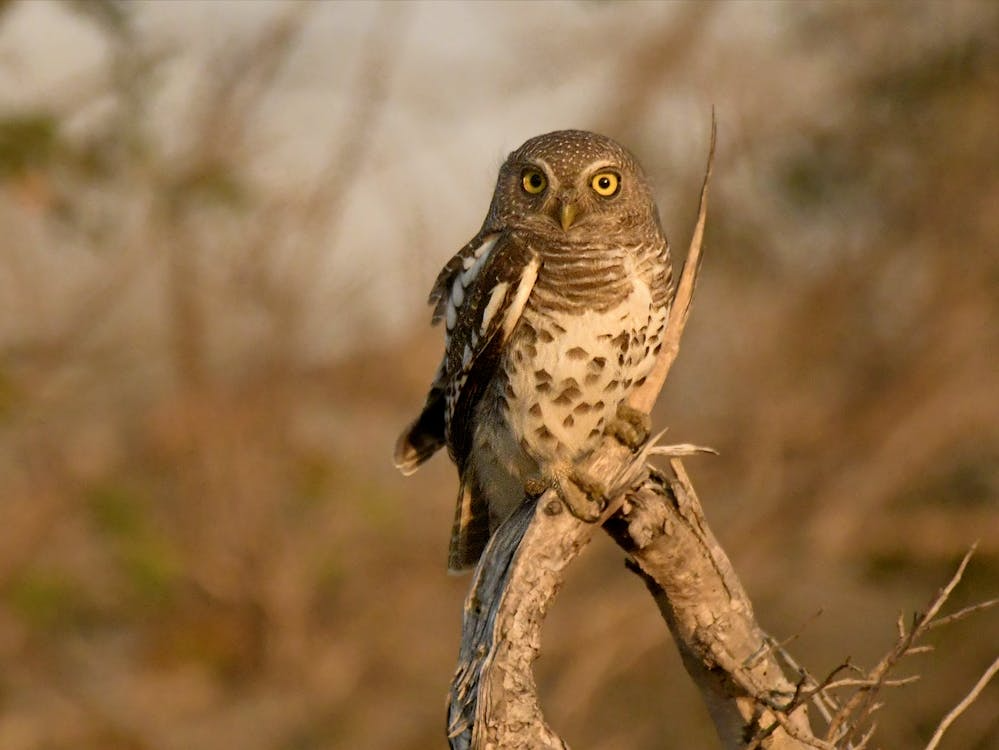
People remember unusual animal behavior because the brain ranks it as important. This makes the encounter easy to revisit mentally, which gives it power. The moment stays vivid because it arrived at a time when your mind was already processing something. The owl becomes a symbol for that moment, and memory reinforces the meaning you attach to it. People use events like this to organize their thoughts, so the encounter becomes part of how they understand the stage of life they were in.
Disclaimer: This article was written by the author with the assistance of AI and reviewed by an editor for accuracy and clarity.
Read More: With The Year Coming To An End, What Each Zodiac Sign Can Expect Before 2026