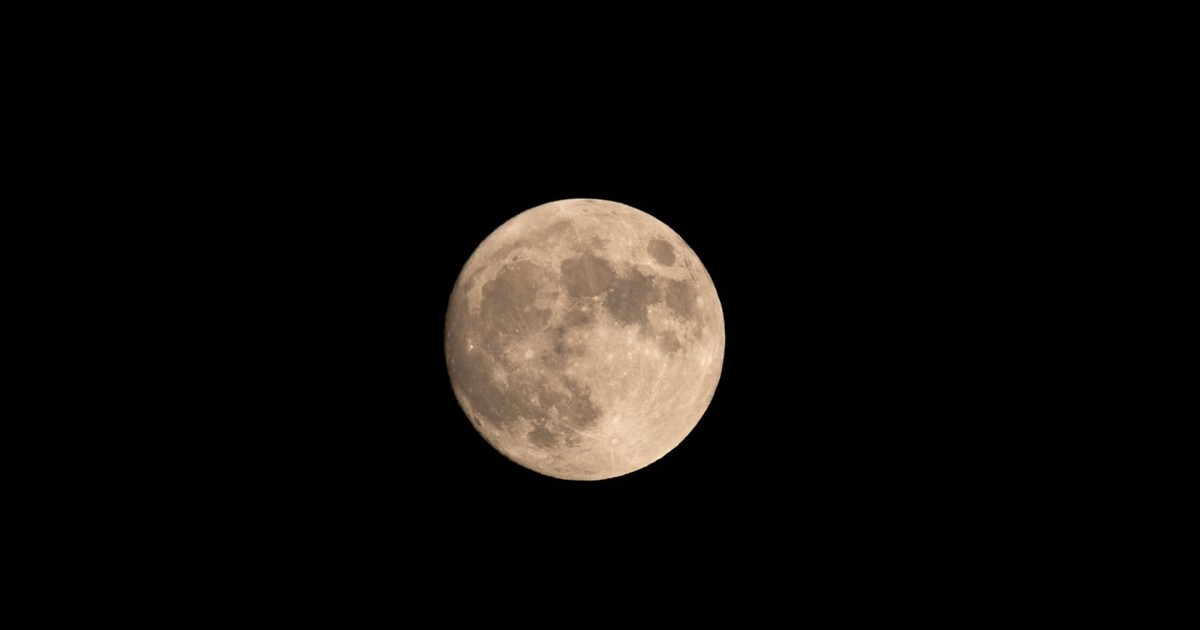

At 2:35 on a Wednesday morning, a 45-foot piece of metal traveling at 5,400 miles per hour hit the moon. No one saw it happen. The flash lasted less than a second, far too dim to register through any telescope on Earth. The crater it left behind, estimated to be roughly 60 feet wide and 12 feet deep, will be there for millions of years.
The object was a Falcon 9 upper stage, the top section of one of SpaceX’s most-flown rockets. It had been drifting through space since January 2025, when it launched as part of a commercial lunar mission. The upper stage was never commanded to maneuver to ensure it would miss the moon. Solar activity and gravitational forces made that choice instead.
A piece of metal with a registration number and a known orbit, catalogued and watched by independent trackers for months, hit the moon without any requirement in place to stop it.
The Mission That Started It All
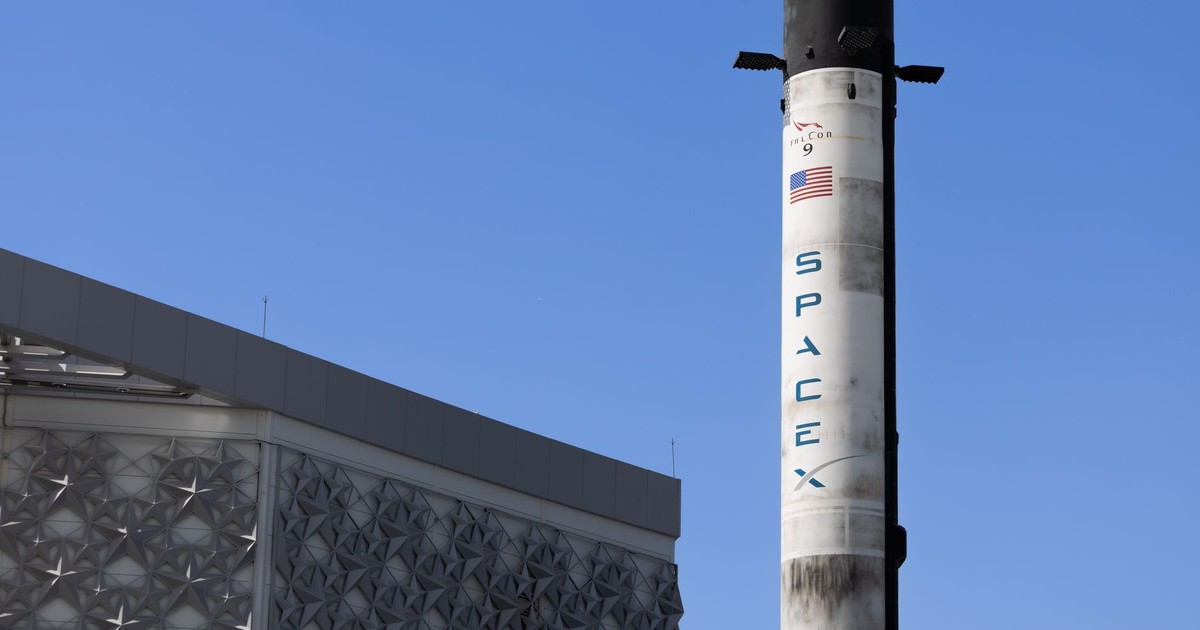
On January 15, 2025, SpaceX launched the Falcon 9 rocket and successfully deployed Firefly Aerospace’s Blue Ghost 1 lunar lander to the moon under NASA’s CLPS (Commercial Lunar Payload Services) initiative. The rocket also carried a second payload: ispace’s Resilience lunar lander, built in Japan.
Blue Ghost became the first privately built spacecraft to achieve a fully successful moon landing. While Blue Ghost was making history, the rocket that carried it there was drifting.
The first stage of a Falcon 9 returns to Earth and is reused. The second stage, or upper stage, does not return. Most Falcon 9 upper stages orbit close to Earth and eventually reenter our atmosphere. This one spent most of its time farther out than average, around the distance of the moon.
Julianna Scheiman, SpaceX’s director of NASA Science and Dragon Programs, said in a news conference that the company followed “the appropriate rules and regulations” for properly disposing of the Falcon 9 second stage after launching it, but “what has happened is essentially a mixture of solar activity and gravity forces have put it on a path towards the moon.”
SpaceX parked the rocket stage somewhere it believed was safe. The moon had other ideas.
How a Hobbyist Saw It Coming

The stage, catalogued as 2025-010D, struck at approximately 2:35 AM ET (06:35 UTC) on Wednesday, August 5, just as predicted by independent tracker Bill Gray of Project Pluto, an astronomy software company that builds orbit-determination tools used by NASA-funded observation programs. Gray calculated where the upper stage was ultimately heading after noticing it had been wandering into increasingly risky territory. He spent months tracking the object, published predictions that held to within seconds, and co-authored a research paper about the impact with an international team of researchers. His findings were posted to arXiv, the open-access preprint server operated by Cornell University, though the paper has not been peer-reviewed.
Independent astronomers used publicly available data to track the Falcon 9 upper stage and confirm it was on a collision course with the moon. NASA’s Center for Near Earth Object Studies, which tracks the orbits of space rocks that could crash into Earth, and very occasionally the moon, also confirmed the impact trajectory of the upper stage.
The hardware that hit the moon was not a mystery object. It was catalogued, watched, and publicly documented for months. The impact was predictable.
The Moment of Impact
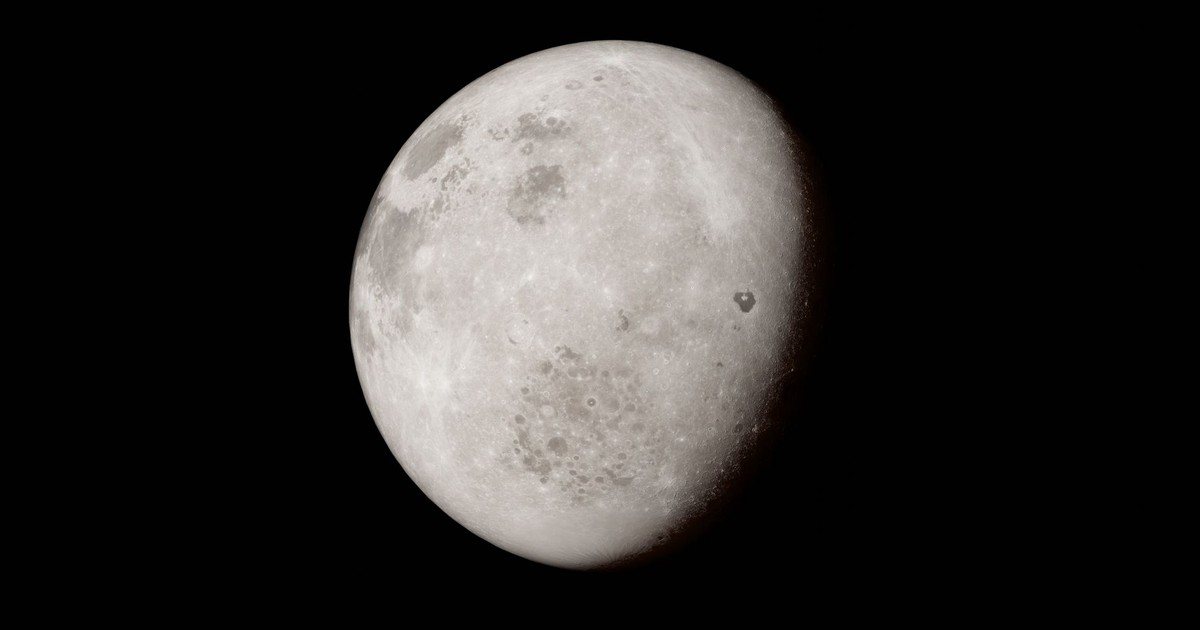
The 8,800-pound SpaceX Falcon 9 rocket booster slammed into the moon very early Wednesday in a rare case of a man-made collision with the lunar surface. The rocket, which was about 45 feet long and 12 feet wide, crashed with a force of nearly 3 tons of TNT, hitting the lunar surface at 5,400 miles per hour.
Scientists estimated a speed of 8,700 kph and anticipated a crater of nearly 27 meters across and 5 meters deep on the satellite’s sunlit western limb. Because the moon has no atmosphere, there was nothing to slow it down.
Astronomers were not able to immediately confirm the crash, as the impact flash, lasting less than a second, was probably too dim to see. Images of the crash are not yet available, as none of the spacecraft orbiting the moon was in the correct position to observe the event live.
In the minutes following the SpaceX moon impact, a cloud of lunar dust and possibly gas and vapor was expected to be lofted above the surface. The plume, researchers predicted, should have risen several orders of magnitude brighter than the background sky for the first few minutes after impact.
According to NASA, meteoroids with similar energy hit the moon every six days or so.
What Comes Next for Scientists

Scientists moved quickly to treat the crash as a research opportunity, and a genuinely unusual one.
The crater carved near Einstein Crater will become the first test of a computational model built to predict how hollow human-made objects deform the moon, a calibration dataset that every future lunar surface operator, from NASA’s Artemis crews to commercial lander teams, will rely on to calculate safe landing margins and debris hazard zones.
NASA’s Lunar Reconnaissance Orbiter has been circling the moon at approximately 50 kilometers altitude since 2009. Its narrow-angle camera achieves approximately 50 centimeters per pixel resolution, sufficient to image a 20-meter crater with sub-meter precision. The LRO imaged the Einstein Crater target area before August 5 to establish a baseline. The before-and-after comparison, once the post-impact images come back, will be the most detailed record of a human-caused lunar impact ever assembled.
The crash marks only the second known accidental impact of a discarded rocket stage on the moon. A Chinese rocket booster struck the lunar far side in 2022. That earlier impact near Hertzsprung crater created a double crater roughly 100 feet in its longest dimension. The double-crater shape puzzled researchers because a single solid object wouldn’t typically produce that symmetry. It suggested the Chinese rocket stage may have had significant mass at both ends.
The SpaceX moon impact gives scientists a second data point, and this time they were ready for it.
The Regulation Gap That Made This Possible

The FAA proposed an upper-stage debris rule in September 2023 and withdrew it on January 15, 2026, citing the need for “further study” after receiving industry objections about cost. No replacement has been proposed.
Existing cislunar space debris regulations could not prevent the August 5, 2026, SpaceX moon impact. The FCC’s new Part 100 satellite licensing framework, adopted July 22, created a cislunar spacecraft category with no disposal mandate.
SpaceX reduced the number of Falcon 9 upper stages remaining on-orbit after payload deployment from 13 out of 134 launches in 2024 to three out of 165 in 2025, according to figures the company disclosed during FAA rulemaking. That’s a significant improvement. But improvement driven by company preference is not the same as a requirement, and the stage that hit the moon on August 5 came from the older, pre-improvement approach.
SpaceX demonstrated voluntary disposal with the EscaPADE upper stage in November 2025, which was given enough extra propellant to inject itself into solar orbit after payload separation, but that was a commercial decision, not a regulatory requirement. Voluntary choices change with budgets and priorities. Regulations don’t.
The Artemis Accords, now signed by 70 nations, address cooperation, safety zones, and the protection of heritage sites including the Apollo landing areas, but stop short of binding disposal requirements. Meanwhile, the Aerospace Corporation has assessed that a single debris-generating collision event in cislunar space could produce hazard fields persisting for thousands of years.
NASA and SpaceX are discussing ways to prevent future lunar impacts. The U.S. space agency plans to build a lunar base and send routine astronaut missions to the lunar surface beginning later this decade under its multibillion-dollar Artemis program.
What SpaceX and NASA Administrator Said

SpaceX said in a statement: “We actively work to be as responsible as possible with hardware left in space to ensure space safety, including for more complex missions. In this case, over time, solar activity and gravity led the second stage toward the Moon. Impacts like this are rare, but they can happen with objects in these types of orbits, and we worked with NASA on the optimal disposal solution.”
NASA Administrator Jared Isaacman said during a Wednesday morning appearance on Fox and Friends that the impact was not a cause for concern, adding that the development of reusable rockets will further decrease the likelihood of future impacts. He pointed to SpaceX’s record of recovering and reusing Falcon 9 first-stage boosters as evidence of a broader trend toward less throwaway hardware.
Fully reusable rockets, if they become the standard, do change the math on orbital debris significantly. But the upper stages of today’s rockets are not yet routinely recoverable, and launches are accelerating faster than the reusability technology that would render this problem moot.
The Weight of What It Means
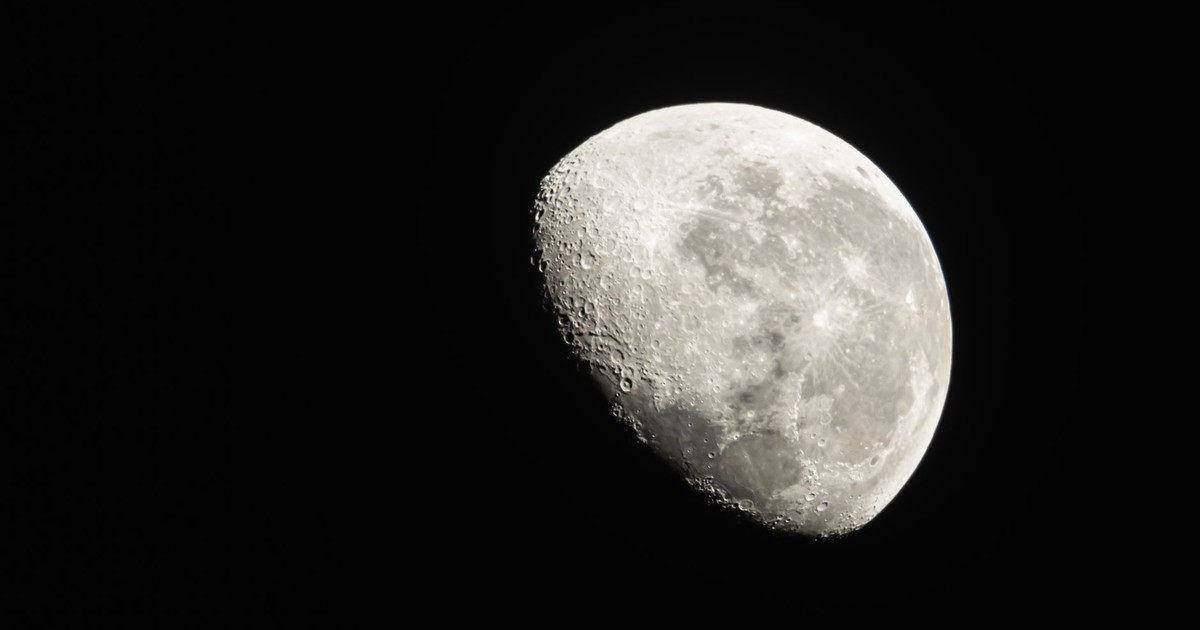
Human-made debris on the lunar surface now exceeds 209 tons, according to Forbes. The moon has been accumulating human-made hardware for more than half a century, and the pace is accelerating.
The science coming out of this impact will be useful. The crater images will calibrate models. The dust plume will tell researchers something about the composition of the lunar soil near Einstein Crater.
But the images from the Lunar Reconnaissance Orbiter will eventually come back and show exactly what a 4-metric-ton piece of discarded infrastructure looks like after hitting the moon at seven times the speed of sound. That picture will be data. It will also be a record of something that happened because no rule required it not to.
Experts warn that without improved tracking and international disposal regulations, future missions face heightened collision risks, potential contamination of lunar sites, and disturbance of historical locations. The Apollo landing sites sit on a moon that is about to host dozens of new missions, commercial and governmental, from a growing list of countries. Some of those missions have legal protections under the Artemis Accords. Most of the hardware they’ll leave behind does not.
What happened at 2:35 a.m. on August 5, 2026, near Einstein Crater was not catastrophic. The moon absorbed it, as the moon absorbs everything. But the pattern it represents, fast launches, slow regulation, hardware drifting through cislunar space with nowhere in particular to go, is not a pattern that corrects itself. Every new mission that skips the disposal planning is another object in a region of space where the cleanup cost, if cleanup were even possible, would run to geological timescales. The rocket stage is already part of the lunar surface now. The question of whether the next one has to be is still, somehow, unresolved.
Disclaimer: This information is not intended to be a substitute for professional medical advice, diagnosis, or treatment and is for information only. Always seek the advice of your physician or another qualified health provider with any questions about your medical condition and/or current medication. Do not disregard professional medical advice or delay seeking advice or treatment because of something you have read here.
AI Disclaimer: This article was created with the assistance of AI tools and reviewed by a human editor.