
21. Heat and Cold Therapy
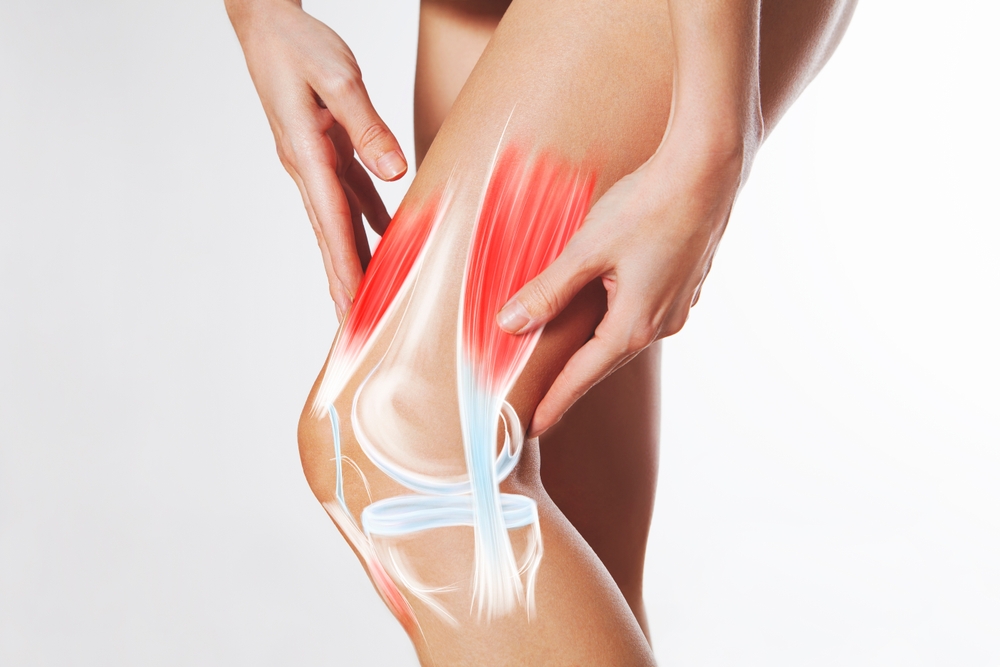
Heat and cold therapy are simple, accessible methods for managing joint pain and inflammation. They can be used alone or in combination, depending on the nature and timing of symptoms. Heat therapy increases circulation and relaxes muscles, while cold therapy reduces inflammation and numbs pain.
Heat can be applied using warm compresses, heating pads, or warm baths. It is especially helpful in the morning or after inactivity when joints feel stiff and sore. By increasing blood flow, heat helps loosen tight tissues and makes movement easier.
Cold therapy is useful during active flare-ups when joints are swollen or hot to the touch. Ice packs, frozen gel packs, or cold compresses constrict blood vessels and slow nerve impulses, which helps reduce pain and swelling. Sessions should last no more than 15 to 20 minutes to avoid skin damage.
Some people benefit from contrast therapy, which involves alternating between heat and cold to stimulate circulation and reduce stiffness. This approach can be especially useful after exercise or physical therapy sessions.
These methods are low-risk and can be easily incorporated into a daily routine. However, people with poor circulation or nerve damage should use caution and consult a healthcare provider to avoid complications.