
18. Arnica
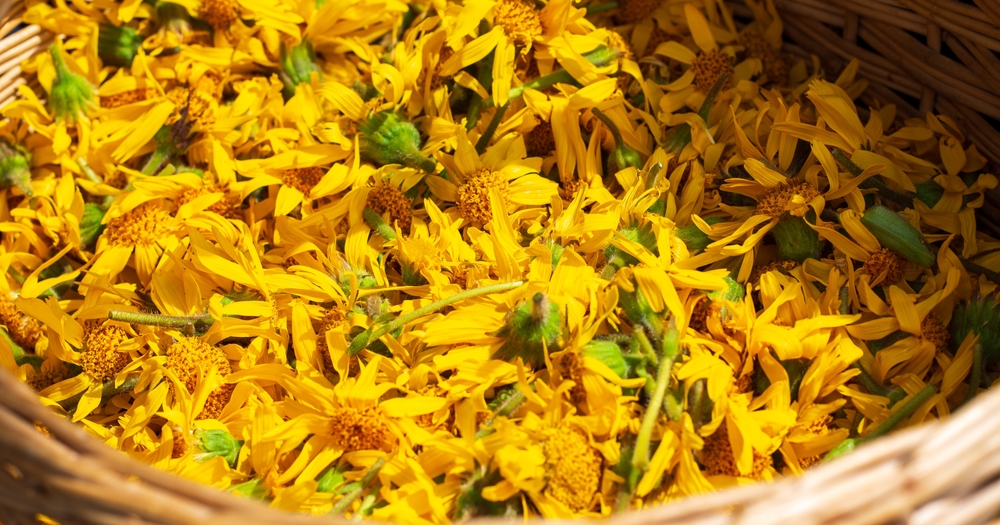
Arnica is a plant in the sunflower family, traditionally used to treat bruises, sprains, and muscle pain. Its active compounds, including helenalin, have anti-inflammatory and analgesic effects. When applied topically, arnica can help reduce swelling and discomfort associated with psoriatic arthritis.
Arnica gel or cream is most effective when used on areas with muscle soreness or superficial joint pain. It works by increasing circulation in the affected area and inhibiting inflammation. While it does not reach deep joint tissues like some systemic treatments, it provides localized relief that many people find helpful during flare-ups.
Clinical trials have found that arnica gel can be as effective as low doses of ibuprofen for managing mild osteoarthritis symptoms. Although psoriatic arthritis is more complex, arnica may still provide temporary relief for less severe joint and muscle pain.
It is important to avoid applying arnica to broken or irritated skin, including psoriasis plaques, as it can cause allergic reactions or increase irritation. Some individuals may also be sensitive to the plant and should perform a patch test before widespread use.
Arnica should never be ingested unless under professional guidance, as internal use can be toxic. When used properly as a topical treatment, arnica can be a safe and soothing addition to a natural pain management routine.