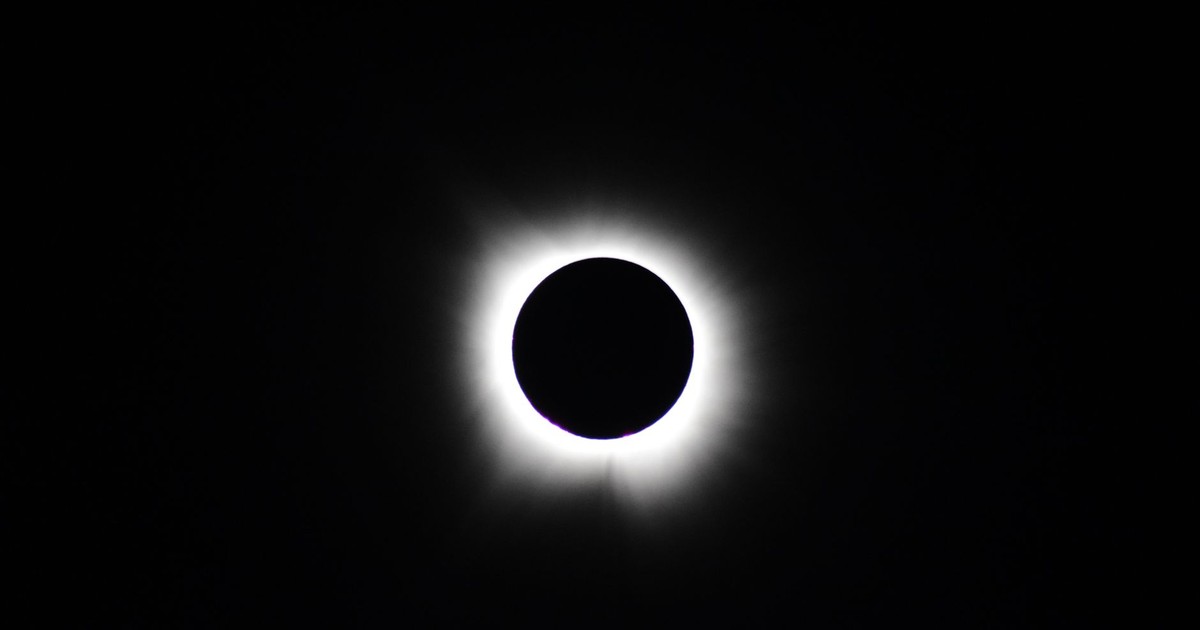

The last total solar eclipse over mainland Europe crossed the continent on August 11, 1999. The August 12, 2026 total solar eclipse is the first visible from mainland Europe since that year. Twenty-seven years is a long time to wait, and the sky above Spain and Iceland is about to come through.
Questions about solar eclipse visibility are landing in everyone’s inbox. The path of totality is narrow, the timing is unusual, and millions of people across Europe, North Africa, and North America will see something, though exactly what depends entirely on where you are standing at around 8:30pm local time on Wednesday, August 12.
Most of you will see something extraordinary. A handful of you will see something unforgettable. A very few, unless they travel, will see almost nothing at all.
Where Totality Actually Falls
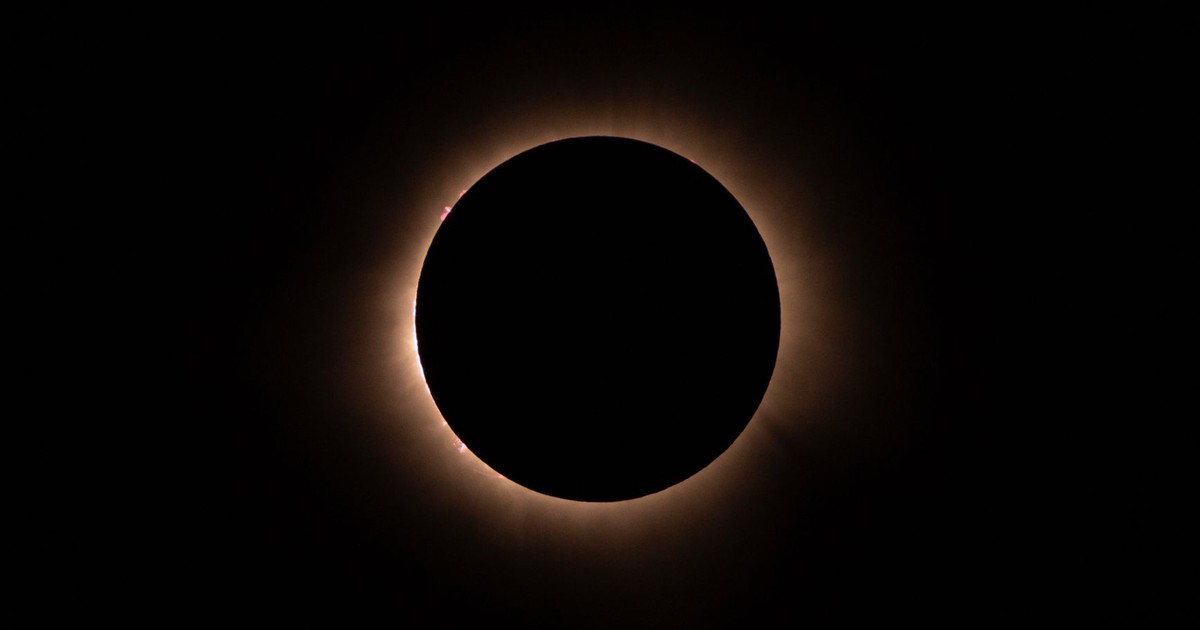
The red band of totality crosses Greenland, Iceland, and Spain. That narrow corridor is where the Moon will completely block the Sun, where the sky will darken to a deep twilight in the middle of the evening, where planets will appear, and where the Sun’s outer atmosphere, called the corona, will become visible to the naked eye.
The path of totality crosses far northern Russia, Greenland, western Iceland, northern and eastern Spain, and a tiny corner of Portugal. Spain is the largest, most populated country on the 2026 eclipse path and will host the majority of the world’s eclipse chasers.
Spain will witness its first total solar eclipse visible from the peninsula since 1905. After a gap of 121 years, the Moon’s shadow will sweep across the Iberian Peninsula. The shadow enters Spain via the Atlantic coast of Galicia and exits over the Mediterranean Sea through the Balearic Islands. That line runs directly through some of the country’s most accessible cities. The longest durations on the peninsula are found in Oviedo, at 1 minute 49 seconds, and Gijón, at 1 minute 45 seconds, as the central line passes directly through Asturias.
In Portugal, most of the country will see a partial solar eclipse, but the further north you are, the deeper an eclipse you’ll see. The official observation point for totality in Portugal sits at Parque Natural de Montesinho in the extreme north-east near the Spanish border, the only region in mainland Portugal where the full corona will be visible.
The Sunset Eclipse Problem
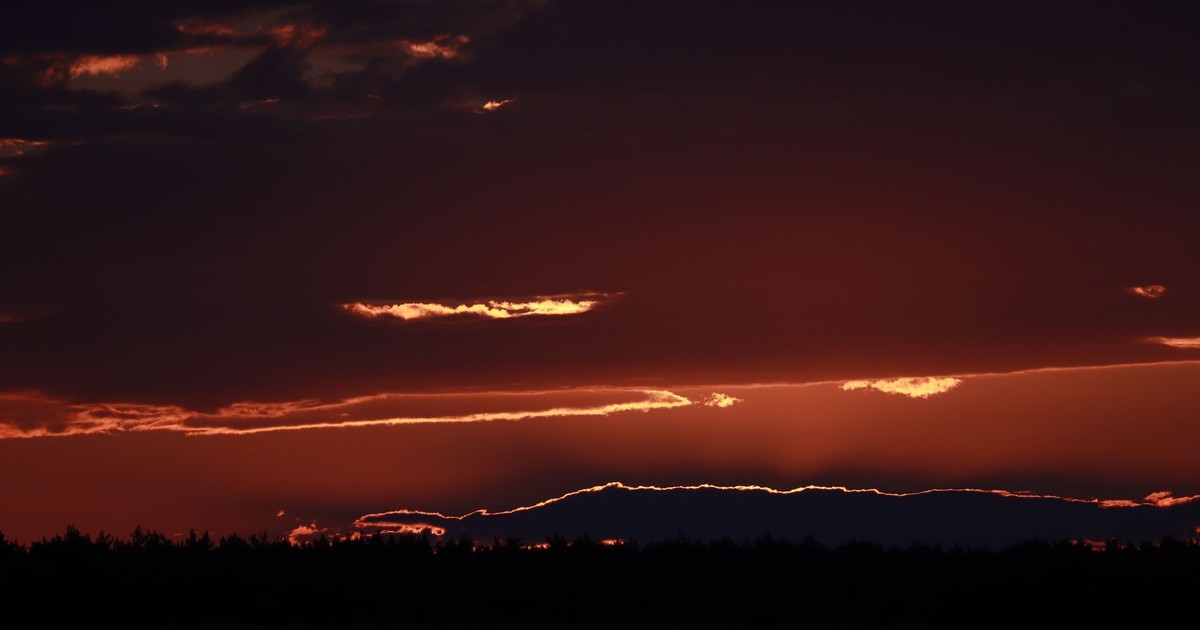
The 2026 eclipse falls near sunset. For a small, remote region in northern Russia, totality will occur mid-day. For Greenland and Iceland, the Sun goes dark in the late afternoon or early evening. In Spain and the very northwestern tip of Portugal, the Sun won’t be fully eclipsed until the late evening, shortly before sunset.
The umbra makes landfall on the Cantabrian coast, sweeps across the Meseta Central, and exits over the Mediterranean and the Balearic Islands, with totality happening close to sunset. The eclipse unfolds near sunset, with the Sun positioned between 1° and 13° above the horizon depending on location. A hill, a stand of trees, a block of flats: any of these will block your view.
Astronomers recommend choosing an elevated, coastal, or open location with a completely unobstructed western horizon, because trees, buildings, hills, haze, or even a narrow strip of distant cloud could hide the low Sun even if the sky overhead is clear. Checking your chosen site at the same time on the evening before the eclipse is worth doing. If you cannot see the Sun clearly near the western horizon from that spot, you need to find another location.
Iceland and Greenland offer very different experiences from Spain, with totality taking place higher in the sky against their Arctic landscapes. Reykjavík sits almost perfectly on the central line. Because the solar eclipse occurs near lunar perigee, when the Moon is closest to Earth in its orbit, the Moon appears slightly larger than usual, and that’s what makes this a relatively long solar eclipse, lasting over two minutes in some places.
The Partial Eclipse: How Much Will Everyone Else See?
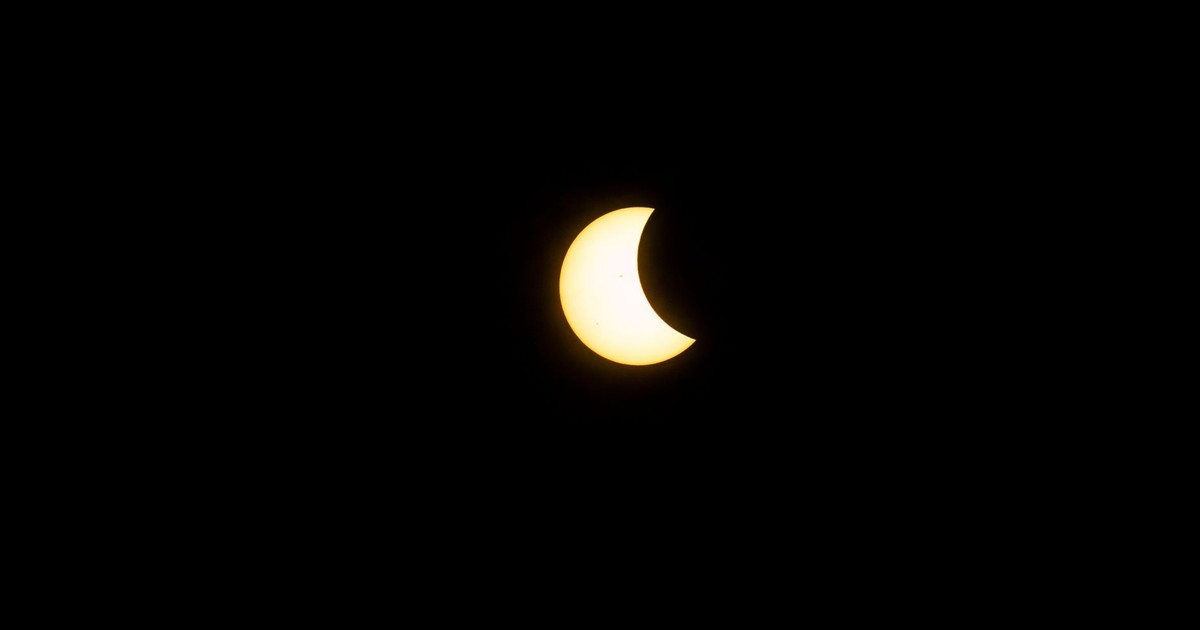
The path of totality is narrow. The region that sees something, however, is enormous. Totality is not visible from North America, but a partial eclipse can be seen from most of Canada and parts of the northern United States. Nearly all of Europe and parts of northwestern Africa will also see a partial eclipse.
A much larger region surrounding the path of totality will see a partial solar eclipse, with much of Europe, including the UK, Ireland, France, Germany, Italy, and Scandinavia, watching the Moon take a bite out of the Sun.
In the UK and Ireland, observers will see a partial solar eclipse, with over 90% of the Sun obscured in many places. That sounds significant, but there is a catch. At maximum, the Sun will be only about 10 degrees high in London and 12 to 16 degrees high across many other UK cities, so this should be treated as a sunset observation. The 90% coverage figure means nothing if your horizon is obstructed.
For North America, the event falls at a different time of day. While Europeans will experience the eclipse at sunset, in Canada and most of the US it will occur in the afternoon, and in Alaska, the event will occur in the morning as the Sun is rising. Many places across the Northern Hemisphere will experience a partial eclipse on that day, including parts of the US, most of Canada, much of Europe, and northwestern Africa.
The Eye Safety Rules and Why They Actually Matter
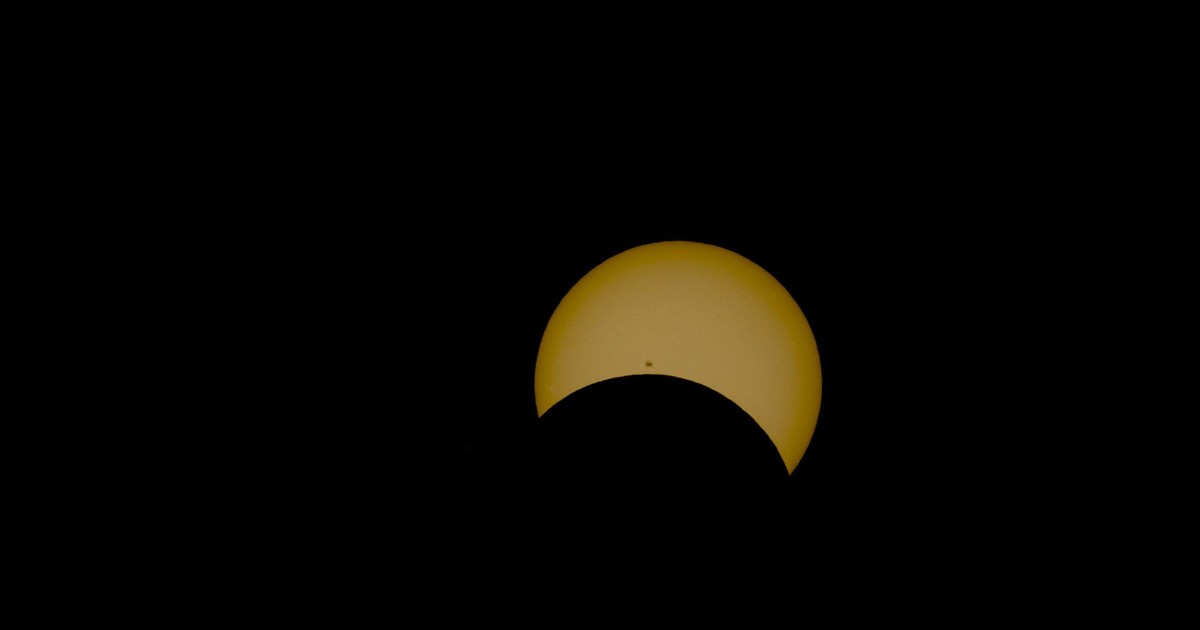
Every eclipse brings a wave of people who think the danger is overblown. It isn’t. Exposing your eyes to the Sun without proper eye protection during a solar eclipse can cause retinal burns, known medically as solar retinopathy. Exposure of the retina to intense visible light causes damage to its light-sensitive rod and cone cells. There is no treatment for solar retinopathy. It can improve or worsen, but it is a permanent condition.
Only during the brief moments of totality, when the Moon completely blocks the Sun’s bright face, can viewers look directly at the eclipse without eye protection. Before and after totality, everyone observing the Sun must use eye protection to view the partial phases of the eclipse, when the Moon is covering only part of the Sun’s disk.
When watching the partial phases of a solar eclipse directly, you must look through safe solar viewing glasses or a safe handheld solar viewer at all times. Eclipse glasses are not regular sunglasses. Regular sunglasses, no matter how dark, are not safe for viewing the Sun. Safe solar viewers are thousands of times darker and ought to comply with the ISO 12312-2 international standard.
There is also a critical rule for anyone using a camera, binoculars, or a telescope. Never look at the uneclipsed or partially eclipsed Sun through an unfiltered camera, telescope, binoculars, or other similar devices, even if you are wearing eclipse glasses or holding a solar viewer at the same time. The intense solar rays coming through these devices will damage the protective filter in your solar glasses and put your eyes at risk. A special-purpose solar filter must be attached to the front of any telescope, binoculars, or camera lens to observe the Sun safely.
For those inside the path of totality, there is exactly one window when glasses come off: the period of totality itself, from the moment the Sun disappears entirely to the moment it reappears. Those two hard limits fall between second contact, the last flash of sunlight known as the diamond ring, and third contact, when the diamond ring returns. On this eclipse that window is at most around two minutes. When the first bead of sunlight comes back, glasses go straight back on.
What You Will Actually See
For those in the totality corridor, the experience tends to surprise even people who think they know what to expect. The light fades faster than any sunset does, and it drops from every direction at once. When the Moon fully blocks the Sun, direct sunlight disappears across the path of totality. The sky dims to a deep blue-gray, and air temperature typically falls several degrees within minutes. Stars and planets appear. Animals go silent. During totality, the Moon completely covers the Sun, exposing the Sun’s faintly glowing corona to the naked eye.
Totality lasts up to two minutes and 18 seconds. Because it occurs in the evening over Spain, viewers there also get a rare bonus, a crescent Sun setting after totality ends.
For those watching a partial eclipse from the UK, France, Germany, or elsewhere, the sky won’t go dark and the corona won’t appear. The Moon’s shadow moves steadily across the Sun’s face, the light outdoors takes on a slightly flat, filtered quality, and if you’re near a leafy tree, the gaps between leaves act as natural pinhole projectors, casting dozens of small crescent shapes onto the ground beneath.
Planning Your View
The path of totality touches Greenland, western Iceland, and northern Spain, where maximum totality reaches up to 2 minutes and 18 seconds. No repositioning within the path will extend that, but where exactly you stand within it determines elevation angle, totality duration, and critically, your weather odds.
Spain’s Canary Islands will see 66 to 74% darkness during the eclipse, well below totality, but a significant partial event. Mainland northern Spain, particularly Asturias, the Basque Country, and Castilla y León, sits directly in the path. The Balearic Islands, Mallorca, Menorca, Ibiza, will see totality right over the Mediterranean, with the eclipsed Sun low over the water.
This is the first total solar eclipse anywhere on Earth since April 8, 2024, and the first visible from mainland Europe since 1999. On August 2, 2027, just one year later, another total eclipse crosses Spain, though its path runs further south, affecting regions like Andalusia and the Strait of Gibraltar. After that, the waits grow considerably longer. Between 2026, 2027, and 2028, Spain hosts three exceptional solar eclipses, two total and one annular.
NASA’s eclipse map for August 12, 2026 lets you enter any location and find your exact coverage percentage and timing. If you’re anywhere in Europe, it’s worth checking before Wednesday.
What This Comes Down To
The solar eclipse visibility question most people are asking isn’t really about the astronomy, the path, the percentages, the timing. It’s a smaller question: will it be worth stepping outside?
For almost everyone in Europe, the honest answer is yes. Even 60 or 70% coverage in France or Germany will produce a light that feels wrong in a way you notice immediately, cooler, flatter, angled differently than any sunset you’ve seen. In the UK and Ireland, with 90% coverage near the western coast, the light change will be marked even if the sky won’t go properly dark.
For those within the path, though, the difference between 99% coverage and 100% is not 1%. The corona doesn’t appear at 99%. The stars don’t come out. The temperature doesn’t drop. The birds don’t stop. Anyone who has stood in the Moon’s full shadow tends to describe it as the single most disorienting and beautiful thing they’ve ever seen in the natural world. Twenty-seven years is a long time between chances.
Disclaimer: This information is not intended to be a substitute for professional medical advice, diagnosis, or treatment and is for information only. Always seek the advice of your physician or another qualified health provider with any questions about your medical condition and/or current medication. Do not disregard professional medical advice or delay seeking advice or treatment because of something you have read here.
AI Disclaimer: This article was created with the assistance of AI tools and reviewed by a human editor.